ورم أرومي العلاج في الهند - التكاليف 2026


تمت مراجعة المقالة طبيا من قبل
فهد مولود
ما هي تكلفة ورم أرومي إجراءات التشخيص والعلاج في الهند؟ اعرف الآن
| الهند | تركيا | إسبانيا | |
|---|---|---|---|
| العلاج بالأنتيوم-225 | ≈ $5,000 | من $20,500 | ≈ $28,000 |
| العلاج الكيميائي لسرطان الثدي | ≈ $3,200 | من $3,000 | من $1,700 |
| استئصال ورم أرومي دبقي | ≈ $6,500 | من $18,500 | من $50,400 |
| Halcyon (هالسيون) | ≈ $5,500 | ≈ $9,500 | ≈ $6,500 |
| Gamma Knife جاما نايف | ≈ $4,500 | من $5,500 | من $24,900 |
مزاياك وضماناتك مع Bookimed
أسعار مباشرة
Bookimed لا يضيف رسوماً إضافية على أسعار علاج ورم أرومي. الأسعار مأخوذة من قوائم الأسعار الرسمية للعيادات. تدفع مباشرة في العيادة مقابل علاجك عند وصولك إلى البلد.
عيادات وأطباء معتمدون فقط
Bookimed ملتزم بسلامتك. نحن نعمل فقط مع المؤسسات الطبية التي تحافظ على معايير دولية عالية في علاج ورم أرومي ولديها التراخيص اللازمة لخدمة المرضى الدوليين في جميع أنحاء العالم.
مساعدة مجانية على مدار الساعة
Bookimed يقدم مساعدة خبراء مجانية. منسق طبي شخصي يدعمك قبل وأثناء وبعد العلاج، ويحل أي مشاكل. لن تكون وحيداً أبداً في رحلة علاج ورم أرومي.

منسقك الطبي الشخصي في Bookimed
- يدعمك في كل مرحلة
- المساعدة في اختيار العيادة الطبية المناسبة والطبيب المناسب
- يضمن الوصول السريع والمريح إلى المعلومات
اكتشف أفضل ورم أرومي العيادات في الهند: 11 خيارات معتمدة والأسعار







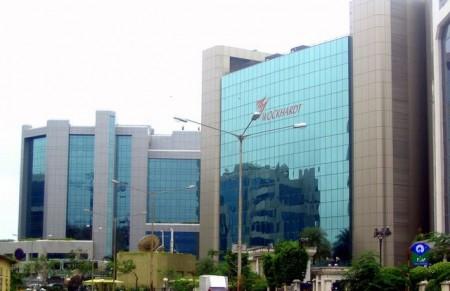
Wockhardt Hospital




Dr. Rela Institute & Medical Centre
احصل على تقييم طبي لـ في الهند. استشر الآن 8 أطباء ذوي الخبرة.
عرض جميع الأطباء
Sarat Chandra P
يتخصص الدكتور سارات شاندرا بي في طب الأورام في مستشفيات مانيبال.
- طبيب أورام ذو خبرة مع التركيز على الحالات المعقدة
- يعمل في مؤسسة رعاية صحية رائدة
- ملتزم بخطط علاج مخصصة

Gaurav Kharya
يتخصص الدكتور خاريا في أمراض الدم والأورام لدى الأطفال وزراعة نخاع العظم في مستشفيات أرتميس.
- خبير في علاج حالات الأطفال المعقدة
- متخصص في زراعة نخاع العظم
- يعمل في مستشفى رائد متعدد التخصصات

Chaitainya Borde
أجرى أكثر من 30,000 فحص بالتصوير المقطعي بالإصدار البوزيتروني (PET) وعالج 1,000 مريض بسرطان الغدة الدرقية – يجلب الدكتور بورد خبرة عميقة في الطب النووي لحالات الورم الأرومي الدبقي.
- _doctor_2774_سنوات_ من الخبرة في الطب النووي
- خبير في فحوصات PET-CT وعلاجات اليود المشع
- نشر أبحاثاً في العديد من المجلات الطبية

Sridhar P.S.
الدكتور سريدهار بي. إس. هو أخصائي في العلاج الإشعاعي مع تدريب متقدم في طب الأورام العصبي في مركز HCG Manavata للسرطان.
- أكثر من _doctor_3397_ سنوات من الخبرة في العلاج الإشعاعي
- حاصل على دبلوم المجلس الوطني في العلاج الإشعاعي
- عضو في جمعية طب الأورام العصبي
- متخصص في دمج العلاج الإشعاعي مع طرق العلاج الأخرى
مشاركة المحتوى
قصص فيديو من مرضى Bookimed
 Anna Leonova
أسئلة متكررة حول علاج ورم أرومي في الهند
ما هو بروتوكول العلاج القياسي للورم الأرومي الدبقي في الهند؟
يتبع البروتوكول القياسي للورم الأرومي الدبقي في الهند نظام "ستوب" (Stupp Regimen). يتضمن ذلك الاستئصال الجراحي الأقصى متبوعاً بالعلاج الإشعاعي المتزامن والعلاج الكيميائي الفموي بتيموزولوميد. يشمل العلاج عادةً 60 غراي من الإشعاع على مدى 6 أسابيع. تشرف هيئات الاعتماد الوطنية مثل NABH وJCI على هذه البروتوكولات في المراكز الطبية الهندية الكبرى.
- التدخل الجراحي: يقوم الجراحون بإجراء استئصال جراحي آمن وأقصى باستخدام الملاحة العصبية وتقنيات حج القحف أثناء اليقظة.
- العلاج الإشعاعي: تستخدم أقسام الأورام تقنيات IMRT أو IGRT لتقديم 60 غراي في 30 جلسة.
- بروتوكول العلاج الكيميائي: يتناول المرضى تيموزولوميد يومياً أثناء الإشعاع، متبوعاً بـ 6 دورات صيانة شهرية.
- التشخيص المتقدم: تساعد الاختبارات الجزيئية لمثيلة MGMT الأطباء في التنبؤ بالاستجابة لعوامل العلاج الكيميائي.
رؤية خبير Bookimed: تظهر البيانات من الشبكات الهندية الكبرى مثل Apollo وManipal حجمًا مرتفعًا يزيد عن 1,000,000 مريض سنوياً. يسمح هذا التدفق العالي للجراحين مثل الدكتور راج ناجاركار بإجراء أكثر من 50,000 عملية جراحية. يجب على المرضى ملاحظة أنه على الرغم من أن البروتوكولات الأساسية قياسية، إلا أن المراكز الأكبر تقدم معدات متخصصة مثل نظام Halcyon أو سكين غاما (Gamma Knife) التي تعد ضرورية للدقة في حالات الأورام العصبية المعقدة.
إجماع المرضى: يؤكد المرضى على أهمية بدء الإشعاع في غضون 4 أسابيع من الجراحة لضمان أفضل النتائج. يوصي الكثيرون بطلب رأي جراحي عصبي ثانٍ قبل الاس
ما هي التقنيات الجراحية المتقدمة المستخدمة لجراحة الورم الأرومي الدبقي في المراكز الهندية الرائدة؟
تستخدم مراكز الأورام الهندية الرائدة أنظمة الملاحة العصبية والتصوير بالرنين المغناطيسي أثناء الجراحة لتعظيم استئصال الورم مع حماية الأنسجة السليمة. تدمج هذه المرافق التوجيه بالفلورة 5-ALA لتصور حواف الورم. تساعد المنصات الروبوتية العصبية المتخصصة وجراحة القحف أثناء اليقظة مع التخطيط الوظيفي في الحفاظ على الوظائف الحركية والكلامية أثناء جراحات الورم الأرومي الدبقي المعقدة.
- أنظمة الملاحة العصبية: أدوات تشبه نظام تحديد المواقع العالمي (GPS) توجه الجراحين عبر تشريح الدماغ المعقد باستخدام مسح في الوقت الفعلي.
- التصوير بالرنين المغناطيسي أثناء الجراحة: تؤكد فحوصات التحقق أثناء الجراحة أقصى قدر من إزالة الورم قبل إغلاق الجمجمة.
- الجراحة الموجهة بالفلورة: تجعل صبغة 5-ALA خلايا الورم الأرومي الدبقي تتوهج لتحديد دقيق للحواف.
- المنصات المدعومة بالروبوت: توفر أنظمة مثل Da Vinci وصولاً عالي الدقة وبأقل تدخل جراحي للأورام.
- التخطيط الوظيفي للدماغ: تحمي جراحة القحف أثناء اليقظة مع التحفيز الكهربائي مناطق الكلام والحركة الحرجة.
رؤية خبير Bookimed: يعد حجم المرضى مؤشر جودة رئيسي في الهند. تخدم مستشفيات مانيبال ومستشفى أبولو إندرابراستا أكثر من 1,000,000 مريض سنوياً لكل منهما. يسمح هذا الحجم الكبير للجراحين بإتقان تقنيات محددة مثل الأنظمة الروبوتية أو سكين جاما بشكل أسرع مما هو عليه في المراكز ذات الحجم الأقل. عند اختيار مرفق، ركز على هذه الشبكات ذات السعة العالية حيث غالباً ما يتمتع الجراحون بخبرة تزيد عن 15,000 إلى 50,000 إجراء.
ما هي توقعات البقاء على قيد الحياة التي يمكن للمرضى توقعها مع العلاج الحالي في الهند؟
يمكن للمرضى في الهند توقع متوسط بقاء على قيد الحياة يتراوح بين 12 إلى 18 شهرًا لورم الأرومة الدبقية عند تلقي الرعاية متعددة الوسائط القياسية. تتماشى النتائج مع المعايير الدولية في المراكز الكبرى التي تستخدم بروتوكول Stupp. يمكن للمرضى الأصغر سنًا الذين لديهم علامات جينية محددة مثل مثيلة MGMT الوصول إلى مؤشرات بقاء تصل إلى 24 شهرًا.
- البروتوكول القياسي: يجمع بين الاستئصال الجراحي الآمن الأقصى، والعلاج الإشعاعي، والعلاج الكيميائي بتيموزولوميد.
- العلاجات المتقدمة: تقدم المراكز المتخصصة علاج الخلايا التائية CAR-NK وتجارب الأكتينيوم-225.
- متغيرات البقاء: العمر أقل من 50 عامًا ومثيلة MGMT تحسن النتائج طويلة المدى بشكل كبير.
- خبرة المركز: تخدم مرافق مثل مستشفيات مانيبال أكثر من 2,000,000 مريض سنويًا.
رؤية خبير Bookimed: بينما يظل متوسط البقاء على قيد الحياة متسقًا مع المعايير العالمية، تكمن ميزة الهند في التبني السريع للتقنيات المتخصصة مثل IBM Watson في مانيبال جوا. يساعد هذا التكامل للذكاء الاصطناعي أطباء الأورام العصبية في اختيار أنظمة العلاج الكيميائي الأكثر فعالية بناءً على جينات الورم. يساعد هذا في تجنب نهج التجربة والخطأ الذي غالبًا ما يؤخر العلاج الفعال في مثل هذه الحالات العدوانية.
إجماع المرضى: يؤكد المرضى على ضرورة إجراء اختبارات MGMT و IDH فورًا في المراكز الحضرية الكبرى. وغالبًا ما يشيرون إلى أن التخطيط التلطيفي المبكر يحسن بشكل كبير جودة الحياة خلال فترة البقاء على قيد الحياة التي تتراوح بين 12 إلى 15 شهرًا.
ما هي المستشفيات الهندية الأكثر خبرة في رعاية الأورام الأرومية الدبقية (glioblastoma) للمرضى الدوليين؟
تتخصص المستشفيات الهندية الرائدة مثل مستشفى أبولو إندرابراستا، ومعهد فورتيس التذكاري للأبحاث، ومستشفيات مانيبال في رعاية الأورام الأرومية الدبقية المعقدة للمرضى الدوليين. تستخدم هذه المراكز المعتمدة من اللجنة الدولية المشتركة (JCI) التصوير بالرنين المغناطيسي أثناء الجراحة والملاحة العصبية لزيادة استئصال الورم مع الحفاظ على وظائف المخ الحيوية.
- مستشفى أبولو دلهي: أكبر شبكة في جنوب آسيا تعالج مرضى من أكثر من 140 دولة داخل مرافق معتمدة من JCI.
- معهد فورتيس التذكاري: يُصنف من بين المستشفيات الأكثر تقدمًا تقنيًا على مستوى العالم في جراحة الأعصاب الروبوتية.
- مستشفى مانيبال بنغالورو: يستخدم نظام IBM Watson للأورام لتخصيص بروتوكولات الأدوية والإشعاع.
- ميدانتا ذا ميديسيتي: يضم مركز أبحاث متكامل يركز على طب الأورام العصبية متعدد التخصصات وإعادة التأهيل.
رؤية خبير Bookimed: حجم المرضى هو مؤشر جودة رئيسي في الهند. تخدم مستشفيات مانيبال 2,000,000 مريض سنويًا، بينما يجري مستشفى جلوبال تشيناي 18,000 عملية سنويًا. نحن نرى نتائج أفضل في هذه المراكز ذات الحجم الكبير. يستخدم الجراحون هنا مسرعات خطية بدقة 1 مم لتشعيع الورم.
إجماع المرضى: يؤكد المرضى على أهمية العثور على جراح أعصاب مدرب خصيصًا على استئصال الأورام الأرومية الدبقية. ويوصون بالتأكد من توفر الاختبارات الجزيئية مثل حالة IDH و MGMT قبل بدء عملية السفر.
باقة غير محددة السعر
تعطي باقات علاج الورم الأرومي الدبقي في الهند الأولوية للتميز السريري والتقنيات العلاجية المتنوعة. تدمج نماذج الرعاية الشاملة هذه جراحة الأعصاب المتقدمة مع الإشعاع والعلاجات المبتكرة. يحصل المرضى على فرق متعددة التخصصات في مستشفيات معتمدة من قبل JCI و NABH. توفر المرافق استشارات في طب الأورام العصبي وتشخيصات متخصصة مثل التصوير بالرنين المغناطيسي للدماغ مع التباين.
- تقنيات العلاج: تستخدم العيادات تقنية جاما نايف (Gamma Knife)، وهالسيون (Halcyon)، والاستئصال المتقدم لإزالة الأورام.
- العلاجات المتقدمة: توفر بعض المراكز علاج الأكتينيوم-225، والأونكوثيرميا، وعلاج خلايا CAR-NK.
- الاعتمادات السريرية: تم تصنيف مرافق مثل مانيبال وأبولو ضمن أفضل المستشفيات وفقاً لمجلة نيوزويك.
- دقة التشخيص: تشمل البرامج استشارات متخصصة مع جراحي الأعصاب وبروتوكولات التصوير مع التباين.
رؤية خبير Bookimed: تعمل الهند كمركز رئيسي لطب الأورام العصبي، حيث تعالج مستشفيات مانيبال وحدها 2,000,000 مريض سنوياً. توفر الشبكات الكبيرة مثل أبولو أو فورتيس مستوى أعمق من التخصص للورم الأرومي الدبقي. غالباً ما تتميز بمراكز أبحاث خاصة وأنظمة تعتمد على الذكاء الاصطناعي مثل IBM Watson للمساعدة في الاختيار. يسمح هذا النطاق بالاعتماد السريع للعلاجات المتخصصة مثل الأكتينيوم-225 التي تعد أقل شيوعاً في أماكن أخرى.
إجماع المرضى: غالباً ما يؤكد المرضى على أهمية الخبرة المتخصصة في طب الأورام العصبي والتشخيصات عالية التقنية. إنهم يقدرون التوجيه المفصل الذي تقدمه الفرق السر