علاج ورم أرومي في ألمانيا — احصل على 3 عيادات مختارة خصيصاً لك


تمت مراجعة المقالة طبيا من قبل
فهد مولود
كيف نعمل؟
ما هي تكلفة ورم أرومي إجراءات التشخيص والعلاج في ألمانيا؟ اعرف الآن
تختلف التكلفة الإجمالية لعلاج الورم الأرومي الدبقي في ألمانيا بناءً على الخدمات والاستشارات المحددة المطلوبة. تبلغ تكلفة الاستشارة عبر الفيديو للتقييم الأولي حوالي $800. بالإضافة إلى ذلك، يتوفر تحليل تشخيصي مفصل واستشارة عبر الفيديو مع جراح الأعصاب بحوالي $1,100. يتم تخصيص خطة العلاج والتكاليف المرتبطة بها لتلبية الاحتياجات الفردية لكل مريض بعد تقييم شامل.
| تركيا | إسبانيا | ألمانيا | |
|---|---|---|---|
| العلاج بالأنتيوم-225 | من $20,500 | ≈ $28,000 | ≈ $18,000 |
| العلاج الكيميائي لسرطان الثدي | من $3,000 | من $1,700 | من $2,200 |
| استئصال ورم أرومي دبقي | من $18,500 | من $50,400 | ≈ $24,000 |
| Halcyon (هالسيون) | ≈ $9,500 | ≈ $6,500 | ≈ $9,500 |
| Gamma Knife جاما نايف | من $5,500 | من $24,900 | من $4,500 |
اكتشف أفضل ورم أرومي العيادات في ألمانيا: 22 خيارات معتمدة والأسعار


CDT-WEST Center of Diagnostics and Therapy



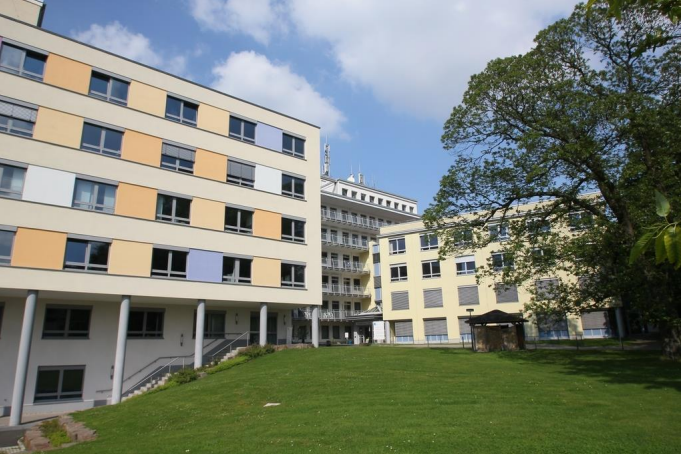
Bethanien Clinic






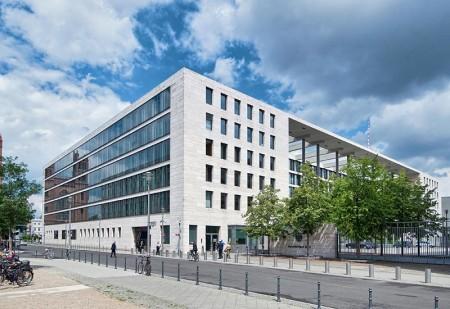
University Hospital Magdeburg
احصل على تقييم طبي لـ في ألمانيا. استشر الآن 6 أطباء ذوي الخبرة.
عرض جميع الأطباء
Viola Fox
تجمع الدكتورة فيولا فوكس بين أبحاث البيولوجيا الجزيئية والرعاية الأورام العملية، وتقدم علاجات متطورة لحالات الورم الأرومي الدبقي المعقدة.
- أخصائية في أمراض الدم والأورام والمناعة مع خبرة _doctor_6587_ سنوات
- كبيرة الأطباء في مركز BKZ Solingen – مركز سرطان متعدد التخصصات معتمد
- التركيز على العلاج المناعي والعلاجات الموجهة للورم الأرومي الدبقي
- باحثة نشطة في الآليات الجزيئية لعلاج السرطان

Sebastian Keil
يتخصص البروفيسور كايل في تقنيات التصوير المتقدمة لورم الأرومة الدبقية (Glioblastoma)، باستخدام التصوير بالرنين المغناطيسي والأشعة المقطعية لتوجيه التدخلات الدقيقة في مستشفى زولينجن الأكاديمي.
- تخرج بمرتبة الشرف من جامعة يوليوس ماكسيميليان في فورتسبورغ
- طبيب رائد في الأشعة التشخيصية والتداخلية منذ عام 2010
- خبير في التصوير المقطعي للتدخلات الطبية المعقدة
- كبير الأطباء في مستشفى زولينجن الأكاديمي منذ عام 2022

Elke Jaeger
تُعد البروفيسورة إلكه ييغر واحدة من أفضل أطباء الأورام في ألمانيا وفقاً لتصنيف مجلة Focus. وهي ترأس قسم الأورام وأمراض الدم في عيادة نوردويست.
- 41 سنة من الخبرة في طب الأورام
- متخصصة في الساركوما وأورام الدم
- رئيسة قسم الأورام وأمراض الدم

Jürgen Kiwit
البروفيسور يورغن كيفيت هو جراح أعصاب ألماني بارز متخصص في جراحات أورام المخ طفيفة التوغل في عيادة ميوكلينيك برلين.
- 35 سنة من الخبرة في جراحة الأعصاب
- رئيس قسم جراحة الأعصاب في ميوكلينيك برلين
- متخصص في علاج الأورام الدبقية وجراحات المخ المعقدة
- عضو الجمعية الأمريكية لجراحي الأعصاب
مشاركة المحتوى
قصص فيديو من مرضى Bookimed
 Anna Leonova
أسئلة متكررة حول علاج ورم أرومي في ألمانيا
ما هي خيارات العلاج القياسية والمتقدمة المتاحة للورم الأرومي الدبقي في ألمانيا؟
تقدم مراكز طب الأورام العصبية الألمانية نهجاً متعدد الوسائط يجمع بين الاستئصال الجراحي المجهري، والعلاج الإشعاعي، والعلاج الكيميائي. تشمل الخيارات المتقدمة جراحة موجهة بالفلورة باستخدام 5-ALA لتحديد هوامش الورم وتقنية مجالات علاج الأورام (Tumor Treating Fields). كما تتوفر علاجات مناعية مخصصة مثل لقاحات الخلايا التغصنية وعلاج الخلايا التائية CAR T في العيادات الجامعية المتخصصة.
- الدقة الجراحية: يستخدم الجراحون صبغة 5-ALA لجعل خلايا الورم الدبقي الخبيثة تتوهج تحت الأشعة فوق البنفسجية.
- البروتوكول القياسي: يتبع العلاج بروتوكول ستوب (Stupp) باستخدام العلاج الكيميائي بتيموزولوميد والإشعاع المعدل الشدة.
- الإشعاع المتقدم: تستخدم مراكز مثل CDT-WEST تقنيات PET-CT وMRI للعلاج الإشعاعي الموجه بالصور (IGRT).
- اللقاحات المخصصة: تتخصص البروفيسورة إلكه ييغر في عيادة نوردويست في تطوير لقاحات علاجية فردية مضادة للأورام.
رأي خبير Bookimed: بينما يركز الكثيرون على الجراحة، فإن دمج التشخيص الجزيئي مثل اختبار مثيلة MGMT أمر حيوي. تستخدم عيادات مثل نوردويست وشاريتيه برلين هذه المؤشرات للتنبؤ بالاستجابة للعلاج الكيميائي. يسمح هذا النهج القائم على البيانات للأطباء بالتحول إلى علاجات متقدمة مثل الأكتينيوم-225 أو CAR-T في وقت مبكر إذا أظهرت الأدوية القياسية فعالية منخفضة.
إجماع المرضى: غالباً ما يؤكد المرضى أن الجراحة الأولية هي مجرد الخطوة الأولى. ويشيرون إلى أن الوصول إلى أجهزة Optune والمتخصصين المحليين الذين ينسقون رعاية المتابعة طويلة ال
ما هي المستشفيات أو المراكز المتخصصة في ألمانيا الأكثر خبرة في علاج الورم الأرومي الدبقي؟
تضم ألمانيا مراكز رائدة عالمياً في طب الأورام العصبي مثل مستشفى شاريتيه برلين ومستشفى جامعة هايدلبرغ. تستخدم هذه المرافق مجالس أورام متعددة التخصصات وجراحة أعصاب متقدمة. تقدم المراكز الأكاديمية المتخصصة علاجات عالية الدقة وتجارب سريرية نشطة. وهي تحافظ على شهادات صارمة من الجمعية الألمانية للسرطان لجودة رعاية الورم الأرومي الدبقي.
- شاريتيه برلين: بقيادة البروفيسور دكتور ميد. بيتر فاجكوتشي الذي يجري 4000 جراحة أعصاب سنوياً.
- عيادة نوردويست: مركز معتمد من ESMO يتميز بالموجات فوق الصوتية ثلاثية الأبعاد المتخصصة ولقاحات مضادة للسرطان فردية.
- المركز الطبي سولينغن: منشأة معتمدة من الجمعية الألمانية للسرطان تجري أحجاماً كبيرة من الملاحة المجهرية الجراحية.
- التكنولوجيا المتخصصة: تستخدم المراكز التصوير بالرنين المغناطيسي أثناء الجراحة والملاحة الموجهة بالكمبيوتر لاستئصال الورم بدقة.
رؤية خبير Bookimed: بينما تخدم المراكز الكبرى مثل شاريتيه برلين أكثر من 800,000 مريض سنوياً، يختلف عمق الخبرة حسب الجراح. يقوم البروفيسور دكتور ميد. بيتر فاجكوتشي في شاريتيه شخصياً بإجراء 4000 عملية سنوياً. غالباً ما يرتبط هذا الحجم الفردي المرتفع بنتائج أفضل في عمليات استئصال الأورام الدبقية المعقدة. يجب على المرضى إعطاء الأولوية للأطباء الحاصلين على تصنيفات من الدرجة الأولى في مجلة Focus لطب الأورام العصبي.
إجماع المرضى: يؤكد المرضى على أهمية العثور على مراكز بها تجارب سريرية نشطة ويصرون على التنميط الجزيئي مثل علامات MGMT و IDH. يلاحظ الكثيرون أ
ما هي نتائج البقاء على قيد الحياة الإجمالية التي يجب أن يتوقعها المرضى من بروتوكولات العلاج الألمانية المعاصرة؟
تحقق بروتوكولات علاج الورم الأرومي الدبقي الألمانية المعاصرة متوسط بقاء إجمالي يتراوح بين 15 و21 شهراً للحالات التي تم تشخيصها حديثاً. تستخدم المراكز المتخصصة نهجاً متعدد الوسائط. تجمع هذه النهج بين الاستئصال الجراحي والعلاج الكيميائي بتيموزولوميد والعلاج الإشعاعي. غالباً ما يصل المرضى الذين يعانون من مثيلة MGMT إلى 24 شهراً أو أكثر مع مجالات علاج الأورام.
- البروتوكول القياسي: يصل متوسط البقاء على قيد الحياة إلى 15-18 شهراً لحالات الورم الأرومي الدبقي من النوع البري IDH.
- التكامل المتقدم: توفر إضافة مجالات علاج الأورام (TTFields) فائدة بقاء بنسبة 20-25%.
- العلامات الجينية: تؤثر حالة مثيلة مروج MGMT بشكل كبير على النتائج بمقدار 6-12 شهراً.
- الدقة الجراحية: يقود البروفيسور دكتور ميد. بيتر فاجكوتشي جراحة الأعصاب ويجري أكثر من 4000 إجراء سنوياً.
- الابتكارات: تطبق عيادة نوردويست الموجات فوق الصوتية ثلاثية الأبعاد ولقاحات مضادة للسرطان فردية في الأبحاث.
رؤية خبير Bookimed: يتميز طب الأورام العصبية الألماني بحجم المرضى الهائل وتكامل الأبحاث. تعالج مستشفى شاريتيه - يونيفرسيتاتسميديزين برلين أكثر من 845,000 مريض سنوياً. يسمح هذا النطاق لعيادات مثل المركز الطبي في سولينجن بالحفاظ على شهادة الجمعية الألمانية للسرطان. تظهر بياناتنا أن كبار جراحي الأعصاب الألمان غالباً ما يجرون أكثر من 4000 جراحة سنوياً. يخلق هذا التردد العالي فجوة في الكفاءة تعمل على استقرار نتائج البقاء على قيد الحياة حتى في حالات الانتكاس المعقدة.
كيف يعمل علاج الخلايا التغصنية وأين يتم تقديمه في ألمانيا؟
يستخدم علاج الخلايا التغصنية لقاحاً مخصصاً لتدريب الجهاز المناعي على التعرف على خلايا الورم الأرومي الدبقي. يتضمن هذا العلاج الذاتي استخراج خلايا أحادية النواة من المريض، وتطويرها باستخدام مستضدات الورم في المختبر، ثم إعادة حقنها لتحفيز استجابة مستهدفة من الخلايا التائية ضد خلايا سرطان الدماغ المتبقية.
- جمع الخلايا: يقوم الأطباء بإجراء فصادة الكريات البيض لجمع الخلايا أحادية النواة من 150 مل من الدم.
- التطوير المختبري: يقوم الفنيون بتحفيز الخلايا التغصنية الناضجة بمستضدات ورمية محددة.
- جدول التطعيم: يتلقى المرضى الخلايا المعالجة عبر حقن داخل الجلد على مدار عدة أسابيع.
- تنشيط المناعة: تهاجر الخلايا المحفزة إلى العقد الليمفاوية لتنشيط الخلايا التائية القاتلة للورم.
- المراكز في ألمانيا: تشمل مراكز الخبرة عيادة نوردويست في فرانكفورت ومركز IOZK في كولونيا.
رؤية خبير Bookimed: تشير البيانات إلى أن الجمع بين علاج الخلايا التغصنية والمراكز الجراحية المتخصصة يزيد من الفعالية. يقوم البروفيسور الدكتور بيتر فاجكوتشي في مستشفى شاريتيه بإجراء أكثر من 4000 عملية جراحية سنوياً، مما يضمن انخفاض العبء الورمي المطلوب لنجاح العلاج المناعي. تستعين المراكز الرائدة مثل عيادة نوردويست بأخصائيين مدرجين في قائمة Focus مثل البروفيسورة إلكه ييغر لريادة هذه اللقاحات العلاجية الفردية المضادة للأورام.
إجماع المرضى: يؤكد المرضى أن هذا العلاج يعمل بشكل أفضل بعد إجراء جراحة آمنة قصوى بدلاً من كونه علاجاً مستقلاً. يلاحظ الكثير
هل أنا مؤهل للتجارب السريرية لـ CAR-T أو الأجسام المضادة أحادية النسيلة، وكيف يتم تحديد الأهلية؟
تحدد مراكز الأورام الألمانية الأهلية لتجارب CAR-T والأجسام المضادة أحادية النسيلة من خلال التنميط الجزيئي والتقييم البدني. عادة ما يحتاج المرضى إلى تأكيد تكرار الورم الأرومي الدبقي بعد العلاج القياسي وحالة أداء كارنوفسكي أعلى من 70%. تعتمد الأهلية أيضًا على مؤشرات حيوية محددة مثل مثيلة MGMT أو تعبير EGFR.
- اختبار المؤشرات الحيوية: تتحقق المراكز من تعبير EGFRvIII أو IL13Ra2 لمطابقة علاجات CAR-T محددة.
- تاريخ العلاج: تتطلب الأهلية عادةً فشل بروتوكولات الجراحة القياسية والإشعاع والعلاج الكيميائي للخط الأول.
- وظائف الأعضاء: تتحقق الفرق السريرية من صحة القلب والكبد والكلى من خلال فحوصات مخبرية شاملة.
- جرعة مستقرة: غالبًا ما تتطلب المشاركة في التجربة الحفاظ على تناول منخفض للستيرويد، عادةً أقل من 4 ملغ يوميًا.
رؤية خبير Bookimed: تظهر البيانات من أفضل المستشفيات الجامعية الألمانية مثل شاريتيه ودوسلدورف أن التنميط الجيني هو العقبة الأكثر أهمية. قد يجد حوالي 80% من مرضى الورم الأرومي الدبقي أن أورامهم تفتقر إلى البروتينات المحددة المطلوبة لأهداف CAR-T الحالية. إن الاتصال بمركز لديه معهد أبحاث متكامل، مثل عيادة نوردويست بـ 5 فروع بحثية، يزيد من احتمالية العثور على تجربة تتوافق مع جينات الورم الفريدة الخاصة بك.
إجماع المرضى: يشير المرضى إلى أن السرعة ضرورية لأن الورم الأرومي الدبقي يتطور بسرعة، وقد تكون فترة "الغسل" بين العلاجات القياسية والدخول في التجربة صعبة. يؤكد الكثيرون على إجراء الاختبارات الجينية مبكرًا قبل أن يتغير ال
ما هي المستشفيات في ألمانيا التي تحظى بأعلى التقييمات في جراحة الأعصاب؟
تضم ألمانيا بعضًا من أرقى أقسام جراحة الأعصاب في العالم، بقيادة مستشفى شاريتيه الجامعي في برلين ومستشفى جامعة هايدلبرغ. وتتميز هذه المراكز بخبرتها الواسعة في علاج أورام الدماغ المعقدة وأمراض الأوعية الدموية الدماغية. ولتحقيق أقصى قدر من الفعالية في عملياتها، تستخدم هذه المراكز أحدث التقنيات، مثل التصوير بالرنين المغناطيسي أثناء الجراحة والتوجيه العصبي بمساعدة الحاسوب.
- مستشفى شاريتيه برلين: يُجري أكثر من 5000 عملية جراحية سنوياً. ويرأس العيادة جراح الأعصاب الشهير الدكتور بيتر فايكوتشي.
- المركز الطبي في سولينجن: أجرى الدكتور رالف بوهل أكثر من 4000 عملية جراحية، بما في ذلك جراحات العمود الفقري طفيفة التوغل.
- عيادة أسكليبيوس نورد: مجهزة بنظام التصوير بالرنين المغناطيسي الثنائي الوحيد في ألمانيا أثناء الجراحة لضمان الدقة الجراحية في الوقت الحقيقي أثناء إزالة الورم.
- عيادة نوردويست: تم الاعتراف بها من قبل مجلة نيوزويك كمستشفى رائد في مجال الابتكار في تكنولوجيا الموجات فوق الصوتية ثلاثية الأبعاد.
رأي خبراء بوكيمد: تشير البيانات إلى أن اختيار المراكز ذات الحجم الجراحي الكبير غالبًا ما يؤدي إلى توصيات علاجية أكثر تحفظًا. ففي مركز سولينجن الطبي، الذي يعالج أكثر من 60,000 مريض
ما هي نسب نجاح العمليات الجراحية العصبية المعقدة في ألمانيا؟
في ألمانيا، تتميز العمليات الجراحية العصبية بالغة التعقيد بمستوى أمان استثنائي. تصل نسبة نجاح عمليات دمج الفقرات إلى 99%، بينما تبلغ نسبة النجاة بعد استئصال أورام الدماغ الأولية 97%. كما يتمتع المرضى بقدرة عالية على الاعتماد على أنفسهم في أداء وظائفهم اليومية، حيث يغادر أكثر من 82% منهم المستشفى مباشرةً بعد العلاج. وتولي المراكز الألمانية اهتماماً بالغاً بالحفاظ على الوظائف العصبية باستخدام أحدث تقنيات التخطيط العصبي.
- استئصال الورم: يحقق الجراحون استئصالًا كاملاً للورم في 87.2% من حالات النقائل الدماغية.
- النجاح في علاج أمراض الأوعية الدموية: أفادت المستشفيات الألمانية بنسبة نجاة بلغت 98.7% لحالات تمدد الأوعية الدموية غير الممزقة.
- تحسن الحالة العصبية: يشهد ما يقرب من 43% من المرضى تحسناً في المعايير الوظيفية بعد عمليات الاستئصال المعقدة.
- سلامة التدخلات الجراحية: في المراكز الجراحية الكبيرة، تتراوح معدلات بقاء المرضى على قيد الحياة بعد جراحة العمود الفقري بين 98-99%.
رأي خبراء بوكيمد: يُجري جراحون ذوو خبرة، مثل الدكتور أوفه كولر من عيادة أسكليبيوس ألتونا، أكثر من 2000 عملية جراحية سنويًا. تُشير البيانات إلى أن هؤلاء المتخصصين يحافظون على معدلات نجاح تصل إلى 90%، حتى
ما هي التقنيات المتقدمة المتوفرة عادةً في عيادات جراحة الأعصاب الألمانية؟
تُدخل عيادات جراحة الأعصاب الألمانية بانتظام أدوات رقمية عالية الدقة وتقنيات تصوير فوري في الممارسة الجراحية. تشمل التقنيات الرئيسية الملاحة العصبية الحاسوبية لجراحات الدماغ والحبل الشوكي. تستخدم مؤسسات مثل عيادة أسكليبيوس نورد التصوير بالرنين المغناطيسي أثناء الجراحة للتحقق من استئصال الورم في الوقت الفعلي. توفر هذه الأنظمة للجراحين نظام ملاحة ثلاثي الأبعاد.
- الملاحة العصبية: توفر تصورًا ثلاثي الأبعاد وتتبعًا فوريًا للأدوات لتحقيق دقة جراحية تصل إلى مستوى أقل من المليمتر.
- التصوير أثناء العملية: تسمح أنظمة مثل التصوير بالرنين المغناطيسي أثناء العملية (iMRI) والتصوير المقطعي المحوسب ذي الذراع O (O-arm CT) بالتأكيد الفوري على نجاح عملية الاستئصال.
- المراقبة العصبية: تراقب الوظائف الحركية والحسية أثناء الجراحة لحماية الجهاز العصبي.
- التشخيص الفلوري: يتم استخدام صبغة 5-ALA لتسليط الضوء على حدود الورم من أجل إزالته بشكل أكثر اكتمالاً.
- المساعدة الروبوتية: تعمل أنظمة مثل نظام دافنشي على تحسين الدقة في الإجراءات المعقدة ذات التدخل الجراحي البسيط.
رأي خبراء بوكيمد: تُجري مراكز طبية كبيرة، مثل مستشفى شاريتيه الج
ما هي التدريبات المتخصصة التي يتلقاها جراحو الأعصاب الممارسون في ألمانيا؟
في ألمانيا، يتعين على جراحي الأعصاب إكمال برنامج إقامة تخصصي لمدة ست سنوات بعد التخرج من كلية الطب. يشمل هذا البرنامج المنظم العناية المركزة، والتدريب السريري، وكتابة مقالات في مجلة جراحية إلزامية. بعد ذلك، يجتاز المرشحون امتحانًا حكوميًا للحصول على لقب طبيب مقيم (Facharzt für Neurochirurgie).
- الإقامة السريرية: تتطلب من 48 إلى 72 شهرًا من الممارسة المتخصصة في جراحة الأعصاب.
- العناية المركزة: تتضمن فترة تدريب إلزامية لمدة 6 أشهر في وحدة العناية المركزة لجراحة الأعصاب.
- المجلة الجراحية: يوثق الجراحون مئات العمليات الجراحية، بما في ذلك عمليات فتح الجمجمة وجراحات العمود الفقري.
- امتحان الترخيص: يجب على المتقدمين اجتياز امتحان طبي شفوي وعملي تديره الدولة.
رأي خبراء بوكيميد: يركز التدريب الألماني في جراحة الأعصاب على الخبرة الجراحية الواسعة. فعلى سبيل المثال، أجرى الدكتور رالف بول من المركز الطبي في سولينجن أكثر من 4000 عملية جراحية. ويتمتع الدكتور يورغن كيويت من مستشفى ميوكلينيك بخبرة تزيد عن 25 عامًا. يضمن هذا النظام الدقيق أن يتعامل المتخصصون في المراكز الكبرى مع الحالات المعقدة بدقة مثبتة.
آراء المرضى: يشع
ما هي متطلبات اللغة والترخيص المطلوبة للجراحين الأجانب الراغبين في التدرب أو مراقبة العمليات الجراحية العصبية في ألمانيا؟
يجب على جراحي الأعصاب الأجانب استيفاء متطلبات لغوية وترخيصية صارمة للالتحاق بالتدريب أو فترة التدريب العملي في ألمانيا. يتطلب التدريب رخصة طبية سارية أو تصريحًا مؤقتًا. أما المتدربون، فيجب عليهم الحصول على إذن من مستشفى محدد. ويتطلب كلا الخيارين إتقانًا عاليًا للغة الألمانية للمشاركة في المناقشات السريرية وإجراء العمليات الجراحية المعقدة بأمان.
- المهارات اللغوية: مطلوب مستوى عام في اللغة الألمانية B2 ومستوى في اللغة الطبية C1 (Fachsprachprüfung) للتدريب السريري.
- الترخيص السريري: يحتاج الجراحون إلى تصريح لممارسة دائمة (Approbation) أو تصريح مهني (Berufserlaubnis) للتدريب الداخلي المؤقت الخاضع للإشراف.
- حالة المراقبة: يسمح دخول المستشفى بمراقبة العمليات الجراحية دون تحمل المسؤولية الطبية أو الحصول على ترخيص رسمي.
- تقييم المؤهلات: غالباً ما يتعين على خريجي الطب من خارج الاتحاد الأوروبي الخضوع لعملية التحقق من صحة الشهادة في غضون 3-6 أشهر.
رأي خبراء بوكيمد: غالبًا ما تُعطي العيادات الألمانية ذات الأعداد الكبيرة من المرضى، مثل عيادة نوردويست أو أسكليبيوس نورد، الأولوية للمرشحين الذين خضعوا بالفعل لتقييم أولي للوثائق. تُظهر بياناتنا أن أساتذة مثل الدكتور أوفه كولر والدكتور