
Giostar Stem Cell Therapy Clinic
المكسيك, كانكون


تمت مراجعة المقالة طبيا من قبل
فهد مولود
تعكس تكلفة علاج سرطان القولون في المرحلة الرابعة في المكسيك نهجاً شاملاً يتضمن تشخيصات متقدمة وتدخلات متخصصة. غالباً ما تشمل المراحل الأولية تشخيصاً أورامياً معقداً يتراوح سعره من $1,400 إلى $2,600. من $25,000. تعتمد النفقات الإجمالية على مزيج العلاج ومستوى العيادة، مما يوفر وفورات بنسبة 50-70% مقارنة بالولايات المتحدة. تشمل أفضل المدن لهذه الإجراءات تيخوانا، وكانكون، وبلايا ديل كارمن.
تكاليف علاج سرطان القولون في المرحلة الرابعة المعتادة في المكسيك
رؤية خبراء Bookimed: يستفيد المرضى الذين يعانون من حالات نقيلية متقدمة بشكل أكبر من الفرق الجراحية متعددة التخصصات. الدكتورة بريندا باسترانا في مستشفى جالينيا هي جراحة أورام معتمدة ومتخصصة في إجراءات البطن المعقدة. بالنسبة لأولئك الذين يبحثون عن رعاية داعمة، تخدم عيادات Giostar في كانكون وبلايا ديل كارمن 5000 مريض دولي سنوياً. يضمن اختيار المرافق المعتمدة من قبل اللجنة الدولية المشتركة (JCI) في كانكون معايير سلامة عالية المستوى لعمليات استئصال الأمعاء الكبرى.
| المكسيك | تركيا | إسبانيا | |
|---|---|---|---|
| العلاج الكيميائي لسرطان الثدي | ≈ $4,500 | من $3,000 | من $1,700 |
| العلاج الكيميائي داخل الصفاق مفرط الحرارة (HIPEC) | ≈ $18,000 | من $18,000 | من $81,500 |
| استئصال القولون | من $25,000 | من $5,000 | من $20,000 |
Bookimed لا يضيف رسوماً إضافية على أسعار علاج مرحلة سرطان القولون 4. الأسعار مأخوذة من قوائم الأسعار الرسمية للعيادات. تدفع مباشرة في العيادة مقابل علاجك عند وصولك إلى البلد.
Bookimed ملتزم بسلامتك. نحن نعمل فقط مع المؤسسات الطبية التي تحافظ على معايير دولية عالية في علاج مرحلة سرطان القولون 4 ولديها التراخيص اللازمة لخدمة المرضى الدوليين في جميع أنحاء العالم.
Bookimed يقدم مساعدة خبراء مجانية. منسق طبي شخصي يدعمك قبل وأثناء وبعد العلاج، ويحل أي مشاكل. لن تكون وحيداً أبداً في رحلة علاج مرحلة سرطان القولون 4.

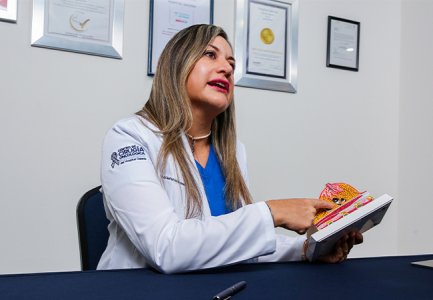
الدكتورة بريندا باسترانا هي جراحة أورام معتمدة ومتخصصة في سرطان القولون في مستشفى جالينيا.
 Anna Leonova
توفر العيادات المكسيكية الخاصة الرائدة رعاية لمرضى السرطان قابلة للمقارنة بالمعايير الأمريكية من حيث التكنولوجيا والخبرة. تستخدم المرافق بروتوكولات متقدمة مثل HIPEC وتشخيصات الأورام المعقدة. غالبًا ما يحمل الجراحون شهادات معتمدة من هيئات مثل Conacem ويحتفظون بعضويتهم في الجمعية المكسيكية للأورام (Sociedad Mexicana de Oncologia).
رؤية خبراء Bookimed: تحتل المكسيك حاليًا المرتبة السادسة عالميًا من حيث الطلبات الطبية في نظامنا. بينما يبحث الكثيرون عن علاجات بديلة في أماكن مثل بلايا ديل كارمن، يتركز التميز الجراحي في كانكون. تُعد الدكتورة بريندا باسترانا في مستشفى جالينيا مثالًا رئيسيًا على الخبرة الأكاديمية عالية المستوى، حيث تقوم بتدريس الطب في جامعة أناواك منذ عام 2020.
إجماع المرضى: يشير المرضى إلى أن المراكز الخاصة توفر غالبًا بدء علاج أسرع من النظام الأمريكي. ويؤكدون على أهمية التحقق من أن المرفق المحدد يستخدم تصنيف مراحل السرطان على الطراز الأمريكي ومجالس الأورام
يركز علاج سرطان القولون في المرحلة الرابعة في المكسيك على العلاج الجهازي، والاستئصال الجراحي المتقدم، والرعاية التكامليّة. يحصل المرضى على العلاج الكيميائي، والعلاجات الموجهة بناءً على اختبارات الطفرات الجينية، والإجراءات المتخصصة مثل العلاج الكيميائي داخل الصفاق المفرط الحرارة (HIPEC) في مراكز الأورام لإدارة الانتشار النقيلي بكفاءة.
رؤية خبير Bookimed: تُعد المكسيك مركزًا استراتيجيًا للأورام المتخصصة مع أكثر من 150 عيادة تخدم آلاف المرضى الدوليين سنويًا. يقدم جراحو الأورام المعتمدون مثل الدكتورة بريندا باسترانا في مستشفى جالينيا تدخلات معقدة غالبًا ما تكون غير متوفرة في العيادات العامة. بينما يسعى الكثيرون للحصول على عيادات الخلايا الجذعية في كانكون للحصول على رعاية داعمة، يجب على مرضى المرحلة الرابعة إعطاء الأولوية للمستشفيات المعتمدة من JCI التي تقدم توصيفًا كاملًا للأورام وفرق جراحية متعددة التخصصات.
إجماع المرضى: يؤكد المرضى أن الاختبارات الجزيئية بالغة الأهمية ل
لاختيار طبيب أورام مكسيكي مرموق، تحقق من شهادة البورد من المجلس المكسيكي للأورام (Consejo Mexicano de Oncología). يجب إعطاء الأولوية للأخصائيين في المرافق المعتمدة من اللجنة الدولية المشتركة (JCI) أو المستشفيات ضمن شبكة Mayo Clinic Care Network. تعد الخبرة في حالات سرطان القولون النقيلي والتحليل الجزيئي ضرورية.
رؤية خبير Bookimed: ركز على جراحي الأورام مثل الدكتورة بريندا باسترانا التي تحمل شهادة Conacem سارية حتى عام 2030. تُظهر بياناتنا أن كبار الأخصائيين غالباً ما يدرسون في جامعات مثل جامعة Anahuac. يشير هذا الانخراط الأكاديمي إلى أنهم يواكبون بروتوكولات علاج سرطان القولون والمستقيم المتطورة.
إجماع المرضى: يشير المرضى إلى أهمية اختيار المستشفيات الخاصة الكبيرة بدلاً من العيادات الصغيرة. تسهل المراكز عالية الجودة التنسيق السريع بين الجراحين وفرق الحقن الوريدي لرعاية المرضى في المرحلة الرابعة.
العلاج المناعي هو خيار متاح في المكسيك لمرضى سرطان القولون في المرحلة الرابعة. يعتمد الوصول إليه بشكل كبير على بيولوجيا الورم وملف المؤشرات الحيوية. توفر مراكز الأورام المتخصصة مثبطات نقاط التفتيش (checkpoint inhibitors) المعتمدة من إدارة الغذاء والدواء مثل pembrolizumab و nivolumab. تفيد هذه الأدوية بشكل أساسي المرضى الذين لديهم مؤشرات أورام MSI-high أو dMMR.
رؤية خبير Bookimed: في حين تقدم العيادات العامة علاجات بالخلايا الجذعية، يرى مرضى سرطان القولون في المرحلة الرابعة أفضل النتائج عند البحث عن جراحي أورام معتمدين في مرافق مثل مستشفى جالينيا. يضمن وجود أطباء مسجلين لدى هيئة COFEPRIS الوصول إلى مثبطات نقاط التفتيش المعيارية بدلاً من البروتوكولات التجريبية فقط.
إجماع المرضى: يشير المرضى إلى أن إجراء اختبارات MSI-high/dMMR في وقت مبكر أمر ضروري. غالباً ما يجدون العلاج المناعي أسهل في التحمل من العلاج ا
عادة ما يكون علاج سرطان القولون في المرحلة الرابعة عملية إدارة مستمرة بدلاً من جدول زمني ثابت. تستغرق المراحل المكثفة الأولية للحالات القابلة للاستئصال عادةً من 3 إلى 6 أشهر. يتضمن ذلك دورات العلاج الكيميائي أو التدخلات الجراحية. غالباً ما تتطلب الحالات غير القابلة للاستئصال علاجاً صيانياً مستمراً للسيطرة على تطور المرض.
رؤية خبير Bookimed: تؤثر سرعة التنسيق في المكسيك بشكل كبير على تاريخ بدء العلاج. المتخصصون المعتمدون مثل الدكتورة بريندا باسترانا في مستشفى جالينيا يتنقلون عبر الأنظمة الخاصة بشكل أسرع من المسارات العامة. تسمح هذه الكفاءة للمرضى بإكمال المرحلة المكثفة الأولى التي تستغرق 3 أشهر دون تأخيرات الجدولة الشائعة. ركز على العيادات في كانكون أو مكسيكو سيتي للحصول على انتقالات أسرع من التشخيص إلى العلاج.
إجماع المرضى: يلاحظ المرضى أن الحياة تدور حول فترات زمنية من 3 أسابيع بدلاً من تاريخ انتهاء محدد. توقع أن تستغرق المرحلة الرئيسية الأولى من العلاج أشهرًا أثناء انتظار فحوصات الأشعة وتحاليل الدم.
يعتمد احتياج فغر القولون لسرطان القولون في المرحلة الرابعة على موقع الورم وانسداد الأمعاء. ليس مطلوبًا دائمًا. تسمح فغرات القولون المؤقتة للأمعاء بالالتئام لمدة 3 إلى 6 أشهر. أما الفغرات الدائمة فهي ضرورية إذا تمت إزالة المستقيم أو الشرج أثناء علاج السرطان المتقدم.
رؤية خبير Bookimed: غالبًا ما يستخدم الجراحون في المكسيك النتائج أثناء العملية لاتخاذ القرار النهائي بشأن الديمومة. على الرغم من أن الأخصائي قد يخطط لفغرة مؤقتة، إلا أنه قد يتحول إلى فغرة دائمة إذا كانت الأنسجة ملتهبة للغاية. يساعد اختيار مرفق معتمد من JCI في ضمان الوصول إلى أحدث تقنيات الترميم التي تزيد من فرص الرجوع.
إجماع المرضى: يشير المرضى إلى أن القرار غالبًا ما يتخذ أثناء الجراحة بناءً على صحة الأنسجة. يؤكد الكثيرون أن إدارة الفغرة أمر ممكن، ولكن تعلم كيفية العناية بالمستلزمات وحماية الجلد ضروري للراحة اليومية.
يستخدم التعامل مع الألم لسرطان القولون في المرحلة الرابعة في المكسيك نهجًا متعدد الوسائط يجمع بين العلاج الدوائي والإجراءات التدخلية والعلاجات الموجهة. يقوم أخصائيون معتمدون مثل الدكتورة بريندا باسترانا في مستشفى جالينيا بتنسيق الرعاية باستخدام المواد الأفيونية وحصر الأعصاب والتدخلات التلطيفية لضمان راحة المريض أثناء العلاجات المعقدة مثل العلاج الكيميائي المسخن داخل الصفاق (HIPEC) أو العلاج الكيميائي.
رؤية خبير Bookimed: غالبًا ما تدمج مراكز الأورام المكسيكية الرعاية التلطيفية في وقت أبكر من المناطق الأخرى. تركز الفرق المتخصصة في مرافق مثل مستشفى جالينيا على إدارة الآثار الجانبية جنبًا إلى جنب مع العلاج النشط. يساعد هذا النهج الاستباقي في منع انقطاع العلاج من خلال معالجة مشكلات مثل الاعتلال العصبي وتشنجات البطن الشديدة قبل أن تصبح منهكة.
إجماع المرضى: يشير المرضى إلى أنه من الضروري طلب استشارات تلطيفية في وقت مبكر للتعامل مع الآثار الجانبية الشديدة للعلاج. كما يؤكدون على مراقبة الإمساك الناجم عن

