علاج مرحلة سرطان القولون 4 في إسرائيل — احصل على 3 عيادات مختارة خصيصاً لك


تمت مراجعة المقالة طبيا من قبل
فهد مولود
كيف نعمل؟
ما هي تكلفة مرحلة سرطان القولون 4 إجراءات التشخيص والعلاج في إسرائيل؟ اعرف الآن
من $1,400
تكاليف علاج سرطان القولون في المرحلة الرابعة المعتادة في إسرائيل
- اختبار طفرة جين BRAF: من $1,400
- استئصال القولون (استئصال الأمعاء الغليظة): من $16,500
- العلاج الكيميائي المسخن داخل الصفاق (HIPEC): من $60,000
رؤية خبراء Bookimed: تستفيد الحالات النقيلية المتقدمة بشكل أكبر من الفرق متعددة التخصصات في المراكز ذات الكثافة العالية. يبلغ مركز سوراسكي الطبي (إيخيلوف) عن معدل نجاح أورام متوسط قدره 90%. يجب على المرضى الذين يبحثون عن رعاية شخصية التفكير في مركز أسوتا الطبي، حيث يسمح للمرضى باختيار الطبيب المعالج وفريق الجراحة الخاص بهم. بالنسبة للجراحات المعقدة، يقدم خبراء مثل الدكتور رون جرينبيرج أكثر من 20 عاماً من الخبرة في الجهاز الهضمي. تستخدم المستشفيات المعتمدة في تل أبيب والقدس الجراحة الروبوتية والذكاء الاصطناعي لتحسين النتائج.
| إسرائيل | تركيا | إسبانيا | |
|---|---|---|---|
| العلاج الكيميائي لسرطان الثدي | ≈ $22,500 | من $3,000 | من $1,700 |
| العلاج الكيميائي داخل الصفاق مفرط الحرارة (HIPEC) | من $60,000 | من $18,000 | من $81,800 |
| استئصال القولون | من $16,500 | من $5,000 | من $16,200 |
اكتشف أفضل مرحلة سرطان القولون 4 العيادات في إسرائيل: 4 خيارات معتمدة والأسعار










احصل على تقييم طبي لـ في إسرائيل. استشر الآن 8 أطباء ذوي الخبرة.
عرض جميع الأطباء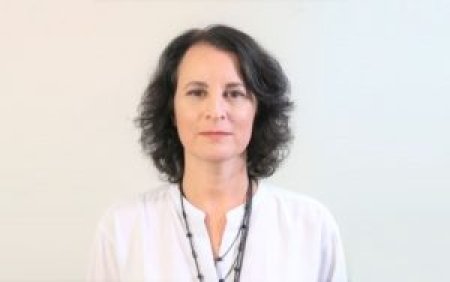
Einat Shacham Shmueli
الدكتورة عينات شاحام‑شموئيلي استشارية أورام طبية في عيادة الجهاز الهضمي، مركز السرطان، مركز شيبا الطبي. تعالج سرطانات القولون والمعدة والبنكرياس، وتدير حالات المرض النقيلي. تستخدم التشخيص الدقيق والواسمات الحيوية، والعلاجات الجهازية، والعلاج الإشعاعي. تُقدَّم الرعاية ضمن فريق متعدد التخصصات.
نشرت أكثر من 25 مقالة مُحكَّمة حول أورام الجهاز الهضمي وبيولوجيا الأورام والعلاجات الجديدة، ويشمل عملها دراسات عن وضع الدعامات لعلاج الانسداد الخبيث في القولون. تعمل باحثة في برامج دولية، منها المع
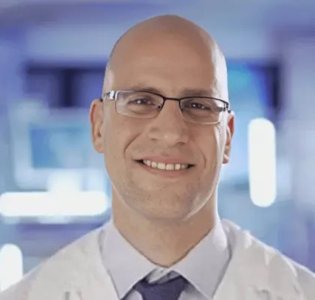
Almog Ben Yaacov
الدكتور ألموغ بن-يعقوب جرّاح استشاري في قسم الجراحة العامة وجراحة الأورام (Surgery C) في مركز شيبا الطبي. يختص في الجراحة الخافِضة للخلايا الورمية (CRS) مع العلاج الكيميائي داخل الصفاق بفرط الحرارة (HIPEC). يركّز سريريًا على سرطان المعدة والساركوما وأورام القولون والمستقيم المعقّدة. منذ 2018، أجرى أكثر من 200 إجراء HIPEC.
حاصل على درجة MD من جامعة سيميلويس عام 2006، مع مرتبة الشرف. تدريب في جراحة القلب والصدر في مركز شيبا الطبي. إقامة في الجراحة العامة في مونتيفيوري (Albert Einstein) و
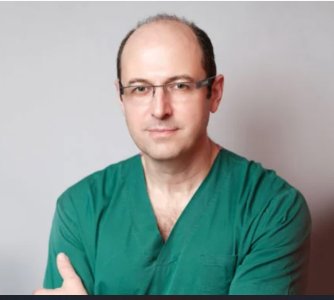
Yuri Goldes
الدكتور يوري غولدس جرّاح عام يتمتع بأكثر من 20 عامًا من الخبرة السريرية. يختص بجراحات الجهاز الهضمي العلوي وجراحة الأورام. يشغل منصب نائب مدير قسم الجراحة العامة وزراعة الأعضاء في مركز شيبا الطبي بتل أبيب، ويرأس وحدة جراحة الجهاز الهضمي العلوي. أُدرِج ضمن قائمة أفضل أطباء فوربس إسرائيل لعام 2025، ومُصنّف ضمن أفضل جراحي الجهاز الهضمي في إسرائيل بحسب فوربس. في 2019، نال جائزة «طبيب العام» من وزارة الصحة الإسرائيلية.
خبير في الجراحة طفيفة التوغل والمتقدمة والروبوتية. يعالج فتق الحجاب الحا

Ido Wolf
مشاركة المحتوى
قصص فيديو من مرضى Bookimed
 Anna Leonova
أسئلة متكررة حول علاج مرحلة سرطان القولون 4 في إسرائيل
ما هي العلاجات المبتكرة المتاحة في إسرائيل لسرطان القولون في المرحلة الرابعة؟
توفر إسرائيل علاجات متقدمة لسرطان القولون في المرحلة الرابعة، مع التركيز على الطب الدقيق والابتكار الجراحي. تشمل الخيارات الرئيسية علاج HIPEC للنقائل البريتونية والعلاج المناعي الشخصي بناءً على التنميط الجيني BRAF أو MSI-H. تستخدم المراكز الرائدة مثل شيبا وسوراسكي عمليات الاستئصال الروبوتية واستئصال NanoKnife.
- بروتوكولات HIPEC: تعالج جراحة CRS المدمجة مع العلاج الكيميائي المسخن نقائل بطانة البطن بفعالية.
- العلاج الموجه: تستهدف بروتوكولات العلاج الثلاثي على وجه التحديد الطفرات الجينية العدوانية BRAF V600E.
- إعادة برمجة المناعة: تقوم علاجات CAR-T و TIL المتقدمة بهندسة الخلايا وراثياً لمكافحة الأورام.
- تقنية NanoKnife: تدمر النبضات الكهربائية غير الحرارية الآفات النقيلية التي يصعب الوصول إليها في الكبد.
رؤية خبير Bookimed: غالباً ما تقوم مراكز الأورام الإسرائيلية مثل مركز شيبا الطبي بنقل المرضى من الرعاية التلطيفية إلى الجراحة العلاجية. تظهر البيانات أن الجراحين هنا أجروا أكثر من 200 إجراء HIPEC منذ عام 2018. يستخدم البروفيسور بيني بورسّي وغيره من المتخصصين أبحاث الميكروبيوم والأورام لتحسين استجابة المرضى للعلاجات الجهازية. هذا الحجم الجراحي الكبير، إلى جانب معايير السلامة المعتمدة من JCI، يسمح غالباً بإجراء عمليات استئصال نقيلية معقدة قد يتم رفضها في أماكن أخرى.
إجماع المرضى: يؤكد المرضى على ضرورة إجراء التنميط الجزيئي الكامل لعلامات KRAS و BRAF قبل بدء أي علاج بيولوجي. يشير الكثيرون إلى أن العلاج التحويلي باستخدام ال
هل لا تزال الجراحة خياراً إذا وصل سرطان القولون بالفعل إلى المرحلة الرابعة؟
تظل الجراحة خياراً قابلاً للتطبيق لسرطان القولون في المرحلة الرابعة في إسرائيل. تُستخدم لإزالة النقائل في الكبد أو الرئتين وإدارة المضاعفات. غالباً ما يجمع المتخصصون في تل أبيب بين الجراحة الاختزالية (cytoreductive surgery) والعلاج الكيميائي المسخن داخل الصفاق (HIPEC) لعلاج الانتشار البطني بفعالية.
- هدف علاجي: يقوم الجراحون بإزالة الورم الأولي والنقائل المحدودة في الكبد أو الرئتين.
- علاج HIPEC: يتم تطبيق العلاج الكيميائي المسخن مباشرة في البطن بعد إزالة الأورام المرئية.
- الجراحة التلطيفية: تعالج الإجراءات انسداد الأمعاء، أو النزيف الحاد، أو الثقوب لتحسين جودة الحياة.
- علاج التحويل: يعمل العلاج الكيميائي المكثف على تقليص الأورام الكبيرة لجعلها قابلة للإزالة جراحياً لاحقاً.
رؤية خبير Bookimed: تعطي مراكز الأورام الإسرائيلية مثل شيبا وسوراسكي الأولوية للخبرة متعددة التخصصات. أجرى الدكتور ألموج بن يعقوب أكثر من 200 إجراء HIPEC. هذا الحجم الكبير غالباً ما يسمح للجراحين بإجراء عمليات لحالات كانت تعتبر سابقاً غير قابلة للجراحة. كما تعد الخيارات المتقدمة مثل الاستئصال الروبوتي واستئصال الكبد بالموجات الدقيقة معياراً في عيادات رمات غان.
إجماع المرضى: يؤكد المرضى أن قابلية الاستئصال تهم أكثر من تصنيف المرحلة الرابعة. يلاحظ الكثيرون أن البدء بالعلاج الكيميائي غالباً ما يقلص الأورام بما يكفي للسماح بإجراء جراحة ناجحة لاحقاً.
ما هي المستشفيات الإسرائيلية الأكثر خبرة في علاج سرطان القولون في المرحلة الرابعة؟
يعد مركز شيبا الطبي ومركز سوراسكي الطبي أكثر المستشفيات الإسرائيلية خبرة في علاج سرطان القولون في المرحلة الرابعة. تستخدم هذه المؤسسات المعتمدة من قبل اللجنة الدولية المشتركة (JCI) العلاج الكيميائي داخل الصفاق مفرط الحرارة وطب الأورام الدقيق. وهي تدير الحالات النقيلية المعقدة باستخدام مجالس الأورام متعددة التخصصات وعمليات الاستئصال الجراحي المتقدمة بمساعدة الروبوت.
- وحدات الأورام المتخصصة: يحتفظ مركز جوسيدمان للسرطان في شيبا بشراكات رسمية مع مركز إم دي أندرسون.
- تقنيات جراحية متقدمة: يقوم الجراحون بإجراء جراحة اختزال الخلايا جنبًا إلى جنب مع العلاج الكيميائي داخل الصفاق مفرط الحرارة (HIPEC).
- التنميط الجيني: توفر المرافق اختبارات طفرة جين BRAF لاختيار الأدوية البيولوجية المخصصة.
- الوصول إلى البحوث السريرية: يضم شيبا 160 تجربة أورام نشطة لبروتوكولات العلاج في المراحل المتأخرة.
رؤية خبير Bookimed: تظهر البيانات تمييزًا واضحًا بين مسارات المستشفيات العامة والخاصة للحالات في المراحل المتأخرة. بينما يتعامل شيبا وسوراسكي مع أعلى حجم من المرضى سنويًا - أكثر من 400,000 إلى 2 مليون على التوالي - يعمل مركز أسوتا الطبي كبديل سريع المسار. يمكن لأسوتا تقليل أوقات انتظار التشخيص إلى 4 أيام فقط، وهو أمر حيوي عند بدء العلاج للنقائل العدوانية في المرحلة الرابعة.
إجماع المرضى: يؤكد المرضى على اختيار المراكز الأكاديمية الكبرى التي تضم فرقًا متخصصة في الجهاز الهضمي بدلاً من الاعتماد فقط على أسماء المستشفيات. ويشيرون إلى أن طلب آراء ثاني
ما مدى فعالية بروتوكولات العلاج المتقدمة لسرطان القولون في المرحلة الرابعة في إسرائيل؟
تعتبر البروتوكولات المتقدمة لسرطان القولون في المرحلة الرابعة في إسرائيل فعالة للغاية. تبلغ المراكز الإسرائيلية عن معدل نجاح أورام بنسبة 90%. يتضمن العلاج جراحة اختزال الخلايا العدوانية وHIPEC. يعمل التنميط الجيني المتكامل والأدوية الموجهة على إطالة متوسط العمر المتوقع. تتفوق هذه الأساليب متعددة التخصصات باستمرار على متوسطات البقاء على قيد الحياة الدولية.
- النجاح الجراحي: تحقق الفرق المتخصصة معدل نجاح بنسبة 70% في عمليات الاستئصال النقيلي المعقدة.
- إجراءات HIPEC: أجرى الدكتور ألموج بن يعقوب أكثر من 200 إجراء منذ عام 2018.
- العلاج الموجه: يحدد اختبار طفرة جين BRAF المرضى المناسبين للعلاج البيولوجي الشخصي.
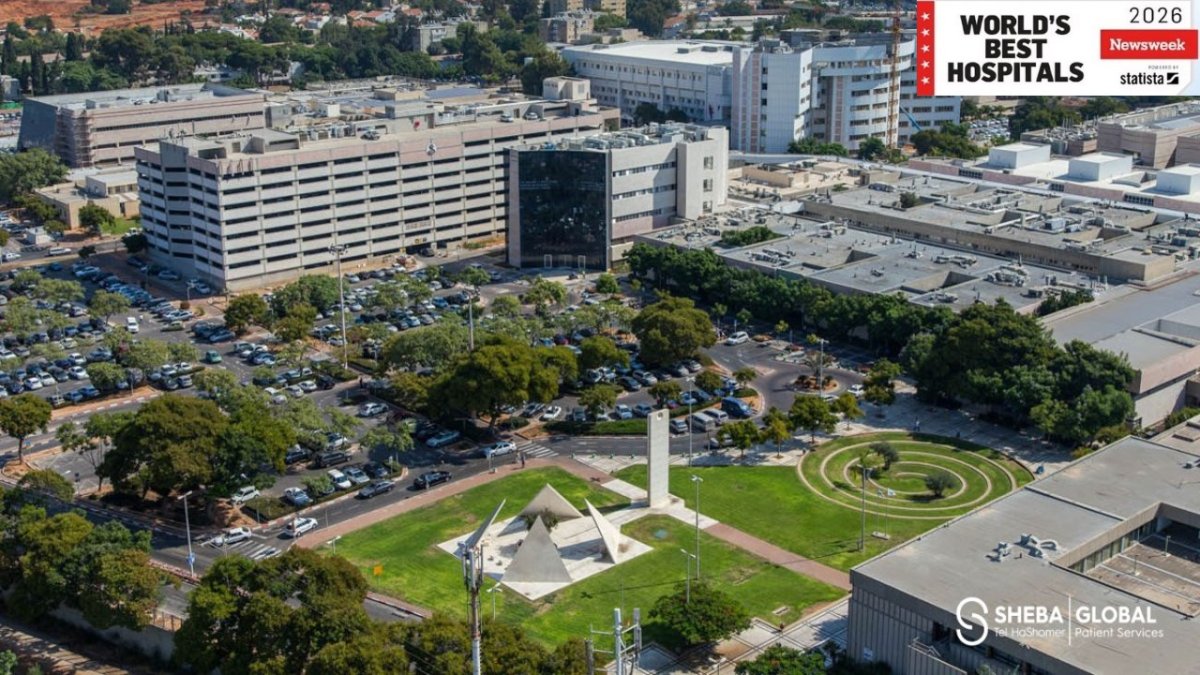
- التصنيف العالمي: يحتل مركز شيبا الطبي المرتبة السابعة عالمياً في قائمة نيوزويك لعام 2026.
رؤية خبير Bookimed: تعمل مراكز الأورام الإسرائيلية مثل شيبا وسوراسكي كمراكز إحالة وطنية. وهذا يخلق فجوة في الخبرة بسبب الحجم الكبير. على سبيل المثال، يقوم بعض الجراحين بإجراء أكثر من 1000 عملية معقدة. يسمح هذا الحجم لهم بأن يكونوا رواداً في عمليات الاستئصال الروبوتية للأمراض النقيلية. قد تفتقر العيادات الأصغر في أماكن أخرى إلى هذا التركيز الجراحي المتخصص.
إجماع المرضى: يشير المرضى إلى أن التنميط البيولوجي حيوي للنجاح. ويؤكدون على أهمية البحث عن فريق متعدد التخصصات يشمل متخصصين في الكبد للحالات النقيلية.
لماذا تُعد إسرائيل واحدة من الوجهات الرائدة في جراحة الأعصاب؟
تُعدّ إسرائيل مركزًا رائدًا في جراحة الأعصاب بفضل مزيجها من التطورات الطبية عالية التقنية والخبرات الجراحية المتميزة. وتستخدم مرافق متطورة مثل مركز شيبا الطبي أنظمة ملاحة تعتمد على الذكاء الاصطناعي والتصوير بالرنين المغناطيسي أثناء الجراحة في الوقت الفعلي. وتشير المراكز المتخصصة إلى نسبة نجاح تصل إلى 98% في العمليات الجراحية المعقدة، بما في ذلك جراحة الدماغ مع اليقظة وعلاج اضطرابات الحركة.
- التكنولوجيا المتقدمة: تستخدم العيادات الموجات فوق الصوتية المركزة الموجهة بالرنين المغناطيسي (MRgFUS) والأنظمة الروبوتية لإجراء الشقوق.
- الخبرة الجراحية: يقود جراحون مثل الدكتور تسفي رام جمعيات دولية بخبرة تزيد عن 25 عامًا.
- الوصول السريع: يمكن للمرضى الدوليين عادةً تحديد مواعيد لإجراء عمليات جراحية معقدة في الدماغ أو العمود الفقري في غضون 2-4 أسابيع.
- الرعاية الطبية المعتمدة: المراكز الكبيرة مثل سوراسكي (إيشيلوف) وأسوتا معتمدة من قبل اللجنة الدولية المشتركة، مما يؤكد سلامتها.
رأي خبراء بوكيمد: تُظهر البيانات فرقًا واضحًا بين خيارات العلاج في القطاعين العام والخاص في إسرائيل. تُجري المراكز الخاصة، مثل مركز أسوتا الطبي، أكثر من 92,000 عملية جراحية سنويًا، وتتيح للمرضى اختيار جراح را
ما هي أنواع الأمراض العصبية التي يتم علاجها في إسرائيل؟
يعالج جراحو الأعصاب الإسرائيليون طيفاً واسعاً من الحالات، بدءاً من أورام الدماغ والحبل الشوكي وصولاً إلى الاضطرابات الوظيفية المعقدة. وتستخدم المراكز المتخصصة أحدث التقنيات، مثل جهاز جاما نايف، والتحفيز العميق للدماغ، والتصوير بالرنين المغناطيسي أثناء الجراحة، لتشخيص دقيق للغاية لحالات الصرع، ومرض باركنسون، وأمراض الأوعية الدموية الدماغية.
- الأمراض السرطانية: علاج الأورام الدبقية والأورام السحائية وأورام الغدة النخامية باستخدام استئصال قاعدة الجمجمة.
- الاضطرابات الوظيفية: علاج مرض باركنسون والرعاش الأساسي باستخدام التحفيز العميق للدماغ.
- أمراض العمود الفقري: تصحيح الجنف، وانزلاق الغضروف، وأورام العمود الفقري باستخدام الأنظمة الروبوتية.
- علاج أمراض الأوعية الدموية الدماغية: العلاج الجراحي لتمدد الأوعية الدموية الدماغية والتشوهات الشريانية الوريدية باستخدام التدخلات داخل الأوعية الدموية.
- جراحة الأعصاب للأطفال: رعاية متخصصة لاستسقاء الرأس والتشوهات الخلقية في مراكز طب الأطفال المتخصصة.
رأي خبراء بوكيمد: غالبًا ما تجمع المستشفيات الإسرائيلية بين تخصصات طبية متعددة لمعالجة الحالات المعقدة. ففي مركز سوراسكي ا
ما هي المستشفيات في إسرائيل التي تشتهر بأقسام جراحة الأعصاب فيها؟
تضم إسرائيل مراكز جراحة أعصاب عالمية المستوى، مثل مركز سوراسكي الطبي، ومركز شيبا الطبي، ومركز هداسا الطبي. وتُعدّ هذه المؤسسات رائدة عالميًا في علاج أورام الدماغ المعقدة، وأمراض العمود الفقري، واضطرابات الحركة. وتستخدم أحدث التقنيات، مثل جهاز جاما نايف، والأنظمة الروبوتية، والتصوير بالرنين المغناطيسي أثناء الجراحة.
- سوراسكي (إيخيلوف): يجري أكثر من 2500 عملية جراحية عصبية سنوياً في تل أبيب بنسبة نجاح تبلغ 98%.
- مركز شيبا الطبي: مصنف ضمن أفضل عشرة مستشفيات في العالم، حيث يعالج 1.9 مليون مريض سنوياً.
- مركز هداسا الطبي: مرشح لجائزة نوبل للسلام. رائد في جراحة الأعصاب للأطفال والعلاج الجيني.
- مركز أسوتا الطبي: أكبر منشأة طبية خاصة في إسرائيل. متخصص في جراحات العمود الفقري والدماغ طفيفة التوغل.
- مستشفى شنايدر للأطفال: مركز رائد في جراحة الأعصاب للأطفال، يعالج 275000 طفل سنوياً.
رأي خبراء بوكيمد: تُظهر بياناتنا أنه بينما يلجأ معظم المرضى للعلاج في تل أبيب، يُقدّم مركز رامبام الطبي في حيفا رعايةً فريدةً لإصابات الدماغ. فهو يضم وحدةً متخصصةً للعناية المركزة العصبية تُعالج ما يقارب مليون مريض سنويًا. وهذا ما يجعله
من هم أبرز جراحي الأعصاب في إسرائيل؟
من بين أبرز جراحي الأعصاب الإسرائيليين البروفيسور تسفي رام، والبروفيسور شلومي كونستانتيني، والبروفيسور إسحاق فريد من مركز سوراسكي الطبي. ويشغل هؤلاء المتخصصون مناصب قيادية في الجمعية الأوروبية لجمعيات جراحة الأعصاب (EANS) والجمعية العالمية لجراحة الأعصاب التجسيمية والوظيفية (WSSFN). ويستخدمون تقنيات رسم الخرائط المتقدمة أثناء الجراحة وأنظمة الروبوتات.
- البروفيسور تسفي رام: خبير في جراحة أورام الدماغ طفيفة التوغل والعلاج الجيني للسرطان.
- الأستاذ شلومي كونستانتيني: متخصص في إجراءات التنظير العصبي المعقدة للأطفال والجراحة المجهرية لأورام الدماغ.
- الأستاذ إسحاق فريد: خبير في جراحة الصرع، ورسم خرائط الدماغ الوظيفية، وتحفيز الدماغ العميق.
- الدكتور إيلي أشكينازي: جراح عظام رائد في مستشفى أسوتا، متخصص في نظام TOPS المبتكر.
رأي خبراء بوكيمد: تشير بيانات مركز سوراسكي وشيبا إلى وجود علاقة وثيقة بين ارتفاع عدد العمليات الجراحية وسلامة المرضى. فعلى سبيل المثال، يُجري مركز سوراسكي أكثر من 34,000 عملية جراحية لعلاج الأورام سنويًا بنسبة نجاح تصل إلى 90%. لذا، ينبغي على المرضى الذين يحتاجون إلى استئصال أورام معقدة إعطاء الأولوية لمراكز كهذه، حيث يُجري الجراحون مئات العمليات الجراحية ا
ما هي متطلبات المرضى الدوليين القادمين الذين يسعون للحصول على رعاية جراحية عصبية؟
يجب على المرضى الأجانب الذين يحتاجون إلى علاج جراحي للأعصاب في إسرائيل تقديم وثائق طبية كاملة، بما في ذلك نتائج التصوير بالرنين المغناطيسي أو التصوير المقطعي المحوسب الحديثة، مترجمة إلى اللغة الإنجليزية. يتطلب دخول المستشفى فحصًا سريريًا من قبل أخصائيين للتأكد من ملاءمة المريض للعلاج. غالبًا ما تطلب المستشفيات دفعًا مسبقًا كاملًا أو دفعة مقدمة كبيرة قبل تأكيد مواعيد الجراحة أو إصدار وثائق التأشيرة.
- السجلات الطبية: تقديم تقارير مفصلة ونتائج التصوير مترجمة إلى اللغة الإنجليزية في غضون 48 ساعة للمراجعة السريرية.
- إثبات القدرة المالية: يرجى تقديم إثبات توفر الأموال بمبلغ تقريبي يتراوح بين $18,000 و $65,000 لتغطية تكاليف العلاج.
- دعم التأشيرة: تقوم عيادات مثل مركز سوراسكي الطبي (إيخيلوف) بإصدار خطابات رسمية للحصول على تأشيرة طبية من نوع B-2.
- مرحلة الاستشارة: غالبًا ما يتم إجراء التقييم الأولي عبر استشارة عبر الإنترنت مع جراحين مثل الدكتور شتراوس إيدو.
رأي خبراء بوكيمد: تُظهر البيانات أن المؤسسات الطبية الإسرائيلية الرائدة، مثل مركز شيبا الطبي ومركز هداسا الطبي، تستقبل عددًا هائلًا من المرضى، يتجاوز مليون مريض سنويًا. هذا الطلب المرتفع يعني أن العيادات تُعطي الأول
كم من الوقت سأحتاج للبقاء في إسرائيل لإجراء جراحة الأعصاب والمتابعة؟
تتراوح مدة الإقامة المعتادة في قسم جراحة الأعصاب في إسرائيل بين 10 و14 يومًا للحالات غير المعقدة. أما المرضى الذين يخضعون لإجراءات معقدة، مثل استئصال ورم دماغي أو تحفيز الدماغ العميق، فغالبًا ما يحتاجون إلى الإقامة لمدة تتراوح بين 4 و6 أسابيع. تشمل هذه الفترة التشخيص قبل الجراحة، والجراحة نفسها، والمتابعة اللازمة بعد العملية.
- مدة الإقامة في المستشفى: تستغرق الإجراءات طفيفة التوغل من يوم إلى ثلاثة أيام. أما عمليات فتح الجمجمة التقليدية فتستغرق في المتوسط من ثلاثة إلى عشرة أيام.
- التعافي في الموقع: بعد الخروج من المستشفى، البقاء في إسرائيل لمدة 7-14 يومًا لإجراء فحوصات المتابعة الإلزامية.
- سلامة الطيران: يوصي الجراحون بالانتظار من 4 إلى 6 أسابيع قبل السفر جواً للسماح لضغط الجمجمة الداخلي بالاستقرار.
- جدول المتابعة: عادة ما يتم إجراء الفحوصات السريرية الشخصية في الأيام 3 و7 و14 بعد الجراحة.
رأي خبراء بوكيمد: تُظهر بيانات مركز سوراسكي الطبي أنه يعالج أكثر من 400,000 مريض سنويًا بنسب نجاح عالية. غالبًا ما تتميز العيادات التي تستقبل هذا العدد الكبير من المرضى، مثل هاداسا وأسوتا، بإجراءات خروج مبسطة. وهذا يُسهّل على المرضى الدوليين الانتقال بسرعة أكبر إلى إعادة التأهيل في ا