علاج مرحلة سرطان القولون 4 في إسبانيا — احصل على 3 عيادات مختارة خصيصاً لك


تمت مراجعة المقالة طبيا من قبل
فهد مولود
كيف نعمل؟
ما هي تكلفة مرحلة سرطان القولون 4 إجراءات التشخيص والعلاج في إسبانيا؟ اعرف الآن
تبدأ تكلفة علاج سرطان القولون في المرحلة الرابعة في إسبانيا عادةً باستشارة طبيب الجهاز الهضمي، والتي تتراوح ما بين $150 إلى $380. من $15,300. تعتمد النفقات الإجمالية على دورة العلاج، واختيار الأدوية، ومستوى العيادة. وغالباً ما يوفر المرضى ما بين 30-50% مقارنة بالرعاية الصحية الخاصة في الولايات المتحدة. وتعد برشلونة ومدريد وبامبلونا الوجهات الرائدة في هذا المجال.
تكاليف علاج سرطان القولون في المرحلة الرابعة المعتادة في إسبانيا
- استشارة طبيب الجهاز الهضمي: $150 – $380
- استئصال القولون (استئصال الأمعاء الغليظة): من $15,300
- العلاج الكيميائي داخل الصفاق بفرط الحرارة (HIPEC): من $81,900
- العلاج الكيميائي: من $1,700
رؤية خبراء Bookimed: تجد الحالات المتقدمة التي تتطلب تقنيات جراحية متخصصة قيمة عالية في المراكز المعتمدة من قبل اللجنة الدولية المشتركة (JCI) مثل Centro Médico Teknon. بالنسبة للمرضى الذين يحتاجون إلى اختزال خلوي معقد، يقدم متخصصون مثل الدكتور ألفونسو غارسيا فادريك في مستشفى Vithas Valencia Turia خبرة واسعة في بروتوكولات HIPEC. وتعتبر عيادة جامعة نافارا (Clinica Universidad de Navarra) مثالية لأولئك الذين يبحثون عن الجراحة الروبوتية وفرق الأورام متعددة التخصصات، حيث تم تصنيفها كواحدة من أفضل المستشفيات الخاصة في إسبانيا.
| تركيا | إسبانيا | ألمانيا | |
|---|---|---|---|
| العلاج الكيميائي لسرطان الثدي | من $3,000 | من $1,700 | من $2,200 |
| العلاج الكيميائي داخل الصفاق مفرط الحرارة (HIPEC) | من $18,000 | من $81,900 | من $40,000 |
| استئصال القولون | من $5,000 | من $15,300 | من $20,500 |
اكتشف أفضل مرحلة سرطان القولون 4 العيادات في إسبانيا: 5 خيارات معتمدة والأسعار











احصلوا على تقييم طبي لـ مرحلة سرطان القولون 4 في إسبانيا: استشيروا أطباء ذوي خبرة الآن
عرض جميع الأطباء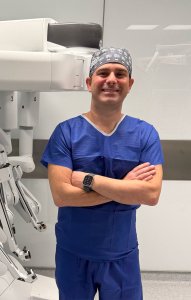
Carlos Garcia Vasquez
جرّاح في الجراحة العامة وجراحة الجهاز الهضمي. يركز على جراحات القولون والمستقيم والشرج وجدار البطن طفيفة التوغل. رئيس مشارك، Infanta Elena University Hospital (2021–). جرّاح معاون، Fundación Jiménez Díaz (2013–).
الاعتمادات: دكتوراه في الجراحة بامتياز مع مرتبة الشرف العليا (UAM). معتمد في الجراحة الروبوتية (Da Vinci X/Xi/5). تدريب متقدم في الجراحة العامة بالمنظار (IRCAD، ستراسبورغ). اختصاصي في الجراحة العامة وجراحة الجهاز الهضمي (Fundación Jiménez Díaz).
الإنجازات: باحث (2013–).
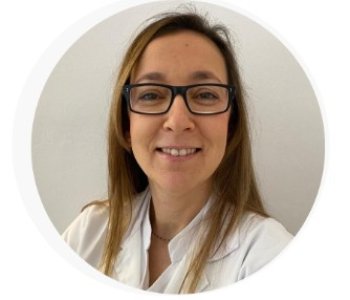
Elvira Buxó

Antonio de Lacy Fortuny
_doctor_258_عاماً_ من الريادة في جراحة سرطان القولون طفيفة التوغل – أجرى الدكتور دي لاسي أكثر من 15,000 عملية جراحية، بما في ذلك أكثر من 1,000 عملية سنوياً في مستشفى كيرون برشلونة.
- أول جراح في العالم يطور تقنية TaTME لسرطان المستقيم
- رئيس رابطة الجراحين والمناظير في أوروبا
- محاضر في تقنيات تنظير البطن المتقدمة حول العالم
- رائد جراحة المناظير عبر التجويف (NOTES)
مشاركة المحتوى
قصص فيديو من مرضى Bookimed
 Anna Leonova
أسئلة متكررة حول علاج مرحلة سرطان القولون 4 في إسبانيا
ما هي التقنيات الجراحية المتخصصة المتاحة في إسبانيا لسرطان القولون النقيلي؟
توفر مراكز الأورام الإسبانية بروتوكولات جراحية متقدمة لسرطان القولون في المرحلة الرابعة. يستخدم المتخصصون جراحة اختزال الخلايا والعلاج الكيميائي داخل الصفاق مفرط الحرارة (HIPEC). تعالج هذه الطرق الانتشار في البطن. تستخدم المرافق الرائدة المعتمدة من JCI في برشلونة ومدريد أنظمة روبوتية لعمليات الاستئصال عالية الدقة.
- علاج الصفاق: تعمل عملية اختزال الخلايا على إزالة الأورام المرئية قبل أن يقوم العلاج الكيميائي المسخن بتدمير الخلايا المجهرية.
- استئصال الكبد: يقوم الجراحون بإجراء استئصال الكبد على مراحل أو استئصال متزامن للانتشار النقيلي.
- الدقة الروبوتية: تتيح أنظمة Da Vinci Xi إجراء جراحات معقدة في مساحات الحوض الصغيرة.
- تقنيات مبتكرة: يوفر استئصال المساريق المستقيمي الكلي عبر الشرج (TaTME) نهجًا متخصصًا للمشاركة في منطقة المستقيم.
رؤية خبير Bookimed: ريادة إسبانيا في جراحة القولون والمستقيم مدفوعة برواد مثل الدكتور أنطونيو دي لاسي فورتوني. لقد أجرى أكثر من 15000 عملية جراحية وطور تقنية TaTME. تعالج المراكز ذات الحجم الكبير مثل Centro Médico Teknon 10000 مريض سنويًا. يضمن هذا الحجم الهائل من الحالات احتفاظ الفرق الجراحية بالبراعة في التعامل مع الحالات النقيليّة المعقدة.
إجماع المرضى: يؤكد المرضى على أهمية العثور على مستشفى يعمل فيه متخصصو القولون والمستقيم والكبد معًا. ويشيرون إلى أن المرحلة الرابعة ليست دائمًا غير قابلة للجراحة إذا تمكن الفريق من إزالة الانتشار المحدود بالكامل.
ما هي المدن والمستشفيات التي تعتبر الوجهات الأولى لعلاج الأورام المتقدم في إسبانيا؟
تعد مدريد وبرشلونة المركزين الرئيسيين لعلاج الأورام المتقدم في إسبانيا. تضم هذه المدن مراكز مثل مستشفى لا باز الجامعي (Hospital Universitario La Paz) ومركز تيكنون الطبي (Centro Médico Teknon). وهي تقدم علاجات متخصصة لسرطان القولون في المرحلة الرابعة. بامبلونا هي وجهة رائدة أخرى، حيث تضم عيادة جامعة نافارا (Clinica Universidad de Navarra) المعتمدة من منظمة معاهد السرطان الأوروبية (OECI).
- تقنيات متخصصة: تقدم مدريد وبرشلونة تقنية HIPEC واستئصال القولون الروبوتي.
- الخبرة الجراحية: أجرى الدكتور أنطونيو دي لاسي فورتوني أكثر من 15,000 عملية جراحية.
- الحجم السريري: تعالج عيادة جامعة نافارا أكثر من 140,000 مريض سنوياً.
- التشخيص المتقدم: توفر المرافق اختبارات طفرة BRAF وتحديد المراحل الجزيئية المعقدة.
رؤية خبير Bookimed: غالباً ما تعطي عيادات برشلونة الأولوية للتميز الجراحي عالي الحجم. يقوم الدكتور أنطونيو دي لاسي فورتوني في مستشفى كيرون برشلونة بإجراء أكثر من 1,000 جراحة طفيفة التوغل سنوياً. هذا الحجم ضروري لحالات المرحلة الرابعة. غالباً ما ترتبط خبرة المتخصصين ذوي الحالات الكثيرة بنتائج أفضل في عمليات استئصال القولون والمستقيم المعقدة.
إجماع المرضى: يوصي المرضى بإعطاء الأولوية للعيادات التي لديها برامج مخصصة لنقائل الكبد لرعاية المراحل المتأخرة. يسعى الكثيرون للحصول على استشارات خاصة أولية في برشلونة للسرعة قبل تنسيق العلاجات طويلة الأمد.
هل تستخدم إسبانيا الاختبارات الجينية والتحليل الجزيئي لاستهداف سرطان القولون في المرحلة الرابعة؟
تستخدم إسبانيا اختبارات جينية متقدمة وتحليلاً جزيئياً لإدارة سرطان القولون في المرحلة الرابعة. تتبع العيادات معايير الجمعية الإسبانية لعلم الأورام الطبي. توجه الاختبارات الإلزامية للمؤشرات الحيوية RAS و BRAF و MSI-H/dMMR اختيار الأدوية المخصصة. يضمن هذا النهج أن تكون العلاجات الموجهة مثل العلاج المناعي أو عوامل مضادات EGFR فعالة لكل مريض.
- المؤشرات الحيوية الإلزامية: تشمل الاختبارات طفرات KRAS و NRAS و BRAF V600E للعلاج الموجه.
- فحص العلاج المناعي: يحدد اختبار MSI/dMMR الشامل المرضى المؤهلين لعلاجات العلاج المناعي في الخط الأول.
- التشخيص المتقدم: تستخدم المراكز الرائدة تسلسل الجيل التالي (NGS) للكشف عن اندماجات HER2 و NTRK الأكثر ندرة.
- أدوات الدقة: يدمج المتخصصون في برشلونة ومدريد الخزعات السائلة لمراقبة تطور الورم.
رؤية خبير Bookimed: تركز مراكز الأورام الإسبانية بشكل كبير على الدقة الجراحية المقترنة بالتدريج الجزيئي. يقود الدكتور ألفونسو غارسيا فادريك في مستشفى فيثاس فالنسيا توريا البحث والتطوير المتخصص في التدريج الجزيئي لسرطان القولون. يعني هذا التركيز الأكاديمي أن المرضى غالباً ما يتلقون بيانات تشخيصية أكثر تفصيلاً مما هو متاح في المستشفيات المجتمعية القياسية. تتعامل المراكز ذات الحجم الكبير مثل عيادة جامعة نافارا مع أكثر من 140,000 مريض سنوياً، مما يوفر البنية التحتية لاختبارات NGS السريعة والشاملة.
إجماع المرضى: يؤكد المرضى أن نتائج المؤشرات الحيوية مثل RAS و MSI ضرورية قبل بدء العلاج. يوصي الكثيرون بإحضار نس
ما هي متطلبات السفر والدخول للمرضى الدوليين القادمين إلى إسبانيا لتلقي العلاج؟
يحتاج المرضى الدوليون الذين يدخلون إسبانيا إلى جواز سفر ساري المفعول، وإثبات الملاءة المالية، ودعوة طبية رسمية. يدخل مواطنو الاتحاد الأوروبي ببطاقة الهوية الوطنية. يحتاج الآخرون إلى تأشيرة شنغن أو تأشيرة وطنية. يجب أن تؤكد الوثائق قبول المستشفى وخطط العلاج المحددة لرعاية سرطان القولون.
- تصريح السفر: يدخل المواطنون المعفون من التأشيرة لمدة 90 يوماً بدون تأشيرة رسمية.
- دعوة المستشفى: يحتاج المرضى إلى خطابات رسمية توضح المواعيد المجدولة وخطط العلاج.
- إثبات مالي: يجب على المسافرين إظهار 122.10 يورو يومياً متاحة للنفقات غير الطبية.
- السجلات الطبية: احمل تقارير علم الأمراض وبيانات التصنيف باللغة الإنجليزية أو الإسبانية.
رؤية خبير Bookimed: تظهر بياناتنا أن عيادة جامعة نافارا (Clinica Universidad de Navarra) كانت أول منشأة معتمدة من اللجنة الدولية المشتركة (JCI) في إسبانيا. وقد خدمت مرضى من 70 دولة. عند زيارة مثل هذه المراكز ذات الحجم الكبير، تأكد من أن خطاب الدعوة الخاص بك يسرد بشكل محدد جميع أسماء أفراد الأسرة المرافقين. هذا التفصيل يبسط بشكل كبير الموافقة على التأشيرة لفريق الدعم الخاص بك.
إجماع المرضى: يشير المرضى إلى أنه من الضروري حمل نسخ مادية من الفحوصات الحديثة وقوائم الأدوية. ويؤكدون أن خطاب القبول الرسمي للمستشفى هو أهم وثيقة لدخول الحدود.