علاج الرجفان الأذيني في كوريا الجنوبية: 9 مستشفيات


تمت مراجعة المقالة طبيا من قبل
فهد مولود
ما هي تكلفة الرجفان الأذيني إجراءات التشخيص والعلاج في كوريا الجنوبية؟ اعرف الآن
تتحدد تكلفة علاج الرجفان الأذيني في جمهورية كوريا بشكل أساسي بناءً على الاحتياجات التشخيصية وطريقة التدخل المختارة. من $30. تعتمد النفقات الإجمالية على مستوى العيادة ومدى تعقيد المرض، وغالباً ما توفر وفورات تتراوح بين 50-90% مقارنة بالولايات المتحدة. وتعد سيول وإنشيون المدينتين الرائدتين في تقديم هذه الخدمات القلبية.
متوسط تكاليف علاج الرجفان الأذيني في جمهورية كوريا
- تخطيط كهربية القلب (ECG): من $30
- استشارة طبيب قلب: $50 – $55
- تحليل دم شامل: من $200
- الاستئصال بالترددات الراديوية: من $8,000
رؤية خبراء Bookimed: يجب على المرضى الذين يبحثون عن خبرة سريرية عالية المستوى التفكير في مركز أسان الطبي (Asan Medical Center)، الذي يجري 45% من إجمالي عمليات زراعة القلب في كوريا الجنوبية. وبالنسبة لأولئك الذين يحتاجون إلى إدارة معقدة لاضطراب النظم القلبي، يقدم متخصصون مثل الدكتور بيونغ هي أوه في مستشفى سيجونغ (Sejong Hospital) رعاية متكاملة لفشل القلب والرجفان الأذيني. وتستفيد الحالات المعقدة من المرافق الحاصلة على اعتماد اللجنة الدولية المشتركة (JCI) في سيول، مثل مستشفى سيفيرانس (Severance Hospital)، الذي يستقبل أكثر من 1.6 مليون مريض خارجي سنوياً بفضل فرق القلب متعددة التخصصات.
| كوريا الجنوبية | تركيا | إسبانيا | |
|---|---|---|---|
| تجمد القلب | ≈ $9,500 | من $8,100 | من $20,200 |
| الترددات اللاسلكية | من $8,000 | من $5,400 | من $22,500 |
| الاجتثاث بالترددات الراديوية مع رسم الخرائط ثلاثية الأبعاد | ≈ $9,500 | من $10,400 | من $22,500 |
مزاياك وضماناتك مع Bookimed
أسعار مباشرة
Bookimed لا يضيف رسوماً إضافية على أسعار علاج الرجفان الأذيني. الأسعار مأخوذة من قوائم الأسعار الرسمية للعيادات. تدفع مباشرة في العيادة مقابل علاجك عند وصولك إلى البلد.
عيادات وأطباء معتمدون فقط
Bookimed ملتزم بسلامتك. نحن نعمل فقط مع المؤسسات الطبية التي تحافظ على معايير دولية عالية في علاج الرجفان الأذيني ولديها التراخيص اللازمة لخدمة المرضى الدوليين في جميع أنحاء العالم.
مساعدة مجانية على مدار الساعة
Bookimed يقدم مساعدة خبراء مجانية. منسق طبي شخصي يدعمك قبل وأثناء وبعد العلاج، ويحل أي مشاكل. لن تكون وحيداً أبداً في رحلة علاج الرجفان الأذيني.

منسقك الطبي الشخصي في Bookimed
- يدعمك في كل مرحلة
- المساعدة في اختيار العيادة الطبية المناسبة والطبيب المناسب
- يضمن الوصول السريع والمريح إلى المعلومات
اكتشف أفضل الرجفان الأذيني العيادات في كوريا الجنوبية: 9 خيارات معتمدة والأسعار











احصل على تقييم طبي لـ في كوريا الجنوبية. استشر الآن 7 أطباء ذوي الخبرة.
عرض جميع الأطباء
Kim Ki Bong
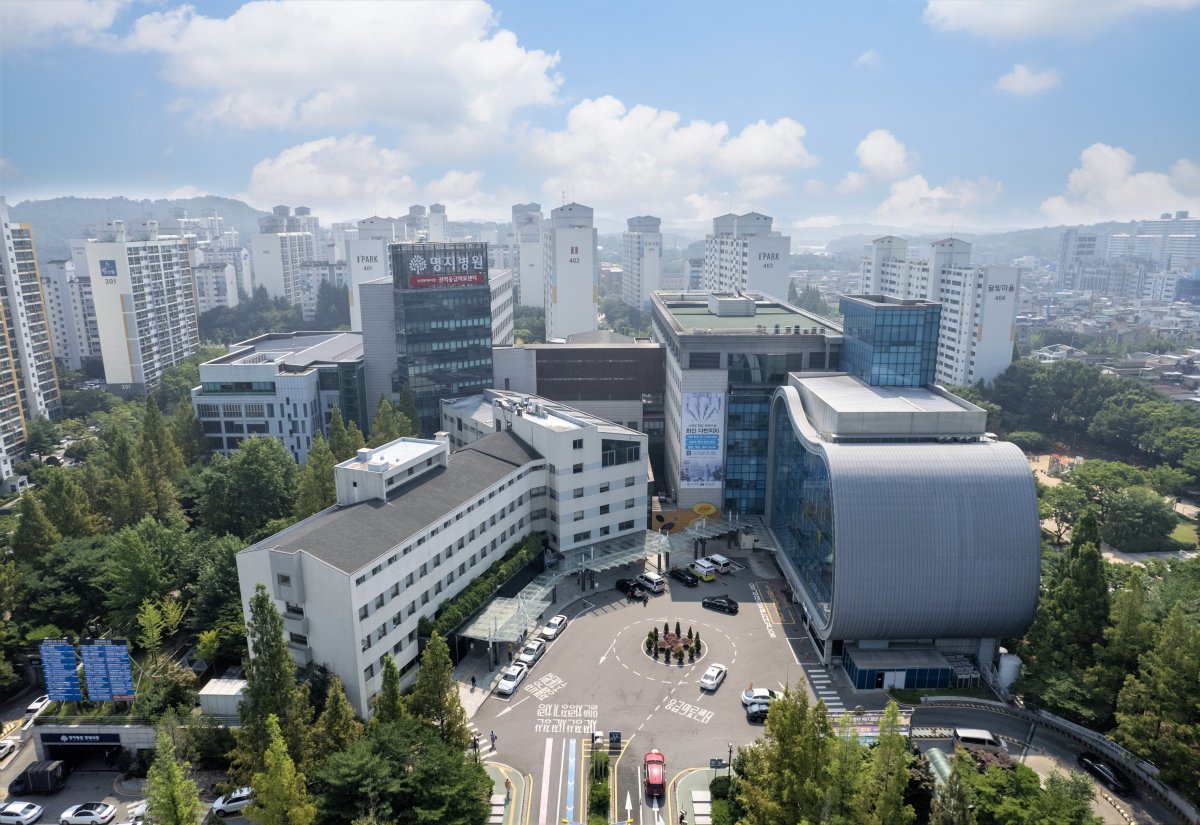
يتخصص الأستاذ الدكتور كيم كي-بونغ في جراحة مجازة الشريان التاجي (CABG)، وجراحة الصمامات، والرجفان الأذيني، وزراعة القلب. يشغل منصب مدير مراكز جراحة القلب والأوعية الدموية في مستشفى ميونغجي، وقد كان رائدًا في تقنيات جراحة مجازة الشريان التاجي المتقدمة في كوريا. يتمتع بخبرة واسعة في جراحة القلب النابض (OPCAB) ويعمل ضمن فريق جراحة مجازة الشريان التاجي بالمنظار الكامل (TECAB) باستخدام نظام دافنشي إكس آي (da Vinci Xi).
في عام 2025، أجرى فريقه أول عملية جراحية لمجازة الشريان التاجي بالمنظار
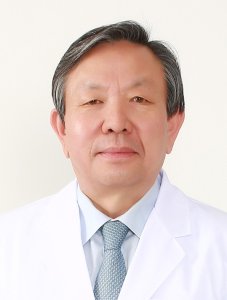
Byung Hee Oh
الأستاذ بيونغ-هي أوه، MD، PhD، طبيب قلب في مستشفى إنتشون سيجونغ. تخرّج في كلية الطب بجامعة سيول الوطنية. أكمل تدريبه في الطب الباطني وطب القلب في مستشفى جامعة سيول الوطنية. يركّز عمله السريري على قصور القلب، ومرض الشريان التاجي، وارتفاع ضغط الدم، والرجفان الأذيني، وطب القلب الوقائي.
شغل منصب أستاذ لطب القلب في جامعة سيول الوطنية. كما تولّى إدارة مركز لأمراض القلب والأوعية الدموية ورئاسة قسم طب القلب. ترأس الجمعية الكورية لأمراض القلب وقاد مجموعات وطنية لقصور القلب وارتفاع ضغط الدم. ألّ
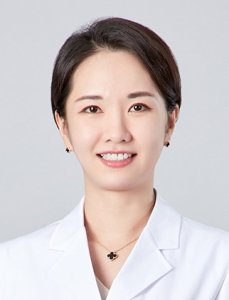
Min Jeong Kim
الدكتورة مين-جونغ كيم، طبيبة قلب تحمل درجتي الطب (MD) والدكتوراه (PhD)، تعمل في مستشفى إنتشون سيجونغ. تركز على طب القلب التدخلي، وفشل القلب، وارتفاع ضغط الدم، وطب القلب الوقائي.
حصلت على درجتي MD وPhD من كلية الطب بجامعة سيول الوطنية، وأتمت تدريباً متقدماً في الطب الباطني وأمراض القلب والأوعية في مركز طبي رائد في كوريا.
تشمل خبرتها مرض الشريان التاجي، وفشل القلب المزمن، واضطرابات نظم القلب، وارتفاع ضغط الدم. تجري تصوير الشرايين التاجية بالقسطرة والتدخل التاجي عبر الجلد، وتتقن تخ
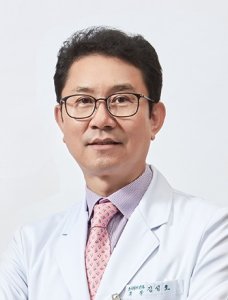
Sungho Kim
البروفيسور سونغ-هو كيم، MD, MS, PhD، طبيب قلب أطفال واختصاصي أمراض القلب الخِلقية بخبرة تزيد على 40 عاماً. تدرّب في كلية الطب بجامعة هانيانغ (MD) وتابع دراسته في كلية الدراسات العليا بالجامعة نفسها (MS, PhD). أسهم في تطوير العلاج عبر القسطرة لـ ASD وVSD ورباعية فالو وغيرها من العيوب القلبية الخِلقية، ما قلّل الحاجة إلى جراحة القلب المفتوح. أجرى أكثر من 1,200 تدخّلاً قلبياً للأطفال والعيوب الخِلقية.
قاد برامج أكاديمية وسريرية، ويساهم في البحث والتدريب، ويشارك في جمعيات مهنية لأمراض القل
مشاركة المحتوى
قصص فيديو من مرضى Bookimed
 Anna Leonova
أسئلة متكررة حول علاج الرجفان الأذيني في كوريا الجنوبية
ما هي تقنيات علاج الرجفان الأذيني المتقدمة المتاحة في كوريا الجنوبية؟
تقدم كوريا الجنوبية علاجات متطورة للرجفان الأذيني، بما في ذلك الاستئصال بالمجال النبضي ورسم الخرائط الكهربائية التشريحية ثلاثية الأبعاد. تستخدم المراكز الرائدة مثل مستشفى سيفيرانس ومركز أسون الطبي استئصال البالون بالتبريد لعلاج عدم انتظام ضربات القلب. توفر هذه الإجراءات طفيفة التوغل معدلات نجاح تصل إلى 90% لحالات محددة مع أمان عالٍ.
- الاستئصال بالمجال النبضي: يستهدف التثقيب الكهربائي أنسجة القلب دون الإضرار بالأعصاب المحيطة أو المريء.
- رسم خرائط القلب ثلاثي الأبعاد: توفر الأنظمة تصوراً في الوقت الفعلي لتحديد دقيق لمحفزات إيقاع القلب.
- استئصال القسطرة بالبالون بالتبريد: تستخدم هذه التقنية طاقة البرودة لحجب الإشارات الكهربائية غير المنتظمة بكفاءة.
- أجهزة تنظيم ضربات القلب بدون أسلاك: يتم زرع أجهزة صغيرة مباشرة في القلب لإدارة الإيقاع.
رؤية خبير Bookimed: كوريا الجنوبية هي مركز تدريب عالمي لنظام الاستئصال بالمجال النبضي FARAPULSE. تظهر بياناتنا أن مستشفيات مثل مركز أسون الطبي تجري 45% من عمليات زراعة القلب في البلاد. يضمن هذا الحجم الكبير في أقسام القلب والأوعية الدموية احتفاظ أخصائيي الفيزيولوجيا الكهربائية بمهارات تقنية استثنائية لاستئصال الرجفان الأذيني المعقد. عادةً ما يضمن اختيار منشأة تعمل كمركز تدريب دولي الوصول إلى أحدث إصدارات التكنولوجيا.
إجماع المرضى: غالبًا ما يؤكد المرضى أن المستشفيات الجامعية الكبيرة أفضل للحالات المعقدة. ويقترحون السؤال تحديداً عما إذا كان طبيبك أخصائياً في الفيزيولوجيا الكهربائية ولديه ح
ما هو نوع الأخصائي الذي يتعامل مع علاجات الرجفان الأذيني في كوريا الجنوبية؟
يتم التعامل مع الرجفان الأذيني (AFib) في كوريا الجنوبية بشكل أساسي من قبل أطباء القلب المتخصصين في الفيزيولوجيا الكهربائية للقلب. يركز هؤلاء المتخصصون في الإيقاع على النظام الكهربائي للقلب. يقومون بإجراءات أساسية مثل الاستئصال بالترددات الراديوية ورسم الخرائط ثلاثية الأبعاد في مراكز معتمدة من قبل JCI في سيول وإنتشون.
- أطباء متخصصون: يتعامل أخصائيو الفيزيولوجيا الكهربائية مع اضطرابات نظم القلب وتدخلات القسطرة المعقدة.
- مراكز العلاج: تتميز المستشفيات الجامعية الكبرى بوجود مراكز مخصصة لاضطراب النظم للرعاية متعددة التخصصات.
- الدعم الجراحي: يقوم جراحو الصدر بإجراءات "المتاهة" (Maze) إذا كانت القسطرة طفيفة التوغل غير مناسبة.
- التكنولوجيا المتقدمة: تستخدم المراكز الكورية الاستئصال بالمجال النبضي (PFA) إلى جانب أنظمة رسم الخرائط ثلاثية الأبعاد.
رؤية خبير Bookimed: تظهر البيانات أن كبار أطباء القلب في كوريا الجنوبية، مثل الدكتور أوه دونغ جو، غالباً ما يشغلون أدواراً قيادية دولية في منظمات مثل الكلية الأمريكية لأمراض القلب. يستفيد المرضى من هذه الخبرة العالمية في مرافق كبرى مثل مركز أسان الطبي، الذي يتعامل مع أكثر من 65,000 عملية سنوياً. يساهم هذا الحجم الكبير في كفاءة متخصصي الإيقاع في إجراء عمليات الاستئصال المعقدة.
إجماع المرضى: يشير المرضى إلى أنه من الأفضل طلب عيادة اضطراب النظم أو الفيزيولوجيا الكهربائية المحددة داخل المستشفى بدلاً من طب القلب العام. ويؤكدون على البدء بالأدوية قبل أن يناقش فريق المتخصصين الخيارات الإجرائ
ما هو معدل نجاح استئصال الرجفان الأذيني في العيادات الكورية الجنوبية؟
تحقق العيادات الكورية الجنوبية معدلات نجاح حادة تتراوح بين 97.3% و 98.7% لعزل الوريد الرئوي. تعتمد النتائج طويلة المدى على استقرار عدم انتظام ضربات القلب. يُظهر الرجفان الأذيني النوبي نسبة 71.9% إلى 84.6% من عدم التكرار بعد عامين. تتراوح حالات الرجفان المستمر بين 49.3% إلى 72.4% من النجاح.
- النجاح الحاد: معدل مرتفع بنسبة 98.7% للعزل الأولي باستخدام رسم خرائط القلب ثلاثي الأبعاد.
- القضاء على الأعراض: حوالي 94.1% من المرضى لا يبلغون عن أي أعراض جسدية بعد عام واحد.
- الاستقرار طويل المدى: يبقى حوالي 70% من المرضى بدون عدم انتظام ضربات القلب بعد 5 سنوات من العلاج.
- إجراءات التكرار: تزيد عمليات الاستئصال الثانية من معدل النجاح التراكمي إلى حوالي 80%.
رؤية خبير Bookimed: تُظهر البيانات تجمعًا واضحًا للجودة في سيول وإنتشون. يقوم مركز أسون الطبي بإجراء 45% من عمليات زراعة القلب في كوريا ويخدم أكثر من 2500 مريض داخلي يوميًا. يرتبط هذا الحجم الهائل بالخبرة. نشر خبراء مثل الدكتور أوه دونغ جو ما يقرب من 400 ورقة بحثية. غالبًا ما يحقق المتخصصون ذوو الحجم الكبير نتائج أفضل في الحالات المعقدة.
إجماع المرضى: يشير المرضى إلى أن النجاح غالبًا ما يعني تحكمًا أفضل في الأعراض ونوبات أقل بدلاً من الشفاء الدائم. يؤكد الكثيرون على اختيار مراكز ذات حجم كبير لضمان أن المشغل لديه خبرة واسعة في نوع الرجفان الأذيني الخاص بهم.
ما هو معدل المضاعفات بعد الإجراء؟
يحافظ علاج الرجفان الأذيني في كوريا الجنوبية على معايير سلامة عالية، حيث تتراوح معدلات المضاعفات القلبية الوعائية للغرسات عادةً بين 7.6% و 15.1%. تبلغ المراكز المتخصصة عن معدلات نجاح لأكثر من 1200 إجراء، بينما تتراوح المخاطر العامة في موقع الجراحة عبر المستشفيات الكبرى بين 6% و 44%.
- طرق العلاج: تستخدم العيادات الاستئصال بالترددات الراديوية، والاستئصال بالتبريد للقلب، ورسم الخرائط ثلاثي الأبعاد.
- أنظمة السلامة: تساعد البنية التحتية الرقمية مثل BESTcare في منع الأخطاء وتحسين النتائج.
- أحجام عالية: يجري مركز أسون الطبي 45% من عمليات زراعة القلب في كوريا.
- رعاية المتخصصين: أجرى خبراء مثل الدكتور سونغ هو كيم أكثر من 1200 إجراء.
رؤية خبير Bookimed: في حين تختلف معدلات المضاعفات الجراحية العامة، تتخصص العيادات الرائدة في كوريا الجنوبية حسب الحجم لضمان سلامة أعلى. يخدم مركز أسون الطبي أكثر من 2500 مريض داخلي يوميًا ويتعامل مع الحصة الأكبر من إجراءات القلب المعقدة. يسمح هذا الحجم الهائل من المرضى للمتخصصين بصقل التقنيات، مما يفسر سبب حفاظ المراكز الكبرى على معدلات نجاح بنسبة 90% في علاجات الأعضاء المتقدمة.
إجماع المرضى: يشير المرضى إلى أن الكدمات الطفيفة في الفخذ أو الخفقان المؤقت بعد الاستئصال أمر شائع وعادة ما يتلاشى في غضون أسابيع. يؤكد الكثيرون أن اختيار أخصائي فيزيولوجيا كهربائية ذو حجم حالات مرتفع هو العامل الأكثر أهمية للتعافي السلس.
ما هي المستشفيات الكورية الجنوبية المتخصصة في علاج الرجفان الأذيني المعقد؟
تضم كوريا الجنوبية مراكز رائدة معتمدة من اللجنة الدولية المشتركة (JCI) مثل مركز سامسونج الطبي ومستشفى سيفيرانس لعلاج الرجفان الأذيني المعقد. تتخصص هذه المرافق في تقنيات الاستئصال الهجين ورسم الخرائط الكهربائية التشريحية ثلاثية الأبعاد. تعالج معاهد القلب المتخصصة في سيول آلاف المرضى يوميًا باستخدام استئصال المجال النبضي لضمان معدلات نجاح عالية.
- مركز أسان الطبي: أكبر مركز متعدد التخصصات يقوم بإجراء 45% من عمليات زراعة القلب في كوريا.
- مستشفى سيفيرانس: مركز تدريب عالمي لاستئصال المجال النبضي ثلاثي الأبعاد ورعاية القلب.
- مستشفى سيجونغ: مركز متخصص في القلب والأوعية الدموية يدير اضطرابات النظم المعقدة وتدخلات القلب للأطفال.
- مركز سامسونج الطبي: يضم فريقًا مخصصًا لاضطرابات النظم لإجراء استئصال هجين جراحي وقسطري.
رؤية خبير Bookimed: تظهر البيانات تركيزًا عاليًا لخبرات أمراض القلب في المستشفيات الجامعية في سيول. يمثل الدكتور بيونغ هي أوه في مستشفى سيجونغ والدكتور كيم دوك كيونغ في مركز سامسونج الطبي عقودًا من الريادة في هذا المجال. يعطي المرضى الأولوية لهذه المراكز لأنها تجمع بين أحجام إجراءات تزيد عن 1000 سنويًا مع البنية التحتية الرقمية مثل نظام BESTcare لتحقيق أقصى قدر من الأمان.
إجماع المرضى: يشير المرضى إلى أنه من المهم اختيار مستشفى تعليمي حيث تعمل أقسام الفيزيولوجيا الكهربائية وجراحة القلب معًا. يقترح الكثيرون إحضار نتائج هولتر مفصلة وتاريخ الأدوية لمساعدة المكتب الدولي في تنسيق زيارات المتابعة المعقدة.
كم من الوقت أحتاج للبقاء في كوريا الجنوبية لإجراء العملية؟
يجب على المرضى التخطيط للبقاء في كوريا الجنوبية لمدة تتراوح بين 7 إلى 14 يوماً لعلاج الرجفان الأذيني. تشمل هذه الفترة الفحوصات قبل الجراحة، وإجراء الاستئصال، وعدة أيام لمراقبة استقرار ضربات القلب. تتطلب معظم بروتوكولات المستشفيات فترة مراقبة لا تقل عن 24 ساعة بعد القسطرة.
- التشخيص قبل الجراحة: يستغرق تخطيط القلب (ECG)، وتحاليل الدم، ومراجعات القلب يومين.
- الإقامة في المستشفى: توقع قضاء ليلة واحدة على الأقل للمراقبة بعد الاستئصال.
- استقرار الإيقاع: يراقب الأطباء عدم انتظام ضربات القلب لمدة 3 إلى 5 أيام.
- تصريح السفر: يتطلب التعب بعد التخدير وشفاء منطقة الفخذ 3 أيام قبل الطيران.
رؤية خبير Bookimed: بينما يعتقد الكثيرون أن الجراحة هي الجزء الأطول، غالباً ما يتم تمديد الإقامة بسبب لوجستيات المستشفيات الكورية. تتعامل المراكز الرائدة مثل مركز أسان الطبي مع أحجام كبيرة تصل إلى 2550 مريضاً داخلياً يومياً. تعني هذه السعة العالية أن تقييمات ما قبل الإجراء (تخطيط القلب وتحاليل الدم) منظمة بشكل صارم. يمكن للمرضى الذين يقدمون السجلات الرقمية في وقت مبكر تقليل إجمالي إقامتهم بمقدار يومين في بعض الأحيان.
إجماع المرضى: يؤكد المرضى على الحاجة إلى أيام إضافية لإدارة شفاء موقع الفخذ والتعب بعد التخدير. من المهم عدم التسرع في رحلة العودة لضمان بقاء إيقاع القلب مستقراً بعد الخروج من المستشفى.
هل سأظل بحاجة إلى مميعات الدم بعد إجراء عملية استئصال ناجحة في كوريا؟
يحتاج المرضى دائمًا تقريبًا إلى مميعات الدم لمدة 2-3 أشهر بعد استئصال الرجفان الأذيني في كوريا. تحمي مرحلة الشفاء الإلزامية هذه من الجلطات بينما تظل أنسجة القلب ملتهبة. يعتمد الاستخدام طويل الأمد على درجة خطر الإصابة بالسكتة الدماغية CHA2DS2-VASc الخاصة بك بدلاً من نجاح الإجراء.
- فترة الشفاء: يمنع التخثر الإلزامي لمدة 90 يومًا الجلطات أثناء تعافي القلب.
- خطر السكتة الدماغية: يتم تحديد الاحتياجات طويلة الأمد من خلال العمر وارتفاع ضغط الدم والتاريخ الوعائي السابق.
- النوبات بدون أعراض: قد لا تقضي الإجراءات على عدم انتظام ضربات القلب الصامت، مما يتطلب حماية مستمرة للمرضى المعرضين لمخاطر عالية.
- المراقبة السريرية: تتطلب قرارات إيقاف الدواء تأكيد إيقاع الجيوب الأنفية ودرجات مخاطر منخفضة.
رؤية خبير Bookimed: في حين تتراوح باقات الاستئصال بالترددات الراديوية في كوريا من 12,500 دولار إلى 23,500 دولار، فإن مستوى التكنولوجيا يؤثر على مراقبتك بعد العملية. غالبًا ما تستخدم المراكز ذات الحجم الكبير مثل مركز أسان الطبي، الذي يتعامل مع أكثر من 65,000 عملية سنويًا، رسم خرائط ثلاثي الأبعاد متقدم. تساعد هذه الدقة الأطباء على تقييم ما إذا كان قلبك يحافظ على إيقاع مستقر أثناء مراجعات المتابعة بشكل أكثر دقة.
إجماع المرضى: يشير المرضى إلى أن الشعور بالشفاء لا يعني أنه يمكنك التوقف عن تناول الدواء. يؤكد الكثيرون أن الأطباء يعطون الأولوية لدرجة خطر الإصابة بالسكتة الدماغية على الغياب التام لخفقان القلب.