علاج الرجفان الأذيني في النمسا — احصل على 3 عيادات مختارة خصيصاً لك


تمت مراجعة المقالة طبيا من قبل
فهد مولود
كيف نعمل؟
ما هي تكلفة الرجفان الأذيني إجراءات التشخيص والعلاج في النمسا؟ اعرف الآن
تتراوح تكلفة علاج الرجفان الأذيني في النمسا عادةً ما بين $7,500 و $12,000 للإجراءات الأولية مثل الاستئصال بالترددات الراديوية. وتتراوح تكلفة التشخيصات الأساسية مثل استشارة طبيب القلب ما بين $190 و $340. تعتمد النفقات الإجمالية على تقنية الاستئصال المختارة، ومستوى العيادة، ومدة الإقامة في المستشفى. قد يجد المرضى وفورات تتراوح بين 20-40% مقارنة بالولايات المتحدة. تشمل مراكز العلاج الرائدة فيينا وغراتس.
تكاليف علاج الرجفان الأذيني النموذجية في النمسا
- استشارة طبيب قلب: $190 – $340
- تخطيط كهربية القلب (ECG): من $60
- تحليل الدم الكيميائي الحيوي: $100 – $200
- تحليل دم موسع: $150 – $400
- الاستئصال بالترددات الراديوية: $7,500 – $12,000
- الاستئصال بالتبريد للقلب: $14,500 – $24,500
- الاستئصال بالترددات الراديوية مع التصوير ثلاثي الأبعاد: $13,000 – $21,000
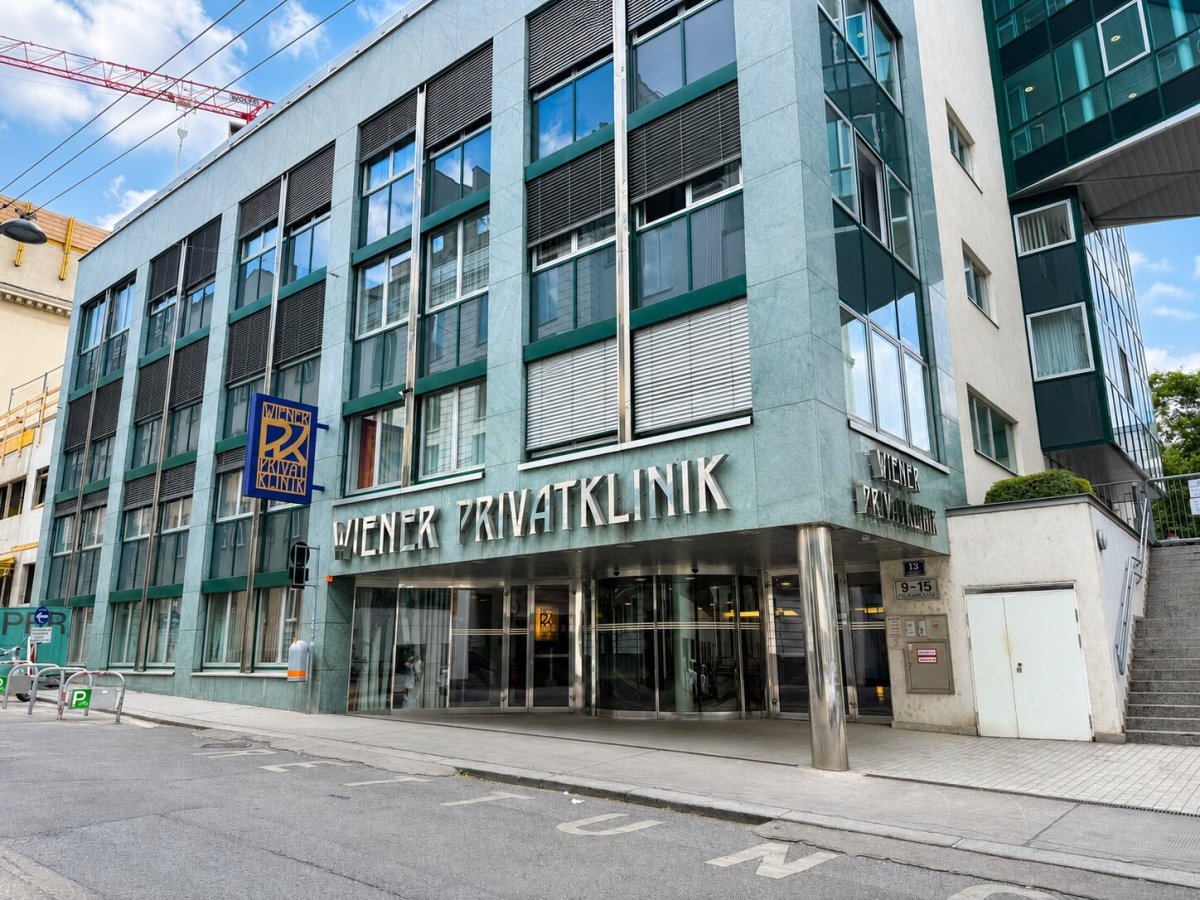
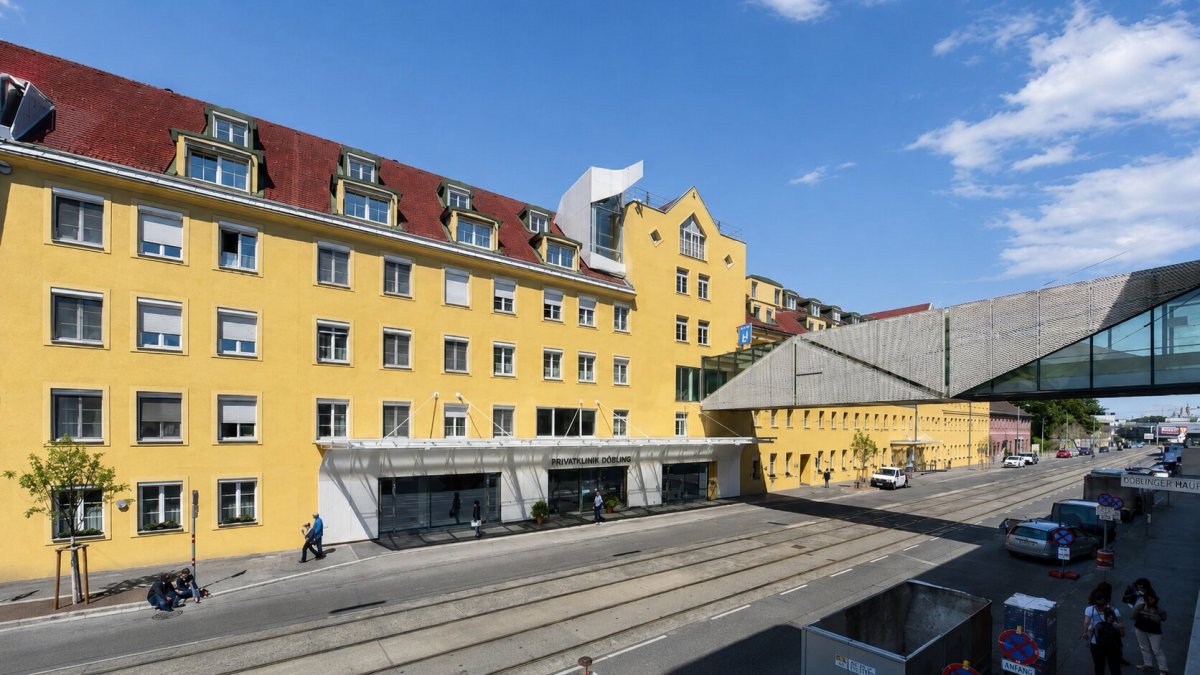
رؤية خبراء Bookimed: تستفيد الحالات عالية التعقيد بشكل أكبر من المراكز التابعة للجامعات. يضم مستشفى فيينا العام (AKH) 42 معهدًا متخصصًا للرعاية متعددة التخصصات. وللحصول على خدمة مخصصة، توفر عيادة فيينا الخاصة (Wiener Privatklinik) إمكانية الوصول إلى أساتذة من جامعة فيينا الطبية. يجد المرضى الذين يبحثون عن تكنولوجيا متقدمة قيمة ممتازة في عيادة ليتش الخاصة (Leech Private Clinic) في غراتس، حيث توفر تشخيصات متخصصة بما في ذلك مختبرات النوم وأجنحة التصوير بالرنين المغناطيسي الحديثة. إن اختيار المرافق المعتمدة من قبل اللجنة الدولية المشتركة (JCI) مثل مستشفى دوبلينج الخاص (Döbling Private Hospital) يضمن السلامة مع معدلات مضاعفات أقل بكثير من المتوسط.
| النمسا | تركيا | إسبانيا | |
|---|---|---|---|
| تجمد القلب | ≈ $14,500 | من $8,100 | من $20,200 |
| الترددات اللاسلكية | ≈ $7,500 | من $5,200 | من $22,400 |
| الاجتثاث بالترددات الراديوية مع رسم الخرائط ثلاثية الأبعاد | ≈ $13,000 | من $10,400 | من $22,400 |
اكتشف أفضل الرجفان الأذيني العيادات في النمسا: 5 خيارات معتمدة والأسعار




Confraternitaet Private Hospital


Leech Private Clinic
احصلوا على تقييم طبي لـ الرجفان الأذيني في النمسا: استشيروا أطباء ذوي خبرة الآن
عرض جميع الأطباء
Christoph Kopp
يتخصص الدكتور كريستوف كوب في التشخيص القلبي المتقدم وإدارة عدم انتظام ضربات القلب في عيادة فيينا الخاصة (Wiener Privatklinik)، حيث يجمع بين عقود من الخبرة ونهج يركز على المريض.
- تدرب في طب القلب في مستشفى فيينا العام (AKH)
- خبير في طب القلب الوقائي والإجراءات التداخلية
- يركز على مرض الشريان التاجي وارتفاع ضغط الدم
- يستخدم تخطيط صدى القلب ومراقبة هولتر للتشخيص الدقيق

Gunther Laufer
البروفيسور لاوفر هو رئيس قسم جراحة القلب في مستشفى فيينا العام - وهو مستشفى جامعي رائد في النمسا.
- طبيب قلب معتمد من المجلس الطبي مع أكثر من _doctor_1294_ عاماً من الخبرة
- متخصص في إجراءات عدم انتظام ضربات القلب المعقدة مثل عملية المتاهة (Maze)
- يجري عدداً كبيراً من عمليات زرع أجهزة تنظيم ضربات القلب ومزيلات الرجفان القابلة للزرع (ICD)
- عضو في الجمعية الأوروبية لنظم القلب (EHRA)
- نشر أكثر من 80 دراسة سريرية حول نتائج علاج عدم انتظام ضربات القلب
مشاركة المحتوى
قصص فيديو من مرضى Bookimed
 Anna Leonova
أسئلة متكررة حول علاج الرجفان الأذيني في النمسا
أي طبيب يجب أن أزوره لعلاج الرجفان الأذيني في النمسا؟
لعلاج الرجفان الأذيني في النمسا، يُنصح باستشارة طبيب قلب متخصص في الفيزيولوجيا الكهربية للقلب. يركز هؤلاء الأخصائيون تحديدًا على النظام الكهربائي للقلب، ويُجرون عمليات معقدة، مثل الاستئصال بالترددات الراديوية والاستئصال بالتبريد، في مراكز متخصصة لعلاج اضطراب نظم القلب في فيينا وغراتس.
- التخصص: يتخصص أخصائيو الفيزيولوجيا الكهربية بشكل حصري في اضطرابات نظم القلب والعلاج الشامل لاضطرابات النظم.
- التشخيص: لتأكيد الرجفان الأذيني، يستخدم المتخصصون تخطيط كهربية القلب، ومراقبة هولتر لمدة 24 ساعة، وكيمياء الدم.
- خيارات العلاج: تشمل الخيارات المتاحة تقنية رسم الخرائط ثلاثية الأبعاد، والاستئصال بالتبريد القلبي، والاستئصال بالترددات الراديوية.
- المؤسسات الطبية: يتم تقديم الرعاية المتخصصة في مؤسسات مثل مستشفى فيينا الخاص أو مستشفى فيينا العام.
رأي خبراء بوكيمد: العديد من كبار المتخصصين في العيادات الخاصة هم أيضاً أساتذة في جامعة فيينا الطبية. على سبيل المثال، تلقى الدكتور كريستوف كوب تدريبه في مستشفى فيينا العام قبل انضمامه إلى عيادة فيينا الخاصة. يضمن اختيار طبيب حاصل على هذا التعليم المزدوج خبرة أكاديمية عالية المستوى في بيئة أكثر كفاءة داخل المستشفى الخاص.
ما هي الطريقة الأكثر فعالية لاستعادة إيقاع القلب الطبيعي في النمسا؟
تشمل طرق استعادة نظم القلب الطبيعي في النمسا تقويم نظم القلب الكهربائي للحصول على نتائج فورية، أو استئصال القسطرة لتحقيق استقرار طويل الأمد. يتبع الأخصائيون النمساويون توصيات الجمعية الأوروبية لأمراض القلب. تُجرى العمليات في مرافق معتمدة وفقًا لمعايير ISO. تستخدم هذه المراكز تقنيات متقدمة في رسم الخرائط والاستئصال لضمان دقة التدخلات.
- تقويم نظم القلب الكهربائي: تعتبر هذه الطريقة المعيار الذهبي، حيث تعيد نظم القلب بنسبة نجاح 95٪ في المرحلة الحادة.
- استئصال القسطرة: يستخدم الجراحون الترددات الراديوية أو الاستئصال بالتبريد لحجب الإشارات الكهربائية الضالة بشكل دائم.
- تقنية رسم الخرائط ثلاثية الأبعاد المتقدمة: يستخدم المتخصصون تقنية رسم الخرائط ثلاثية الأبعاد للكشف عن مصادر عدم انتظام ضربات القلب وعلاجها.
- التحكم الجراحي عالي المستوى: يقوم جراحون معتمدون من المجلس مثل الدكتور غونتر لاوفر بإجراء عمليات جراحية معقدة ذات تدخل جراحي محدود.
رأي خبراء بوكيمد: يتيح اختيار مركز جامعي رئيسي مثل مستشفى فيينا العام (AKH) الوصول إلى خبرات متخصصة معمقة. تضم هذه المؤسسات 1600 طبيباً و42 قسماً متخصصاً، مما يسمح لها بالتعامل مع الحالات المعقدة التي قد تجد العيادات الخاصة الصغيرة صعوبة في
ماذا يحدث إذا لم ينجح استئصال الرجفان الأذيني الأول بالقسطرة في علاجه؟
تُعدّ عمليات استئصال القسطرة المتكررة إجراءً شائعًا، إذ يعاني ما بين 20% و40% من المرضى من انتكاس الحالة. وتزيد هذه العمليات المتكررة من معدلات النجاح على المدى الطويل من 70% إلى 90%. ويعتمد النجاح على تحديد مسارات الوصلات المتكررة أو استهداف المحفزات الجديدة في مؤسسات نمساوية معتمدة من اللجنة الدولية المشتركة (JCI)، مثل عيادة فيينا الخاصة أو مستشفى دوبلينغ الخاص.
- فترة الانتظار: قد تكون الأعراض التي تستمر لمدة 90 يومًا ناتجة عن الشفاء والالتهاب.
- معدلات النجاح: تعمل الإجراءات المتكررة على تحسين استقرار النظم في الرجفان الأذيني الانتيابي بنسبة تصل إلى 90٪.
- تقنية رسم الخرائط: تستخدم المراكز النمساوية تقنية رسم الخرائط ثلاثية الأبعاد لسد تسريبات الإشارات الكهربائية.
- الطرق البديلة: يظل العلاج الطبي أو الإجراءات الجراحية الهجينة خيارات قابلة للتطبيق كحلول ثانوية.
رأي خبراء بوكيمد: يتيح اختيار مستشفى جامعي كبير مثل مستشفى فيينا العام (AKH) الوصول إلى أخصائيين ذوي كفاءة عالية. وقد أجرى الدكتور غونتر لاوفر ألف عملية جراحية للقلب هناك. وتشير البيانات إلى أن العيادات التي تستقبل أكثر من 15000 مريض سنويًا غالبًا ما تسجل معدلات مضاعفات أقل بكثير من المتوسط العالمي. ويُعد هذا ا
لماذا تعتبر الوقاية من السكتة الدماغية أحد المجالات الرئيسية لعلاج الرجفان الأذيني؟
يُعدّ الوقاية من السكتة الدماغية أولوية قصوى، إذ يزيد الرجفان الأذيني من خطر الإصابة بها خمسة أضعاف. وتؤدي الإشارات غير المنتظمة إلى ركود الدم في الأذين الأيسر. وإذا تشكلت جلطة دموية ووصلت إلى الدماغ، فقد تُسبب إعاقة شديدة أو الوفاة. ويُقلل العلاج في الوقت المناسب من هذه العواقب بشكل فعال.
- تكوّن الجلطات الدموية: يؤدي الرجفان الأذيني إلى ركود الدم وتكوّن جلطات دموية خطيرة.
- الأذين الأيسر: تحدث حوالي 90% من الجلطات الدموية المسببة للسكتة الدماغية في هذه المنطقة.
- شدة السكتة الدماغية: تكون الجلطات الدموية من حجرات القلب كبيرة وتسد الشرايين الرئيسية للدماغ.
- خطر خفي: لا يعاني العديد من المرضى من أي أعراض حتى تحدث سكتة دماغية كارثية.
رأي خبراء بوكيمد: غالبًا ما يستفيد المرضى الذين يسعون للحصول على الرعاية الطبية في النمسا من التكامل الوثيق بين البحث الأكاديمي والعيادات الخاصة. انتقل الدكتور كريستوف كوب من عيادة فيينا الخاصة من مستشفى فيينا العام الكبير إلى العيادة الخاصة. وهذا يضمن حصول المرضى على خبرة على مستوى جامعي في مجال القسطرة القلبية ضمن قسم متخصص وشخصي يركز على الوقاية طويلة الأمد.
رأي المرضى: يشير ا
ما الفرق بين العلاجات التي تتحكم في معدل ضربات القلب والعلاجات التي تتحكم في إيقاع القلب؟
يُعدّ التحكم في معدل ضربات القلب والتحكم في نظم القلب من الاستراتيجيات العلاجية الرئيسية للرجفان الأذيني. يهدف التحكم في معدل ضربات القلب إلى إبطاء سرعة ضربات القلب باستخدام الأدوية. أما التحكم في نظم القلب فيهدف إلى استعادة نظم القلب الطبيعي باستخدام الأدوية، أو تقويم نظم القلب الكهربائي، أو تقنيات القسطرة مثل الاستئصال بالترددات الراديوية.
- الهدف الرئيسي من العلاج هو أن التحكم في معدل ضربات القلب يحد من سرعة ضربات القلب، بينما يعمل التحكم في الإيقاع على استعادة التسلسل الكهربائي الطبيعي.
- الأدوية النموذجية: تُستخدم حاصرات بيتا للتحكم في معدل ضربات القلب أو حاصرات قنوات الكالسيوم لتقليل الأعراض.
- الأساليب الجراحية: غالباً ما تُستخدم تقنيات متقدمة مثل الاستئصال بالتبريد أو رسم الخرائط ثلاثية الأبعاد للتحكم في الإيقاع.
- معايير اختيار المرضى: بشكل عام، تُفضل طرق التحكم في النظم للمرضى الشباب الذين يعانون من الرجفان الأذيني حديث الظهور.
رأي خبراء بوكيميد: يُظهر تحليل مراكز أمراض القلب النمساوية تفضيلًا واضحًا للتكامل مع المؤسسات الأكاديمية. يعالج مستشفى فيينا العام (AKH) أكثر من 595,000 مريض سنويًا، ويضم 42 عيادة جامعية لعلاج الحالات المعقدة. أما بالنسبة للعلاج الخاص، فت
هل يمكن لتغييرات نمط الحياة أن تحسن نتائج علاج الرجفان الأذيني في النمسا؟
تُحسّن تعديلات نمط الحياة بشكل ملحوظ نتائج علاج الرجفان الأذيني في النمسا. وتتبع العيادات توصيات الجمعية الأوروبية لأمراض القلب، التي تُعطي الأولوية لإدارة عوامل الخطر كمبدأ أساسي للعلاج. ويُساهم إنقاص الوزن وإجراء تغييرات في النظام الغذائي في خفض معدل تكرار الرجفان، كما يزيد من فعالية إجراءات استئصال الرجفان الأذيني بالقسطرة.
- التحكم في الوزن: إن فقدان الوزن بنسبة 10% يقلل من حدوث الرجفان الأذيني.
- الحد من استهلاك الكحول: إن الحد من الاستهلاك إلى 3 مشروبات في الأسبوع يمنع حدوث النوبات.
- النشاط البدني: التمارين الهوائية المعتدلة تحسن اللياقة البدنية والتناسق الحركي.
- صحة النوم: إن علاج انقطاع النفس النومي باستخدام علاج CPAP يقلل من خطر تكراره.
رأي خبراء بوكيمد: تُدمج عيادات أوستن، مثل عيادة فينر الخاصة، برامج توجيه نمط الحياة ضمن أقسام أمراض القلب لديها. ويؤكد الدكتور كريستوف كوب على أهمية التشخيص المبكر إلى جانب الوقاية المُخصصة. تُشير البيانات إلى أن هذه المراكز، التابعة لمؤسسات أكاديمية، تُحقق مستويات عالية من الأمان، حيث تبقى معدلات المضاعفات أقل من المعدلات العالمية. ويؤدي اختيار مركز يُقدم خدمات إعادة تأهيل متكاملة إلى نتائج استئصال تدوم لفترة أطول.