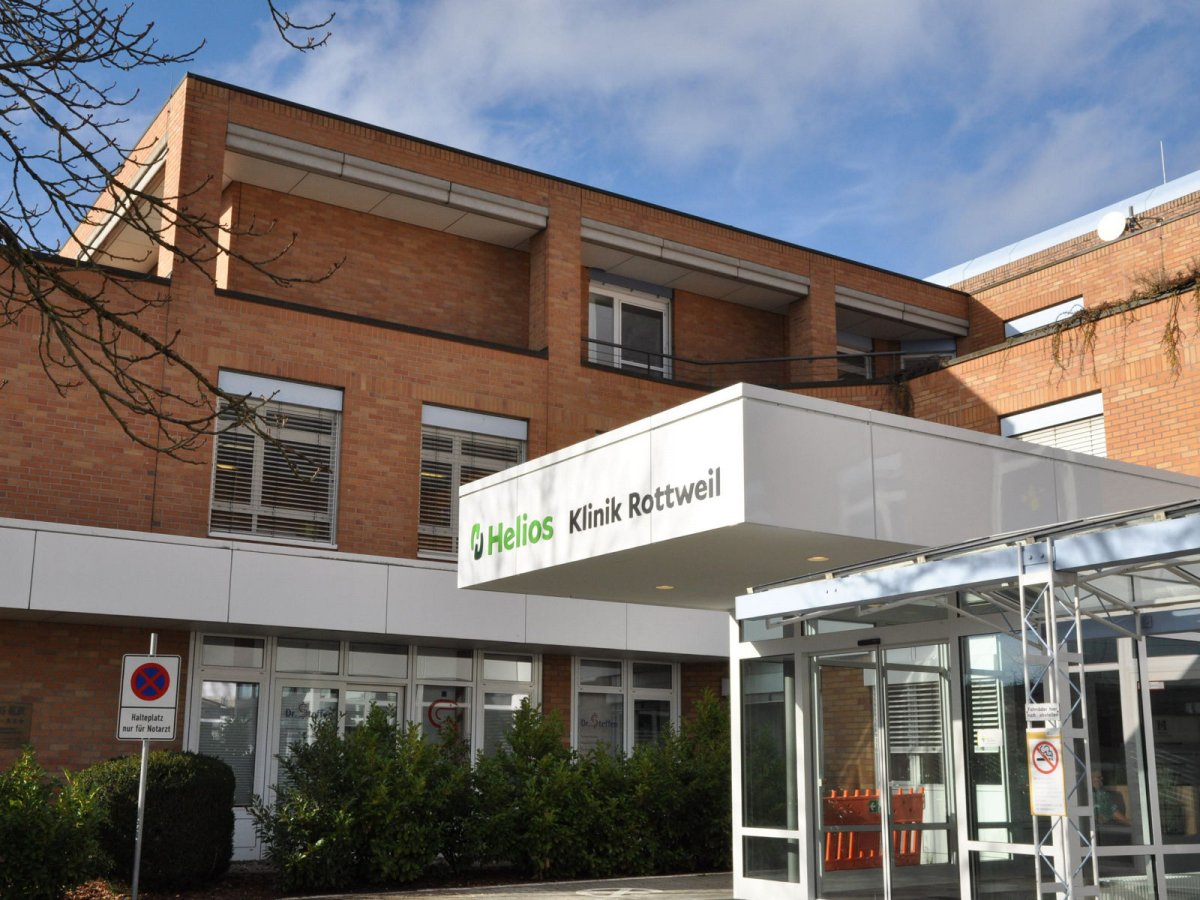
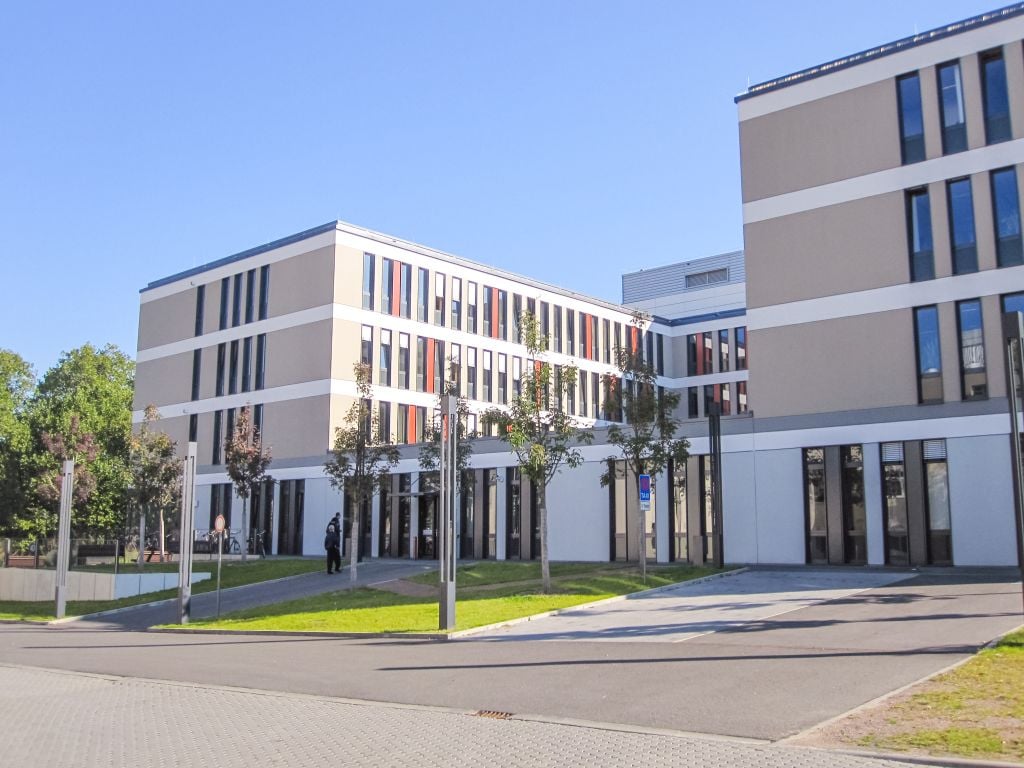
Medical Center in Solingen
ألمانيا, زولينغن
Marc Ulrich Becher
26سنة خبره ١٦ سنة

العيادة معتمدة من قبل : 


تمت مراجعة المقالة طبيا من قبل
فهد مولود
تعتمد تكلفة علاج الرجفان الأذيني في ألمانيا على الإجراء والتكنولوجيا المستخدمة. عادة ما تتراوح تكلفة الاستئصال بالقسطرة بالترددات الراديوية بين 16,200$ و21,200$. يتم تحديد السعر النهائي بعد تقييم فردي من قبل أخصائي الفيزيولوجيا الكهربائية.
| تركيا | إسبانيا | ألمانيا | |
|---|---|---|---|
| تجمد القلب | من $8,100 | من $20,200 | ≈ $22,000 |
| الترددات اللاسلكية | من $5,400 | من $22,400 | من $8,500 |
| الاجتثاث بالترددات الراديوية مع رسم الخرائط ثلاثية الأبعاد | من $10,400 | من $22,400 | من $13,500 |
يرأس البروفيسور بيشر قسم أمراض القلب في مستشفى Städtisches Klinikum Solingen، حيث يجري ما بين 3000 إلى 4000 إجراء قلبي سنوياً باستخدام تقنيات متقدمة.

يترأس الدكتور فيكتور ألكسندر كرول قسم أمراض الجهاز الهضمي والطب الباطني في مستشفى سانت مارتينوس، وهو متخصص في الرعاية القلبية الوعائية الشاملة.
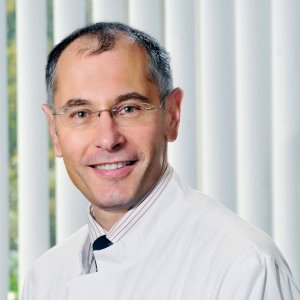
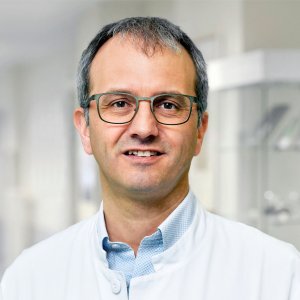
الدكتور (Dr. med.) آرمين زاوزه هو كبير أطباء طب القلب وعلم نظم القلب في مستشفى هيليوس الجامعي في ووبرتال، أحد أبرز مراكز القلب في ألمانيا. وبقيادته أصبح القسم مركزاً متخصصاً في علم نظم القلب والفيزيولوجيا الكهربائية للقلب، ويعتمد الفريق تقنيات حديثة وبروتوكولات علاجية قائمة على الأدلة.
تشمل خبرته علاج الرجفان الأذيني، والاستئصال بالقسطرة وبالترددات الراديوية مع التخطيط ثلاثي الأبعاد، وزراعة أجهزة تنظيم ضربات القلب ومقوِّم نظم القلب ومزيل الرجفان القابل للزرع (ICD)، إضافةً إلى التشخيصات
 Anna Leonova
يختار المرضى الدوليون ألمانيا لعلاج الرجفان الأذيني بسبب تقنيات الدقة العالية والخبرة المتخصصة. تبلغ مراكز القلب الألمانية عن معدل نجاح يصل إلى 90% في حل اضطرابات النظم القلبي. تستخدم المرافق تقنيات متقدمة لرسم خرائط القلب ثلاثية الأبعاد والاستئصال بالتبريد لتحقيق دقة فائقة. التكاليف منظمة من قبل الدولة وشفافة لجميع المرضى.
رؤية خبير Bookimed: تعمل المستشفيات الجامعية في ألمانيا كمركز لعمليات الاستئصال المعقدة. تظهر بياناتنا أن مرافق مثل شاريتيه وعيادة جامعة لايبزيغ تدير ما يقرب من 1.3 مليون مريض مجتمعين سنوياً. يسمح هذا الحجم الهائل لفرق الفيزيولوجيا الكهربائية لديهم بعلاج أنواع فرعية نادرة من اضطراب النظم القلبي التي لا تستطيع المستشفيات الإقليمية الأصغر في أماكن أخرى التعامل معها.
إجماع المرضى: يقدر المرضى الرعاية المنهجية القائمة على البروتوكول ويشيرون إلى أن وجود مترجم للأوراق أمر ضروري. يختار الكثيرون المتخصصين الألمان للحصول على آراء ثانية بعد إخبارهم بأن حالتهم غير قابلة للإدارة في وطنهم.
توفر العيادات الألمانية خيارات إجرائية متقدمة للرجفان الأذيني، بما في ذلك الاستئصال بالترددات الراديوية، وبالبالون الثلجي، وبالمجال النبضي. تستخدم هذه التدخلات رسم الخرائط الكهربائية التشريحية ثلاثية الأبعاد لعزل الإشارات غير المنتظمة. كما تقدم المراكز المتخصصة إجراءات "المتاهة" (Maze) الجراحية وإغلاق الزائدة الأذينية اليسرى للحالات المعقدة أو عالية المخاطر.
رؤية خبير Bookimed: يعد الحجم السريري مؤشرًا رئيسيًا للجودة في ألمانيا. يقوم الدكتور مارك أولريش بيشر في المركز الطبي في سولينغن بإجراء 3000 إلى 4000 إجراء قلبي سنويًا. هذا الحجم الكبير شائع في المستشفيات الأكاديمية مثل شاريتيه أو مجمع عيادات شمال الراين-وستفاليا. يجب على المرضى إعطاء الأولوية لهذه المراكز ذات السعة العالية. غالبًا ما يشاركون في الأبحاث، مما يوفر وصولاً مبكرًا إلى التقنيات الناشئة مثل الاستئصال بالمجال النبضي.
إجماع المرضى: يؤكد المرضى أن الاستئصال غالبًا ما يتطلب جلسات متعددة لإدارة الأعراض بفعالية. يشير الكثيرون إلى أن البقاء لعدة ليالٍ في المستشفى أمر شائع للمراقب
تعد ألمانيا رائدة عالمياً في علاج الرجفان الأذيني مع العديد من العيادات المعتمدة من قبل الجمعية الألمانية لأمراض القلب. توظف مراكز رائدة مثل مستشفى شاريتيه الجامعي ومجمع عيادات شمال الراين-وستفاليا تقنيات متقدمة لرسم خرائط القلب ثلاثية الأبعاد. يقوم أخصائيون بارزون مثل الدكتور مارك أولريش بيشر بإجراء آلاف العمليات سنوياً للتحكم في نظم القلب.
رؤية خبير Bookimed: بينما توفر المستشفيات الجامعية مثل شاريتيه نطاقاً هائلاً، توفر المراكز الإقليمية مثل سولينغن خبرة عالية الكثافة. يقوم الدكتور مارك أولريش بيشر شخصياً بإجراء أكثر من 3000 تدخل سنوياً. غالباً ما يتجاوز هذا الحجم الإنتاج الفردي للجراحين في المؤسسات الأكاديمية الأكبر. إن اختيار أخصائي بناءً على عدد إجراءاته الشخصية بدلاً من مجرد العلامة التجارية للمستشفى يضمن عادةً نتائج أكثر اتساقاً في علم نظم القلب المعقد.
إجماع المرضى: يشير المرضى إلى أنه من المهم تأكيد المدة الدقيقة للإقامة في المستشفى بعد الاستئصال. يتوقع الكثيرون لي
تُبلغ مراكز القلب والأوعية الدموية الألمانية عن معدلات نجاح إجرائية حادة تتراوح بين 96% و98% لعزل الوريد الرئوي. وتصل الفعالية طويلة المدى للرجفان الأذيني الانتيابي إلى 60% إلى 80%. وتُظهر الحالات المستمرة نجاحاً بنسبة 50% إلى 60%. ويرتفع النجاح التراكمي إلى 80% بعد إجراء ثانٍ.
رؤية خبير Bookimed: تُظهر البيانات أن حجم العمل في المستشفى يرتبط ارتباطاً مباشراً بالخبرة. تدير العيادات الألمانية الرائدة مثل المركز الطبي في سولينغن ومجمع عيادات شمال الراين-وستفاليا ما بين 60,000 إلى 145,000 مريض سنوياً. غالباً ما تتميز المراكز ذات الحجم الكبير بفرق متخصصة في الفيزيولوجيا الكهربائية مثل فريق الدكتور أرمين ساوس في هيليوس فوبرتال. يتعامل هؤلاء الخبراء مع أكثر من 3,000 إجراء سنوياً، مما يوفر هامش أمان كبيراً لحالات التخطيط المعقدة.
إجماع المرضى: يشير المرضى إلى أن النجاح غالباً ما يعني أعراضاً أقل بدلاً من الشفاء التام. ويؤكد الكثيرون أن إجراء 'اللمسة الأخيرة' (touch-up) الث
تضم ألمانيا بعضًا من أرقى أقسام جراحة الأعصاب في العالم، بقيادة مستشفى شاريتيه الجامعي في برلين ومستشفى جامعة هايدلبرغ. وتتميز هذه المراكز بخبرتها الواسعة في علاج أورام الدماغ المعقدة وأمراض الأوعية الدموية الدماغية. ولتحقيق أقصى قدر من الفعالية في عملياتها، تستخدم هذه المراكز أحدث التقنيات، مثل التصوير بالرنين المغناطيسي أثناء الجراحة والتوجيه العصبي بمساعدة الحاسوب.
رأي خبراء بوكيمد: تشير البيانات إلى أن اختيار المراكز ذات الحجم الجراحي الكبير غالبًا ما يؤدي إلى توصيات علاجية أكثر تحفظًا. ففي مركز سولينجن الطبي، الذي يعالج أكثر من 60,000 مريض
في ألمانيا، تتميز العمليات الجراحية العصبية بالغة التعقيد بمستوى أمان استثنائي. تصل نسبة نجاح عمليات دمج الفقرات إلى 99%، بينما تبلغ نسبة النجاة بعد استئصال أورام الدماغ الأولية 97%. كما يتمتع المرضى بقدرة عالية على الاعتماد على أنفسهم في أداء وظائفهم اليومية، حيث يغادر أكثر من 82% منهم المستشفى مباشرةً بعد العلاج. وتولي المراكز الألمانية اهتماماً بالغاً بالحفاظ على الوظائف العصبية باستخدام أحدث تقنيات التخطيط العصبي.
رأي خبراء بوكيمد: يُجري جراحون ذوو خبرة، مثل الدكتور أوفه كولر من عيادة أسكليبيوس ألتونا، أكثر من 2000 عملية جراحية سنويًا. تُشير البيانات إلى أن هؤلاء المتخصصين يحافظون على معدلات نجاح تصل إلى 90%، حتى
تُدخل عيادات جراحة الأعصاب الألمانية بانتظام أدوات رقمية عالية الدقة وتقنيات تصوير فوري في الممارسة الجراحية. تشمل التقنيات الرئيسية الملاحة العصبية الحاسوبية لجراحات الدماغ والحبل الشوكي. تستخدم مؤسسات مثل عيادة أسكليبيوس نورد التصوير بالرنين المغناطيسي أثناء الجراحة للتحقق من استئصال الورم في الوقت الفعلي. توفر هذه الأنظمة للجراحين نظام ملاحة ثلاثي الأبعاد.
رأي خبراء بوكيمد: تُجري مراكز طبية كبيرة، مثل مستشفى شاريتيه الج
في ألمانيا، يتعين على جراحي الأعصاب إكمال برنامج إقامة تخصصي لمدة ست سنوات بعد التخرج من كلية الطب. يشمل هذا البرنامج المنظم العناية المركزة، والتدريب السريري، وكتابة مقالات في مجلة جراحية إلزامية. بعد ذلك، يجتاز المرشحون امتحانًا حكوميًا للحصول على لقب طبيب مقيم (Facharzt für Neurochirurgie).
رأي خبراء بوكيميد: يركز التدريب الألماني في جراحة الأعصاب على الخبرة الجراحية الواسعة. فعلى سبيل المثال، أجرى الدكتور رالف بول من المركز الطبي في سولينجن أكثر من 4000 عملية جراحية. ويتمتع الدكتور يورغن كيويت من مستشفى ميوكلينيك بخبرة تزيد عن 25 عامًا. يضمن هذا النظام الدقيق أن يتعامل المتخصصون في المراكز الكبرى مع الحالات المعقدة بدقة مثبتة.
آراء المرضى: يشع
يجب على جراحي الأعصاب الأجانب استيفاء متطلبات لغوية وترخيصية صارمة للالتحاق بالتدريب أو فترة التدريب العملي في ألمانيا. يتطلب التدريب رخصة طبية سارية أو تصريحًا مؤقتًا. أما المتدربون، فيجب عليهم الحصول على إذن من مستشفى محدد. ويتطلب كلا الخيارين إتقانًا عاليًا للغة الألمانية للمشاركة في المناقشات السريرية وإجراء العمليات الجراحية المعقدة بأمان.
رأي خبراء بوكيمد: غالبًا ما تُعطي العيادات الألمانية ذات الأعداد الكبيرة من المرضى، مثل عيادة نوردويست أو أسكليبيوس نورد، الأولوية للمرشحين الذين خضعوا بالفعل لتقييم أولي للوثائق. تُظهر بياناتنا أن أساتذة مثل الدكتور أوفه كولر والدكتور
تضم ألمانيا أعلى نسبة من جراحي الأعصاب في أوروبا، حيث يبلغ عددهم 2.94 متخصصًا لكل 100,000 نسمة. وبفضل 184 قسمًا متخصصًا، تستطيع هذه الكفاءات المتميزة التعامل بسهولة مع تدفق المرضى الدوليين. وتُجري مراكز طبية رئيسية، مثل مستشفى شاريتيه برلين، أكثر من 4,000 عملية جراحية سنويًا. ويُوفر هذا العدد الكبير من المتخصصين قدرة إضافية على التعامل مع الحالات الدولية المعقدة.
رأي خبراء بوكيمد: على الرغم من وجود العديد من المتخصصين ذوي الكفاءة العالية في ألمانيا، إلا أن أساتذةً مثل الدكتور رالف بول أو الدكتور أوفه كولر يتركزون غالبًا في مراكز طبية كبيرة مثل هامبورغ أو سولينغن. تُظهر بياناتنا أن هذه المراكز الكبيرة