الرجفان الأذيني العلاج في الهند - التكاليف 2026


تمت مراجعة المقالة طبيا من قبل
فهد مولود
ما هي تكلفة الرجفان الأذيني إجراءات التشخيص والعلاج في الهند؟ اعرف الآن
| الهند | تركيا | إسبانيا | |
|---|---|---|---|
| تجمد القلب | ≈ $3,800 | من $8,100 | من $20,200 |
| الترددات اللاسلكية | من $3,000 | من $5,200 | من $22,400 |
| الاجتثاث بالترددات الراديوية مع رسم الخرائط ثلاثية الأبعاد | ≈ $4,800 | من $10,400 | من $22,400 |
مزاياك وضماناتك مع Bookimed
أسعار مباشرة
Bookimed لا يضيف رسوماً إضافية على أسعار علاج الرجفان الأذيني. الأسعار مأخوذة من قوائم الأسعار الرسمية للعيادات. تدفع مباشرة في العيادة مقابل علاجك عند وصولك إلى البلد.
عيادات وأطباء معتمدون فقط
Bookimed ملتزم بسلامتك. نحن نعمل فقط مع المؤسسات الطبية التي تحافظ على معايير دولية عالية في علاج الرجفان الأذيني ولديها التراخيص اللازمة لخدمة المرضى الدوليين في جميع أنحاء العالم.
مساعدة مجانية على مدار الساعة
Bookimed يقدم مساعدة خبراء مجانية. منسق طبي شخصي يدعمك قبل وأثناء وبعد العلاج، ويحل أي مشاكل. لن تكون وحيداً أبداً في رحلة علاج الرجفان الأذيني.

منسقك الطبي الشخصي في Bookimed
- يدعمك في كل مرحلة
- المساعدة في اختيار العيادة الطبية المناسبة والطبيب المناسب
- يضمن الوصول السريع والمريح إلى المعلومات
اكتشف أفضل الرجفان الأذيني العيادات في الهند: 15 خيارات معتمدة والأسعار









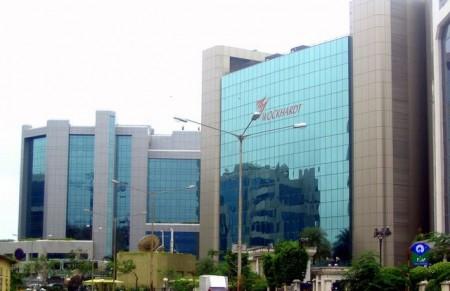
Wockhardt Hospital





احصلوا على تقييم طبي لـ الرجفان الأذيني في الهند: استشيروا أطباء ذوي خبرة الآن
عرض جميع الأطباء
Nikhil Kumar
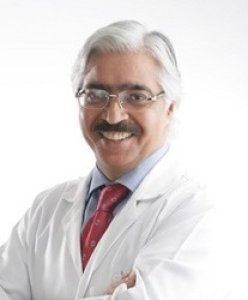
Ashok Seth

Manvinder Singh Sachdev
مشاركة المحتوى
قصص فيديو من مرضى Bookimed
 Anna Leonova
أسئلة متكررة حول علاج الرجفان الأذيني في الهند
ما هو معدل النجاح السريري لاستئصال الرجفان الأذيني بالقسطرة في المستشفيات الهندية؟
تتراوح معدلات النجاح السريري لاستئصال الرجفان الأذيني (AFib) بالقسطرة في المستشفيات الهندية بين 70% و85% للحالات النوبية. وتتراوح معدلات النجاح في حالات الرجفان الأذيني المستمر عادةً بين 50% و70%. تستخدم المراكز ذات الحجم الكبير في الهند تقنيات رسم خرائط القلب ثلاثية الأبعاد والبالون الثلجي للحفاظ على معايير سلامة تعادل تلك الموجودة في مرافق القلب الغربية.
- النجاح في الحالات النوبية: يصل إلى 70% إلى 85% بعد إجراء واحد للنوبات المتقطعة.
- النجاح في الحالات المستمرة: يبلغ متوسطه 50% إلى 70% بناءً على مدى إعادة تشكيل القلب.
- النتائج طويلة المدى: يصل النجاح إلى 85% إلى 90% إذا تم إجراء لمسة يدوية إضافية.
- ملف السلامة: تظل معدلات المضاعفات الرئيسية بين 2% و5% في المؤسسات المعتمدة.
رؤية خبير Bookimed: يعتمد النجاح غالبًا على حجم عمل المستشفى وليس على موقع المدينة. على سبيل المثال، تخدم مستشفيات مانيبال ومستشفى أبولو إندرابراستا أكثر من 1,000,000 مريض سنويًا لكل منهما. توفر هذه المراكز ذات القدرة العالية فرق الفيزيولوجيا الكهربائية المتخصصة اللازمة لحالات الرجفان الأذيني المستمر المعقدة. يضمن اختيار مركز حاصل على اعتماد JCI أو NABH اتباع بروتوكولات السلامة القائمة على الحجم هذه بصرامة.
إجماع المرضى: يلاحظ المرضى أن الأعراض المتقطعة غالبًا ما تكون أسهل في الحل من المشكلات طويلة الأمد. يؤكد الكثيرون أن تقليل الأعراض بشكل كبير وتحسين جودة الحياة لا يقل أهمية عن نتائج إيقاع القلب المثالية.
هل سأظل بحاجة إلى مميعات الدم أو أدوية القلب بعد عملية استئصال ناجحة؟
يجب عليك الاستمرار في تناول مميعات الدم لمدة تتراوح بين شهرين إلى ثلاثة أشهر بعد عملية الاستئصال الناجحة. تسمح هذه الفترة لأنسجة القلب بالتعافي تماماً. يعتمد استخدام الأدوية على المدى الطويل على ملف مخاطر الإصابة بالسكتة الدماغية لديك وليس على غياب الأعراض. استشر دائماً أخصائي الفيزيولوجيا الكهربائية قبل إجراء أي تغييرات.
- مرحلة التعافي: مميعات الدم إلزامية لمدة 90 يوماً بعد الإجراء لمنع حدوث جلطات.
- فترة التثبيت (Blanking period): يظل إيقاع القلب مستقراً مع أدوية مضادة لاضطراب النظم مؤقتة لمدة شهر إلى شهرين.
- ملف المخاطر: غالباً ما يستمر المرضى ذوو المخاطر العالية المصابون بارتفاع ضغط الدم أو السكري في تناول مضادات التخثر إلى أجل غير مسمى.
- المراقبة التشخيصية: يستخدم الأطباء تخطيط القلب ومراقبة الإيقاع قبل تقليل أي أدوية للقلب.
رؤية خبير Bookimed: غالباً ما يغفل المرضى أن المراكز الهندية مثل مستشفيات مانيبال ومستشفى أبولو إندرابراستا تخدم أكثر من 1,000,000 مريض سنوياً. هذا الحجم الكبير يعني أن أخصائيي الفيزيولوجيا الكهربائية لديهم يمتلكون بيانات واسعة حول استقرار الإيقاع على المدى الطويل. نرى أن العيادات الحاصلة على اعتمادات JCI وNABH تتبع باستمرار بروتوكول الـ 90 يوماً الصارم لمضادات التخثر. هذا الالتزام الصارم هو سبب رئيسي لتقييمات السلامة العالية لديهم في جميع أنحاء جنوب آسيا.
إجماع المرضى: يؤكد المرضى أن الشعور بالتحسن الفوري لا يعني أنه يمكنك تخطي الحبوب. يشير الكثيرون إلى أن الأطباء يعتمدون على درجات مخاطر الس
ما هي تقنيات الاستئصال المتقدمة المتاحة حاليًا في مراكز القلب الهندية الرائدة؟
تستخدم مراكز القلب الهندية الرائدة تقنية الاستئصال بالمجال النبضي (Pulsed Field Ablation)، والتخطيط ثلاثي الأبعاد عالي الكثافة، وتقنية البالون الثلجي (cryoballoon) لعلاج الرجفان الأذيني. تسمح هذه الأدوات بعزل كهربائي دقيق ومعدلات نجاح عالية. تستخدم مرافق مثل مستشفى أبولو إندرابراستا وفورتيس جورجاون منصات الفيزيولوجيا الكهربائية المتقدمة هذه لتحقيق نتائج أفضل.
- الاستئصال بالمجال النبضي: يستخدم مجالات كهربائية غير حرارية لاستهداف أنسجة القلب دون الإضرار بالأعصاب المحيطة.
- التخطيط التشريحي ثلاثي الأبعاد: ينشئ خرائط كهربائية عالية الدقة لتحديد وعزل مسببات عدم انتظام ضربات القلب المعقدة.
- استشعار قوة التلامس: توفر القسطرة ملاحظات ضغط في الوقت الفعلي لضمان توصيل طاقة آمن وفعال.
- تقنية البالون الثلجي: تستخدم طاقة التجميد لعزل الأوردة الرئوية، مما يقلل من وقت الإجراء بشكل كبير.
رؤية خبير Bookimed: غالبًا ما يعتمد اختيار التكنولوجيا على حجم المستشفى والقيادة الطبية المحددة. على سبيل المثال، يتخصص مستشفى جلوبال في تشيناي في إجراءات القلب طفيفة التوغل. وفي الوقت نفسه، يُصنف مستشفى فورتيس جورجاون كواحد من أكثر المستشفيات تقدمًا من الناحية الفنية في العالم. إن اختيار مركز يتمتع بحجم كبير من المرضى، مثل أبولو الذي يخدم 1,000,000 شخص سنويًا، يضمن الوصول إلى أحدث مراجعات المعدات.
إجماع المرضى: يشير المرضى إلى أن أخصائيي الفيزيولوجيا الكهربائية ذوي الخبرة لا يقلون أهمية عن التكنولوجيا التي يستخدمونها. يؤكد الكثيرون على أهمية التأكد م
كيف أختار المستشفى أو طبيب القلب المناسب لإجراء استئصال الرجفان الأذيني (AFib) في الهند؟
يتطلب اختيار مقدم خدمة استئصال الرجفان الأذيني في الهند اختيار مستشفيات معتمدة من اللجنة الدولية المشتركة (JCI) مع مختبرات فيزيولوجيا كهربائية مخصصة. ركز على أخصائيي الفيزيولوجيا الكهربائية الذين يجرون عدداً كبيراً سنوياً من إجراءات رسم الخرائط ثلاثية الأبعاد. تستخدم المراكز الرائدة مثل مستشفى أبولو إندرابراستا وفورتيس جورجاون الترددات الراديوية والاستئصال بالتبريد لعلاج اضطرابات نظم القلب.
- تركيز التخصص: اختر أخصائيي الفيزيولوجيا الكهربائية بدلاً من أطباء القلب العامين لاضطرابات النظم.
- الوصول إلى التكنولوجيا: تأكد من استخدام أنظمة رسم الخرائط ثلاثية الأبعاد مثل CARTO لضمان الدقة.
- اعتمادات المستشفى: أعط الأولوية للمرافق الحاصلة على شهادات JCI أو NABH لضمان السلامة.
- أهمية حجم العمليات: تخدم المراكز ذات الحجم الكبير مثل مستشفيات مانيبال 2,000,000 مريض سنوياً.
رؤية خبير Bookimed: تظهر البيانات فجوة كبيرة في حجم العمليات بين مراكز القلب العامة والوحدات المتخصصة. تتعامل مرافق مثل مستشفى جلوبال تشيناي مع أكثر من 18,000 عملية سنوياً عبر الأقسام. غالباً ما يضمن اختيار هذه المراكز ذات القدرة العالية الوصول على مدار الساعة طوال أيام الأسبوع إلى فرق متخصصة في التخدير والعناية المركزة. هذه البنية التحتية حيوية لإدارة المخاطر الإجرائية النادرة مثل المضاعفات الوعائية أو الانصباب التاموري.
إجماع المرضى: يشير المرضى إلى أنه من الضروري التأكد من الطبيب المحدد الذي سيقوم بالإجراء. كما يؤكدون على أهمية السفر إلى المراكز الرئيسية مثل
ما هي الإرشادات الغذائية التي يجب أن أتبعها بعد استئصال الرجفان الأذيني في الهند؟
يركز التعافي بعد الاستئصال في الهند على التغذية الصحية للقلب والترطيب داخل المرافق المعتمدة من قبل اللجنة الدولية المشتركة (JCI) مثل مستشفيات أرتميس ومستشفى أبولو إندرابراستا. يجب على المرضى إعطاء الأولوية للوجبات الهندية الخفيفة والخالية من التوابل مثل مونج دال كيتشدي وداليا، مع التحكم الصارم في الصوديوم والتخلص من الكحول لمنع تكرار اضطرابات النظم.
- نظام المرحلة الأولى: تناول وجبات سهلة الهضم مثل أرز بالزبادي أو الشوفان لمدة أسبوع إلى أسبوعين.
- تقييد الصوديوم: تجنب الوجبات الخفيفة المعلبة، والمخللات (أشار)، والباباد للتحكم في ضغط الدم.
- استراتيجية الترطيب: اشرب الماء أو ماء جوز الهند ما لم يقم طبيب القلب الخاص بك بتقييد تناول السوائل.
- مصادر البروتين: استخدم البانير، والتوفو، والعدس (الدال)، أو الأسماك الخالية من الدهون مثل روهو للمساعدة في الشفاء.
رؤية خبراء Bookimed: تؤكد المراكز الهندية الرائدة مثل مستشفى جلوبال تشيناي ومستشفى ميدانتا على دور صحة الأمعاء في تعافي القلب. مع خدمة أكثر من مليوني مريض سنويًا في مستشفيات مانيبال، تشير البيانات إلى أن إدارة الإمساك بعد التخدير باستخدام الحبوب الغنية بالألياف مثل راجي أو باجرا أمر بالغ الأهمية. يساعد تجنب الإجهاد البدني أثناء الهضم في الحفاظ على استقرار ضربات القلب خلال فترة الثلاثة أشهر الحساسة (فترة التثبيت).
إجماع المرضى: يؤكد المرضى على أهمية الالتزام بالطعام الخفيف المطبوخ في المنزل مع تجنب وجبات المطاعم الحارة التي تسبب الارتجاع. يوصي الكثيرون بحمل زجاجة ماء واختب
ما هو الجدول الزمني للتعافي البدني بعد استئصال الرجفان الأذيني بالقسطرة في الهند؟
يمتد التعافي البدني بعد استئصال الرجفان الأذيني بالقسطرة في الهند عادةً من أسبوع إلى أسبوعين للروتين اليومي. يتطلب الشفاء الكامل لأنسجة القلب الداخلية 3 أشهر. تتطلب المراكز المعتمدة من JCI في الهند عادةً إقامة في المستشفى لمدة ليلة واحدة لمراقبة الإيقاع الأولي والعناية بموقع الفخذ.
- الراحة المبكرة: حافظ على راحة تامة في الفراش لمدة 4 إلى 6 ساعات بعد الإجراء لمنع النزيف.
- حدود النشاط: تجنب رفع أكثر من 5 كجم وممارسة التمارين الشاقة لمدة أسبوع واحد بعد الخروج من المستشفى.
- العناية بالجرح: حافظ على جفاف موقع ثقب الفخذ. تجنب الحمامات أو المسابح لمدة 7 أيام.
- فترة التعافي المؤقتة: توقع خفقانًا مؤقتًا أو تخطي ضربات القلب خلال مرحلة الشفاء الداخلي التي تستغرق 12 أسبوعًا.
رؤية خبير Bookimed: على الرغم من توحيد المعايير عالميًا، غالبًا ما يتضمن التعافي في الهند أحجامًا أكبر من المرضى في مراكز مثل مستشفيات مانيبال، التي تخدم 2,000,000 مريض سنويًا. يترجم هذا الحجم الكبير عادةً إلى بروتوكولات خروج مبسطة للغاية. تقع العديد من المرافق الهندية الكبرى في مجمعات متعددة الطوابق. يجب على المرضى الاستعداد لصعود السلالم ببطء خلال الأسبوع الأول لحماية شق الفخذ.
إجماع المرضى: يشير المرضى إلى أنه على الرغم من أن القلب يشعر بالاستقرار بسرعة، فإن موقع ثقب الفخذ غالبًا ما يكون هو العائق الرئيسي للتعافي. يؤكد الكثيرون أن الشعور بالتعب أو الانزعاج الخفيف في الصدر أمر طبيعي خلال الأيام القليلة الأولى من المشي.