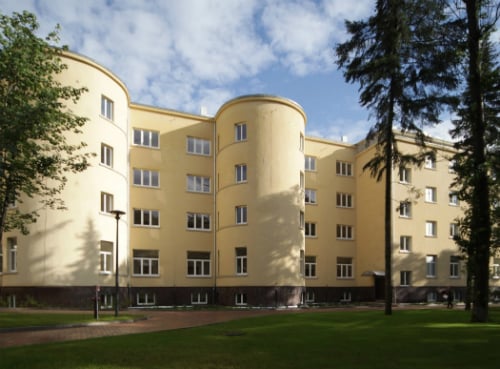
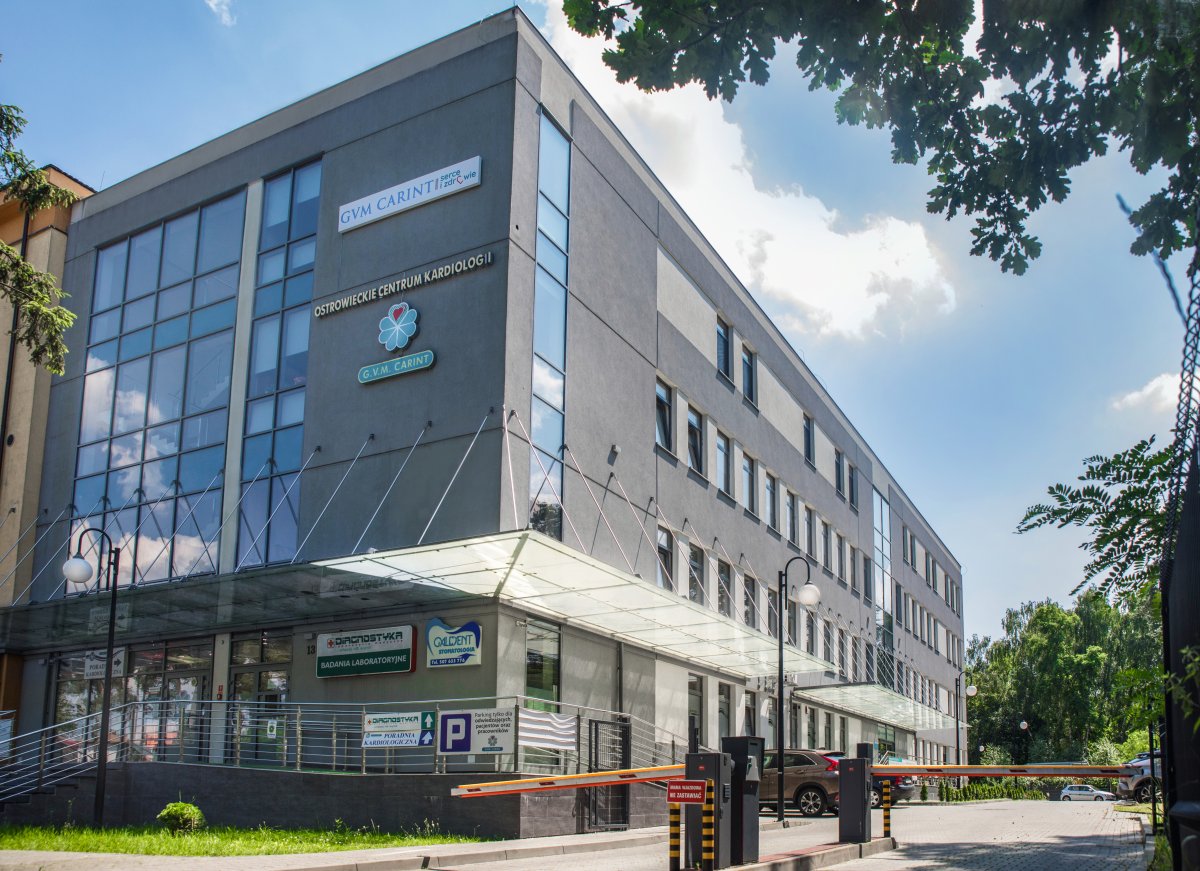
University Hospital in Krakow
بولندا, كراكوف


تمت مراجعة المقالة طبيا من قبل
فهد مولود
من $28
تكاليف علاج الرجفان الأذيني النموذجية في بولندا
رؤية خبراء Bookimed: يجب على المرضى الباحثين عن التميز السريري عالي المستوى التفكير في المستشفى الجامعي في كراكوف، الذي يعالج 455,000 مريض سنوياً ويضم 1,066 طبيباً خبيراً. وللحصول على رعاية متخصصة في القلب والأوعية الدموية، تسجل مستشفيات American Heart of Poland معدل نجاح يصل إلى 99.7%. هذه الشبكة حاصلة على شهادة الأيزو (ISO) واعتماد "مستشفى بلا ألم". أما أولئك الذين يحتاجون إلى رعاية متعددة التخصصات، فيمكنهم الاستفادة من المركز الصحي الأوروبي في أوتفوك، الذي يضم القسم الوحيد لأمراض القلب والأورام متعدد التخصصات في بولندا.
| بولندا | تركيا | إسبانيا | |
|---|---|---|---|
| تجمد القلب | ≈ $6,500 | من $8,100 | من $20,200 |
| الترددات اللاسلكية | من $3,100 | من $5,200 | من $22,400 |
| الاجتثاث بالترددات الراديوية مع رسم الخرائط ثلاثية الأبعاد | من $7,500 | من $10,400 | من $22,400 |
Bookimed لا يضيف رسوماً إضافية على أسعار علاج الرجفان الأذيني. الأسعار مأخوذة من قوائم الأسعار الرسمية للعيادات. تدفع مباشرة في العيادة مقابل علاجك عند وصولك إلى البلد.
Bookimed ملتزم بسلامتك. نحن نعمل فقط مع المؤسسات الطبية التي تحافظ على معايير دولية عالية في علاج الرجفان الأذيني ولديها التراخيص اللازمة لخدمة المرضى الدوليين في جميع أنحاء العالم.
Bookimed يقدم مساعدة خبراء مجانية. منسق طبي شخصي يدعمك قبل وأثناء وبعد العلاج، ويحل أي مشاكل. لن تكون وحيداً أبداً في رحلة علاج الرجفان الأذيني.

 Anna Leonova
تصل معدلات نجاح استئصال الرجفان الأذيني في بولندا إلى 85% للحالات النوبية. تبلغ مؤسسات مثل مستشفيات American Heart of Poland عن معدلات نجاح إجرائية تصل إلى 99.7%. تعتمد النتائج على نوع الحالة وخبرة أخصائي الفيزيولوجيا الكهربية في المراكز المتخصصة ذات الحجم الكبير.
رؤية خبير Bookimed: تظهر البيانات أن حجم عمل المستشفى هو أقوى مؤشر على النجاح طويل الأمد. تعالج مستشفيات American Heart of Poland 60,000 مريض سنويًا وتحافظ على نجاح عالٍ من خلال طاقم طبي من النخبة. تم تدريب العديد من أطبائهم البالغ عددهم أكثر من 500 طبيب في أوروبا الغربية والولايات المتحدة الأمريكية. يضمن هذا الحجم والخبرة العالمية سلامة إجرائية لا تستطيع العيادات الإقليمية الأصغر مضاهاةها دائمًا.
إجماع المرضى: يشير المرضى إلى أن الإجراء الثاني غالبًا ما يكون جزءًا من استراتيجية ناجحة طويلة الأمد. ويؤكدون أن تقليل تكرار وشدة النوبات لا يقل أهمية عن العلاج التام.
تستخدم مراكز القلب البولندية تقنيات متقدمة لرسم الخرائط الكهربائية التشريحية ثلاثية الأبعاد لعلاج اضطرابات النظم المعقدة مثل الرجفان الأذيني. تستخدم المرافق في وارسو وكراكوف وفروتسواف أنظمة مثل CARTO وEnSite Precision. توفر هذه الأدوات نماذج هيكلية ثلاثية الأبعاد بدقة مليمترية لتحسين دقة الاستئصال.
رؤية خبير Bookimed: تبلغ الشبكات الخاصة ذات الحجم الكبير مثل مستشفيات American Heart of Poland عن معدل نجاح بنسبة 99.7% لجراحات القلب. غالبًا ما توفر هذه المرافق المتخصصة وصولاً أسرع إلى أدوات الفيزيولوجيا الكهربائية المتقدمة مقارنة بالمراكز العامة. يعد اختيار مركز ذو حجم كبير أمرًا حيويًا لأن خبرة المشغل تظل عاملاً رئيسيًا في نجاح الإجراء.
إجماع المرضى: يشير المرضى إلى أنه على الرغم من أن بولندا متقدمة تقنيًا، إلا أنهم يوصون بالتأكد مما إذا كانت عيادة معينة تستخدم رسم الخرائط ثلاثي الأبعاد للرجفان الأذيني. يؤكد العديد من المرضى أن المستشف
يوصي أخصائيو الفيزيولوجيا الكهربائية البولنديون بالتحكم القوي في النظم باستخدام استئصال بالبالون الثلجي (cryoballoon) للحالات الأولية والترددات الراديوية (RF) مع رسم الخرائط ثلاثي الأبعاد للحالات المتكررة المعقدة. يعطي الخبراء الأولوية للتدخل المبكر والاستئصال بالمجال النبضي (PFA) لتقليل أوقات الإجراءات. يحافظ هؤلاء المتخصصون على معدل نجاح يصل إلى 99.7% في مراكز القلب الرائدة.
رؤية خبير Bookimed: تظهر البيانات فجوة خبرة هائلة في المراكز ذات الحجم الكبير مثل American Heart of Poland. في حين توجد العديد من العيادات الخاصة، فإن هذه الشبكة وحدها تجري 60,000 إجراء سنوياً بمعدل نجاح 99.7%. بالنسبة للمرضى، يعني هذا الحجم أن الجراحين قد صقلوا تقنياتهم بما يتجاوز بكثير مقدمي الخدمات الأصغر. إذا كنت تعاني من رجفان أذيني مستمر ومعقد، فابحث عن مراكز في أوسترون أو كراكوف التي تدير أكثر من 400,000 مريض سنوياً لضمان الوصول إلى بروتوكولات التحكم في النظم المتخصصة هذه.
إجماع المرضى: يلاحظ المرض
تدير مراكز القلب البولندية خطر الإصابة بالسكتة الدماغية من خلال بروتوكولات موحدة وضعتها الجمعية الأوروبية لأمراض القلب. يستخدم الأطباء نظام تسجيل CHA2DS2-VASc لتحديد احتياجات مضادات التخثر. تبلغ المراكز ذات الحجم الكبير مثل American Heart of Poland عن معدل نجاح يصل إلى 99.7% أثناء إجراءات القلب مع الحفاظ على معايير صارمة للوقاية من السكتة الدماغية.
رؤية خبير Bookimed: توفر البنية التحتية لأمراض القلب في بولندا ميزة أمان فريدة للحالات عالية الخطورة. يخدم American Heart of Poland 60,000 مريض سنوياً ويعمل بمعدل نجاح متميز يبلغ 99.7%. غالباً ما يؤدي هذا الحجم الكبير إلى إدارة أفضل للتوازن الدقيق بين منع الجلطات وتجنب النزيف. توفر الشبكات الكبيرة غالباً وصولاً أفضل إلى فرق متخصصة مقارنة بالمستشفيات العامة.
إجماع المرضى: يشير المرضى إلى أن الوقاية من السكتة الدماغية غالباً ما تصبح روتيناً طويل
تتركز أفضل المستشفيات لعلاج الرجفان الأذيني (AF) في بولندا في وارسو وكراكوف وسيليزيا. توفر هذه المناطق مختبرات فيزيولوجيا كهربائية متقدمة، وأنظمة رسم خرائط ثلاثية الأبعاد، وتقنيات الاستئصال بالتبريد. تبلغ مراكز رائدة مثل American Heart of Poland عن معدلات نجاح تصل إلى 99.7% في إجراءات القلب والأوعية الدموية.
رؤية خبير Bookimed: تشير بيانات حجم المرضى إلى وجود فجوة كبيرة في الخبرة بين المراكز الجامعية والعيادات الخاصة الصغيرة. يدير المستشفى الجامعي في كراكوف أكثر من 450,000 حالة سنوياً. غالباً ما يرتبط هذا الحجم الكبير بنتائج أفضل في عمليات استئصال الرجفان الأذيني المعقدة. يجب على المرضى الذين يبحثون عن رسم خرائط ثلاثي الأبعاد متقدم التركيز على هذه المراكز الأكاديمية ذات القدرة العالية.
إجماع المرضى: يلاحظ المرضى غالباً أنه على الرغم من أن وارسو هي المركز الرئيسي للحالات المعقدة، إلا أن السفر إلى المستشفيات التعليمية الإقليمية أمر شائع. ويؤكدون على أهمية التحقق من أوقات الانتظار لإجر
يتطلب استئصال الرجفان الأذيني بالقسطرة عادةً الخروج في نفس اليوم أو البقاء لليلة واحدة في المستشفى لمراقبة نظم القلب. يستغرق التعافي الأولي لموقع ثقب الفخذ من أسبوع إلى أسبوعين. يحدث الشفاء الكامل واستقرار أنسجة القلب الداخلية عادةً في غضون 3 أشهر.
رؤية خبير Bookimed: توفر بولندا مراكز قلبية ذات حجم كبير مثل American Heart of Poland، والتي تحقق معدل نجاح 99.7%. يسمح هذا النطاق للعيادات بتوحيد بروتوكولات الخروج في نفس اليوم بأمان. يمكن للمرضى العثور على باقات استئصال القلب تبدأ من حوالي 1000 دولار في مراكز متخصصة.
إجماع المرضى: يشير المرضى إلى أنه من المهم التمييز بين الحصول على تصريح طبي بالخروج والشعور بالطاقة الكاملة. يوصي الكثيرون بأخذ إجازة لمدة أسبوع على الأقل من العمل للتعامل مع التعب الأولي والخفقان.
تُقدم جراحة الأعصاب في بولندا رعاية عالية الجودة في مرافق معتمدة من قبل اللجنة الدولية المشتركة (JCI) والمنظمة الدولية للمعايير (ISO). يلتزم جراحو الأعصاب البولنديون بمعايير تدريب صارمة معتمدة من قبل الاتحاد الأوروبي. وقد أكمل العديد منهم زمالات في الولايات المتحدة أو ألمانيا. وتتوفر التقنيات المتقدمة، مثل جهاز سايبر نايف وجهاز جاما نايف والأنظمة الروبوتية، على نطاق واسع في المراكز الخاصة.
رأي خبراء بوكيمد: تُظهر البيانات وجود علاقة وثيقة بين تخصص العيادة وأصول مرضاها. تعالج عيادة KCM أكثر من 700 مريض دولي سنويًا، وهي متخصصة في جراحة العمود الفقري طفيفة التوغل. يُمكّنها هذا الحجم من العمل من تقديم باقات خدمات متخصصة، تشمل غالبًا حواجز تشخيصية وزرعات محددة،
يُعدّ جراحو الأعصاب البولنديون متخصصين ذوي كفاءة عالية، إذ أتموا ما لا يقل عن 13 عامًا من التدريب الطبي المكثف. يشمل ذلك ست سنوات من الدراسة في كلية الطب، و13 شهرًا من التدريب العملي، وست سنوات من الإقامة. ويجب عليهم اجتياز امتحان التخصص الحكومي (PES)، وغالبًا ما يحصلون على شهادة من الجمعية الأوروبية لجمعيات جراحة الأعصاب (EANS).
رأي خبراء بوكيميد: تشير البيانات إلى أن جراحي الأعصاب البولنديين غالبًا ما يتخصصون في تقنيات بالغة التخصص، مثل نظام ApiFix أو نظام SED-YESS لتنظير الفقرات القطنية. ويجمع أخصائيون مثل الدكتور ستانيسواف كويك من عيادة KCM بين أبحاث ما بعد الدكتوراه والممارسة الجراحية النشطة. هذا المزيج من المعرفة الأكاديمية المتعمقة والخبرة الجراحية الوا
من بين أفضل عيادات جراحة الأعصاب في بولندا مستشفى كارولينا، وعيادة KCM، ومراكز أكاديمية رائدة مثل مستشفى جامعة كراكوف. تقدم هذه المؤسسات علاجات متطورة لأمراض العمود الفقري والدماغ، مطابقة لمعايير الجودة ISO، وتضم أخصائيين أعضاء في منظمات دولية مثل AO Spine.
رأي خبراء بوكيمد: بينما يتجه الكثيرون إلى أكبر المستشفيات، تُظهر البيانات أن عيادات مثل مستشفى كارولينا تُقدم كفاءة أعلى في العمليات الجراحية الاختيارية. فمع وجود أكثر من 40 طبيباً متخصصاً في هذه المنشأة التي تضم 30 سريراً، تكون نسبة الأطباء إلى المرضى أعلى بكثير مما هي عليه في المراكز الجامعية الحكومية. وهذا يعني رعاية ما بعد الجراحة أكثر عناية، وجدولة أسرع بكثير لإجراءات مثل علاج الانزلاق الغضروفي
في بولندا، يركز طب جراحة الأعصاب بشكل أساسي على جراحات العمود الفقري واستئصال أورام الدماغ. وتُجري المستشفيات بشكل متكرر عمليات استئصال القرص المجهرية، ودمج الفقرات، وتحفيز الدماغ العميق. وتستخدم مراكز مثل مستشفى كارولينا وعيادة كي سي إم تقنيات طفيفة التوغل لعلاج الانزلاق الغضروفي، وإصابات العمود الفقري، والاضطرابات العصبية المعقدة.
رأي خبراء بوكيميد: أصبحت بولندا مركزًا متخصصًا في تثبيت العمود الفقري. تتعاون عيادات مثل مستشفى كارولينا مع الفرق الرياضية الوطنية، مما يعكس خبرتها العالية في علاج إصابات العمود الفقري المعقدة. تُظهر بياناتنا أن هذه المؤسسات غالبًا ما تُدمج إعادة التأهيل مباشرةً في العلاج الجراحي. هذا الدمج يقلل من خطر الم