علاج الرجفان الأذيني في إسرائيل — احصل على 3 عيادات مختارة خصيصاً لك


تمت مراجعة المقالة طبيا من قبل
فهد مولود
كيف نعمل؟
ما هي تكلفة الرجفان الأذيني إجراءات التشخيص والعلاج في إسرائيل؟ اعرف الآن
من $60. تعتمد النفقات الإجمالية على النهج السريري، وتعقيد الحالة، ونوع المنشأة. يمكن أن يوفر اختيار المراكز الإسرائيلية وفورات بنسبة 30-50% مقارنة بالولايات المتحدة. تشمل أفضل المدن للرعاية القلبية تل أبيب والقدس.
تكاليف علاج الرجفان الأذيني النموذجية في إسرائيل
- استشارة طبيب قلب: من $420
- تخطيط كهربية القلب (ECG): من $60
- استئصال الترددات الراديوية: $11,500 – $23,000
رؤية خبراء Bookimed: بالنسبة لاضطرابات النظم القلبي المعقدة، توفر المراكز المعتمدة من اللجنة الدولية المشتركة (JCI) مثل مركز سوراسكي الطبي أقساماً متقدمة لاضطرابات النظم بقيادة خبراء مثل الدكتور روسو رافائيل. يجب على المرضى الذين يبحثون عن رعاية خاصة والقدرة على اختيار طبيبهم المعالج التفكير في مركز أسوتا الطبي، وهو أكبر عيادة خاصة في إسرائيل. تستفيد الحالات المعقدة من فريق أمراض القلب متعدد التخصصات في مركز هداسا الطبي، الذي يجري أكثر من 40,000 عملية جراحية سنوياً بخبرة عالمية المستوى.
| إسرائيل | تركيا | إسبانيا | |
|---|---|---|---|
| تجمد القلب | ≈ $16,000 | من $8,100 | من $20,200 |
| الترددات اللاسلكية | ≈ $11,500 | من $5,200 | من $22,400 |
| الاجتثاث بالترددات الراديوية مع رسم الخرائط ثلاثية الأبعاد | ≈ $11,000 | من $10,400 | من $22,400 |
اكتشف أفضل الرجفان الأذيني العيادات في إسرائيل: 14 خيارات معتمدة والأسعار









Assaf Harofeh Medical Center


Herzliya Medical Center
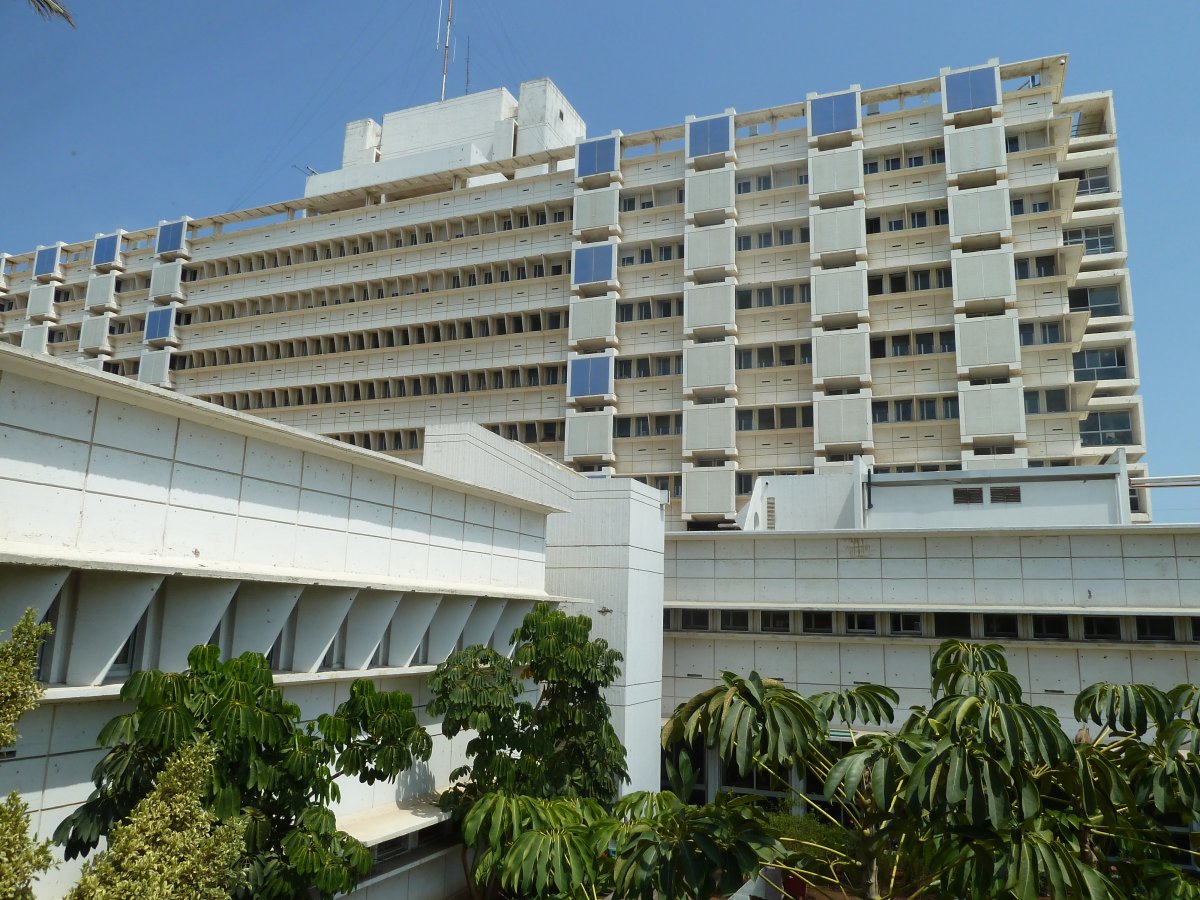
State Hospital Edith Wolfson
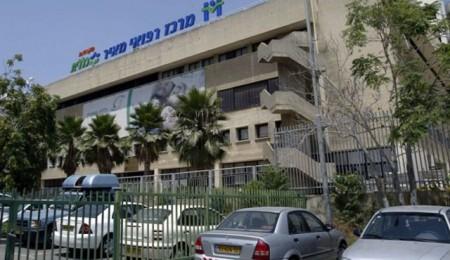
Meir Medical Center

Kaplan Medical Center
احصل على تقييم طبي لـ في إسرائيل. استشر الآن 17 أطباء ذوي الخبرة.
عرض جميع الأطباء
Levi Yehuda
يتخصص الدكتور ليفي يهودا في أمراض القلب والأوعية الدموية، مع تدريب مكثف في العناية المركزة لأمراض القلب في مركز شيبا الطبي.
- عضو في الاتحاد الأوروبي لأطباء القلب وجمعية القلب الأمريكية
- خبير في دعامات الشرايين التاجية وتركيب أجهزة تنظيم ضربات القلب
- مدرب في العلاج المكثف لمرضى القلب

Helkin Amir
يدير الدكتور هيلكين أمير خدمة أمراض القلب الهيكلية، وهو متخصص في التدخلات القلبية المعقدة في مركز طبي من الدرجة الأولى.
- أكثر من 32 سنة من الخبرة المتخصصة في أمراض القلب والإجراءات التداخلية
- تدرب على أمراض القلب التداخلية المتقدمة في مستشفى لينوكس هيل في نيويورك
- طبيب أول في مختبر القسطرة في مركز تل أبيب الطبي
- يتمتع بخبرة تدريسية من الجامعة العبرية وكلية هداسا للطب
- مؤلف لعشرات المنشورات المهنية في أمراض القلب

Rosso Raphael
أكمل زمالة متقدمة في الفيزيولوجيا الكهربائية في مستشفى رويال ملبورن - وهو مركز مشهور عالميًا لعلاج اضطرابات نظم القلب.
- متخصص حصريًا في تشخيص وعلاج اضطرابات نظم القلب
- يجري علاج الاستئصال ويزرع أجهزة تنظيم ضربات القلب
- زمالة في أمراض القلب في مركز تل أبيب سوراسكي الطبي
- عضو في الجمعية الإسرائيلية لأمراض القلب
- يساهم في الأدبيات العلمية بأبحاث ومراجعات أصلية

Finkelshtein Arik
أتم الدكتور فينكلشتاين 100 عملية ناجحة لاستبدال صمام الأورطي عبر القسطرة باستخدام تقنية جديدة، وهي بديل لجراحة القلب المفتوح.
- التخصص في التدخلات القلبية طفيفة التوغل لتحسين تعافي المرضى
- إجراء عملية زرع صمام فريدة من نوعها باستخدام تقنية مخصصة للأطفال لمريض مسن
- دراسة مواد اختيارية في طب القلب في مركز سيدرز سايناي الطبي المرموق في الولايات المتحدة الأمريكية
- الحصول على عضويات في الجمعية الأوروبية للتدخلات القلبية الوعائية عبر الجلد
مشاركة المحتوى
قصص فيديو من مرضى Bookimed
 Anna Leonova
أسئلة متكررة حول علاج الرجفان الأذيني في إسرائيل
ما هي خيارات العلاج الأولية المتاحة للرجفان الأذيني في إسرائيل؟
تشمل العلاجات الأولية للرجفان الأذيني في إسرائيل استئصال القسطرة المتقدم والإدارة الطبية المتخصصة. تستخدم المراكز الكبرى استئصال الترددات الراديوية مع رسم الخرائط ثلاثي الأبعاد والطاقة البردية لاستعادة إيقاع القلب الطبيعي. تركز هذه المرافق المعتمدة من JCI على الوقاية من السكتة الدماغية عن طريق مضادات التخثر والتحكم في الإيقاع للحصول على أفضل النتائج.
- استئصال القسطرة: يستخدم الجراحون طاقة الترددات الراديوية أو الطاقة البردية لعزل الإشارات الكهربائية غير المنتظمة.
- رسم الخرائط ثلاثي الأبعاد: يضمن رسم الخرائط الكهربائية التشريحية المدمج مع الاستئصال دقة عالية أثناء الإجراءات المعقدة.
- الإدارة الطبية: يصف المتخصصون حاصرات بيتا للتحكم في المعدل ومضادات اضطراب النظم لاستقرار الإيقاع.
- الوقاية من السكتة الدماغية: الأولوية المبكرة لمضادات التخثر تقلل من مخاطر جلطات الدم قبل متابعة الخيارات الجراحية.
رؤية خبير Bookimed: تُظهر أقسام أمراض القلب الإسرائيلية حجمًا كبيرًا من الإجراءات وعمقًا سريريًا. على سبيل المثال، يجري مركز سوراسكي الطبي أكثر من 34000 عملية سنويًا عبر تخصصات مختلفة. يجلب أطباء مثل الدكتور إيهود هورين والدكتور روسو رافائيل خبرة دولية من زمالات في نيويورك وملبورن. غالبًا ما يسمح هذا التركيز لأخصائيي الفيزيولوجيا الكهربائية المتخصصين بخطط علاج أكثر دقة مقارنة بمراكز القلب العامة.
إجماع المرضى: يؤكد المرضى على الحاجة إلى توضيح ما إذا كانت حالتك نوبية أو مستمرة في وقت مبكر. ويشيرون إلى أن تتبع المحفزات الشخصية مثل
ما هي المستشفيات في إسرائيل الأكثر خبرة في علاج الرجفان الأذيني؟
يُعد مركز سوراسكي الطبي (إيخيلوف) ومركز هداسا الطبي من بين أكثر المستشفيات الإسرائيلية خبرة في علاج الرجفان الأذيني. تخدم هذه المؤسسات المعتمدة من قبل اللجنة الدولية المشتركة (JCI) أكثر من 1,000,000 مريض سنويًا. وهي تستخدم تقنيات متقدمة مثل الاستئصال بالتبريد والاستئصال بالترددات الراديوية الموجهة ثلاثية الأبعاد تحت إشراف أخصائيي فيزيولوجيا كهربائية مدربين دوليًا.
- وحدات متخصصة: يضم مركز شيبا الطبي مركز إيلي وزوهارا دافيداي المتخصص في عدم انتظام ضربات القلب.
- حجم الخبرة: يجري مركز هداسا الطبي أكثر من 40,000 عملية جراحية سنويًا مع نجاح كبير في أمراض القلب.
- التصوير المتقدم: توفر مراكز تل أبيب استئصالًا بالترددات الراديوية مع تصوير ثلاثي الأبعاد لاستهداف دقيق.
- خيارات خاصة: يقدم مركز أسوتا الطبي أكبر وحدة قلب خاصة مع جراحين يختارهم المرضى.
رؤية خبير Bookimed: على الرغم من أن معظم المراكز الرائدة عامة، إلا أن المرضى الدوليين غالبًا ما يتجهون نحو مركز أسوتا الطبي لعلاج الرجفان الأذيني. تظهر البيانات أن أسوتا يسمح للمرضى باختيار جراحهم المحدد، وهو أمر نادر في المستشفيات العامة الكبيرة. هذا الاختيار حاسم للاستئصال، حيث يعتمد النجاح بشكل كبير على حجم إجراءات الطبيب الفردي.
إجماع المرضى: يؤكد المرضى أن استخدام الأجنحة الخاصة في مراكز مثل شيبا أو رابين يساعد في تجاوز عدة أشهر من الانتظار. يشدد الكثيرون على أهمية التحقق مما إذا كان الجراح يجري أكثر من 100 عملية استئصال سنويًا لضمان أفضل نتيجة ممكنة.
ما هو معدل النجاح المبلغ عنه لاستئصال القسطرة للرجفان الأذيني في المراكز الإسرائيلية؟
تبلغ المراكز الإسرائيلية عن معدلات نجاح للحفاظ على إيقاع الجيوب الأنفية الطبيعي تتراوح بين 56% و78% للرجفان الأذيني. تعتمد النتائج على عدد الإجراءات والمرحلة السريرية. تستخدم المراكز ذات الحجم الكبير خرائط ثلاثية الأبعاد متقدمة والاستئصال بالتبريد لتعزيز الدقة وسلامة الإجراء.
- إجراء واحد: يحافظ على الإيقاع الطبيعي في حوالي 56% من الحالات بعد عامين.
- إجراءات متعددة: تزداد احتمالية النجاح إلى 78% عند تضمين جلسات استئصال متكررة.
- الرجفان الأذيني الانتيابي: يظهر المرضى في المرحلة المبكرة معدلات نجاح أعلى لمدة 12 شهرًا تصل إلى حوالي 83%.
- سلامة الإجراء: تحدث مضاعفات كبيرة في 1.4% إلى 2.8% فقط من الحالات على مستوى البلاد.
رؤية خبير Bookimed: تُظهر أقسام أمراض القلب الإسرائيلية مستوى عالٍ من التخصص، حيث تقدم مراكز مثل مركز أسوتا الطبي تقنيات Micra وVenaSeal المتقدمة. بينما يخدم مركز سوراسكي الطبي 1.8 مليون مريض سنويًا، فإن تركيز الخبراء التابعين لجائزة نوبل في مراكز مثل رامبام يشير إلى التركيز على الأبحاث المتخصصة. يجب على المرضى إعطاء الأولوية للعيادات التي تحتوي على خرائط ثلاثية الأبعاد متكاملة لزيادة فعالية الجلسة الواحدة.
إجماع المرضى: غالبًا ما يندم المرضى على تأخير العلاج. ويشيرون إلى أن إجراء العملية في غضون السنة الأولى من التشخيص يحسن النتائج طويلة المدى بشكل كبير.
ماذا يحدث إذا لم أتمكن من تناول أدوية تسييل الدم؟
إن عدم القدرة على تناول مسيلات الدم لعلاج الرجفان الأذيني يزيد بشكل كبير من مخاطر الإصابة بالسكتة الدماغية والجلطات الدموية. تقدم المراكز الطبية الإسرائيلية بدائل متقدمة مثل الاستئصال بالترددات الراديوية، والاستئصال بالتبريد للقلب، والغرسات الجراحية المتخصصة. تعالج هذه الإجراءات عدم انتظام ضربات القلب جسديًا أو تمنع انتقال الجلطات دون الحاجة إلى مضادات التخثر طويلة الأمد.
- تقنية الاستئصال بالتبريد: يستخدم مركز أسوتا الطبي تقنية التبريد لتحييد إشارات القلب غير المنتظمة بفعالية.
- التصوير ثلاثي الأبعاد: يستخدم المتخصصون التصوير ثلاثي الأبعاد أثناء الاستئصال لاستهداف أنسجة القلب بدقة.
- خبراء رائدون: تتخصص الدكتورة بيلا كوفمان في مركز سوراسكي في علاج الرجفان الأذيني للحالات المعقدة.
- الغرسات الجراحية: توفر أجهزة مثل WATCHMAN حاجزًا ميكانيكيًا دائمًا ضد الجلطات القلبية المحتملة.
رؤية خبير Bookimed: تُظهر أقسام أمراض القلب الإسرائيلية اتجاهًا واضحًا نحو الاستئصال طفيف التوغل بدلاً من الأدوية مدى الحياة. غالبًا ما يفضل المرضى مركز أسوتا الطبي لسرعته في القطاع الخاص أو مركز سوراسكي لحجم عملياته الهائل الذي يتجاوز 34,000 عملية سنويًا. يعد اختيار مركز يتمتع بقدرات تصوير ثلاثي الأبعاد مدمجة أمرًا بالغ الأهمية لأنه يقلل عادةً من الحاجة إلى إجراءات متكررة.
إجماع المرضى: يشير المرضى إلى أن إيجاد بديل للأدوية يشبه استعادة الحرية من الكدمات المستمرة والقيود الغذائية. يؤكد الكثيرون أن وجود طبيب قلب متخصص يشرح عملية الاستئصال خطوة بخطو
ما هي التقنيات المتقدمة التي يستخدمها أخصائيو الفيزيولوجيا الكهربائية الإسرائيليون أثناء الاستئصال؟
يستخدم أخصائيو الفيزيولوجيا الكهربائية الإسرائيليون أنظمة رسم خرائط كهربائية تشريحية ثلاثية الأبعاد متقدمة ومصادر طاقة من الجيل التالي. تركز هذه الأدوات على الملاحة عالية الدقة وتوصيل الطاقة غير الحرارية. تستخدم المراكز الإسرائيلية الاستئصال بالمجال النبضي والعلاج الإشعاعي التجسيمي لعلاج عدم انتظام ضربات القلب المعقد مع الحفاظ على الأنسجة السليمة المحيطة.
- رسم الخرائط ثلاثية الأبعاد: تنشئ أنظمة CARTO خرائط للقلب في الوقت الفعلي لتحديد مصادر عدم انتظام ضربات القلب.
- الاستئصال بالمجال النبضي: نبضات كهربائية فائقة السرعة تدمر أنسجة القلب دون استخدام حرارة شديدة.
- تخطيط صدى القلب داخل القلب: دمج الموجات فوق الصوتية في الوقت الفعلي في أنظمة رسم الخرائط يحسن السلامة الجراحية.
- القسطرة المتقدمة: تمنع أنظمة التبريد المروية ارتفاع درجة حرارة الأنسجة أثناء توصيل طاقة التردد الراديوي.
رؤية خبير Bookimed: تعني البيئة السريرية الغنية بالأبحاث في إسرائيل أن المرضى غالبًا ما يصلون إلى الابتكارات المحلية قبل وصولها إلى الأسواق العالمية. يجمع كبار المتخصصين مثل الدكتور إيهود هورين والدكتور روسو رافائيل في مركز سوراسكي الطبي بين أدوارهم كباحثين سريريين وجراحين نشطين. هذه الخبرة المزدوجة هي السبب في أن المراكز المعتمدة من قبل JCI في تل أبيب غالبًا ما تحافظ على أحجام حالات سنوية عالية، حيث تتعامل المستشفيات الفردية مع ما يصل إلى 1,000,000 زيارة مريض سنويًا عبر جميع التخصصات.
إجماع المرضى: يؤكد المرضى على أهمية طلب تقنيات محددة مثل الاست
كم تستغرق فترة التعافي بعد استئصال القسطرة عادةً للمسافرين لأغراض طبية؟
تسمح فترة التعافي بعد استئصال القسطرة للمسافرين لأغراض طبية عادةً بالعودة برحلة جوية في غضون يومين إلى 5 أيام. يستأنف المرضى عمومًا العمل غير الشاق في غضون 7 أيام. في حين أن التعافي الجسدي سريع، فإن التئام أنسجة القلب الداخلية يتطلب حوالي 3 أشهر من الاستقرار التدريجي.
- فترة السفر: غالبًا ما تكون الرحلات الجوية القصيرة آمنة بعد يومين إلى 5 أيام من الإجراء.
- الرحلات الطويلة: يوصي الأطباء بالانتظار من أسبوعين إلى 3 أسابيع لمنع تجلط الدم.
- النشاط البدني: تجنب رفع أكثر من 10 أرطال (4.5 كجم) لمدة أسبوع إلى أسبوعين على الأقل.
- فترة الشفاء: توقع عدم انتظام مؤقت في ضربات القلب خلال فترة استقرار أنسجة القلب التي تستغرق 3 أشهر.
رؤية خبير Bookimed: تقدم المراكز الإسرائيلية مثل مركز أسوتا الطبي تقنيات Cryo وMICRA المتخصصة التي غالبًا ما تقلل من وقت الإجراء. تظهر بياناتنا أن العيادات الكبرى مثل سوراسكي، التي تعالج 400,000 مريض سنويًا، تستخدم التصوير ثلاثي الأبعاد لزيادة الدقة. يضمن اختيار منشأة حاصلة على اعتماد JCI معايير سلامة عالية للمرضى الدوليين الذين يسافرون بعد فترة وجيزة من جراحة القلب.
إجماع المرضى: يشير المرضى إلى أنه من الضروري البقاء في إسرائيل لمدة 3 إلى 5 أيام بعد الإجراء لمراقبة السلامة. يوصي معظمهم بحزم جوارب ضاغطة لرحلة العودة وترتيب المساعدة في الأمتعة لتجنب إجهاد موقع الإدخال في الفخذ.
لماذا تُعد إسرائيل واحدة من الوجهات الرائدة في جراحة الأعصاب؟
تُعدّ إسرائيل مركزًا رائدًا في جراحة الأعصاب بفضل مزيجها من التطورات الطبية عالية التقنية والخبرات الجراحية المتميزة. وتستخدم مرافق متطورة مثل مركز شيبا الطبي أنظمة ملاحة تعتمد على الذكاء الاصطناعي والتصوير بالرنين المغناطيسي أثناء الجراحة في الوقت الفعلي. وتشير المراكز المتخصصة إلى نسبة نجاح تصل إلى 98% في العمليات الجراحية المعقدة، بما في ذلك جراحة الدماغ مع اليقظة وعلاج اضطرابات الحركة.
- التكنولوجيا المتقدمة: تستخدم العيادات الموجات فوق الصوتية المركزة الموجهة بالرنين المغناطيسي (MRgFUS) والأنظمة الروبوتية لإجراء الشقوق.
- الخبرة الجراحية: يقود جراحون مثل الدكتور تسفي رام جمعيات دولية بخبرة تزيد عن 25 عامًا.
- الوصول السريع: يمكن للمرضى الدوليين عادةً تحديد مواعيد لإجراء عمليات جراحية معقدة في الدماغ أو العمود الفقري في غضون 2-4 أسابيع.
- الرعاية الطبية المعتمدة: المراكز الكبيرة مثل سوراسكي (إيشيلوف) وأسوتا معتمدة من قبل اللجنة الدولية المشتركة، مما يؤكد سلامتها.
رأي خبراء بوكيمد: تُظهر البيانات فرقًا واضحًا بين خيارات العلاج في القطاعين العام والخاص في إسرائيل. تُجري المراكز الخاصة، مثل مركز أسوتا الطبي، أكثر من 92,000 عملية جراحية سنويًا، وتتيح للمرضى اختيار جراح را
ما هي أنواع الأمراض العصبية التي يتم علاجها في إسرائيل؟
يعالج جراحو الأعصاب الإسرائيليون طيفاً واسعاً من الحالات، بدءاً من أورام الدماغ والحبل الشوكي وصولاً إلى الاضطرابات الوظيفية المعقدة. وتستخدم المراكز المتخصصة أحدث التقنيات، مثل جهاز جاما نايف، والتحفيز العميق للدماغ، والتصوير بالرنين المغناطيسي أثناء الجراحة، لتشخيص دقيق للغاية لحالات الصرع، ومرض باركنسون، وأمراض الأوعية الدموية الدماغية.
- الأمراض السرطانية: علاج الأورام الدبقية والأورام السحائية وأورام الغدة النخامية باستخدام استئصال قاعدة الجمجمة.
- الاضطرابات الوظيفية: علاج مرض باركنسون والرعاش الأساسي باستخدام التحفيز العميق للدماغ.
- أمراض العمود الفقري: تصحيح الجنف، وانزلاق الغضروف، وأورام العمود الفقري باستخدام الأنظمة الروبوتية.
- علاج أمراض الأوعية الدموية الدماغية: العلاج الجراحي لتمدد الأوعية الدموية الدماغية والتشوهات الشريانية الوريدية باستخدام التدخلات داخل الأوعية الدموية.
- جراحة الأعصاب للأطفال: رعاية متخصصة لاستسقاء الرأس والتشوهات الخلقية في مراكز طب الأطفال المتخصصة.
رأي خبراء بوكيمد: غالبًا ما تجمع المستشفيات الإسرائيلية بين تخصصات طبية متعددة لمعالجة الحالات المعقدة. ففي مركز سوراسكي ا
ما هي المستشفيات في إسرائيل التي تشتهر بأقسام جراحة الأعصاب فيها؟
تضم إسرائيل مراكز جراحة أعصاب عالمية المستوى، مثل مركز سوراسكي الطبي، ومركز شيبا الطبي، ومركز هداسا الطبي. وتُعدّ هذه المؤسسات رائدة عالميًا في علاج أورام الدماغ المعقدة، وأمراض العمود الفقري، واضطرابات الحركة. وتستخدم أحدث التقنيات، مثل جهاز جاما نايف، والأنظمة الروبوتية، والتصوير بالرنين المغناطيسي أثناء الجراحة.
- سوراسكي (إيخيلوف): يجري أكثر من 2500 عملية جراحية عصبية سنوياً في تل أبيب بنسبة نجاح تبلغ 98%.
- مركز شيبا الطبي: مصنف ضمن أفضل عشرة مستشفيات في العالم، حيث يعالج 1.9 مليون مريض سنوياً.
- مركز هداسا الطبي: مرشح لجائزة نوبل للسلام. رائد في جراحة الأعصاب للأطفال والعلاج الجيني.
- مركز أسوتا الطبي: أكبر منشأة طبية خاصة في إسرائيل. متخصص في جراحات العمود الفقري والدماغ طفيفة التوغل.
- مستشفى شنايدر للأطفال: مركز رائد في جراحة الأعصاب للأطفال، يعالج 275000 طفل سنوياً.
رأي خبراء بوكيمد: تُظهر بياناتنا أنه بينما يلجأ معظم المرضى للعلاج في تل أبيب، يُقدّم مركز رامبام الطبي في حيفا رعايةً فريدةً لإصابات الدماغ. فهو يضم وحدةً متخصصةً للعناية المركزة العصبية تُعالج ما يقارب مليون مريض سنويًا. وهذا ما يجعله
من هم أبرز جراحي الأعصاب في إسرائيل؟
من بين أبرز جراحي الأعصاب الإسرائيليين البروفيسور تسفي رام، والبروفيسور شلومي كونستانتيني، والبروفيسور إسحاق فريد من مركز سوراسكي الطبي. ويشغل هؤلاء المتخصصون مناصب قيادية في الجمعية الأوروبية لجمعيات جراحة الأعصاب (EANS) والجمعية العالمية لجراحة الأعصاب التجسيمية والوظيفية (WSSFN). ويستخدمون تقنيات رسم الخرائط المتقدمة أثناء الجراحة وأنظمة الروبوتات.
- البروفيسور تسفي رام: خبير في جراحة أورام الدماغ طفيفة التوغل والعلاج الجيني للسرطان.
- الأستاذ شلومي كونستانتيني: متخصص في إجراءات التنظير العصبي المعقدة للأطفال والجراحة المجهرية لأورام الدماغ.
- الأستاذ إسحاق فريد: خبير في جراحة الصرع، ورسم خرائط الدماغ الوظيفية، وتحفيز الدماغ العميق.
- الدكتور إيلي أشكينازي: جراح عظام رائد في مستشفى أسوتا، متخصص في نظام TOPS المبتكر.
رأي خبراء بوكيمد: تشير بيانات مركز سوراسكي وشيبا إلى وجود علاقة وثيقة بين ارتفاع عدد العمليات الجراحية وسلامة المرضى. فعلى سبيل المثال، يُجري مركز سوراسكي أكثر من 34,000 عملية جراحية لعلاج الأورام سنويًا بنسبة نجاح تصل إلى 90%. لذا، ينبغي على المرضى الذين يحتاجون إلى استئصال أورام معقدة إعطاء الأولوية لمراكز كهذه، حيث يُجري الجراحون مئات العمليات الجراحية ا