علاج الرعاش مجهول السبب في كوريا الجنوبية: 6 مستشفيات


تمت مراجعة المقالة طبيا من قبل
فهد مولود
ما هي تكلفة الرعاش مجهول السبب إجراءات التشخيص والعلاج في كوريا الجنوبية؟ اعرف الآن
تتراوح تكلفة علاج الرعاش الأساسي في جمهورية كوريا عادةً ما بين $9,000 إلى $15,000 للخيارات غير الجراحية مثل جراحة الموجات فوق الصوتية المركزة الموجهة بالرنين المغناطيسي (MRgFUS). من $35,000. تعتمد النفقات الإجمالية على تقنية العلاج، ومتطلبات الأجهزة، ومستوى المستشفى المحدد. يمكن للمرضى توفير ما يقرب من 40-60% مقارنة بالولايات المتحدة. وتعد سيول وإنشيون الوجهتين الرئيسيتين لهذه الإجراءات.
تكاليف علاج الرعاش الأساسي النموذجية في جمهورية كوريا
- استشارة طبيب أعصاب: من $55
- استشارة جراح أعصاب: من $53
- تصوير الدماغ بالرنين المغناطيسي مع صبغة: من $500
- تخطيط الأعصاب الكهربائي: من $220
- جراحة الموجات فوق الصوتية المركزة الموجهة بالرنين المغناطيسي (MRgFUS): $9,000 – $15,000
- جراحة التحفيز العميق للدماغ (DBS): من $35,000
رؤية خبراء Bookimed: يجب على المرضى الذين يبحثون عن تقنية عالية الدقة التفكير في مستشفى جامعة سيول الوطنية في بوندانغ (SNUBH). وباعتباره أول مستشفى رقمي في كوريا، فإنه يستخدم نظام BESTcare لتقليل الأخطاء الطبية. بالنسبة لاضطرابات الحركة المعقدة، يقدم مستشفى سيفيرانس رعاية متعددة التخصصات ومعتمدة من اللجنة الدولية المشتركة (JCI) مع أعداد كبيرة من المرضى الخارجيين. أما المهتمون بالعلاجات الناشئة فيمكنهم استكشاف مركز RE:YOUTH، وهو المؤسسة الكورية الوحيدة المتخصصة في طرق توصيل الخلايا الجذعية الشريانية. توفر هذه المراكز خبرة عصبية متخصصة للمرضى في مختلف مراحل الرعاش.
| كوريا الجنوبية | تركيا | إسبانيا | |
|---|---|---|---|
| فحص بالموجات فوق الصوتية الموجهة بالرنين المغناطيسي (MRgFUS) | ≈ $9,000 | من $15,800 | من $29,700 |
| جراحة التحفيز العميق للدماغ | من $35,000 | من $22,100 | من $64,700 |
| العلاج الدوائي للهزة الأساسية | ≈ $350 | من $100 | ≈ $450 |
مزاياك وضماناتك مع Bookimed
أسعار مباشرة
Bookimed لا يضيف رسوماً إضافية على أسعار علاج الرعاش مجهول السبب. الأسعار مأخوذة من قوائم الأسعار الرسمية للعيادات. تدفع مباشرة في العيادة مقابل علاجك عند وصولك إلى البلد.
عيادات وأطباء معتمدون فقط
Bookimed ملتزم بسلامتك. نحن نعمل فقط مع المؤسسات الطبية التي تحافظ على معايير دولية عالية في علاج الرعاش مجهول السبب ولديها التراخيص اللازمة لخدمة المرضى الدوليين في جميع أنحاء العالم.
مساعدة مجانية على مدار الساعة
Bookimed يقدم مساعدة خبراء مجانية. منسق طبي شخصي يدعمك قبل وأثناء وبعد العلاج، ويحل أي مشاكل. لن تكون وحيداً أبداً في رحلة علاج الرعاش مجهول السبب.

منسقك الطبي الشخصي في Bookimed
- يدعمك في كل مرحلة
- المساعدة في اختيار العيادة الطبية المناسبة والطبيب المناسب
- يضمن الوصول السريع والمريح إلى المعلومات
اكتشف أفضل الرعاش مجهول السبب العيادات في كوريا الجنوبية: 6 خيارات معتمدة والأسعار









مشاركة المحتوى
قصص فيديو من مرضى Bookimed
 Anna Leonova
أسئلة متكررة حول علاج الرعاش مجهول السبب في كوريا الجنوبية
ما هي أفضل المستشفيات في كوريا الجنوبية لعلاج الرعاش الأساسي؟
تتميز كوريا الجنوبية بمستشفيات ثالثية رائدة معتمدة من اللجنة الدولية المشتركة (JCI) لعلاج الرعاش الأساسي. تتخصص هذه المراكز في جراحة التحفيز العميق للدماغ وجراحة الموجات فوق الصوتية المركزة الموجهة بالرنين المغناطيسي. تستخدم المرافق الرائدة في سيول أنظمة رقمية لضمان السلامة الجراحية والدقة في اضطرابات الحركة المعقدة.
- جامعة سيول الوطنية في بوندانغ: أول مستشفى رقمي يستخدم نظام BESTcare لضمان السلامة.
- مستشفى سيفيرانس: مركز معتمد من JCI يخدم 1.6 مليون مريض خارجي برعاية متعددة التخصصات.
- مستشفى كانجنام سيفيرانس: متخصص في جراحة الأعصاب والتشخيص المعقد مع اعتماد السلامة من JCI.
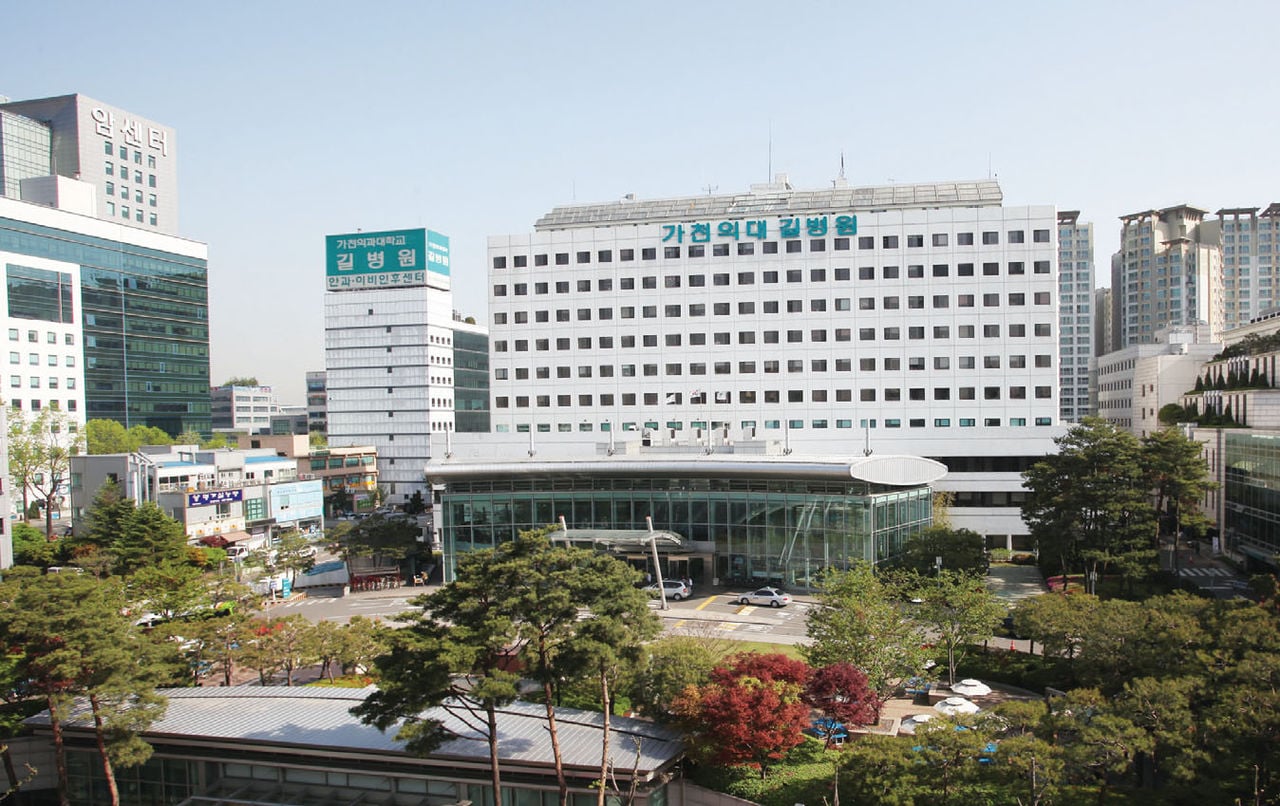
- جامعة غاشون جيل: مرفق آسيوي عالي التصنيف يقع في موقع مناسب على بعد ساعة واحدة من مطار إنشيون.
رؤية خبراء Bookimed: في حين يختار الكثيرون مستشفى جامعة سيول الوطنية في بوندانغ نظرًا لحجم المرضى السنوي البالغ 1.5 مليون مريض، فإن العيادات المتخصصة الأصغر مثل RE:YOUTH تحد من الاستقبال إلى مريضين يوميًا. تشير هذه البيانات إلى خيار واضح بين التميز الأكاديمي عالي الحجم والاهتمام الشخصي الفائق (VIP).
إجماع المرضى: يؤكد المرضى على اختيار المركز بناءً على الإجراء المحدد المطلوب وليس بناءً على المكانة العامة. يقترح الكثيرون التأكد من دعم المتابعة لبرمجة التحفيز العميق للدماغ قبل تحديد موعد العلاج.
هل تتوفر الموجات فوق الصوتية المركزة الموجهة بالرنين المغناطيسي (MRgFUS) في كوريا الجنوبية لعلاج الرعاش الأساسي؟
تتوفر الموجات فوق الصوتية المركزة الموجهة بالرنين المغناطيسي (MRgFUS) لعلاج الرعاش الأساسي في كوريا الجنوبية. تقدم المراكز الثالثية الرئيسية المعتمدة من قبل اللجنة الدولية المشتركة (JCI) في سيول وإنشيون هذا الإجراء غير الجراحي عبر الجمجمة. وهو يستخدم الطاقة الحرارية الموجهة بالرنين المغناطيسي لاستهداف أنسجة المخ دون الحاجة إلى شقوق جراحية أو تخدير عام.
- حالة الموافقة: توافق الهيئات التنظيمية الكورية الجنوبية على استخدام MRgFUS للرعاش الأساسي المقاوم للأدوية.
- توفر العلاج: توفر وحدات جراحة الأعصاب المتخصصة في مرافق مثل مستشفى سيفيرانس هذه التكنولوجيا.
- نطاق التكلفة: قد تتراوح تكلفة باقات الموجات فوق الصوتية المركزة الانتقائية ما بين 13,500 إلى 19,200 دولار تقريبًا.
- معيار المرفق: يتم إجراء العمليات في مستشفيات رقمية ذات حجم كبير مع سير عمل متكامل للرنين المغناطيسي وجراحة الأعصاب.
رؤية خبراء Bookimed: في حين أن كوريا الجنوبية رائدة في مجال الصحة الرقمية، يتركز إجراء MRgFUS في المراكز الأكاديمية الكبيرة مثل مستشفى جامعة سيول الوطنية في بوندانغ. تدير هذه المرافق أكثر من 1.5 مليون مريض سنويًا. يضمن هذا الحجم احتفاظ الجراحين بكفاءة عالية في العلاجات العصبية الموجهة بدقة.
إجماع المرضى: يؤكد المرضى أن كثافة الجمجمة ونمط الرعاش يحددان الأهلية لهذا النهج غير الجراحي. يلاحظ الكثيرون أنه من المهم التأكد مما إذا كانت العيادة تجري علاجًا أحادي الجانب أو ثنائي الجانب أثناء الفحص الأولي.
هل يمكن إجراء التحفيز العميق للدماغ (DBS) في كوريا الجنوبية؟
يتم إجراء التحفيز العميق للدماغ على نطاق واسع في كوريا الجنوبية لعلاج الرعاش الأساسي. ويقوم أكثر من 20 مركزًا متخصصًا بإجراء هذه الجراحة سنويًا. وتحمل المرافق الرائدة مثل مستشفى سيفيرانس ومستشفى كانجنام سيفيرانس اعتماد اللجنة الدولية المشتركة (JCI). يستخدم جراحو الأعصاب المتخصصون هذه الطريقة عندما تؤدي الرعشة إلى إعاقة الأنشطة اليومية بشكل كبير.
- التقنيات المتاحة: توفر المراكز التحفيز العميق للدماغ والموجات فوق الصوتية المركزة الموجهة بالرنين المغناطيسي.
- الخبرة السريرية: يوظف مستشفى سيفيرانس أكثر من 2000 طبيب ويدير 1.6 مليون مريض خارجي سنويًا.
- معايير المستشفى: تركز المرافق الرائدة مثل كانجنام سيفيرانس على تخصصات طب الأعصاب وجراحة الأعصاب.
- مرحلة التشخيص: يبدأ العلاج باستشارات جراحة الأعصاب، والتصوير بالرنين المغناطيسي للدماغ، وفحص تخطيط الأعصاب الكهربائي.
رؤية خبراء Bookimed: في حين يركز الكثيرون على الجراحة، تكمن ميزة كوريا الجنوبية في بنيتها التحتية للرعاية الصحية الرقمية. يستخدم مستشفى جامعة سيول الوطنية في بوندانغ نظام BESTcare لتتبع التعافي على المدى الطويل. بالنسبة للرعاش الأساسي، يضمن اختيار مستشفى يعتمد على الحلول الرقمية أولاً تتبعًا دقيقًا للبيانات لمرحلة البرمجة الأساسية بعد الجراحة.
إجماع المرضى: يؤكد المرضى أن العلاج الناجح يتطلب التزامًا طويل الأمد. ويشيرون إلى أن اختيار فريق يتمتع بخبرة في برمجة أجهزة التحفيز بعد الجراحة لا يقل أهمية عن الجراحة نفسها.
ما هي خيارات الأدوية القياسية في كوريا لعلاج الرعاش الأساسي؟
تتبع الأدوية القياسية في كوريا لعلاج الرعاش الأساسي البروتوكولات الدولية التي يديرها أطباء أعصاب معتمدون. تشمل العلاجات الأولية حاصرات بيتا مثل بروبرانولول أو أروتيمولول، إلى جانب الأدوية المضادة للنوبات مثل بريميدون. توفر المراكز الكبرى المعتمدة من قبل اللجنة الدولية المشتركة (JCI) في سيول وإنشيون هذه العلاجات الدوائية لتقليل شدة الرعاش بشكل فعال.
- حاصرات بيتا كخط دفاع أول: يُوصف بروبرانولول وأروتيمولول بشكل شائع لتقليل حدة الرعاش السريرية.
- العلاج بمضادات الاختلاج: يُستخدم بريميدون كبديل أساسي للمرضى الذين لا يستجيبون لعلاج حاصرات بيتا.
- خيارات ثانوية: قد يساعد توبيراميت وجابابنتين عندما لا يتم تحمل أدوية الخط الأول.
- تقنيات مساعدة: تستهدف حقن سموم البوتولينوم الرعاش في مواقع محددة مثل الصوت أو الرأس.
رؤية خبراء Bookimed: غالبًا ما يتم تحويل الحالات الشديدة التي لا تستجيب للأدوية إلى رعاية جراحية تخصصية متقدمة في كوريا. تستخدم مؤسسات مثل مستشفى سيفيرانس ومستشفى غانغنام سيفيرانس بروتوكولات معتمدة من قبل JCI للتحفيز العميق للدماغ والموجات فوق الصوتية المركزة الموجهة بالرنين المغناطيسي. تتيح هذه البنية التحتية المتخصصة للمرضى الانتقال من العلاج الدوائي غير الناجح إلى إجراءات عصبية عالية الدقة داخل نفس النظام الاستشفائي.
إجماع المرضى: يلاحظ المرضى أن أطباء الأعصاب غالباً ما يعطون الأولوية لاستبعاد مرض باركنسون قبل وضع خطة نهائية لأدوية الرعاش. يؤكد الكثيرون على أهمية الاحتفاظ بمذكرات يومية للرعاش لمساعدة الأطباء في اتخ
كم من الوقت أحتاج للبقاء في كوريا لإجراء الموجات فوق الصوتية المركزة (FUS) أو تحفيز الدماغ العميق (DBS)؟
عادةً ما يبقى المرضى في كوريا من 3 إلى 7 أيام لإجراء الموجات فوق الصوتية المركزة (FUS). يتطلب تحفيز الدماغ العميق (DBS) إقامة أطول تتراوح من 20 إلى 30 يوماً. FUS هو إجراء خارجي غير جراحي. أما DBS فيتضمن جراحة وإقامة في المستشفى وبرمجة الجهاز اللازمة أثناء التعافي.
- مدة FUS: يخضع المرضى لإجراء يستغرق من 2 إلى 4 ساعات ويغادرون في نفس اليوم.
- الإقامة في المستشفى لـ DBS: تتطلب الجراحة من 5 إلى 7 أيام من العلاج الداخلي في المراكز الكورية.
- مواعيد المتابعة: يبقى مرضى FUS في اليوم التالي لإجراء تصوير بالرنين المغناطيسي لمراقبة التورم.
- برمجة DBS: يبقى المرضى لمدة 2 إلى 3 أسابيع لضبط المعلمات وإزالة الغرز.
رأي خبير Bookimed: على الرغم من أن FUS هو خيار لـ "رحلة قصيرة"، إلا أن المراكز الكورية مثل مستشفى سيفيرانس (Severance Hospital) وجانغنام سيفيرانس (Gangnam Severance) تستخدم معايير اللجنة الدولية المشتركة (JCI) لعمليات DBS المعقدة. تستخدم المستشفيات الرقمية الكبرى مثل مستشفى جامعة سيول الوطنية في بوندانغ (Seoul National University Bundang Hospital) أنظمة متكاملة لتحسين الفحص قبل الجراحة. وهذا غالباً ما يقلل من فترة انتظار التشخيص بمقدار يومين.
إجماع المرضى: يشير المرضى إلى أن FUS جذاب بسبب عدم وجود أجهزة، لكنهم ينصحون بإضافة أيام احتياطية للفحوصات الأولية. أولئك الذين يختارون DBS يؤكدون أن الأمر يتطلب غالباً زيارات متعددة لضبط معلمات الجهاز بدقة لتحقيق أفضل النتائج.
هل يعتبر غاما نايف (Gamma Knife) بديلاً لجراحة الرعاش في كوريا؟
يعد بضع المهاد باستخدام غاما نايف بديلاً جراحياً غير جراحي للرعاش الأساسي في كوريا الجنوبية. وهو يستهدف النواة البطنية المتوسطة للمهاد باستخدام إشعاع مركز. يعالج هذا الإجراء الرعاش دون الحاجة إلى شقوق أو تخدير، وهو مثالي للمرضى غير المناسبين لجراحة التحفيز العميق للدماغ.
- الفئة المستهدفة: المرضى ذوو المخاطر العالية، كبار السن، أو أولئك الذين يتناولون أدوية مسيلة للدم.
- النجاح السريري: تظهر الدراسات معدل نجاح يتراوح بين 70% إلى 90% بين المرضى الكوريين.
- طريقة العلاج: توصيل جرعات إشعاعية بقوة 130 غراي لإنشاء آفة علاجية دقيقة.
- المزايا الجراحية: يتجنب مخاطر مثل العدوى أو النزيف المرتبطة بجراحة الدماغ التقليدية.
رؤية خبير Bookimed: تضم كوريا الجنوبية عيادات مثل مستشفى سيفيرانس (Severance Hospital) ومستشفى جامعة سيؤول الوطنية في بوندانغ (Seoul National University Bundang Hospital). تتعامل هذه المرافق مع أكثر من 1.5 مليون مريض سنوياً. يترجم هذا الحجم الكبير إلى استهداف دقيق أثناء إجراءات الإشعاع. توفر المراكز المعتمدة من JCI في سيؤول خبرة تقنية تنافس الغرسات التقليدية، وهذه الخبرة حيوية لنجاح جراحة الأعصاب غير الجراحية.
رأي المرضى: يقدر المرضى تجنب الغرسات المعدنية، لكنهم يلاحظون أن النتائج تستغرق شهوراً حتى تظهر. ويؤكدون أنه على الرغم من أن غاما نايف أكثر أماناً من الجراحة المفتوحة، إلا أنه إجراء لا رجعة فيه.