علاج الصرع (انظر العلاج الدوائي لمرض الصرع) في كوريا الجنوبية — احصل على 3 عيادات مطابقة مع التكاليف


تمت مراجعة المقالة طبيا من قبل
فهد مولود
ما هي تكلفة علاج الصرع (انظر العلاج الدوائي لمرض الصرع) في كوريا الجنوبية؟ اكتشف الآن
المزايا الرئيسية
لماذا يختار المرضى جمهورية كوريا لعلاج الصرع بالأدوية؟
- العيادات المعتمدة: المستشفيات الحاصلة على شهادة JCI تقدم رعاية عالية الجودة، ملتزمة بالمعايير الدولية.
- أحدث التقنيات: تُستخدم أدوية مثل Briviact (بريفاراسيتام) وFycompa (بيرامبانيل) بفعالية للسيطرة على النوبات. بالإضافة إلى ذلك، توفر الأجهزة المبتكرة مثل نظام RNS تحفيزًا عصبيًا مستجيبًا.
- نسب نجاح عالية: يمكن أن تصل فعالية الأدوية إلى 70% في تقليل تكرار النوبات لدى الذين يعانون من الصرع المقاوم للأدوية.
- الأطباء الخبراء: يقود العملية أطباء أعصاب بارزون معتمدون من الجمعية الكورية لطب الأعصاب، وقد قاموا بإدارة أكثر من 5,000 حالة صرع. هذا يضمن رعاية متخصصة وخبيرة.
احصل على حلول علاج الصرع المتقدمة بالأدوية في عيادات موثوقة من $750.
| كوريا الجنوبية | تركيا | إسبانيا | |
|---|---|---|---|
| علاج الصرع (انظر العلاج الدوائي لمرض الصرع) | من $750 | من $1,400 | من $340 |
مزاياك وضماناتك مع Bookimed
أسعار مباشرة
Bookimed لا يضيف رسوماً إضافية على أسعار علاج الصرع (انظر العلاج الدوائي لمرض الصرع). الأسعار مأخوذة من قوائم الأسعار الرسمية للعيادات. تدفع مباشرة في العيادة مقابل علاج الصرع (انظر العلاج الدوائي لمرض الصرع) عند وصولك.
عيادات وأطباء معتمدون فقط
Bookimed ملتزم بسلامتك. نحن نعمل فقط مع المؤسسات الطبية التي تحافظ على معايير دولية عالية في علاج الصرع (انظر العلاج الدوائي لمرض الصرع) ولديها التراخيص اللازمة لخدمة المرضى الدوليين في جميع أنحاء العالم.
مساعدة مجانية على مدار الساعة
Bookimed يقدم مساعدة خبراء مجانية. منسق طبي شخصي يدعمك قبل وأثناء وبعد العلاج، ويحل أي مشاكل. لن تكون وحيداً أبداً في رحلة علاج الصرع (انظر العلاج الدوائي لمرض الصرع).

منسقك الطبي الشخصي في Bookimed
- يدعمك في كل مرحلة
- المساعدة في اختيار العيادة الطبية المناسبة والطبيب المناسب
- يضمن الوصول السريع والمريح إلى المعلومات
اكتشف أفضل علاج الصرع (انظر العلاج الدوائي لمرض الصرع) العيادات في كوريا الجنوبية: 7 خيارات معتمدة والأسعار
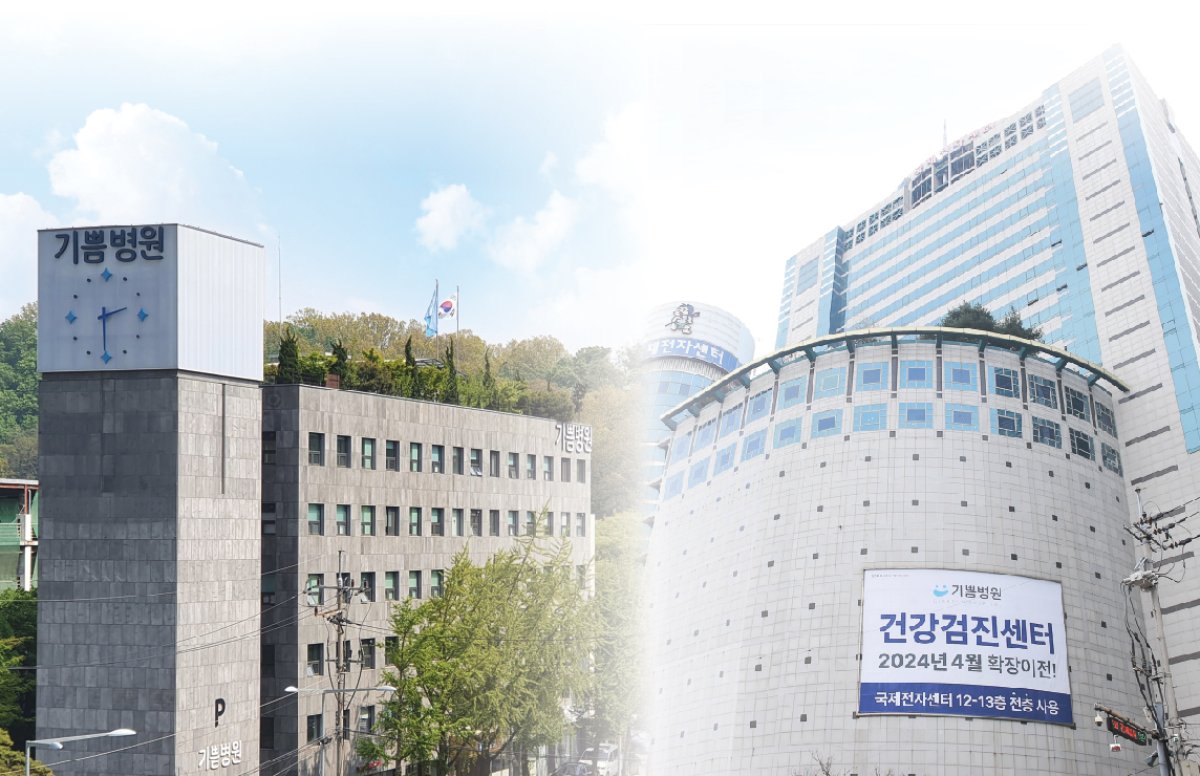













نظرة عامة على علاج الصرع (انظر العلاج الدوائي لمرض الصرع) في كوريا الجنوبية
- قطع مستعرض لتَحْتَ الحَنُوْن المتعدد - من $14,000
تقطع هذه الجراحة الألياف العصبية في المخ لوقف الصرع الشديد دون إزالة أنسجة المخ.
- تحفيز العصب المبهم - من $22,000
يرسل هذا العلاج نبضات كهربائية إلى الدماغ ، ويتحكم في المزاج ونشاط النوبات ، وهو مفيد للمرضى النفسيين ومرضى الصرع.
- العلاج الجراحي للصرع - من $18,000
يزيل الإجراء أنسجة المخ التي تسبب النوبات ، وتحسين نوعية حياة المرضى وتقليل الأدوية.
- علاج الصرع (انظر العلاج الدوائي لمرض الصرع) - من $750
يستخدم هذا العلاج الأدوية للسيطرة على النوبات ومساعدة المرضى على عيش حياة طبيعية ونشيطة.
اليوم 1
- الوصول إلى البلاد والانتقال إلى الفندق.
- الراحة والتأقلم مع البيئة الجديدة.
اليوم الثاني
- الانتقال من الفندق إلى العيادة.
- استشارة طبيب أعصاب.
- إجراء الفحوصات الطبية لتقييم الحالة الصحية.
يوم 3
- مناقشة نتائج الاختبار مع طبيب الأعصاب.
- تشكيل خطة دوائية مخصصة لعلاج الصرع.
اليوم الرابع
- بدء العلاج الدوائي للصرع.
- مراقبة رد فعل المريض تجاه الدواء.
الأسبوع 1-2
- استمرار العلاج الدوائي تحت إشراف طبي.
- فحوصات منتظمة مع طبيب الأعصاب.
الأسبوع الثالث
- تقييم نتائج العلاج الأولية.
- تعديل خطة الدواء إذا لزم الأمر.
الشهر 1
- نهاية مرحلة العلاج في العيادة.
- يخرج المريض من المستشفى ويعود إلى المنزل.
الشهر 2-6
- استمرار العلاج الدوائي بالمنزل.
- استشارات منتظمة عن بعد مع طبيب الأعصاب.
- العودة إلى العمل والأنشطة اليومية حسب نصيحة الطبيب.
الشهر 6
- التقييم النهائي لنتائج العلاج.
- مزيد من التخطيط للعلاج إذا لزم الأمر.
يرجى ملاحظة أن حالة كل مريض فريدة وقد تتطلب أساليب علاجية وجداول زمنية مختلفة. دائما استشر مقدم الرعاية الصحية الخاص بك للحصول على مشورة شخصية.
- إيداع Bookimed: 200 دولار أو 200 يورو.
- وديعة العيادة: ادفع نسبة محددة مقدمًا.
احصل على تقييم طبي لـ علاج الصرع (انظر العلاج الدوائي لمرض الصرع) في كوريا الجنوبية: اختر أخصائيك من بين الأفضل في هذا المجال
عرض جميع الأطباء
Kyoung Heo
يرأس البروفيسور هيو قسم الأعصاب في مستشفى يونسي سيفيرانس، وهي مؤسسة رائدة في رعاية مرضى الصرع في كوريا الجنوبية.
- متخصص في العلاج الدوائي للصرع
- عضو في الجمعية الكورية للصرع وجمعيات رئيسية أخرى
- تخرج من كلية الطب بجامعة يونسي
مشاركة المحتوى
قصص فيديو من مرضى Bookimed
 Anna Leonova
أسئلة متكررة حول علاج الصرع (انظر العلاج الدوائي لمرض الصرع) في كوريا الجنوبية
ما هي أدوية الصرع الأكثر شيوعاً كعلاج خط أول في كوريا الجنوبية؟
يصف أطباء الأعصاب في كوريا الجنوبية بشكل أساسي ليفيتيراسيتام وفالبروات كعلاج أحادي كخط أول للتحكم في النوبات. وبينما يظل الفالبروات معياراً للصرع العام، هناك تحول كبير نحو أدوية الصرع من الجيل الثالث مثل لاموتريجين وأوكسكاربازيبين لتحسين ملفات الأمان وتقليل التفاعلات الدوائية.
- الصرع العام: الفالبروات وليفيتيراسيتام هما الخياران الأساسيان كخط أول للمرضى البالغين.
- النوبات البؤرية: يفضل الأطباء بالتساوي ليفيتيراسيتام وأوكسكاربازيبين ولاموتريجين للعلاج الأولي.
- فئات ديموغرافية محددة: يُفضل استخدام ليفيتيراسيتام ولاموتريجين للنساء في سن الإنجاب.
- التدخل الطارئ: لورازيبام الوريدي هو الاستجابة القياسية كخط أول لحالة الصرع المستمرة.
رؤية خبير Bookimed: على الرغم من تزايد شعبية الأدوية الأحدث، تُظهر بيانات Bookimed أن المرافق رفيعة المستوى مثل مستشفى سيفيرانس ومركز آسان الطبي تحافظ على معدلات نجاح عالية من خلال دمج المراقبة الرقمية. في مستشفى جامعة سيول الوطنية بوندانغ، يقوم نظام BESTcare بتحديد التفاعلات الدوائية المحتملة بدقة. تسمح هذه الرقابة الرقمية للأطباء باستخدام الأدوية القديمة الفعالة من حيث التكلفة بأمان مع تقليل المخاطر المرتبطة بها عادةً.
إجماع المرضى: غالباً ما يجد المرضى أن المستشفيات الجامعية الكبرى تعطي الأولوية للتحكم السريع في النوبات باستخدام حمض الفالبرويك. ويشير الكثيرون إلى أن الأطباء أصبحوا أكثر انفتاحاً على التحول إلى بدائل أحدث إذا أعرب المرضى عن مخاوف محددة بشأن الخصوبة على المدى الطويل أو الآثار ا
كيف يتم تحديد الجرعة الصحيحة وما هي المراقبة المخبرية اللازمة؟
يحدد أطباء الأعصاب في جمهورية كوريا جرعات الصرع من خلال موازنة وزن الجسم والعمر ومعدلات التمثيل الغذائي مع الفعالية السريرية. يبدأ العلاج عادةً بمعايرة بجرعات منخفضة من أدوية مثل ليفيتيراسيتام أو فالبروات، باستخدام المراقبة العلاجية للأدوية للحفاظ على مستويات تركيز دم محددة ضمن نطاق آمن وفعال.
- الفحص الجيني: اختبار HLA-B*1502 إلزامي للكاربامازيبين لمنع حدوث تفاعلات جلدية شديدة.
- التشخيص الأولي: تشمل الفحوصات المخبرية الأساسية تعداد الدم الكامل، وإنزيمات الكبد، والكهارل قبل البدء.
- المراقبة العلاجية: يتم فحص مستويات القاع عادةً بعد أسبوع إلى أسبوعين من أي تعديل في جرعة الدواء.
- وظائف الأعضاء: تمنع اختبارات وظائف الكبد والكلى المنتظمة التراكم السام للأدوية التي يتم التخلص منها.
رؤية خبير Bookimed: تستخدم المراكز الرائدة في سيول مثل مركز أسان الطبي ومستشفى سيفيرانس أنظمة رقمية متقدمة لمنع أخطاء الجرعات. غالبًا ما تدمج العيادات ذات الحجم الكبير تطبيقات تتبع النوبات مباشرة في سجلاتها الصحية الإلكترونية. وهذا يسمح لأساتذة مثل كيونغ هيو بتعديل الأنظمة بناءً على بيانات المريض في الوقت الفعلي بدلاً من مجرد الصيغ القياسية القائمة على الوزن.
إجماع المرضى: يؤكد المرضى على أهمية طلب جدول كامل للمراقبة العلاجية للأدوية خلال الاستشارة الأولى. وغالبًا ما يلاحظون أن المتخصصين الكوريين يعطون الأولوية للمعايرة البطيئة لتقليل الآثار الجانبية مع مراقبة صحة الكبد عن كثب.
ما هي أكبر مخاوف السلامة / الآثار الجانبية التحذيرية التي يجب أن أراقبها؟
تتطلب التفاعلات التي تهدد الحياة مثل متلازمة ستيفنز جونسون، والتي تتميز بظهور بثور على الجلد وحمى، عناية طبية فورية. يجب على المرضى أيضًا مراقبة الحساسية المفرطة، والأفكار الانتحارية، واليرقان. تشير التغيرات العصبية الشديدة، مثل الارتباك المفاجئ أو تداخل الكلام، إلى حالة طبية طارئة أثناء معايرة أدوية الصرع.
- تفاعلات الجلد: اطلب رعاية الطوارئ في حالة ظهور طفح جلدي متقرح أو مقشر، خاصة مع كاربامازيبين أو لاموتريجين.
- التغيرات النفسية: أبلغ طبيب الأعصاب فورًا عن أي اكتئاب جديد، أو قلق شديد، أو أفكار انتحارية.
- وظائف الأعضاء: راقب اصفرار العينين (اليرقان) أو البول الداكن، مما يشير إلى سمية كبدية محتملة.
- المخاوف الدموية: راقب الكدمات غير المبررة أو الحمى، والتي قد تشير إلى انخفاض عدد خلايا الدم البيضاء.
رؤية خبير Bookimed: بينما تستخدم المرافق الكورية مثل مستشفى جامعة سيول الوطنية أنظمة BESTcare الرقمية لمنع أخطاء الجرعات، يجب على المرضى التركيز على "نافذة المعايرة". تُظهر بيانات Bookimed أن الآثار الجانبية العصبية النفسية، مثل العدوانية أو "غضب كيبرّا"، تصل عادةً إلى ذروتها في الأسبوع الثاني. غالبًا ما تتطلب المراكز ذات الحجم الكبير مثل مركز أسان الطبي فحوصات دم أساسية لمراقبة إنزيمات الكبد وكثافة العظام قبل بدء العلاج طويل الأمد.
إجماع المرضى: يؤكد المرضى على أهمية تتبع تغيرات المزاج اليومية، حيث يمكن أن يتطور "ضباب الدماغ" أو "وضع الزومبي" بمهارة على مدى أشهر. يحذر الكثيرون من التوقف عن تناول الدواء فجأة بسبب خطر الإصا
كم من الوقت سأحتاج لتناول الدواء وما هو بروتوكول التوقف عن تناوله؟
عادةً ما يتناول المرضى أدوية مضادة للصرع لمدة تتراوح بين سنتين إلى 5 سنوات مع البقاء خاليين تماماً من النوبات قبل التفكير في التوقف عن تناولها. يعد التخفيض التدريجي للجرعة عملية خاضعة لرقابة صارمة يتم إجراؤها تحت إشراف أطباء الأعصاب في مرافق معتمدة من اللجنة الدولية المشتركة (JCI) مثل مستشفى سيفيرانس أو مركز آسان الطبي.
- مدة التخفيض التدريجي: تحدث التخفيضات على مدى 6 إلى 12 شهراً لمنع نوبات الارتداد.
- تخفيض الجرعة: يقوم الأطباء عادةً بخفض الجرعات بنسبة 10% إلى 25% كل 4 أسابيع.
- المراقبة الطبية: تتطلب البروتوكولات الكورية نتائج نظيفة لتخطيط كهربية الدماغ بالفيديو (Video EEG) والرنين المغناطيسي قبل البدء.
- معايير النجاح: لا يتم النظر في التوقف عن الدواء عادةً إلا بعد عامين متتاليين من عدم حدوث نوبات.
رؤية خبير Bookimed: تعطي أقسام الأعصاب الرائدة في كوريا الجنوبية، بما في ذلك مستشفى جامعة سيول الوطنية، الأولوية لأنظمة BESTcare الرقمية لتتبع تعديلات الجرعات. تساعد هذه المراقبة عالية التقنية في منع الأخطاء الطبية خلال مرحلة التوقف الحساسة التي تستمر 12 شهراً، حيث تكون مخاطر الانتكاس في أعلى مستوياتها. يجد بعض المرضى أن بعض العيادات في سيول تتطلب 3 سنوات خالية من النوبات قبل الموافقة على التخفيض التدريجي.
إجماع المرضى: يؤكد العديد من المرضى أن عامين هما مجرد الحد الأدنى. يظل معظمهم على الدواء لفترة أطول، وأي محاولة للتخفيض الذاتي للجرعة يمكن أن تؤدي إلى نوبات ارتداد فورية وشديدة.
هل من الآمن الحمل أثناء تناول أدوية مضادة للصرع في كوريا؟
يعد الحمل أثناء تناول أدوية مضادة للصرع في كوريا أمراً آمناً ويمكن إدارته تحت إشراف طبي متخصص. توفر المراكز الطبية الكبرى مثل مستشفى سيفيرانس ومركز أسان الطبي رعاية عصبية وتوليدية متكاملة لمراقبة فعالية الدواء مع تقليل تعرض الجنين للأدوية عالية المخاطر.
- التخطيط قبل الحمل: التحول إلى أدوية أقل خطورة مثل ليفيتيراسيتام أو لاموتريجين قبل 6 أشهر من الحمل.
- تناول حمض الفوليك: مكملات بجرعات عالية من 0.4 مجم إلى 5 مجم يومياً تقلل بشكل كبير من مخاطر التشوهات الخلقية.
- المراقبة الشهرية: الحمل يسرع عملية التمثيل الغذائي، مما يتطلب إجراء فحوصات دم متكررة لمنع حدوث نوبات صرع مفاجئة.
- اتجاهات الولادة: تشير تقارير المستشفيات الكورية إلى معدل ولادة قيصرية بنسبة 51.2% للنساء المصابات بالصرع.
رؤية خبير Bookimed: تظهر البيانات من المرافق الكبرى في سيول مثل مستشفى جامعة سيول الوطنية أن النتائج الأكثر نجاحاً تتضمن التنسيق المبكر بين أطباء الصرع وأطباء التوليد المتخصصين في حالات الحمل عالية المخاطر. من $750.
إجماع المرضى: يؤكد المرضى أنه على الرغم من أن أدوية مثل فالبروات تحمل مخاطر كبيرة، فإن التحول إلى ليفيتيراسيتام في وقت مبكر يؤدي إلى حالات حمل ناجحة. يوصي الكثيرون بتوظيف مترجم في مستشفيات سيول لضمان التواصل الدقيق فيما يتعلق بتغي
هل سأحتاج إلى اختبارات أو تصوير خاص أثناء العلاج طويل الأمد؟
يتطلب علاج الصرع طويل الأمد في كوريا الجنوبية مراقبة تشخيصية دورية لضمان سلامة وفعالية الدواء. يخضع المرضى عادةً لتحاليل دم سنوية لتتبع مستويات الأدوية العلاجية ووظائف الأعضاء، بينما يتم حجز فحوصات تخطيط كهربية الدماغ (EEG) أو التصوير بالرنين المغناطيسي (MRI) المتكررة لتعديل الجرعات أو إدارة النوبات المفاجئة.
- المراقبة العلاجية: تقيس تحاليل الدم السنوية تركيزات الأدوية مثل حمض الفالبرويك لمنع السمية.
- صحة الأعضاء: تراقب اللوحات الأيضية السنوية وظائف الكبد والكلى أثناء الاستخدام المطول للأدوية.
- التتبع العصبي: قد يطلب أطباء مثل البروفيسور كيونغ هيو في مستشفى سيفيرانس إجراء تخطيط كهربية الدماغ كل عامين.
- بروتوكولات التصوير: تعتمد فحوصات الرنين المغناطيسي المتكررة عمومًا على الأحداث، وتحدث فقط في حالة ظهور أعراض سريرية جديدة.
رؤية خبير Bookimed: تستخدم مستشفيات الجامعات النخبوية في كوريا الجنوبية، مثل مستشفى جامعة سيول الوطنية، أنظمة BESTcare الرقمية بالكامل لمنع أخطاء الدواء. يسمح هذا التكامل لأطباء الأعصاب بمقارنة نتائج المختبر الحالية فورًا بسنوات من البيانات التاريخية، مما يضمن اكتشاف التحولات الطفيفة في استقلاب الدواء قبل تطور الآثار الجانبية.
إجماع المرضى: يقدر المرضى كفاءة المستشفيات الكورية حيث يتم إكمال تحاليل الدم الروتينية غالبًا خلال زيارة واحدة. يشير معظمهم إلى أنه على الرغم من أن الحالات المستقرة قد تتخطى الاختبارات لمدة عامين، إلا أن الفحوصات السنوية تظل المعيار لتعديل الوصفات الطبية طويلة الأمد.
هل تتوفر خيارات أحدث أو غير دوائية للصرع في كوريا في حال فشل الأدوية؟
تقدم كوريا الجنوبية علاجات متقدمة غير دوائية للصرع بما في ذلك الجراحة الاستئصالية، والتحفيز العصبي، والعلاجات الأيضية المتخصصة في مراكز معتمدة من قبل JCI في سيول. يتأهل معظم المرضى لهذه التدخلات بعد فشل 2 أو 3 أدوية، مع توفر خيارات مثل تحفيز العصب المبهم (VNS) والتحفيز العميق للدماغ (DBS) على نطاق واسع.
- الاستئصال الجراحي: إجراءات مثل استئصال الفص الصدغي التي تستهدف نقاط منشأ النوبات البؤرية.
- أجهزة التحفيز العصبي: تعتبر غرسات VNS و DBS معيارية للمرشحين غير الجراحيين.
- العلاج الأيضي: البرامج الكيتونية المنظمة شائعة، خاصة للحالات المقاومة للأطفال.
- جراحة طفيفة التوغل: استخدام تقنيات متخصصة مع شقوق أصغر في جامعة إيهوا.
رؤية خبير Bookimed: غالبًا ما ينتظر المرضى حتى تجربة 5 أدوية أو أكثر قبل استكشاف الجراحة، ومع ذلك تشير البيانات إلى أن التدخل المبكر يحسن النتائج على المدى الطويل. تقوم المستشفيات الكبرى في سيول مثل سيفيرانس ومستشفى جامعة سيول الوطنية (SNUH) حاليًا بدمج نماذج تشخيصية بمساعدة الذكاء الاصطناعي لتحديد المرشحين للجراحة بشكل أسرع بكثير من العيادات الإقليمية التقليدية.
إجماع المرضى: يبلغ العديد من المرضى عن سفرهم لمسافات طويلة من المقاطعات الريفية إلى سيول للوصول إلى العلاجات القائمة على الأجهزة. على الرغم من أن الجراحة فعالة للغاية، يجب على العائلات الاستعداد لقوائم انتظار محتملة لمدة 18 شهرًا في المستشفيات الجامعية من الدرجة الأولى.