علاج صداع الراس في كوريا الجنوبية — احصل على 3 عيادات مختارة خصيصاً لك


تمت مراجعة المقالة طبيا من قبل
فهد مولود
كيف نعمل؟
ما هي تكلفة صداع الراس إجراءات التشخيص والعلاج في كوريا الجنوبية؟ اعرف الآن
اكتشف أفضل صداع الراس العيادات في كوريا الجنوبية: 11 خيارات معتمدة والأسعار












احصلوا على تقييم طبي لـ صداع الراس في كوريا الجنوبية: استشيروا أطباء ذوي خبرة الآن
عرض جميع الأطباء
An Song-yeol

Byung-hee Lee
الدكتور لي هو عضو مؤسس في الجمعية الكورية لطب الأعصاب التداخلي، وقد قدم 24 أطروحة علمية (SCI) حول مواضيع الأوعية الدموية الدماغية.
- عضو دائم في الجمعية الأمريكية للسكتة الدماغية والجمعية العالمية للسكتة الدماغية
- أكثر من 50 محاضرة في مؤتمرات حول رعاية السكتة الدماغية والأوعية الدموية الدماغية
- باحث نشط يتمتع بعلاقات مهنية دولية
مشاركة المحتوى
قصص فيديو من مرضى Bookimed
 Anna Leonova
أسئلة متكررة حول علاج صداع الراس في كوريا الجنوبية
ما هي خيارات العلاج الرئيسية للصداع النصفي في كوريا؟
تدمج علاجات الصداع النصفي في كوريا بين الطب الغربي والطب الكوري التقليدي لتوفير راحة مزمنة. يتمكن المرضى من الوصول إلى خيارات متنوعة تشمل التريبتان، والأجسام المضادة أحادية النسيلة لـ CGRP مثل جالكانزوماب، وحقن البوتوكس. توفر المراكز المعتمدة من قبل JCI في سيول استشارات عصبية متخصصة وتشخيصات بالرنين المغناطيسي للدماغ لتخطيط الرعاية بدقة.
- الراحة الحادة: توفر التريبتان مثل سوماتريبتان وSuvexx راحة فورية للنوبات النشطة.
- الحقن الوقائية: تتوفر مثبطات CGRP والبوتوكس للمرضى الذين يعانون من الصداع النصفي المزمن.
- الطب التقليدي: تساعد الوخز بالإبر والتركيبات العشبية في تقليل تكرار النوبات وتوتر العضلات.
- أدوات التشخيص: يضمن الرنين المغناطيسي للدماغ عالي الدقة مع التباين تحديد المرحلة بشكل صحيح في المستشفيات متعددة التخصصات.
رؤية خبير Bookimed: تسمح هيكلية الرعاية المزدوجة في كوريا للمرضى بتجاوز فترات الانتظار الطويلة للحصول على رعاية متخصصة. تخدم المؤسسات الكبرى مثل مستشفى جامعة سيول الوطنية أكثر من 10,000 مريض يومياً وتستخدم أنظمة رقمية لمنع الأخطاء الطبية. يجد العديد من المرضى أنه من الأكثر كفاءة تلقي حقن البوتوكس أو CGRP في هذه المراكز ذات الحجم الكبير بدلاً من العيادات التجميلية لضمان إشراف أطباء أعصاب معتمدين.
إجماع المرضى: يجد المرضى أن الوخز بالإبر في العيادات المحلية يمكن أن يقلل من تكرار النوبات بمقدار النصف على مدى ثلاثة أشهر. يشير الكثيرون إلى أن الوصول إلى الوصفات الوقائية سريع، ولكن وجود بطاقة هوية وتطبيق ترجمة
متى يجب أن أطلب الرعاية الطارئة للصداع في كوريا؟
اطلب الرعاية الطارئة في كوريا فوراً إذا ظهر الصداع فجأة ووصل إلى أقصى شدة له في غضون ثوانٍ. توجه إلى غرفة الطوارئ (Eunggeupsil) في حال حدوث تداخل في الكلام، أو ضعف مفاجئ، أو تغيرات في الرؤية. اتصل بالرقم 119 في حال ظهور أعراض تهدد الحياة مثل النوبات أو تيبس الرقبة المصحوب بحمى شديدة.
- مؤشرات السكتة الدماغية: خدر أو ضعف مفاجئ، خاصة في جانب واحد من الجسم.
- تغيرات الرؤية: الرؤية الضبابية، أو الرؤية المزدوجة، أو اختلاف حجم حدقتي العين تتطلب إجراء تصوير مقطعي (CT).
- إصابات الرأس: اطلب الرعاية الفورية لأي صداع مستمر بعد إصابة حديثة في الرأس.
- العلامات التحذيرية العصبية: الارتباك، أو فقدان التوازن، أو صعوبة التحدث تشير إلى حالة طبية طارئة.
رؤية خبراء Bookimed: توفر المراكز الطبية الكورية الكبرى مثل مركز جامعة إيهوا النسائية الطبي مرافق طوارئ معتمدة من اللجنة الدولية المشتركة (JCI). غالباً ما يكون الأطباء المتخصصون مثل الدكتور بيونغ-هي لي أعضاء في الجمعية العالمية للسكتة الدماغية. وهذا يضمن أن حالات الصداع الطارئة التي تنطوي على مشاكل وعائية تتلقى العلاج وفقاً لبروتوكولات السكتة الدماغية العالمية. يستفيد المرضى من تكامل التصوير المقطعي السريع وخبراء طب الأعصاب التداخلي.
إجماع المرضى: يشير المرضى إلى أن الاتصال بالرقم 119 يوفر خدمة ترجمة فورية باللغة الإنجليزية على مدار الساعة طوال أيام الأسبوع لحالات الطوارئ. يقترح الكثيرون الاحتفاظ بعنوان أقرب مستشفى جامعي لأن العيادات المحلية غالباً ما تغلق أبوابها مبكراً.
هل يمكنني الاختيار بين الطب الغربي والطب الكوري التقليدي (TKM)؟
يمكنك الاختيار بين الطب الغربي والطب الكوري التقليدي (TKM) لعلاج الصداع في كوريا الجنوبية. تحافظ الدولة على نظام رعاية صحية مزدوج. كلا النظامين معتمدان من الحكومة ومدمجان في إطار الصحة الوطني. غالبًا ما يجمع المرضى بين الاستشارات العصبية والوخز بالإبر أو العلاجات العشبية.
- نظام مزدوج: يختار المرضى بحرية بين مرافق طبية وممارسين مرخصين منفصلين.
- التشخيص العصبي: تقدم المراكز الكبيرة مثل مركز أسان الطبي فحوصات التصوير بالرنين المغناطيسي للدماغ المتخصصة.
- إجراءات الطب الكوري التقليدي: يشمل العلاج غالبًا الوخز بالإبر، والحجامة، والعلاجات اليدوية مثل تشونا (Chuna).
- الرعاية المتكاملة: تجمع نماذج الرعاية التعاونية بين التشخيص الغربي والإدارة التقليدية طويلة الأمد.
رؤية خبير Bookimed: بينما يبدأ المرضى غالبًا بالتشخيص الغربي في مرافق رقمية مثل مستشفى جامعة سيول الوطنية في بوندانغ، يدمج متخصصون مثل الدكتور بيونغ-ها مون التقنيات التقليدية مع رؤى حديثة حول وظائف الدماغ. هذا المزيج فعال بشكل خاص للصداع المرتبط بالتعب المزمن. تظهر البيانات أن البدء بفحص غربي والانتقال إلى الطب الكوري التقليدي للصيانة غالبًا ما يقلل من التكاليف طويلة الأمد.
إجماع المرضى: يشير المرضى إلى أن الطب الكوري التقليدي ممتاز للصداع المرتبط بالتوتر وغالبًا ما يكون له أوقات انتظار أقصر. يوصي الكثيرون بإجراء تصوير بالرنين المغناطيسي غربي أولاً لاستبعاد المشكلات الخطيرة قبل البدء في الصيانة العشبية.
هل التريبتان متاحة على نطاق واسع للتخفيف الحاد؟
تتوفر التريبتان على نطاق واسع في جمهورية كوريا كمعيار ذهبي لتخفيف الصداع النصفي الحاد. يحتاج المرضى إلى وصفة طبية من طبيب أعصاب بعد استشارة متخصصة. تقدم هذه العيادات سبعة أنواع مختلفة من التريبتان. توفر المرافق في سيول تشخيصات متقدمة مثل التصوير بالرنين المغناطيسي للدماغ مع التباين.
- التوفر: يمكن الوصول إليها عن طريق وصفة طبية في المستشفيات متعددة التخصصات الكبرى في سيول وإنتشون.
- التركيبات: السوماتريبتان والريزاتريبتان شائعة. يأتي بعضها على شكل بخاخات أنف سريعة المفعول.
- الوصول إلى المتخصصين: يتخصص أطباء الأعصاب مثل الدكتور بيونغ-هي لي في التدخلات العصبية المعقدة.
- معايير التشخيص: تستخدم المستشفيات التصوير بالرنين المغناطيسي للدماغ مع التباين لاستبعاد أسباب الصداع الثانوية.
رؤية خبير Bookimed: في حين أن التريبتان هي المعيار، تقدم المراكز الكورية رفيعة المستوى مثل مركز أسان الطبي ومستشفى سيفيرانس نهجاً مزدوج المسار فريداً. يمكن للمرضى الوصول إلى الأدوية الغربية جنباً إلى جنب مع علاجات وظائف الدماغ القائمة على الطب الكوري التقليدي. أجرى الدكتور بيونغ ها مون أكثر من 200,000 إجراء يدمج هذه الأساليب. هذا المزيج ذو قيمة خاصة للمرضى الذين لا يستجيبون للتريبتان وحده.
إجماع المرضى: يشير المرضى إلى أن الحصول على وصفة طبية أمر مباشر في الأقسام الدولية. ويؤكدون أن إجراء فحص دقيق للدماغ غالباً ما يكون مطلوباً قبل وصف التريبتان لأول مرة.
ما الذي يجب أن أستعد له في أول موعد لي لعلاج الصداع في كوريا؟
قم بإعداد وثيقة هوية أصلية مثل جواز السفر أو بطاقة تسجيل الأجانب للتسجيل في أي منشأة طبية كورية. يجب على المرضى إحضار فحوصات الرنين المغناطيسي للدماغ الحديثة على قرص مضغوط أو وسيط رقمي. تعتبر القائمة المكتوبة للأدوية التي لم تنجح سابقاً ومذكرات الصداع لمدة أسبوعين ضرورية للتشخيص الدقيق.
- الهوية: تتطلب القوانين الحديثة هوية مادية مثل جواز السفر لجميع الزيارات الطبية.
- التصوير الرقمي: أحضر فحوصات الرنين المغناطيسي أو الأشعة المقطعية السابقة للدماغ على قرص مضغوط للتقييم الفوري.
- مذكرات الصداع: سجل تكرار الألم والمحفزات وشدته لمدة أسبوعين قبل الزيارة.
- التاريخ الدوائي: اذكر جميع الجرعات المحددة للعلاجات السابقة وأسباب إيقافها.
رؤية خبير Bookimed: بينما تقبل العديد من العيادات المحلية المرضى بدون موعد مسبق، تخدم المراكز الكبرى المعتمدة من JCI مثل مستشفى سيفيرانس أو مستشفى جامعة سيول الوطنية أكثر من 10,000 مريض يومياً. تظهر بياناتنا أن هذه المستشفيات التخصصية غالباً ما تتطلب إحالة من عيادة محلية لتغطية التأمين. للوصول بشكل أسرع إلى كبار أطباء الأعصاب مثل الدكتور بيونغ-هي لي، غالباً ما توفر المراكز المتخصصة وصولاً مباشراً أكثر إلى التصوير المتقدم مقارنة بأقسام العيادات الخارجية العامة.
إجماع المرضى: يلاحظ المرضى أن إعداد قائمة أعراض مطبوعة باللغة الكورية عبر تطبيقات الترجمة يساعد في إزالة حواجز اللغة. توقع استشارة لمدة 15 دقيقة متبوعة باحتمالية إجراء تحاليل دم أو رنين مغناطيسي إذا ظهرت علامات تحذيرية.
هل يمكنني إحضار أدوية الصداع الخاصة بي عند السفر إلى كوريا؟
يمكنك إحضار أدوية الصداع إلى كوريا الجنوبية للاستخدام الشخصي. يُسمح عمومًا بمسكنات الألم القياسية التي لا تستلزم وصفة طبية مثل الباراسيتامول أو الإيبوبروفين دون تصريح. يُسمح بما يصل إلى ست زجاجات أو إمدادات لمدة ثلاثة أشهر. تنطبق قواعد أكثر صرامة على الأدوية الموصوفة والمواد الخاضعة للرقابة.
- حدود الكمية: احمل ما يصل إلى ست زجاجات لتغطية احتياجات 90 يومًا.
- قواعد التعبئة: احتفظ بجميع الأدوية في عبواتها الأصلية مع ملصقات واضحة.
- وثائق الوصفة الطبية: أحضر خطابًا من الطبيب باللغة الإنجليزية لأي أدوية موصوفة.
- قيود المخدرات: اطلب موافقة مسبقة من وزارة سلامة الغذاء والدواء.
رؤية خبير Bookimed: تستخدم المستشفيات الرقمية ذات الحجم الكبير مثل مستشفى جامعة سيول الوطنية في بوندانغ أنظمة إلكترونية متقدمة. تمنع هذه الأنظمة أخطاء الأدوية أثناء استشارات الأعصاب. بينما يحضر المسافرون مسكنات أساسية، فإن زيارة العيادة تضمن السلامة السريرية المحلية. تخدم بعض المراكز مثل مستشفى سيفيرانس أكثر من 1.6 مليون مريض خارجي سنويًا.
إجماع المرضى: يشير المرضى إلى أن الباراسيتامول الأساسي يسهل العثور عليه في المتاجر الكورية. يؤكد العديد من الزوار على الاحتفاظ بنسخة من وصفتهم الطبية لتجنب التأخير في الجمارك.
كيف أجد عيادة يمكنها علاج المرضى الدوليين؟
يجد المرضى الدوليون عيادات في كوريا الجنوبية من خلال استهداف المستشفيات الجامعية المعتمدة من قبل اللجنة الدولية المشتركة (JCI) في سيول. تتميز هذه المراكز بأقسام دولية مخصصة تتعامل مع التأشيرات الطبية والترجمة الإنجليزية والخدمات اللوجستية. تدير المرافق الكبرى مثل مستشفى سيفيرانس ومركز آسان الطبي ملايين المرضى سنويًا بخدمات أجنبية متخصصة.
- معايير الاعتماد: ابحث عن المرافق المعتمدة من قبل اللجنة الدولية المشتركة (JCI) أو KOIHA لضمان السلامة.
- الأقسام المتخصصة: اختر المستشفيات التي تضم مراكز مخصصة للمرضى الدوليين للحصول على الدعم الإداري واللغوي.
- الخبرة العصبية: تحقق من حصول الأطباء على شهادات في طب الأعصاب أو الفسيولوجيا العصبية السريرية لحالات الصداع.
- الوصول التكنولوجي: اختر المستشفيات الرقمية التي تستخدم الذكاء الاصطناعي وأنظمة BESTcare لتقليل الأخطاء الطبية.
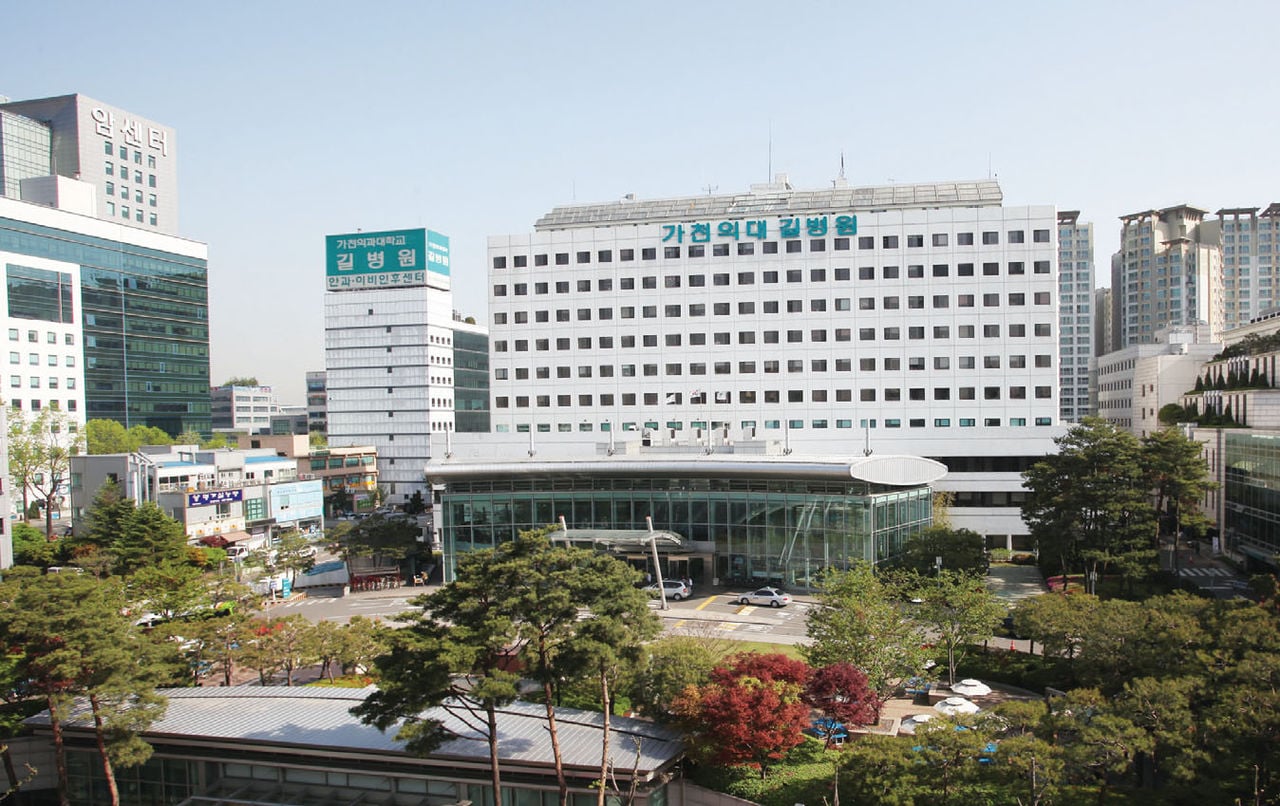
رؤية خبير Bookimed: المشهد الطبي في كوريا الجنوبية مركزي للغاية. في حين أن عيادات مثل مركز غاشون الجامعي جيل الطبي في إنتشون بارزة، فإن 90% من مراكزنا متعددة التخصصات الأعلى تقييمًا تقع في سيول. يغفل العديد من المرضى أن عيادات مثل مستشفى جامعة سيول الوطنية بوندانغ (SNUBH) رقمية بالكامل. يساعد هذا التكامل المرضى الدوليين من خلال ضمان خلو السجلات الطبية من الأخطاء وسهولة نقلها لرعاية المتابعة في الخارج.
إجماع المرضى: يؤكد المرضى على أهمية العثور على عيادات بها متخصصون يتحدثون الإنجليزية، مشيرين إلى أن المرافق المحلية الأصغر غالبًا ما تفتقر إلى الموارد لمساعدة غي