العودة إلى الصفحة الرئيسية
820К+ مريضًا حصلوا على المساعدة منذ عام 2014
50 دول
1,500 عيادات
6K+ تقييمات
3K+ طبيب مؤهل

ما هي تكلفة طب الكلي في كوريا الجنوبية؟ اكتشف الآن

In South Korea, nephrology costs typically average between $7,100 and $18,600. Total expenses depend on the complexity of the condition, surgical technology used, and the necessity of long-term dialysis. International patients often find 30-50% savings compared to the United States for advanced renal treatments.

Typical Nephrology Costs in South Korea

  • Kidney biopsy: $1,300 – $2,700
  • Complex diagnostics of kidney: $600 – $1,200
  • Consultation with a urologist: $27 – $40
  • Nephrectomy: $9,000 – $14,500
  • Nephrectomy with Da Vinci Robot: $16,000 – $25,200
  • Scintigraphy: $500 – $700
  • Abdominal MRI: $500 – $900
  • Basic check-up: $400 – $800
  • Extended analysis of blood: $100 – $200
  • Urine analysis: $100 – $100

Most specialized nephrology services are centered in Seoul, Incheon, and Suwon. While costs are generally standardized at major academic medical centers, smaller facilities may offer slightly lower rates for routine diagnostics. You should consult with a specialist to get accurate pricing for your treatment plan.

كوريا الجنوبيةتركياإسبانيا
غسيل الكلىمن $350من $200من $250
تفتيت حصيات مجرى البول بالمنظارمن $4,500من $1,500من $3,000
البلازمامن $4,200من $1,200من $1,800
استئصال الكلية مع دافنشي روبوتمن $16,000من $10,000من $20,000
استئصال الكليةمن $9,000من $10,000من $15,000
تم التحقق من البيانات بواسطة Bookimed اعتبارًا من June 2026، استنادًا إلى طلبات المرضى والعروض الرسمية من 15 عيادة حول العالم. تستند التكاليف المتوسطة إلى الفواتير الحقيقية (2025–2026) ويتم تحديثها شهريًا. قد تختلف الأسعار الفعلية.

مزاياك وضماناتك مع Bookimed

أسعار مباشرة

Bookimed لا يضيف رسوماً إضافية على أسعار علاج طب الكلي. الأسعار مأخوذة من قوائم الأسعار الرسمية للعيادات. تدفع مباشرة في العيادة مقابل علاجك عند وصولك إلى البلد.

عيادات وأطباء معتمدون فقط

Bookimed ملتزم بسلامتك. نحن نعمل فقط مع المؤسسات الطبية التي تحافظ على معايير دولية عالية في علاج طب الكلي ولديها التراخيص اللازمة لخدمة المرضى الدوليين في جميع أنحاء العالم.

مساعدة مجانية على مدار الساعة

Bookimed يقدم مساعدة خبراء مجانية. منسق طبي شخصي يدعمك قبل وأثناء وبعد العلاج، ويحل أي مشاكل. لن تكون وحيداً أبداً في رحلة علاج طب الكلي.

لماذا نحن؟

منسقك الطبي الشخصي في Bookimed

  • يدعمك في كل مرحلة
  • المساعدة في اختيار العيادة الطبية المناسبة والطبيب المناسب
  • يضمن الوصول السريع والمريح إلى المعلومات

اكتشف أفضل عيادات طب الكلي: 15 خيارات معتمدة والأسعار

تم تصنيف العيادات بواسطة نظام Bookimed الذكي، باستخدام تحليل علوم البيانات عبر 5 معايير رئيسية.
Samsung Medical Center
Ewha Womans University Medical Center
Asan Medical Center
Seoul National University Bundang Hospital (SNUBH)
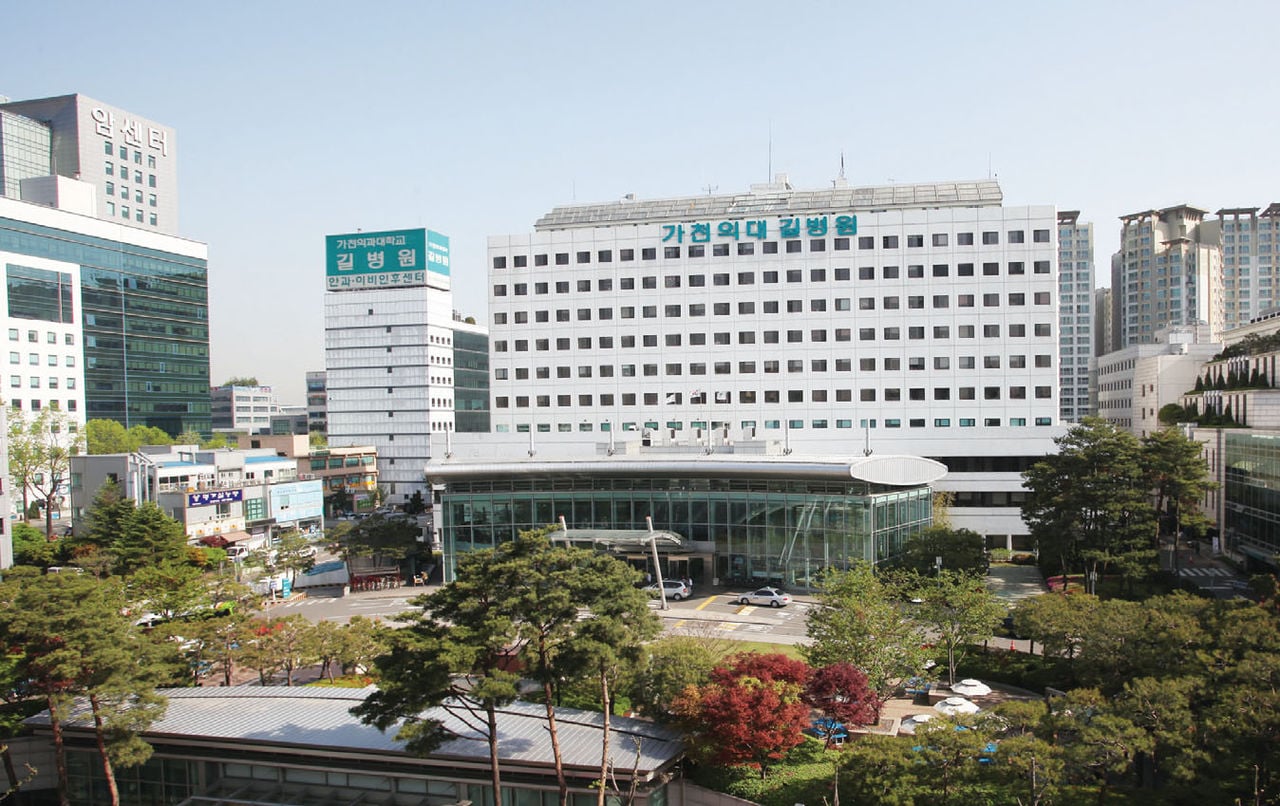
Gachon University Gil Medical Center
لقد شاهدتم 5 من 15 عيادات

أفضل مراكز طب الكلي في كوريا الجنوبية

  • Samsung Medical Center, كوريا الجنوبية
  • Ewha Womans University Medical Center, كوريا الجنوبية
  • Asan Medical Center, كوريا الجنوبية
  • Seoul National University Bundang Hospital (SNUBH), كوريا الجنوبية
  • Gachon University Gil Medical Center, كوريا الجنوبية

مشاركة المحتوى

Twitter XLinkedinFacebookWhatsAppEmail
أحصل على الرابط

قصص فيديو من مرضى Bookimed

Dayana
جمعت بين إجازتي في أنطاليا والفحص الطبي.
إجراء: فحص صحة الإناث (انظر فحص النساء)
Igor
كان رائعاً! التنقلات والإقامة والعلاج - كل شيء مشمول.
إجراء: زرع الأسنان
مستشفى: WestDent Clinic
Marina
قام Bookimed بكل شيء من أجلي. لم أضطر للقلق بشأن أي شيء.
إجراء: فحص صحة الإناث (انظر فحص النساء)
مستشفى: Severance Hospital
محدث: 05/27/2022
تأليف
Anna Leonova
Anna Leonova
رئيس فريق تسويق المحتوى
محررة طبية معتمدة لديها خبرة تزيد عن 10 سنوات، طوّرت محتوى Bookimed الموثوق، مدعومة بماجستير في علم اللغة ومقابلات مع خبراء طبيين من جميع أنحاء العالم.
تمت المراجعة من قبل المستشار الطبي في Bookimed
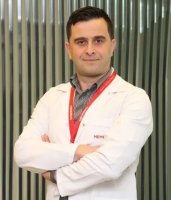
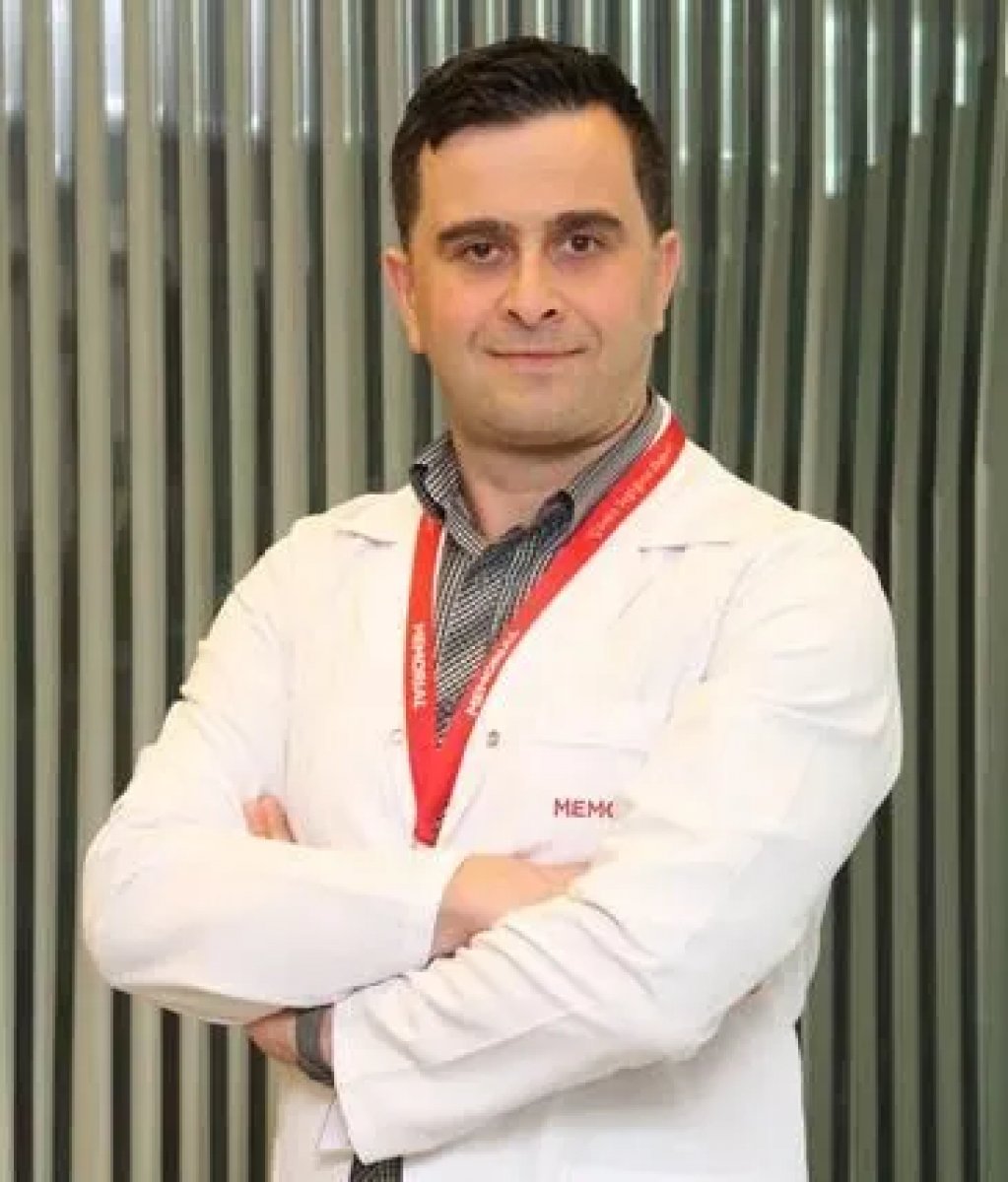
Gokhan Temiz
أخصائي كلى
الأستاذ الدكتور جوكهان تميز هو طبيب متخصص في أمراض الكلى، وخاصة زراعة الكلى وغسيل الكلى وأمراض الكبيبات. وقد نشر أكثر من 60 مقالاً علمياً وهو عضو في الجمعية الأوروبية لأمراض الكلى (ERA-EDTA).
Gokhan Temiz Linkedin
قد تحتوي هذه الصفحة على معلومات تتعلق بمختلف الحالات الطبية والعلاجات وخدمات الرعاية الصحية المتوفرة في بلدان مختلفة. يرجى العلم أن المحتوى مقدم لأغراض إعلامية فقط ولا ينبغي تفسيره على أنه نصيحة أو إرشادات طبية. يرجى استشارة طبيبك أو أخصائي طبي مؤهل قبل البدء أو تغيير العلاج الطبي.

أسئلة متكررة حول طب الكلي في كوريا الجنوبية

هذه الأسئلة الشائعة مأخوذة من مرضى حقيقيين يبحثون عن رعاية طبية عبر Bookimed. يتم تقديم الإجابات من قبل منسقين طبيين ذوي خبرة وممثلين موثوقين من العيادات.

What is the success rate for kidney transplants in the Republic of Korea?

South Korean kidney transplant centres report exceptional success, with a 98.4% 1-year patient survival rate. Long-term outcomes are equally strong. They maintain a 95.8% survival rate after 5 years. Leading facilities like Asan Medical Center report success rates from 90% for complex cases.

  • Survival rates: Patient survival reaches 95.8% and graft survival 90.5% after 5 years.
  • Graft performance: National registries show 71.8% of transplanted kidneys function properly after 10 years.
  • Clinical expertise: Specialised centres successfully manage high-risk cases. These include ABO-incompatible (cross-blood type) transplants.
  • Accredited facilities: Major Seoul centres like Severance Hospital hold Joint Commission International (JCI) accreditation.

Bookimed Expert Insight: Data shows a link between hospital digitisation and clinical safety in Seoul. Seoul National University Bundang Hospital (SNUBH) uses the BESTcare digital system. This reduces medical errors. Treating over 1.5 million patients annually helps maintain some of the world's most stable survival figures.

Patient Consensus: Patients in South Korea often mention the efficient digital systems and fast diagnostic testing. Many feel reassured by the high volume of complex surgeries surgeons perform every day.

Can international patients receive a deceased donor transplant in the Republic of Korea?

International patients cannot receive deceased donor transplants in South Korea. The Korean Network for Organ Sharing (KONOS) reserves organs from deceased or brain-dead donors for citizens and residents. International patients on medical visas may only access living donor transplants.

  • Legal restriction: The Organ Transplant Act prevents non-residents from joining national waiting lists.
  • Living donation: Patients must bring an eligible living donor from their home country.
  • Ethical screening: Authorities conduct stringent legal checks to prevent commercial organ trafficking.
  • Domestic priority: Low donation rates mean organs are allocated based on emergency scores.

Bookimed Expert Insight: While deceased donation is restricted, centres like Asan Medical Center report transplant success rates from 90%. Facilities such as Seoul National University Hospital use digital BESTcare systems to minimise medical errors. This high-tech approach helps living donor transplants remain a safe alternative for international patients.

Patient Consensus: Patients report that clinics in the Republic of Korea steer international cases toward living donor pathways. They note that any promise of a fast deceased donor organ is a major warning sign.

Which hospitals in the Republic of Korea specialise in nephrology and kidney care?

Top Korean hospitals for nephrology include Asan Medical Center, Samsung Medical Center, Seoul National University Hospital (SNUH), and Severance Hospital. These centres lead in kidney transplants and chronic kidney disease (CKD) management. They also specialise in robotic-assisted surgeries. Most hold JCI accreditation or Newsweek global rankings for clinical excellence.

  • Asan Medical Center: Largest multidisciplinary centre with 90% kidney transplant success rates.
  • Samsung Medical Center: Provides robotic nephrectomy using the Da Vinci surgical system.
  • SNUH: Fully digitalised state facility specialising in complex organ transplants and research.
  • Severance Hospital: JCI-accredited institution offering multidisciplinary care for 4,000,000+ patients annually.

Bookimed Expert Insight: Major Seoul centres like Asan Medical Center handle the highest surgical volumes. However, Seoul National University Bundang Hospital (SNUBH) stands out for safety. It uses the BESTcare digital system to track patient data. This reduces medical errors specifically for chronic kidney disease patients.

Patient Consensus: Patients in the Republic of Korea find the transition between diagnosis and treatment seamless. They appreciate the speed of diagnostic testing and the professionalism of hospital staff.

What advanced technologies are utilised for kidney care and dialysis in the Republic of Korea?

South Korean kidney care uses digitally integrated systems. These include AI-driven diagnostics, robotic Da Vinci surgical systems, and high-volume online haemodiafiltration. Leading Seoul centres use cloud-based monitoring for home peritoneal dialysis. This allows for real-time oversight and precise management of chronic kidney disease.

  • Digital health systems: Seoul National University Hospital uses the BESTcare EHR system for precision.
  • Robotic surgical systems: Samsung Medical Center uses Da Vinci robots for precise kidney surgeries.
  • High-efficiency dialysis: Centres universally deploy high-flux membranes and high-volume online haemodiafiltration (HDF) techniques.
  • Cloud-based monitoring: Home dialysis systems relay nightly treatment data to hospital nephrologists automatically.

Bookimed Expert Insight: South Korea's nephrology landscape is defined by its digital infrastructure. While most countries use basic electronic records, SNUH and Samsung Medical Center operate as smart hospitals. This allows AI to cross-reference years of lab data instantly. It often identifies subtle diagnostic trends faster than traditional methods.

Patient Consensus: Patients note the seamless transition between in-centre and home dialysis options in South Korea. They frequently highlight how digital apps simplify tracking diet and fluid intake. These tools also keep them connected to their medical team.

What constitutes the typical wait time to begin kidney treatment in the Republic of Korea?

Initial kidney consultations and diagnostics in South Korea often occur within days of arrival. Routine treatments like dialysis start promptly once confirmed. However, deceased donor kidney transplants involve significant waiting periods. These often exceed 4.5 to 5 years due to national waitlist and matching protocols.

  • Dialysis initiation: Medical centres typically treat urgent dialysis as time-sensitive. Care starts immediately upon admission.
  • Specialist access: Outpatient reviews at major centres like Severance Hospital often occur within 1–3 days.
  • Diagnostic speed: Comprehensive tests like kidney biopsies or scintigraphy are usually completed within a few days.
  • Transplant pathway: Living donor transplants proceed much faster than deceased donor lists after matching and checks.

Bookimed Expert Insight: Priority access depends on the clinic's digital infrastructure. Centres like Seoul National University Bundang Hospital use the BESTcare system to integrate records. This allows nephrologists to review international test results instantly. Choosing a digital-first hospital can reduce diagnostic repetition and start treatment several days sooner.

Patient Consensus: Patients find that treatments begin rapidly once they enter the South Korean hospital system. They suggest bringing recent lab results to avoid repeating steps. Transplant pathways remain naturally slower due to complex matching and eligibility paperwork.

Is language and travel support provided for international kidney patients visiting the Republic of Korea?

International kidney patients in South Korea receive language and travel support through medical tourism centres and hospital international departments. Facilities often provide English-speaking coordinators. Support includes airport assistance, appointment scheduling, and translation for dialysis or nephrectomy procedures.

  • Airport assistance: Incheon International Airport provides free language support, medical coordination, and pickup arrangements.
  • Digital coordination: Seoul National University Bundang Hospital (SNUBH) uses the BESTcare system for remote patient records.
  • Language services: Ewha Womans University Medical Center prioritises international patients with dedicated translation for treatments.
  • JCI accreditation: Severance Hospital and Gangnam Severance Hospital maintain international standards for safety and communication.

Bookimed Expert Insight: Clinics with Global Healthcare Accreditation (GHA), such as SNUBH, focus on the international patient experience. These centres typically offer smoother medical record transfers and integrated digital systems. This infrastructure allows specialists to review history before arrival. This is vital for managing long-term kidney conditions.

Patient Consensus: Patients note it is important to confirm English support for lab results and medications before travelling. Many arrange accommodation separately. They rely on hospital coordinators for clinical schedules and interpreter services in Seoul.

ما الذي تريد معرفته عن كوريا الجنوبية قبل السفر؟

عملة

وون كوري جنوبي (الدفع مقابل الخدمات ممكن أيضًا بالدولار)

أفضل فترة للسفر

أبريل ومايو ويونيو أو سبتمبر وأكتوبر ونوفمبر.

لغة

الكورية (معظم الطاقم الطبي يتحدث الإنجليزية بطلاقة)

تأشيرة

غير مطلوب للإقامة لمدة تصل إلى 90 يومًا أو أقل

فارق التوقيت مع أوروبا

الساعة 9

فارق التوقيت من الولايات المتحدة الأمريكية

الساعة 9

عاصمة

سيول

مركز السياحة العلاجية

سيول

منتجعات رائجة

Gangwon-do، Gyeongju، Boseong، Jeju

ما هو مستوى الطب في كوريا الجنوبية؟

الرعاية الصحية هي قطاع التنمية الرئيسي للحكومة الكورية. السلطات الكورية مقتنعة بأن رعاية صحة المواطنين يجب أن تكون أولوية غير مشروطة لسياسة الدولة ، وتنفق سنويًا حوالي مليار دولار لجذب السياح الطبيين.

وفقًا لمارك بريتنيل ، تهيمن المستشفيات على نظام الرعاية الصحية. 94٪ من المستشفيات مملوكة للقطاع الخاص.

ما هي الخدمات الفندقية المقدمة هنا؟

في كوريا الجنوبية ، توجد فنادق ذات نطاقات أسعار ومستويات خدمة مختلفة. يختار معظم السياح فنادق 4 و 5 نجوم مع وجبات شاملة كليًا. تحتوي هذه الفنادق على كل شيء لإقامة مريحة: طعام متنوع ، منطقة كبيرة جيدة الإعداد ، رسوم متحركة للأطفال والكبار. تحتوي بعض الفنادق على حديقة مائية خاصة بها ، والتي يمكن للضيوف استخدامها مجانًا. يمكن للمسافرين ذوي الميزانية المحدودة حجز فندق اقتصادي من فئة 3 نجوم مع إقامة مع وجبتي طعام أو بدون وجبات على الإطلاق.

هل أحتاج إلى تأشيرة لكوريا الجنوبية؟

حتى الآن ، كوريا الجنوبية لديها اتفاقيات بدون تأشيرة مع 112 دولة . التأشيرة غير مطلوبة للإقامة لمدة تقل عن 90 يومًا. للبقاء لفترة أطول في هذا البلد ، تحتاج إلى تأشيرة. ما هي الدول التي تحتاج إلى تأشيرة للعلاج في كوريا الجنوبية وأي الدول يمكنها عبور الحدود مجانًا وقراءتها بسهولة هنا .

ما هي المستندات المطلوبة لتقديم طلب تأشيرة لكوريا الجنوبية للعلاج؟

تتطلب تأشيرات السفر إلى كوريا الجنوبية عددًا من المستندات . يمكن تقديم الأوراق اللازمة قبل 90 يومًا من المغادرة المخطط لها. قائمة الوثائق تشمل:

  • بطاقة الهوية
  • تأكيد التسجيل عبر الإنترنت وملء الاستبيان
  • شهادة الدخل وتوافر الأموال
  • بوليصة تأمين للإقامة في كوريا الجنوبية (أصلية ونسخة)
  • صورتان (5x6)
  • الحصول على تأشيرة
  • حجز الطيران والفنادق
  • رأي الطبيب في الحاجة للعلاج.

ما هي أشهر جراحات التجميل؟

وفقًا لإحصاءات ASPS ، تم إجراء 17.7 مليون عملية تجميل و 5.8 مليون عملية ترميمية في عام 2018. تشمل الإجراءات التجميلية الأكثر شيوعًا ما يلي:

  • تكبير الثدي
  • شفط الدهون
  • عملية تجميل الأنف
  • جراحة الجفن
  • شد البطن.

تعد إزالة الورم ، والتئام الدموع ، وجراحة الوجه والفكين ، ومراجعة الندبات ، وجراحة اليد من أكثر العمليات شيوعًا في سياق الجراحة الترميمية.

احصل على استشارة مجانية

حدد أفضل طريقة للاتصال بك