طب الكلي في النمسا — التكاليف 2026

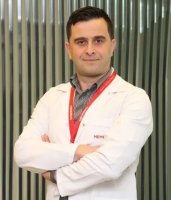
تمت مراجعة المقالة طبيا من قبل
Gokhan Temiz
ما هي تكلفة طب الكلي في النمسا؟ اكتشف الآن
تتراوح تكلفة علاج أمراض الكلى في النمسا عادةً بين $10,600 و $22,900. تعتمد النفقات النهائية على مدى تعقيد الحالة الكلوية، والطريقة الجراحية المحددة المستخدمة، وما إذا كان المريض يحتاج إلى رعاية داخل المستشفى. وغالباً ما يجد المرضى الدوليون أن هذه الإجراءات المتخصصة توفر ما بين 40-50% من التكاليف مقارنة بالولايات المتحدة.
متوسط تكاليف أمراض الكلى في النمسا
- استشارة طبيب مسالك بولية: من $140
- فحص طبي أساسي: السعر عند الطلب
- غسيل الكلى: $330 – $550
- استئصال الكلية: $14,500 – $21,000
- استئصال الكلية باستخدام روبوت دافنشي: $17,500 – $24,000
- رأب حويضة الكلية: $14,000 – $22,000
- تنظير الحالب مع تفتيت الحصوات بالليزر (إزالة حصوات الكلى): $4,800 – $7,200
تتركز معظم خدمات أمراض الكلى المتخصصة في فيينا وغراتس. وعلى الرغم من أن التكاليف الطبية موحدة نسبياً في جميع أنحاء البلاد، إلا أن المرافق الخاصة في فيينا قد تفرض رسوماً إدارية مختلفة. يجب عليك استشارة أخصائي للحصول على تسعير دقيق لاحتياجاتك الطبية المحددة.
| النمسا | تركيا | إسبانيا | |
|---|---|---|---|
| غسيل الكلى | ≈ $330 | من $210 | ≈ $180 |
| رأب الحويضة | ≈ $14,000 | ≈ $4,200 | ≈ $7,200 |
| تنظير الحالب مع تفتيت الحصوات بالليزر (إزالة حصوات الكلى) | ≈ $4,800 | من $10,300 | ≈ $3,600 |
| تفتيت حصيات مجرى البول بالمنظار | ≈ $3,200 | من $7,500 | من $10,700 |
| البلازما | ≈ $2,000 | من $3,200 | من $12,200 |
جميع أمراض طب الكلي
مزاياك وضماناتك مع Bookimed
أسعار مباشرة
Bookimed لا يضيف رسوماً إضافية على أسعار علاج طب الكلي. الأسعار مأخوذة من قوائم الأسعار الرسمية للعيادات. تدفع مباشرة في العيادة مقابل علاجك عند وصولك إلى البلد.
عيادات وأطباء معتمدون فقط
Bookimed ملتزم بسلامتك. نحن نعمل فقط مع المؤسسات الطبية التي تحافظ على معايير دولية عالية في علاج طب الكلي ولديها التراخيص اللازمة لخدمة المرضى الدوليين في جميع أنحاء العالم.
مساعدة مجانية على مدار الساعة
Bookimed يقدم مساعدة خبراء مجانية. منسق طبي شخصي يدعمك قبل وأثناء وبعد العلاج، ويحل أي مشاكل. لن تكون وحيداً أبداً في رحلة علاج طب الكلي.

منسقك الطبي الشخصي في Bookimed
- يدعمك في كل مرحلة
- المساعدة في اختيار العيادة الطبية المناسبة والطبيب المناسب
- يضمن الوصول السريع والمريح إلى المعلومات
اكتشف أفضل عيادات طب الكلي: 5 خيارات معتمدة والأسعار






Leech Private Clinic

أفضل مراكز طب الكلي في النمسا
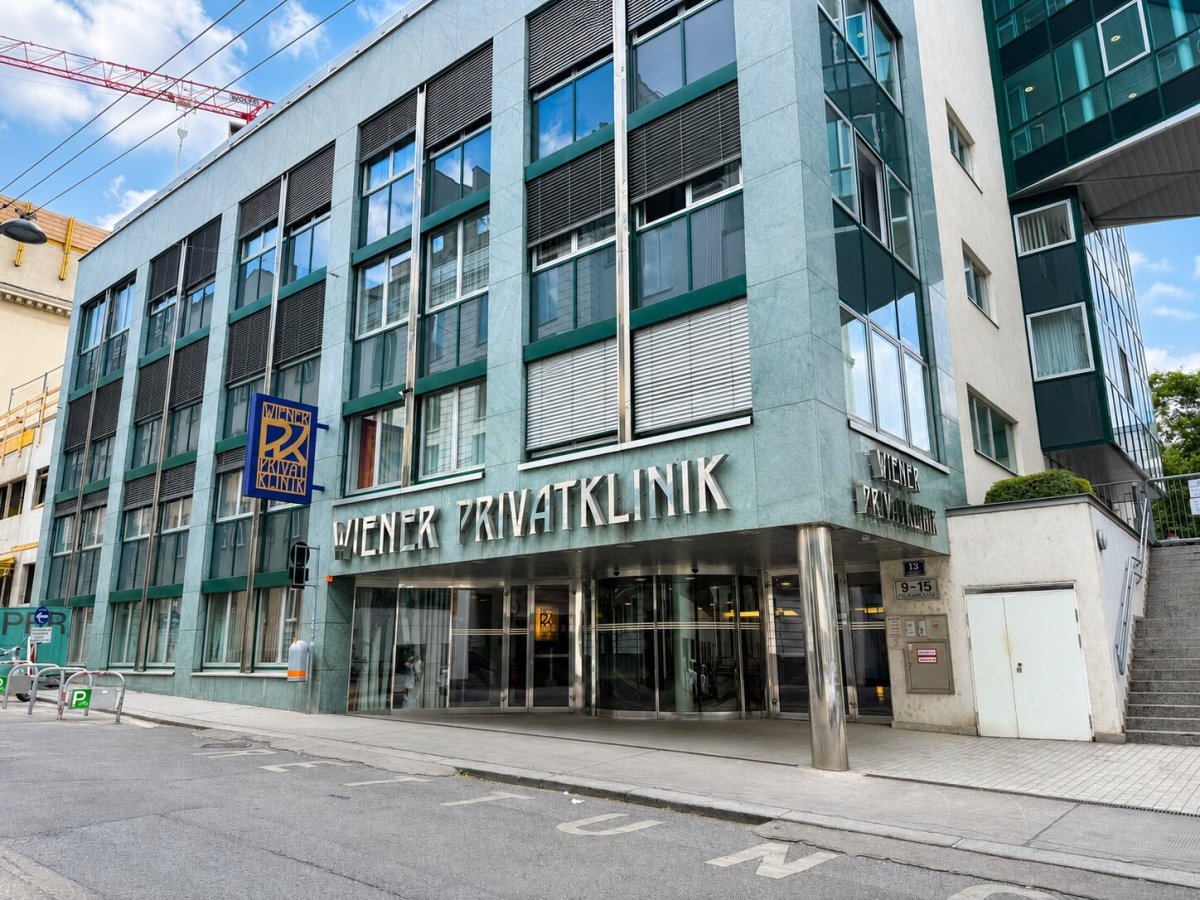
- Wiener Privatklinik, النمسا
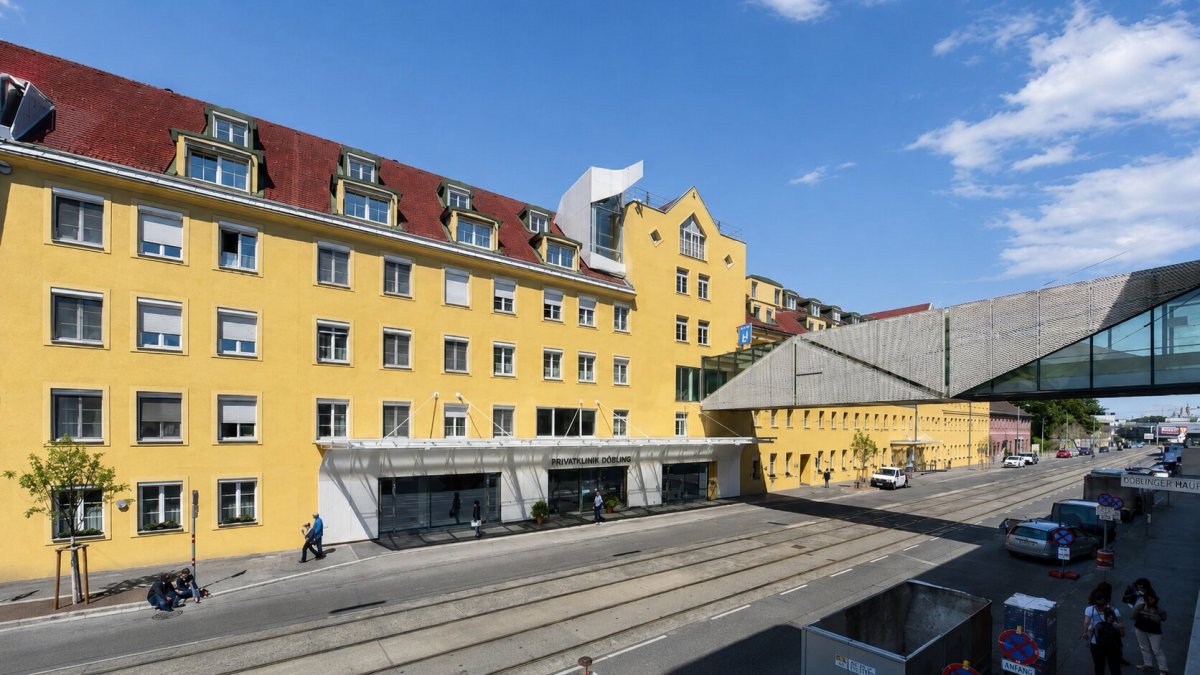
- Döbling Private Hospital, النمسا
- Vienna General Hospital (AKH), النمسا
- Leech Private Clinic , النمسا
- Armona Medical Alpinresort, النمسا
مشاركة المحتوى
قصص فيديو من مرضى Bookimed
 Anna Leonova
أسئلة متكررة حول طب الكلي في النمسا
ما هي المستشفيات الرائدة في النمسا في مجال أمراض الكلى وزراعة الأعضاء؟
تُعدّ النمسا رائدةً في مجال طب الكلى، بفضل مراكز زراعة الأعضاء المتخصصة في فيينا، وغراتس، وإنسبروك، ولينز. ويُعتبر مستشفى فيينا العام (AKH) المركز الرئيسي لعلاج أمراض الكلى المعقدة وزراعة الأعضاء. كما تُقدّم العيادات الخاصة، مثل عيادة فيينا الخاصة (Wiener Privatklinik)، خدمات تشخيصية عالية الجودة ورعاية متخصصة لأمراض الكلى.
- مستشفى فيينا العام: أكبر قسم لأمراض الكلى وزراعة الكلى في النمسا.
- عيادة فيينا الخاصة: تتكون من فرق متعددة التخصصات، بما في ذلك أساتذة من جامعة فيينا الطبية.
- مستشفى دوبلينغ الخاص: يعالج 16000 مريض سنوياً، بمعدل مضاعفات أقل من القيم الاسمية.
- مستشفى ليتش الخاص: يقدم خدمات تشخيصية وجراحية متقدمة بخبرة تقارب 20 عامًا.
رأي خبراء بوكيمد: على الرغم من أن مستشفى فيينا العام (AKH) يستقبل أكبر عدد من المرضى، إلا أن العيادات الخاصة مثل عيادة فيينا الخاصة (Wiener Privatklinik) توفر وصولاً أسرع إلى الخدمات الطبية نفسها. العديد من أطباء عيادة فيينا الخاصة هم أيضاً أساتذة في جامعة فيينا الطبية، مما يتيح للمرضى الحصول على رعاية طبية بمستوى جامعي دون فترات الانتظار المعتادة في المستشفيات الحكومية.
رأي المرضى
ما هي العلاجات الحديثة لحصى الكلى المتوفرة في النمسا؟
تعتمد العلاجات الحديثة لحصى الكلى في النمسا على تقنيات طفيفة التوغل، مثل تفتيت الحصى بالليزر وتفتيت الحصى بالموجات الصدمية. وتقدم مراكز في فيينا وغراتس تفتيت الحصى بالمنظار الإحليلي للحالات المعقدة. تضمن هذه الإجراءات التعافي السريع، وهي فعالة للغاية في علاج الحصى مهما كان حجمها.
- تفتيت الحصى بالليزر: يستخدم أشعة ليزر عالية الطاقة لتفتيت الحصى أثناء إجراءات تنظير الحالب.
- تفتيت الحصى بالموجات الصدمية: يستخدم موجات صوتية غير جراحية لسحق الحصى الصغيرة إلى غبار.
- دقة التشخيص: تستخدم المرافق الطبية أجهزة التصوير بالرنين المغناطيسي والتصوير المقطعي المحوسب بقوة 3 تسلا لرسم خرائط دقيقة للحصى.
- مراكز التميز: يقدم مستشفى مدينة فيينا (AKX) الرعاية الطبية لأكثر من 595000 مريض سنوياً باستخدام معايير مبتكرة.
مراجعة الخبراء على موقع Bookimed: توفر العيادات التي تستقبل أعدادًا كبيرة من المرضى من الأوساط الأكاديمية، مثل عيادة فيينا الخاصة، إمكانية الوصول إلى أساتذة من جامعة فيينا الطبية. غالبًا ما يعالج هؤلاء الأخصائيون حالات معقدة من حصى الكلى. يُمكن أن يُقلل اختيار هذه المراكز من الحاجة إلى تكرار الإجراءات بفضل استخدام أنظمة الشفط الحديثة.
هل توجد فترات انتظار طويلة لإجراءات أمراض الكلى غير العاجلة في النمسا؟
في النمسا، تُعدّ فترات الانتظار لإجراءات أمراض الكلى غير العاجلة قصيرةً مقارنةً بالمعايير الدولية. وغالبًا ما يحصل المرضى الذين لديهم تأمين صحي خاص على مواعيد خلال 3 إلى 7 أيام. أما في مرافق الرعاية الصحية العامة، فتتراوح فترات الانتظار للإجراءات الاختيارية، مثل إزالة حصى الكلى، عادةً بين 8 و12 أسبوعًا. ولا يزال نظام فرز الحالات الطارئة فعالًا للغاية في جميع المناطق.
- توافر التشخيص: في بعض الحالات، تم تقليل وقت الانتظار لأخذ خزعة من الكلى إلى أقل من يوم واحد.
- تأثير التأمين: يقلل التأمين الخاص من أوقات الانتظار للعمليات الجراحية الاختيارية من 9.5 أسابيع إلى حوالي 6 أسابيع.
- حالة الزرع: حاليًا، ينتظر أكثر من 1050 مريضًا عملية زرع الكلى ضمن شبكة يوروترانسبلانت.
- الاستشارات المتخصصة: عادةً ما يتم إجراء فحص أولي من قبل أخصائي أمراض الكلى في غضون بضعة أسابيع لأولئك المؤمن عليهم بموجب البرنامج الحكومي.
رأي خبراء بوكيمد: تُظهر بيانات المراكز الطبية الكبيرة فرقًا واضحًا في الكفاءة بين المراكز الحضرية والريفية. تعالج مؤسسات كبيرة، مثل مستشفى فيينا العام (AKH)، 595,000 مريض سنويًا، مما يؤدي إلى قوائم انتظار طويلة في العيادات الخارجية. غالبًا ما يجد المرضى سهولة أكبر في الوصول إ
هل يمكن للمرضى الأجانب الخضوع لعملية زرع كلى في النمسا؟
يمكن للمرضى الدوليين الخضوع لعمليات زراعة الكلى في النمسا بشكل أساسي من خلال برامج التبرع من الأحياء. ولا يحق للأجانب عمومًا الخضوع لعمليات زراعة الكلى من متبرعين متوفين إلا إذا كانوا مقيمين في إحدى الدول الأعضاء في منظمة يوروترانسبلانت. ويجب توفير متبرع مناسب يتمتع بصحة جيدة، والحصول على موافقة قانونية لإجراء العملية.
- التبرع بالدم من الأحياء: يتطلب الحصول على الموافقة القانونية وجود علاقة مثبتة بين المتبرع والمتلقي.
- الوصول إلى برنامج يوروترانسبلانت: الأهلية الكاملة متاحة فقط للمقيمين في البلدان المشاركة مثل ألمانيا أو بلجيكا.
- متطلبات الإقامة: يحتاج المرضى من خارج الاتحاد الأوروبي عمومًا إلى الإقامة في البلد لمدة 12 شهرًا على الأقل ليتم إدراجهم في قائمة الانتظار.
- الخيارات السريرية: توفر مستشفيات مثل مستشفى فيينا العام (AKH) دعماً جراحياً وتشخيصياً متقدماً.
رأي خبراء بوكيميد: تُظهر البيانات أن معدلات المضاعفات في المؤسسات الطبية الرائدة، مثل مستشفى فيينا الخاص ومستشفى دوبلينغ الخاص، أقل بكثير من المعدل الوطني. غالبًا ما توظف هذه المراكز الخاصة أساتذة من جامعة فيينا الطبية. وتُعد هذه الخبرة بالغة الأهمية في الحالات الدولية التي تتطلب فيها المشكلات الصحية الموجودة مس