طب الكلي في إسبانيا — التكاليف 2026

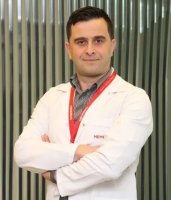
تمت مراجعة المقالة طبيا من قبل
Gokhan Temiz
ما هي تكلفة طب الكلي في إسبانيا؟ اكتشف الآن
تتراوح تكلفة علاج أمراض الكلى في إسبانيا عادةً ما بين $10,000 و $20,600. تعتمد النفقات النهائية على ما إذا كان المريض يحتاج إلى غسيل كلى روتيني، أو تدخل جراحي مثل استئصال الكلية، أو إجراءات بمساعدة الروبوت باستخدام نظام دافنشي (da Vinci). وغالباً ما يجد المرضى الدوليون وفورات تتراوح بين 30-50% مقارنة بأسعار العلاج الخاص في الولايات المتحدة.
تكاليف علاج أمراض الكلى النموذجية في إسبانيا
- استشارة طبيب أمراض الكلى: من $360
- تحليل البول: من $40
- غسيل الكلى: $180 – $350
- استئصال الكلية: من $17,700
- رأب حويضة الكلية: $7,200 – $11,000
- تفتيت الحصوات بالمنظار الإحليلي: من $10,700
- استئصال الكلية باستخدام روبوت دافنشي: من $24,600
- تنظير الحالب مع تفتيت الحصوات بالليزر: $3,600 – $5,300
- استئصال الكلية الجذري الروبوتي: $13,500 – $19,500
تتركز رعاية الكلى المتخصصة في مدريد وبرشلونة وفالنسيا. وفي حين تضم مدريد غالباً عيادات خاصة متميزة، قد تقدم المرافق في فالنسيا أو المراكز الأصغر أسعاراً أقل قليلاً. للحصول على سعر دقيق لاحتياجاتك الطبية المحددة، استشر أخصائياً.
| تركيا | إسبانيا | ألمانيا | |
|---|---|---|---|
| غسيل الكلى | من $210 | ≈ $180 | ≈ $380 |
| رأب الحويضة | ≈ $4,200 | ≈ $7,200 | ≈ $9,500 |
| تنظير الحالب مع تفتيت الحصوات بالليزر (إزالة حصوات الكلى) | من $10,300 | ≈ $3,600 | ≈ $4,000 |
| تفتيت حصيات مجرى البول بالمنظار | من $7,500 | من $10,700 | ≈ $4,000 |
| البلازما | من $3,200 | من $12,200 | ≈ $2,200 |
جميع أمراض طب الكلي
مزاياك وضماناتك مع Bookimed
أسعار مباشرة
Bookimed لا يضيف رسوماً إضافية على أسعار علاج طب الكلي. الأسعار مأخوذة من قوائم الأسعار الرسمية للعيادات. تدفع مباشرة في العيادة مقابل علاجك عند وصولك إلى البلد.
عيادات وأطباء معتمدون فقط
Bookimed ملتزم بسلامتك. نحن نعمل فقط مع المؤسسات الطبية التي تحافظ على معايير دولية عالية في علاج طب الكلي ولديها التراخيص اللازمة لخدمة المرضى الدوليين في جميع أنحاء العالم.
مساعدة مجانية على مدار الساعة
Bookimed يقدم مساعدة خبراء مجانية. منسق طبي شخصي يدعمك قبل وأثناء وبعد العلاج، ويحل أي مشاكل. لن تكون وحيداً أبداً في رحلة علاج طب الكلي.

منسقك الطبي الشخصي في Bookimed
- يدعمك في كل مرحلة
- المساعدة في اختيار العيادة الطبية المناسبة والطبيب المناسب
- يضمن الوصول السريع والمريح إلى المعلومات
اكتشف أفضل عيادات طب الكلي: 16 خيارات معتمدة والأسعار









SJD Barcelona Children’s Hospital






أفضل مراكز طب الكلي في إسبانيا
- Centro Médico Teknon, إسبانيا
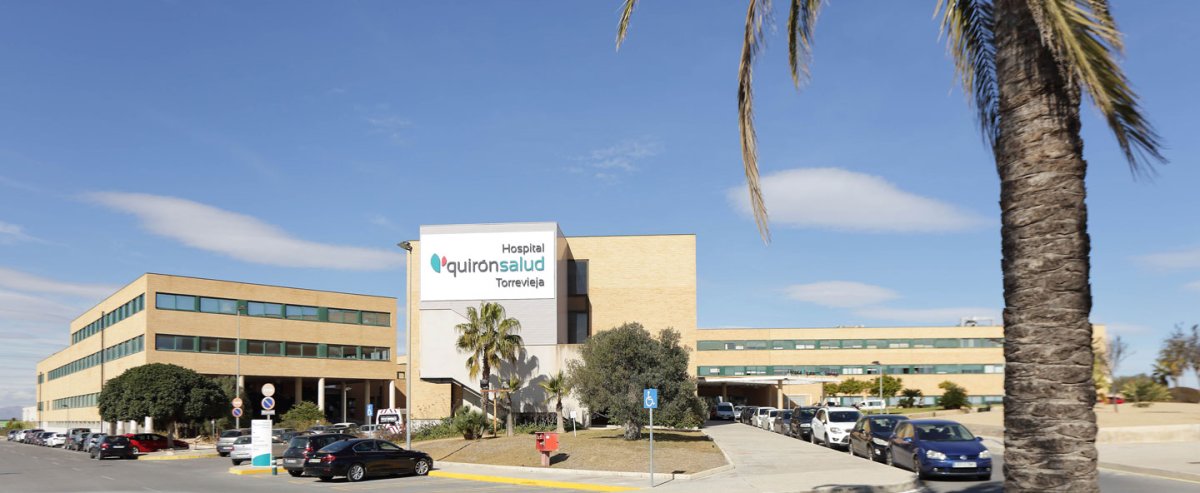
- Quironsalud Torrevieja, إسبانيا
- Quirónsalud Marbella, إسبانيا
- Quironsalud Madrid, إسبانيا
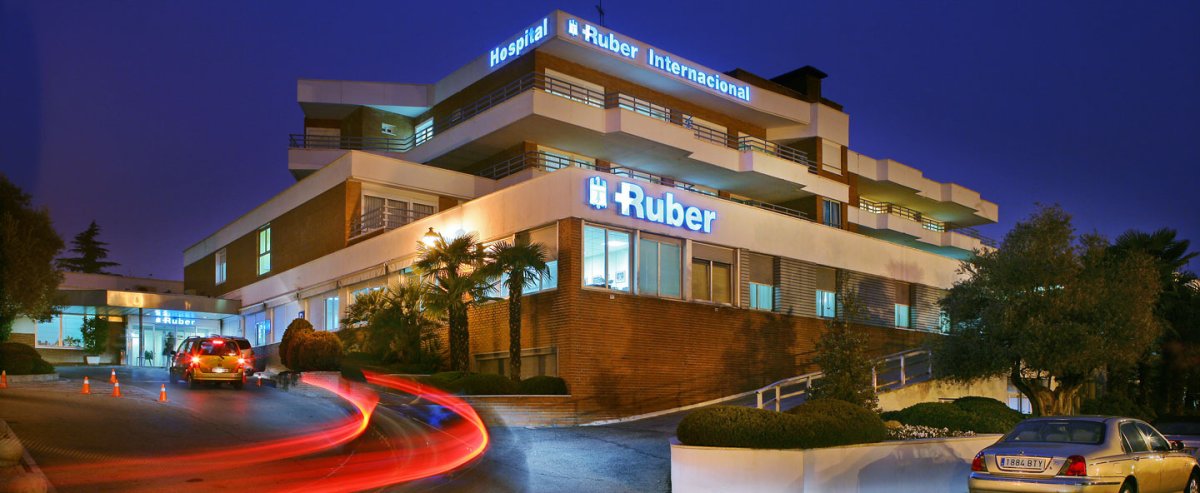
- مستشفى Ruber Internacional, إسبانيا
- SJD Barcelona Children’s Hospital, إسبانيا
- Hospital Quiron Barcelona, إسبانيا
- HM Hospitales, إسبانيا
- Clinica Universidad de Navarra (Navarra Hospital), إسبانيا
- Hospital HM Nou Delfos, إسبانيا
احصل على تقييم طبي لـ في إسبانيا: اختر أخصائيك من بين الأفضل في هذا المجال
عرض جميع الأطباء
Jorge Moises Sandrus
يقود الدكتور ساندروس قسم الطب الباطني في مركز تيكنون الطبي، ويتخصص في أمراض الكلى مع التركيز على صحة الكلى وارتفاع ضغط الدم.
- متخصص في أمراض الكلى في أفضل مستشفيات برشلونة بما في ذلك Hospital Clinic
- أكثر من 15 عاماً من الخبرة في رعاية زراعة الكلى
- رئيس قسم الطب الباطني في تيكنون منذ عام 2009
- عضو في الجمعيات الإسبانية والكتالونية لارتفاع ضغط الدم

Alberto Maranes Antonanzas
يتخصص الدكتور مارانيس في أمراض الكلى السكري، بما في ذلك المشاركة في عمليات زراعة جزر البنكرياس الرائدة لمرضى الكلى في كيرونسالود ماربيا.
- رئيس وحدة أمراض الكلى وغسيل الكلى في مستشفى كيرونسالود ماربيا
- أبحاث مكثفة حول أمراض الكلى المرتبطة بمرض السكري
- مؤلف للعديد من المنشورات الطبية والعلمية الوطنية والدولية
- يعمل بشكل وثيق مع وحدات أمراض القلب والغدد الصماء والمسالك البولية
مشاركة المحتوى
قصص فيديو من مرضى Bookimed
 Anna Leonova
أسئلة متكررة حول طب الكلي في إسبانيا
ما هي أفضل المستشفيات لأمراض الكلى في إسبانيا؟
تعد إسبانيا رائدة عالمياً في مجال أمراض الكلى، حيث تضم مؤسسات ذات تصنيف عالٍ مثل مستشفى كلينيك دي برشلونة (Hospital Clínic de Barcelona) وعيادة جامعة نافارا (Clínica Universidad de Navarra). تتفوق هذه المراكز في عمليات زراعة الكلى، وإدارة أمراض الكلى المزمنة، والجراحات بمساعدة الروبوت. تحمل معظم المرافق الرائدة اعتماد اللجنة الدولية المشتركة (JCI)، مما يضمن معايير سلامة عالية للمرضى الدوليين.
- اعتمادات العيادة: تحمل عيادة جامعة نافارا اعتماد JCI وتصنيف مجلة نيوزويك لأفضل المستشفيات في العالم.
- أخصائيون خبراء: الدكتور خورخي مويسيس ساندوس في مركز تكنون الطبي (Centro Médico Teknon) متخصص في الطب الباطني المعقد.
- التكنولوجيا الجراحية: يستخدم مستشفى كيرونسالود مدريد (Quirónsalud Madrid) أنظمة دافنشي الروبوتية لاستئصال الكلية الجذري طفيف التوغل.
- وحدات متخصصة: يتميز مستشفى كيرونسالود ماربيا (Quirónsalud Marbella) بوحدة متخصصة لأمراض الكلى وغسيل الكلى للرعاية المزمنة.
رؤية خبير Bookimed: تُظهر البيانات تمييزاً واضحاً بين حجم العمل والتركيز المتخصص في طب الكلى الإسباني. بينما يتعامل مستشفى كيرونسالود مدريد مع أكبر عدد من المرضى سنوياً في إسبانيا، تحافظ عيادة جامعة نافارا على معدل نجاح بنسبة 95% في الحالات المعقدة. يجب على المرضى الذين يسعون لإجراء جراحة روبوتية إعطاء الأولوية للمراكز ذات البنية التحتية الروبوتية الموثقة، حيث تجري هذه المرافق غالباً أكثر من 20,000 عملية سنوياً في جميع الأقسام.
إجماع المرضى: يشير المرضى إلى أن
هل يتحدث أطباء الكلى الإسبان اللغة الإنجليزية؟
يتحدث معظم أطباء الكلى الإسبان في المستشفيات الخاصة والمدن الكبرى اللغة الإنجليزية. غالبًا ما يكتسب المتخصصون الكفاءة من خلال الأبحاث الدولية والتدريب الطبي. توفر مرافق مثل Centro Médico Teknon و Quirónsalud دعمًا متعدد اللغات. كما أن العديد من الأطباء أعضاء في جمعيات عالمية مثل الجمعية الأمريكية لأمراض الكلى.
- العيادات الخاصة: توفر الشبكات الكبرى مثل Quirónsalud دعمًا كاملاً متعدد اللغات للمرضى الدوليين.
- الخبرة الأكاديمية: أكمل العديد من المتخصصين، بما في ذلك الدكتور ألبرتو مارانيس أنتونانزاس، زمالات في دول ناطقة بالإنجليزية.
- معايير الاعتماد: تعطي المستشفيات المعتمدة من قبل JCI في مدريد وبرشلونة الأولوية للموظفين الناطقين بالإنجليزية من أجل السلامة.
- مراكز المغتربين: توظف العيادات في أليكانتي وماربيا مترجمين خصيصًا للمقيمين الناطقين بالإنجليزية.
رؤية خبير Bookimed: تظهر بياناتنا وجود صلة واضحة بين حجم المستشفى وإمكانية الوصول اللغوي. تخدم المراكز الكبيرة مثل Quirónsalud Torrevieja 120,000 مريض سنويًا وتحتفظ بأقسام دولية مخصصة. تعمل هذه العيادات ذات الحجم الكبير على تبسيط العملية من خلال توفير وصول سريع ومنسقين يسدون الفجوة اللغوية لرعاية الكلى المتخصصة.
إجماع المرضى: يشير المرضى إلى أنه على الرغم من أن كبار المتخصصين غالبًا ما يكونون طلقاء في اللغة، إلا أن مهارات موظفي الدعم قد تختلف. يوصي الكثيرون بتجهيز تطبيق ترجمة كنسخة احتياطية مفيدة أثناء إجراءات التسجيل الأولية.
هل يمكن للأجانب الحصول على زراعة كلى في إسبانيا؟
يمكن للأجانب الحصول على زراعة كلى في إسبانيا بشكل أساسي من خلال برامج المتبرعين الأحياء. في حين أن قوائم المتبرعين المتوفين تعطي الأولوية للمقيمين، يمكن لغير المقيمين إحضار متبرع حي متوافق. تتبع إسبانيا مراجعات قانونية صارمة لضمان أن جميع التبرعات إيثارية. تدير مراكز متخصصة مثل عيادة جامعة نافارا (Clinica Universidad de Navarra) عمليات زراعة الأعضاء المعقدة.
- التبرع الحي: يجب على الأجانب توفير متبرع متوافق خاص بهم للمراجعة الطبية والقانونية.
- شرط الإقامة: تتطلب قوائم المتبرعين المتوفين عادةً إقامة إسبانية رسمية أو ضمانًا اجتماعيًا في الاتحاد الأوروبي.
- الخبرة السريرية: تعد عيادة جامعة نافارا مركزًا خاصًا رائدًا لزراعة الأعضاء.
- الأطباء المتخصصون: الدكتور خورخي مويسيس ساندروس في مركز تكنون الطبي (Centro Médico Teknon) متخصص في أمراض الكلى المعقدة.
رؤية خبير Bookimed: غالبًا ما تتطلب المستشفيات الخاصة الإسبانية رقم تعريف أجنبي (NIE) أو إثبات إقامة لبدء حتى التقييمات الأولية للزراعة. تظهر البيانات أن عيادات مثل Quirónsalud Torrevieja توفر وصولاً سريعًا للتشخيصات الدولية. يساعد هذا المرضى على إكمال فحوصات الكلى اللازمة أثناء قيامهم بمعالجة أوراق الإقامة المطلوبة للجراحة.
إجماع المرضى: يشير المرضى إلى أنه على الرغم من أن الرعاية الطبية استثنائية، إلا أن الروتين البيروقراطي لغير المقيمين يمثل عقبة كبيرة. يؤكد الكثيرون أن وجود متبرع حي هو الطريقة العملية الوحيدة لتجاوز قائمة الانتظار العامة التي تستغرق خمس سنوات.
ما هي معدلات نجاح عمليات الزرع في إسبانيا؟
تُبلغ إسبانيا عن بعض أعلى معدلات نجاح عمليات الزرع على مستوى العالم، حيث تصل نسبة بقاء مرضى الكلى على قيد الحياة لمدة 10 سنوات إلى 86.2%. وتتصدر البلاد العالم في التبرع بالأعضاء منذ 33 عاماً متتالية. تحافظ عمليات زرع الكلى من متبرعين متوفين على معدلات بقاء الطعم لمدة 10 سنوات بنحو 71.3%.
- بقاء الكلى: تصل نسبة بقاء متلقي الأعضاء من متبرعين أحياء إلى 99.9% خلال السنة الأولى.
- متانة الطعم: استقرت نسبة بقاء الطعم لمدة 5 سنوات من متبرعين متوفين عند 83% من عام 2008 إلى 2018.
- نتائج الكبد: تبلغ معدلات البقاء العامة لسلسلة عمليات زرع الكبد حوالي 66% على مستوى البلاد.
- حجم مرتفع: أجرت المراكز الإسبانية عدداً قياسياً بلغ 4,047 عملية زرع كلى و1,344 عملية زرع كبد في عام 2024.
رؤية خبير Bookimed: تُظهر البيانات أن المراكز الخاصة مثل عيادة جامعة نافارا (Clinica Universidad de Navarra) ومركز تيكنون الطبي (Centro Médico Teknon) تحقق نتائج عالية من خلال دمج أمراض الكلى مع الروبوتات المتقدمة. كانت عيادة جامعة نافارا أول منشأة معتمدة من JCI في إسبانيا. يرتبط هذا الاعتماد بقدرتهم على التعامل مع عمليات زرع الأعضاء المعقدة لأكثر من 700,000 مريض دولي.
إجماع المرضى: يلاحظ المرضى أن وقت الانتظار لإجراء عملية زرع في إسبانيا يمكن أن يكون أقصر بكثير مما هو عليه في البلدان الأخرى. وغالباً ما يؤكدون على أهمية الإدارة الصارمة لتثبيط المناعة والمراقبة للكشف عن الفيروس المضخم للخلايا (cytomegalovirus) بعد الإجراء.
هل يمكنني السفر إلى إسبانيا أثناء الخضوع لغسيل الكلى؟
السفر إلى إسبانيا أثناء الخضوع لغسيل الكلى أمر ممكن للغاية مع التحضير المسبق لمدة 4-6 أشهر. تتميز البلاد بشبكة قوية من الوحدات المتخصصة في المراكز الرئيسية مثل مدريد وبرشلونة وأليكانتي. يمكن للمرضى الحصول على رعاية عالية الجودة في مرافق معتمدة من قبل JCI أو من خلال نظام الصحة العامة مع الوثائق المناسبة.
- تخطيط السفر: احجز مواعيد العلاج قبل 6 أشهر، خاصة في فصل الصيف في المناطق السياحية الساحلية.
- تكاليف العلاج: تتراوح تكلفة غسيل الكلى في إسبانيا عادةً بين $180 و $350 للجلسة الواحدة.
- رعاية الخبراء: يقود متخصصون مثل الدكتور ألبرتو مارانيس أنتونانزاس في ماربيا وحدات غسيل كلى متخصصة تضم 20 محطة.
- الوثائق المطلوبة: احمل ملخصاً طبياً ووصفة غسيل الكلى باللغتين الإنجليزية والإسبانية.
رؤية خبير Bookimed: تُظهر البيانات أن المستشفيات الخاصة في إسبانيا، مثل تلك الموجودة في مجموعة Quirónsalud، مجهزة بشكل أفضل للمسافرين الدوليين مقارنة بالمراكز العامة. بينما تعطي العيادات العامة الأولوية للمقيمين، تحتفظ الوحدات الخاصة في أليكانتي وماربيا بفرق مخصصة من المترجمين وغالباً ما تتمتع بتوافر أعلى لمواعيد السياح قصيرة المدى. الحجز من خلال منشأة تضم أكثر من 400 طبيب، مثل Centro Médico Teknon، يضمن الوصول الفوري إلى دعم متعدد التخصصات في حالة حدوث مضاعفات أثناء إقامتك.
إجماع المرضى: يشير المرضى إلى أنه على الرغم من أن جودة الرعاية ممتازة، إلا أن تأمين مكان في مدن شهيرة مثل إشبيلية خلال موسم الذروة قد يكون صعباً.
ما هي العلاجات المتخصصة المتاحة؟
تقدم إسبانيا علاجات متقدمة في أمراض الكلى، بما في ذلك الجراحة بمساعدة الروبوت وغسيل الكلى المتخصص. توفر مراكز رائدة مثل Centro Médico Teknon وClinica Universidad de Navarra تفتيت الحصوات بالليزر لحصوات الكلى واستئصال الكلية الجذري الروبوتي. تحافظ هذه المرافق على اعتماد اللجنة الدولية المشتركة (JCI) لمعايير السلامة العالية في رعاية الكلى.
- الجراحة الروبوتية: تقوم أنظمة Da Vinci بإجراء عمليات استئصال الكلية ورأب الحويضة بدقة للحالات المعقدة.
- إزالة الحصوات: يوفر تفتيت الحصوات بالليزر وتنظير الحالب خيارات طفيفة التوغل لحصوات الكلى.
- استبدال الكلى: يتوفر غسيل الكلى وإدارة أمراض الكلى المزمنة في وحدات متخصصة.
- التشخيص المتقدم: تستخدم المرافق ومضات الكلى (scintigraphy) وخزعات الكلى لتحديد مراحل الاضطرابات بدقة.
رؤية خبير Bookimed: تظهر البيانات تركيزاً عالياً لخبرات أمراض الكلى في برشلونة ومدريد. يُصنف الدكتور ألبرتو مارانيس أنتونانزاس في Quirónsalud Marbella من بين أفضل المتخصصين في إسبانيا. تتعامل عيادات مثل HM Hospitales مع أكثر من 2.3 مليون مريض خارجي سنوياً. يسمح هذا الحجم الكبير بوجود وحدات فرعية متخصصة تركز بشكل صارم على أمراض الكلى السكرية ومناعة زرع الأعضاء.
إجماع المرضى: يلاحظ المرضى أن قائمة انتظار زراعة الأعضاء أقصر مما هي عليه في أمريكا الشمالية. يؤكد الكثيرون على أهمية بدء التسجيل مبكراً للوصول إلى الشبكة الوطنية المتكاملة لزراعة الأعضاء.