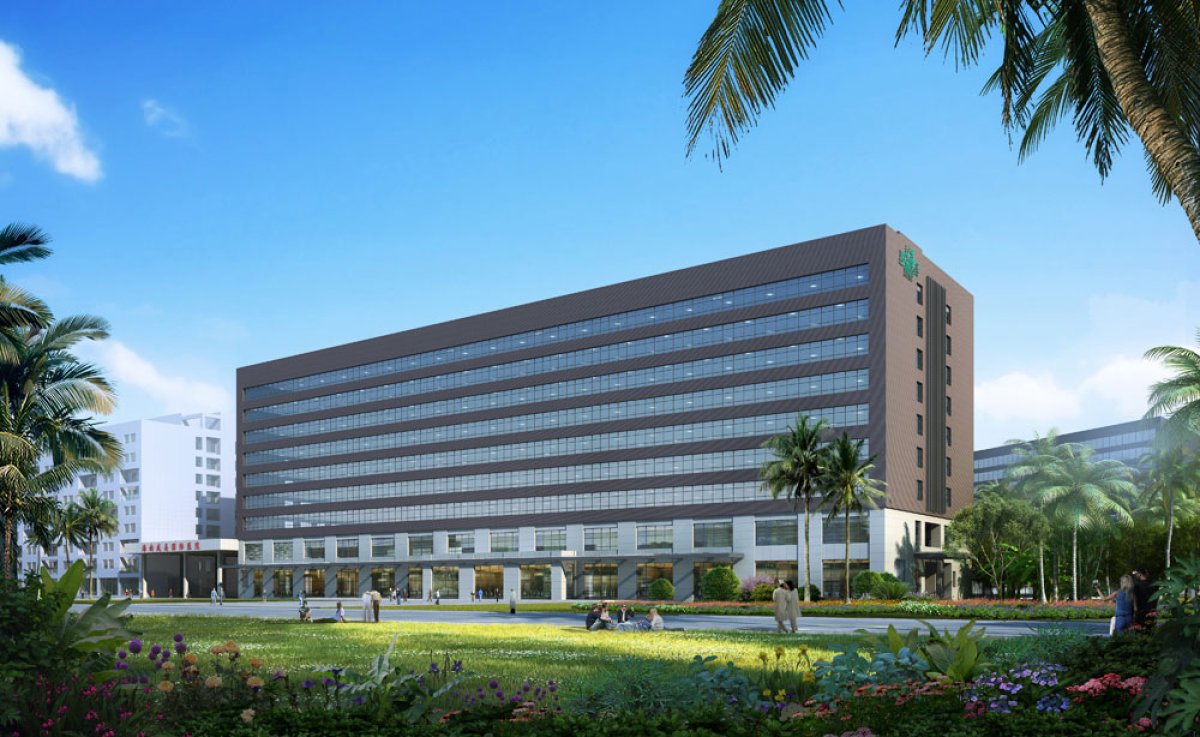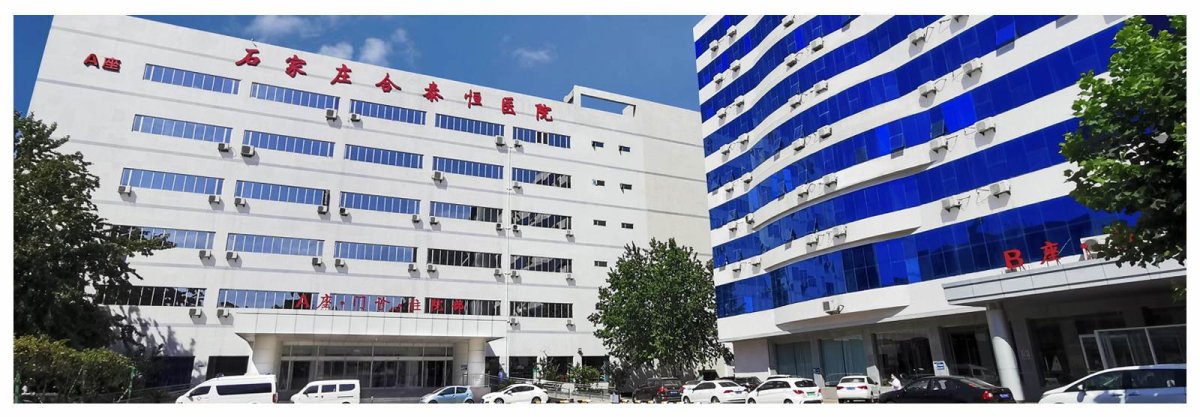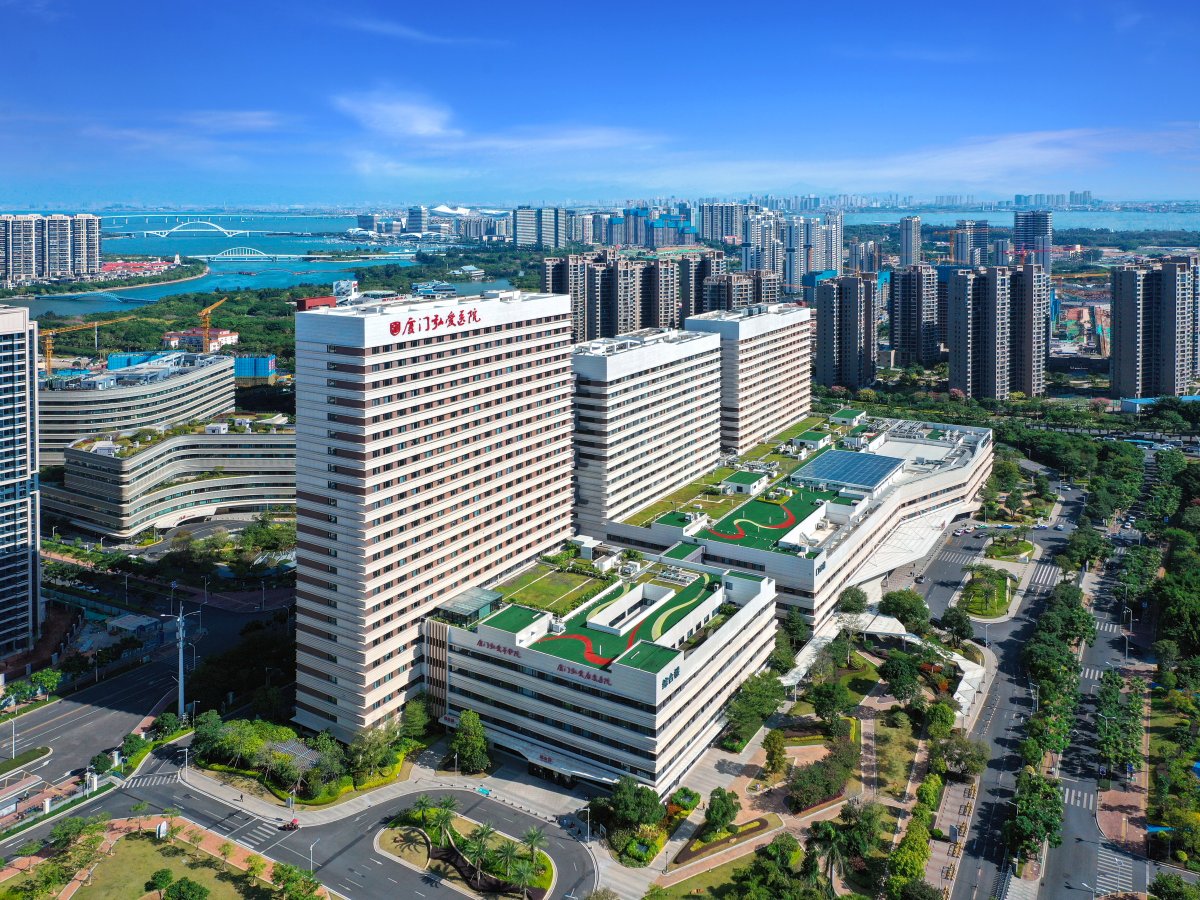
مستشفى شيامن هيومانيتي
الصين, شيامن

تمت مراجعة المقالة طبيا من قبل
Gokhan Temiz
تتراوح تكلفة علاج أمراض الكلى في الصين عادةً ما بين $7,800 و $20,800. تعتمد التكلفة الإجمالية على مرحلة مرض الكلى، وتكرار جلسات غسيل الكلى، ومدى تعقيد التدخلات الجراحية مثل الإجراءات بمساعدة الروبوت. يمكن للمرضى الذين يختارون الصين لتلقي العلاج توقع توفير ما يقرب من 40-60% مقارنة بالولايات المتحدة.
تكاليف علاج أمراض الكلى النموذجية في الصين
تقع مراكز أمراض الكلى الرئيسية في بكين وشنغهاي وسانهي. وفي حين تضم بكين وشنغهاي أكثر العيادات الخاصة تخصصاً، قد تقدم المرافق في المناطق الأخرى هياكل تسعير مختلفة. يجب عليك استشارة أخصائي للحصول على تسعير دقيق لاحتياجاتك الطبية المحددة.
| الصين | تركيا | إسبانيا | |
|---|---|---|---|
| غسيل الكلى | من $200 | من $210 | ≈ $180 |
| رأب الحويضة | ≈ $5,500 | ≈ $4,200 | ≈ $7,200 |
| تنظير الحالب مع تفتيت الحصوات بالليزر (إزالة حصوات الكلى) | ≈ $3,800 | من $10,300 | ≈ $3,600 |
| تفتيت حصيات مجرى البول بالمنظار | ≈ $2,200 | من $7,500 | من $10,700 |
| البلازما | ≈ $2,200 | من $3,200 | من $12,200 |
Bookimed لا يضيف رسوماً إضافية على أسعار علاج طب الكلي. الأسعار مأخوذة من قوائم الأسعار الرسمية للعيادات. تدفع مباشرة في العيادة مقابل علاجك عند وصولك إلى البلد.
Bookimed ملتزم بسلامتك. نحن نعمل فقط مع المؤسسات الطبية التي تحافظ على معايير دولية عالية في علاج طب الكلي ولديها التراخيص اللازمة لخدمة المرضى الدوليين في جميع أنحاء العالم.
Bookimed يقدم مساعدة خبراء مجانية. منسق طبي شخصي يدعمك قبل وأثناء وبعد العلاج، ويحل أي مشاكل. لن تكون وحيداً أبداً في رحلة علاج طب الكلي.

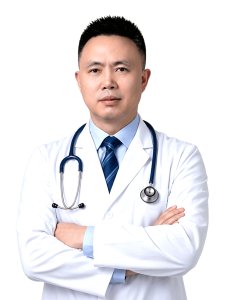
كبير الأطباء وأستاذ. خبير من الدرجة الأولى في مركز السرطان بمستشفى غرب الصين، جامعة سيتشوان (المرتبة الثانية في الصين). أنهى زمالة ما بعد الدكتوراه في الأشعة التداخلية بالمستشفى العام لجيش التحرير الشعبي الصيني. يقود رعاية فريق متعدد التخصصات (MDT) للأورام المعقدة. خبير في طب الأورام التداخلي طفيف التوغل لأورام الكبد والرئة والبنكرياس.
الاعتمادات: عضو مجلس في WATA. عضو في لجان CACA وCMDA للتدخلات، والاستئصال الحراري، والبذور المشعة، وعلاج الألم. في 2023، عضو مجلس مؤسِّس في لجنة الرعاية
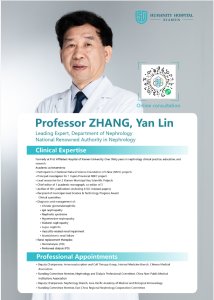
الدكتور تشانغ يان لين اختصاصي أمراض كلى معترف به على المستوى الوطني، لديه أكثر من 30 عامًا من الخبرة في الرعاية السريرية والتدريس والبحث. عمل الدكتور تشانغ سابقًا في المستشفى الأول التابع لجامعة شيامن.
شارك الدكتور تشانغ في مشروعين للمؤسسة الوطنية للعلوم الطبيعية (NSFC)، وكان الباحث الرئيس في مشروع لصندوق العلوم الطبيعية بمقاطعة فوجيان، وقاد مشروعين رئيسيين لبلدية شيامن. وهو رئيس تحرير لمؤلف علمي واحد ومحرر مشارك لثلاثة، ونشر أكثر من 30 بحثًا، بينها ستة في مجلات مفهرسة ضمن SCI.
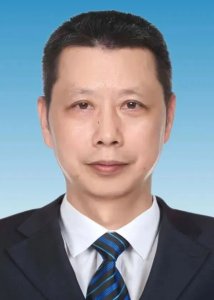
الأستاذ فان يو كبير الأطباء ومدير قسم زراعة الكلى. تصدّر مركزه ترتيب فوجيان ثلاث سنوات متتالية في زراعة الكبد والكلى. أجرى فريقه 112 عملية زراعة كلى وعملية زراعة كبد-كلية مشتركة واحدة خلال عامين.
يتخصص في زراعة الكلى، ومضاعفات ما بعد الزراعة، وإدارة العلاج المثبط للمناعة. وطوّر نظامًا يحسّن بقاء الطعوم والمرضى على المدى الطويل.
كان رائدًا في تشخيص وعلاج الرفض المزمن وتحت السريري. قاد بصفته الباحث الرئيسي أكثر من 10 منح، ونشر أكثر من 30 مقالة مفهرسة في SCI. وهو نائب رئيس فرع جرّا
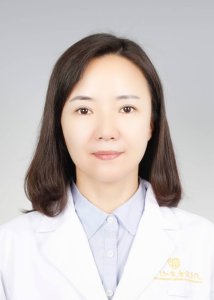
الأستاذة ليانغ شياوشياو مديرة القسم ورئيسة الأطباء في إعادة التأهيل العصبي. تحمل درجة الماجستير في طب الأعصاب. متمرسة في التعديل العصبي لاضطرابات الوعي والإدراك والحركة. يتركز عملها على حالات ناجمة عن أمراض الأوعية الدموية الدماغية، ومرض باركنسون، وحالات ذات صلة. كما تُجري حقن توكسين البوتولينوم بتوجيه الموجات فوق الصوتية لعلاج تشنج الجفن، وتشنج نصف الوجه، وتشنج الأطراف، وفرط سيلان اللعاب، وآلام الأعصاب.
الاعتمادات والمناصب: عضوة في لجان إعادة التأهيل العصبي، وإعادة تأهيل اضطرابات الإد
 Anna Leonova
تتركز أفضل المستشفيات لعلاج أمراض الكلى في الصين في بكين وشنغهاي وقوانغتشو ونانجينغ. ويُعدّ كلٌّ من المستشفى الأول لجامعة بكين والمستشفى العام لجيش التحرير الشعبي الصيني من المؤسسات الرائدة في مجال أمراض الكلى. وتتخصص هذه المراكز في غسيل الكلى الحديث، والعلاج البديل للكلى، وعمليات زراعة الكلى المعقدة.
رأي خبراء بوكيمد: تشير البيانات إلى أن مستشفيات الفئة (أ) من المستوى الثالث، مثل مستشفى ياندا الدولي ومستشفى شيامن الإنساني، تعالج أكثر من مليون مريض سنويًا. غالبًا ما تضم هذه المراكز الكبيرة أقسامًا متخصصة في الامتصاص المناعي والعلاج الخلوي. إن اختيار منشأة تجمع بين البحث الأكاديمي وحجم العمليات الجراحية الكبير يؤدي إلى نتائج علاجية أفضل للفشل الكلوي المزمن.
<تشمل التحديات الرئيسية التي تواجه مرضى غسيل الكلى في الصين اختلافات إقليمية كبيرة في تقديم الخدمات وصعوبات مالية. فارتفاع التكاليف التي يتحملها المريض مباشرةً وقيود التعويضات غالباً ما تحدّ من وتيرة العلاج. كما يواجه المرضى في المناطق الريفية عوائق تتعلق بالبنية التحتية. أما بالنسبة لغير المقيمين، فالوصول إلى الخدمات محدود ما لم تكن لديهم وثائق هوية محلية أو تأمين صحي خاص.
رأي خبراء بوكيمد: تعالج المراكز الكبيرة، مثل مستشفى ياندا الدولي، 2.5 مليون مريض سنويًا. غالبًا ما تجمع هذه المرافق بين البروتوكولات ال
في الصين، يبلغ متوسط فترة الانتظار لزراعة الكلى للمرضى المحليين حوالي 3-4 سنوات. وتختلف فترات الانتظار اختلافًا كبيرًا باختلاف المستشفى والاحتياجات الطبية الخاصة. أما المرضى الدوليون، فلا يستطيعون عادةً التسجيل في قوائم الانتظار الوطنية، ويضطرون في الغالب إلى الاعتماد على أحد الأقارب الأحياء كمتبرع.
رأي خبراء بوكيمد: على الرغم من أن المراكز الكبيرة مثل مستشفى جاندا الدولي تعالج 2,500,000 مريض سنويًا، إلا أنها تركز بشكل أساسي على إعادة التأهيل الشامل بدلاً من زراعة الكلى. ينبغي على المرضى الذين يحتاجون إلى علاج أمراض الكلى ملاحظة أن مستشفيات الفئة أ المستوى الثالث توفر أعلى معايير غسيل الكلى طويل الأمد استعدادًا لزراعة الكلى.
هل نتائج زراعة الكلى في الصين قابلة للمقارنة مع نتائجها في البلدان الأخرى؟
في الصين، تُضاهي معدلات نجاح عمليات زرع الكلى المعايير الدولية. يبلغ معدل البقاء على قيد الحياة لمدة عام واحد للمتلقين بعد عملية زرع الكلى من متبرع متوفى حوالي 97.8%. أما في حالة الزرع من متبرع حي من الأقارب، فيصل هذا المعدل إلى ما يقارب 99.4%. وتتوافق هذه الأرقام مع المعدلات المتوسطة المسجلة في الولايات المتحدة وأوروبا أو تتجاوزها.
رأي خبراء بوكيميد: تعالج مراكز طبية كبيرة مثل مستشفى ياندا الدولي ومستشفى شيامن الإنساني أكثر من مليون مريض سنويًا. غالبًا ما يؤدي هذا العدد الكبير من