طب الكلي في ألمانيا — التكاليف 2026

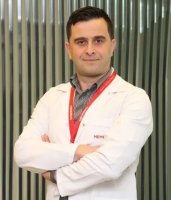
تمت مراجعة المقالة طبيا من قبل
Gokhan Temiz
ما هي تكلفة طب الكلي في ألمانيا؟ اكتشف الآن
تتراوح تكلفة علاج أمراض الكلى في ألمانيا عادةً ما بين $8,200 و $19,500. تعتمد النفقات الإجمالية على نوع العلاج، مثل غسيل الكلى الروتيني أو الجراحة الروبوتية المعقدة، بالإضافة إلى مدة الإقامة في المستشفى. وغالباً ما يجد المرضى الدوليون أن التكاليف أقل بنسبة 40-60% مقارنة بالولايات المتحدة.
تكاليف علاج أمراض الكلى النموذجية في ألمانيا
- استشارة طبيب مسالك بولية: من $180
- تحليل الدم الكيميائي الحيوي: من $96
- تصوير البطن بالرنين المغناطيسي: $650 – $700
- غسيل الكلى: $380 – $950
- استئصال الكلية: من $15,000
- تفتيت الحصوات بمنظار الإحليل: $4,000 – $7,000
- استئصال الكلية باستخدام روبوت دافنشي: $17,500 – $24,500
- جراحة تجميل حوض الكلية: $9,500 – $14,500
- تنظير الحالب مع تفتيت الحصوات بالليزر (إزالة حصوات الكلى): $4,000 – $7,000
تقع مراكز رعاية الكلى الرئيسية في برلين وهامبورغ وميونخ. تظل الأسعار عبر هذه المراكز الطبية متسقة نسبياً، على الرغم من أن العيادات الإقليمية الأصغر قد تقدم أسعاراً مختلفة قليلاً. استشر أخصائياً للحصول على تسعير دقيق لاحتياجاتك الطبية المحددة.
| تركيا | إسبانيا | ألمانيا | |
|---|---|---|---|
| غسيل الكلى | من $210 | ≈ $180 | ≈ $380 |
| رأب الحويضة | ≈ $4,200 | ≈ $7,200 | ≈ $9,500 |
| تنظير الحالب مع تفتيت الحصوات بالليزر (إزالة حصوات الكلى) | من $10,300 | ≈ $3,600 | ≈ $4,000 |
| تفتيت حصيات مجرى البول بالمنظار | من $7,500 | من $10,700 | ≈ $4,000 |
| البلازما | من $3,200 | من $12,200 | ≈ $2,200 |
جميع أمراض طب الكلي
مزاياك وضماناتك مع Bookimed
أسعار مباشرة
Bookimed لا يضيف رسوماً إضافية على أسعار علاج طب الكلي. الأسعار مأخوذة من قوائم الأسعار الرسمية للعيادات. تدفع مباشرة في العيادة مقابل علاجك عند وصولك إلى البلد.
عيادات وأطباء معتمدون فقط
Bookimed ملتزم بسلامتك. نحن نعمل فقط مع المؤسسات الطبية التي تحافظ على معايير دولية عالية في علاج طب الكلي ولديها التراخيص اللازمة لخدمة المرضى الدوليين في جميع أنحاء العالم.
مساعدة مجانية على مدار الساعة
Bookimed يقدم مساعدة خبراء مجانية. منسق طبي شخصي يدعمك قبل وأثناء وبعد العلاج، ويحل أي مشاكل. لن تكون وحيداً أبداً في رحلة علاج طب الكلي.

منسقك الطبي الشخصي في Bookimed
- يدعمك في كل مرحلة
- المساعدة في اختيار العيادة الطبية المناسبة والطبيب المناسب
- يضمن الوصول السريع والمريح إلى المعلومات
اكتشف أفضل عيادات طب الكلي: 31 خيارات معتمدة والأسعار




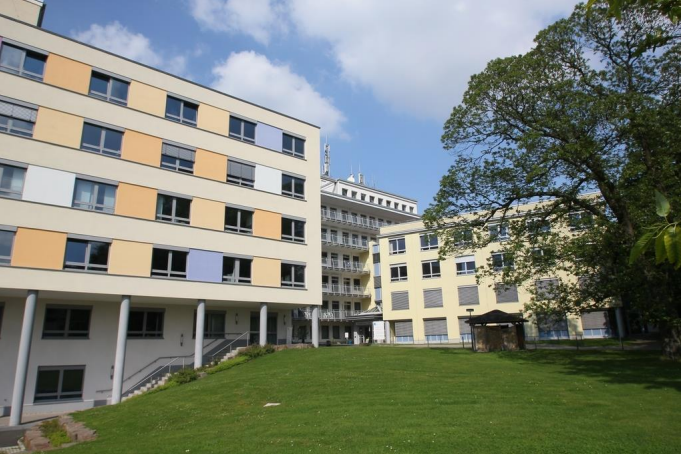
Bethanien Clinic

Hospital Havelhoehe



Kerckhoff clinic



Hospital in the Pfeiffer`s foundations

Elbland Clinic
أفضل مراكز طب الكلي في ألمانيا
- Medical Center in Solingen, ألمانيا
- Nordwest Clinic (Krankenhaus), ألمانيا
- Nordrhein-Westfalen Clinic Complex, ألمانيا
- Bethanien Clinic, ألمانيا
- Hospital Havelhoehe, ألمانيا
- Charité - Universitätsmedizin Berlin, ألمانيا
- Kerckhoff clinic, ألمانيا
- Medical Center Rechts der Isar , ألمانيا
- Hospital in the Pfeiffer`s foundations, ألمانيا
- Elbland Clinic, ألمانيا
احصل على تقييم طبي لـ في ألمانيا: اختر أخصائيك من بين الأفضل في هذا المجال
عرض جميع الأطباء
Peter Heering
يقود البروفيسور بيتر هيرينغ عيادة أمراض الكلى في المركز الطبي في سولينغن، وهو متخصص في أمراض الكلى المعقدة وارتفاع ضغط الدم. حاصل على تصنيف مجلة فوكوس.
- أكثر من 40 عامًا من الخبرة في أمراض الكلى والطب الباطني
- خبير في التهاب الأوعية الدموية الجهازي واضطرابات التمثيل الغذائي للعظام
- عضو مجلس إدارة الجمعية الألمانية لطب العناية المركزة
- مستشار لبرنامج أمراض الكلى الدولي في أفريقيا
- مؤلف للعديد من الأوراق العلمية في أمراض الكلى

Walter Zidek
يعد البروفيسور الدكتور فالتر زيديك طبيب كلى مشهوراً بخبرة تزيد عن 26 عاماً، وهو متخصص في حالات الكلى المعقدة والمضاعفات المرتبطة بمرض السكري.
- خبرة في أمراض الهرمونات والتمثيل الغذائي، بما في ذلك اضطرابات الغدة الدرقية والكظرية
- تركيز خاص على أمراض الكلى الوراثية ورعاية ما بعد الزرع
- عضو في مجلس إدارة الجمعية الطبية في برلين منذ عام 2000
- رئيس سابق للرابطة الألمانية لارتفاع ضغط الدم
- نشر أبحاثاً مكثفة في مجلات علمية محكمة
مشاركة المحتوى
قصص فيديو من مرضى Bookimed
 Anna Leonova
أسئلة متكررة حول طب الكلي في ألمانيا
متى يجب أن أرى أخصائي أمراض الكلى في ألمانيا؟
يجب عليك مراجعة أخصائي أمراض الكلى في ألمانيا إذا انخفض معدل الترشيح الكبيبي (GFR) لديك عن 60 مل/دقيقة. الإحالة الفورية ضرورية في حالات الانخفاض السريع في معدل الترشيح الكبيبي بنسبة 25% خلال عام واحد. كما تتطلب البيلة البروتينية المستمرة، أو بيلة دموية، أو ارتفاع ضغط الدم غير المنضبط رعاية كلوية متخصصة من خبراء مثل البروفيسور الدكتور بيتر هيرينغ.
- العتبات السريرية: استشر أخصائياً إذا انخفض معدل الترشيح الكبيبي عن 60 أو 30 مل/دقيقة.
- علامات التحذير في البول: ابحث عن خبراء إذا تم العثور على بروتين أو دم مستمر في اختبارات البول.
- الأعراض الجسدية: حدد موعداً للزيارة في حالة وجود تورم غير مبرر في الوجه أو الكاحلين.
- المخاطر المزمنة: يجب على مرضى السكري أو ارتفاع ضغط الدم مراقبة وظائف الكلى بانتظام.
رؤية خبير Bookimed: تظهر البيانات من مراكز كبرى مثل مستشفى شاريتيه - جامعة الطب في برلين أن الأقسام المتخصصة تدير أكثر من 100 مجال سريري مختلف. تسمح هذه الدرجة العالية من التخصص للأطباء بالتمييز بين مشاكل الكلى الروتينية والاضطرابات الوراثية النادرة. غالباً ما يحصل المرضى على مواعيد أسرع في المستشفيات الأكاديمية مثل المركز الطبي في سولينغن من خلال إحضار تحليل دم كيميائي حيوي كامل من طبيبهم المحلي.
إجماع المرضى: يؤكد المرضى على أهمية الإصرار على الحصول على إحالة إذا ظل ضغط الدم مرتفعاً أو بدا البول رغوياً. يشير الكثيرون إلى أنه على الرغم من أن أوقات الانتظار للتأمين العام قد تكون طويلة، إلا أن استخدام الخط الساخن 116117 يساعد في
ما الذي يجب أن أتوقعه أثناء استشارة أمراض الكلى في ألمانيا؟
تستغرق استشارة أمراض الكلى في ألمانيا من 15 إلى 30 دقيقة وتتبع بروتوكول تشخيصي منظم للغاية. يخضع المرضى لفحص بدني، وتحليل فوري للبول، واختبارات دم لقياس معدل الترشيح الكبيبي (GFR). توفر المراكز المتخصصة مثل المركز الطبي في سولينغن إدارة شاملة لارتفاع ضغط الدم وأمراض الكلى.
- المستندات المطلوبة: يجب على المرضى إحضار بطاقة التأمين الصحي وخطاب إحالة من طبيب الأسرة (Überweisung).
- التشخيص القياسي: توقع تحليلًا فوريًا للبول في الموقع واختبارات دم لمستويات الكرياتينين واليوريا.
- الفحص البدني: يقوم الأطباء بفحص ضغط الدم ومعدل ضربات القلب مع البحث عن وذمة في الساقين.
- الرعاية المتخصصة: تقدم المستشفيات الجامعية مثل شاريتيه برلين متابعة متقدمة لمرضى زراعة الكلى.
رؤية خبير Bookimed: يعطي أطباء الكلى الألمان الأولوية للبيانات على الحكايات، لذا فإن إحضار مذكرات أعراض موجزة أو سجل ضغط الدم أمر ضروري. غالبًا ما تتمتع العيادات التي تستقبل أكثر من 60,000 مريض سنويًا، مثل المركز الطبي في سولينغن أو عيادة نوردويست، بأوقات تشخيص أسرع بسبب المختبرات الداخلية عالية الحجم. يسمح هذا الحجم للمتخصصين بالانتقال من الاستشارة الأولية إلى خطة العلاج في زيارة واحدة.
إجماع المرضى: يشير المرضى إلى أن الاستشارات تتسم بالكفاءة والمباشرة مع القليل جدًا من الأحاديث الجانبية. من المهم أن تكون جميع نتائج المختبر السابقة جاهزة لأن الأطباء يفضلون مراجعة البيانات الصلبة لتحديد الخطوات الطبية التالية بسرعة.
ما هي طرق العلاج الأساسية المتاحة للحالات المتعلقة بالكلى في ألمانيا؟
توفر ألمانيا رعاية متقدمة للكلى تتراوح من الإدارة الدوائية للأمراض المزمنة إلى الجراحة الروبوتية وعلاجات استبدال الكلى. تستخدم المراكز المتخصصة أنظمة مثل روبوت دافنشي لعمليات استئصال الكلى وتفتيت الحصوات بالليزر. تقدم المؤسسات الرائدة مثل مستشفى شاريتيه الجامعي في برلين والمركز الطبي في سولينغن خدمات شاملة في أمراض الكلى.
- التكنولوجيا الجراحية: تكلفة استئصال الكلى الجذري الروبوتي تتراوح بين $14,500 و $21,000 باستخدام أنظمة دافنشي.
- إدارة الحصوات: يتراوح سعر تنظير الحالب مع تفتيت الحصوات بالليزر بين $4,000 و $7,000 لإزالة الحصوات.
- استبدال الكلى: تتوفر علاجات غسيل الكلى القياسية من $380 إلى $950 للجلسة الواحدة.
- استشارات الخبراء: تتراوح تكلفة استشارات أخصائي أمراض الكلى في ألمانيا بين $150 و $250.
رؤية خبراء Bookimed: تُظهر البيانات تركيزاً عالياً للخبرة في المراكز التابعة للجامعات مثل سولينغن وشاريتيه. غالباً ما تدير هذه المستشفيات أكثر من 60,000 مريض سنوياً. يسمح هذا الحجم لها بالحفاظ على وحدات متخصصة لأمراض الكلى الوراثية النادرة. كما تميل المراكز الكبيرة إلى دمج الأبحاث مباشرة في الممارسة السريرية. وهذا يعني أن المرضى غالباً ما يحصلون على علاجات دوائية أحدث مثل مثبطات SGLT2 بشكل أسرع.
إجماع المرضى: يقدر المرضى التركيز على برامج التدريب على غسيل الكلى البريتوني المنزلي، مما يحسن جودة الحياة اليومية. أشار ال
ما هي المستشفيات الألمانية الأعلى تصنيفاً لرعاية أمراض الكلى؟
تشمل أفضل المستشفيات الألمانية لأمراض الكلى مستشفى شاريتيه - يونيفرسيتيتسميديسين برلين، والمركز الطبي في سولينغن، وعيادة نوردويست. تحمل هذه المؤسسات شهادات JCI أو تصنيفات مجلة Focus. وهي متخصصة في زراعة الكلى، وغسيل الكلى، واستئصال الكلى الروبوتي. يقود الرعاية المتخصصة خبراء مثل البروفيسور الدكتور بيتر هيرينغ.
- اعتمادات العيادة: تصنف شاريتيه برلين ضمن أفضل 10 مستشفيات على مستوى العالم وفقاً لمجلة نيوزويك.
- جراحون خبراء: يتمتع البروفيسور الدكتور بيتر هيرينغ بخبرة تزيد عن 20 عاماً في قيادة قسم أمراض الكلى.
- تكنولوجيا متقدمة: تستخدم مرافق مثل مجمع عيادات شمال الراين-وستفاليا روبوتات دافنشي لإجراء عمليات استئصال الكلى.
- حجم كبير: تخدم سولينغن أكثر من 60,000 مريض سنوياً كجهة تابعة لجامعة كولونيا.
رؤية خبير Bookimed: تظهر البيانات ميزة واضحة في اختيار المراكز الأكاديمية مثل سولينغن أو شاريتيه للحالات المعقدة. تدمج هذه المستشفيات البحث مع الممارسة السريرية، وتقدم أكثر من 15 قسماً متخصصاً. يضمن هذا الإعداد حصول المرضى على رعاية متعددة التخصصات للأمراض الجهازية التي تؤثر على وظائف الكلى.
إجماع المرضى: يشير المرضى إلى أن المستشفيات الجامعية في المدن الكبرى مثل برلين توفر دعماً أفضل باللغة الإنجليزية. وغالباً ما يوصون بالبدء بهذه المراكز الكبيرة للحالات النادرة أو تقييمات الزراعة نظراً لبرامجهم الواسعة للمتبرعين الأحياء.
ما هي المستشفيات في ألمانيا التي تحظى بأعلى التقييمات في جراحة الأعصاب؟
تضم ألمانيا بعضًا من أرقى أقسام جراحة الأعصاب في العالم، بقيادة مستشفى شاريتيه الجامعي في برلين ومستشفى جامعة هايدلبرغ. وتتميز هذه المراكز بخبرتها الواسعة في علاج أورام الدماغ المعقدة وأمراض الأوعية الدموية الدماغية. ولتحقيق أقصى قدر من الفعالية في عملياتها، تستخدم هذه المراكز أحدث التقنيات، مثل التصوير بالرنين المغناطيسي أثناء الجراحة والتوجيه العصبي بمساعدة الحاسوب.
- مستشفى شاريتيه برلين: يُجري أكثر من 5000 عملية جراحية سنوياً. ويرأس العيادة جراح الأعصاب الشهير الدكتور بيتر فايكوتشي.
- المركز الطبي في سولينجن: أجرى الدكتور رالف بوهل أكثر من 4000 عملية جراحية، بما في ذلك جراحات العمود الفقري طفيفة التوغل.
- عيادة أسكليبيوس نورد: مجهزة بنظام التصوير بالرنين المغناطيسي الثنائي الوحيد في ألمانيا أثناء الجراحة لضمان الدقة الجراحية في الوقت الحقيقي أثناء إزالة الورم.
- عيادة نوردويست: تم الاعتراف بها من قبل مجلة نيوزويك كمستشفى رائد في مجال الابتكار في تكنولوجيا الموجات فوق الصوتية ثلاثية الأبعاد.
رأي خبراء بوكيمد: تشير البيانات إلى أن اختيار المراكز ذات الحجم الجراحي الكبير غالبًا ما يؤدي إلى توصيات علاجية أكثر تحفظًا. ففي مركز سولينجن الطبي، الذي يعالج أكثر من 60,000 مريض
ما هي نسب نجاح العمليات الجراحية العصبية المعقدة في ألمانيا؟
في ألمانيا، تتميز العمليات الجراحية العصبية بالغة التعقيد بمستوى أمان استثنائي. تصل نسبة نجاح عمليات دمج الفقرات إلى 99%، بينما تبلغ نسبة النجاة بعد استئصال أورام الدماغ الأولية 97%. كما يتمتع المرضى بقدرة عالية على الاعتماد على أنفسهم في أداء وظائفهم اليومية، حيث يغادر أكثر من 82% منهم المستشفى مباشرةً بعد العلاج. وتولي المراكز الألمانية اهتماماً بالغاً بالحفاظ على الوظائف العصبية باستخدام أحدث تقنيات التخطيط العصبي.
- استئصال الورم: يحقق الجراحون استئصالًا كاملاً للورم في 87.2% من حالات النقائل الدماغية.
- النجاح في علاج أمراض الأوعية الدموية: أفادت المستشفيات الألمانية بنسبة نجاة بلغت 98.7% لحالات تمدد الأوعية الدموية غير الممزقة.
- تحسن الحالة العصبية: يشهد ما يقرب من 43% من المرضى تحسناً في المعايير الوظيفية بعد عمليات الاستئصال المعقدة.
- سلامة التدخلات الجراحية: في المراكز الجراحية الكبيرة، تتراوح معدلات بقاء المرضى على قيد الحياة بعد جراحة العمود الفقري بين 98-99%.
رأي خبراء بوكيمد: يُجري جراحون ذوو خبرة، مثل الدكتور أوفه كولر من عيادة أسكليبيوس ألتونا، أكثر من 2000 عملية جراحية سنويًا. تُشير البيانات إلى أن هؤلاء المتخصصين يحافظون على معدلات نجاح تصل إلى 90%، حتى
ما هي التقنيات المتقدمة المتوفرة عادةً في عيادات جراحة الأعصاب الألمانية؟
تُدخل عيادات جراحة الأعصاب الألمانية بانتظام أدوات رقمية عالية الدقة وتقنيات تصوير فوري في الممارسة الجراحية. تشمل التقنيات الرئيسية الملاحة العصبية الحاسوبية لجراحات الدماغ والحبل الشوكي. تستخدم مؤسسات مثل عيادة أسكليبيوس نورد التصوير بالرنين المغناطيسي أثناء الجراحة للتحقق من استئصال الورم في الوقت الفعلي. توفر هذه الأنظمة للجراحين نظام ملاحة ثلاثي الأبعاد.
- الملاحة العصبية: توفر تصورًا ثلاثي الأبعاد وتتبعًا فوريًا للأدوات لتحقيق دقة جراحية تصل إلى مستوى أقل من المليمتر.
- التصوير أثناء العملية: تسمح أنظمة مثل التصوير بالرنين المغناطيسي أثناء العملية (iMRI) والتصوير المقطعي المحوسب ذي الذراع O (O-arm CT) بالتأكيد الفوري على نجاح عملية الاستئصال.
- المراقبة العصبية: تراقب الوظائف الحركية والحسية أثناء الجراحة لحماية الجهاز العصبي.
- التشخيص الفلوري: يتم استخدام صبغة 5-ALA لتسليط الضوء على حدود الورم من أجل إزالته بشكل أكثر اكتمالاً.
- المساعدة الروبوتية: تعمل أنظمة مثل نظام دافنشي على تحسين الدقة في الإجراءات المعقدة ذات التدخل الجراحي البسيط.
رأي خبراء بوكيمد: تُجري مراكز طبية كبيرة، مثل مستشفى شاريتيه الج
ما هي التدريبات المتخصصة التي يتلقاها جراحو الأعصاب الممارسون في ألمانيا؟
في ألمانيا، يتعين على جراحي الأعصاب إكمال برنامج إقامة تخصصي لمدة ست سنوات بعد التخرج من كلية الطب. يشمل هذا البرنامج المنظم العناية المركزة، والتدريب السريري، وكتابة مقالات في مجلة جراحية إلزامية. بعد ذلك، يجتاز المرشحون امتحانًا حكوميًا للحصول على لقب طبيب مقيم (Facharzt für Neurochirurgie).
- الإقامة السريرية: تتطلب من 48 إلى 72 شهرًا من الممارسة المتخصصة في جراحة الأعصاب.
- العناية المركزة: تتضمن فترة تدريب إلزامية لمدة 6 أشهر في وحدة العناية المركزة لجراحة الأعصاب.
- المجلة الجراحية: يوثق الجراحون مئات العمليات الجراحية، بما في ذلك عمليات فتح الجمجمة وجراحات العمود الفقري.
- امتحان الترخيص: يجب على المتقدمين اجتياز امتحان طبي شفوي وعملي تديره الدولة.
رأي خبراء بوكيميد: يركز التدريب الألماني في جراحة الأعصاب على الخبرة الجراحية الواسعة. فعلى سبيل المثال، أجرى الدكتور رالف بول من المركز الطبي في سولينجن أكثر من 4000 عملية جراحية. ويتمتع الدكتور يورغن كيويت من مستشفى ميوكلينيك بخبرة تزيد عن 25 عامًا. يضمن هذا النظام الدقيق أن يتعامل المتخصصون في المراكز الكبرى مع الحالات المعقدة بدقة مثبتة.
آراء المرضى: يشع
ما هي متطلبات اللغة والترخيص المطلوبة للجراحين الأجانب الراغبين في التدرب أو مراقبة العمليات الجراحية العصبية في ألمانيا؟
يجب على جراحي الأعصاب الأجانب استيفاء متطلبات لغوية وترخيصية صارمة للالتحاق بالتدريب أو فترة التدريب العملي في ألمانيا. يتطلب التدريب رخصة طبية سارية أو تصريحًا مؤقتًا. أما المتدربون، فيجب عليهم الحصول على إذن من مستشفى محدد. ويتطلب كلا الخيارين إتقانًا عاليًا للغة الألمانية للمشاركة في المناقشات السريرية وإجراء العمليات الجراحية المعقدة بأمان.
- المهارات اللغوية: مطلوب مستوى عام في اللغة الألمانية B2 ومستوى في اللغة الطبية C1 (Fachsprachprüfung) للتدريب السريري.
- الترخيص السريري: يحتاج الجراحون إلى تصريح لممارسة دائمة (Approbation) أو تصريح مهني (Berufserlaubnis) للتدريب الداخلي المؤقت الخاضع للإشراف.
- حالة المراقبة: يسمح دخول المستشفى بمراقبة العمليات الجراحية دون تحمل المسؤولية الطبية أو الحصول على ترخيص رسمي.
- تقييم المؤهلات: غالباً ما يتعين على خريجي الطب من خارج الاتحاد الأوروبي الخضوع لعملية التحقق من صحة الشهادة في غضون 3-6 أشهر.
رأي خبراء بوكيمد: غالبًا ما تُعطي العيادات الألمانية ذات الأعداد الكبيرة من المرضى، مثل عيادة نوردويست أو أسكليبيوس نورد، الأولوية للمرشحين الذين خضعوا بالفعل لتقييم أولي للوثائق. تُظهر بياناتنا أن أساتذة مثل الدكتور أوفه كولر والدكتور
هل يوجد عدد كافٍ من جراحي الأعصاب في ألمانيا لعلاج المرضى المحليين والدوليين على حد سواء؟
تضم ألمانيا أعلى نسبة من جراحي الأعصاب في أوروبا، حيث يبلغ عددهم 2.94 متخصصًا لكل 100,000 نسمة. وبفضل 184 قسمًا متخصصًا، تستطيع هذه الكفاءات المتميزة التعامل بسهولة مع تدفق المرضى الدوليين. وتُجري مراكز طبية رئيسية، مثل مستشفى شاريتيه برلين، أكثر من 4,000 عملية جراحية سنويًا. ويُوفر هذا العدد الكبير من المتخصصين قدرة إضافية على التعامل مع الحالات الدولية المعقدة.
- الكثافة التخصصية: يوجد في ألمانيا 2.94 جراح أعصاب لكل 100000 شخص، وهو ضعف المتوسط الأوروبي.
- البنية التحتية السريرية: أكثر من 182 قسمًا متخصصًا في جراحة الأعصاب تضمن سهولة الوصول الجغرافي على نطاق واسع في جميع أنحاء ألمانيا.
- الخبرة الجراحية: يقوم البروفيسور الدكتور بيتر فايكوتشي من مستشفى شاريتيه برلين بإجراء أكثر من 4000 عملية جراحية سنوياً.
- التكنولوجيا المتطورة: تستخدم عيادات مثل عيادة أسكليبيوس نورد التصوير بالرنين المغناطيسي أثناء الجراحة والتوجيه العصبي الحاسوبي.
رأي خبراء بوكيمد: على الرغم من وجود العديد من المتخصصين ذوي الكفاءة العالية في ألمانيا، إلا أن أساتذةً مثل الدكتور رالف بول أو الدكتور أوفه كولر يتركزون غالبًا في مراكز طبية كبيرة مثل هامبورغ أو سولينغن. تُظهر بياناتنا أن هذه المراكز الكبيرة