عيادات طب الكلي في إسرائيل

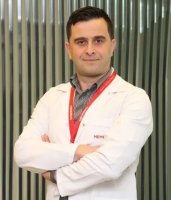
تمت مراجعة المقالة طبيا من قبل
Gokhan Temiz
ما هي تكلفة طب الكلي في إسرائيل؟ اكتشف الآن
تتراوح تكلفة علاج أمراض الكلى في إسرائيل عادةً ما بين $11,300 و $28,300. تعتمد النفقات النهائية على خطة العلاج المحددة، ومدة الإقامة المطلوبة في المستشفى، وخبرة الأخصائي. يوفر اختيار العلاج في إسرائيل وفورات تتراوح بين 30-50% مقارنة بالولايات المتحدة مع الحفاظ على معايير عالية في رعاية الكلى.
تكاليف علاج أمراض الكلى النموذجية في إسرائيل
- فحص أساسي: السعر عند الطلب
- تصوير بالرنين المغناطيسي للبطن: من $1,600
- استئصال الكلية: من $18,000
تتركز معظم خدمات أمراض الكلى المتخصصة في تل أبيب، ورمات غان، والقدس. وعلى الرغم من أن الأسعار منظمة بشكل عام، إلا أن العيادات في المدن المختلفة قد يكون لديها اختلافات طفيفة في الرسوم الإدارية. استشر أخصائياً للحصول على تسعير دقيق لاحتياجات صحة الكلى الخاصة بك.
| إسرائيل | تركيا | إسبانيا | |
|---|---|---|---|
| غسيل الكلى | من $330 | من $240 | ≈ $180 |
| رأب الحويضة | ≈ $11,500 | ≈ $4,200 | ≈ $7,200 |
| تنظير الحالب مع تفتيت الحصوات بالليزر (إزالة حصوات الكلى) | ≈ $5,500 | من $8,900 | ≈ $3,600 |
| تفتيت حصيات مجرى البول بالمنظار | ≈ $4,200 | من $7,500 | من $10,800 |
| البلازما | ≈ $1,800 | من $3,200 | من $12,300 |
جميع أمراض طب الكلي
مزاياك وضماناتك مع Bookimed
أسعار مباشرة
Bookimed لا يضيف رسوماً إضافية على أسعار علاج طب الكلي. الأسعار مأخوذة من قوائم الأسعار الرسمية للعيادات. تدفع مباشرة في العيادة مقابل علاجك عند وصولك إلى البلد.
عيادات وأطباء معتمدون فقط
Bookimed ملتزم بسلامتك. نحن نعمل فقط مع المؤسسات الطبية التي تحافظ على معايير دولية عالية في علاج طب الكلي ولديها التراخيص اللازمة لخدمة المرضى الدوليين في جميع أنحاء العالم.
مساعدة مجانية على مدار الساعة
Bookimed يقدم مساعدة خبراء مجانية. منسق طبي شخصي يدعمك قبل وأثناء وبعد العلاج، ويحل أي مشاكل. لن تكون وحيداً أبداً في رحلة علاج طب الكلي.

منسقك الطبي الشخصي في Bookimed
- يدعمك في كل مرحلة
- المساعدة في اختيار العيادة الطبية المناسبة والطبيب المناسب
- يضمن الوصول السريع والمريح إلى المعلومات
اكتشف أفضل عيادات طب الكلي: 15 خيارات معتمدة والأسعار










Assaf Harofeh Medical Center




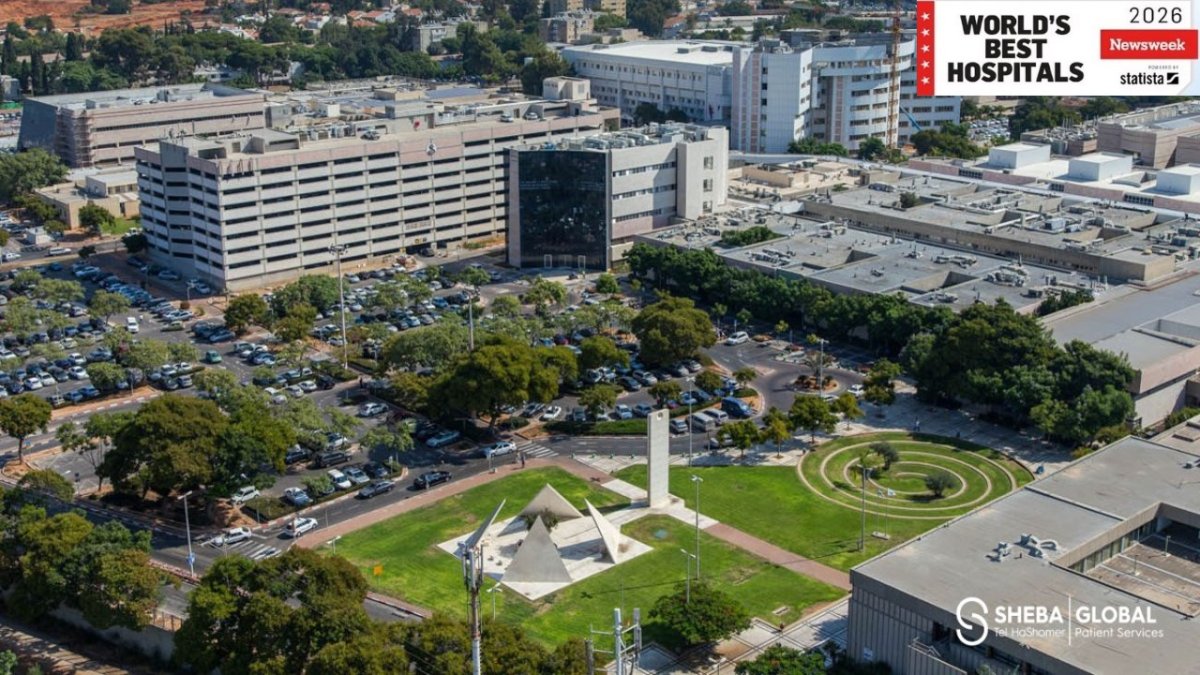
Sheba Tel HaShomer
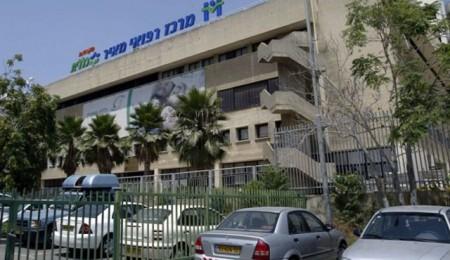
Meir Medical Center
أفضل مراكز طب الكلي في إسرائيل
- Sourasky Medical Center (Ichilov), إسرائيل
- مركز شيبا الطبي, إسرائيل
- Assuta Medical Center, إسرائيل
- Hadassah Medical Center, إسرائيل
- Rambam Medical Center, إسرائيل
- Assaf Harofeh Medical Center, إسرائيل
- Schneider Center for Children Medicine, إسرائيل
- Rabin Medical Center, إسرائيل
- Sheba Tel HaShomer, إسرائيل
- Meir Medical Center, إسرائيل
احصل على تقييم طبي لـ طب الكلي في إسرائيل. استشر الآن 8 أطباء ذوي الخبرة.
عرض جميع الأطباء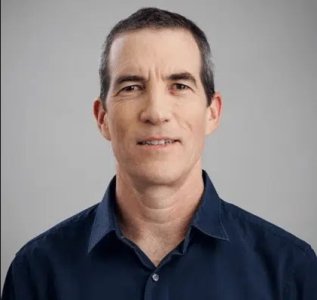
Barak Rosenzweig
الدكتور باراك روزنزويغ (MD) يدير خدمة أورام المسالك البولية في مركز شيبا الطبي. وهو جرّاح أورام بولية بخبرة تقارب 20 عامًا، يعالج سرطانات المسالك البولية المعقّدة بتقنيات روبوتية وطفيفة التوغّل متقدمة. مُدرج ضمن قائمة «أفضل أطباء إسرائيل» وفق فوربس.
تشمل خبرته أورام البروستاتا والكلية والمثانة والخصية والسبيل البولي العلوي. يجري استئصال البروستاتا الجذري بمساعدة الروبوت، والاستئصال الجزئي المحافظ على الكلية، وتنظير البطن المتقدّم. وتشمل الوسائل التشخيصية خزعة اندماجية موجّهة بتصوير الر

Schwartz Doron
مدير قسم أمراض الكلى وغسيل الكلى في مركز سوراسكي الطبي - يتخصص البروفيسور شوارتز في علاج أمراض الكلى المعقدة والأورام.
- تلقى تدريبه في طب الكلى في جامعة كاليفورنيا بسان دييغو
- أكثر من 20 عاماً في قيادة أقسام غسيل الكلى
- يستخدم أدوات تشخيصية متطورة مثل الرنين المغناطيسي والأشعة المقطعية
- أستاذ في جامعة تل أبيب
- نشر العديد من الأبحاث العلمية في مجال أمراض الكلى

Jacob Ben-chaim
يتخصص الدكتور يعقوب بن حاييم في جراحة مسالك بولية للأطفال مع التركيز على التقنيات طفيفة التوغل مثل عملية تجميل حويضة الكلية بالمنظار، مع تقدير ملحوظ لعمله.
- تلقى تدريب الزمالة في جامعة جونز هوبكنز في أبحاث مسالك بولية للأطفال
- رئيس اتحاد جراحة مسالك بولية للأطفال في إسرائيل
- حاصل على جائزة أفضل دراسة في مسالك بولية للأطفال حول عملية تجميل حويضة الكلية بالمنظار
- محاضر في كلية ساكلر للطب بجامعة تل أبيب

Roksana Klepper
أكثر من 29 عاماً من التخصص في طب أمراض الكلى للأطفال في مركز سوراسكي الطبي - يقوم البروفيسور كليبر بتجهيز الأطفال لعمليات زراعة الكبد والرعاية ما بعد الجراحة.
- عضو في ثلاث جمعيات رائدة في طب الكلى بما في ذلك المجتمع الأوروبي لطب الكلى
- متخصص في حالات الكلى لدى مرضى الأورام من الأطفال
- يتحدث الإنجليزية والعبرية بطلاقة للمرضى الدوليين
المراجعات
جميع المراجعاتمشاركة المحتوى
قصص فيديو من مرضى Bookimed
 Anna Leonova
أسئلة متكررة حول طب الكلي في إسرائيل
لماذا تُعتبر إسرائيل وجهة لرعاية أمراض الكلى ذات المستوى العالمي؟
تُعد إسرائيل وجهة رائدة في مجال أمراض الكلى بفضل معدلات نجاح زراعة الأعضاء التي تصل إلى 90% والأبحاث الرائدة في تجديد الكلى. تستخدم مرافق مثل مركز شيبا الطبي خلايا المرضى لعكس الأمراض المزمنة المحتملة. تدمج المراكز المتخصصة الجراحة الروبوتية والمطابقة المدعومة بالذكاء الاصطناعي لضمان نتائج متفوقة لحالات الكلى المعقدة.
- معدلات النجاح: يبلغ مركز تل أبيب سوراسكي الطبي (إيخيلوف) عن نجاح بنسبة 90% في عمليات زراعة الكلى.
- التكنولوجيا المتقدمة: يقوم الدكتور فلاديمير يوتكين في هداسا بإجراء جراحات روبوتية باستخدام إعادة بناء الكلى ثلاثية الأبعاد.
- طب الأطفال المتخصص: مركز هداسا الطبي هو المرفق الإقليمي الوحيد الذي يجمع بين رعاية الكلى والمسالك البولية للأطفال.
- خبرة الخبراء: يجلب أساتذة مثل روكسانا كليبر وشوارتز دورون أكثر من 30 عاماً من الخبرة السريرية.
رؤية خبير Bookimed: يتم دفع التميز في أمراض الكلى الإسرائيلية من خلال أحجام المرضى الهائلة والتكامل الأكاديمي. يتعامل مركز شيبا الطبي مع أكثر من 1,500,000 مريض سنوياً ويجري 25% من جميع الأبحاث الطبية الإسرائيلية. يسمح هذا الحجم الكبير للأطباء بإتقان الحالات النادرة مثل اعتلال الكلية بالجلوبيولين المناعي (IgA) التي نادراً ما تواجهها المراكز الإقليمية الأصغر.
إجماع المرضى: يشير المرضى إلى أنه من المهم العثور على متخصصين مثل الدكتورة كليبر الذين يحللون التاريخ الطبي قبل الاجتماع الأول. إنهم يقدرون كيفية تنسيق المراكز لكل شيء بدءاً من الترجمة وحتى خطط الرعاية المعقدة بعد الجراحة.
ما هي العلاجات الرائدة الفريدة في مراكز أمراض الكلى الإسرائيلية؟
تقود مراكز أمراض الكلى الإسرائيلية الطب التجديدي من خلال أول عضويات كلوية في العالم وبروتوكولات تجديد الخلايا الجذعية. تستخدم هذه المرافق المتخصصة مثل مركز شيبا الطبي خلايا جذعية خاصة بالأنسجة لإنشاء كلى صغيرة مستقرة. تدوم هذه النماذج لمدة 34 أسبوعًا لاختبارات الأدوية والبحوث الجينية فائقة الدقة.
- تجديد الكلى: إعادة إدخال خلايا المريض الخاصة التي تمت زراعتها في المختبر لإعادة بناء أنسجة الكلى التالفة.
- تكنولوجيا العضويات: زراعة نماذج كلى بشرية نقية من خلايا جذعية مشتقة من البول للحصول على رعاية شخصية.
- الاستئصال بالتبريد: استخدام النيتروجين السائل لتجميد وتدمير أورام الكلى بدون جراحة غازية.
- الروبوتات المتقدمة: إجراء استئصال جزئي للكلية مع إعادة بناء ثلاثية الأبعاد لتحقيق أقصى قدر من الحفاظ على الأنسجة السليمة.
رؤية خبير Bookimed: تظهر البيانات من سوراسكي وهداسا تحولًا نحو التخصيص الجينومي لكبت المناعة. بينما تستخدم العيادات القياسية بروتوكولات ثابتة، تستخدم هذه المراكز الذكاء الاصطناعي لتخصيص اختيار الدواء. يقلل هذا النهج القائم على الحجم بشكل كبير من مخاطر الرفض لحالات الزرع المعقدة.
إجماع المرضى: يؤكد المرضى على أهمية العثور على متخصصين مثل الدكتورة روكسانا كليبر الذين يحللون التاريخ الطبي الكامل قبل الاستشارات. يلاحظ الكثيرون أن هذه المراكز توفر خطط علاج واضحة تحل عدم اليقين الشائع في حالات الكلى النادرة أو غير القياسية.
هل يمكن للسياح مواصلة غسيل الكلى الروتيني أثناء تواجدهم في إسرائيل؟
يمكن للسياح إكمال غسيل الكلى الروتيني في إسرائيل في أكثر من 70 مركزًا طبيًا معتمدًا. توفر مرافق مثل مركز سوراسكي الطبي ومركز شيبا الطبي العلاج للزوار الدوليين. تتطلب معظم العيادات الحجز قبل 6-8 أسابيع. يجب عليك تقديم السجلات الطبية ونتائج المختبر الحديثة.
- المرافق المتاحة: تقدم المراكز المعتمدة من اللجنة الدولية المشتركة (JCI) مثل سوراسكي ومركز أسوتا الطبي خدمات غسيل الكلى.
- طاقم الخبراء: البروفيسور شوارتز دورون في سوراسكي متخصص في غسيل الكلى والفشل الكلوي.
- المستندات المطلوبة: يجب على المرضى تقديم وصفة طبية لغسيل الكلى، وتخطيط القلب، وتحاليل الدم الحديثة.
- تكلفة الخدمة: تتراوح تكلفة جلسات غسيل الكلى في إسرائيل عادةً بين من $330.
رؤية خبير Bookimed: تظهر البيانات أن المراكز المعتمدة من JCI مثل شيبا وسوراسكي تتعامل مع أعداد هائلة من المرضى، وغالبًا ما تتجاوز 1,000,000 سنويًا. تعني هذه السعة العالية أن لديهم بنية تحتية مخصصة لمرضى 'غسيل الكلى في العطلات' الدوليين. توفر العيادات في المدن الكبرى مثل تل أبيب أو رمات غان وصولاً أسهل إلى أطباء الكلى المتخصصين الذين يتحدثون الإنجليزية بطلاقة.
إجماع المرضى: يشير المرضى إلى أنه من الضروري إرسال السجلات الطبية عبر البريد الإلكتروني قبل أشهر. تمتلئ المواعيد بسرعة خلال مواسم الذروة، لذا فإن التأكيد المبكر ضروري للمسافرين.
ما هي معدلات النجاح ومتطلبات المتبرعين لزراعة الكلى في إسرائيل؟
تحقق زراعة الكلى في إسرائيل معدل بقاء على قيد الحياة لمدة عام واحد يتراوح بين 90% إلى 95% للمتلقين. تتفوق عمليات زراعة الأعضاء من متبرعين أحياء، حيث تصل فعاليتها إلى 95%، على حالات المتبرعين المتوفين. تستخدم مراكز متخصصة مثل مركز شيبا الطبي ومركز سوراسكي الطبي (إيخيلوف) مثبطات مناعية متقدمة للحفاظ على هذه النتائج.
- عمر المتبرع: يجب أن يتراوح عمر المتبرعين الأحياء بين 27 و72 عاماً للحصول على الموافقة القانونية.
- المعايير الصحية: ارتفاع ضغط الدم، والسكري، ومؤشر كتلة الجسم فوق 30-35 عادة ما يستبعد المتبرعين المحتملين.
- قواعد نمط الحياة: يُطلب من المتبرعين التوقف عن التدخين قبل 4 أسابيع من إجراء استئصال الكلية.
- الموافقة القانونية: يجب أن توافق اللجنة الوطنية للمتبرعين الإيثاريين على جميع حالات الزراعة لغير الأقارب.
رؤية خبير Bookimed: تُظهر المراكز الطبية الإسرائيلية مستوى عالٍ من الكفاءة من خلال دمج الرعاية المتخصصة للأطفال والبالغين. على سبيل المثال، يدير البروفيسور شوارتز دورون في مركز سوراسكي الطبي حالات أمراض الكلى المعقدة للبالغين، بينما تقوم البروفيسورة روكسانا كليبر بإعداد مرضى الأطفال لعمليات الزراعة. يضمن هذا التآزر بين الأقسام حصول المرضى في سن الانتقال على مراقبة مستمرة وعالية الجودة، وهو أمر حيوي لبقاء الطعم على المدى الطويل.
إجماع المرضى: يشير المرضى إلى أنه على الرغم من ارتفاع معدل النجاح الطبي، إلا أن قائمة الانتظار للمتبرعين المتوفين قد تستغرق من 2 إلى 5 سنوات. يؤكد الكثيرون أن وجود قريب مقرب أو زوج كمت
هل يتم التحدث باللغة الإنجليزية في عيادات أمراض الكلى الإسرائيلية؟
يتم التحدث باللغة الإنجليزية على نطاق واسع في عيادات أمراض الكلى الإسرائيلية من قبل معظم الأطباء المتخصصين. أكمل العديد من أطباء الكلى، بما في ذلك البروفيسور شوارتز دورون والدكتور فلاديمير يوتكين، زمالات دولية في الولايات المتحدة أو أوروبا. كما تستخدم الوثائق الطبية والأبحاث في المراكز الطبية الأكاديمية الرئيسية في إسرائيل الأدبيات باللغة الإنجليزية بشكل أساسي.
- كفاءة الأطباء: يحافظ معظم أطباء الكلى على طلاقة عالية بسبب التدريب الطبي الإلزامي باللغة الإنجليزية.
- طاقم الدعم: قد يكون لدى الممرضات والفرق الإدارية لغة إنجليزية محدودة أكثر مقارنة بالأطباء.
- دعم اللغة: تقدم مراكز مثل مركز شيبا الطبي أقساماً دولية مخصصة لمساعدة المرضى.
- التوفر الإقليمي: اللغة الإنجليزية هي الأكثر شيوعاً في المراكز الطبية في تل أبيب وحيفا والقدس.
رؤية خبير Bookimed: تظهر البيانات أن العيادات المعتمدة من قبل اللجنة الدولية المشتركة (JCI) مثل مركز سوراسكي الطبي وأسوتا تعطي الأولوية للموظفين الناطقين بالإنجليزية لإدارة حجم مرضاهم الدوليين المرتفع. يعالج مركز سوراسكي وحده أكثر من 400,000 مريض سنوياً، بما في ذلك العديد من الخارج. الحجز مع أطباء حاصلين على شهادة ECFMG، مثل البروفيسور يعقوب بن حاييم، يوفر طبقة إضافية من أمان التواصل للمتحدثين بالإنجليزية.
إجماع المرضى: يشير المرضى إلى أنه على الرغم من أن طبيب الكلى يتحدث عادةً لغة إنجليزية مثالية، إلا أن المهام الإدارية مثل جدولة المواعيد أو الفواتير تتطلب غالباً شخصاً يتحدث العبرية. يوصي الكثيرون
ما هي الأسئلة السريرية والمتعلقة بنمط الحياة التي يجب أن أناقشها مع طبيب الكلى الإسرائيلي الخاص بي؟
تتطلب مناقشة صحة الكلى مع أطباء الكلى الإسرائيليين مثل البروفيسور الدكتور شوارتز دورون أو الدكتورة روكسانا كليبر التركيز على مقاييس الوظائف والاستقرار على المدى الطويل. يجب على المرضى التحقق من مستويات eGFR و uACR الحالية لديهم. يعد توضيح كيفية تأثير العلاجات المتخصصة مثل استئصال الكلية الجزئي الروبوتي أو غسيل الكلى على نمط الحياة أمرًا ضروريًا للإدارة الفعالة في إسرائيل.
- الحالة السريرية: اطلب اتجاهات eGFR و uACR على مدار 3-6 أشهر لتتبع الاستقرار.
- سلامة الأدوية: تأكد مما إذا كانت أدوية ضغط الدم أو الكوليسترول الحالية آمنة للكلى.
- الوصول إلى الخبرة: استفسر عما إذا كان متخصصون مثل الدكتور فلاديمير يوتكين يقدمون خيارات روبوتية أو إعادة بناء ثلاثية الأبعاد.
- تكاليف العلاج: تحقق من أسعار إجراءات مثل غسيل الكلى، والتي تتراوح بين من $330.
رؤية خبير Bookimed: غالبًا ما تدمج أقسام أمراض الكلى الإسرائيلية في مراكز مثل سوراسكي أو شيبا التصوير المتقدم في التخطيط الروتيني. تظهر بياناتنا أن العيادات التي تجري أكثر من 34000 عملية جراحية سنويًا تميل إلى استخدام إعادة بناء الكلى ثلاثية الأبعاد للحالات المعقدة. تعمل هذه التقنية على تحسين الدقة بشكل كبير أثناء عمليات استئصال الكلية الجزئي، مما يساعد في الحفاظ على المزيد من أنسجة الكلى السليمة مقارنة بالطرق القياسية.
إجماع المرضى: يشير المرضى إلى أنه من الضروري توضيح ما إذا كانت خطط الوجبات تتبع متطلبات الكوشر أو الحلال لضمان استدامة النظام الغذائي. كما
لماذا تُعد إسرائيل واحدة من الوجهات الرائدة في جراحة الأعصاب؟
تُعدّ إسرائيل مركزًا رائدًا في جراحة الأعصاب بفضل مزيجها من التطورات الطبية عالية التقنية والخبرات الجراحية المتميزة. وتستخدم مرافق متطورة مثل مركز شيبا الطبي أنظمة ملاحة تعتمد على الذكاء الاصطناعي والتصوير بالرنين المغناطيسي أثناء الجراحة في الوقت الفعلي. وتشير المراكز المتخصصة إلى نسبة نجاح تصل إلى 98% في العمليات الجراحية المعقدة، بما في ذلك جراحة الدماغ مع اليقظة وعلاج اضطرابات الحركة.
- التكنولوجيا المتقدمة: تستخدم العيادات الموجات فوق الصوتية المركزة الموجهة بالرنين المغناطيسي (MRgFUS) والأنظمة الروبوتية لإجراء الشقوق.
- الخبرة الجراحية: يقود جراحون مثل الدكتور تسفي رام جمعيات دولية بخبرة تزيد عن 25 عامًا.
- الوصول السريع: يمكن للمرضى الدوليين عادةً تحديد مواعيد لإجراء عمليات جراحية معقدة في الدماغ أو العمود الفقري في غضون 2-4 أسابيع.
- الرعاية الطبية المعتمدة: المراكز الكبيرة مثل سوراسكي (إيشيلوف) وأسوتا معتمدة من قبل اللجنة الدولية المشتركة، مما يؤكد سلامتها.
رأي خبراء بوكيمد: تُظهر البيانات فرقًا واضحًا بين خيارات العلاج في القطاعين العام والخاص في إسرائيل. تُجري المراكز الخاصة، مثل مركز أسوتا الطبي، أكثر من 92,000 عملية جراحية سنويًا، وتتيح للمرضى اختيار جراح را
ما هي أنواع الأمراض العصبية التي يتم علاجها في إسرائيل؟
يعالج جراحو الأعصاب الإسرائيليون طيفاً واسعاً من الحالات، بدءاً من أورام الدماغ والحبل الشوكي وصولاً إلى الاضطرابات الوظيفية المعقدة. وتستخدم المراكز المتخصصة أحدث التقنيات، مثل جهاز جاما نايف، والتحفيز العميق للدماغ، والتصوير بالرنين المغناطيسي أثناء الجراحة، لتشخيص دقيق للغاية لحالات الصرع، ومرض باركنسون، وأمراض الأوعية الدموية الدماغية.
- الأمراض السرطانية: علاج الأورام الدبقية والأورام السحائية وأورام الغدة النخامية باستخدام استئصال قاعدة الجمجمة.
- الاضطرابات الوظيفية: علاج مرض باركنسون والرعاش الأساسي باستخدام التحفيز العميق للدماغ.
- أمراض العمود الفقري: تصحيح الجنف، وانزلاق الغضروف، وأورام العمود الفقري باستخدام الأنظمة الروبوتية.
- علاج أمراض الأوعية الدموية الدماغية: العلاج الجراحي لتمدد الأوعية الدموية الدماغية والتشوهات الشريانية الوريدية باستخدام التدخلات داخل الأوعية الدموية.
- جراحة الأعصاب للأطفال: رعاية متخصصة لاستسقاء الرأس والتشوهات الخلقية في مراكز طب الأطفال المتخصصة.
رأي خبراء بوكيمد: غالبًا ما تجمع المستشفيات الإسرائيلية بين تخصصات طبية متعددة لمعالجة الحالات المعقدة. ففي مركز سوراسكي ا
ما هي المستشفيات في إسرائيل التي تشتهر بأقسام جراحة الأعصاب فيها؟
تضم إسرائيل مراكز جراحة أعصاب عالمية المستوى، مثل مركز سوراسكي الطبي، ومركز شيبا الطبي، ومركز هداسا الطبي. وتُعدّ هذه المؤسسات رائدة عالميًا في علاج أورام الدماغ المعقدة، وأمراض العمود الفقري، واضطرابات الحركة. وتستخدم أحدث التقنيات، مثل جهاز جاما نايف، والأنظمة الروبوتية، والتصوير بالرنين المغناطيسي أثناء الجراحة.
- سوراسكي (إيخيلوف): يجري أكثر من 2500 عملية جراحية عصبية سنوياً في تل أبيب بنسبة نجاح تبلغ 98%.
- مركز شيبا الطبي: مصنف ضمن أفضل عشرة مستشفيات في العالم، حيث يعالج 1.9 مليون مريض سنوياً.
- مركز هداسا الطبي: مرشح لجائزة نوبل للسلام. رائد في جراحة الأعصاب للأطفال والعلاج الجيني.
- مركز أسوتا الطبي: أكبر منشأة طبية خاصة في إسرائيل. متخصص في جراحات العمود الفقري والدماغ طفيفة التوغل.
- مستشفى شنايدر للأطفال: مركز رائد في جراحة الأعصاب للأطفال، يعالج 275000 طفل سنوياً.
رأي خبراء بوكيمد: تُظهر بياناتنا أنه بينما يلجأ معظم المرضى للعلاج في تل أبيب، يُقدّم مركز رامبام الطبي في حيفا رعايةً فريدةً لإصابات الدماغ. فهو يضم وحدةً متخصصةً للعناية المركزة العصبية تُعالج ما يقارب مليون مريض سنويًا. وهذا ما يجعله
من هم أبرز جراحي الأعصاب في إسرائيل؟
من بين أبرز جراحي الأعصاب الإسرائيليين البروفيسور تسفي رام، والبروفيسور شلومي كونستانتيني، والبروفيسور إسحاق فريد من مركز سوراسكي الطبي. ويشغل هؤلاء المتخصصون مناصب قيادية في الجمعية الأوروبية لجمعيات جراحة الأعصاب (EANS) والجمعية العالمية لجراحة الأعصاب التجسيمية والوظيفية (WSSFN). ويستخدمون تقنيات رسم الخرائط المتقدمة أثناء الجراحة وأنظمة الروبوتات.
- البروفيسور تسفي رام: خبير في جراحة أورام الدماغ طفيفة التوغل والعلاج الجيني للسرطان.
- الأستاذ شلومي كونستانتيني: متخصص في إجراءات التنظير العصبي المعقدة للأطفال والجراحة المجهرية لأورام الدماغ.
- الأستاذ إسحاق فريد: خبير في جراحة الصرع، ورسم خرائط الدماغ الوظيفية، وتحفيز الدماغ العميق.
- الدكتور إيلي أشكينازي: جراح عظام رائد في مستشفى أسوتا، متخصص في نظام TOPS المبتكر.
رأي خبراء بوكيمد: تشير بيانات مركز سوراسكي وشيبا إلى وجود علاقة وثيقة بين ارتفاع عدد العمليات الجراحية وسلامة المرضى. فعلى سبيل المثال، يُجري مركز سوراسكي أكثر من 34,000 عملية جراحية لعلاج الأورام سنويًا بنسبة نجاح تصل إلى 90%. لذا، ينبغي على المرضى الذين يحتاجون إلى استئصال أورام معقدة إعطاء الأولوية لمراكز كهذه، حيث يُجري الجراحون مئات العمليات الجراحية ا