صحة الثدي في كوريا الجنوبية — التكاليف 2026


تمت مراجعة المقالة طبيا من قبل
فهد مولود
ما هي تكلفة صحة الثدي في كوريا الجنوبية؟ اكتشف الآن
تتراوح تكلفة خدمات طب الثدي في كوريا الجنوبية عادةً ما بين $6,500 و $6,500. تعتمد التكلفة الإجمالية على ما إذا كنت بحاجة إلى فحص روتيني، أو تصوير تشخيصي مثل التصوير بالرنين المغناطيسي (MRI)، أو تدخلات جراحية مثل الخزعة أو استئصال الورم. مقارنة بالولايات المتحدة، يمكن للمرضى توقع توفير ما يقرب من 50-70% من تكاليف معظم إجراءات صحة الثدي.
تكاليف طب الثدي النموذجية في كوريا الجنوبية
- تصوير الثدي بالأشعة (الماموجرام): $90 – $350
- الموجات فوق الصوتية: $100 – $150
- فحص النساء: $810 – $1,300
- تصوير الصدر بالرنين المغناطيسي: من $350
- مراجعة نتائج الرنين المغناطيسي: من $50
- استئصال الورم: من $6,500
تقع معظم المراكز المتخصصة في سيول، وإنتشون، وبوسان. وفي حين توفر سيول أعلى كثافة من المستشفيات الجامعية الكبرى، تقدم العيادات في إنتشون أحياناً أسعاراً أكثر تنافسية لباقات الفحص الدولية. استشر أخصائياً للحصول على تسعير دقيق لاحتياجاتك التشخيصية أو العلاجية المحددة.
| كوريا الجنوبية | تركيا | إسبانيا | |
|---|---|---|---|
| استئصال الكتلة | من $6,500 | من $3,600 | من $13,400 |
جميع أمراض صحة الثدي
مزاياك وضماناتك مع Bookimed
أسعار مباشرة
Bookimed لا يضيف رسوماً إضافية على أسعار علاج صحة الثدي. الأسعار مأخوذة من قوائم الأسعار الرسمية للعيادات. تدفع مباشرة في العيادة مقابل علاجك عند وصولك إلى البلد.
عيادات وأطباء معتمدون فقط
Bookimed ملتزم بسلامتك. نحن نعمل فقط مع المؤسسات الطبية التي تحافظ على معايير دولية عالية في علاج صحة الثدي ولديها التراخيص اللازمة لخدمة المرضى الدوليين في جميع أنحاء العالم.
مساعدة مجانية على مدار الساعة
Bookimed يقدم مساعدة خبراء مجانية. منسق طبي شخصي يدعمك قبل وأثناء وبعد العلاج، ويحل أي مشاكل. لن تكون وحيداً أبداً في رحلة علاج صحة الثدي.

منسقك الطبي الشخصي في Bookimed
- يدعمك في كل مرحلة
- المساعدة في اختيار العيادة الطبية المناسبة والطبيب المناسب
- يضمن الوصول السريع والمريح إلى المعلومات
اكتشف أفضل عيادات صحة الثدي: 19 خيارات معتمدة والأسعار
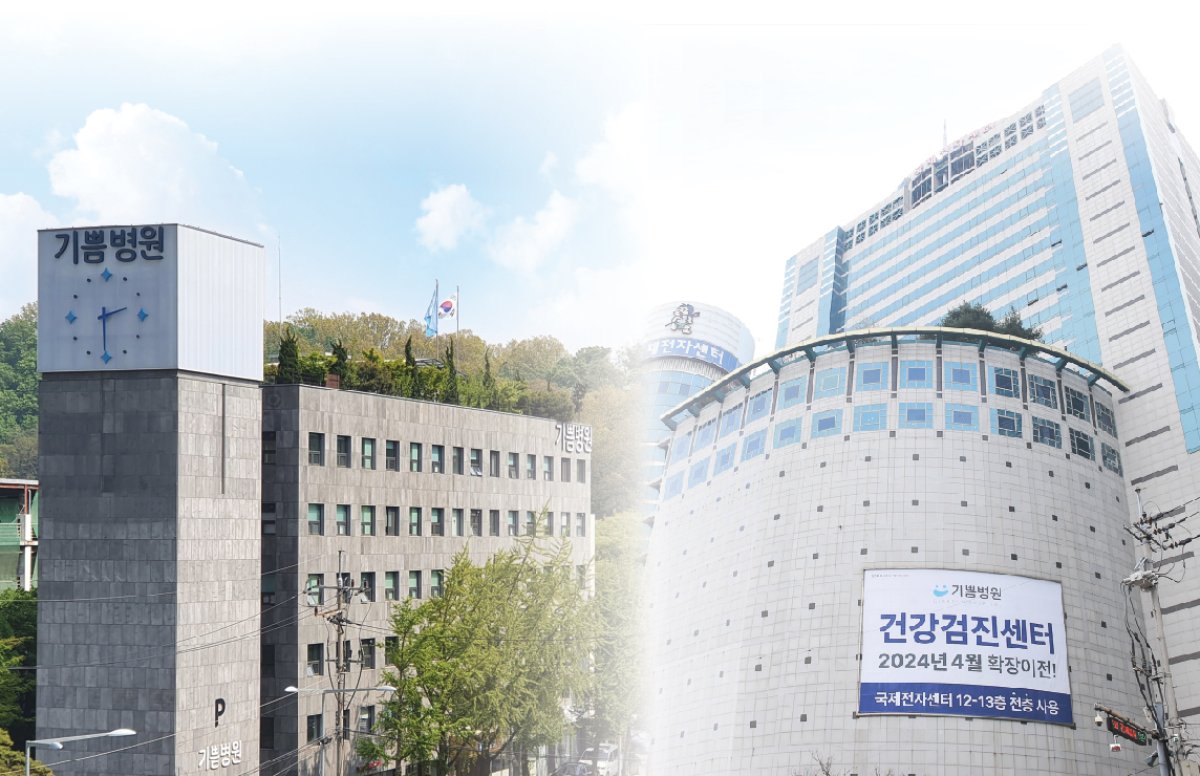
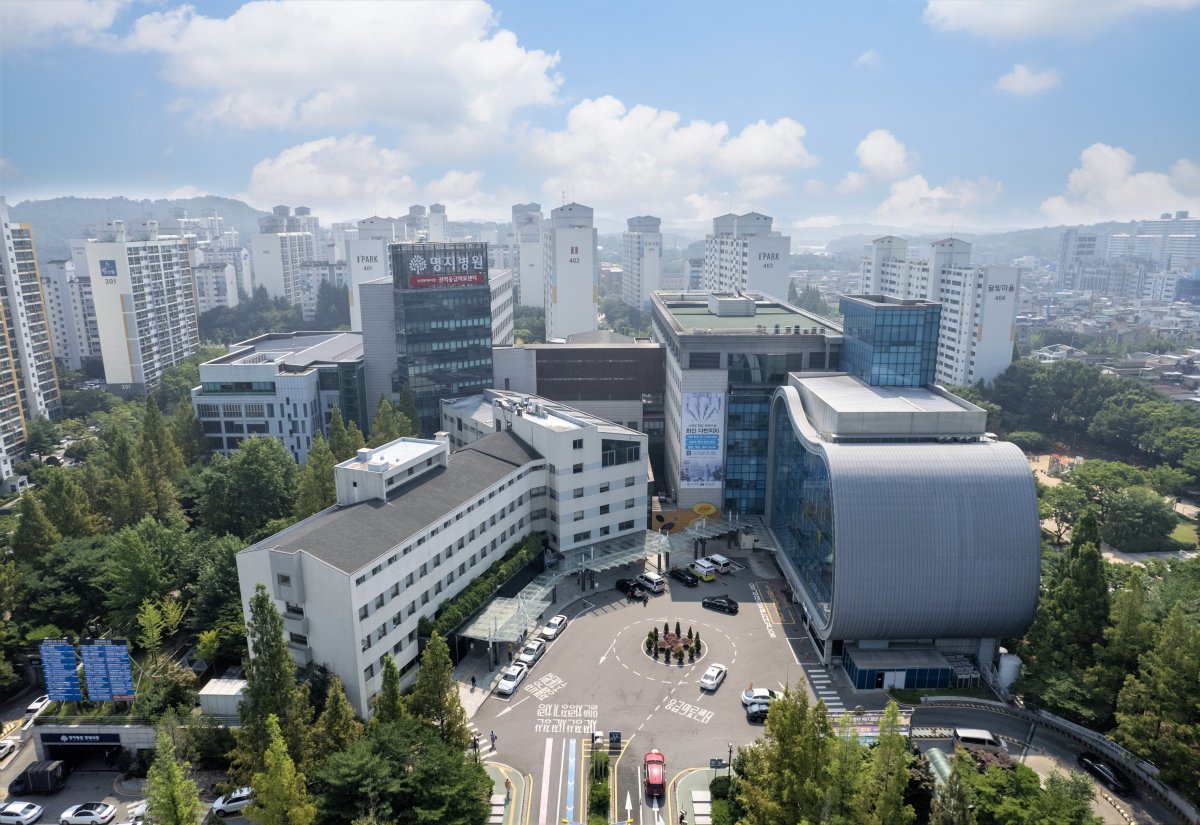




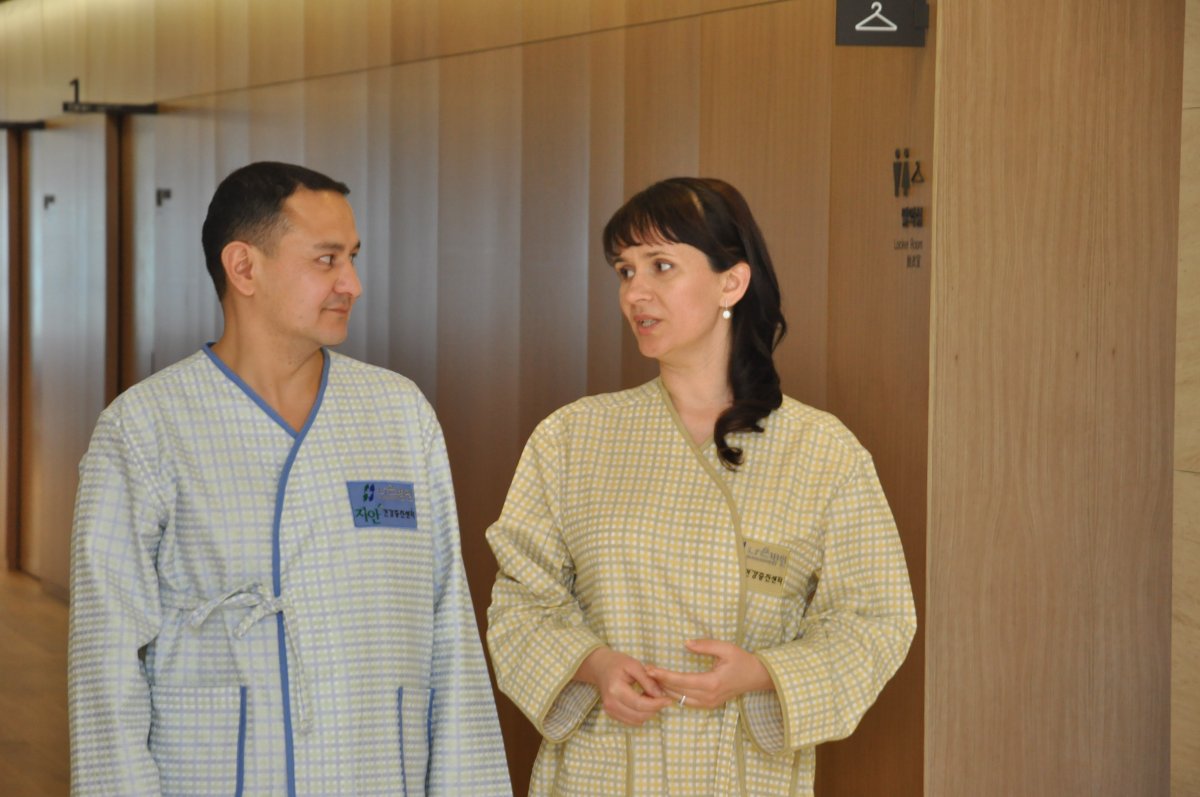

Seoul Miz Hospital
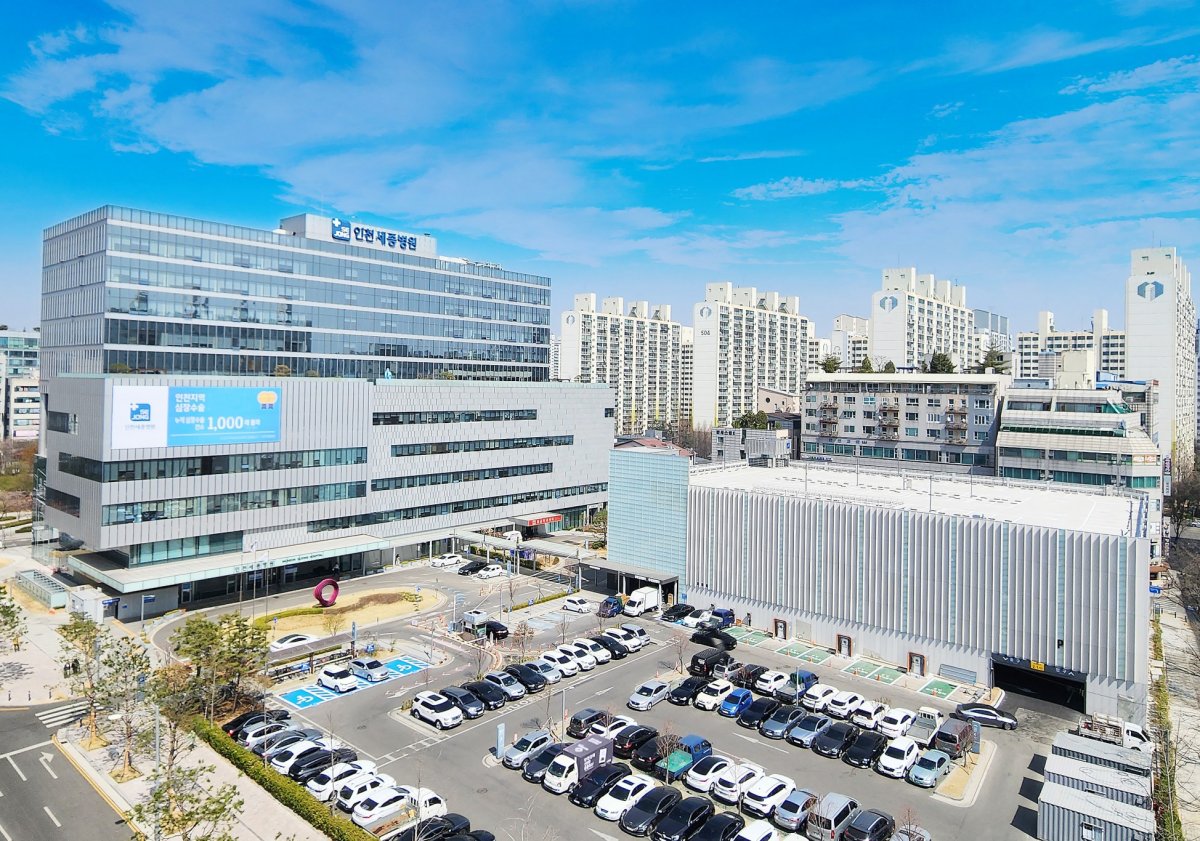








أفضل مراكز صحة الثدي في كوريا الجنوبية
- مستشفى جيبيوم العام, كوريا الجنوبية
- Myongji Hospital, كوريا الجنوبية
- Samsung Medical Center, كوريا الجنوبية
- NAEUN HOSPITAL, كوريا الجنوبية
- Seoul Miz Hospital, كوريا الجنوبية
- SEJONG HOSPITAL, كوريا الجنوبية
- Ewha Womans University Medical Center, كوريا الجنوبية
- Asan Medical Center, كوريا الجنوبية
- Seoul National University Bundang Hospital (SNUBH), كوريا الجنوبية
- Severance Hospital, كوريا الجنوبية
احصل على تقييم طبي لـ صحة الثدي في كوريا الجنوبية. استشر الآن 7 أطباء ذوي الخبرة.
عرض جميع الأطباء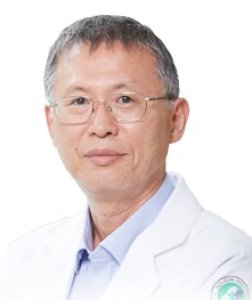
Lee Jihyeon
الدكتور لي جيهيون جرّاح ثدي ودرقية. يمتلك خبرة في أمراض الثدي الحميدة والخبيثة، وجراحة الثدي الأونكوبلاستيكية، وخزعة ماموتوم. كما يعالج أمراض الغدة الدرقية وجارات الدرق، ويمارس العناية المركزة الرئوية (طب العناية الحرجة).
حصل على دكتوراه في الطب (MD) من كلية الطب بجامعة يونسي. أنهى برنامج الامتياز وإقامة الجراحة العامة في مستشفى سيفرانس بجامعة يونسي. كما أتمّ زمالة قصيرة الأمد في مستشفى معهد السرطان التابع لـ JFCR في اليابان.
شملت مناصبه السابقة: رئيس قسم الجراحة في مستشفى إنشيو

Sang-gyu Kim
Junghyun Nam
المراجعات
جميع المراجعات


مشاركة المحتوى
قصص فيديو من مرضى Bookimed
 Anna Leonova
أسئلة متكررة حول صحة الثدي في كوريا الجنوبية
متى يجب أن أبدأ الفحص للكشف عن سرطان الثدي في كوريا؟
توصي الإرشادات الكورية الرسمية ببدء فحص سرطان الثدي كل عامين من سن 40. غالبًا ما يبدأ المرضى المعرضون لخطر مرتفع أو الذين لديهم أنسجة كثيفة في الثدي التشخيص في وقت مبكر. تقدم مراكز مثل مركز سامسونج الطبي ومستشفى سيفيرنس تصوير الثدي بالأشعة السينية والموجات فوق الصوتية للكشف المبكر والوقاية.
- العمر القياسي: ابدأ تصوير الثدي بالأشعة السينية بانتظام كل سنتين بمجرد بلوغك سن 40.
- الفحص للأشخاص عاليي الخطورة: يبدأ المرضى الذين يحملون طفرات BRCA عادةً فحوصات التصوير بالرنين المغناطيسي السنوية في سن 25.
- الجمع التشخيصي: غالباً ما يجمع الأطباء بين تصوير الثدي بالأشعة السينية والموجات فوق الصوتية للتعامل مع الأنسجة الكثيفة في الثدي.
- الرعاية المتخصصة: تركز مؤسسات مثل مركز إيوها وومنز الطبي على علم الأورام الخاص بالنساء فقط.
رأي خبير بوكيميد: تُظهر البيانات من المراكز الرئيسية في سيول وجود حجم كبير من المرضى الأصغر سنًا مقارنةً بالمتوسطات الغربية. يقوم مستشفى جامعة سيول الوطنية ومركز أسان الطبي بإدارة آلاف الحالات يوميًا. نظرًا لأن معدل الإصابة يصل إلى الذروة في أواخر الأربعينات في كوريا، غالبًا ما يوصي الأطباء بإجراء فحص أولي بالموجات فوق الصوتية في سن 35 لدعم نتائج تصوير الثدي بالأشعة السينية.
إجماع المرضى: أشار العديد من المرضى إلى أن تصوير الثدي بالأشعة السينية وحده قد يفوت بعض المشكلات بسبب الأنسجة الكثيفة الشائعة لدى النساء الآسيويات. غالبًا ما يختارون إضافة تصوير بالموجات فوق الصوتية بشكل خاص اعتبارًا من منتصف الثلاثينيا
ما هي أفضل المستشفيات في كوريا الجنوبية لعلاج سرطان الثدي؟
تشمل أفضل المستشفيات الكورية في مجال طب الثدي مركز سامسونج الطبي، ومستشفى جامعة سيول الوطنية (SNUH)، ومستشفى سيفيرانس. تحصل هذه المرافق على اعتماد KOIHA وJCI، مما يضمن معايير السلامة الدولية. كما أنها تستخدم تقنيات متطورة مثل نظام دا فينشي الجراحي الروبوتي والتصوير الرقمي لعلاج سرطان الثدي بدقة.
- مركز سامسونج الطبي: يسجل أعلى إحصائيات علاج السرطان في كوريا الجنوبية. يوفر خدماته لـ 10,700 مريض يوميًا.
- مركز جامعة إيهوا النسائي الطبي: يتخصص حصريًا في الرعاية الصحية للنساء، ويركز على النتائج الجمالية والجراحة بدون ندوب.
- مستشفى سيفيرانس: يضم عيادة متخصصة للنساء حاصلة على شهادة JCI. يعالج 1.6 مليون مريض خارجي سنويًا.
- مستشفى جامعة سيول الوطنية: يوظف جراحين متخصصين في السرطان مثل الدكتور لي، هان-بيول. وهو مؤرقم بالكامل.
رأي خبراء بوكيمد: تظهر البيانات اتجاهًا واضحًا حيث تدمج العيادات ذات التصنيف العالي مثل SNUH ومركز سامسونج الطبي تشخيصات تعتمد على الذكاء الاصطناعي. هذه التقنية تساعد في كشف المشكلات في المرحلة الأولى التي قد تفوتها الفحوصات القياسية. اختيار هذه المراكز ذات الحجم الكبير يوفر غالبًا وصولاً أسرع للاختبارات الجينومية مقارنة بالمرافق الأصغر.
رأي المرضى: يلاحظ المرضى أن المستشفيات الكورية تتفوق بشكل كبير على أوقات الانتظار في الغرب، حيث تقدم النتائج غالبًا في غضون أيام. الكثير منهم يقدر وجود منسقين مخصصين يساعدون في الترجمة والتنقل في النظام الطبي الفعال.
كم يستغرق التشخيص وتخطيط العلاج في طب الثدي في كوريا الجنوبية؟
عادةً ما يستغرق تشخيص وتخطيط علاج أمراض الثدي في جمهورية كوريا من يوم إلى ثلاثة أيام. توفر المراكز الكبرى مثل مركز سامسونج الطبي نتائج سريعة من خلال أنظمة فعالة. غالباً ما يتلقى المرضى تصوير الثدي بالماموجرام والموجات فوق الصوتية في نفس اليوم. تكون نتائج الخزعة والخطط متعددة التخصصات جاهزة عادةً خلال 48 ساعة.
- التشخيص الأولي: يُستكمل تصوير الثدي بالماموجرام والموجات فوق الصوتية غالباً خلال الزيارة الأولى.
- سرعة الخزعة: تكون نتائج خزعة الإبرة النخاعية متاحة بشكل روتيني خلال 24 إلى 48 ساعة.
- تخطيط العلاج: تُنهى فرق الأورام متعددة التخصصات خطط الجراحة أو العلاج الطبي خلال ثلاثة أيام.
- المرافق المتخصصة: تقدم مستشفيات مخصصة للسيدات مثل مركز جامعة إيهوا للنساء والخدمات التشخيصية سلسلة واحدة من الخدمات.
رأي خبراء Bookimed: بينما تخدم المستشفيات الكبرى مثل مستشفى سيفيرنس أكثر من 1.6 مليون مريض خارجي سنوياً، فإن أنظمتها الرقمية تمنع التأخيرات. تُظهر البيانات أن المؤسسات ذات الأحجام الجراحية العالية، مثل المركز الطبي أسان مع 65000+ عملية سنوية، تقدم غالباً سرعة في تسليم نتائج المرضيات بفضل القدرة الكبيرة لمختبراتها الداخلية. هذا يسمح للمرضى الدوليين بالانتقال من الاستشارة إلى خطة العلاج النهائية في نصف الوقت المطلوب تقريباً في أوروبا.
إجماع المرضى: يلاحظ المرضى أن من المفيد إحضار أقراص بالفحوصات السابقة لتسريع العملية. ويندهش الكثير منهم من إمكانية استكمال الاستشارة وتصوير الثدي بالماموجرام والموجات فوق الصوتية جميعها في نفس ا
هل يحق للمرضى الدوليين الحصول على التأمين الصحي الوطني (NHI) في كوريا الجنوبية لإجراء تصوير الثدي بالأشعة (الماموجرام)؟
عادة لا يمكن للمرضى الدوليين الوصول إلى نظام التأمين الصحي الوطني في كوريا الجنوبية للحصول على تصوير الثدي الشعاعي بدون حالة الإقامة. يتطلب الأهلية تأشيرة طويلة الأمد والتسجيل الرسمي في النظام. يجب على الزوار قصيري الأمد والسياح الطبيين دفع التكاليف كاملة من جيوبهم في العيادات الدولية المتخصصة.
- متطلب الإقامة: التغطية تتطلب البقاء في كوريا الجنوبية لمدة لا تقل عن 6 أشهر.
- هيكل الدفع: يجب على غير المقيمين دفع 100% من التكاليف بالإضافة إلى رسوم خدمات المرضى الدوليين الإضافية.
- تسعير التشخيص: تتراوح تكاليف تصوير الثدي الشعاعي من $90 إلى $350 للزوار الدوليين.
- الوثائق: توفر مراكز مثل مستشفى سيفرنس النتائج باللغة الإنجليزية وعلى أقراص رقمية.
رؤية خبير Bookimed: تظهر بياناتنا أنه على الرغم من أن التأمين الصحي الوطني غير متاح للسياح، إلا أن المراكز الكبيرة مثل مركز سامسونج الطبي أو مستشفى جامعة سيئول الوطنية توفر أجنحة دولية مخصصة. تقوم هذه الأقسام بتبسيط التشخيصات بحيث يمكن للمرضى إتمام تصوير الثدي الشعاعي والموجات فوق الصوتية في نفس اليوم. غالبًا ما تعوض هذه الكفاءة عن عدم وجود التأمين عن طريق تقليل الأيام اللازمة للبقاء في سيئول.
إجماع المرضى: يلاحظ المرضى أنه في حين أنهم يدفعون "أسعار الأجانب" الأعلى بدون تأمين محلي، فإن السرعة لا مثيل لها. شارك أحد المرضى تجربته في تلقي تصوير الثدي الشعاعي والموجات فوق الصوتية والنتائج النهائية في غضون أسبوع واحد فقط.
هل تتوفر التصوير الشعاعي للثدي ثلاثي الأبعاد (التوموسينسيس) الحديث؟
التصوير الشعاعي للثدي باستخدام تقنية التصوير المقطعي ثلاثي الأبعاد متاح على نطاق واسع في كوريا الجنوبية في المراكز الطبية الكبرى والمستشفيات المتخصصة في شؤون النساء. تستفيد مرافق مثل مركز سامسونج الطبي ومستشفى سيفرانس من هذه التقنية لتقديم معدلات اكتشاف أعلى بنسبة 20٪ إلى 65٪ للأورام الغازية. هذه هي المعايير المفضلة للأنسجة الثديية الكثيفة.
- توفر العيادة: متوفر في مركز إيها الطبي للنساء ومركز أسان الطبي.
- دقة التشخيص: تقلل الفحوصات ثلاثية الأبعاد من الإيجابيات الكاذبة والمتابعات بنسبة 15٪ إلى 40٪.
- إطار الحجز الزمني: تتطلب المستشفيات الجامعية عادةً حجزًا مقدمًا من 2 إلى 3 أسابيع للمرضى الدوليين.
- تسليم النتائج: تقدم العديد من المرافق المتخصصة نتائج التشخيص في غضون 24 ساعة من الفحص.
رؤية الخبراء في بوكيميد: بينما تقود المستشفيات الجامعية مثل مستشفى جامعة سيول الوطنية (SNUH) في التكنولوجيا، تقدم المرافق المتخصصة مثل مستشفى سيول ميز Zugangأسرع. تخدم هذه المراكز أكثر من 200,000 مريض سنويًا وغالبًا ما توفر جدولة أكثر مرونة للمسافرين الدوليين. يمكن لاختيار عيادة نسائية متخصصة أن يقلل من أوقات الانتظار دون التضحية بجودة التصوير العالي الدقة التي توجد في المؤسسات الأكاديمية الكبرى.
إجماع المرضى: يلاحظ المرضى أن الخدمة فعالة للغاية. ذكر أحد المرضى أنه تم الانتهاء من كل من التصوير الشعاعي للثدي وفحص الموجات فوق الصوتية في نفس اليوم مع دعم التنسيق باللغة الإنجليزية. يقدرون استلام نسخ رقمية من الفحوصات والتقارير باللغة الإنجليزي
ماذا يمكن أن أتوقع خلال الاستشارة الأولى كـمريض دولي؟
يتوقع المرضى الدوليون في كوريا الجنوبية عملية تشخيص سلسة تستغرق يومًا واحدًا. عادةً ما تشتمل الاستشارات على تصوير فوري مثل تصوير الثدي الشعاعي أو الموجات فوق الصوتية. يقدم المتخصصون مثل الدكتور لي جي هيون في مستشفى نا-إيون النتائج على الفور. تقدم معظم العيادات في سيول المعتمدة من JCI منسقين ناطقين باللغة الإنجليزية لتسهيل التواصل.
- التقييم الأولي: يستكمل المرضى استبيانًا شاملاً حول الأعراض والسجل العائلي عند الوصول.
- التشخيص السريع: غالبًا ما يتم إجراء الموجات فوق الصوتية أو تصوير الثدي الشعاعي في غضون 20 دقيقة من تسجيل الوصول.
- المراجعة السريرية: يشرح الجراحون مثل الدكتور لي، هان-بيول النتائج باستخدام الوسائل البصرية والتصوير الرقمي.
- خطة العمل: قد يوصي الأطباء بإجراء ماموتوم أو خزعة خلال نفس الزيارة.
رؤية خبير من Bookimed: تُظهر بيانات من عيادات المستوى الأول مثل مستشفى سيفرانس تركيزًا على تقديم الخدمة بسرعة. يتلقى معظم المرضى أقراصًا رقمية لتصويرهم وتقارير مترجمة إلى الإنجليزية قبل مغادرة المبنى. هذه الكفاءة هي علامة مميزة للنظام الطبي الكوري. يقدم قادة وطنيون مثل مركز سامسونج الطبي الخدمات لأكثر من 1,750,000 مريض سنويًا من خلال تحسين هذا النظام العالي الكثافة والتدفق اليومي.
إجماع المرضى: يشير المرضى الدوليون إلى أن الخدمة تُشعرهم وكأنهم في تجربة VIP. يوضح العديد منهم أن الأطباء يشرحون النتائج فورًا بعد الفحص. وأشار أحد المرضى إلى استلامهم لنتائج الموجات فوق الصوتية وخلاصة ورقية مترجمة في نفس اليوم.