عيادات استئصال الكتلة في كوريا الجنوبية


تمت مراجعة المقالة طبيا من قبل
فهد مولود
ما هي تكلفة استئصال الكتلة في كوريا الجنوبية؟ اكتشف الآن
من $6,500. تعتمد الأسعار على مستوى العيادة، وشهرة الجراح، والفحوصات التصويرية الضرورية كرنين الثدي المغناطيسي. تغطي هذه التكلفة عادة الجراحة، والتخدير، وإقامة قصيرة في المستشفى.
- مستوى المستشفى: قد تتقاضى الجامعات الكبرى في سيؤول زيادة بنسبة 15-20% مقارنة بالعيادات التخصصية الصغيرة.
- الجراحة الروبوتية: اختيار المنصات الروبوتية يضيف عادة تكلفة إضافية بنسبة 30-50% لزيادة الدقة الجراحية.
- الإجراءات المرافقة: تزداد التكاليف إذا شملت الجراحة خزعة العقدة الليمفاوية الحارسة أو إعادة البناء.
- تشخيص ما قبل الجراحة: تضيف فحوصات التصوير المتقدمة مثل PET/CT عادةً من 1,000 إلى 1,600 $ إلى الميزانية.
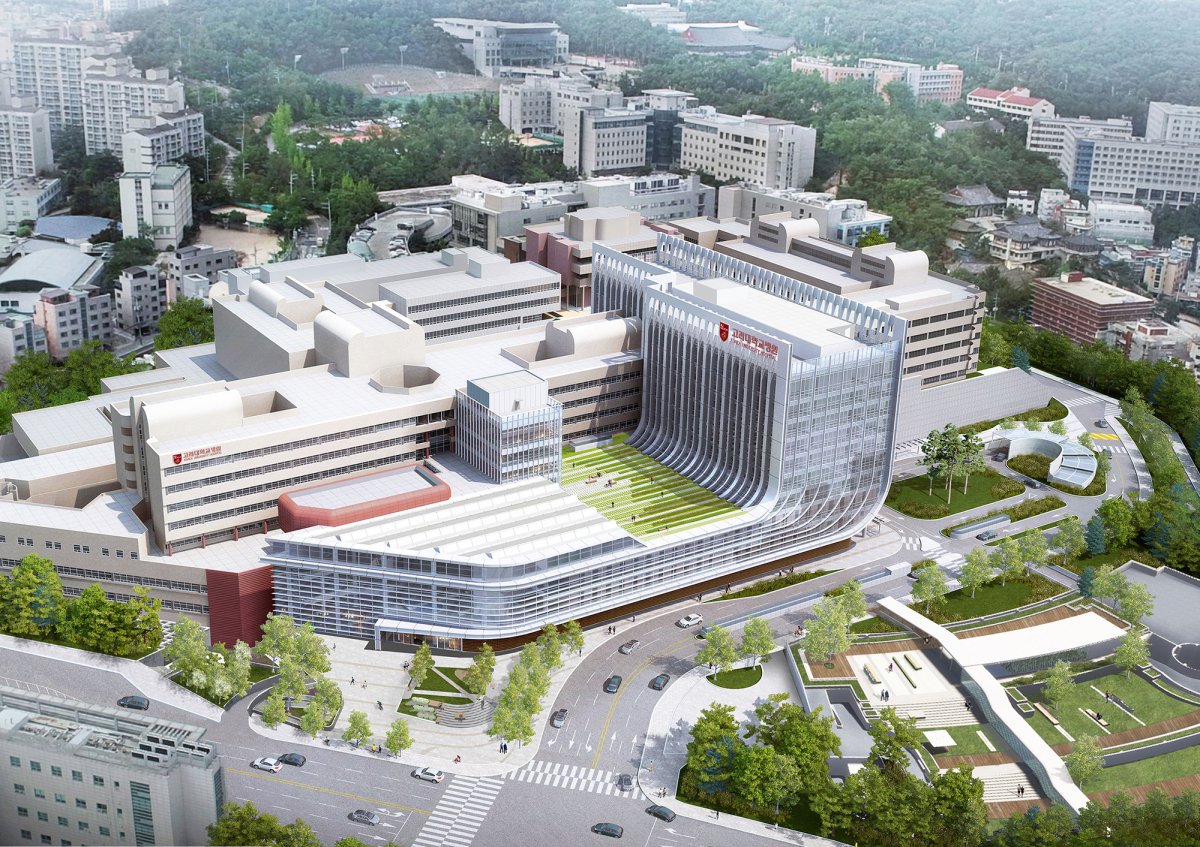
رأي خبراء Bookimed: يوفر اختيار منشأة متخصصة مثل مركز إيوا الجامعي الطبي قيمة فريدة للنتائج التجميلية. يركز جراحو المركز على تقليل الندوب المرئية عبر استخدام شقوق جراحية صغيرة. بالنسبة للباحثين عن تقنيات متطورة، يستخدم مستشفى جامعة كوريا أنام الجراحة الروبوتية لترميم الثدي. تقلل هذه الطريقة حجم الندبة عشر مرات مقارنة بالجراحة التقليدية. تحرص مستشفيات سيؤول الرائدة على الحصول على اعتماد JCI لضمان معايير السلامة الدولية للمرضى من الخارج.
| كوريا الجنوبية | تركيا | إسبانيا | |
|---|---|---|---|
| استئصال الكتلة | من $6,500 | من $4,000 | من $11,200 |
مزاياك وضماناتك مع Bookimed
أسعار مباشرة
Bookimed لا يضيف رسوماً إضافية على أسعار استئصال الكتلة. الأسعار مأخوذة من قوائم الأسعار الرسمية للعيادات. تدفع مباشرة في العيادة مقابل استئصال الكتلة عند وصولك.
عيادات وأطباء معتمدون فقط
Bookimed ملتزم بسلامتك. نحن نعمل فقط مع المؤسسات الطبية التي تحافظ على معايير دولية عالية في استئصال الكتلة ولديها التراخيص اللازمة لخدمة المرضى الدوليين في جميع أنحاء العالم.
مساعدة مجانية على مدار الساعة
Bookimed يقدم مساعدة خبراء مجانية. منسق طبي شخصي يدعمك قبل وأثناء وبعد العلاج، ويحل أي مشاكل. لن تكون وحيداً أبداً في رحلة استئصال الكتلة.

منسقك الطبي الشخصي في Bookimed
- يدعمك في كل مرحلة
- المساعدة في اختيار العيادة الطبية المناسبة والطبيب المناسب
- يضمن الوصول السريع والمريح إلى المعلومات
اكتشف أفضل استئصال الكتلة العيادات في كوريا الجنوبية: 8 خيارات معتمدة والأسعار













نظرة عامة على استئصال الكتلة في كوريا الجنوبية
- إستئصال الثدي - من $6,800
يزيل الإجراء الثدي كله أو جزء منه لعلاج سرطان الثدي أو الوقاية منه ، مما يحسن بقاء المريض على قيد الحياة.
- استئصال سرطان الثدي - من $7,000
تزيل هذه العملية الأنسجة السرطانية من الثدي ، مما يساعد على وقف نمو المرض والمساعدة في العلاج الشامل.
- استئصال الكتلة - من $6,500
يزيل الإجراء فقط أنسجة الثدي السرطانية ، مع الحفاظ على الجزء الصحي المتبقي ، مما يضمن التعافي بشكل أسرع.
اليوم الأول: الوصول
- نقل من المطار إلى المستشفى.
- سجِّل وصولك إلى جناحك المكون من سريرين.
- استشارة أولية مع جراحك.
اليوم الثاني: ما قبل العملية
- استشارة طبيب التخدير.
- الخضوع للفحوصات الطبية اللازمة.
- استكمل تفاصيل إجراء استئصال الكتلة الورمية.
اليوم الثالث: استئصال الكتلة الورمية
- الصيام من منتصف الليل قبل الجراحة.
- اعطاء التخدير العام.
- تستغرق عملية استئصال الكتلة الورمية عادةً ساعة إلى ساعتين.
- التعافي من التخدير في جناح ما بعد الجراحة.
اليوم 4-7: ما بعد العملية
- مراقبة العلامات الحيوية وعملية الشفاء.
- إدارة الألم بالأدوية حسب الحاجة.
- الخروج من المستشفى ، عادة في غضون أسبوع بعد الجراحة.
الأسبوع 1-4: إعادة التأهيل
- مواعيد المتابعة مع الجراح.
- العودة التدريجية إلى الأنشطة اليومية.
- الامتناع عن النشاط البدني الشاق.
- تظهر النتيجة النهائية بنهاية الشهر.
يرجى ملاحظة أن الجدول الزمني للتعافي لكل مريض قد يختلف بناءً على الظروف الفردية والصحة العامة.
- إيداع Bookimed: 200 دولار أو 200 يورو.
- وديعة العيادة: ادفع نسبة محددة مقدمًا.
احصل على تقييم طبي لـ استئصال الكتلة في كوريا الجنوبية: اختر أخصائيك من بين الأفضل في هذا المجال
عرض جميع الأطباء
Lee Jihyeon
الدكتور لي جيهيون جرّاح ثدي ودرقية. يمتلك خبرة في أمراض الثدي الحميدة والخبيثة، وجراحة الثدي الأونكوبلاستيكية، وخزعة ماموتوم. كما يعالج أمراض الغدة الدرقية وجارات الدرق، ويمارس العناية المركزة الرئوية (طب العناية الحرجة).
حصل على دكتوراه في الطب (MD) من كلية الطب بجامعة يونسي. أنهى برنامج الامتياز وإقامة الجراحة العامة في مستشفى سيفرانس بجامعة يونسي. كما أتمّ زمالة قصيرة الأمد في مستشفى معهد السرطان التابع لـ JFCR في اليابان.
شملت مناصبه السابقة: رئيس قسم الجراحة في مستشفى إنشيو

Kim Byoung Gie
الدكتور كيم بيونغ جي هو طبيب أورام نسائية في مركز سامسونج الطبي، ويتمتع بخبرة متخصصة في إجراءات استئصال الورم.
- متخصص في أورام النساء
- يمارس عمله في مركز طبي رائد في كوريا الجنوبية
- يركز على تقنيات الجراحة طفيفة التوغل

Ahn Jin Seok
يتخصص الدكتور آهن جين سيوك في الإجراءات الأورام في مركز سامسونج الطبي.
- طبيب أورام معتمد
- يركز على علاجات سرطان الثدي
- يعمل في مركز طبي رائد في كوريا الجنوبية

Im Chol Van
الدكتور إيم تشول فان هو خبير في طب المسالك البولية وطب الشيخوخة، ويقدم رعاية طبية عالية الجودة في مستشفى جامعة سون تشون هيانغ.
- يتمتع بمعرفة وخبرة عالية في طب المسالك البولية
- متخصص في طب الشيخوخة
- معروف بتقديم رعاية طبية عالية الجودة للمرضى
قصص فيديو من مرضى Bookimed
المراجعات
جميع المراجعاتمشاركة المحتوى
 Anna Leonova
حقائق سريعة عن استئصال الكتلة
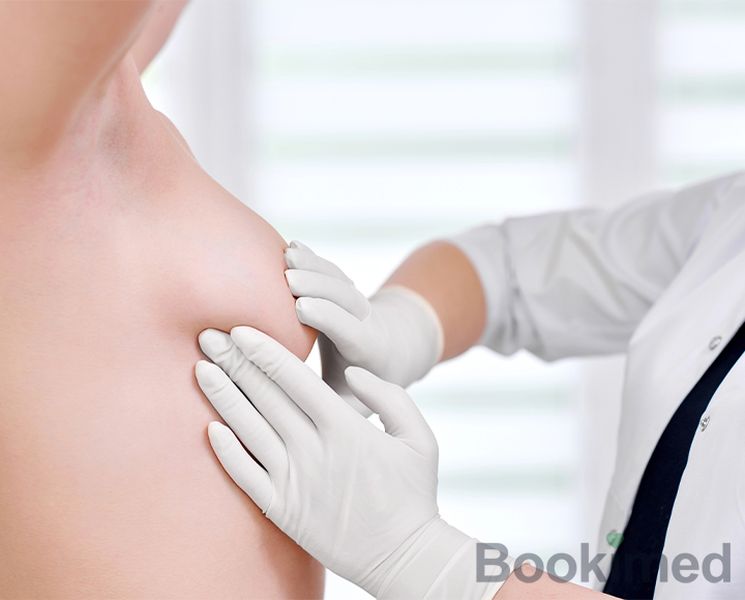
استئصال الورم
تتضمن جراحة الحفاظ على الثدي إزالة ورم الثدي وهامش صغير من الأنسجة المحيطة به لعلاج سرطان الثدي.
أسئلة متكررة حول استئصال الكتلة في كوريا الجنوبية
هل أنا مرشحة لإجراء عملية استئصال الورم بدلاً من استئصال الثدي؟
أنتِ مرشحة مثالية لاستئصال الورم فقط إذا كنتِ مصابة بسرطان الثدي في مراحله المبكرة، وكان حجم الورم عادةً أقل من 5 سم. تتطلب هذه الجراحة المحافظة على الثدي نسبةً مناسبة بين حجم الورم وحجم الثدي، بالإضافة إلى استعدادكِ للخضوع للعلاج الإشعاعي بعد الجراحة لضمان بقاء المريضة على قيد الحياة لفترة طويلة مماثلة لاستئصال الثدي.
- مرحلة السرطان: مثالي للمراحل 0 (السرطان الموضعي)، 1 أو 2 (الورم الموضعي).
- حجم الورم: لضمان هوامش جراحية نظيفة، يجب ألا يتجاوز حجم الورم 5 سم.
- الحفاظ على التأثير التجميلي: الخيار الأفضل للمرضى الذين يعطون الأولوية للإحساس الطبيعي لأثدائهم ويتجنبون إعادة البناء الجراحية.
- معايير الأهلية للعلاج الإشعاعي: يلزم التعرض للإشعاع يوميًا لمدة 3-6 أسابيع لتقليل خطر التكرار الموضعي.
- النهج السريري: تتوفر عملية الاستئصال الروبوتية طفيفة التوغل في المراكز الرائدة في سيول.
رأي خبراء بوكيمد: تتخصص المراكز الكورية الجنوبية، مثل مستشفى أنام التابع لجامعة كوريا، في جراحة الثدي الروبوتية، التي تقلل حجم الندبة بمقدار عشرة أضعاف مقارنةً بالطرق التقليدية. في حين أن استئصال الثدي غالبًا ما يكون أسهل للجراحين،