العودة إلى الصفحة الرئيسية
820К+ مريضًا حصلوا على المساعدة منذ عام 2014
50 دول
1,500 عيادات
6K+ تقييمات
3K+ طبيب مؤهل

ما هي تكلفة صحة الثدي في الصين؟ اكتشف الآن

Mammology in China typically costs from $4,800 to $10,500, with significant variations between public hospitals and private international clinics. Final expenses depend on the technology used, such as 2D vs 3D imaging, and the facility's location. Patients from the US can save approximately 70-85% on diagnostic and surgical procedures.

Typical Mammology Costs in China

  • MRI of the chest: $200 – $200
  • Lumpectomy: $4,800 – $10,500

Major medical hubs for breast health include Beijing, Shanghai, Guangzhou, and Shenzhen, alongside specialized centers in Hong Kong. While mainland cities offer competitive rates, prices in Hong Kong can be 50-100% higher. Consult with a specialist to get accurate pricing for your specific medical needs.

الصينتركياإسبانيا
استئصال الكتلةمن $4,800من $2,700من $4,500
تم التحقق من البيانات بواسطة Bookimed اعتبارًا من June 2026، استنادًا إلى طلبات المرضى والعروض الرسمية من 3 عيادة حول العالم. تستند التكاليف المتوسطة إلى الفواتير الحقيقية (2025–2026) ويتم تحديثها شهريًا. قد تختلف الأسعار الفعلية.

مزاياك وضماناتك مع Bookimed

أسعار مباشرة

Bookimed لا يضيف رسوماً إضافية على أسعار علاج صحة الثدي. الأسعار مأخوذة من قوائم الأسعار الرسمية للعيادات. تدفع مباشرة في العيادة مقابل علاجك عند وصولك إلى البلد.

عيادات وأطباء معتمدون فقط

Bookimed ملتزم بسلامتك. نحن نعمل فقط مع المؤسسات الطبية التي تحافظ على معايير دولية عالية في علاج صحة الثدي ولديها التراخيص اللازمة لخدمة المرضى الدوليين في جميع أنحاء العالم.

مساعدة مجانية على مدار الساعة

Bookimed يقدم مساعدة خبراء مجانية. منسق طبي شخصي يدعمك قبل وأثناء وبعد العلاج، ويحل أي مشاكل. لن تكون وحيداً أبداً في رحلة علاج صحة الثدي.

لماذا نحن؟

منسقك الطبي الشخصي في Bookimed

  • يدعمك في كل مرحلة
  • المساعدة في اختيار العيادة الطبية المناسبة والطبيب المناسب
  • يضمن الوصول السريع والمريح إلى المعلومات

اكتشف أفضل عيادات صحة الثدي: 3 خيارات معتمدة والأسعار

تم تصنيف العيادات بواسطة نظام Bookimed الذكي، باستخدام تحليل علوم البيانات عبر 5 معايير رئيسية.
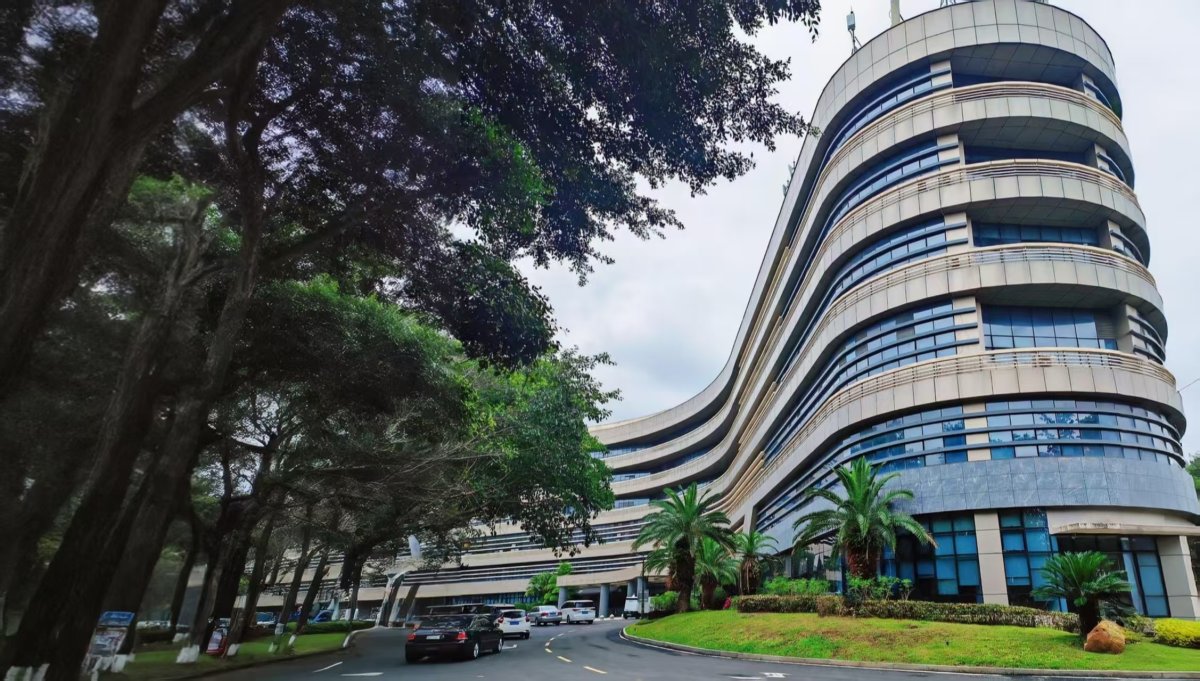
Yanda International Hospital
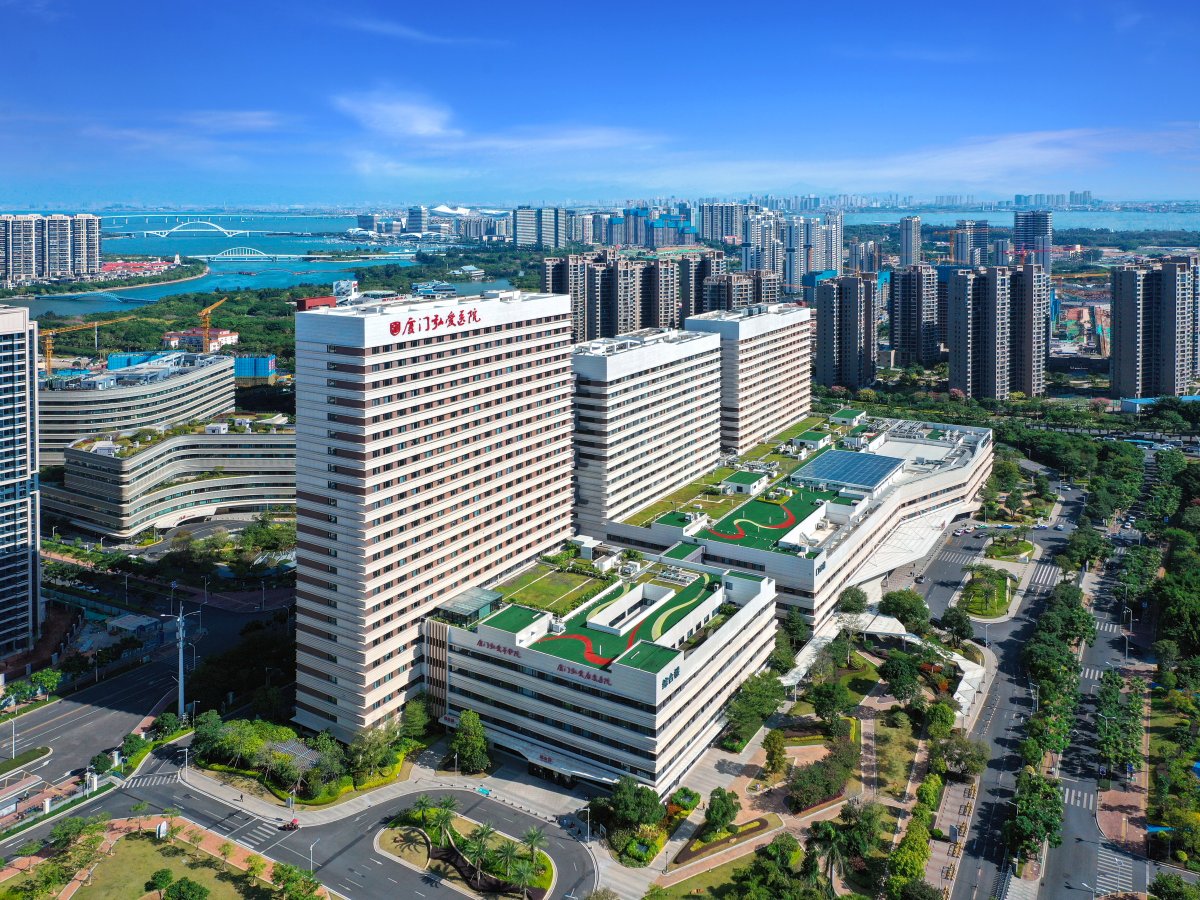
مستشفى شيامن هيومانيتي
Fuda Hospital

أفضل مراكز صحة الثدي في الصين

  • Yanda International Hospital, الصين
  • مستشفى شيامن هيومانيتي, الصين
  • Fuda Hospital, الصين

مشاركة المحتوى

Twitter XLinkedinFacebookWhatsAppEmail
أحصل على الرابط

قصص فيديو من مرضى Bookimed

Dayana
جمعت بين إجازتي في أنطاليا والفحص الطبي.
إجراء: فحص صحة الإناث (انظر فحص النساء)
Igor
كان رائعاً! التنقلات والإقامة والعلاج - كل شيء مشمول.
إجراء: زرع الأسنان
مستشفى: WestDent Clinic
Marina
قام Bookimed بكل شيء من أجلي. لم أضطر للقلق بشأن أي شيء.
إجراء: فحص صحة الإناث (انظر فحص النساء)
مستشفى: Severance Hospital
محدث: 11/10/2025
تأليف
Anna Leonova
Anna Leonova
رئيس فريق تسويق المحتوى
محررة طبية معتمدة لديها خبرة تزيد عن 10 سنوات، طوّرت محتوى Bookimed الموثوق، مدعومة بماجستير في علم اللغة ومقابلات مع خبراء طبيين من جميع أنحاء العالم.
تمت المراجعة من قبل المستشار الطبي في Bookimed
فهد مولود
محرر طبي وعالم بيانات
طبيب عام. حاصل على 4 جوائز علمية. خدم في غرب آسيا. رئيس الفريق الطبي الناطق بالعربية سابقا ومسؤول عن معالجة البيانات ودقة المحتوى الطبي حاليا.
فهد مولود Linkedin
قد تحتوي هذه الصفحة على معلومات تتعلق بمختلف الحالات الطبية والعلاجات وخدمات الرعاية الصحية المتوفرة في بلدان مختلفة. يرجى العلم أن المحتوى مقدم لأغراض إعلامية فقط ولا ينبغي تفسيره على أنه نصيحة أو إرشادات طبية. يرجى استشارة طبيبك أو أخصائي طبي مؤهل قبل البدء أو تغيير العلاج الطبي.

أسئلة متكررة حول صحة الثدي في الصين

هذه الأسئلة الشائعة مأخوذة من مرضى حقيقيين يبحثون عن رعاية طبية عبر Bookimed. يتم تقديم الإجابات من قبل منسقين طبيين ذوي خبرة وممثلين موثوقين من العيادات.

What are the official breast cancer screening guidelines in China for international patients?

Official breast cancer screening in China follows age-based protocols. Women at average risk begin screening at 40 years. High-risk patients should start at age 35. International patients typically use opportunistic screening at private clinics or international departments of major public hospitals.

  • Annual screening: High-risk women require annual exams including breast MRI or ultrasound.
  • Primary methods: Mammography and ultrasound are standard for women aged 40 to 70.
  • Dense tissue: Chinese guidelines emphasize ultrasound due to high breast density in Asian populations.
  • Self-awareness: Monthly breast self-exams are recommended for all women starting at age 20.

Bookimed Expert Insight: Quality varies significantly between city tiers in China. Major facilities like Yanda International Hospital in Beijing hold JCI accreditation. Others like Fuda Cancer Hospital in Guangzhou serve 30,000+ international patients. Choosing high-volume clinics ensures access to advanced 3D mammography and English-speaking staff.

Patient Consensus: Patients note that language barriers make public hospitals difficult for results explanation. It is helpful to request imaging on a USB in DICOM format to ensure records are portable for future check-ups.

How is the screening examination actually performed in China?

Screening examinations in China follow a structured 1+X model. The core baseline physical includes vitals and blood panels. Patients then add specialized modules like breast ultrasounds or tumor markers. High-level Class A level III hospitals, such as Yanda International Hospital, provide these integrated diagnostics.

  • Specialized modules: Patients add cancer-specific modules like breast imaging to basic health checkups.
  • Ultrasound priority: Clinicians favor ultrasound over mammograms for patients under 50 with dense breasts.
  • Factory-style flow: Testing centers process patients through sequential stations in 2 to 5 hours.
  • Comprehensive reporting: Results are compiled into a detailed physical report within 4 days.
  • Facility grading: Class A level III clinics represent the highest diagnostic standards in China.

Bookimed Expert Insight: China's top-tier hospitals are built for massive efficiency. Yanda International Hospital and Xiamen Humanity Hospital each manage over 1,000,000 patients annually. This high volume means their diagnostic teams see rare cases daily. International patients should choose Class A level III facilities to ensure the most experienced technicians perform their scans.

Patient Consensus: Patients note that manual breast exams and ultrasounds are the standard first steps. They describe the process as a quick, painless gel scan that usually takes only 15 minutes.

Which hospitals are recognized as the best for breast care and oncology in China?

Leading breast cancer hospitals in China include Fuda Cancer Hospital in Guangzhou and academic centers in Beijing and Shanghai. These facilities provide advanced multidisciplinary care for all stages of oncology. They use molecular subtyping and precision therapies to improve outcomes for aggressive cases.

  • Specialized techniques: Fuda Cancer Hospital offers cryosurgery and NanoKnife for late-stage or chemo-resistant breast cancer.
  • Accreditation: Top-tier facilities like Yanda International Hospital hold JCI accreditation for international safety standards.
  • Clinical research: Xiamen Humanity Hospital conducts Phase 1–4 clinical trials for new oncology drugs and devices.
  • International focus: Fuda Cancer Hospital has treated over 30,000 patients from 100 countries using minimally invasive methods.

Bookimed Expert Insight: While public academic centers in Beijing and Shanghai have the highest surgical volumes, private JCI-accredited hospitals like Fuda Cancer Hospital often provide better access to specialized technologies like NanoKnife. These private facilities focus on international patients and offer faster intake than the 3–6 month wait times typical for large public institutions.

Patient Consensus: Patients note that arriving early with records translated into Chinese is vital due to high daily volumes. Many suggest hiring a bilingual navigator to help manage the fast-paced triage process at major oncology centers.

Is Traditional Chinese Medicine (TCM) integrated into breast-cancer care for visiting patients?

Traditional Chinese Medicine (TCM) is standard in Chinese breast cancer care for international patients. Clinics like Yanda International Hospital combine Western protocols with traditional approaches. It serves as supportive therapy to manage chemotherapy side effects and improve recovery. Most patients receive acupuncture or herbal formulas alongside conventional treatment.

  • Clinical integration: JCI-accredited facilities like Fuda Cancer Hospital offer TCM for advanced oncology cases.
  • Symptom management: Acupuncture commonly treats chemotherapy-induced nausea, chronic fatigue, and post-radiation pain.
  • Herbal support: Doctors prescribe specific decoctions to strengthen immune response during intensive treatments.
  • Treatment level: Tier 3 hospitals provide the highest level of integrated care for visitors.

Bookimed Expert Insight: Data shows that Class A level III clinics, such as Yanda International Hospital, handle 2,500,000 patients annually. These high-volume centers often provide TCM as a default part of the recovery package. This integration helps reduce the duration of hospital stays for complex breast cancer cases. Patients should confirm if their specific herbal regimen is included in the base price.

Patient Consensus: Patients often find the integration of TCM surprisingly seamless during their hospital visits. Many note that while acupuncture helps with fatigue, it is vital to discuss herbal formulas with oncologists to prevent interactions with medications like tamoxifen.

احصل على استشارة مجانية

حدد أفضل طريقة للاتصال بك