صحة الثدي في إيطاليا — التكاليف 2026


تمت مراجعة المقالة طبيا من قبل
فهد مولود
ما هي تكلفة صحة الثدي في إيطاليا؟ اكتشف الآن
تتراوح تكلفة خدمات طب الثدي في إيطاليا عادةً ما بين $4,800 و $7,800، وذلك بناءً على النهج التشخيصي أو الجراحي المحدد المطلوب. تتأثر التكاليف بموقع العيادة، ومدى تعقيد الإجراء، وما إذا كانت الخدمة جزءاً من باقة فحص شاملة. يمكن للمرضى توقع توفير ما بين 30 إلى 50% مقارنة بالولايات المتحدة.
تكاليف طب الثدي النموذجية في إيطاليا
- تصوير الثدي بالأشعة (الماموجرام): من $150
- تصوير بالموجات فوق الصوتية: من $240
- فحص صحة المرأة: من $920
- استشارة مع وضع خطة علاجية: $200 – $350
- استئصال الورم: $4,800 – $7,800
- فحص للنساء فوق سن الأربعين: $550 – $1,200
- استشارة عبر الإنترنت مع أخصائي ثدي: من $350
- مراجعة نتائج التصوير بالرنين المغناطيسي: $150 – $300
- تصوير الصدر بالرنين المغناطيسي: $230 – $430
تتركز مراكز الثدي المتخصصة بشكل أساسي في ميلانو وروما وتورينو. وفي حين أن الأسعار متسقة نسبياً عبر المرافق الخاصة، غالباً ما تتميز ميلانو بتركيز أعلى من مستشفيات الأورام القائمة على الأبحاث. استشر أخصائي ثدي للحصول على تسعير دقيق لاحتياجاتك السريرية.
| إيطاليا | تركيا | إسبانيا | |
|---|---|---|---|
| استئصال الكتلة | ≈ $4,800 | من $3,600 | من $13,400 |
جميع أمراض صحة الثدي
مزاياك وضماناتك مع Bookimed
أسعار مباشرة
Bookimed لا يضيف رسوماً إضافية على أسعار علاج صحة الثدي. الأسعار مأخوذة من قوائم الأسعار الرسمية للعيادات. تدفع مباشرة في العيادة مقابل علاجك عند وصولك إلى البلد.
عيادات وأطباء معتمدون فقط
Bookimed ملتزم بسلامتك. نحن نعمل فقط مع المؤسسات الطبية التي تحافظ على معايير دولية عالية في علاج صحة الثدي ولديها التراخيص اللازمة لخدمة المرضى الدوليين في جميع أنحاء العالم.
مساعدة مجانية على مدار الساعة
Bookimed يقدم مساعدة خبراء مجانية. منسق طبي شخصي يدعمك قبل وأثناء وبعد العلاج، ويحل أي مشاكل. لن تكون وحيداً أبداً في رحلة علاج صحة الثدي.

منسقك الطبي الشخصي في Bookimed
- يدعمك في كل مرحلة
- المساعدة في اختيار العيادة الطبية المناسبة والطبيب المناسب
- يضمن الوصول السريع والمريح إلى المعلومات
اكتشف أفضل عيادات صحة الثدي: 3 خيارات معتمدة والأسعار






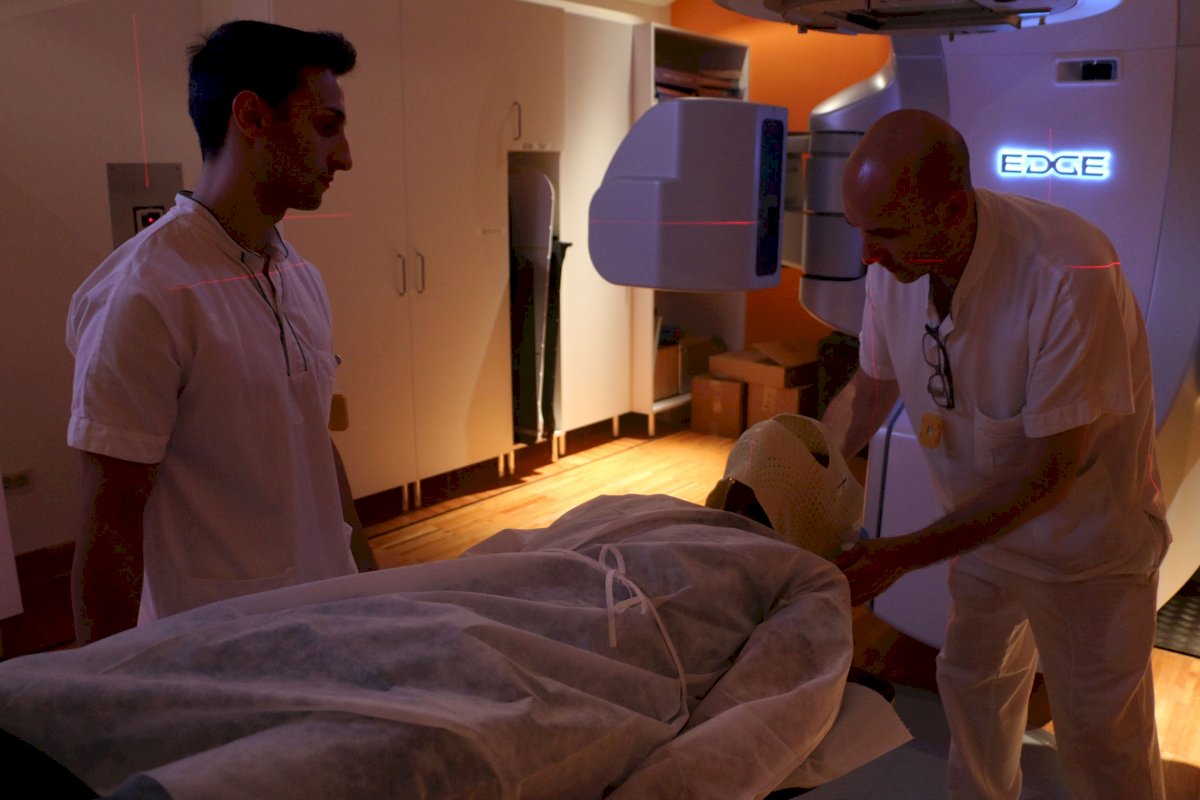

أفضل مراكز صحة الثدي في إيطاليا
- San Raffaele, إيطاليا
- Ospedale San Carlo di Nancy, إيطاليا
- Humanitas Research Hospital , إيطاليا
احصل على تقييم طبي لـ في إيطاليا: اختر أخصائيك من بين الأفضل في هذا المجال
عرض جميع الأطباء
Egle Muti
تتخصص البروفيسورة إيغل موتي في جراحة الثدي، مع التركيز على إعادة بناء الثدي بعد استئصاله وعلاج الثدي الأنبوبي. وهي خبيرة رائدة في هذا المجال.
- أستاذة الجراحة التجميلية والترميمية والجمالية
- عضوة في مجموعة دراسة FONCAM و SICPRE
- متخصصة في إعادة بناء الثدي والجراحة التجميلية
- متحدثة مدعوة في مؤتمرات دولية
مشاركة المحتوى
قصص فيديو من مرضى Bookimed
 Anna Leonova
أسئلة متكررة حول صحة الثدي في إيطاليا
من هو المؤهل لإجراء فحص مجاني لسرطان الثدي في إيطاليا؟
يتم ضمان فحص سرطان الثدي المجاني في إيطاليا بشكل أساسي للنساء اللاتي تتراوح أعمارهن بين 50 و 69 عاماً. يوفر هذا البرنامج الوطني تصويراً شعاعياً للثدي (ماموجرام) مجانياً كل عامين. وتوسع العديد من المناطق هذه الخدمة لتشمل النساء اللاتي تتراوح أعمارهن بين 45 و 74 عاماً. يلزم التسجيل كمقيم لدى هيئة الصحة المحلية (ASL).
- الأهلية القياسية: تتلقى النساء اللاتي تتراوح أعمارهن بين 50 و 69 عاماً دعوات لإجراء تصوير الثدي بالأشعة كل عامين.
- التوسعات الإقليمية: تشمل بعض المناطق النساء اللاتي تتراوح أعمارهن بين 45 و 74 عاماً في البرامج المجانية.
- عملية الدعوة: ترسل هيئات الصحة المحلية خطابات شخصية للمواعيد المجدولة.
- حالات المخاطر العالية: يمكن للممارسين العامين إحالة المرضى الذين تظهر عليهم أعراض لإجراء فحص مغطى بالتأمين.
رؤية خبير Bookimed: ترتبط فحوصات الصحة العامة الإيطالية ارتباطاً وثيقاً بالإقامة الإقليمية والتسجيل في ASL. تركز عيادات مثل Ospedale San Carlo di Nancy في روما بشكل كبير على الفحوصات التشخيصية للمرضى الدوليين. غالباً ما توفر هذه المرافق الخاصة وصولاً أسرع من فترات الانتظار العامة التي تتراوح بين شهر إلى 3 أشهر. تشير بياناتنا إلى أن المراكز الأعلى تصنيفاً في ميلانو، مثل San Raffaele، تتعامل مع أكثر من 52,000 عملية جراحية سنوياً. يشير هذا الحجم إلى خبرة تشخيصية عالية حتى في الحالات المعقدة وغير القياسية.
إجماع المرضى: يلاحظ المرضى أنه على الرغم من أن النظام العام موثوق به، إلا أن الإقامة هي مفتاح الوصول. يختار الك
ما هي أفضل المستشفيات تقييماً لعلاج سرطان الثدي في إيطاليا؟
يعد المعهد الأوروبي للأورام (IEO) في ميلانو ومؤسسة IRCCS Istituto Nazionale dei Tumori أفضل مستشفيات إيطاليا تقييماً لعلاج سرطان الثدي. تقود هذه المرافق النتائج الوطنية من خلال أحجام جراحية عالية ورعاية شاملة معتمدة من OECI. توفر وحدات الثدي المتخصصة في روما وميلانو إعادة بناء أورام متقدمة وعلاجاً مناعياً.
- سان رافاييل: تجري أكثر من 700 عملية جراحية للثدي سنوياً. تم تصنيف مستشفى ميلانو هذا من قبل مجلة نيوزويك للتميز في الأورام.
- IEO ميلانو: تجري أكثر من 3600 عملية ثدي كل عام. إنه مركز سرطان أوروبي رفيع المستوى.
- مستشفى هيومانيتاس للأبحاث: منشأة معتمدة من JCI في ميلانو. وهي متخصصة في تقنيات الأورام الجراحية المتقدمة للمرضى.
- جيميلي بوليكلينيكو: أكبر مركز للسرطان في إيطاليا من حيث الحجم. يتم تسميته باستمرار كأفضل مستشفى على المستوى الوطني.
رؤية خبير Bookimed: تظهر بيانات المرضى فجوة واضحة في الجودة بين شمال وجنوب إيطاليا في مجال الأورام المعقدة. تدير العيادات الميلانية الأعلى تقييماً مثل سان رافاييل أكثر من 300,000 مريض سنوياً. تدمج هذه المراكز ذات الحجم الكبير الأبحاث في الممارسة السريرية اليومية. غالباً ما يؤدي هذا الحجم إلى نتائج جراحية أفضل من المستشفيات الإقليمية الأصغر.
إجماع المرضى: غالباً ما يسافر المرضى إلى ميلانو أو روما للحالات المعقدة للوصول إلى رعاية أفضل. يوصون بإحضار مترجم للمساعدة في التواصل أثناء الإقامات الطويلة في المستشفى.
من هم الخبراء المعترف بهم في طب الثدي الإيطالي؟
يشمل الخبراء المعترف بهم في طب الثدي الإيطالي متخصصين مثل الدكتورة إيجل موتي في سانتا كاترينا دا سيينا. يركز هؤلاء المحترفون على جراحة أورام الثدي وإعادة البناء بعد استئصال الثدي. يحمل كبار الخبراء عضويات في مجموعات مرموقة. وتشمل هذه المجموعة الوطنية للقوات التشغيلية المعنية بسرطان الثدي (FONCAM).
- الدكتورة إيجل موتي: متخصصة في سانتا كاترينا دا سيينا ولديها خبرة في جراحة الثدي.
- الأورام السريرية: غالبًا ما يحمل الخبراء تخصصات مزدوجة في الأورام والجراحة التجميلية الترميمية.
- عضوية FONCAM: يشارك كبار الأطباء في هذه المجموعة التشغيلية الوطنية لسرطان الثدي.
- الأدوار الأكاديمية: يعمل كبار المتخصصين كأساتذة في مؤسسات مثل سان لويجي غونزاغا.
رؤية خبير Bookimed: غالبًا ما يمارس خبراء طب الثدي الإيطاليون عملهم في مستشفيات الأبحاث المعتمدة من IRCCS مثل سان رافاييل. تجمع هذه المراكز بين الرعاية السريرية وأنشطة البحث المكثفة. يستفيد المرضى من هذا الهيكل لأن الأطباء يطبقون أحدث النتائج العلمية مباشرة على العلاج. يعد هذا الإعداد مؤشر جودة رئيسي في إيطاليا.
إجماع المرضى: يلاحظ المرضى أن الجراحين في ميلانو وروما يعطون الأولوية للنتائج ذات المظهر الطبيعي من خلال التقنيات المحافظة. يؤكد الكثيرون أنه على الرغم من أن النتائج الجراحية ممتازة، فمن الضروري طلب صور غير معدلة وإحصائيات المضاعفات خلال المراحل المبكرة.
ما هي العلاجات المبتكرة المتاحة في إيطاليا لحالات الثدي؟
تقدم إيطاليا علاجات متقدمة للثدي بما في ذلك العلاج الإشعاعي التجسيمي GammaPod واستئصال الثدي بمساعدة الروبوت. تدمج المراكز المتخصصة مثل سان رافاييل في ميلانو البحث مع الرعاية السريرية. تشمل الابتكارات الإشعاع أثناء الجراحة بجرعة واحدة وتقنية ROLL للإزالة الدقيقة للآفات. تعطي هذه الطرق الأولوية للحفاظ على الثدي وحماية القلب.
- العلاج الإشعاعي: يقدم GammaPod إشعاعًا عالي الجرعة في جلسة واحدة. هذا يحل محل أسابيع من العلاج التقليدي.
- الدقة الجراحية: تلتقط تقنية تحديد الآفات الخفية الموجهة بالراديو (ROLL) العقيدات غير المحسوسة بأقل قدر من فقدان الأنسجة.
- إعادة البناء: يقوم خبراء مثل الدكتورة إيجل موتي بإجراء إعادة بناء ما بعد استئصال الثدي باستخدام تطعيم الدهون للحصول على نتائج طبيعية.
- تقنيات محسنة: تستخدم عمليات استئصال الثدي مع الحفاظ على الحلمة حلولاً طفيفة التوغل لتقليل الندبات والحفاظ على سلامة الجلد.
رؤية خبير Bookimed: تظهر البيانات من مستشفيات الأبحاث المعتمدة من IRCCS مثل سان رافاييل ميزة واضحة للحالات المعقدة. تجمع هذه المؤسسات بين البحث النشط والجراحة. وهذا يعني أن المرضى غالبًا ما يحصلون على علاجات ناشئة بالخلايا الجذعية أو تجارب سريرية غير متوفرة في العيادات الخاصة القياسية. يضمن اختيار مركز حاصل على اعتماد IRCCS و JCI أعلى معايير السلامة أثناء الإجراءات المبتكرة.
إجماع المرضى: يقدر المرضى كيفية تتبع الإشعاع أثناء الجراحة لحركة القلب لمنع الضرر. يوصي الكثيرون بإحضار شرائح علم الأمراض الموجودة إلى إيطاليا لتسر
كيف يمكنني ترتيب إجراء تصوير الثدي بالأشعة (ماموجرام) أو زيارة أخصائي ثدي في إيطاليا؟
يمكنك ترتيب إجراء تصوير الثدي بالأشعة في إيطاليا من خلال النظام العام (SSN) مع تحويل من طبيب الرعاية الأولية. تتلقى النساء اللواتي تتراوح أعمارهن بين 50 و69 عاماً دعوات فحص مجانية كل عامين. توفر العيادات الخاصة مثل سان رافاييل في ميلانو وصولاً أسرع دون وصفة طبية أو فترات انتظار طويلة.
- الحجز العام: استخدم مركز الحجز المركزي (CUP) مع تحويل طبي (impegnativa).
- الوصول الخاص: احجز مباشرة في مرافق مثل سان رافاييل أو مستشفى هيومانيتاس للأبحاث.
- عمر الفحص: تتلقى النساء من 50 إلى 69 عاماً دعوات تلقائية؛ وتشمل بعض المناطق الأعمار من 45 إلى 74 عاماً.
- الرعاية المتخصصة: يقدم خبراء مثل الدكتورة إيجل موتي جراحات ثدي متخصصة وإعادة بناء.
رؤية خبير Bookimed: تتبع كفاءة الرعاية الصحية الإيطالية نمطاً جغرافياً. تظهر البيانات أن المراكز الشمالية مثل سان رافاييل ومستشفى هيومانيتاس للأبحاث تحافظ على أحجام مرضى أعلى واعتمادات JCI. في هذه المناطق، يبلغ متوسط فترات الانتظار العامة من 2 إلى 4 أسابيع، بينما قد تستغرق المناطق الجنوبية ما يصل إلى 3 أشهر. بالنسبة للتشخيصات العاجلة، غالباً ما يؤدي اختيار عيادة خاصة في ميلانو أو روما إلى الحصول على مواعيد في اليوم التالي ونتائج رقمية خلال 24 ساعة.
إجماع المرضى: يؤكد المرضى على زيارة طبيب محلي أولاً للحصول على الأوراق اللازمة للفحوصات العامة المجانية. غالباً ما يختار أولئك الذين يحتاجون إلى نتائج سريعة استوديوهات خاصة في مدن مثل فلورنسا أو ميلانو لتجنب الأعطال الفنية في تطبيقات الحجز الإقليمية.
ما هي فترات الفحص الموصى بها للنساء خارج الفئة العمرية 50-69 عاماً؟
يجب على النساء في إيطاليا خارج النطاق العمري 50-69 عاماً اتباع بروتوكولات فحص محددة بناءً على المخاطر الفردية. غالباً ما تحتاج النساء اللواتي تتراوح أعمارهن بين 40 و49 عاماً إلى تصوير الثدي بالأشعة السينية (الماموجرام) والموجات فوق الصوتية سنوياً. يجب على المريضات فوق سن 70 عاماً الاستمرار في إجراء الفحوصات كل عام إلى عامين إذا كن يتمتعن بصحة جيدة ولديهن متوسط عمر متوقع طويل.
- الأعمار 40-49: غالباً ما يوصى بإجراء فحص سنوي يجمع بين الماموجرام والموجات فوق الصوتية للأنسجة الثديية الكثيفة.
- الأعمار 70-75: تقترح إرشادات الخبراء الاستمرار في إجراء الماموجرام الروتيني كل عام إلى عامين.
- حالات المخاطر العالية: قد تحتاج النساء اللواتي لديهن تاريخ عائلي إلى التناوب بين التصوير بالرنين المغناطيسي والماموجرام كل 6 أشهر.
- الفحوصات السريرية: يوصي الأخصائيون الإيطاليون بإجراء فحوصات بدنية سنوية لتكملة التصوير للنساء من جميع الأعمار.
رؤية خبير Bookimed: تتخصص المراكز الطبية الإيطالية مثل Ospedale San Carlo di Nancy في الفحوصات الشاملة. تظهر البيانات أن العيادات الحاصلة على اعتماد اللجنة الدولية المشتركة (JCI)، مثل مستشفى Humanitas Research، توفر مسارات تشخيصية أكثر تخصيصاً. غالباً ما تختار المريضات المرافق الخاصة في ميلانو أو روما لتجنب قوائم الانتظار العامة الطويلة للفئات العمرية غير الأساسية.
إجماع المرضى: تشير العديد من المريضات إلى أن الدعوات العامة المجانية تتوقف بصرامة عند سن 69 عاماً. ويؤكدن على أهمية تخصيص ميزانية لإجراء فح