عيادات صحة الثدي في الهند


تمت مراجعة المقالة طبيا من قبل
فهد مولود
ما هي تكلفة صحة الثدي في الهند؟ اكتشف الآن
Breast cancer treatment in India typically costs from $1,800 to $1,800. Final expenses depend on the tumor size, the specific surgical approach required, and the length of the hospital stay. Choosing treatment in India generally offers 70-80% savings compared to the US.
Typical Breast Cancer Treatment Costs in India
- Consultation with creation of treatment plan: من $60
- Mammography: من $30
- Lumpectomy: من $1,800
Major oncology centers are located in Mumbai, Delhi, and Bangalore. While Mumbai and Delhi house the largest specialized hospitals, Bangalore often provides competitive rates for complex surgeries. Consult with a specialist to get accurate pricing for your specific medical case.
| الهند | تركيا | إسبانيا | |
|---|---|---|---|
| استئصال الكتلة | من $1,800 | من $4,000 | من $11,200 |
جميع أمراض صحة الثدي
مزاياك وضماناتك مع Bookimed
أسعار مباشرة
Bookimed لا يضيف رسوماً إضافية على أسعار علاج صحة الثدي. الأسعار مأخوذة من قوائم الأسعار الرسمية للعيادات. تدفع مباشرة في العيادة مقابل علاجك عند وصولك إلى البلد.
عيادات وأطباء معتمدون فقط
Bookimed ملتزم بسلامتك. نحن نعمل فقط مع المؤسسات الطبية التي تحافظ على معايير دولية عالية في علاج صحة الثدي ولديها التراخيص اللازمة لخدمة المرضى الدوليين في جميع أنحاء العالم.
مساعدة مجانية على مدار الساعة
Bookimed يقدم مساعدة خبراء مجانية. منسق طبي شخصي يدعمك قبل وأثناء وبعد العلاج، ويحل أي مشاكل. لن تكون وحيداً أبداً في رحلة علاج صحة الثدي.

منسقك الطبي الشخصي في Bookimed
- يدعمك في كل مرحلة
- المساعدة في اختيار العيادة الطبية المناسبة والطبيب المناسب
- يضمن الوصول السريع والمريح إلى المعلومات
اكتشف أفضل عيادات صحة الثدي: 17 خيارات معتمدة والأسعار








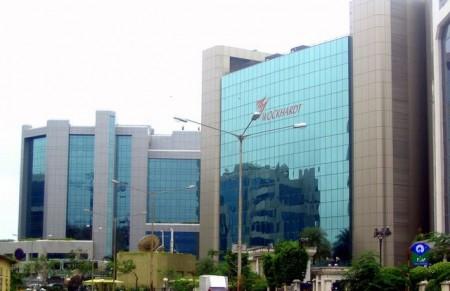
Wockhardt Hospital





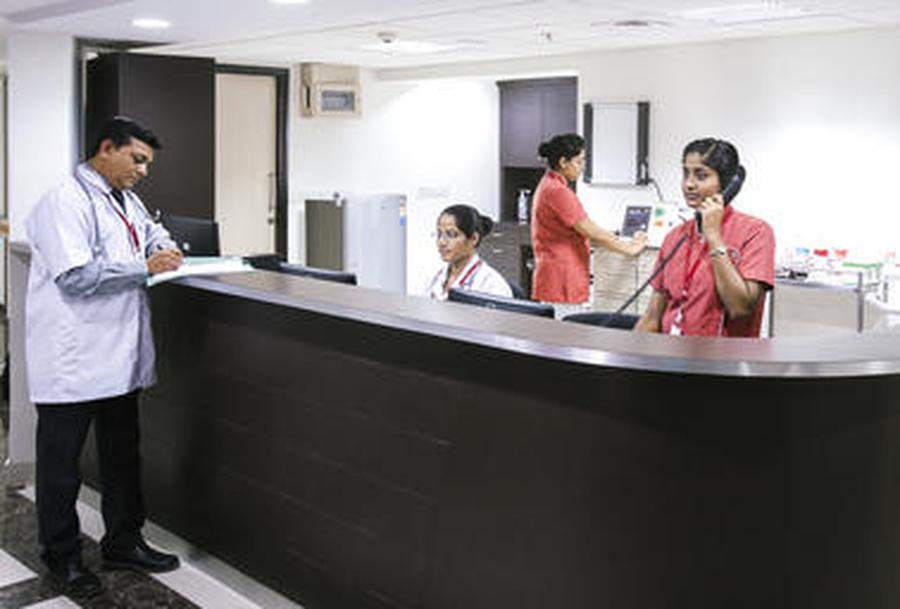
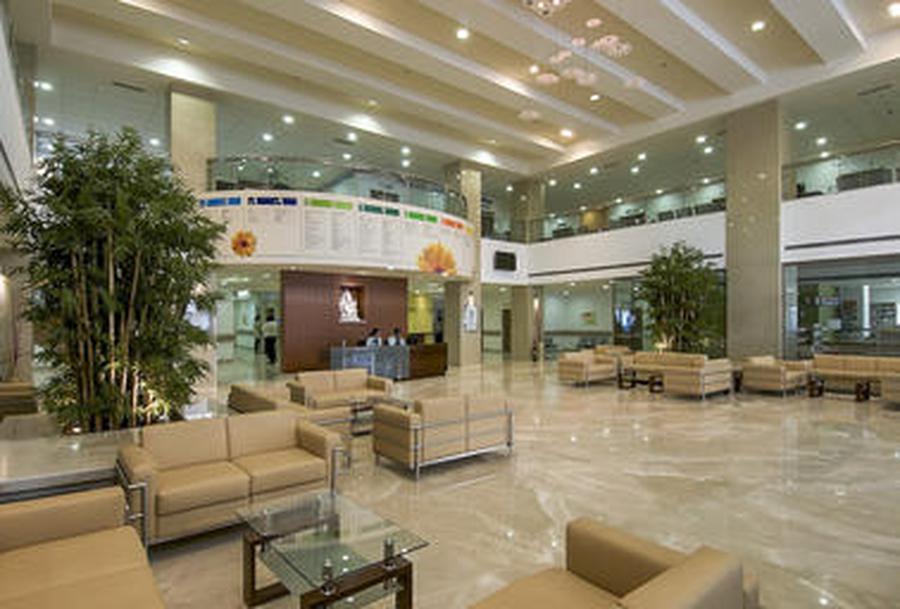
أفضل مراكز صحة الثدي في الهند
- Apollo Hospital Indraprastha, الهند
- Fortis Gurgaon, الهند
- Medanta Hospital, الهند
- Wockhardt Hospital, الهند
- Manipal Hospitals, الهند
- Global Hospital Chennai, الهند
- Global Hospital Mumbai, الهند
- Manipal Goa Hospital, الهند
- Wockhardt Hospital South Mumbai, الهند
- Kohinoor Hospitals, الهند
مشاركة المحتوى
قصص فيديو من مرضى Bookimed
 Anna Leonova
أسئلة متكررة حول صحة الثدي في الهند
متى يجب أن أبدأ في إجراء فحص الثدي المنتظم في الهند؟
يجب على النساء في الهند البدء في إجراء فحص الثدي المنتظم من خلال تصوير الثدي بالأشعة السينية (الماموجرام) سنوياً عند سن الأربعين. يوصى بإجراء فحوصات سريرية للثدي كل عام إلى ثلاثة أعوام بدءاً من سن الثلاثين. يعد الكشف المبكر أمراً حيوياً لأن النساء الهنديات غالباً ما يصبن بسرطانات الثدي العدوانية في أعمار أصغر مقارنة بالسكان في الغرب.
- عمر 20 عاماً فما فوق: قومي بإجراء فحص ذاتي شهري للثدي لتكوين وعي بالأنسجة الطبيعية.
- من سن 30 إلى 40 عاماً: حددي مواعيد للفحوصات السريرية للثدي مع طبيب كل عام إلى ثلاثة أعوام.
- المجموعات عالية الخطورة: ابدئي الفحص في سن 25 أو 30 عاماً إذا كان لديك طفرات جينية (BRCA).
- تقنية الفحص: اجمعي بين تصوير الثدي بالأشعة السينية والموجات فوق الصوتية إذا كان لديك أنسجة ثدي كثيفة.
رؤية خبير Bookimed: غالباً ما ترتبط مؤشرات الجودة في الهند بالاعتماد وحجم المرضى. تخدم كل من مستشفيات مانيبال ومستشفى أبولو إندرابراستا أكثر من 1,000,000 مريض سنوياً وتحمل اعتمادات JCI أو NABH. توفر هذه المراكز ذات الحجم الكبير عادةً دقة تشخيصية أكثر اتساقاً لأنسجة الثدي الكثيفة الشائعة لدى النساء الهنديات.
إجماع المرضى: تندم العديد من النساء على الانتظار حتى ما بعد سن الأربعين لإجراء أول فحص لهن. تؤكد المريضات الآن أن الفحوصات السنوية أكثر فعالية من الفحوصات التي تجرى كل عامين لأن الحالات المحلية غالباً ما تتطور بسرعة.
هل يمكنني طلب تصوير الثدي بالأشعة (ماموجرام) مباشرة بدون وصفة طبية في الهند؟
تتوفر فحوصات الماموجرام المباشرة بدون وصفة طبية في العديد من مراكز التشخيص والمستشفيات الخاصة في الهند. ينطبق هذا على فحوصات الوقاية للنساء اللاتي تبلغ أعمارهم 40 عاماً فما فوق. ومع ذلك، عادة ما تكون الإحالة الطبية مطلوبة إذا كنتِ تعانين من أعراض مثل الألم أو وجود كتل.
- إرشادات العمر: توصي الإرشادات الطبية الهندية بإجراء فحوصات سنوية للنساء بدءاً من سن 40.
- معايير المخاطر العالية: يمكن للنساء اللاتي لديهن تاريخ عائلي البدء في الفحوصات في سن 30 مع إحالة.
- التقارير الطبية: غالباً ما تقدم المرافق التقارير مباشرة إليكِ أو إلى طبيبك الأساسي.
- توافر مقدمي الخدمة: توفر المراكز الكبرى مثل مستشفى أبولو إندرابراستا تشخيصات متقدمة للمرضى الذين يراجعون بأنفسهم.
رؤية خبير Bookimed: تحتفظ العيادات ذات الكثافة العالية للمرضى، مثل مستشفى أبولو إندرابراستا ومستشفيات مانيبال، بأكبر شبكات التشخيص. توفر هذه المواقع في المدن الكبرى مثل دلهي أو بنغالورو أسهل وصول للمرضى الذين يراجعون بأنفسهم. غالباً ما يضمن الحجز من خلال شبكات المستشفيات الراسخة أوقاتاً أسرع للحصول على النتائج مقارنة بالمختبرات المحلية الصغيرة.
إجماع المرضى: يذكر المرضى أنه من السهل الحجز عبر التطبيقات في المدن الكبرى مثل مومباي ودلهي. يوصون بجدولة موعدك بعد انتهاء الدورة الشهرية لضمان راحة ودقة أفضل.
ماذا يحدث إذا كانت نتيجة تصوير الثدي بالأشعة (الماموجرام) غير طبيعية؟
عادةً ما تؤدي نتيجة الماموجرام غير الطبيعية في الهند إلى إجراء تصوير تشخيصي أو خزعة بدلاً من تشخيص السرطان. غالبًا ما تؤدي نتائج مثل الأكياس أو الأنسجة الكثيفة إلى هذه النتائج. يستخدم أطباء الأشعة درجات BI-RADS لتحديد ما إذا كنت بحاجة إلى متابعة خلال 6 أشهر أو إجراء اختبارات فورية.
- التصوير التشخيصي: يقوم المتخصصون بإجراء تصوير الماموجرام التكبيري أو تصوير الثدي بالموجات فوق الصوتية لتحديد الكتل الصلبة.
- نظام تسجيل BI-RADS: تتطلب الدرجات 4 أو 5 عادةً إجراء خزعة للحصول على نتائج نهائية.
- إجراءات الخزعة: يقوم الأطباء بإزالة عينات صغيرة من الأنسجة باستخدام إبر للتحقق من وجود نتائج غير سرطانية.
- النتائج الحميدة: حوالي 70-80% من خزعات الثدي في الممارسة السريرية تبين أنها حميدة.
رؤية خبير Bookimed: يؤثر حجم المرضى بشكل كبير على سرعة التشخيص في الهند. تتعامل الشبكات الكبيرة مثل مستشفيات مانيبال أو مستشفيات أبولو مع أكثر من 1,000,000 مريض سنويًا وتوفر مختبرات معتمدة من NABL في الموقع. غالبًا ما يضمن اختيار هذه المراكز ذات الحجم الكبير الحصول على نتائج الموجات فوق الصوتية في نفس اليوم، مما يساعد في تقليل القلق الناتج عن الانتظار لأسابيع في الأنظمة العامة.
إجماع المرضى: يلاحظ المرضى أن أنسجة الثدي الكثيفة غالبًا ما تسبب استدعاءات إضافية للنساء الأصغر سنًا. ويؤكدون أنه على الرغم من أن الاستدعاءات تسبب التوتر، إلا أن معظمها يؤدي إلى تشخيص أورام ليفية غير ضارة أو أكياس بسيطة.
ما هي مسارات العلاج الأساسية القائمة على الأدلة لسرطان الثدي المتاحة في الهند؟
تتبع مسارات علاج سرطان الثدي في الهند بروتوكولات متعددة الوسائط قائمة على الأدلة تدمج الجراحة والعلاجات الجهازية والإشعاع. تتماشى الإدارة السريرية مع المعايير الدولية وإرشادات المجلس الهندي للبحوث الطبية (ICMR). تحدد التشخيصات الدقيقة مثل الكيمياء النسيجية المناعية (IHC) بروتوكولات محددة بناءً على حالة مستقبلات الهرمونات و HER2.
- المعايير الجراحية: استئصال الثدي الجذري المعدل وجراحة الحفاظ على الثدي هي التقنيات الأساسية لإزالة الأورام.
- العلاج الجهازي: تشمل المسارات العلاج الكيميائي المساعد الجديد، والعلاج الهرموني المساعد، وتراستوزوماب المستهدف لحالات HER2+.
- التشخيص المتقدم: تستخدم العيادات IBM Watson لعلم الأورام لتخصيص العلاج بناءً على الأنواع الفرعية الجزيئية.
- بروتوكولات الإشعاع: توفر المرافق أنظمة تجزئة جرعات الإشعاع وتقنية TrueBeam VMAT الدقيقة للرعاية بعد الجراحة.
رؤية خبير Bookimed: تستخدم أكبر الشبكات الطبية في الهند، بما في ذلك مستشفى أبولو إندرابراستا ومستشفيات مانيبال، IBM Watson لعلم الأورام. تحلل هذه التكنولوجيا بيانات المرضى مقابل ملايين نقاط البيانات لاقتراح مسارات علاج مخصصة. يساعد هذا الدعم الرقمي أطباء الأورام على مطابقة معدلات النجاح الدولية للأنواع الفرعية الجزيئية المعقدة مثل سرطان الثدي ثلاثي السلبية.
إجماع المرضى: يؤكد المرضى على أهمية تأكيد حالة HER2 و ER في وقت مبكر لأن هذه المؤشرات الحيوية تملي معظم مسار العلاج. يلاحظ الكثيرون أن الإصدارات العامة عالية الجودة من الأدوية المستهدفة باهظة ال
كيف يمكن الحفاظ على الخصوبة قبل علاج السرطان، وما هي تعديلات نمط الحياة طويلة المدى الموصى بها؟
يتضمن الحفاظ على الخصوبة تجميد البويضات أو الأجنة أو الحيوانات المنوية قبل بدء العلاج الكيميائي أو الإشعاعي. تستخدم المراكز الهندية التجميد العميق وحماية المبيض لحماية الصحة الإنجابية. يجب على المرضى استشارة أخصائي إنجاب في غضون أسبوعين من تشخيص السرطان. هذا التوقيت حاسم للنجاح.
- تجميد البويضات: تجميد البويضات غير المخصبة للمرضى الذين ليس لديهم شريك.
- بنوك الأجنة: تجميد البويضات المخصبة، والتي غالباً ما تظهر معدلات نجاح مستقبلية أعلى.
- نقل المبيض: إعادة توجيه المبيضين بعيداً عن مجالات الإشعاع أثناء الجراحة.
- بنوك الحيوانات المنوية: جمع وتجميد عينات متعددة قبل بدء العلاج.
رؤية خبير Bookimed: غالباً ما ترتبط مؤشرات الجودة في الهند بأحجام كبيرة من المرضى والتكنولوجيا المتقدمة. تخدم مرافق مثل مستشفى جلوبال تشيناي ومستشفيات مانيبال أكثر من 2,000,000 مريض سنوياً. يساعد اختيار المراكز التي تستخدم IBM Watson، مثل مانيبال جوا، الأطباء على اختيار أكثر بروتوكولات الحفاظ على الخصوبة أماناً لحالات السرطان.
إجماع المرضى: يؤكد المرضى على أهمية تتبع مستويات AMH لمراقبة مخزون المبيض. يقترح الكثيرون البدء بنظام غذائي يحتوي على الكركم والزنجبيل وممارسة اليوجا للتحكم في التوتر أثناء التعافي.
هل يتوفر علاج سرطان الثدي المجاني أو المدعوم للمرضى الدوليين في الهند؟
علاج سرطان الثدي المجاني أو المدعوم في الهند غير متاح بشكل عام للمرضى الدوليين. تتطلب برامج المساعدة المالية الوطنية مثل Ayushman Bharat (PM-JAY) بشكل صارم إثبات الجنسية الهندية. يحصل معظم المرضى الأجانب على الرعاية من خلال المستشفيات الخاصة أو الأجنحة الخيرية بأسعار دولية تنافسية بدلاً من الدعم.
- متطلبات الجنسية: تتطلب المخططات الحكومية مثل HMCPF بطاقة Aadhaar أو بطاقة تموين للأهلية.
- المؤسسات الخيرية: قد تقدم المراكز المتخصصة فئات فواتير مختلفة للمرضى الدوليين والمحليين.
- التأشيرات الطبية: يجب على الأجانب الحصول على تأشيرة طبية محددة لتلقي رعاية الأورام بشكل قانوني.
- الرعاية الخاصة: تخدم الشبكات الكبيرة مثل مستشفى أبولو إندرابراستا ومستشفيات مانيبال السكان الدوليين.
- كفاءة التكلفة: تظل رعاية الأورام الهندية ميسورة التكلفة بشكل ملحوظ مقارنة بالولايات المتحدة أو أوروبا.
رؤية خبير Bookimed: على الرغم من ندرة الدعم المباشر للأجانب، فإن اختيار المراكز ذات الحجم الكبير يمكن أن يقلل التكاليف. غالبًا ما تمتلك الشبكات الكبيرة مثل مستشفيات مانيبال، التي تخدم 2,000,000 مريض سنويًا، هياكل تسعير أكثر شفافية. يسمح هذا الحجم لهم بالحفاظ على تقنيات متقدمة مثل IBM Watson للأورام مع الحفاظ على تكاليف العلاج متوقعة للزوار الدوليين.
إجماع المرضى: يشير المرضى إلى أنه على الرغم من أن العلاج ميسور التكلفة مقارنة بالدول الغربية، إلا أنه غالبًا ما يتم توجيههم إلى أجنحة خاصة. يوصي معظمهم بتخصيص ميزانية للرعاية الخاص
ما هي المراكز المعتمدة المتخصصة في الرعاية الشاملة لسرطان الثدي، وفي أي مدن تقع؟
توفر مراكز سرطان الثدي المعتمدة في الهند رعاية شاملة من خلال فرق متعددة التخصصات في المراكز الطبية الرئيسية. تمتلك المرافق الرائدة في دلهي وبنغالورو ومومباي شهادات مرموقة من اللجنة الدولية المشتركة (JCI) والمجلس الوطني لاعتماد المستشفيات (NABH). تدمج هذه المراكز التشخيص المتقدم وجراحة الأورام.
- دلهي: يحمل مستشفى أبولو إندرابراستا اعتماد JCI ويعمل ضمن أكبر شبكة في جنوب آسيا.
- بنغالورو: مستشفيات مانيبال معتمدة من NABH ومصنفة من قبل مجلة نيوزويك ضمن أفضل المستشفيات في العالم.
- غورغاون: يقدم مستشفى فورتيس غورغاون ومستشفى ميدانتا خدمات متخصصة في الأورام والجراحة الروبوتية.
- مومباي: يجمع مستشفى جلوبال مومباي بين الجراحة الروبوتية والمعايير المعتمدة من NABH لحالات الأورام المعقدة.
رؤية خبير Bookimed: تظهر البيانات أن شبكات المستشفيات مثل مانيبال وأبولو تخدم أكثر من 1,000,000 مريض سنوياً. هذا الحجم الهائل يؤدي غالباً إلى سرعة أكبر في التشخيص. يلاحظ منسقونا أن المراكز في بنغالورو وباناجي، مثل مانيبال جوا، تستخدم نظام IBM Watson لتخصيص بروتوكولات علاج السرطان.
إجماع المرضى: يشير المرضى إلى أن اختيار المراكز الخاصة في المدن الكبرى يقلل بشكل كبير من أوقات الانتظار من أشهر إلى أسابيع. يقترح الكثيرون التأكد من أن الجراح يجري أكثر من 100 حالة متعلقة بالثدي سنوياً لضمان أفضل النتائج.