صحة الثدي في إسرائيل — التكاليف 2026


تمت مراجعة المقالة طبيا من قبل
فهد مولود
ما هي تكلفة صحة الثدي في إسرائيل؟ اكتشف الآن
تتراوح تكلفة طب الثدي في إسرائيل عادةً بين $13,300 و $13,300. تختلف التكلفة الإجمالية بناءً على نوع التشخيص المطلوب، ومدى تعقيد التدخل الجراحي، وخبرة الأخصائي. عادةً ما يحقق المرضى وفورات تتراوح بين 40-50% مقارنة بالولايات المتحدة، مع تلقي العلاج في مراكز طبية كبرى في المنطقة.
تكاليف طب الثدي النموذجية في إسرائيل
- تصوير الثدي بالأشعة (الماموجرام): من $350
- الموجات فوق الصوتية: من $190
- فحص للنساء فوق سن الأربعين: من $1,300
- استئصال الورم: من $13,300
تقع معظم مراكز طب الثدي الرائدة في تل أبيب وحيفا، حيث تقدم العيادات في حيفا أحياناً أسعاراً أقل لباقات التشخيص. يجب عليك استشارة أخصائي للحصول على تسعير دقيق وخطة علاج مخصصة لاحتياجاتك الطبية المحددة.
| إسرائيل | تركيا | إسبانيا | |
|---|---|---|---|
| استئصال الكتلة | من $13,300 | من $3,600 | من $13,500 |
جميع أمراض صحة الثدي
مزاياك وضماناتك مع Bookimed
أسعار مباشرة
Bookimed لا يضيف رسوماً إضافية على أسعار علاج صحة الثدي. الأسعار مأخوذة من قوائم الأسعار الرسمية للعيادات. تدفع مباشرة في العيادة مقابل علاجك عند وصولك إلى البلد.
عيادات وأطباء معتمدون فقط
Bookimed ملتزم بسلامتك. نحن نعمل فقط مع المؤسسات الطبية التي تحافظ على معايير دولية عالية في علاج صحة الثدي ولديها التراخيص اللازمة لخدمة المرضى الدوليين في جميع أنحاء العالم.
مساعدة مجانية على مدار الساعة
Bookimed يقدم مساعدة خبراء مجانية. منسق طبي شخصي يدعمك قبل وأثناء وبعد العلاج، ويحل أي مشاكل. لن تكون وحيداً أبداً في رحلة علاج صحة الثدي.

منسقك الطبي الشخصي في Bookimed
- يدعمك في كل مرحلة
- المساعدة في اختيار العيادة الطبية المناسبة والطبيب المناسب
- يضمن الوصول السريع والمريح إلى المعلومات
اكتشف أفضل عيادات صحة الثدي: 7 خيارات معتمدة والأسعار
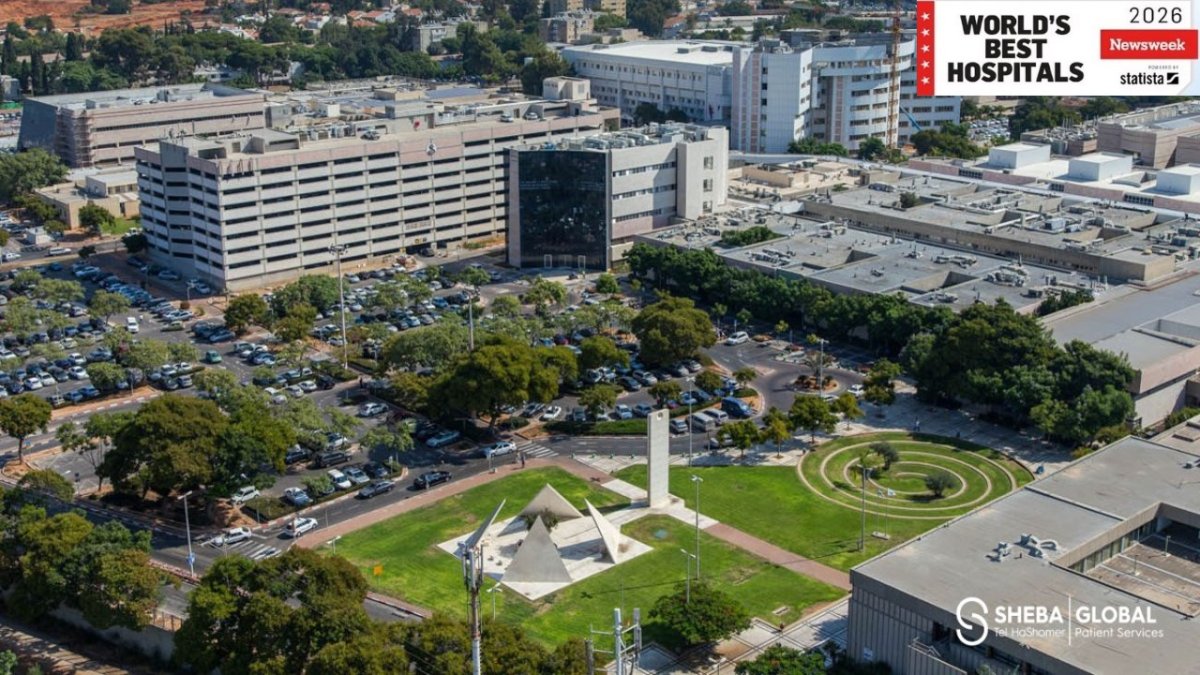












Sheba Tel HaShomer

Dental Clinic Dr. Mark Ratner
أفضل مراكز صحة الثدي في إسرائيل
- مركز شيبا الطبي, إسرائيل
- Sourasky Medical Center (Ichilov), إسرائيل
- Assuta Medical Center, إسرائيل
- Hadassah Medical Center, إسرائيل
- Rambam Medical Center, إسرائيل
- Sheba Tel HaShomer, إسرائيل
- Dental Clinic Dr. Mark Ratner, إسرائيل
احصل على تقييم طبي لـ في إسرائيل: اختر أخصائيك من بين الأفضل في هذا المجال
عرض جميع الأطباء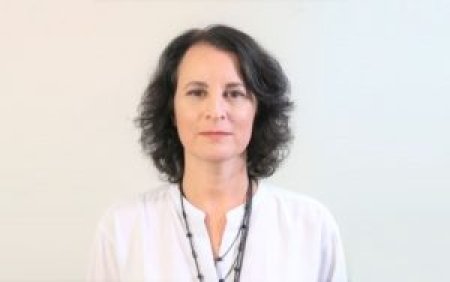
Einat Shacham Shmueli
الدكتورة عينات شاحام‑شموئيلي استشارية أورام طبية في عيادة الجهاز الهضمي، مركز السرطان، مركز شيبا الطبي. تعالج سرطانات القولون والمعدة والبنكرياس، وتدير حالات المرض النقيلي. تستخدم التشخيص الدقيق والواسمات الحيوية، والعلاجات الجهازية، والعلاج الإشعاعي. تُقدَّم الرعاية ضمن فريق متعدد التخصصات.
نشرت أكثر من 25 مقالة مُحكَّمة حول أورام الجهاز الهضمي وبيولوجيا الأورام والعلاجات الجديدة، ويشمل عملها دراسات عن وضع الدعامات لعلاج الانسداد الخبيث في القولون. تعمل باحثة في برامج دولية، منها المع
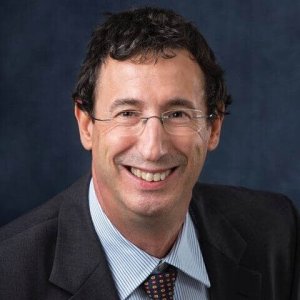
Dov Zippel
البروفيسور دوف زيبل جراح عام وجراح أورام، يختص بأمراض الثدي والميلانوما. يرأس مركز ميراف للثدي في مركز شيبا الطبي، ويعمل أيضاً في معهد إيلا ليملباوم لعلم الأورام المناعي. في عام 2025 أدرجته فوربس إسرائيل ضمن قائمة أفضل الأطباء.
الخبرة: رعاية متقدمة للأورام الحميدة والخبيثة في الثدي. جراحات طفيفة التوغل والجراحة المحافظة على الثدي. العلاج الجراحي للميلانوما وسرطانات الجلد الأخرى.
المؤهلات والاعتمادات: دكتوراه في الطب من جامعة تل أبيب. إقامة في الجراحة العامة بمركز شيبا الطبي. زما

Oscar Aballay
حاصل على شهادة البورد في كل من الطب الباطني وأمراض القلب، يتمتع الدكتور أبالاي بخبرة سريرية تزيد عن 20 عاماً في مركز سوراسكي الطبي.
- متخصص في أمراض القلب، وأمراض الرئة، وطب العناية المركزة
- يعالج مجموعة واسعة من الأمراض والحالات الطبية
- يقدم الاستشارات للمرضى باللغتين الإسبانية والإنجليزية
مشاركة المحتوى
قصص فيديو من مرضى Bookimed
 Anna Leonova
أسئلة متكررة حول صحة الثدي في إسرائيل
كيف يقلل جراحو التجميل الإسرائيليون من الندبات المرئية بعد جراحة الثدي؟
يقلل جراحو التجميل الإسرائيليون من الندبات المرئية من خلال الجمع بين أنظمة تخفيف التوتر الميكانيكية المتخصصة وتقنيات الليزر المتقدمة لإعادة تسطيح الجلد وتقنيات الإغلاق متعدد الطبقات. يستخدم المتخصصون ابتكارات مثل نظام TopClosure لتقليل توتر الجلد. يمنع هذا النهج حدوث ندبات واسعة أو بارزة في المرافق المعتمدة من قبل اللجنة الدولية المشتركة (JCI).
- تخفيف التوتر الميكانيكي: تعمل أجهزة مثل TopClosure وWisebands على تقريب حواف الجلد دون ضغط مفرط.
- وضع الشق الاستراتيجي: يخفي الجراحون الشقوق على طول الثنيات الطبيعية مثل الثنية تحت الثدي.
- إدارة التوتر الداخلي: يتم إغلاق الأنسجة العميقة أولاً لتخفيف الضغط على الطبقة السطحية.
- علاج الليزر بعد الجراحة: تستخدم مراكز مثل مركز شيبا الطبي ليزر ثاني أكسيد الكربون لتحسين ملمس الندبة.
رؤية خبير Bookimed: غالبًا ما تدير المراكز الطبية الإسرائيلية أعدادًا هائلة من المرضى، حيث يستقبل مركز شيبا الطبي أكثر من 1,500,000 زائر سنويًا. يسمح هذا الحجم الكبير للجراحين بتحسين بروتوكولات تقليل الندبات عبر أنواع البشرة المختلفة. توفر عيادات مثل مركز أسوتا الطبي اختيارًا شخصيًا للطبيب، مما يضمن للمرضى اختيار خبراء متخصصين في طرق إغلاق جراحية دقيقة محددة.
إجماع المرضى: يلاحظ المرضى أن اتباع رعاية لاحقة صارمة، مثل استخدام شرائح السيليكون وتجنب التعرض لأشعة الشمس لمدة عام واحد، يجعل الندبات غير مرئية تقريبًا. ويذكرون أن الشقوق غالبًا ما تتلاشى لتصبح خطوطًا باهتة وخفيفة مخفية تحت الثدي في غضون 6 إلى 12
ما هي المؤهلات التي يجب أن يبحث عنها المريض الأجنبي عند اختيار أخصائي ثدي أو جراح ثدي في إسرائيل؟
يجب على المرضى إعطاء الأولوية للجراحين الحاصلين على شهادة من الجمعية الطبية الإسرائيلية (IMA) ولديهم خبرة لا تقل عن 15 عاماً. ابحث عن تخصص فرعي في جراحة الأورام التجميلية في المراكز المعتمدة من قبل اللجنة الدولية المشتركة (JCI). تضمن المستشفيات ذات الحجم الكبير مثل سوراسكي أو شيبا الوصول إلى فرق متعددة التخصصات وتقنيات حديثة.
- الشهادة المهنية: تحقق من ترخيص وزارة الصحة الإسرائيلية واعتراف المجلس العلمي للجمعية الطبية الإسرائيلية (IMA).
- الخبرة السريرية: ابحث عن أطباء كبار في مراكز رئيسية لديهم أكثر من 15 عاماً من الممارسة الجراحية.
- اعتماد المستشفى: اختر المرافق الحاصلة على اعتماد اللجنة الدولية المشتركة (JCI) أو تصنيفات أفضل المستشفيات من مجلة نيوزويك.
- إتقان اللغة: تأكد من أن الجراح من بين 92% من الأطباء الإسرائيليين الذين يتحدثون الإنجليزية بطلاقة.
رؤية خبير Bookimed: تُظهر بياناتنا وجود علاقة بين حجم العمليات الجراحية ونوع المنشأة. تجري المراكز الخاصة مثل أسوتا 92,000 عملية جراحية سنوياً. ومع ذلك، يحافظ الخبراء التابعون للدولة في سوراسكي على معدل نجاح يصل إلى 90% في علاج الأورام. اختيار طبيب يعمل في كلا النوعين من المرافق يوفر أفضل دعم سريري.
إجماع المرضى: يؤكد المرضى أن إتقان اللغة الإنجليزية أمر حيوي للتنقل في النظام الطبي. يقترح الكثيرون التحقق من شهادات المرضى الأخيرة بدلاً من الاعتماد على تسويق العيادة للتحقق من النتائج الفعلية لحالات الجراح.
ما هي فحوصات التصوير والتشخيص قبل الجراحة التي يتم إجراؤها للمرضى الدوليين قبل جراحة الثدي في إسرائيل؟
يتبع المرضى الدوليون الذين يخضعون لجراحة الثدي في إسرائيل بروتوكولاً تشخيصياً صارماً يشمل تصوير الثدي بالأشعة السينية الرقمي (الماموجرام) والموجات فوق الصوتية للثدي. تضمن هذه الاختبارات الدقة الجراحية لكل من الإجراءات الأورام والتجميلية. تستخدم المراكز الرائدة مثل مركز شيبا الطبي ومركز سوراسكي الطبي (إيخيلوف) التصوير المقطعي ثلاثي الأبعاد والرنين المغناطيسي.
- معايير التصوير: الماموجرام والموجات فوق الصوتية إلزاميان لجميع المرضى لتخطيط الأنسجة.
- الفحص المتقدم: يحدد الرنين المغناطيسي للصدر حدود الورم أو يقيم غرسات السيليكون الموجودة.
- الاختبارات المعملية: تقيم تحاليل الدم الكاملة، وتجلط الدم، وتحليل البول اللياقة الجراحية العامة.
- التصريح القلبي: تخطيط القلب (EKG) هو إجراء قياسي لجميع المرضى الذين يخضعون للتخدير العام.
- مراجعة علم الأمراض: يجب على الخبراء الإسرائيليين إعادة فحص أي شرائح خزعة يتم إحضارها من الخارج.
رؤية خبير Bookimed: غالباً ما تطلب المستشفيات الإسرائيلية تصويراً جديداً إذا كانت فحوصاتك الحالية قد مر عليها أكثر من 6 أشهر. لتجنب التأخير، يجب على المرضى مشاركة التقارير الحديثة عبر الطب عن بعد قبل السفر. تستخدم المرافق الكبرى مثل مركز سوراسكي الطبي (إيخيلوف) هذه السجلات الرقمية لتسريع مواعيدك في الموقع.
إجماع المرضى: يشير المرضى إلى أن العيادات صارمة للغاية بشأن التصوير الحديث. طُلب من الكثيرين تكرار الموجات فوق الصوتية عند الوصول حتى لو كانت لديهم نتائج واضحة من بلدهم قبل أشهر فقط
ما هو الجدول الزمني النموذجي للتعافي وبروتوكول الرعاية اللاحقة لمريضات جراحة الثدي اللواتي يتم علاجهن في إسرائيل؟
يبدأ التعافي من جراحة الثدي في إسرائيل عادةً بإقامة في المستشفى لمدة 24 ساعة للمراقبة الأولية وإدارة الألم. تعود المريضات عادةً إلى النشاط الخفيف في غضون أسبوعين. يحدث التعافي الكامل وممارسة الرياضة دون قيود عادةً بين 6 إلى 8 أسابيع بعد العملية في المرافق المعتمدة من قبل JCI.
- المراقبة في المستشفى: تبقى معظم المريضات لمدة 24 ساعة للمراقبة وإدارة الألم بشكل احترافي.
- الحركة المبكرة: تشجع البروتوكولات السريرية على المشي الخفيف في اليوم الأول لمنع تجلط الدم.
- ملابس الدعم: تعتبر حمالات الصدر الجراحية أو أكمام الضغط إلزامية لمدة تتراوح بين 4 إلى 6 أسابيع تقريبًا.
- مستويات النشاط: غالبًا ما تستأنف المريضات العمل المكتبي غير البدني في غضون 7 إلى 10 أيام بعد الجراحة.
رؤية خبير Bookimed: تعطي المراكز الإسرائيلية مثل مركز سوراسكي الطبي ومركز شيبا الطبي الأولوية لكفاءة الجراحة ذات الحجم الكبير، مما يلغي غالبًا الحاجة إلى أنابيب التصريف بعد العملية. يسمح هذا النهج للعديد من المريضات بالانتقال إلى الرعاية الخارجية بشكل أسرع. تظهر بياناتنا أن العيادات التي تجري أكثر من 30,000 عملية سنويًا غالبًا ما توفر إحالات فورية للعلاج الطبيعي اللمفاوي المتكامل لمنع التورم.
إجماع المريضات: غالبًا ما تتفاجأ المريضات بكفاءة النظام وعدم وجود انتظار لمواعيد المتابعة. تشير الكثيرات إلى أن البدء بالمشي الخفيف فورًا أمر ضروري، على الرغم من تحذيرهن من عدم التخلي عن ارتداء ملابس الضغط حتى في المناخ الحار.
هل أنا مرشحة مناسبة لجراحة الثدي في إسرائيل إذا كان لدي تاريخ عائلي للإصابة بسرطان الثدي أو طفرة BRCA؟
تعتبر المرشحات ذوات المخاطر العالية اللاتي لديهن طفرات BRCA أو تاريخ عائلي مهم مرشحات مثاليات لجراحة الثدي في إسرائيل. تتخصص المراكز الإسرائيلية في استئصال الثدي الوقائي والمراقبة المكثفة. تستخدم هذه المرافق فحوصات جينية متقدمة وتصوير بالرنين المغناطيسي (MRI) لإدارة المخاطر بفعالية للسكان الأشكناز والمرضى الدوليين.
- الإجراءات المتاحة: استئصال الثدي الوقائي الثنائي وإعادة البناء مع الحفاظ على الحلمة هي خيارات أساسية لتقليل المخاطر.
- معايير التشخيص: تشمل بروتوكولات الفحص تصوير الثدي بالرنين المغناطيسي السنوي وفحوصات نصف سنوية.
- المراكز المتخصصة: يوفر مركز شيبا الطبي ومركز رمبام الطبي استشارات وراثية أورامية متعددة التخصصات.
- توقيت الجراحة: غالبًا ما تكون فترات انتظار الجراحات الوقائية قصيرة، تتراوح بين أسبوعين إلى 4 أسابيع.
رؤية خبير Bookimed: تتعامل المستشفيات الإسرائيلية مثل مركز سوراسكي الطبي وأسوتا مع أعداد هائلة من المرضى، حيث تجري أكثر من 30,000 إلى 90,000 عملية سنويًا. هذا التردد العالي يعني أن الفرق الجراحية سريعة بشكل استثنائي في تحديد أنماط الأنسجة الكثيفة الشائعة في المجموعات عالية المخاطر. يمكن للمرضى غالبًا دمج الفحوصات التشخيصية مع استشارة متخصصة في زيارة واحدة مدتها أسبوع واحد.
إجماع المرضى: يشير المرضى إلى أن الفرق الإسرائيلية تفضل بشدة التصوير بالرنين المغناطيسي على الموجات فوق الصوتية لأولئك الذين لديهم تاريخ عائلي. يوصون بتجهيز جميع نتائج الاختبارات الجينية قبل الوصول لتجنب أي تأخير في العملية.
هل يمكن إجراء الجراحة في العيادات الخارجية، وما هو مستوى دعم الفندق أو مركز التعافي الموصى به للسياح؟
يتم إجراء معظم إجراءات طب الثدي في إسرائيل في العيادات الخارجية. غالبًا ما يمكن للمرضى الذين يخضعون لاستئصال الورم العودة إلى مكان إقامتهم في نفس اليوم. تتطلب العمليات الجراحية الكبرى مثل استئصال الثدي عادةً إقامة في المستشفى لمدة 3 أيام. توفر المراكز المعتمدة من قبل JCI في تل أبيب دعمًا متخصصًا للمرضى الدوليين.
- أهلية الإجراء: يقوم الجراحون بتقييم التاريخ الطبي قبل الموافقة على الخروج في نفس اليوم.
- نوع الإقامة: تسمح فنادق 3 أو 4 نجوم بتعافي مريح.
- القرب: ابقَ على بعد 20 دقيقة من العيادة للمتابعة.
- مدة الدعم: يحتاج السياح عادةً إلى أسبوع إلى أسبوعين من دعم التعافي.
رؤية خبير Bookimed: تجري العيادات الخاصة الإسرائيلية مثل مركز أسوتا الطبي أكثر من 92,000 عملية سنويًا. يسمح هذا الحجم الكبير لهم بتقديم أنواع غرف مرنة. يمكن للمرضى اختيار بيئات التعافي التي تتناسب مع احتياجاتهم الخاصة. توفر المراكز الكبيرة في تل أبيب أيضًا أقسامًا دولية مخصصة لسد فجوات التواصل أثناء رعاية ما بعد الجراحة.
إجماع المرضى: يوصي المرضى باختيار فنادق بها مصعد ومحيط هادئ. يقترح الكثيرون ترتيب وسائل نقل خاصة وحزم أدوية إضافية، حيث قد يكون من الصعب نقل الوصفات الطبية المحلية بسرعة.
هل السفر في وقت مبكر جداً بعد الجراحة يزيد من خطر حدوث مضاعفات في الرحلات الجوية الطويلة؟
السفر في وقت مبكر جداً بعد الجراحة يزيد بشكل كبير من مخاطر مثل تجلط الأوردة العميقة (DVT) والانسداد الرئوي أثناء الرحلات الجوية الطويلة. يمكن أن تؤدي الضغوط الجسدية في مقصورات الطائرات إلى إعاقة التئام الجروح أو التسبب في فتح الغرز. يجب على المرضى الانتظار لمدة لا تقل عن 3 إلى 6 أسابيع قبل السفر جواً إلى المنزل.
- خطر التجلط: عدم الحركة لفترات طويلة والحالة ما بعد الجراحة تزيد من فرصة حدوث جلطات دموية خطيرة.
- سلامة الجرح: يمكن أن تؤدي تقلبات ضغط المقصورة إلى نخر الأنسجة أو تمزق الغرز أثناء الرحلة.
- إدارة التورم: غالباً ما يؤدي الجفاف وتغيرات الارتفاع إلى تفاقم الوذمة بعد الجراحة وتسبب ألماً شديداً.
- الوصول الطبي: لا تتوفر رعاية متخصصة في منتصف الرحلة إذا حدثت مضاعفات مثل النزيف الحاد أو الانسداد.
رؤية خبير Bookimed: تشير المراكز الإسرائيلية مثل مركز سوراسكي الطبي إلى معدل نجاح يصل إلى 90% في علاج الأورام، لكن الجغرافيا تؤثر على لوجستيات التعافي. نظراً لأن المراكز الكبرى مثل شيبا أو هداسا تخدم أكثر من 1,000,000 مريض سنوياً، فإنها غالباً ما تمتلك بروتوكولات مخصصة للمغادرين الدوليين. تشير البيانات إلى أن حجز إقامة لمدة 4 أسابيع يضمن للجراحين مراقبة الشفاء المبكر قبل أن تواجه تغيرات ضغط المقصورة.
إجماع المرضى: يلاحظ المرضى أن تورم الثدي يمكن أن يتضاعف أثناء الرحلات التي تستغرق 12 ساعة، ويؤكدون أن جوارب الضغط مفيدة ولكنها ليست مضمونة تماماً. يشارك الكثيرون أن السفر جواً للعودة حتى بعد 10 أيام من الجراحة أدى إلى ألم نابض وت
لماذا تُعد إسرائيل واحدة من الوجهات الرائدة في جراحة الأعصاب؟
تُعدّ إسرائيل مركزًا رائدًا في جراحة الأعصاب بفضل مزيجها من التطورات الطبية عالية التقنية والخبرات الجراحية المتميزة. وتستخدم مرافق متطورة مثل مركز شيبا الطبي أنظمة ملاحة تعتمد على الذكاء الاصطناعي والتصوير بالرنين المغناطيسي أثناء الجراحة في الوقت الفعلي. وتشير المراكز المتخصصة إلى نسبة نجاح تصل إلى 98% في العمليات الجراحية المعقدة، بما في ذلك جراحة الدماغ مع اليقظة وعلاج اضطرابات الحركة.
- التكنولوجيا المتقدمة: تستخدم العيادات الموجات فوق الصوتية المركزة الموجهة بالرنين المغناطيسي (MRgFUS) والأنظمة الروبوتية لإجراء الشقوق.
- الخبرة الجراحية: يقود جراحون مثل الدكتور تسفي رام جمعيات دولية بخبرة تزيد عن 25 عامًا.
- الوصول السريع: يمكن للمرضى الدوليين عادةً تحديد مواعيد لإجراء عمليات جراحية معقدة في الدماغ أو العمود الفقري في غضون 2-4 أسابيع.
- الرعاية الطبية المعتمدة: المراكز الكبيرة مثل سوراسكي (إيشيلوف) وأسوتا معتمدة من قبل اللجنة الدولية المشتركة، مما يؤكد سلامتها.
رأي خبراء بوكيمد: تُظهر البيانات فرقًا واضحًا بين خيارات العلاج في القطاعين العام والخاص في إسرائيل. تُجري المراكز الخاصة، مثل مركز أسوتا الطبي، أكثر من 92,000 عملية جراحية سنويًا، وتتيح للمرضى اختيار جراح را
ما هي أنواع الأمراض العصبية التي يتم علاجها في إسرائيل؟
يعالج جراحو الأعصاب الإسرائيليون طيفاً واسعاً من الحالات، بدءاً من أورام الدماغ والحبل الشوكي وصولاً إلى الاضطرابات الوظيفية المعقدة. وتستخدم المراكز المتخصصة أحدث التقنيات، مثل جهاز جاما نايف، والتحفيز العميق للدماغ، والتصوير بالرنين المغناطيسي أثناء الجراحة، لتشخيص دقيق للغاية لحالات الصرع، ومرض باركنسون، وأمراض الأوعية الدموية الدماغية.
- الأمراض السرطانية: علاج الأورام الدبقية والأورام السحائية وأورام الغدة النخامية باستخدام استئصال قاعدة الجمجمة.
- الاضطرابات الوظيفية: علاج مرض باركنسون والرعاش الأساسي باستخدام التحفيز العميق للدماغ.
- أمراض العمود الفقري: تصحيح الجنف، وانزلاق الغضروف، وأورام العمود الفقري باستخدام الأنظمة الروبوتية.
- علاج أمراض الأوعية الدموية الدماغية: العلاج الجراحي لتمدد الأوعية الدموية الدماغية والتشوهات الشريانية الوريدية باستخدام التدخلات داخل الأوعية الدموية.
- جراحة الأعصاب للأطفال: رعاية متخصصة لاستسقاء الرأس والتشوهات الخلقية في مراكز طب الأطفال المتخصصة.
رأي خبراء بوكيمد: غالبًا ما تجمع المستشفيات الإسرائيلية بين تخصصات طبية متعددة لمعالجة الحالات المعقدة. ففي مركز سوراسكي ا
ما هي المستشفيات في إسرائيل التي تشتهر بأقسام جراحة الأعصاب فيها؟
تضم إسرائيل مراكز جراحة أعصاب عالمية المستوى، مثل مركز سوراسكي الطبي، ومركز شيبا الطبي، ومركز هداسا الطبي. وتُعدّ هذه المؤسسات رائدة عالميًا في علاج أورام الدماغ المعقدة، وأمراض العمود الفقري، واضطرابات الحركة. وتستخدم أحدث التقنيات، مثل جهاز جاما نايف، والأنظمة الروبوتية، والتصوير بالرنين المغناطيسي أثناء الجراحة.
- سوراسكي (إيخيلوف): يجري أكثر من 2500 عملية جراحية عصبية سنوياً في تل أبيب بنسبة نجاح تبلغ 98%.
- مركز شيبا الطبي: مصنف ضمن أفضل عشرة مستشفيات في العالم، حيث يعالج 1.9 مليون مريض سنوياً.
- مركز هداسا الطبي: مرشح لجائزة نوبل للسلام. رائد في جراحة الأعصاب للأطفال والعلاج الجيني.
- مركز أسوتا الطبي: أكبر منشأة طبية خاصة في إسرائيل. متخصص في جراحات العمود الفقري والدماغ طفيفة التوغل.
- مستشفى شنايدر للأطفال: مركز رائد في جراحة الأعصاب للأطفال، يعالج 275000 طفل سنوياً.
رأي خبراء بوكيمد: تُظهر بياناتنا أنه بينما يلجأ معظم المرضى للعلاج في تل أبيب، يُقدّم مركز رامبام الطبي في حيفا رعايةً فريدةً لإصابات الدماغ. فهو يضم وحدةً متخصصةً للعناية المركزة العصبية تُعالج ما يقارب مليون مريض سنويًا. وهذا ما يجعله