Bookimed لا يضيف رسوماً إضافية على أسعار علاج مرض الثدي الكيسي الليفي. الأسعار مأخوذة من قوائم الأسعار الرسمية للعيادات. تدفع مباشرة في العيادة مقابل علاجك عند وصولك إلى البلد.
Bookimed ملتزم بسلامتك. نحن نعمل فقط مع المؤسسات الطبية التي تحافظ على معايير دولية عالية في علاج مرض الثدي الكيسي الليفي ولديها التراخيص اللازمة لخدمة المرضى الدوليين في جميع أنحاء العالم.
Bookimed يقدم مساعدة خبراء مجانية. منسق طبي شخصي يدعمك قبل وأثناء وبعد العلاج، ويحل أي مشاكل. لن تكون وحيداً أبداً في رحلة علاج مرض الثدي الكيسي الليفي.
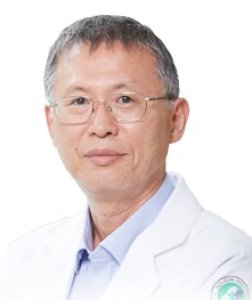
الدكتور لي جيهيون جرّاح ثدي ودرقية. يمتلك خبرة في أمراض الثدي الحميدة والخبيثة، وجراحة الثدي الأونكوبلاستيكية، وخزعة ماموتوم. كما يعالج أمراض الغدة الدرقية وجارات الدرق، ويمارس العناية المركزة الرئوية (طب العناية الحرجة).
حصل على دكتوراه في الطب (MD) من كلية الطب بجامعة يونسي. أنهى برنامج الامتياز وإقامة الجراحة العامة في مستشفى سيفرانس بجامعة يونسي. كما أتمّ زمالة قصيرة الأمد في مستشفى معهد السرطان التابع لـ JFCR في اليابان.
شملت مناصبه السابقة: رئيس قسم الجراحة في مستشفى إنشيون المسيحي، وجرّاحًا معالجًا في مستشفى تشيل العام. شغل منصب مدير مركز الثدي، ورئيس مجلس الجراحة ورئيس قسم الجراحة في مستشفى سامسونغ تشيل. كما كان رئيس قسم الجراحة ونائب الرئيس للشؤون الطبية في مستشفى تشيل العام، وعمل أستاذًا إكلينيكيًا للجراحة في مستشفى كانغنام تشا، جامعة تشا.
الطبيب هو أحد أبرز المتخصصين في سرطان الثدي في كوريا الجنوبية ومعترف به بين أفضل 100 جراح لسرطان المعدة والثدي في العالم. قام الطبيب بتطوير جراحة الحفاظ على الثدي في كوريا الجنوبية في عام 1986 واخترع جراحة فريدة لسرطان المعدة تقلل من خطر مرض الارتجاع المعدي المريئي. يرأس الطبيب حاليًا مركز السرطان للنساء في المركز الطبي لجامعة إيهوا النسائية وقد شغل سابقًا منصب رئيس مستشفى جامعة كونكوك ومدير مستشفى مركز السرطان الكوري. كما أن الطبيب باحث نشط في تشخيص وإدارة سرطان الثدي.<\/p>
الطبيب هو متخصص رائد في علاج سرطان الثدي، مع تدريب وخبرة واسعة. أكمل تدريبه وتدريبه الداخلي في مركز يونسي الطبي الجامعي في كوريا الجنوبية وعمل كجراح في مركز يونسي للسرطان.<\/p>
من 2011 إلى 2013، عمل كأستاذ استشاري في قسم سرطان الثدي في جامعة أندرسون في الولايات المتحدة الأمريكية. تركز أبحاثه على علاج سرطان الثدي باستخدام الأدوية الهرمونية والكيميائية.<\/p>
الطبيب عضو في الجمعية الطبية الكورية، والجمعية الأمريكية لعلم الأورام السريري، والجمعية الأمريكية لأبحاث السرطان.<\/p>
الدكتورة يون إي بارك هي مديرة المستشفى وكبيرة المسؤولين الطبيين في مستشفى سيول ميز. وهي متخصصة في الجراحة بالمنظار للأورام الليفية الرحمية وأورام المبيض. تدير الدكتورة بارك أيضًا عيادات سلس البول وجراحة التجميل النسائية. وهي تشغل مناصب أستاذ مساعد في كليات الطب بجامعة كوريا وجامعة هالييم.
الجراحة لعلاج تكتلات الثدي في كوريا ليست مطلوبة دائمًا. يستخدم المتخصصون الجراحة بشكل أساسي لإزالة الأورام الحميدة المصحوبة بأعراض أو الكتل المشبوهة. تتم إدارة معظم التغيرات الليفية الكيسية من خلال المراقبة والتصوير. تسمح تقنيات الشق الجراحي الصغير مثل الخزعة الموجهة بالتفريغ (VABB) بالتشخيص والعلاج في نفس الوقت.
رؤية خبير Bookimed: تتفوق كوريا في التشخيص الرقمي لأنسجة الثدي الكثيفة. تستخدم مستشفيات مثل مستشفى جامعة سيول الوطنية بوندانغ أنظمة ذكاء اصطناعي متقدمة وأنظمة تصوير رقمي. تساعد هذه التكنولوجيا في تجنب العمليات الجراحية غير الضرورية من خلال توفير دقة أعلى في تحديد الأنماط الليفية الكيسية الحميدة. يجب على المرضى إعطاء الأولوية للعيادات التي تضم مراكز ثدي متكاملة لضمان انتقال سلس من التصوير إلى الخزعة.
إجماع المرضى: يشير المرضى إلى أن تكتلات الثدي غالبًا ما تبدو أكثر إثارة للقلق مما هي عليه في الواقع. ويؤكدون على أهمية الحصول على تصوير احترافي في مراكز متخصصة مثل مستشفى سيفيرانس للتمييز بين الأكياس البسيطة والأنسجة التي تتطلب خزعة.
وجود أثداء ليفية كيسية لا يزيد عموماً من خطر إصابتك بسرطان الثدي. هذه الحالة الشائعة حميدة وليست سرطانية. ومع ذلك، يمكن للنسيج المتكتل أحياناً أن يحجب الأورام الصغيرة أثناء فحوصات الكشف. يعتمد الاكتشاف على مقارنة الملمس الأساسي مع أي نتائج جديدة أو مستمرة أثناء التصوير.
رؤية خبير Bookimed: تعمل أنظمة التشخيص الرقمي المتقدمة في كوريا على تقليل الخطأ البشري بشكل كبير عند فحص الأثداء الكثيفة أو الليفية الكيسية. على سبيل المثال، يستخدم مستشفى جامعة سيول الوطنية بوندانغ نظام BESTcare لتحسين دقة التشخيص. إذا كان لديك نسيج متكتل مستمر، فمن الحكمة اختيار عيادة مثل المركز الطبي لجامعة إيهوا النسائية لأنهم متخصصون تحديداً في صحة المرأة ونتائج التشخيص الموجهة نحو الجماليات.
إجماع المرضى: يلاحظ المرضى أن المصطلح يبدو مخيفاً أكثر مما هو عليه في الواقع. يشعر معظمهم بالارتياح بعد تلقي نتائج الموجات فوق الصوتية والماموجرام في نفس اليوم والتي تؤكد أن كتلهم هي ليفية كيسية بحتة.
تعالج العيادات الكورية الثدي الليفي الكيسي من خلال إدارة الأعراض والمراقبة التشخيصية المتقدمة. تستخدم المرافق في سيول وإنتشون التصوير بالموجات فوق الصوتية عالي الدقة والتصوير الرقمي لتتبع التغيرات الهرمونية. تشمل الإجراءات الشائعة الشفط بالإبرة الدقيقة الموجه بالموجات فوق الصوتية للأكياس المؤلمة والإدارة الدوائية التحفظية لتقليل حساسية الثدي.
رؤية خبير Bookimed: تعد كوريا الجنوبية رائدة في الرعاية الطبية المخصصة للنساء، حيث تركز مراكز مثل مركز جامعة إيوا النسائية الطبي بشكل خاص على التشخيص المتمحور حول المرأة. تُظهر بياناتنا أن هذه المراكز المتخصصة تعطي الأولوية للنتائج التجميلية والحد الأدنى من الندوب، وهو أمر بالغ الأهمية إذا أصبحت الخزعة ضرورية لتأكيد التغيرات الليفية الكيسية الحميدة.
إجماع المرضى: تلاحظ المريضات أن الأخصائيين الكوريين دقيقون للغاية، وغالبًا ما يوفرون التصوير في نفس اليوم والنتائج المترجمة. ويؤكد الكثيرون أن الأطباء هنا يركزون على توفير الوضوح وتقليل القلق من خلال التمييز بوضوح بين التغيرات الهرمونية الطبيعية والأورام.
استشر طبيبًا في كوريا إذا استمرت كتل الثدي بعد الدورة الشهرية. اطلب تقييمًا فوريًا في حالة خروج إفرازات دموية من الحلمة، أو وجود غمازات على الجلد، أو انكماش جديد في الحلمة. توفر المراكز المتخصصة مثل مركز جامعة إيوا النسائية الطبي تصوير الثدي بالأشعة السينية والموجات فوق الصوتية للتمييز بين التغيرات الليفية الكيسية الحميدة والحالات الخطيرة.
رؤية خبير Bookimed: يوفر المشهد الطبي في كوريا ميزة فريدة لصحة المرأة من خلال المستشفيات المخصصة للجنسين. يعمل مركز جامعة إيوا النسائية الطبي كمرفق مخصص للنساء فقط. تظهر بياناتنا أنه يحتفظ باعتمادات JCI وKOIHA. غالبًا ما تقلل هذه البيئة من القلق الذي تشعر به المريضات أثناء فحوصات الثدي التشخيصية الغازية أو الخزعات.
إجماع المرضى: تلاحظ المريضات أنه من الضروري إجراء فحص إذا كانت الكتلة تبدو مختلفة عن الألم الشهري المعتاد. ويؤكدن أن التصوير الطبي المهني في كوريا غالبًا ما يوفر الطمأنينة التي تشتد الحاجة إليها عندما تكون النتائج في المنزل غير واضحة.Fibrocystic breast changes are benign and do not increase breast cancer risk. South Korean specialists at JCI-accredited hospitals like Severance and Ewha use ultrasound. It helps distinguish cysts from lesions. Doctors there specialise in managing dense tissue common in fibrocystic cases.
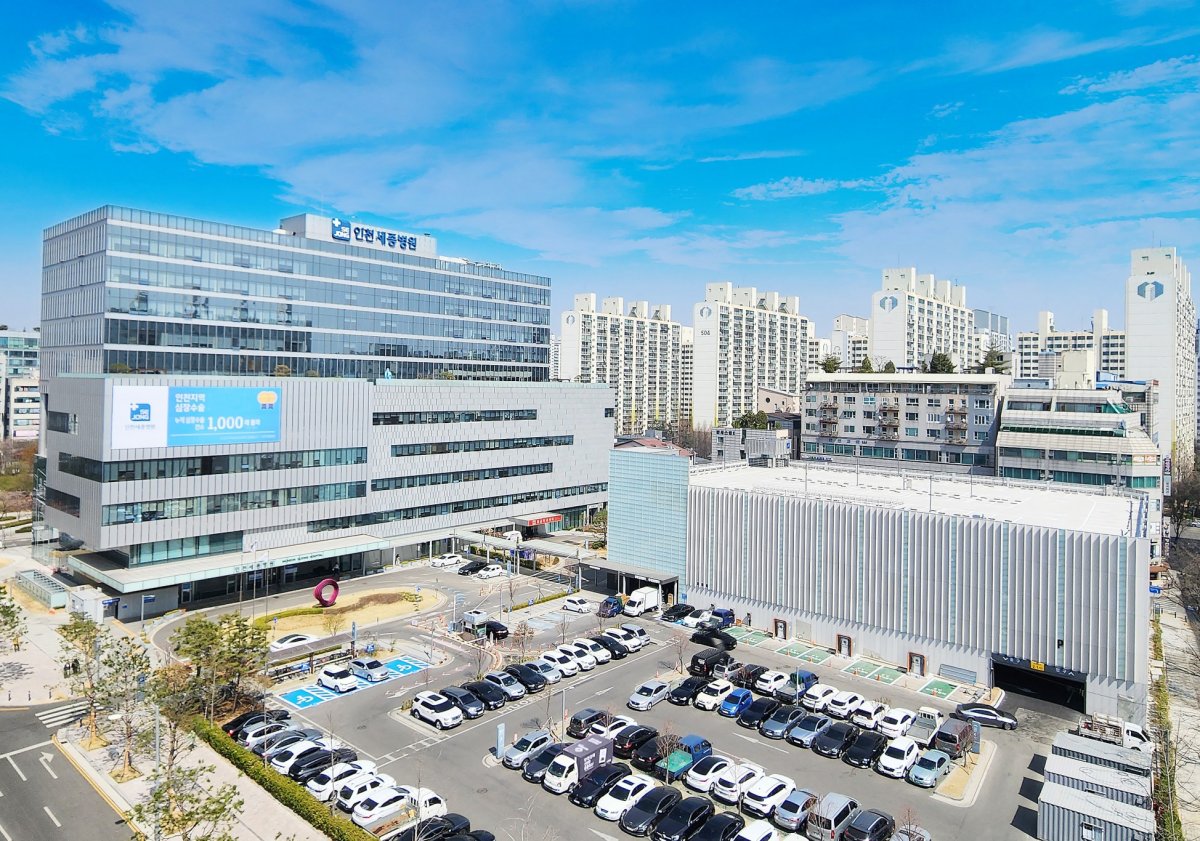
Bookimed Expert Insight: South Korea leads in digital health. Seoul National University Bundang Hospital uses the global BESTcare safety system. This technology makes patients' historical imaging data instantly available to specialists. For fibrocystic patients, this means doctors can track minute tissue changes over years. They can do so with extreme precision.
Patient Consensus: Patients note that Korean clinics provide mammography and ultrasound results on the same day. They appreciate receiving digital copies and English reports for their medical records back in Australia. People also find the modern facilities and coordinated translation services helpful. They make the diagnosis process less stressful.
Surgery for fibrocystic breast disease is rarely necessary in South Korea. Specialists usually manage this benign condition with pain relief and monitoring. Doctors only consider surgical intervention for persistent or recurring lumps. Most patients receive a personalised, non-surgical plan after a thorough ultrasound examination.
Bookimed Expert Insight: South Korea's digital hospital infrastructure, seen at SNUBH, provides diagnostic precision for breast tissue. Bookimed data shows that leading clinics like Ewha Womans University Medical Center frequently offer lower-than-expected costs for examinations. This high-tech environment allows specialists to monitor fibrocystic changes accurately without rushing into invasive procedures.
Patient Consensus: Patients in South Korea value receiving clear diagnostic reports in English and having coordinators assist with hospital queues. They recommend visiting hospital-based breast units for comprehensive tissue evaluation before discussing any surgical options.
South Korean specialists diagnose fibrocystic breast disease using a triple assessment approach. This clinical process combines physical exams, high-resolution digital imaging, and biopsies. Major centres specialise in dense tissue analysis. This helps distinguish benign tissue changes from malignancies within the Korean population.
Bookimed Expert Insight: Patient volume is a major quality signal in South Korea. Seoul National University Bundang Hospital serves over 1.5 million patients annually. Their BESTcare safety system integrates digital diagnostics with surgical planning. This high volume means doctors distinguish benign fibrocystic changes from serious conditions with extreme accuracy.
Patient Consensus: Patients note the diagnostic process in South Korea is fast and highly efficient. They appreciate the focus on high-resolution imaging and the thoroughness of the specialist consultations.
Leading South Korean hospitals manage fibrocystic breast disease through diagnostic monitoring, ultrasound-guided aspiration, and hormonal therapy. Specialists use high-resolution digital imaging and fine-needle aspiration to resolve painful cysts. Facilities like Seoul National University Bundang Hospital handle over 1.5 million cases annually with precise diagnostic protocols.
Bookimed Expert Insight: While major centres like Asan Medical Center perform over 65,000 surgeries yearly, most fibrocystic cases receive conservative care. South Korean specialists often recommend Mammotome biopsies for suspicious lumps. This allows tissue removal through a tiny incision. It avoids traditional open theatre surgery and visible scarring.
Patient Consensus: Patients in South Korea value clear communication. Interpreters help navigate mammography and ultrasound appointments. Clinics also provide digital results in English for follow-up support back in Australia.
Hormonal treatments manage severe fibrocystic breast disease in South Korea by regulating oestrogen and progesterone fluctuations. Specialists prescribe oral contraceptives, synthetic steroids like Danazol, or cyclic progestin therapy. These treatments target chronic breast pain and swelling when conservative management fails to provide relief.
Bookimed Expert Insight: While major Seoul hospitals handle over 1.6 million outpatients annually, patients often benefit from the integrated approach at Ewha Womans University Medical Centre. This facility won first place in national quality rankings for three years. Their focus on women’s health means patients receive tailored hormone protocols within a 5-star multidisciplinary environment.
Patient Consensus: Patients in South Korea note that hormonal options like birth control are widely available. However, finding the right dose often requires careful monitoring and trial. Reviews from Severance Hospital highlight that even when local doctors suggest surgery, Korean oncologists frequently provide reassuring diagnoses. These are based on thorough ultrasound and mammography.
Recovery after cyst aspiration in South Korea is rapid. Most patients resume daily activities within a few hours to one day. Specialists use ultrasound guidance for a precise, minimally invasive procedure. While immediate soreness is common, it typically resolves within 24 to 48 hours.
Bookimed Expert Insight: South Korea's high patient volumes result in deep expertise in mammology. Seoul Miz Hospital alone performs 10,000+ treatments for cysts and fibroids. This experience means practitioners can distinguish simple fluid re-accumulation from complex masses during aspiration. This reduces the need for repeat visits.
Patient Consensus: Patients in South Korea describe the aspiration sensation as pressure rather than pain. They note that discomfort eases immediately once the procedure finishes. Many report feeling fully recovered within 3 days. However, mammography and ultrasound results might take up to a week.
Specialised treatment for fibrocystic breast disease in South Korea is available at centres like Ewha Womans University Medical Center and Asan Medical Center. These facilities offer diagnostics such as vacuum-assisted breast biopsy (VABB) and ultrasound-guided aspiration. Experts specialise in hormone therapy and monitoring to manage symptoms effectively.
Bookimed Expert Insight: University hospitals like Severance and Seoul National University Bundang Hospital handle 1.5 million patients annually. Even so, South Korean women's clinics often provide faster access to Mammotome biopsy. This technology allows specialists to remove entire benign lumps through a 3mm incision. It serves as both a diagnosis and a treatment.
Patient Consensus: Patients note that South Korean hospitals provide high-level service with dedicated coordinators. These coordinators assist with translations and provide reports in English. Many appreciate that costs can be lower than expected. They also value that even major check-ups typically include imaging results on a disc for follow-up back home.