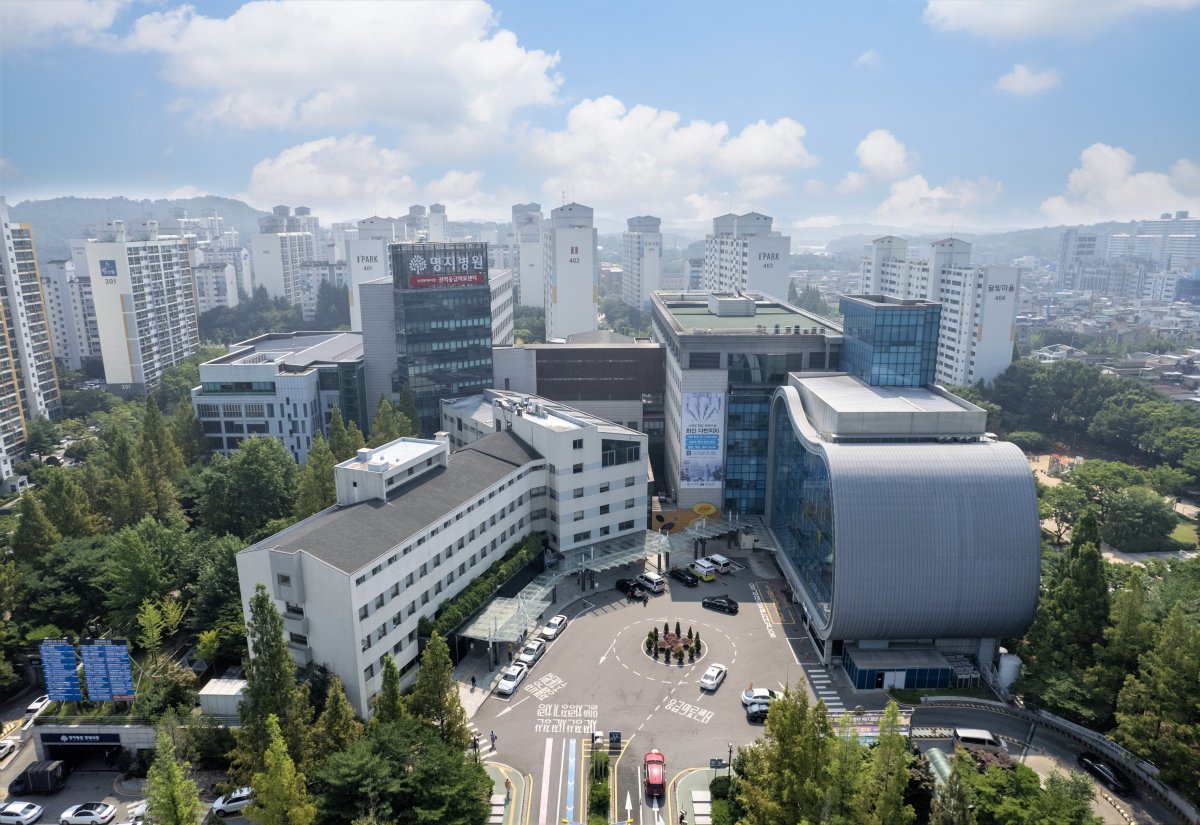
Seoul Miz Hospital
كوريا الجنوبية, سول


تمت مراجعة المقالة طبيا من قبل
فهد مولود
تتراوح تكلفة التشخيص في كوريا الجنوبية عادةً ما بين $3,200 و $5,500. تعتمد النفقات الإجمالية على ما إذا كنت تختار باقة فحص شاملة أو اختبارات تصوير فردية. وغالباً ما يجد المرضى الأجانب أن هذه التشخيصات أقل تكلفة بنسبة 30-50% مقارنة بالإجراءات المماثلة في الولايات المتحدة.
تكاليف التشخيص النموذجية في كوريا الجنوبية
تقع معظم مراكز الفحص المتخصصة في سيول، وإنتشون، وبوسان. وفي حين قد تكون للمستشفيات الجامعية في سيول رسوم إدارية أعلى، غالباً ما تقدم مراكز التشخيص المتخصصة في إنتشون أسعاراً أكثر تنافسية. استشر أخصائياً للحصول على تسعير دقيق لفحصك الصحي.
| كوريا الجنوبية | تركيا | إسبانيا | |
|---|---|---|---|
| علاج الألم المزمن بعد جراحة الفتق | ≈ $2,800 | من $350 | ≈ $2,400 |
| تنظير البطن التشخيصي | ≈ $2,800 | من $4,400 | من $7,900 |
| العملية بناء على توصية الطبيب | ≈ $2,800 | من $2,200 | ≈ $2,600 |
Bookimed لا يضيف رسوماً إضافية على أسعار علاج التشخيص. الأسعار مأخوذة من قوائم الأسعار الرسمية للعيادات. تدفع مباشرة في العيادة مقابل علاجك عند وصولك إلى البلد.
Bookimed ملتزم بسلامتك. نحن نعمل فقط مع المؤسسات الطبية التي تحافظ على معايير دولية عالية في علاج التشخيص ولديها التراخيص اللازمة لخدمة المرضى الدوليين في جميع أنحاء العالم.
Bookimed يقدم مساعدة خبراء مجانية. منسق طبي شخصي يدعمك قبل وأثناء وبعد العلاج، ويحل أي مشاكل. لن تكون وحيداً أبداً في رحلة علاج التشخيص.



متخصص في طب الأسنان الخالي من التوتر مع التخدير الواعي – مثالي للمرضى القلقين أو الإجراءات المعقدة في عيادة DIER للأسنان.
 Anna Leonova
يستغرق الفحص الطبي الشامل في جمهورية كوريا عادةً من ساعتين إلى 6 ساعات. تنتهي الفحوصات الأساسية مثل تحاليل الدم والموجات فوق الصوتية غالبًا في غضون 3 ساعات. تتطلب الباقات المميزة التي تتضمن التصوير بالرنين المغناطيسي أو الأشعة المقطعية عادةً صباحًا كاملاً أو من 4 إلى 6 ساعات لإكمالها.
رؤية خبير Bookimed: بينما يختار الكثيرون العيادات الكبيرة بسبب حجمها، غالبًا ما توفر المراكز المتخصصة الأصغر مثل مستشفى Na-Eun أو مستشفى Seoul Miz سرعة أكبر في الإنجاز. تظهر البيانات أن هذه المرافق تدير أعدادًا كبيرة من المرضى مع الحفاظ على معايير السلامة المعتمدة من KOIHA. للحصول على أسرع تجربة، يمكن أن يؤدي حجز موعد صباحي في مركز متخصص إلى تقليل الوقت الإجمالي بنسبة 20% مقارنة بالمستشفيات الجامعية الكبيرة.
إجماع المرضى: يشير المرضى إلى أن الوصول صائمًا بحلول الساعة 8 صباحًا أمر ضروري لإنهاء جميع الاختبارات بحلول الظهر. يوصي الكثيرون بدفع تكاليف خيارات المسار السريع (VIP) لتجنب الطوابير الطويلة خلال ساعات الذروة الصباحية.
تشمل مراكز التشخيص الأعلى تقييماً في كوريا الجنوبية مركز سامسونج الطبي (Samsung Medical Center)، ومستشفى سيفيرانس (Severance Hospital)، ومركز أسان الطبي (Asan Medical Center). توفر هذه المرافق المعتمدة من قبل اللجنة الدولية المشتركة (JCI) فحوصات صحية شاملة وتصويراً طبياً متقدماً. كما تتميز بأقسام دولية مخصصة وتوفر نتائج سريعة للمرضى الدوليين في غضون يوم إلى يومين.
رؤية خبير Bookimed: تظهر البيانات أن حجم العمل في المستشفى يرتبط ارتباطاً مباشراً بسرعة التشخيص في سيول. تتعامل مراكز مثل مستشفى سيفيرانس ومركز سامسونج الطبي مع ملايين المرضى سنوياً. يسمح لهم هذا النطاق الهائل بتقديم فحوصات في يوم واحد بما في ذلك التصوير بالرنين المغناطيسي وتنظير القولون. غالباً ما يتم تسليم هذه النتائج عبر تطبيقات باللغة الإنجليزية أو البريد الإلكتروني.
إجماع المرضى: يقدر المرضى مدى سرعة إكمال فحوصات PET-CT لكامل الجسم مقارنة ببلدانهم الأصلية. يلاحظ الكثيرون أن وجود منسقين ثنائيي اللغة وسجلات طبية مترجمة يجعل عملية الاختبار المعقدة تبدو أكثر سلاسة.
يتلقى معظم المرضى في كوريا الجنوبية نتائج فحوصات الدم الأساسية والأشعة السينية في غضون ساعة إلى 4 ساعات. أما التصوير المتقدم مثل الأشعة المقطعية (CT) أو الرنين المغناطيسي (MRI) فيستغرق عادةً من ساعتين إلى 24 ساعة. غالبًا ما توفر المستشفيات الجامعية الكبرى تقارير رقمية عبر تطبيقات الهاتف المحمول أو البوابات الإلكترونية في نفس اليوم.
رؤية خبير Bookimed: تُظهر البيانات أن المراكز ذات الحجم الكبير مثل مركز سامسونج الطبي ومركز أسان الطبي تعالج أكثر من 180,000 مريض سنويًا. يتطلب هذا النطاق الهائل أنظمة رقمية متكاملة تمامًا، مما يؤدي غالبًا إلى سرعة أكبر في إنجاز التشخيص مقارنة بالعيادات الصغيرة. تستخدم هذه المؤسسات الذكاء الاصطناعي والمباني الذكية لنقل البيانات فورًا بين المختبرات والأخصائيين.
إجماع المرضى: غالبًا ما يتفاجأ المرضى بوصول نتائج فحوصات الدم إلى هواتفهم قبل حتى مغادرتهم منطقة المستشفى. يشير الكثيرون إلى أن تلقي التقارير المطبوعة أو النسخ الرقمية هو جزء قياسي وفعال من عملية الخروج.
توفر المراكز الطبية الكبرى في كوريا الجنوبية دعمًا باللغة الإنجليزية من خلال أقسام المرضى الدوليين أو المنسقين الطبيين. تقدم المرافق المعتمدة من قبل JCI مثل مستشفى سيفيرانس ومركز سامسونج الطبي خدمات ترجمة مخصصة. قد تستخدم العيادات الصغيرة تطبيقات الترجمة أو الموظفين ذوي المهارات الأساسية في اللغة الإنجليزية أثناء فحوصات التشخيص.
رؤية خبير Bookimed: تشير البيانات إلى وجود علاقة بين حجم المرضى وجودة دعم اللغة. تمتلك المراكز واسعة النطاق مثل مستشفى سيفيرانس، الذي يخدم أكثر من 4,000,000 مريض سنويًا، أقسامًا دولية قوية. في المقابل، تركز العيادات المتخصصة مثل مستشفى نا-أون في إنتشون على فحوصات صحية مبسطة حيث قد تختلف طلاقة اللغة الإنجليزية بين طاقم التمريض.
إجماع المرضى: يشير المرضى إلى أنه على الرغم من أن المستشفيات الكبرى توفر منسقين، فمن المفيد أن يكون لديك تطبيق ترجمة مثل Papago جاهزًا. ذكر أحد المرضى أن وجود مترجم فوري مخصص لنتائج التصوير بالرنين المغناطيسي المعقدة كان يستحق الجهد الإضافي من أجل الوضوح السريري.
تتطلب الفحوصات الطبية المتعلقة بالتأشيرة في جمهورية كوريا إحضار جواز سفر ساري المفعول، وسجلات التطعيم، وتأكيد الموعد الخاص بك. تشمل معظم الفحوصات تصوير الصدر بالأشعة السينية، وتحاليل الدم، وفحصاً بدنياً. غالباً ما يتم إجراؤها في مرافق معتمدة من قبل اللجنة الدولية المشتركة (JCI) مثل مركز جامعة إيهوا النسائية الطبي أو مستشفى سيفيرانس.
رؤية خبير Bookimed: تُظهر البيانات أن المراكز الكورية الكبرى مثل مركز سامسونج الطبي ومركز أسان الطبي تدير أعداداً هائلة من المرضى، حيث تخدم الملايين سنوياً. بالنسبة لمقدمي طلبات التأشيرة، هذا يعني أن البنية التحتية محسنة للغاية. من الضروري الحجز قبل 2–4 أسابيع لأن المواعيد في هذه المستشفيات ذات السعة العالية تمتلئ بسرعة بسبب سمعتها الدولية.
إجماع المرضى: يشير المرضى إلى أنه من المهم شرب 1–2 لتر من الماء في صباح يوم الفحص. هذا يجعل سحب الدم أسهل ويمنع التأخير أثناء العملية التي تستغرق 1–2 ساعة.