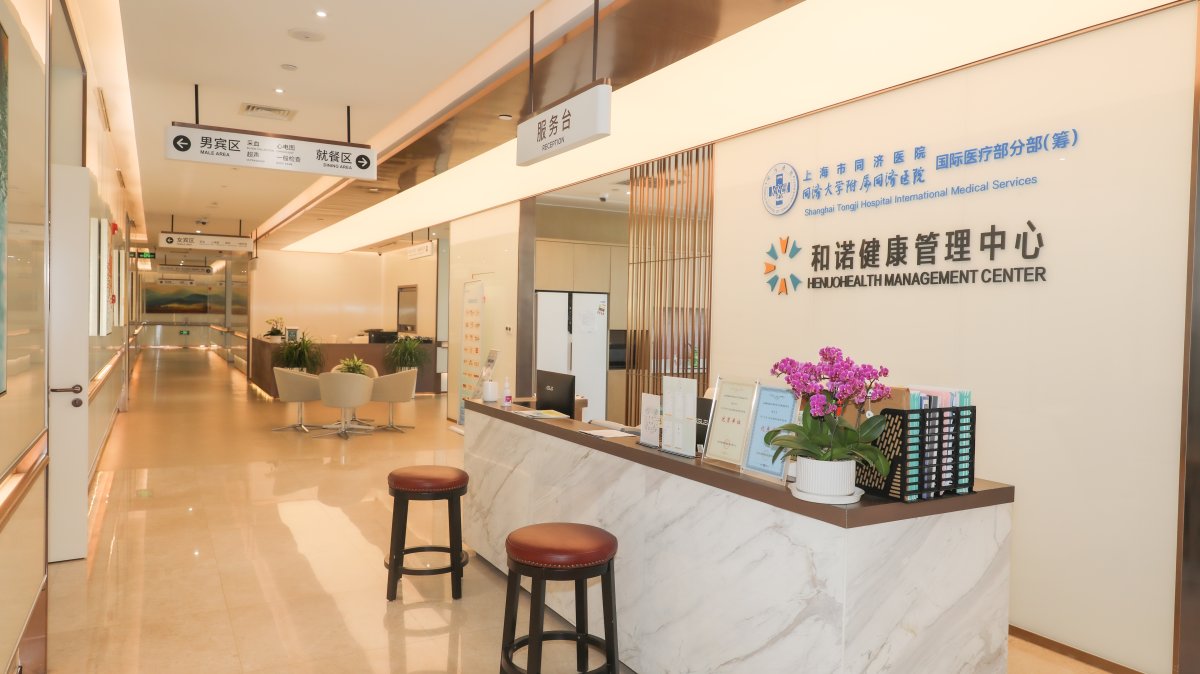
مركز أمراض الدم والعلاج الخلوي Shanghai Tongji Hospital
الصين, Shanghai


تمت مراجعة المقالة طبيا من قبل
فهد مولود
تتراوح تكلفة التشخيص الطبي في الصين عادةً ما بين $5,200 و $7,400، مما يوفر بديلاً ميسور التكلفة للغاية مقارنة بالرعاية الصحية في الدول الغربية. تعتمد أسعار الخدمات التشخيصية على مستوى المستشفى، ومدى تعقيد الاختبار، وما إذا كنت تختار إجراءً واحداً أو باقة فحص شاملة. يمكن للمرضى توقع توفير ما بين 70-85% مقارنة بالولايات المتحدة.
تكاليف التشخيص النموذجية في الصين
تشمل المراكز الطبية الرئيسية للتشخيص بكين وشانغهاي وغوانزو، حيث توجد مستشفيات من الدرجة الأولى (Grade 3A). وعلى الرغم من أن الأسعار موحدة بشكل عام، إلا أن بعض المرافق الإقليمية قد تقدم أسعاراً أقل. استشر أخصائياً للحصول على تسعير دقيق لاحتياجاتك التشخيصية المحددة.
| الصين | تركيا | إسبانيا | |
|---|---|---|---|
| علاج الألم المزمن بعد جراحة الفتق | ≈ $2,500 | من $350 | ≈ $2,400 |
| تنظير البطن التشخيصي | ≈ $4,800 | من $4,400 | من $7,900 |
| العملية بناء على توصية الطبيب | ≈ $2,800 | من $2,200 | ≈ $2,600 |
Bookimed لا يضيف رسوماً إضافية على أسعار علاج التشخيص. الأسعار مأخوذة من قوائم الأسعار الرسمية للعيادات. تدفع مباشرة في العيادة مقابل علاجك عند وصولك إلى البلد.
Bookimed ملتزم بسلامتك. نحن نعمل فقط مع المؤسسات الطبية التي تحافظ على معايير دولية عالية في علاج التشخيص ولديها التراخيص اللازمة لخدمة المرضى الدوليين في جميع أنحاء العالم.
Bookimed يقدم مساعدة خبراء مجانية. منسق طبي شخصي يدعمك قبل وأثناء وبعد العلاج، ويحل أي مشاكل. لن تكون وحيداً أبداً في رحلة علاج التشخيص.

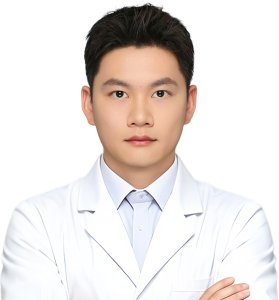
الدكتور تاو وانغ حاصل على شهادة اعتماد من الجمعية الصينية لطب الأسنان (CSA)، ويحمل درجة الماجستير في طب الأسنان (طب الفم). وقد نشر مقالاً علمياً في مجلة رئيسية متخصصة هي "المجلة الصينية للتشريح والعيادات".
يغطي نطاقه السريري زراعة الأسنان، وطب الاستعاضات السنية، وعلاج جذور الأسنان، وعلاج اللثة. يركز الدكتور وانغ على تجميل الأسنان، بما في ذلك طب الأسنان التجميلي طفيف التوغل (MICD)، وتصميم الابتسامة الرقمي (DSD)، والرعاية متعددة التخصصات، والترميمات التي تحافظ على بنية الأسنان. يلتزم بمب
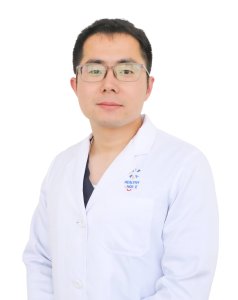
الدكتور وانغ شون طبيب معالج. يحمل درجة الماجستير في الطب من جامعة تيانجين الطبية.
يمارس الطب العام بنهج نفسي‑جسدي قائم على الأدلة. يوفّر إدارة معيارية وخططاً فردية للأمراض المزمنة، ويُنسّق الإحالات للحالات المعقّدة. كما يدعم إعادة التأهيل بعد المرض الشديد أو الجراحة. تشمل خبرته القلق والاكتئاب المتلازمين ومتلازمات نفسية‑جسدية أخرى، ويؤكد على التواصل طويل الأمد بين الطبيب والمريض وعلى رعاية مستمرة ومتكاملة.

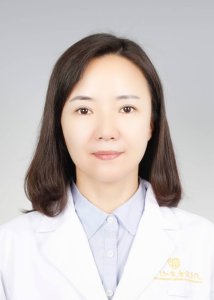
الأستاذة ليانغ شياوشياو مديرة القسم ورئيسة الأطباء في إعادة التأهيل العصبي. تحمل درجة الماجستير في طب الأعصاب. متمرسة في التعديل العصبي لاضطرابات الوعي والإدراك والحركة. يتركز عملها على حالات ناجمة عن أمراض الأوعية الدموية الدماغية، ومرض باركنسون، وحالات ذات صلة. كما تُجري حقن توكسين البوتولينوم بتوجيه الموجات فوق الصوتية لعلاج تشنج الجفن، وتشنج نصف الوجه، وتشنج الأطراف، وفرط سيلان اللعاب، وآلام الأعصاب.
الاعتمادات والمناصب: عضوة في لجان إعادة التأهيل العصبي، وإعادة تأهيل اضطرابات الإد
 Anna Leonova
يُمكن للأجانب الخضوع للفحوصات التشخيصية في الصين دون أي قيود قانونية. تُقدّم المستشفيات العامة والخاصة فحوصات الدم والتصوير التشخيصي للزوار والمقيمين الأجانب. يُشترط وجود جواز سفر ساري المفعول للتسجيل. غالباً ما يلجأ الأجانب إلى العيادات الخاصة أو الأقسام الدولية في المستشفيات المتخصصة التي تُقدّم خدماتها باللغة الإنجليزية.
رأي خبراء بوكيمد: تعالج المستشفيات الكبيرة، مثل مستشفى جاندا الدولي، 2,500,000 مريض سنويًا. غالبًا ما تؤدي هذه العمليات واسعة النطاق إلى تشخيص أسرع. توفر المراكز المتخصصة، مثل مستشفى فودا للسرطان، تقنيات فريدة، مثل جهاز نانو نايف. ينبغي على المرضى الذين يحتاجون إلى تشخيص حالات محددة إعطاء الأولوية للمستشفيات التي تضم أكثر من 400 طبيب لضمان توفر الأخصائيين.
ما مدى سرعة توفر نتائج التشخيص في الصين؟
في الصين، تتوفر نتائج الفحوصات التشخيصية عادةً خلال 24 إلى 48 ساعة للفحوصات الطبية الروتينية وفحوصات التصوير. وفي المدن الكبرى مثل بكين أو قوانغتشو، تتوفر نتائج تحاليل الدم والموجات فوق الصوتية في نفس اليوم في أغلب الأحيان. أما فحوصات علم الأمراض المتخصصة أو تحليل المؤشرات الجينية، فتستغرق عادةً من 3 إلى 7 أيام لإتمامها.
رأي خبراء بوكيمد: تعالج مؤسسات طبية كبيرة مثل مستشفى جاندا الدولي 2,500,000 مريض سنويًا. هذا الحجم الهائل يُجبر العيادات على أتمتة عمليات التشخيص. بالنسبة للمرضى الدوليين، فإن اختيار مراكز معتمدة من اللجنة الدولية المشتركة (JCI) مثل مستشفى فودا للسرطان يوفر وصولًا أسرع إلى التقارير باللغة الإنجليزية اللازمة لت
في الصين، تُصدر التقارير الطبية باللغة الصينية في الغالب. أما المؤسسات الطبية الرائدة، مثل مستشفى ياندا الدولي ومستشفى فودا للسرطان، فغالباً ما تُقدم تقارير باللغة الإنجليزية للمرضى الدوليين. ينبغي على المرضى طلب نسخة إنجليزية عند التسجيل. تتطلب التقارير التشخيصية القياسية في المستشفيات الحكومية عادةً ترجمةً احترافية.
رأي خبراء بوكيمد: في الصين، يؤثر العدد الكبير للمرضى على سرعة إنجاز المعاملات الورقية. فمؤسسات مثل مستشفى ياندا الدولي تخدم 2,500,000 مريض سنويًا. ونظرًا لهذا الكم الهائل من المعلومات، غالبًا ما تكون الملخصات باللغة الإنجليزية مختصرة. إذا كنت بحاجة إلى معلومات أكثر تفصيلًا باللغة الإنجليزية، فاختر عيادات ذات عدد أقل من ا
تختلف مواعيد الفحوصات الطبية في الصين باختلاف نوع المنشأة الطبية ومدى تعقيد الفحص. غالباً ما تستقبل المستشفيات الحكومية الكبيرة المرضى دون موعد مسبق لإجراء الفحوصات التشخيصية الروتينية إذا وصلوا مبكراً. أما العيادات الخاصة والمراكز المتخصصة، مثل مستشفى فودا للسرطان، فتتطلب عادةً حجز موعد مسبق لضمان توفر الأخصائيين والمعدات.
يقول خبراء بوكيمد: تُظهر بيانات مستشفى ياندا الدولي أنه يخدم 2,500,000 مريض سنويًا. غالبًا ما تستخدم المؤسسات الكبيرة التي تستقبل هذا العدد الكبير من المرضى أنظمة حجز رقمية مثل وي تشات. يُمكنك استخدام هذه المنصات أو الاستعانة بمنسق لتجنب طوابير الانتظار الطويلة للتسجيل في العيادة.
في الصين، تتطلب الفحوصات التشخيصية عادةً دفعًا مسبقًا كاملًا قبل تقديم الخدمة. تقبل معظم المستشفيات والمراكز المتخصصة، مثل مستشفى فودا للسرطان ومستشفى ياندا الدولي، الدفع عبر تطبيقات الهاتف المحمول أو بطاقات الائتمان. غالبًا ما يدفع المرضى الدوليون تكاليف الخدمات نقدًا، إذ يتطلب الحصول على موافقة مسبقة للتغطية التأمينية في الخارج.
رأي خبراء بوكيمد: تُظهر البيانات أن عيادات الفئة أ3، وهي أعلى فئة في الصين، تستقبل أعدادًا هائلة من المرضى، تصل إلى 2,500,000 مريض سنويًا. غالبًا ما تستخدم هذه المراكز ذات الإقبال
تضم الصين مرافق تشخيصية رائدة للحالات المعقدة، لا سيما في بكين وشنغهاي وغوانزو. وتحمل مؤسسات مرموقة مثل مستشفى ياندا الدولي ومستشفى فودا للسرطان اعتماد اللجنة الدولية المشتركة (JCI). وتستخدم هذه المراكز أكثر من 28,500 تقنية تشخيصية. كما تركز مراكز متخصصة مثل مستشفى الدكتور إيبر للدماغ على التصوير العصبي.
رأي خبراء بوكيمد: تستقبل المستشفيات الحكومية ذات الطاقة الاستيعابية العالية، مثل مستشفى ياندا الدولي، حوالي 2,500,000 مريض سنويًا. يتيح لها هذا الحجم الهائل الاستثمار في تقنيات التشخيص النادرة. على سبيل المثال، يستخدم مستشفى ياندا أكثر من 28,500 تقنية حديثة مختلفة. ينبغي على المرضى الذين يسعون لتشخيص الأمراض النادرة اختيار هذه المراكز عالية الكفاءة من ا