التشخيص في الهند — التكاليف 2026


تمت مراجعة المقالة طبيا من قبل
فهد مولود
ما هي تكلفة التشخيص في الهند؟ اكتشف الآن
Diagnostics in India typically cost between $2,600 and $4,900. Total expenses depend on the complexity of the imaging, lab work requirements, and whether tests are performed at a private hospital or a dedicated diagnostic center. Patients often find savings of 70-85% compared to prices in the US.
Typical Diagnostics Costs in India
- Lab tests: السعر عند الطلب
- MRI of one area: من $120
- Basic check-up: السعر عند الطلب
- Mammography: من $30
- Whole-body MRI: السعر عند الطلب
- Gastroscopy: من $100
- Brain MRI: السعر عند الطلب
- Consultation with creation of treatment plan: السعر عند الطلب
- Diagnostic laparoscopy: $950 – $2,100
- Consultation with an orthopedist: السعر عند الطلب
Major medical hubs for diagnostics include Delhi, Mumbai, and Bangalore. While costs remain competitive across the country, prices in larger corporate facilities in Delhi may vary slightly from standalone centers. Consult with a specialist to get accurate pricing for your specific medical needs.
| الهند | تركيا | إسبانيا | |
|---|---|---|---|
| علاج الألم المزمن بعد جراحة الفتق | ≈ $2,400 | من $350 | ≈ $2,400 |
| تنظير البطن التشخيصي | ≈ $950 | من $4,400 | من $7,800 |
| العملية بناء على توصية الطبيب | ≈ $2,800 | من $2,200 | ≈ $2,600 |
مزاياك وضماناتك مع Bookimed
أسعار مباشرة
Bookimed لا يضيف رسوماً إضافية على أسعار علاج التشخيص. الأسعار مأخوذة من قوائم الأسعار الرسمية للعيادات. تدفع مباشرة في العيادة مقابل علاجك عند وصولك إلى البلد.
عيادات وأطباء معتمدون فقط
Bookimed ملتزم بسلامتك. نحن نعمل فقط مع المؤسسات الطبية التي تحافظ على معايير دولية عالية في علاج التشخيص ولديها التراخيص اللازمة لخدمة المرضى الدوليين في جميع أنحاء العالم.
مساعدة مجانية على مدار الساعة
Bookimed يقدم مساعدة خبراء مجانية. منسق طبي شخصي يدعمك قبل وأثناء وبعد العلاج، ويحل أي مشاكل. لن تكون وحيداً أبداً في رحلة علاج التشخيص.

منسقك الطبي الشخصي في Bookimed
- يدعمك في كل مرحلة
- المساعدة في اختيار العيادة الطبية المناسبة والطبيب المناسب
- يضمن الوصول السريع والمريح إلى المعلومات
اكتشف أفضل عيادات التشخيص: 58 خيارات معتمدة والأسعار




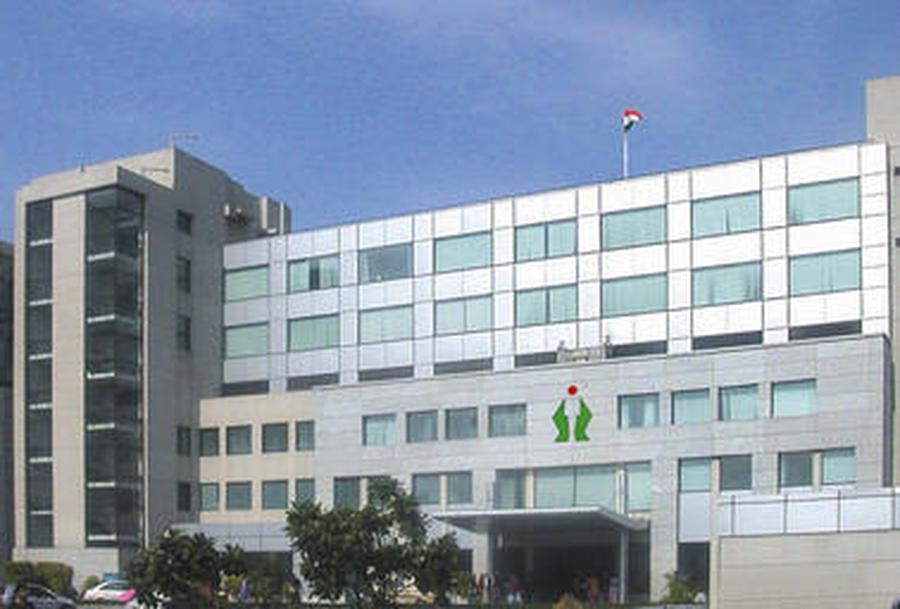





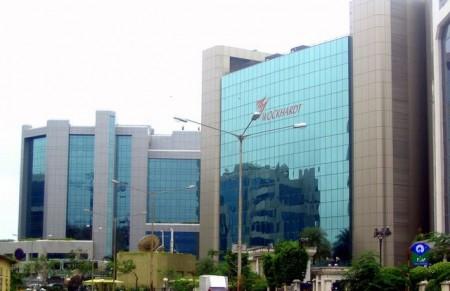
Wockhardt Hospital





أفضل مراكز التشخيص في الهند
- Artemis Hospitals, الهند
- Fortis Escorts Heart Institute, الهند
- Apollo Hospital Indraprastha, الهند
- Fortis Gurgaon, الهند
- Medanta Hospital, الهند
- Wockhardt Hospital, الهند
- Manipal Hospitals, الهند
- Global Hospital Chennai, الهند
- BLK Super Speciality Hospital, الهند
- Aster CMI Hospital, الهند
احصل على تقييم طبي لـ التشخيص في الهند. استشر الآن 11 أطباء ذوي الخبرة.
عرض جميع الأطباء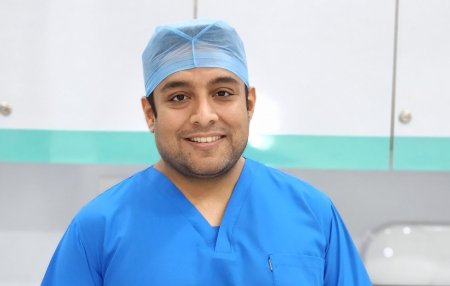
Mrunal Burute
الدكتور Mrunal Burute متخصص في زراعة الأسنان يركز على الدقة. يقدّم رعاية منهجية دقيقة قائمة على بروتوكولات واضحة مع تخطيط رقمي وتوجيه تعويضي. يعالج حالات من زرعة واحدة إلى إعادة تأهيل فم كامل معقدة. تُفصَّل كل خطة وفق البنية التشريحية للمريض وجودة العظم والوظيفة على المدى الطويل.
هو قائد رأي رئيسي لدى دينتسبلاي سيرونا. كما يدرّب الأطباء عبر برامج التعليم التابعة لنوبل بايوكير. يمتلك خبرة واسعة في الفقد العظمي الشديد، وفشل الزرعات، والتحميل الفوري، وإعادة تأهيل الفم الكامل بالزرعات، وغي
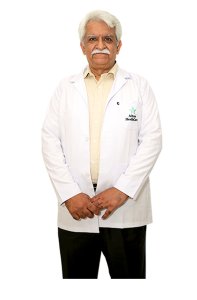
Neeraj Prakash
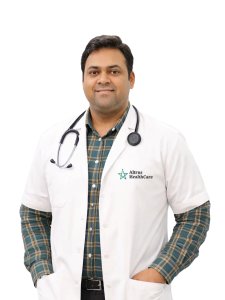
Nitnav Bhatnagar
Amit Mahajan
المراجعات
جميع المراجعاتمشاركة المحتوى
قصص فيديو من مرضى Bookimed
 Anna Leonova
أسئلة متكررة حول التشخيص في الهند
هل خدمات التشخيص في الهند خاضعة لرقابة الجودة؟
تتبع خدمات التشخيص في الهند هيكلاً تنظيمياً مزدوجاً يتضمن ترخيصاً إلزامياً من الولاية واعتماداً وطنياً طوعياً. بينما يضع قانون المؤسسات السريرية لعام 2010 معايير أساسية للمعدات والموظفين، تسعى المرافق النخبوية للحصول على شهادة المجلس الوطني لاعتماد مختبرات الاختبار والمعايرة (NABL) لضمان الامتثال لمعيار ISO 15189.
- الترخيص الإلزامي: تنظم القوانين الفيدرالية مثل قانون الطاقة الذرية المعدات التي تصدر إشعاعات من أجل السلامة.
- المعيار الذهبي للجودة: يتحقق اعتماد NABL من الكفاءة الفنية، على الرغم من أن أقل من 1% من المختبرات حاصلة عليه.
- الجودة في المستشفيات: تحافظ المراكز الكبيرة مثل مستشفيات مانيبال على شهادات الجودة NABH و NABL.
- الرقابة على التصوير: يراقب قانون PCPNDT بدقة خدمات الموجات فوق الصوتية لإدارة أخلاقيات التشخيص المهنية.
- معايير المعدات: تحكم قواعد الأجهزة الطبية لعام 2017 سلامة أجهزة الأشعة المقطعية والرنين المغناطيسي.
رؤية خبير Bookimed: تشير البيانات إلى وجود ارتباط قوي بين أحجام المرضى الكبيرة والاعتماد متعدد الطبقات. تحافظ مستشفيات Global Hospital Chennai وManipal Hospitals، التي تخدم ما يصل إلى 80,000 مريض سنوياً، على معايير NABH وNABL. اختيار العيادات التي لديها أكثر من 15 عاماً من التاريخ التشغيلي يضمن عادةً بيئات تشخيصية أكثر استقراراً ومعايرة مقارنة بالمراكز المستقلة الأحدث.
إجماع المرضى: يلاحظ المرضى أن النتائج يمكن أن تختلف بشكل كبير بين العيادات المحلية والمستشفيات المعت
ما هي أكثر الاختبارات التشخيصية شيوعاً التي يتم إجراؤها في الهند؟
تركز الاختبارات التشخيصية الشائعة في الهند على تحاليل الدم الشاملة والتصوير المتقدم لإدارة الأمراض المزمنة. تشمل الإجراءات القياسية تعداد الدم الكامل (CBC)، وHbA1c، وملفات الدهون، وفحوصات الغدة الدرقية. تستخدم مراكز التشخيص مثل مستشفى أبولو إندرابراسثا ومستشفيات مانيبال مختبرات معتمدة من NABL لهذه الفحوصات الأيضية الروتينية.
- لوحات الدم: يقيم CBC واختبارات الدهون ووظائف الكبد الصحة العامة ووظائف الأعضاء.
- فحص السكري: يعتبر HbA1c وجلوكوز الصيام ضروريين لمراقبة السكان المصابين بالسكري في الهند.
- التصوير الروتيني: تعتبر الأشعة السينية للصدر والموجات فوق الصوتية للبطن معيارية لمشاكل الجهاز التنفسي والمعدة.
- التشخيص المتقدم: يدعم التصوير الرقمي، والرنين المغناطيسي، والأشعة المقطعية حالات الأورام والأعصاب في المدن.
رؤية خبير Bookimed: تعالج المراكز ذات الحجم الكبير مثل مستشفى جلوبال تشيناي ومستشفيات مانيبال أكثر من 1.8 مليون مريض سنوياً. يسمح هذا النطاق الهائل لهذه المؤسسات بالحفاظ على تكاليف أقل للتشخيصات المتقدمة مثل دوبلر الألوان والأشعة السينية الرقمية مقارنة بالعيادات الخاصة الأصغر. غالباً ما يجد المرضى قيمة أفضل في باقات الجسم الكامل في المستشفيات المعتمدة من JCI في بنغالورو ودلهي.
إجماع المرضى: يقدر المرضى راحة جمع العينات في المنزل عبر التطبيقات لتحاليل الدم في مدن المستوى الثاني. يلاحظ الكثيرون أنه على الرغم من أن المختبرات الخاصة تقدم تقارير رقمية أسرع، فإن التحقق من اعتماد NABL أمر حيوي لضمان موثوقية النتائج.
هل يمكنني إجراء اختبارات تشخيصية في المنزل؟
تتوفر الاختبارات التشخيصية في الهند على نطاق واسع في المنزل من خلال مجموعات الاختبار الذاتي وخدمات سحب الدم المهنية. يمكن للمرضى الوصول إلى تحاليل الدم، وتحليل البول، ومراقبة الجلوكوز. تدير مرافق مثل مستشفى أبولو إندرابراستا مختبرات تشخيصية متقدمة. وهي تدعم إجراء اختبارات بأحجام كبيرة لملايين المرضى سنويًا.
- أنواع الاختبارات: توفر مجموعات اختبار جلوكوز الدم، والحمل، ومستضدات الأمراض المعدية السريعة نتائج فورية.
- الجمع المهني: يزور أخصائيو سحب الدم من المختبرات المعتمدة من NABL المنازل لإجراء بزل الوريد والتحاليل المعقدة.
- الاعتماد: ابحث عن مقدمي الخدمات المعتمدين من المجلس الوطني لاعتماد مختبرات الاختبار والمعايرة (NABL).
- الفحوصات الشائعة: يعد اختبار HbA1c، وملفات الدهون، واختبارات وظائف الغدة الدرقية معيارًا للجمع في المنزل.
رؤية خبير Bookimed: أنشأت أكبر الشبكات في الهند، مثل مستشفى أبولو إندرابراستا ومستشفيات مانيبال، أجنحة تشخيصية مخصصة. غالبًا ما تعالج هذه المختبرات عينات لأكثر من 1,000,000 مريض كل عام. تظهر بياناتنا أن اختيار مختبر تابع لمستشفى معتمد من JCI يضمن غالبًا تحكمًا أفضل في الجودة. تستخدم هذه المرافق التصوير الرقمي الموحد وأنظمة السجلات الطبية الإلكترونية (EHR) لمزامنة النتائج مباشرة مع سجلاتك الطبية.
إجماع المرضى: يجد المرضى أن الجمع في المنزل يوفر الكثير من الوقت لتجنب حشود المستشفيات. يقترحون التأكد من أن أخصائي سحب الدم يستخدم إبرًا معقمة تستخدم لمرة واحدة ويحضر حقيبة تبريد مناسبة لعينات الدم.
كم يستغرق الحصول على نتائج الفحوصات؟
تستغرق النتائج التشخيصية في الهند عادةً من 24 إلى 72 ساعة لتحاليل الدم الروتينية. غالبًا ما تتطلب التصوير المتقدم مثل الرنين المغناطيسي أو الأشعة المقطعية من يوم إلى 3 أيام للحصول على التقرير النهائي. قد تستغرق الاختبارات الجينية المعقدة أو الخزعات من 7 إلى 21 يومًا اعتمادًا على تخصص المختبر.
- المختبرات الروتينية: عادةً ما تنتهي اختبارات تعداد الدم الكامل (CBC) والجلوكوز في غضون 24-48 ساعة في المراكز الكبرى.
- تقارير التصوير: غالبًا ما يقدم أطباء الأشعة في المرافق المتميزة نتائج شفهية في أقل من 4 ساعات.
- تحليل الخزعة: تتطلب مراجعات علم الأمراض القياسية عمومًا من 5 إلى 7 أيام للحصول على تأكيد تشخيصي دقيق.
- الاختبارات المتخصصة: تستغرق التشخيصات الجينية أو السرطانية المعقدة عادةً من 10 إلى 21 يومًا في المؤسسات الكبيرة.
رؤية خبير Bookimed: تُظهر البيانات من المراكز الكبرى مثل دلهي وبنغالورو أن المختبرات المعتمدة من NABL، مثل تلك الموجودة في مستشفى أبولو إندرابراستا أو مستشفيات مانيبال، تقدم نتائج أسرع باستمرار. تستخدم هذه المراكز مختبرات داخلية عالية السعة لتجاوز تأخيرات النقل الشائعة في نقاط التجميع الخارجية.
إجماع المرضى: يشير المرضى إلى أن اختيار سلاسل المستشفيات الخاصة الكبيرة في المدن الكبرى يقلل بشكل كبير من أوقات الانتظار. يؤكد الكثيرون على فائدة استخدام تطبيقات الهاتف المحمول الخاصة بالمستشفى لتتبع التقدم في الوقت الفعلي وتلقي التقارير الرقمية على الفور.
هل أحتاج إلى موعد لإجراء الفحوصات التشخيصية؟
يُنصح بحجز مواعيد للفحوصات التشخيصية في الهند، ولكن نادراً ما يكون ذلك إلزامياً للفحوصات الأساسية. تقبل مرافق مثل مستشفى أبولو إندرابراستا ومستشفيات مانيبال عادةً الحالات التي تأتي بدون موعد مسبق لإجراء تحاليل الدم والأشعة السينية الروتينية. أما التصوير المعقد مثل الرنين المغناطيسي والأشعة المقطعية، فيتطلب عادةً حجزاً مسبقاً لضمان توفر المعدات.
- الفحوصات الروتينية: تسمح تحاليل الدم والبول عموماً بخدمات الحضور بدون موعد في نفس اليوم في المراكز الحضرية.
- التصوير المتقدم: المواعيد إلزامية لفحوصات PET-CT، والرنين المغناطيسي، وتشخيصات القلب المتخصصة.
- الأولوية السريرية: يحصل المرضى الذين لديهم مواعيد محجوزة على الأولوية في المرافق المعتمدة من JCI لتقليل أوقات الانتظار.
- الوثائق: يجب على المرضى حمل بطاقة هوية سارية المفعول تحمل صورة شخصية ووصفة طبية رسمية.
رؤية خبير Bookimed: تشير البيانات الواردة من شبكات كبرى مثل أبولو وفورتيس إلى أن الوصول قبل الساعة 8 صباحاً أمر بالغ الأهمية لمن ليس لديهم مواعيد. غالباً ما تصل المراكز ذات الإقبال العالي إلى طاقتها الاستيعابية اليومية لفحوصات الموجات فوق الصوتية والأشعة السينية بحلول منتصف النهار. الحجز قبل 24 ساعة فقط عبر المنصات الرقمية غالباً ما يتجاوز طوابير الانتظار الصباحية هذه تماماً.
إجماع المرضى: يشير المرضى إلى أنه على الرغم من أن المختبرات الخاصة تسمح بالحضور بدون موعد لتحاليل الدم الأساسية، إلا أن الوصول مبكراً ضروري لتجنب الانتظار لمدة 3 ساعات. يقترح الكثيرون حجز الفحوصات ا
كيف يجب أن أستعد لاختباري التشخيصي؟
يتطلب التحضير للتشخيص الطبي في الهند اتباع بروتوكولات صيام وسريرية محددة لضمان الحصول على نتائج دقيقة. يجب على المرضى تأكيد متطلبات الصيام لاختبارات الدم أو الموجات فوق الصوتية وإدارة الأدوية مع طبيبهم. يساعد الوصول قبل 20 دقيقة في إكمال التسجيل اللازم في المراكز ذات الإقبال الكبير مثل مستشفيات مانيبال.
- متطلبات الصيام: تتطلب العديد من اختبارات الدم والبطن الصيام لمدة 8-12 ساعة.
- إدارة الأدوية: ناقش جميع المكملات الغذائية والوصفات الطبية مع طبيبك قبل الاختبار المقرر.
- الاعتماد السريري: اختر المختبرات الحاصلة على شهادة المجلس الوطني لاعتماد مختبرات الاختبار والمعايرة (NABL).
- التوثيق: أحضر بطاقة هوية حكومية صالحة وتقارير طبية سابقة إلى موعدك.
رؤية خبير Bookimed: على الرغم من أن الشبكات الكبرى مثل مستشفيات مانيبال أو مستشفى أبولو إندرابراستا تخدم ملايين المرضى، إلا أن التوقيت هو كل شيء في مراكز التشخيص الهندية. يمكن أن يوفر حجز المواعيد في الصباح الباكر أو استخدام خدمات التحصيل المنزلي من 3 إلى 5 ساعات من وقت الانتظار. غالبًا ما توفر المرافق الأكبر المعتمدة من JCI تطبيقات متكاملة لتتبع النتائج الرقمية فورًا.
إجماع المرضى: يشير المرضى إلى أن الوصول في الساعة 7:00 صباحًا أمر ضروري لتجنب الطوابير الطويلة في مختبرات المدن الكبرى. وغالبًا ما يؤكدون على أهمية التحقق المزدوج من قواعد الصيام وتجنب الأطعمة المحلية مثل الكركم أو البان قبل 24 ساعة من اختبارات وظائف الكبد.
هل يمكنني الحصول على رأي ثانٍ بشأن تشخيصي في الهند؟
يتمتع المرضى بالحق القانوني في طلب رأي طبي ثانٍ في الهند. توفر المستشفيات الرائدة مثل مستشفى أبولو إندرابراستا ومستشفيات مانيبال برامج مراجعة متخصصة. يمكنك الوصول إلى هذه الخدمات شخصيًا أو عبر الاستشارة عن بُعد. يجب على المرافق توفير جميع السجلات الطبية دون تأخير.
- شبكة المستشفيات: يخدم مستشفى أبولو إندرابراستا أكثر من 1,000,000 مريض سنويًا بمختبرات تشخيصية متقدمة.
- الوصول إلى الخبراء: يضم مستشفى ميدانتا أكثر من 800 طبيب وقد أسسه جراح مشهور عالميًا.
- الحجم السريري: تعالج مستشفيات مانيبال في بنغالورو 2,000,000 مريض كل عام عبر تخصصات متعددة.
- الاعتماد: تمتلك المراكز الكبرى مثل مستشفيات أرتميس اعتمادات JCI و NABH للسلامة.
رؤية خبير Bookimed: تُظهر البيانات أن الشبكات الهندية الكبرى مثل مانيبال وأستر سي إم آي تعمل في بلدان متعددة. غالبًا ما يؤدي هذا التواجد العالمي إلى بروتوكولات تشخيصية أكثر توحيدًا. يجب على المرضى إعطاء الأولوية للعيادات التي لديها مختبرات معتمدة من NABL (المجلس الوطني لاعتماد مختبرات الاختبار والمعايرة) للحصول على أكثر عمليات إعادة تقييم الاختبارات موثوقية.
إجماع المرضى: يؤكد المرضى على أهمية السفر إلى المدن الكبرى مثل دلهي أو بنغالور للتحقق من النتائج الواردة من العيادات المحلية الصغيرة. ويشيرون إلى أن إعادة قراءة شرائح الخزعة في مختبرات كبيرة ومعتمدة أمر ضروري لتجنب خطط العلاج الخاطئة.