التشخيص في ألمانيا — التكاليف 2026


تمت مراجعة المقالة طبيا من قبل
فهد مولود
ما هي تكلفة التشخيص في ألمانيا؟ اكتشف الآن
تتراوح تكلفة التشخيص الطبي في ألمانيا عادةً ما بين $4,400 و $7,700. تعتمد الأسعار النهائية على التخصص الطبي، ومدى تعقيد تقنيات التصوير، والمعاملات المحددة المطبقة بموجب لائحة الرسوم الرسمية للأطباء (GOÄ). وغالباً ما تتراوح نسبة التوفير مقارنة بالولايات المتحدة بين 30-50% بالنسبة للتصوير المتقدم وبرامج الفحص الشاملة.
تكاليف التشخيص النموذجية في ألمانيا
- الموجات فوق الصوتية: $150 – $250
- التصوير بالرنين المغناطيسي لمنطقة واحدة: من $650
- الفحص الأساسي: السعر عند الطلب
- فحص النساء: السعر عند الطلب
- فحص الرجال: السعر عند الطلب
- تنظير القولون: من $1,000
- تحليل صورة الدم الكاملة: من $60
- الأشعة المقطعية (CT): السعر عند الطلب
- الفحوصات المخبرية: السعر عند الطلب
- استشارة طبيب العظام: السعر عند الطلب
تشمل المراكز الطبية الرئيسية للفحص التشخيصي كلاً من برلين، وميونخ، وهايدلبرغ، وفرانكفورت. وعلى الرغم من أن الأسعار موحدة بموجب القانون الفيدرالي، إلا أن المستشفيات الجامعية في المدن الكبرى قد تختلف قليلاً عن العيادات الخاصة. يرجى استشارة أخصائي للحصول على تسعير دقيق لاحتياجاتك الصحية المحددة.
| تركيا | إسبانيا | ألمانيا | |
|---|---|---|---|
| علاج الألم المزمن بعد جراحة الفتق | من $350 | ≈ $2,400 | ≈ $4,200 |
| تنظير البطن التشخيصي | من $4,400 | من $7,800 | ≈ $2,600 |
| العملية بناء على توصية الطبيب | من $2,200 | ≈ $2,600 | ≈ $3,800 |
مزاياك وضماناتك مع Bookimed
أسعار مباشرة
Bookimed لا يضيف رسوماً إضافية على أسعار علاج التشخيص. الأسعار مأخوذة من قوائم الأسعار الرسمية للعيادات. تدفع مباشرة في العيادة مقابل علاجك عند وصولك إلى البلد.
عيادات وأطباء معتمدون فقط
Bookimed ملتزم بسلامتك. نحن نعمل فقط مع المؤسسات الطبية التي تحافظ على معايير دولية عالية في علاج التشخيص ولديها التراخيص اللازمة لخدمة المرضى الدوليين في جميع أنحاء العالم.
مساعدة مجانية على مدار الساعة
Bookimed يقدم مساعدة خبراء مجانية. منسق طبي شخصي يدعمك قبل وأثناء وبعد العلاج، ويحل أي مشاكل. لن تكون وحيداً أبداً في رحلة علاج التشخيص.

منسقك الطبي الشخصي في Bookimed
- يدعمك في كل مرحلة
- المساعدة في اختيار العيادة الطبية المناسبة والطبيب المناسب
- يضمن الوصول السريع والمريح إلى المعلومات
اكتشف أفضل عيادات التشخيص: 26 خيارات معتمدة والأسعار




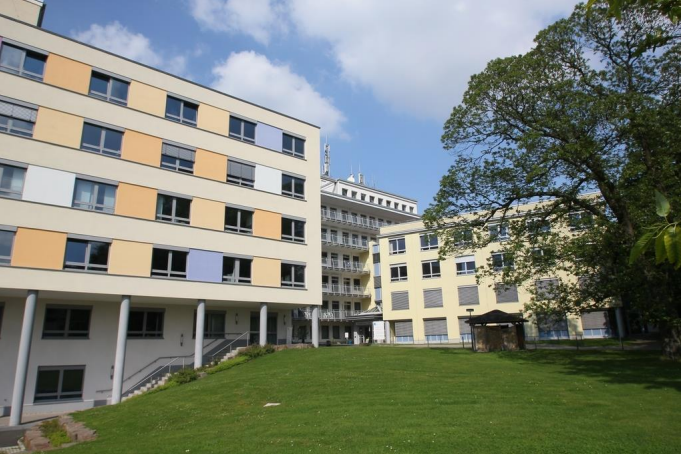
Bethanien Clinic

Hospital Havelhoehe



Kerckhoff clinic



Heart Center Dresden University Hospital
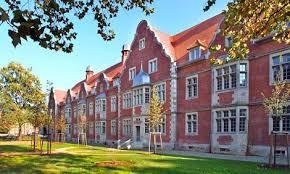
Evangelische Lunge Clinic
أفضل مراكز التشخيص في ألمانيا
- Medical Center in Solingen, ألمانيا
- Nordwest Clinic (Krankenhaus), ألمانيا
- Nordrhein-Westfalen Clinic Complex, ألمانيا
- Bethanien Clinic, ألمانيا
- Hospital Havelhoehe, ألمانيا
- Charité - Universitätsmedizin Berlin, ألمانيا
- Kerckhoff clinic, ألمانيا
- Medical Center Rechts der Isar , ألمانيا
- Heart Center Dresden University Hospital, ألمانيا
- Evangelische Lunge Clinic, ألمانيا
احصل على تقييم طبي لـ التشخيص في ألمانيا. استشر الآن 16 أطباء ذوي الخبرة.
عرض جميع الأطباء
Ralf Buhl
البروفيسور رالف بول هو جراح أعصاب رائد يتمتع بخبرة تزيد عن 20 عاماً، وهو متخصص في حالات الدماغ والنخاع الشوكي المعقدة في المركز الطبي في سولينغن.
- خبير معترف به دولياً في علاج الانزلاق الغضروفي وأورام الدماغ والتشوهات الوعائية
- باحث نشط لديه أكثر من 47 بحثاً منشوراً في مواضيع جراحة الأعصاب
- رائد في التقنيات طفيفة التوغل والموجهة بالحاسوب (الملاحة العصبية)
- مؤسس صندوق لأبحاث أورام الدماغ

Andreas Sesterhenn
يتخصص البروفيسور أندرياس سيسترهين في العلاجات طفيفة التوغل لأورام الرأس والعنق والمجاري التنفسية العلوية في مستشفى سولينغن.
- يجري جراحات روبوتية من خلال شقوق بطول 1 سم لتدخلات دقيقة
- أكثر من 10 سنوات من الخبرة في جراحة الأنف والأذن والحنجرة وجراحة الرأس والعنق
- مؤلف لأكثر من 78 منشوراً علمياً حول التقنيات الجراحية المتقدمة
- طبيب أول سابق في عيادة الأنف والأذن والحنجرة في ماربورغ مع تدريب متخصص

Viola Fox
خبير رائد في التشخيص الجزيئي وعلاجات السرطان المبتكرة - يجمع الدكتور فوكس بين الرعاية السريرية والأبحاث المتطورة.
- أكثر من 15 عاماً في أمراض الدم والأورام والتشخيص الجزيئي
- أخصائي معتمد في علم الوراثة والعلاج المناعي
- كبير الأطباء في مركز أورام معتمد متعدد التخصصات
- باحث منشور يساهم في التطورات في علاج السرطان
- عضو نشط في كبرى الجمعيات الدولية للأورام

Viktor Alexander Krol
يقود الدكتور فيكتور ألكسندر كرول أقسام أمراض الجهاز الهضمي والطب الباطني في مستشفى سانت مارتينوس في دوسلدورف، وهو متخصص في تقنيات التشخيص المتقدمة.
- مدير مركز معتمد لعلاج السمنة مع برامج متخصصة
- خبير في الإجراءات التنظيرية وتقنيات التشخيص الحديثة
- نهج شامل لعلاج أمراض الجهاز الهضمي والتمثيل الغذائي
- يحظى بتقدير كبير لرعايته الإنسانية والفردية للمرضى
مشاركة المحتوى
قصص فيديو من مرضى Bookimed
 Anna Leonova
أسئلة متكررة حول التشخيص في ألمانيا
لماذا يجب أن أختار ألمانيا للتشخيص الطبي؟
تعد ألمانيا رائدة عالمياً في التشخيص الطبي بفضل معايير الجودة الصارمة والتكنولوجيا المتقدمة. تستخدم مرافق مثل مستشفى شاريتيه - مستشفى جامعة برلين الذكاء الاصطناعي والتصوير الرقمي لتحقيق دقة لا مثيل لها. غالباً ما تكمل المراكز المتخصصة الفحوصات الشاملة في يومين فقط. تضمن هذه الكفاءة نتائج سريعة وحاسمة.
- خبراء متخصصون: يقود الدكتور ماركوس دوكس في عيادة نوردويست عمليات الاستئصال الموجه بالرنين المغناطيسي والأشعة التشخيصية المتقدمة.
- مراكز ذات حجم كبير: يخدم مجمع عيادات شمال الراين-وستفاليا أكثر من 145,000 مريض سنوياً بتشخيصات متخصصة في القلب والأورام.
- اعتماد رفيع المستوى: تحمل مستشفيات مثل مستشفى أسكليبيوس بارمبيك شهادات الأيزو وشهادات تحالف جودة السياحة الطبية (MTQA).
- تكنولوجيا متقدمة: تقدم العيادات الموجات فوق الصوتية ثلاثية الأبعاد، والتشخيص الجزيئي، والخزعات بمساعدة الروبوت للكشف المبكر عن الأمراض.
رؤية خبير Bookimed: تظهر البيانات أن المستشفيات الجامعية الألمانية مثل شاريتيه - مستشفى جامعة برلين تدير أكثر من 800,000 مريض سنوياً. يخلق هذا الحجم الهائل قاعدة بيانات تشخيصية فريدة. غالباً ما يحدد الأطباء حالات نادرة قد تغفل عنها العيادات الأصغر. يوفر اختيار هذه المراكز ذات القدرة العالية الوصول إلى باحثين متخصصين يتبعون أحدث البروتوكولات القائمة على الأدلة.
إجماع المرضى: يشير المرضى إلى أن الأطباء الألمان يجرون تحقيقات شاملة للغاية. يشعر الكثيرون أنهم حصلوا أخيراً على إجابات واضحة بعد أشهر من عدم اليقين في بلدانهم ال
ما هي برامج الفحص التشخيصي (Check-Up) الأكثر شيوعاً؟
تشمل برامج الفحص التشخيصي الشائعة في ألمانيا فحوصات أساسية، وفحوصات للرجال، وفحوصات للنساء. تجمع هذه البرامج عادةً بين الفحوصات البدنية، والاختبارات المعملية، والتصوير المتقدم. تركز التقييمات القياسية على صحة القلب، ووظائف التمثيل الغذائي، والوقاية من السرطان. تستخدم معظم البروتوكولات الموجات فوق الصوتية والرنين المغناطيسي للكشف عن التشوهات في مراحلها المبكرة.
- الفحص الأساسي: يشمل تعداد الدم، وتحليل البول، ولوحات التمثيل الغذائي للصحة العامة.
- فحص الرجال: يركز على صحة البروستاتا، والمخاطر القلبية الوعائية، والموجات فوق الصوتية للبطن.
- فحص النساء: يعطي الأولوية لفحوصات الثدي، والفحوصات النسائية، واختبارات وظائف الغدة الدرقية.
- الفحص المتقدم: يستخدم الرنين المغناطيسي أو الأشعة المقطعية لتقييمات مفصلة للأعضاء الداخلية.
رؤية خبير Bookimed: توفر شبكات العيادات الألمانية عمقاً تشخيصياً متخصصاً يتجاوز غالباً الفحوصات البدنية القياسية. على سبيل المثال، يقوم مجمع عيادات شمال الراين-وستفاليا بإجراء فحوصات قلب لطياري الطيران. هذا المستوى من الدقة متاح للمرضى العاديين. اختيار عيادة تستقبل أكثر من 100,000 مريض سنوياً يضمن غالباً وصولاً أسرع إلى التشخيصات عالية الطلب مثل تنظير القولون.
إجماع المرضى: يشير المرضى إلى أن الفحوصات الأساسية لمن هم فوق سن 35 سهلة الوصول للغاية. ويؤكدون على أهمية إحضار قائمة محددة بالأعراض لضمان حصولهم على الإحالات الصحيحة من الطبيب لإجراء اختبارات أعمق.
هل يمكنني الحصول على رأي ثانٍ عبر الإنترنت قبل السفر؟
يمكن للمرضى الحصول على رأي طبي ثانٍ عبر الإنترنت من متخصصين ألمان قبل السفر. تقدم مؤسسات رائدة مثل مستشفى شاريتيه - جامعة برلين ومستشفى أسكليبيوس بارمبيك استشارات عن بُعد. يقوم أطباء الأشعة والجراحون الخبراء بمراجعة التصوير الطبي مثل الرنين المغناطيسي أو الأشعة المقطعية في غضون يوم إلى 3 أيام لتأكيد التشخيص.
- مراجعة الخبراء: يقدم البروفيسور الدكتور ماركوس دوكس في عيادة نوردويست مراجعات تشخيصية موجهة بالرنين المغناطيسي.
- العملية: يقوم المرضى بتحميل ملفات DICOM مجهولة الهوية عبر بوابات آمنة لتقييمها من قبل المتخصصين.
- وقت المعالجة المعتاد: تستغرق مراجعات الحالات عن بُعد في ألمانيا عادةً من يوم إلى 3 أيام.
- نطاق التكلفة: تتراوح تكلفة الاستشارة مع خطة العلاج بين السعر عند الطلب و السعر عند الطلب.
رؤية خبير Bookimed: غالبًا ما تستخدم المستشفيات الجامعية الألمانية مثل شاريتيه الذكاء الاصطناعي والتصوير الرقمي للمراجعات عن بُعد. تساعد هذه التكنولوجيا في سد الفجوة للمرضى الدوليين قبل التزامهم بالسفر. تُظهر بياناتنا أن البدء باستشارة رقمية يمكن أن يقلل وقت التشخيص في الموقع في هامبورغ أو برلين بنسبة 50%.
إجماع المرضى: يشير المرضى إلى أن استخدام أدوات الترجمة يساعد عند التواصل مع العيادات الألمانية. ويؤكدون أنه على الرغم من سرعة الآراء عن بُعد، إلا أن الحالات المعقدة لا تزال تتطلب متابعة شخصية لالتقاط كل التفاصيل.
ما الذي يجعل التشخيص الطبي في ألمانيا مختلفاً عن الدول الأخرى؟
يوفر التشخيص الطبي في ألمانيا نتائج عالية الدقة من خلال التحقق المختبري الذي يقوده الأطباء وبنية تحتية متقدمة للتصوير. يقوم أطباء متخصصون بتفسير جميع بيانات المختبر شخصياً. تستخدم المراكز تكنولوجيا عالية الكثافة مثل 35 وحدة رنين مغناطيسي لكل مليون نسمة. عادة ما تنتهي برامج الفحص السريع في غضون يوم إلى يومين.
- إشراف الطبيب: يقوم متخصصو المختبرات بالتحقق من كل تقرير تشخيصي وتفسيره شخصياً.
- كثافة التكنولوجيا: تستخدم المرافق تقنيات PET-CT المتقدمة والموجات فوق الصوتية ثلاثية الأبعاد لتحديد مراحل المرض بدقة.
- الجودة المعتمدة: تمتلك العديد من المراكز اعتمادات ISO 9001 أو اعتمادات الجمعية الألمانية للسرطان.
- برامج منظمة: يتم التخطيط للفحوصات التشخيصية مسبقاً لضمان الحصول على نتائج شاملة بسرعة.
رؤية خبير Bookimed: يتميز التشخيص الألماني بأن المرافق الرائدة مثل مجمع عيادات شمال الراين-وستفاليا تتعامل مع أحجام هائلة—أكثر من 145,000 مريض سنوياً. يسمح هذا التردد العالي للعيادات بالاستثمار في مراكز متخصصة. على سبيل المثال، غالباً ما يختار الطيارون مراكز قلب ألمانية محددة لإجراء فحوصات صارمة للحصول على شهادات نظراً لهذا التخصص الشديد.
إجماع المرضى: يلاحظ المرضى أن الأطباء يعطون الأولوية لعملية اختبار شاملة ومتعددة الخطوات بدلاً من الوصفات الطبية السريعة. ويؤكدون على أهمية إحضار تاريخ مفصل للأعراض لأن الأطباء الألمان يقدرون البيانات المحددة للتوصل إلى استنتاجات قائمة على الأدلة.
ما هي المستندات التي أحتاج إلى تحضيرها؟
يتطلب التحضير للتشخيص في ألمانيا وثائق طبية وإدارية محددة لضمان عملية سلسة. يجب عليك تقديم جواز سفر أو بطاقة هوية سارية وقائمة كاملة بالأدوية الحالية. يساعد إحضار نسخ مادية من الفحوصات السابقة ونتائج المختبر الأطباء على مقارنة البيانات ويمنع الاختبارات المتكررة.
- هوية السفر: مطلوب جواز سفر ساري المفعول لجميع المرضى الدوليين الذين يزورون العيادات الألمانية.
- التاريخ الطبي: قدم فحوصات الرنين المغناطيسي أو الأشعة المقطعية أو الموجات فوق الصوتية السابقة ونتائج الفحوصات المخبرية الحديثة.
- قائمة الأدوية: قم بتضمين قائمة مفصلة بجميع الوصفات الطبية الحالية والمكملات الغذائية التي لا تستلزم وصفة طبية.
- التحضير اللغوي: يجب على غير الناطقين بالألمانية إعداد نموذج تاريخ طبي مترجم أو Anamnesebogen.
رؤية خبير Bookimed: تظهر بياناتنا أن المرافق ذات التصنيف العالي مثل مستشفى أسكليبيوس بارمبيك وعيادة نوردويست تطلب غالبًا نسخًا رقمية من الفحوصات قبل زيارتك بـ 1-2 أسبوع. هذا يسمح للمتخصصين بمراجعة حالتك مبكرًا. يمكن أن يقلل هذا من مدة إقامتك عن طريق تخطي الاختبارات الأساسية الزائدة عند الوصول.
إجماع المرضى: يؤكد المرضى على إحضار بطاقة تأمين صحي مادية أو إثبات دفع لتجنب إعادة الجدولة. يوصي الكثيرون بمسح جميع المستندات ضوئيًا على الهاتف مع الاحتفاظ بنسخ ورقية احتياطية لمكاتب استقبال العيادة.
هل من الممكن الحصول على علاج فوري بعد التشخيص؟
العلاج الفوري في ألمانيا ممكن للحالات العاجلة في غضون أيام أو حتى في نفس اليوم. حالات الطوارئ التي تهدد الحياة مثل السكتات الدماغية أو السرطانات العدوانية تحظى بالأولوية. بالنسبة للحالات غير الطارئة، تستغرق التشخيصات والتخطيط عادةً من 1 إلى 4 أسابيع لضمان نتائج طبية دقيقة.
- رعاية الطوارئ: الحالات الحادة مثل الكسور أو السكتات الدماغية تبدأ العلاج في غضون دقائق أو ساعات.
- الأمراض العدوانية: علاجات بعض أنواع اللوكيميا أو الأورام اللمفاوية تبدأ غالبًا في غضون عدة أيام.
- الجداول الزمنية الخاصة: المرضى الذين يستخدمون الخدمات الخاصة غالبًا ما يحصلون على تشخيص وعلاج كامل في غضون 1-4 أسابيع.
- التخطيط السريري: يحتاج الأطباء غالبًا إلى 1-2 أسبوع لإجراء اختبارات متقدمة لتصميم خطط علاجية محددة.
رؤية خبير Bookimed: تتعامل المراكز الطبية الألمانية مثل مجمع عيادات شمال الراين-وستفاليا مع أحجام هائلة من المرضى، تصل إلى 145,000 شخص سنويًا. تسمح هذه القدرة العالية للعيادات بالحفاظ على مراكز متخصصة يمكنها تسريع التشخيص. اختيار منشأة تضم أكثر من 1,500 سرير يعني غالبًا أنها تمتلك البنية التحتية للمختبرات في الموقع للانتقال من الاستشارة إلى تخطيط العلاج دون تأخير خارجي.
إجماع المرضى: يشير المرضى إلى أن الحصول على ختم عاجل على الإحالة أو استخدام قسم الطوارئ يمكن أن يتجاوز بشكل كبير قوائم الانتظار القياسية. يقترح الكثيرون تجاوز الممارسين العامين والتوجه إلى العيادات الخاصة لبدء العملية في غضون أيام قليلة فقط.
كم تستغرق برامج التشخيص الأساسية؟
تستغرق برامج التشخيص الطبي الأساسية في ألمانيا عادةً من يوم واحد إلى 3 أيام حتى تكتمل. غالبًا ما يتم تبسيط الفحوصات الشاملة التي تشمل تحاليل الدم، والتصوير مثل الرنين المغناطيسي أو الأشعة المقطعية، واستشارات المتخصصين. عادةً ما تكون نتائج الفحوصات المخبرية القياسية متاحة في نفس اليوم أو في غضون 24 ساعة.
- الفحص الأساسي: يتم الانتهاء من معظم الفحوصات البدنية والاختبارات المعملية في غضون يوم عمل واحد.
- مدة التصوير: تستغرق فحوصات الرنين المغناطيسي أو الأشعة المقطعية في العيادات الألمانية عادةً من 30 إلى 60 دقيقة.
- استشارة المتخصصين: تتطلب التقييمات الأولية وإنشاء خطة العلاج حوالي ساعة إلى ساعتين.
- التشخيصات المعقدة: قد تمتد البرامج التي تتضمن خزعات أو تسلسلات جينية متخصصة إلى 3 أسابيع.
رؤية خبير Bookimed: تُظهر البيانات أن المراكز متعددة التخصصات مثل مستشفى أسكليبيوس بارمبيك أو مستشفى شاريتيه برلين تتعامل مع أعداد أكبر بكثير من المرضى، وغالبًا ما تتجاوز 100,000 مريض سنويًا. عادةً ما تمتلك هذه المؤسسات ذات القدرة العالية مختبرات وأقسام تصوير في الموقع. اختيار عيادة ذات مرافق متكاملة يسمح لك بدمج الاختبارات في زيارة واحدة، مما يقلل غالبًا من الجدول الزمني للتشخيص بنسبة 50% مقارنة بمقدمي الخدمات الأصغر.
إجماع المرضى: يشير المرضى إلى أنه على الرغم من أن تحاليل الدم الأساسية غالبًا ما تكون جاهزة في نفس اليوم، إلا أن الحصول على تقرير تشخيصي كامل منسق من قبل عدة متخصصين قد يستغرق حوالي أسبوع واحد. ويقترحون طلب موعد عاجل لتجنب ف
ما هي أنواع برامج `الفحص` التشخيصي المتاحة؟
تشمل برامج الفحص التشخيصي في ألمانيا فحوصات أساسية، وللرجال، وللنساء. تعطي هذه الباقات الأولوية للكشف المبكر من خلال الفحوصات البدنية، واختبارات المختبر، والتصوير الطبي. غالبًا ما تدمج المرافق عالية التقنية تشخيصات متخصصة مثل التصوير بالرنين المغناطيسي أو الأشعة المقطعية. يتم تصميم معظم البرامج بناءً على العمر وعوامل الخطر.
- الفحص الأساسي: يشمل الفحوصات البدنية، وتعداد الدم الكامل، واختبارات البول.
- البرامج الخاصة بالجنس: غالبًا ما تشمل فحوصات النساء الموجات فوق الصوتية والفحوصات النسائية.
- التصوير المتقدم: توفر مرافق مثل عيادة نوردويست (Nordwest) تصويرًا بالموجات فوق الصوتية ثلاثي الأبعاد وتشخيصات موجهة بالأشعة المقطعية.
- الفحص المتخصص: تركز البرامج في مجمع عيادات نوردراين فيستفالن (Nordrhein-Westfalen) على أمراض القلب والأورام.
رؤية خبير Bookimed: غالبًا ما تدمج العيادات الألمانية معاهد الأبحاث مباشرة في مراكز التشخيص الخاصة بها. في عيادة نوردويست، تدعم 5 معاهد بحثية 11 مركزًا متخصصًا. هذا يعني أن المرضى يتلقون بروتوكولات فحص تعتمد على أحدث التجارب السريرية. كما يشير حجم المرضى إلى الموثوقية، حيث تخدم مستشفى شاريتيه (Charité) أكثر من 845,000 مريض سنويًا.
إجماع المرضى: يشير المرضى إلى أن التأمين العام يغطي معظم الاحتياجات الأساسية ولكنهم يقترحون الحجز مبكرًا. للحصول على نتائج أسرع أو تصوير أعمق مثل الرنين المغناطيسي، يوصي الكثيرون باختيار باقات التشخيص الخاصة.
كم يستغرق التقييم التشخيصي الكامل؟
يستغرق التقييم التشخيصي الطبي الكامل في ألمانيا عادةً من يوم إلى يومين للمرضى الخصوصيين أو الذين يدفعون تكاليفهم بأنفسهم. الفحوصات الشاملة في المراكز الكبرى تتسم بالكفاءة العالية. تتضمن العملية استشارات، وتصويرًا متقدمًا، واختبارات معملية. غالبًا ما يتم الانتهاء من التقارير في غضون نفس الأسبوع.
- الفحص الأساسي: يكتمل عادةً في غضون 3 إلى 4 ساعات خلال زيارة واحدة.
- التصوير المتخصص: تستغرق فحوصات الرنين المغناطيسي أو الأشعة المقطعية عادةً من 30 إلى 60 دقيقة لكل منها.
- المعالجة المعملية: توفر فحوصات الدم الكاملة واللوحات القياسية النتائج في غضون 24 ساعة.
- الحالات المعقدة: قد تتطلب التقييمات متعددة التخصصات في شبكات المستشفيات الكبيرة من 3 إلى 5 أيام.
رؤية خبراء Bookimed: تشير البيانات إلى أن اختيار المراكز متعددة التخصصات مثل مستشفى أسكليبيوس بارمبيك أو مستشفى شاريتيه برلين يسرع العملية بشكل كبير. تتعامل هذه المرافق مع أكثر من 100,000 مريض سنويًا وتضم جميع أقسام التشخيص تحت سقف واحد. هذا التكامل الداخلي يلغي الحاجة إلى إحالات خارجية ويقلل إجمالي وقت التقييم بنسبة 50% مقارنة بالعيادات الأصغر.
إجماع المرضى: يشير المرضى إلى أن الخيارات الخاصة أسرع بكثير من النظام العام. ويوصون باستخدام وقت الانتظار لإجراء فحوصات الدم الأولية من خلال طبيب محلي لزيادة الكفاءة بمجرد الوصول إلى العيادة المتخصصة.
هل يمكنني الحصول على رأي ثانٍ بشأن تشخيصي الحالي؟
يتمتع المرضى بالحق القانوني في طلب رأي طبي ثانٍ في ألمانيا. يتم تشجيع هذه الممارسة القياسية للحالات المعقدة، أو الأمراض النادرة، أو العمليات الجراحية الكبرى. تساعد مراجعات الخبراء في مراكز مثل مستشفى شاريتيه الجامعي في برلين أو مستشفى أسكليبيوس بارمبيك في تأكيد التشخيصات واستكشاف علاجات بديلة.
- استشارة الخبراء: تتراوح تكلفة مراجعات المتخصصين من السعر عند الطلب إلى السعر عند الطلب.
- التصوير المتقدم: تشمل فحوصات الجودة التصوير بالرنين المغناطيسي بدءاً من $650 والأشعة المقطعية.
- الحجم السريري: يعالج مستشفى شاريتيه الجامعي في برلين أكثر من 845,000 مريض سنوياً.
- حالة الاعتماد: تمتلك المرافق الرائدة شهادات JCI أو شهادات من الجمعية الألمانية للسرطان.
رؤية خبير Bookimed: غالباً ما يوفر اختيار مستشفى جامعي للحصول على رأي ثانٍ المنظور الأكثر موضوعية. تظهر بياناتنا أن مؤسسات مثل عيادة نوردويست تدمج خمسة معاهد بحثية. تعطي هذه البيئات الأكاديمية الأولوية لأحدث الأدلة السريرية على بروتوكولات المستشفيات القياسية للحالات المعقدة.
إجماع المرضى: يشير المرضى إلى أن مشاركة السجلات الطبية الرقمية تساعد في تجنب تكرار الفحوصات باهظة الثمن. يقترح الكثيرون طلب تقرير مكتوب للمقارنة مباشرة مع التشخيص الأصلي.