عيادات جراحة القلب لدى الأطفال في كوريا الجنوبية


تمت مراجعة المقالة طبيا من قبل
فهد مولود
ما هي تكلفة جراحة القلب لدى الأطفال في كوريا الجنوبية؟ اكتشف الآن
تتراوح تكلفة جراحة القلب للأطفال في كوريا الجنوبية عادةً ما بين $20,600 إلى $38,000. تعتمد التكاليف الإجمالية على مدى تعقيد عيب القلب، والنهج الجراحي المحدد، ومدة الإقامة في العناية المركزة. يمكن للمرضى الدوليين توقع توفير ما بين 50 إلى 90% مقارنة بالولايات المتحدة.
تكاليف جراحة القلب للأطفال المعتادة في كوريا الجنوبية
- استشارة جراح قلب: السعر عند الطلب
- تخطيط صدى القلب (إيكو): السعر عند الطلب
- تصوير الأوعية التاجية: من $1,800
- رأب الأوعية التاجية: $8,000 – $9,000
تقع معظم مراكز جراحة قلب الأطفال المتقدمة في سيول وجيونجي دو. غالبًا ما تعمل العيادات في سيول كمراكز رئيسية للحالات المعقدة، بينما قد تقدم المراكز الإقليمية هياكل تسعير مختلفة قليلاً. استشر أخصائياً للحصول على تسعيرة دقيقة لحالة طفلك الطبية المحددة.
| كوريا الجنوبية | تركيا | إسبانيا | |
|---|---|---|---|
| عملية القلب المفتوح | ≈ $28,000 | من $13,500 | من $50,600 |
| رباعية فالو جراحة | ≈ $22,000 | من $16,600 | من $44,900 |
| رأب الأوعية التاجية | من $8,000 | من $4,100 | ≈ $7,500 |
| جراحة عيوب الحاجز التداخلية | ≈ $16,000 | من $10,500 | ≈ $18,500 |
| تصوير الأوعية التاجية | من $7,000 | من $1,800 | ≈ $3,200 |
جميع أمراض جراحة القلب لدى الأطفال
مزاياك وضماناتك مع Bookimed
أسعار مباشرة
Bookimed لا يضيف رسوماً إضافية على أسعار علاج جراحة القلب لدى الأطفال. الأسعار مأخوذة من قوائم الأسعار الرسمية للعيادات. تدفع مباشرة في العيادة مقابل علاجك عند وصولك إلى البلد.
عيادات وأطباء معتمدون فقط
Bookimed ملتزم بسلامتك. نحن نعمل فقط مع المؤسسات الطبية التي تحافظ على معايير دولية عالية في علاج جراحة القلب لدى الأطفال ولديها التراخيص اللازمة لخدمة المرضى الدوليين في جميع أنحاء العالم.
مساعدة مجانية على مدار الساعة
Bookimed يقدم مساعدة خبراء مجانية. منسق طبي شخصي يدعمك قبل وأثناء وبعد العلاج، ويحل أي مشاكل. لن تكون وحيداً أبداً في رحلة علاج جراحة القلب لدى الأطفال.

منسقك الطبي الشخصي في Bookimed
- يدعمك في كل مرحلة
- المساعدة في اختيار العيادة الطبية المناسبة والطبيب المناسب
- يضمن الوصول السريع والمريح إلى المعلومات
اكتشف أفضل عيادات جراحة القلب لدى الأطفال: 23 خيارات معتمدة والأسعار
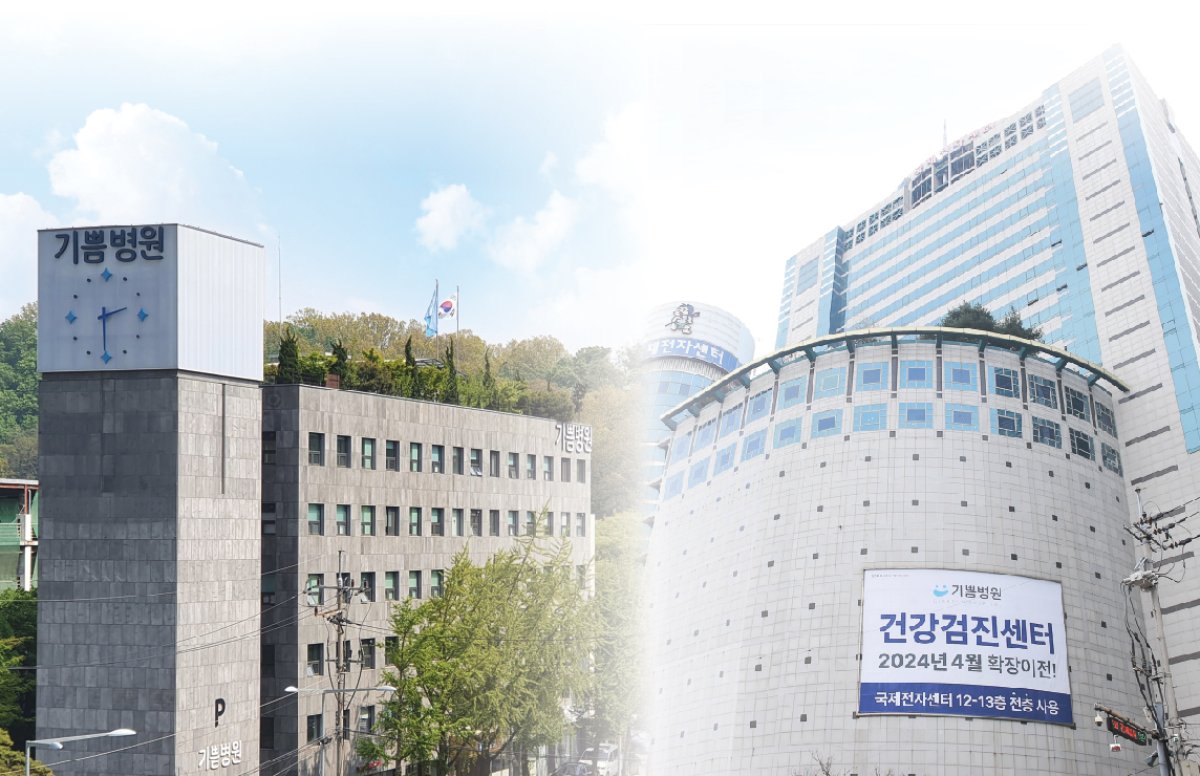




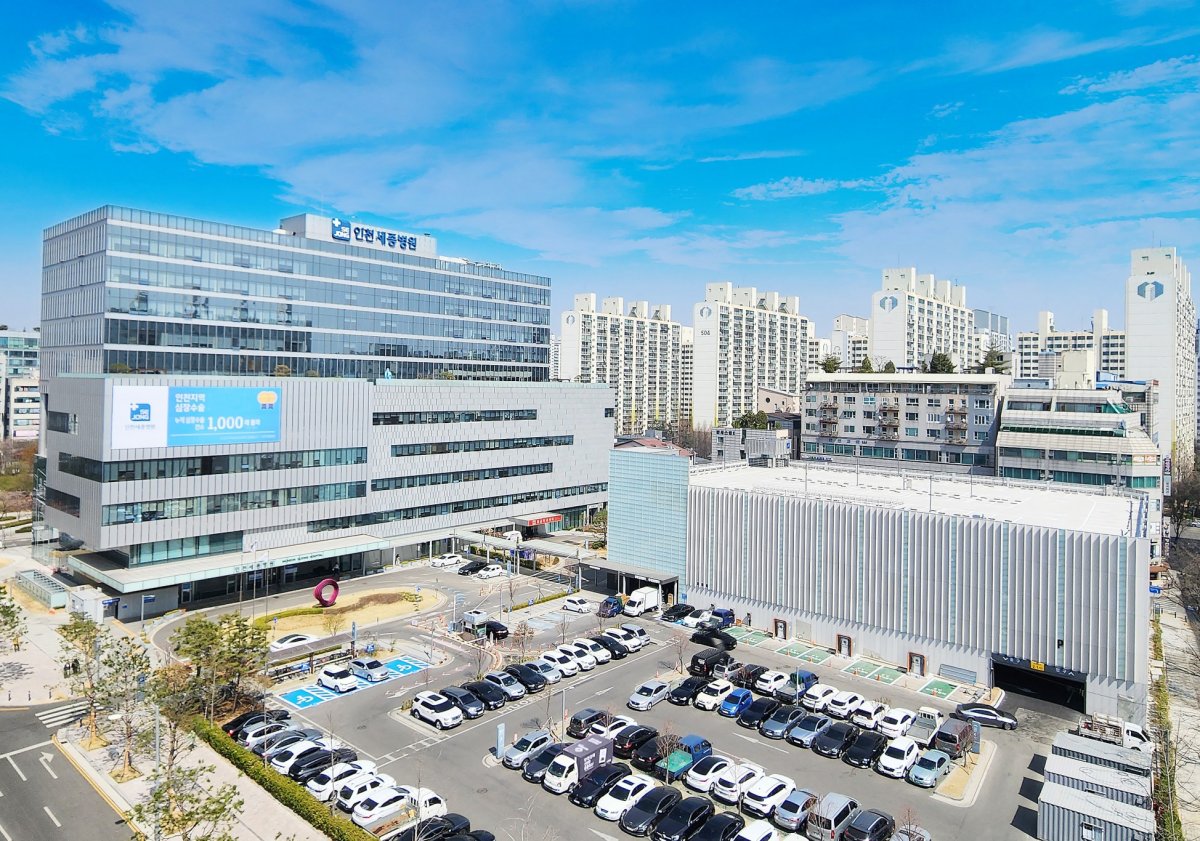








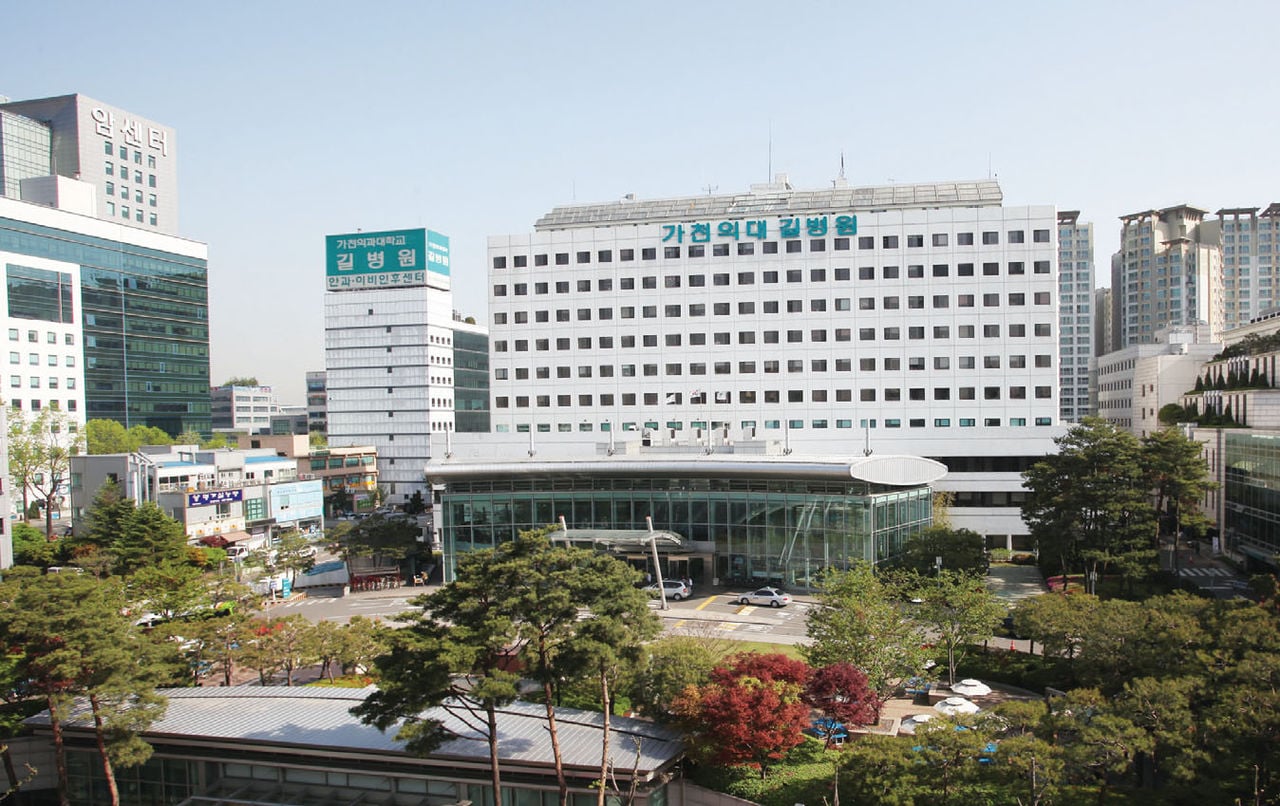


أفضل مراكز جراحة القلب لدى الأطفال في كوريا الجنوبية
- مستشفى جيبيوم العام, كوريا الجنوبية
- Samsung Medical Center, كوريا الجنوبية
- SEJONG HOSPITAL, كوريا الجنوبية
- Ewha Womans University Medical Center, كوريا الجنوبية
- Asan Medical Center, كوريا الجنوبية
- Seoul National University Bundang Hospital (SNUBH), كوريا الجنوبية
- Gachon University Gil Medical Center, كوريا الجنوبية
- Severance Hospital, كوريا الجنوبية
- Gangnam Severance Hospital, كوريا الجنوبية
- Soon Chun Hyang University Hospital , كوريا الجنوبية
احصل على تقييم طبي لـ في كوريا الجنوبية: اختر أخصائيك من بين الأفضل في هذا المجال
عرض جميع الأطباء
Hwan Song Uk
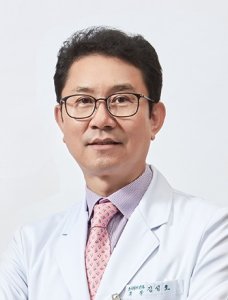
Sungho Kim
البروفيسور سونغ-هو كيم، MD, MS, PhD، طبيب قلب أطفال واختصاصي أمراض القلب الخِلقية بخبرة تزيد على 40 عاماً. تدرّب في كلية الطب بجامعة هانيانغ (MD) وتابع دراسته في كلية الدراسات العليا بالجامعة نفسها (MS, PhD). أسهم في تطوير العلاج عبر القسطرة لـ ASD وVSD ورباعية فالو وغيرها من العيوب القلبية الخِلقية، ما قلّل الحاجة إلى جراحة القلب المفتوح. أجرى أكثر من 1,200 تدخّلاً قلبياً للأطفال والعيوب الخِلقية.
قاد برامج أكاديمية وسريرية، ويساهم في البحث والتدريب، ويشارك في جمعيات مهنية لأمراض القل
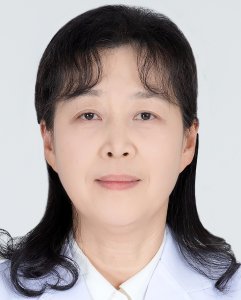
Jieun Ban
الدكتورة جيون بان هي طبيبة قلب أطفال في مستشفى بوتشون سيجونغ. تركز على اضطرابات النظم وعيوب القلب الخلقية. تقدّم تقييماً كهروفيسيولوجياً للأطفال والمراهقين. وأتمّت تدريبها في طب الأطفال وطب قلب الأطفال.
تشمل ممارستها عيب الحاجز الأذيني (ASD) وعيب الحاجز البطيني (VSD) والإغماء القلبي واضطرابات نظم أخرى. توفّر تشخيصات متقدمة ورعاية تداخلية، بما في ذلك الاستئصال بالتبريد والإجراءات الكهروفيسيولوجية عبر القسطرة. تعمل مع فرق قلب متخصصة، وهي متمرسة في تخطيط صدى القلب، ورعاية ما حول الإجراء،
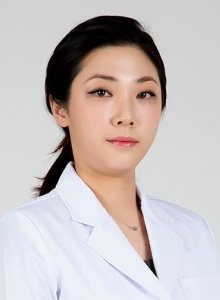
Jeong Yoon Kim
الدكتورة جونغ‑يون كيم، دكتوراه في الطب، طبيبة قلب أطفال في مستشفى بوشيون سيجونغ. تتولى رئاسة قسم طب الأطفال والمراهقين منذ عام 2019، كما تستقبل المرضى في مستشفى إنتشون سيجونغ.
تخرّجت في كلية الطب بجامعة يونسي في وونجو، وأتمّت تدريبها السريري في مستشفى سيفرانس، وهو مركز رعاية ثالثية في كوريا. تركز ممارستها على أمراض القلب الخلقية (ASD, VSD)، ومرض كاواساكي، واضطرابات نظم القلب لدى الأطفال، والإغماء، والعناية القلبية المركزة. وتمتلك مهارات قوية في تخطيط صدى القلب، ورعاية ما قبل الإجراء وم
مشاركة المحتوى
قصص فيديو من مرضى Bookimed
 Anna Leonova
أسئلة متكررة حول جراحة القلب لدى الأطفال في كوريا الجنوبية
ما هي المستشفيات في جمهورية كوريا التي تُعرف بشكل أفضل بجراحة القلب للأطفال؟
مستشفى جامعة سيول الوطنية (SNUH)، مركز أسان الطبي، ومركز سامسونج الطبي هي المؤسسات الرائدة لجراحة القلب للأطفال في كوريا الجنوبية. تتعامل هذه المرافق المعتمدة من JCI مع إصلاح العيوب القلبية الخلقية المعقدة. ويفيدون بمعدلات بقاء تتجاوز 98% للعمليات الجراحية في الفترة الوقعية. العديد من المراكز تتخصص في جراحة المواليد ذوي الوزن المنخفض.
- مركز أسان الطبي: يقوم بإجراء 45% من إجمالي عمليات زرع القلب في كوريا الجنوبية بمعدلات نجاح تبلغ 90%.
- مركز سامسونج الطبي: يستخدم أنظمة دا فينشي الروبوتية لإجراء تدخلات قلبية دقيقة ومكثفة للأطفال.
- SNUH: يجري عمليات على المواليد ذوي الوزن المنخفض للغاية بوزن لا يتجاوز 1 كجم بأمان.
- مستشفى سيفيرانس: يضم مركزاً مخصصاً لأمراض القلب والأوعية الدموية مع بروتوكولات جراحة الأطفال المعتمدة من JCI منذ عام 1956.
- مستشفى سيجونغ: يتخصص في العلاجات المعتمدة على القسطرة لتجنب جراحة القلب المفتوح للعيوب الخلقية.
رؤية خبير من Bookimed: الحجم السريري هو المؤشر الأقوى للسلامة هنا. يقوم مركز أسان الطبي بأكثر من 65,000 عملية جراحية سنوياً. هذا الحجم الكبير يتيح للجراحين الحفاظ على مستويات مهارة استثنائية. تتخصص عيادات مثل مستشفى سيجونغ تقريباً في رعاية القلب فقط. تقدم فرقاً طبية متخصصة للأطفال أكثر تركيزاً من بعض المستشفيات الجامعية الكبرى متعددة التخصصات.
توافق المرضى: يبرز الآباء أن الإصلاحات الروبوتية لحالات مثل رباعية فالو غالباً ما تؤدي إلى التعافي في غضون 3 أيام. يوصي الزوار
ما هي النتائج المنشورة ومعدلات البقاء على قيد الحياة لجراحة القلب للأطفال في كوريا؟
تُظهر جراحة القلب للأطفال في جمهورية كوريا معدل بقاء بنسبة 97.9% للرضع المصابين بمرض القلب الخلقي. مراكز ذات حجم كبير مثل مستشفى جامعة سيول الوطنية تُشير إلى معدل وفيات منخفض يصل إلى 1.16%. تُحسّن التدخلات المتقدمة المستندة إلى القسطرة والأنظمة الروبوتية النتائج بشكل كبير لعيوب الولادة المعقدة.
- معدلات البقاء: يُظهر الرضع الذين يعانون من عيوب خلقية في القلب معدل بقاء بنسبة 97.9%.
- حجم المستشفى: تحقق المنشآت التي تجري 40+ حالة سنويًا معدلات بقاء أعلى بشكل ملحوظ خلال 30 يومًا.
- نتائج الزراعة: تصل عمليات زراعة القلب للأطفال في جميع أنحاء البلاد إلى معدل بقاء لمدة سنة بنسبة 88.6%.
- تعقيد العيوب: تحافظ الإصلاحات البسيطة مثل الثقب بين البطينين أو الثقبة بين الأذينين على نجاح بقاء بنسبة 99%.
رؤية خبيرة من Bookimed: تُظهر البيانات وجود رابط واضح بين التخصص وحجم العمليات الجراحية في إنتشون وسيول. يركز مستشفى سجونغ حصريًا على رعاية القلب والأوعية الدموية، حيث يجري أكثر من 400,000 علاج سنويًا. هذا الحجم المركز يسمح للدكتور سونغهو كيم بإجراء أكثر من 1,200 عملية جراحية. يستفيد المرضى من التكاليف المنخفضة، حيث تبدأ جراحة إصلاح الثقبة بين الأذينين من $12,000.
إجماع المرضى: يلاحظ المرضى أن الجراحين الكوريين يقدمون في الغالب معدلات بقاء تتراوح بين 98% إلى 99% للإصلاحات الشائعة. يُقدرون فترات الاستشفاء الأسرع، حيث يتم عادة الخروج من المستشفى بعد 10 أيام من جراحة رباعية فالو.
ما هي المؤهلات وحجم العمل التي ينبغي عليّ التحقق منها حول جراح طفلي والفريق الطبي؟
تحقق من أن جراح طفلك يحمل شهادة تخصصية في جراحة القلب الخلقية. ابحث عن مؤسسات مثل مستشفى جامعة سيول الوطنية (SNUH) أو مركز أسان الطبي. تقوم هذه المؤسسات بإجراء آلاف العمليات المعقدة سنوياً. غالبًا ما تحقق المراكز التي تحتوي على حجم عمليات كبير نتائج أفضل في حالات القلب للأطفال.
- الشهادة المتخصصة: تأكد من أن الجراح يحمل شهادة الأكاديمية الكورية للعلوم الطبية (KAMS).
- حجم العمليات: أولوي الجراحين الذين يقومون بأكثر من 50 حالة من حالات القلب الخلقي سنوياً.
- خبرة الفريق: تأكد من أن أطباء التخدير وأخصائيي التروية لديهم تدريب مخصص لأمراض القلب للأطفال.
- اعتماد المستشفى: ابحث عن المنشآت المعتمدة من قبل اللجنة المشتركة الدولية (JCI) أو هيئة اعتماد صحة كوريا (KOIHA).
رأي الخبراء في بوكيميد: تُظهر البيانات وجود ارتباط واضح بين حجم العمليات والنتائج في سيول. يقوم مركز أسان الطبي بإجراء 45% من جميع عمليات زراعة القلب في كوريا الجنوبية. يتولى فريقهم إجراء أكثر من 65,000 عملية سنوياً. يتيح هذا الحجم الهائل الحفاظ على الكفاءة التقنية العالية في الحالات النادرة للأطفال.
اتفاق المرضى: يؤكد الآباء أن جراحي القلب العامين ليسوا كافيين للأطفال. يوصون بطلب سجل حافل للحالات الخاصة بالأطفال. يُشير العديد منهم إلى أن وجود طاقم يتحدث اللغة الإنجليزية في المستشفيات الجامعية الكبرى يقلل بشكل كبير من الضغط أثناء العملية الجراحية.
كم هي المدة التي سيحتاجها طفلي للبقاء في كوريا لإجراء جراحة القلب المفتوح؟
عادةً ما يحتاج الطفل إلى 6 إلى 8 أسابيع في جمهورية كوريا لإجراء جراحة القلب المفتوح. يشمل هذا الإطار الزمني أسبوعًا من الفحوصات قبل الجراحة. تستمر الإقامة في المستشفى من 1 إلى 2 أسبوع بعد الجراحة. يجب على العائلات التخطيط لـ 3 إلى 4 أسابيع من متابعة الرعاية الخارجية.
- المرحلة ما قبل الجراحة: تحتاج لأسبوع واحد لإجراء الفحوصات التشخيصية، بما في ذلك تخطيط صدى القلب والاستشارات.
- مدة الإقامة في المستشفى: يبقى الأطفال 10 إلى 14 يومًا في المستشفى للمراقبة والتعافي الأولي.
- المتابعة الخارجية: توقع 3 إلى 4 أسابيع من الفحوصات المتكررة لتخطيط صدى القلب وزيارات إعادة تأهيل القلب.
- عوامل التعقيد: غالبًا ما تتطلب حديثو الولادة والحالات المعقدة مثل رباعية فالوت مراقبة أطول.
رأي خبير من Bookimed: غالبًا ما تحافظ المستشفيات الكورية، مثل مركز أسان الطبي ومركز سامسونج الطبي، على إقامة أطول في المستشفى مقارنةً بالمرافق الغربية. يؤدي هذا النهج المحافظ إلى ارتفاع معدلات البقاء على قيد الحياة للإصلاحات المعقدة. من الحيوي البقاء بالقرب من العيادة في سيول، حيث تكون الفحوص اليومية شائعة خلال الشهر الأول بعد الخروج من المستشفى.
اتفاق المرضى: يوصي الآباء باستئجار شقة قريبة من المستشفى بدلاً من فندق للإقامة لمدة شهر. من المهم أيضًا التقدم مبكرًا للحصول على تأشيرة طبية لتغطية فترة التعافي بالكامل.
هل يوجد بيئة مخصصة لوحدة العناية المركزة للأطفال للتعافي؟
توفر المستشفيات الكبرى في جمهورية كوريا وحدات رعاية مركزة للأطفال (PICU) مخصصة للتعافي بعد العمليات الجراحية. تقدم هذه المرافق مراقبة متخصصة لحالات القلب الخلقية. مراكز مثل مستشفى سيفرانس ومستشفى أسان الطبي تحتفظ بأجنحة متخصصة لحالات القلب عند حديثي الولادة والرضع. يقدم المتخصصون في طب الأطفال رعاية على مدار الساعة.
- المراقبة المتخصصة: يضم مستشفى سيفرانس وحدات رعاية مركزة مخصصة لحديثي الولادة والرضع.
- الإشراف الخبير: د. جيونغ يون كيم متخصص في الرعاية القلبية المركزة للأطفال في مستشفى سيجونغ.
- المراكز ذات الحجم المرتفع: يجري مركز أسان الطبي 45% من جميع عمليات زراعة القلب في كوريا الجنوبية.
- الرعاية العمرية المحددة: يستخدم مستشفى جامعة سيول الوطني أماكن مخصصة للعمر بإشراف متخصصين في القلب.
رؤى خبراء Bookimed: تُظهر البيانات وجود علاقة قوية بين حجم العيادة والبنية التحتية المتخصصة في سيول. يدير مستشفى أسان الطبي ومستشفى سيفرانس ما يزيد عن 4,000,000 مريض سنويًا مجتمعين. يسمح هذا الحجم الكبير لهذه المؤسسات بالحفاظ على بيئات PICU منفصلة ومتخصصة للغاية لا يمكن للمستشفيات العامة دعمها. عند اختيار منشأة، يفضل إعطاء الأولوية لتلك المعتمدة من KOIHA لضمان معايير السلامة الدولية.
إجماع المرضى: يوضح الآباء أن التعافي مكثف وغالبًا ما يتطلب إقامة في المستشفى لمدة تتراوح بين أسبوع إلى أسبوعين. يوصون بشدة بالتأكد من توفر موظفين يتحدثون الإنجليزية في وحدة PICU قبل بدء الإجراء.