جراحة القلب لدى الأطفال في الهند — التكاليف 2026


تمت مراجعة المقالة طبيا من قبل
فهد مولود
ما هي تكلفة جراحة القلب لدى الأطفال في الهند؟ اكتشف الآن
| الهند | تركيا | إسبانيا | |
|---|---|---|---|
| عملية القلب المفتوح | من $6,500 | من $13,500 | من $50,600 |
| رباعية فالو جراحة | ≈ $5,500 | من $16,500 | من $45,000 |
| رأب الأوعية التاجية | من $3,700 | من $4,100 | من $45,000 |
| جراحة عيوب الحاجز التداخلية | من $5,800 | من $10,500 | ≈ $35,000 |
| تصوير الأوعية التاجية | ≈ $1,100 | من $1,800 | ≈ $3,200 |
جميع أمراض جراحة القلب لدى الأطفال
مزاياك وضماناتك مع Bookimed
أسعار مباشرة
Bookimed لا يضيف رسوماً إضافية على أسعار علاج جراحة القلب لدى الأطفال. الأسعار مأخوذة من قوائم الأسعار الرسمية للعيادات. تدفع مباشرة في العيادة مقابل علاجك عند وصولك إلى البلد.
عيادات وأطباء معتمدون فقط
Bookimed ملتزم بسلامتك. نحن نعمل فقط مع المؤسسات الطبية التي تحافظ على معايير دولية عالية في علاج جراحة القلب لدى الأطفال ولديها التراخيص اللازمة لخدمة المرضى الدوليين في جميع أنحاء العالم.
مساعدة مجانية على مدار الساعة
Bookimed يقدم مساعدة خبراء مجانية. منسق طبي شخصي يدعمك قبل وأثناء وبعد العلاج، ويحل أي مشاكل. لن تكون وحيداً أبداً في رحلة علاج جراحة القلب لدى الأطفال.

منسقك الطبي الشخصي في Bookimed
- يدعمك في كل مرحلة
- المساعدة في اختيار العيادة الطبية المناسبة والطبيب المناسب
- يضمن الوصول السريع والمريح إلى المعلومات
اكتشف أفضل عيادات جراحة القلب لدى الأطفال: 61 خيارات معتمدة والأسعار




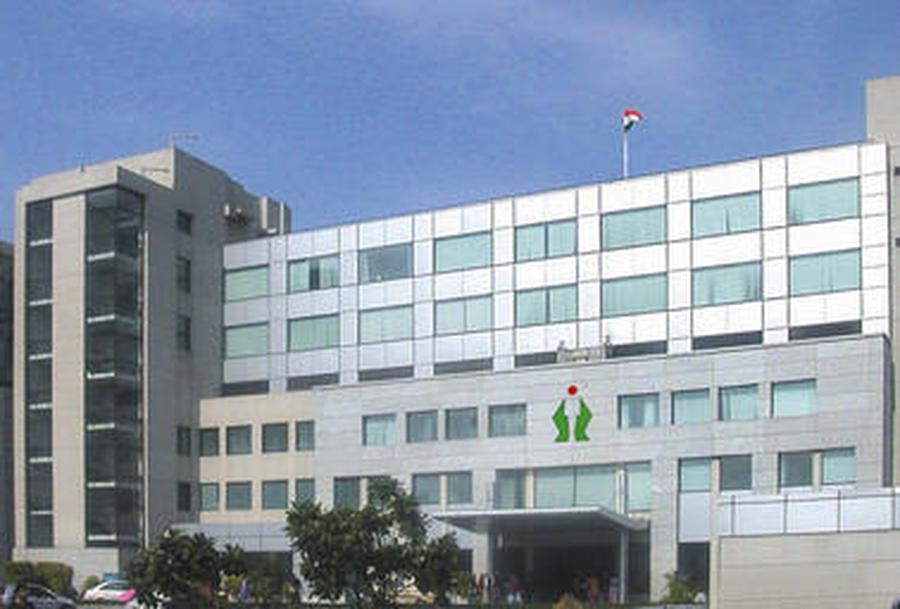






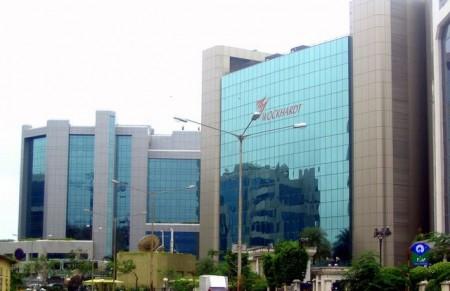
Wockhardt Hospital





أفضل مراكز جراحة القلب لدى الأطفال في الهند
- Artemis Hospitals, الهند
- Fortis Escorts Heart Institute, الهند
- Apollo Hospital Indraprastha, الهند
- Fortis Gurgaon, الهند
- Medanta Hospital, الهند
- Wockhardt Hospital, الهند
- Manipal Hospitals, الهند
- Global Hospital Chennai, الهند
- BLK Super Speciality Hospital, الهند
- Aster CMI Hospital, الهند
احصل على تقييم طبي لـ في الهند: اختر أخصائيك من بين الأفضل في هذا المجال
عرض جميع الأطباء
Krishna Subramony Iyer
أجرى أكثر من 10,000 جراحة قلب خلقية - كان الدكتور آير رائدًا في أول برنامج مخصص لرعاية قلب الأطفال في شمال الهند.
- متخصص في جراحات حديثي الولادة المعقدة وحالات الرضع الذين يعانون من سوء التغذية
- أجرى أول عملية ناجحة للتبديل الشرياني السريع على مرحلتين في الهند
- تدرب في مستشفى الأطفال الملكي في ملبورن تحت إشراف الدكتور آر بي بي مي
- يطور حلولاً فعالة من حيث التكلفة لرعاية القلب في البلدان النامية

Sandeep Attawar
إجراء أكثر من 10,000 جراحة قلب - يقود الدكتور سانديب أتاوار برنامج جراحة القلب وزراعة أعضاء الصدر في مدينة جلين إيجلز العالمية للصحة.
- متخصص في زراعة القلب والرئة بنسبة نجاح تتراوح بين 85-90%
- مدير جراحة القلب والأوعية الدموية في مستشفى جلوبال تشيناي منذ عام 2017
- عضو الجمعية الدولية لزراعة القلب والرئة
- تلقى تدريبه في معهد سري شيترا تيرونال للعلوم الطبية
مشاركة المحتوى
قصص فيديو من مرضى Bookimed
 Anna Leonova
أسئلة متكررة حول جراحة القلب لدى الأطفال في الهند
ما هو معدل نجاح جراحة القلب للأطفال في الهند؟
تتراوح معدلات نجاح جراحة القلب للأطفال في الهند من 94% إلى 98% في المراكز المتخصصة الرائدة. تعتمد النتائج على مدى تعقيد العيب وحجم العمليات في المستشفى. تُظهر الإجراءات الروتينية مثل إغلاق عيوب الحاجز البطيني (VSD) أو الأذيني (ASD) أعلى معدلات البقاء على قيد الحياة. تحافظ الحالات عالية التعقيد لحديثي الولادة على معدل نجاح يتراوح بين 90% إلى 94%.
- الإجراءات الروتينية: تتراوح معدلات النجاح للإصلاحات الأساسية من 95% إلى 98% في الهند.
- مستويات التعقيد: تبلغ معدلات البقاء على قيد الحياة للعمليات الجراحية عالية التعقيد وحالات حديثي الولادة ما بين 85% و94%.
- الخبرة المتخصصة: أجرى الدكتور كريشنا سوبراموني آير في مستشفى فورتيس إسكورتس أكثر من 10,000 جراحة قلب خلقي.
- الجودة السريرية: تحمل أفضل المرافق مثل مستشفى أبولو إندرابراستا ومستشفيات أرتميس اعتماد اللجنة الدولية المشتركة (JCI).
رؤية خبير Bookimed: حجم الحالات هو أقوى مؤشر للنجاح في جراحة قلب الأطفال في الهند. تُظهر البيانات أن جراحين مثل الدكتور سانديب أتاوار في مستشفى جلوبال تشيناي شاركوا في أكثر من 10,000 إجراء. غالبًا ما تدير المراكز ذات الحجم الكبير أكثر من 80,000 مريض سنويًا. تسمح هذه الخبرة الهائلة لهذه الفرق بتحسين بروتوكولات العناية المركزة بعد الجراحة. تعمل رعاية التمريض المتخصصة في هذه المراكز على تحسين التعافي طويل الأمد بشكل كبير مقارنة بالعيادات الإقليمية الأصغر.
إجماع المرضى: يؤكد الآباء أن السفر إلى مدن من الدرجة الأولى مثل دلهي أو تشيناي أمر حيوي للحالات
كيف يقارن جراحو قلب الأطفال الهنود بنظرائهم في الغرب؟
يُعد جراحو قلب الأطفال الهنود قادة عالميين في الجراحات ذات الحجم الكبير. فهم غالبًا ما يجرون مئات الإجراءات المعقدة سنويًا. يوفر هذا الحجم السريري خبرة عملية لا مثيل لها مقارنة بنظرائهم الغربيين. تبلغ المراكز الهندية الرائدة عن معدلات نجاح للإصلاحات المعقدة تلبي المعايير الدولية.
- حجم الجراحات: غالبًا ما يجري الجراحون أكثر من 10,000 إجراء طوال مسيرتهم المهنية.
- معدلات النجاح: تبلغ البرامج الرائدة عن معدلات بقاء على قيد الحياة بنسبة 95% لحالات حديثي الولادة عالية الخطورة.
- الإجراءات المتقدمة: يجري المتخصصون بانتظام عمليات تحويل الشرايين المعقدة وعمليات التحويل المزدوج.
- الابتكار العالمي: كان الخبراء الهنود روادًا في إجراء التحويل الشرياني السريع على مرحلتين المستخدم في جميع أنحاء العالم.
- الاعتماد: تحافظ المرافق من الدرجة الأولى على اعتماد JCI وتصنيفات أفضل المستشفيات من مجلة نيوزويك.
رؤية خبير Bookimed: إن ريادة الهند في طب قلب الأطفال مدفوعة بالتخصص الشديد. كان الدكتور كريشنا سوبراموني آير في معهد فورتيس إسكورتس للقلب رائدًا في أول برنامج مخصص للأطفال في شمال الهند. تعالج هذه المراكز المركزة 1,000,000 مريض سنويًا في مواقع مثل أبولو. يسمح هذا التركيز في الحالات للجراحين بإتقان الإصلاحات الخلقية النادرة بشكل أسرع من أولئك الموجودين في العيادات الغربية ذات الحجم الأقل.
إجماع المرضى: يلاحظ الآباء أن الجراحين في الهند غالبًا ما يتولون حالات عالية الخطورة كانت لديها قوائم انتظار طويلة في أماكن أخر
ما هي المدة المعتادة للإقامة في المستشفى؟
تتراوح مدة الإقامة المعتادة في المستشفى لجراحة القلب للأطفال في الهند من 7 إلى 10 أيام للإصلاحات البسيطة. أما الإجراءات المعقدة مثل رباعية فالو (Tetralogy of Fallot) فغالباً ما تتطلب من 14 إلى 21 يوماً. قد تمتد فترة التعافي الكامل إلى 28 يوماً في حال حدوث مضاعفات ما بعد الجراحة مثل الالتهاب الرئوي أو عدم انتظام ضربات القلب.
- الإصلاحات الروتينية: عادة ما يتم خروج المرضى بعد إغلاق عيوب الحاجز الأذيني (ASD) أو البطيني (VSD) في غضون 7 إلى 10 أيام.
- العناية المركزة: يقضي معظم مرضى القلب من الأطفال يومين على الأقل في وحدة العناية المركزة للأطفال (PICU).
- الحالات المعقدة: تتطلب جراحات البطين الواحد أو تصحيح رباعية فالو عادةً من أسبوعين إلى 3 أسابيع.
- التأخيرات المحتملة: قد تؤدي الحمى بعد الجراحة أو الانصباب الجنبي إلى إضافة 5 إلى 7 أيام.
رؤية خبير Bookimed: غالباً ما توفر المراكز ذات الحجم الكبير مثل مستشفى جلوبال في تشيناي ومستشفى أبولو إندرابراستا أوقات تعافي أسرع. تدير هذه المؤسسات أكثر من 1,000,000 مريض سنوياً. تساعد خبرتهم الواسعة في البروتوكولات المتخصصة للأطفال على تبسيط الانتقال من العناية المركزة إلى الأجنحة العامة، مما قد يقلل من إجمالي الإقامة لعدة أيام مقارنة بالمرافق الأصغر.
إجماع المرضى: يقترح الآباء التخطيط لإقامة تتراوح من أسبوعين إلى 4 أسابيع في الهند لتغطية احتياجات التعافي غير المتوقعة. ويشيرون إلى أنه على الرغم من أن التقديرات الأولية تكون أقصر، إلا أن الاحتجاز الاحترازي بسبب الحمى الطفيفة أمر شائع قبل ا
هل يمكن للمرضى الدوليين الحصول على دعم لغوي وعاطفي؟
يحصل المرضى الدوليون في الهند على دعم لغوي وعاطفي شامل من خلال أقسام مخصصة للمرضى الدوليين. توفر معظم المراكز المعتمدة من قبل JCI مترجمين طبيين محترفين للإجراءات المعقدة. كما يقدمون وثائق طبية مترجمة ومساعدة على مدار الساعة طوال أيام الأسبوع لسد الفجوات الثقافية أثناء رعاية القلب للأطفال.
- مكاتب مخصصة: توفر المراكز الرئيسية مترجمين للغتين الإنجليزية والهندية في مكاتب المرضى الدوليين.
- الخبرة السريرية: بدأ الدكتور كريشنا سوبراموني آير في مستشفى فورتيس إسكورتس أول برنامج لطب الأطفال في شمال الهند.
- أدوات اللغة: غالبًا ما تستخدم المرافق تطبيقات متخصصة أو مكالمات فيديو لتلبية احتياجات الترجمة الفورية.
- مرافق معتمدة: تتعامل كل من مستشفيات مانيبال وأبولو مع أكثر من 1,000,000 مريض سنويًا وفقًا للمعايير العالمية.
رؤية خبير Bookimed: تستفيد الشبكات ذات الحجم الكبير مثل مستشفيات مانيبال ومستشفى أبولو إندرابراستا من نطاقها لتوفير رعاية عاطفية متخصصة. غالبًا ما تتضمن هذه المراكز علاجًا باللعب واستشارات مخصصة كجزء من برامج القلب للأطفال. تساعد هذه البنية التحتية في تقليل التوتر للعائلات التي تسافر من الخارج لإجراء عمليات جراحية معقدة.
إجماع المرضى: يقدر الآباء الممرضات اللواتي يقدمن العلاج باللعب للأطفال ويقترحون الانضمام إلى مجموعات المغتربين في وقت مبكر للحصول على راحة عاطفية إضافية. كما يوصون بالحفاظ على رابط واتساب مباشر مع الفريق الجراحي لتخفيف القلق طوال فترة العلاج.
ما الذي يجب أن أسأل عنه الجراح خلال استشارتنا الأولى؟
اسأل عن حجم العمليات المحدد للجراح لحالة طفلك. استفسر عما إذا كان يقوم بإجراء الإصلاحات الجراحية المعقدة لحديثي الولادة بنفسه. تأكد من نسبة الممرضين إلى المرضى في وحدة العناية المركزة للأطفال (PICU) بالمستشفى. تحقق مما إذا كانت المنشأة حاصلة على اعتماد اللجنة الدولية المشتركة (JCI) للسلامة.
- تفاصيل الإجراء: اسأل عن الوقت المتوقع لجهاز القلب والرئة (bypass) لطفلك. اذكر أي اختلافات تشريحية محتملة.
- معدلات النجاح: اطلب معدل النجاح الشخصي للجراح لمدة 30 يومًا. تجنب المتوسطات الوطنية العامة.
- الفريق السريري: تأكد مما إذا كان الطبيب المسؤول أو الطبيب المقيم هو من يدير الرعاية بعد الجراحة في الليل.
- تاريخ البرنامج: اسأل عما إذا كان المركز لديه برنامج مخصص لقلب الأطفال.
رؤية خبير Bookimed: تظهر البيانات أن المراكز الهندية مثل معهد فورتيس إسكورتس للقلب أو مستشفى جلوبال في تشيناي غالبًا ما تضم جراحين لديهم أكثر من 10,000 إجراء. هؤلاء المتخصصون ذوو الخبرة العالية، مثل الدكتور كريشنا سوبراموني آير، غالبًا ما يبتكرون تقنيات جديدة. اسأل دائمًا عما إذا كان جراحك قد تدرب خصيصًا في مراكز طب الأطفال الدولية الشهيرة.
إجماع المرضى: يوصي الآباء بالسؤال عن قوائم انتظار العناية المركزة خلال موسم الأمطار الموسمية. كما يقترحون تسجيل الاستشارة لضمان عدم تفويت أي تفاصيل طبية معقدة أثناء زيارات المتابعة.
هل تتوفر بدائل غير جراحية؟
تشمل البدائل غير الجراحية لحالات القلب لدى الأطفال في الهند التدخلات القائمة على القسطرة والإدارة الطبية. توفر إجراءات مثل رأب الحاجز الأذيني بالبالون أو إغلاق عيوب الحاجز الأذيني بالأجهزة معدلات نجاح عالية دون الحاجة إلى شقوق جراحية تقليدية. تعمل هذه التقنيات كعلاجات أولية فعالة أو جسور حاسمة للجراحة اللاحقة.
- تدخلات القسطرة: تُستخدم لإغلاق الثقوب الصغيرة مثل عيوب الحاجز الأذيني (ASD) أو القناة الشريانية السالكة (PDA) دون جراحة في الصدر.
- معدلات النجاح: تُبلغ عمليات الإغلاق بالقسطرة عن معدل نجاح يتراوح بين 70% إلى 80% للحالات المناسبة.
- الإدارة الطبية: يستخدم أطباء القلب مدرات البول ومثبطات الإنزيم المحول للأنجيوتنسين (ACE) للسيطرة على الأعراض لمدة 6-12 شهرًا.
- المراقبة الدقيقة: غالبًا ما تُغلق عيوب القلب الصغيرة بشكل طبيعي بحلول سن الرابعة مع المراقبة المنتظمة.
رؤية خبير Bookimed: غالبًا ما تقود المراكز ذات الحجم الكبير مثل مستشفى جلوبال في تشيناي أو مستشفى أبولو إندرابراستا الرعاية القائمة على القسطرة. قدرتهم على إجراء أكثر من 10,000 إجراء تسمح لهم باستخدام الطباعة ثلاثية الأبعاد المتقدمة للتخطيط الدقيق. تساعد هذه التكنولوجيا الأطباء في تحديد ما إذا كان الإغلاق غير الجراحي أكثر أمانًا من الجراحة لطفلك.
إجماع المرضى: يلاحظ الآباء أنه على الرغم من أن الأدوية تساعد في إدارة الأعراض المبكرة، إلا أن الجراحة غالبًا ما تكون الحل الدائم الوحيد للعيوب المعقدة. يجد الكثيرون الراحة في إجراءات القسطرة لأنها تتجنب فترات التعاف
كيف نستعد ليوم الجراحة؟
يتطلب التحضير لجراحة القلب للأطفال في الهند التزاماً صارماً ببروتوكولات الصيام والنظافة. يجب على المرضى التوقف عن تناول الطعام والماء بعد منتصف الليل لمنع حدوث مضاعفات التخدير. الوصول المبكر إلى مستشفيات مثل مستشفيات أرتميس (Artemis Hospitals) أو مستشفيات مانيبال (Manipal Hospitals) يضمن توفر الوقت اللازم لإجراء فحوصات الدم وتخطيط القلب الضرورية.
- قواعد الصيام: لا طعام ولا ماء بعد منتصف الليل لضمان عملية تخدير آمنة.
- العناية بالنظافة: الاستحمام باستخدام صابون مطهر لتقليل خطر الإصابة بعدوى في موقع الجراحة.
- التوثيق: إحضار بطاقة هوية تحمل صورة، والسجلات الطبية، وقائمة بجميع الأدوية الحالية.
- أدوات الراحة: حزم بطانيات مألوفة أو لهايات للمساعدة في تهدئة الأطفال قبل الإجراء.
رؤية خبير Bookimed: تتعامل المراكز الطبية الهندية الكبرى مثل مستشفى أبولو إندرابراستا (Apollo Hospital Indraprastha) مع أكثر من 1,000,000 مريض دولي سنوياً. هذا الحجم الكبير يعني أن المعالجة الإدارية قد تستغرق عدة ساعات في صباح يوم الجراحة. يجب على العائلات الوصول قبل 4 إلى 6 ساعات على الأقل لإكمال الأوراق قبل مقابلة الفريق الجراحي.
إجماع المرضى: يجد الآباء أن توفير أدوات التشتيت مثل الأجهزة اللوحية يساعد الأطفال على التأقلم مع فترات الانتظار الطويلة في منطقة ما قبل الجراحة. من المفيد أيضاً أن يركز شخص بالغ واحد على الطفل بينما يتولى الآخر إدارة الأمتعة والخدمات اللوجستية للمستشفى.
كيف يبدو التعافي على المدى الطويل؟
يتضمن التعافي على المدى الطويل بعد جراحة القلب للأطفال في الهند العودة إلى مستويات النشاط الطبيعية في غضون عام إلى عامين. غالبًا ما يحقق الأطفال قدرة بدنية عالية بحلول العام الثالث. تضمن المراقبة في المراكز المعتمدة من اللجنة الدولية المشتركة (JCI) مثل مستشفى أبولو إندرابراستا استمرار صحة القلب ونمو التطور.
- النشاط البدني: يعود معظم الأطفال إلى المدرسة والرياضة في غضون 12 إلى 24 شهرًا.
- رعاية المتابعة: تعد مخططات صدى القلب السنوية ضرورية لمراقبة صمامات القلب وعدم انتظام ضربات القلب المحتمل.
- معدلات إعادة التدخل: يحتاج حوالي 5% إلى 10% من المرضى إلى استبدال القنوات في غضون 8 سنوات.
- إدارة الأدوية: قد يكون الاستخدام طويل الأمد لحاصرات بيتا أو مضادات التخثر مطلوبًا حتى مرحلة البلوغ.
رؤية خبير Bookimed: تبلغ المراكز الهندية مثل مستشفى جلوبال تشيناي عن معدلات نجاح عالية لحالات حديثي الولادة المعقدة. تظهر بياناتنا أن العيادات التي أجرت أكثر من 10,000 إجراء، مثل فورتيس إسكورتس، توفر النتائج الأكثر استقرارًا على المدى الطويل. يجب على الآباء إعطاء الأولوية للمستشفيات التي كان فيها جراحون مثل الدكتور كريشنا سوبراموني آير روادًا في بروتوكولات محددة للأطفال.
إجماع المرضى: يلاحظ الآباء أن الأطفال غالبًا ما يكتسبون طاقة `خارقة` بعد التعافي. ومع ذلك، يؤكدون على ضرورة البقاء يقظين أثناء طفرات النمو وإدارة الحساسية للحرارة في المناخ الهندي.