تتراوح تكلفة قسطرة الشرايين التاجية في تركيا عادةً بين $9,000 و $15,000. يعتمد السعر النهائي على عدد الدعامات المستخدمة والتقنية المتبعة وفئة العيادة. تبلغ تكلفة الإجراءات المماثلة في المملكة العربية السعودية حوالي _price_compare_SA_average_. يوفر المرضى نحو _price_percent_discount_% مقارنةً بالأسعار في السعودية. تشمل التكاليف عادةً الإجراء الطبي والإقامة في المستشفى والفحوصات التحضيرية.
رأي خبراء Bookimed: يضمن اختيار المراكز المعتمدة من JCI في إسطنبول الحصول على تقنيات متطورة بأسعار تنافسية. يعالج مستشفى ميديبول بهجيلي إفلر 600 ألف مريض سنوياً باستخدام تقنيات PET-CT و SPECT-CT للتشخيص الدقيق. يرتبط مركز الأناضول الطبي بمستشفى جونز هوبكنز ويطبق بروتوكولات رعاية وفقاً للمعايير الأمريكية. تقدم هذه العيادات خدمات عالية القيمة بفضل حجم جراحاتها الكبير وشهاداتها الدولية.
لماذا يختار المرضى تركيا لإجراء عملية رأب الأوعية التاجية؟
احصل على حلول متقدمة لرأب الأوعية التاجية في عيادات موثوقة .
| تركيا | إسبانيا | ألمانيا | |
| رأب الأوعية التاجية | من $9,000 | من $18,000 | من $25,000 |
| جراحة مجازة الشريان التاجي | من $15,000 | من $30,000 | من $40,000 |
| الضربات المعاكسة الخارجية المحسنة | من $1,500 | من $3,500 | من $4,500 |
| الدعامة التاجية | من $950 | من $9,500 | من $7,032 |
| الأبهر الدعامة التطعيم | من $18,000 | من $25,000 | من $32,000 |
Bookimed لا يضيف رسوماً إضافية على أسعار رأب الأوعية التاجية. الأسعار مأخوذة من قوائم الأسعار الرسمية للعيادات. تدفع مباشرة في العيادة مقابل رأب الأوعية التاجية عند وصولك.
Bookimed ملتزم بسلامتك. نحن نعمل فقط مع المؤسسات الطبية التي تحافظ على معايير دولية عالية في رأب الأوعية التاجية ولديها التراخيص اللازمة لخدمة المرضى الدوليين في جميع أنحاء العالم.
Bookimed يقدم مساعدة خبراء مجانية. منسق طبي شخصي يدعمك قبل وأثناء وبعد العلاج، ويحل أي مشاكل. لن تكون وحيداً أبداً في رحلة رأب الأوعية التاجية.
يقوم هذا الإجراء بفك انسداد شرايين القلب باستخدام بالون صغير ، مما يقلل من خطر الإصابة بأمراض القلب ويحسن تدفق الدم. إنها طفيفة التوغل مع التعافي السريع.
تتضمن العملية وضع أنبوب صغير لفتح شرايين القلب المسدودة ، وتحسين تدفق الدم لقلب أكثر صحة.
تتضمن هذه العملية وضع دعامة في الشريان الأورطي لمنع التمزق ، مما يوفر تعافيًا أقل توغلاً وأسرع.
اليوم الأول: الوصول
اليوم الثاني: ما قبل العملية
اليوم الثالث: رأب الأوعية التاجية
اليوم الرابع: ما بعد العملية
اليوم 5-7: الخروج من المنزل واستعادة عافيته
الأسبوع 2-4: إعادة التأهيل
الأسبوع 5-8: النتيجة النهائية
يرجى ملاحظة أن عملية الشفاء لكل مريض تختلف وتخضع للظروف الصحية الفردية.
ماذا يحب المرضى:
ما لا يحبه المرضى:
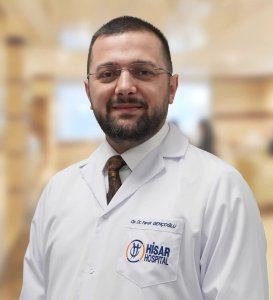
يتخصص الدكتور علي غوزوكوجوك في جراحة الأطفال مع التركيز على حالات الفتق والبطن في مستشفى حصار إنتركونتيننتال.
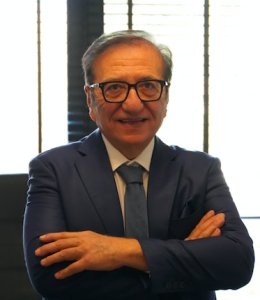
يتخصص البروفيسور ميرت يلماز في رأب الأوعية التاجية بخبرة تزيد عن 30 عامًا، بما في ذلك عمل رائد في إصلاح تمدد الأوعية الدموية داخل الأوعية.
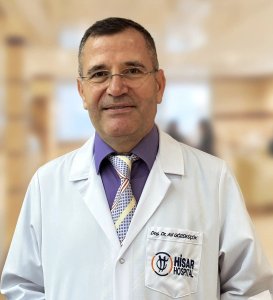
يتخصص البروفيسور إمين تيرلي في عيوب القلب المعقدة لدى الأطفال، بما في ذلك جراحة القلب والأوعية الدموية لحديثي الولادة، ولديه أكثر من 30 عامًا من الخبرة.
Coronary angioplasty in Turkey maintains a high success rate between 90% and 95%, with specialized centers reporting up to 98% for routine procedures. Technical success for stent placement remains excellent, reaching 97% to 100% even in complex cases within JCI-accredited facilities.
Bookimed Expert Insight: Data from high-volume Istanbul centers shows a strong correlation between surgeon experience and outcome safety. For instance, Prof. Dr. Emin Tireli at Medical Park has performed over 6,300 surgeries. Choosing a surgeon with 200+ annual procedures typically ensures complications stay well below international benchmarks.
Patient Consensus: Patients frequently express confidence in the 95% to 99% success rates that mirror global standards. Many travelers advise verifying a surgeon's specific procedure volume and securing comprehensive travel insurance before departure.
Coronary angioplasty in Turkey is highly safe for international patients at JCI-accredited hospitals, maintaining success rates between 94% and 98%. Facilities like Anadolu Medical Center and Memorial Sisli utilize advanced drug-eluting stents and state-of-the-art catheterization labs while following strict international safety protocols.
Bookimed Expert Insight: Data shows a high concentration of specialized experience specifically in Istanbul. For instance, Prof. Emin Tireli has performed over 6,329 cardiac procedures. Selecting such high-volume surgeons often correlates with lower complication rates, which patients report stay around 1% to 2% in top-tier Turkish catheterization labs.
Patient Consensus: Patients emphasize the importance of staying 10 to 14 days post-procedure to minimize travel risks like DVT. They often recommend prioritizing hospitals with dedicated international departments to ensure seamless communication with English-speaking medical staff.
Post-angioplasty care requires dual antiplatelet therapy (DAPT) to prevent stent thrombosis and life-threatening blood clots. Patients typically take aspirin indefinitely alongside a P2Y12 inhibitor like clopidogrel or ticagrelor for 6 to 12 months. High-dose statins and beta-blockers further stabilize arterial plaques and manage heart rate.
Bookimed Expert Insight: Turkish JCI-accredited centers often provide high-quality generics that are significantly more affordable than US counterparts. Clinics like Hisar Hospital Intercontinental provide discharge summaries in English. This ensures your local cardiologist can accurately monitor your monthly EKG results during the DAPT period.
Patient Consensus: Many patients emphasize that sticking to the strict 6–12 month medication schedule is vital. They often highlight the importance of avoiding ibuprofen and alcohol while on blood thinners to prevent complications.
Turkish hospitals utilize advanced drug-eluting stents (DES), bare-metal stents (BMS), and bioresorbable scaffolds that meet European and international standards. Leading cardiac centers in Istanbul and Ankara primarily use FDA-approved brands like Abbott Xience, Medtronic Resolute, and Boston Scientific Synergy to ensure low restenosis rates.
Bookimed Expert Insight: While many countries use a mix of brands, Turkish private centers like Anadolu Medical Center and Memorial Şişli maintain a high density of premium drug-eluting stents. Data shows these JCI-accredited facilities favor the same Xience and Synergy systems used in top US hospitals, but deliver the procedure for significantly lower costs, specifically $9,000 compared to the $95,000 American average.
Patient Consensus: Patients report that private hospitals consistently provide premium drug-eluting stents as the standard. They advise confirming the specific brand and model in writing before the procedure to ensure it matches international medical travel standards.