علاج عيب الحاجز البطيني في كوريا الجنوبية — احصل على 3 عيادات مختارة خصيصاً لك


تمت مراجعة المقالة طبيا من قبل
فهد مولود
كيف نعمل؟
ما هي تكلفة عيب الحاجز البطيني إجراءات التشخيص والعلاج في كوريا الجنوبية؟ اعرف الآن
تعتمد تكلفة علاج عيب الحاجز البطيني في جمهورية كوريا عادةً على ما إذا كان المريض يحتاج إلى تصوير القلب بالموجات فوق الصوتية، والذي يتراوح سعره بين $130 و $260، أو تدخلات معقدة مثل جراحة القلب المفتوح، والتي تتراوح تكلفتها بين $28,000 و $42,000. تتأثر النفقات الإجمالية بالتقنية الجراحية، ومستوى المستشفى، وعمر المريض. يمكن للمرضى الدوليين توقع توفير ما بين 50-70% مقارنة بالولايات المتحدة. تشمل أفضل المدن لهذا العلاج سيول وإنشيون.
تكاليف علاج عيب الحاجز البطيني النموذجية في جمهورية كوريا
- استشارة جراح قلب: من $47
- تصوير القلب بالرنين المغناطيسي: $650 – $1,100
- تصوير القلب بالموجات فوق الصوتية: $130 – $260
- جراحة القلب المفتوح: $28,000 – $42,000
رؤية خبراء Bookimed: يجب على مرضى الأطفال الذين يحتاجون إلى رعاية متخصصة إعطاء الأولوية للمراكز التي تتعامل مع أعداد كبيرة من حالات عيوب القلب الخلقية. يُعد مستشفى سيجونغ خياراً ممتازاً، حيث أجرى البروفيسور سونغ هو كيم أكثر من 1200 تدخل جراحي للقلب هناك. بالنسبة للمرضى البالغين الذين يحتاجون إلى بنية تحتية رقمية متقدمة، يوفر مستشفى سيفيرانس رعاية معتمدة من اللجنة الدولية المشتركة (JCI)، ويخدم 4 ملايين مريض سنوياً باستخدام تقنيات الذكاء الاصطناعي والروبوتات. توفر هذه المرافق الموجودة في سيول أعلى مستويات الأمان لإصلاح عيوب الحاجز البطيني المعقدة.
| كوريا الجنوبية | تركيا | إسبانيا | |
|---|---|---|---|
| عملية القلب المفتوح | ≈ $28,000 | من $13,500 | من $50,500 |
| جراحة عيوب الحاجز التداخلية | ≈ $16,000 | من $10,500 | ≈ $35,000 |
| جراحة عيب الحاجز البطيني (VSD) | ≈ $14,000 | من $15,000 | ≈ $21,000 |
اكتشف أفضل عيب الحاجز البطيني العيادات في كوريا الجنوبية: 4 خيارات معتمدة والأسعار






احصلوا على تقييم طبي لـ عيب الحاجز البطيني في كوريا الجنوبية: استشيروا أطباء ذوي خبرة الآن
عرض جميع الأطباء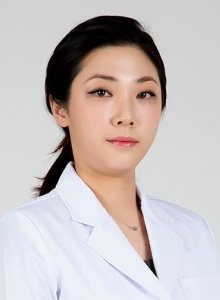
Jeong Yoon Kim
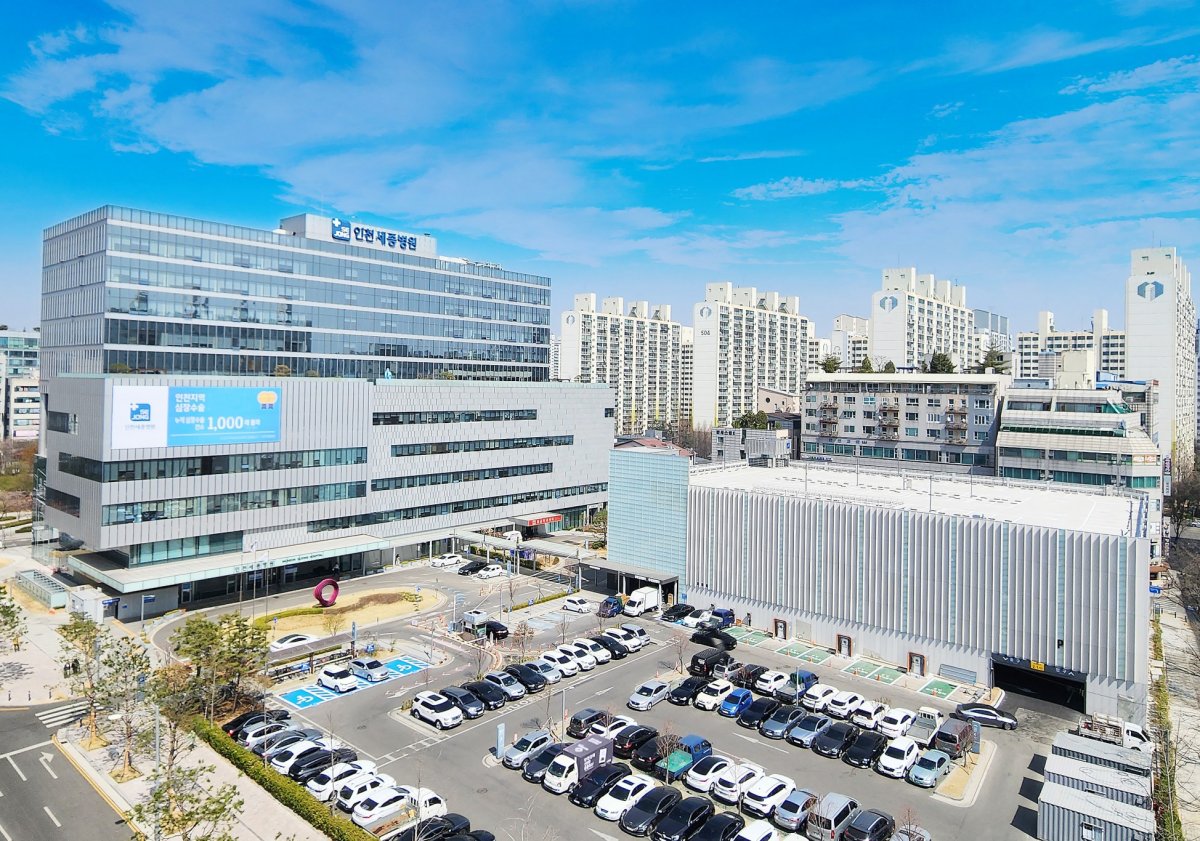
الدكتورة جونغ‑يون كيم، دكتوراه في الطب، طبيبة قلب أطفال في مستشفى بوشيون سيجونغ. تتولى رئاسة قسم طب الأطفال والمراهقين منذ عام 2019، كما تستقبل المرضى في مستشفى إنتشون سيجونغ.
تخرّجت في كلية الطب بجامعة يونسي في وونجو، وأتمّت تدريبها السريري في مستشفى سيفرانس، وهو مركز رعاية ثالثية في كوريا. تركز ممارستها على أمراض القلب الخلقية (ASD, VSD)، ومرض كاواساكي، واضطرابات نظم القلب لدى الأطفال، والإغماء، والعناية القلبية المركزة. وتمتلك مهارات قوية في تخطيط صدى القلب، ورعاية ما قبل الإجراء وم

Hwan Song Uk
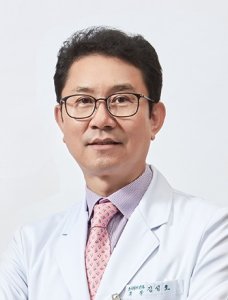
Sungho Kim
البروفيسور سونغ-هو كيم، MD, MS, PhD، طبيب قلب أطفال واختصاصي أمراض القلب الخِلقية بخبرة تزيد على 40 عاماً. تدرّب في كلية الطب بجامعة هانيانغ (MD) وتابع دراسته في كلية الدراسات العليا بالجامعة نفسها (MS, PhD). أسهم في تطوير العلاج عبر القسطرة لـ ASD وVSD ورباعية فالو وغيرها من العيوب القلبية الخِلقية، ما قلّل الحاجة إلى جراحة القلب المفتوح. أجرى أكثر من 1,200 تدخّلاً قلبياً للأطفال والعيوب الخِلقية.
قاد برامج أكاديمية وسريرية، ويساهم في البحث والتدريب، ويشارك في جمعيات مهنية لأمراض القل
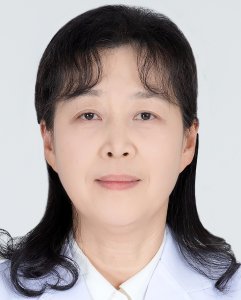
Jieun Ban
الدكتورة جيون بان هي طبيبة قلب أطفال في مستشفى بوتشون سيجونغ. تركز على اضطرابات النظم وعيوب القلب الخلقية. تقدّم تقييماً كهروفيسيولوجياً للأطفال والمراهقين. وأتمّت تدريبها في طب الأطفال وطب قلب الأطفال.
تشمل ممارستها عيب الحاجز الأذيني (ASD) وعيب الحاجز البطيني (VSD) والإغماء القلبي واضطرابات نظم أخرى. توفّر تشخيصات متقدمة ورعاية تداخلية، بما في ذلك الاستئصال بالتبريد والإجراءات الكهروفيسيولوجية عبر القسطرة. تعمل مع فرق قلب متخصصة، وهي متمرسة في تخطيط صدى القلب، ورعاية ما حول الإجراء،
مشاركة المحتوى
قصص فيديو من مرضى Bookimed
 Anna Leonova
أسئلة متكررة حول علاج عيب الحاجز البطيني في كوريا الجنوبية
ما هو معدل نجاح جراحة عيب الحاجز البطيني (VSD) في كوريا؟
تحافظ جراحة عيب الحاجز البطيني (VSD) في كوريا الجنوبية على معدل نجاح يصل إلى 95% لإغلاق العيب بالكامل. وتشير المراكز الطبية الكبرى إلى معدلات بقاء على قيد الحياة تتجاوز 90% لإجراءات القلب الخلقية. يستخدم الجراحون تقنيات تصوير متقدمة وتقنيات تعتمد على القسطرة لضمان دقة وسلامة عالية أثناء العلاج.
- معدل النجاح: يحقق الجراحون إغلاقاً فعالاً للعيب في 95% من حالات جراحة VSD.
- معدل البقاء على قيد الحياة: تبلغ مراكز القلب عن معدل بقاء يزيد عن 90% لجراحات القلب الخلقية المعقدة.
- اعتمادات مقدمي الخدمة: أجرى متخصصون مثل الدكتور سونغ هو كيم أكثر من 1200 تدخل جراحي للقلب.
- معايير المنشأة: تحتفظ مستشفيات مثل سيفيرانس (Severance) باعتمادات اللجنة الدولية المشترية (JCI) و KOIHA.
رؤية خبير Bookimed: تتميز كوريا عالمياً بخبرتها القائمة على حجم العمليات في طب قلب الأطفال. يخدم مستشفى سيجونغ (SEJONG HOSPITAL) أكثر من 402,000 مريض سنوياً من خلال ما يقرب من 30 قسماً متخصصاً. يسمح هذا الحجم الهائل من المرضى للجراحين بإتقان التدخلات القائمة على القسطرة. غالباً ما تحل هذه الإجراءات محل جراحة القلب المفتوح لأنواع محددة من VSD، مما يؤدي إلى أوقات تعافٍ أسرع.
توافق آراء المرضى: تؤكد العائلات أن النجاح يتضمن مقاييس جودة الحياة على المدى الطويل مثل غياب اضطراب النظم القلبي. ويشيرون إلى أن اختيار متخصصين ذوي خبرة يساعد في إدارة القلق الشديد المرتبط بالتعافي من جراحات قلب الأطفال.
هل يتوفر خيار الإغلاق بالقسطرة أم أن جراحة القلب المفتوح ضرورية؟
يتوفر كل من خيار الإغلاق بالقسطرة وجراحة القلب المفتوح لعلاج عيب الحاجز البطيني في كوريا الجنوبية. يعطي أطباء القلب الأولوية للتدخلات طفيفة التوغل القائمة على القسطرة عندما تسمح التشريح بذلك. تظل جراحة القلب المفتوح هي المعيار للعيوب الكبيرة، أو المواقع المعقدة، أو الحالات القريبة من صمامات القلب لضمان إغلاق محكم.
- الإغلاق بالقسطرة: يستخدم المتخصصون أنابيب موجهة لوضع جهاز إغلاق دون الحاجة لشقوق في الصدر.
- المتطلبات الجراحية: جراحة القلب المفتوح ضرورية للثقوب الكبيرة أو مشاكل القلب الهيكلية المعقدة.
- الخيارات طفيفة التوغل: تقدم بعض المراكز جراحة المناظير باستخدام شقوق صغيرة بين الضلوع.
- الدقة التشخيصية: يستخدم الأطباء الرنين المغناطيسي للقلب والموجات فوق الصوتية لتحديد طريقة الإغلاق الأكثر أماناً.
رؤية خبراء Bookimed: تضم كوريا الجنوبية مراكز متخصصة للغاية مثل مستشفى سيجونغ، الذي يعالج أكثر من 400,000 مريض سنوياً. في حين أن العديد من المستشفيات العامة تلجأ افتراضياً للجراحة، فقد أجرى أطباء قلب أطفال متخصصون مثل الدكتور سونغ هو كيم أكثر من 1,200 تدخل قلبي ناجح. هذا الحجم الكبير من العمليات يسمح لهؤلاء الخبراء غالباً بتطبيق تقنيات القسطرة بنجاح في حالات قد تقدم فيها مرافق أخرى الجراحة التقليدية فقط.
إجماع المرضى: يلاحظ المرضى أن مسار علاجهم يتغير غالباً بعد إجراء تصوير دقيق. حتى لو تم تفضيل نهج القسطرة، فإن القرار النهائي يعتمد على مدى قرب الثقب من صمامات القلب.
ما هي مدة بقائي في المستشفى؟
عادة ما تستمر الإقامة في المستشفى لعلاج عيب الحاجز البطيني في كوريا الجنوبية من يوم واحد إلى 7 أيام. تتطلب التدخلات عبر القسطرة عمومًا يومًا إلى يومين من المراقبة. تتضمن الجراحة التقليدية إقامة من 4 إلى 7 أيام في مراكز معتمدة من JCI مثل مستشفى سيفيرانس (Severance Hospital).
- الإقامة عبر القسطرة: يبقى المرضى عادة في المستشفى لمدة يوم إلى يومين بعد الإجراء.
- وقت التعافي الجراحي: تتطلب الإصلاحات الجراحية الروتينية حوالي 4 إلى 7 أيام في المستشفى.
- مدة العناية المركزة: يقضي مرضى الجراحة عادةً أول يوم أو يومين في وحدة العناية المركزة (ICU).
- المراقبة للأطفال: قد يبقى الرضع لفترة أطول لمراقبة الرضاعة ومستويات الأكسجين.
رؤية خبير Bookimed: كوريا الجنوبية رائدة في تقليل الصدمات الجسدية الناتجة عن عيوب القلب. أجرى متخصصون مثل الدكتور سونغ هو كيم في مستشفى سيجونغ (SEJONG HOSPITAL) أكثر من 1,200 إجراء. غالبًا ما يعطون الأولوية للتدخلات عبر القسطرة. تساعد هذه الخبرة المتخصصة في تقليل فترات البقاء في المستشفى إلى 48 ساعة فقط في العديد من الحالات المعقدة.
إجماع المرضى: يلاحظ المرضى أن التعافي أسرع مما كان متوقعًا بعد الإجراءات طفيفة التوغل. يؤكد معظم المرضى أن أول يومين يتطلبان مراقبة مكثفة.
هل المتابعة طويلة الأمد ضرورية بعد علاج عيب الحاجز البطيني (VSD)؟
تعد المتابعة طويلة الأمد ضرورية بعد علاج عيب الحاجز البطيني لمراقبة وظائف القلب حتى سن البلوغ. يحتاج المرضى إلى فحوصات دورية مع طبيب قلب لضمان استقرار الرقعة وتقييم سلامة الإيقاع القلبي. تشمل التقييمات القياسية تخطيط صدى القلب والرنين المغناطيسي لاكتشاف المضاعفات المتأخرة في وقت مبكر.
- مدة المتابعة: غالباً ما تستمر المراقبة من الطفولة حتى البلوغ لضمان صحة القلب مدى الحياة.
- أدوات المراقبة: يستخدم المتخصصون تخطيط صدى القلب والرنين المغناطيسي لتقييم سلامة الإصلاح.
- فحص المضاعفات: تركز الفحوصات على منع عدم انتظام ضربات القلب وإدارة وظيفة عضلة القلب.
- المخاطر المتبقية: تحدد المراقبة مشاكل الصمام الأورطي المحتملة أو التسريبات الصغيرة المتبقية.
رؤية خبير Bookimed: تدير المراكز ذات الحجم الكبير مثل مستشفى سيجونغ أكثر من 400,000 مريض سنوياً وتعطي الأولوية للانتقالات المتكاملة من طب الأطفال إلى البالغين. أجرى الدكتور سونغ هو كيم أكثر من 1,200 تدخل جراحي للقلب، مما يعكس توجهاً يفضل فيه الجراحون الكوريون ذوو الخبرة الإصلاحات عبر القسطرة لتقليل الندبات النسيجية مدى الحياة والمضاعفات المستقبلية.
إجماع المرضى: يؤكد المرضى أن الإصلاح الجراحي لا يعني نهاية الرعاية. يشير الكثيرون إلى أن الاحتفاظ بسجلات مفصلة عن نوع الإصلاح المحدد أمر حيوي عند زيارة أطباء قلب جدد بعد سنوات.