رباعية فالو العلاج في كوريا الجنوبية - التكاليف 2026


تمت مراجعة المقالة طبيا من قبل
فهد مولود
ما هي تكلفة رباعية فالو إجراءات التشخيص والعلاج في كوريا الجنوبية؟ اعرف الآن
من $47. تعتمد النفقات الإجمالية على مدى تعقيد الجراحة، ومستوى المستشفى، وفترة التعافي المطلوبة. غالباً ما يوفر المرضى ما بين 30 إلى 50% مقارنة بالولايات المتحدة. تقع أفضل مراكز العلاج في سيول، وإنتشون، وبوسان.
تكاليف علاج رباعية فالو النموذجية في جمهورية كوريا
- تخطيط كهربية القلب (ECG): من $30
- استشارة جراح القلب: من $47
- استشارة طبيب القلب: $50 – $55
رؤية خبير Bookimed: بالنسبة للحالات الخلقية المعقدة، توفر المراكز المتخصصة مثل مستشفى سيجونغ (Sejong Hospital) قيمة عالية. وقد أجرى البروفيسور سونغ هو كيم هناك أكثر من 1200 عملية تدخل جراحي للقلب للأطفال. يجب على المرضى الذين يبحثون عن بنية تحتية متطورة التفكير في مستشفى سيفيرانس (Severance Hospital)، وهي منشأة معتمدة من اللجنة الدولية المشتركة (JCI) تعالج 4 ملايين مريض سنوياً. يمكن الوصول إلى الرعاية الرقمية المتطورة بشكل أفضل في مستشفى جامعة سيول الوطنية بوندانغ (SNUBH)، حيث يستخدمون نظام BESTcare لتنسيق العلاج بشكل مبسط.
| كوريا الجنوبية | تركيا | إسبانيا | |
|---|---|---|---|
| عملية القلب المفتوح | ≈ $28,000 | من $13,500 | من $50,400 |
| رباعية فالو جراحة | ≈ $22,000 | من $16,500 | من $44,800 |
مزاياك وضماناتك مع Bookimed
أسعار مباشرة
Bookimed لا يضيف رسوماً إضافية على أسعار علاج رباعية فالو. الأسعار مأخوذة من قوائم الأسعار الرسمية للعيادات. تدفع مباشرة في العيادة مقابل علاجك عند وصولك إلى البلد.
عيادات وأطباء معتمدون فقط
Bookimed ملتزم بسلامتك. نحن نعمل فقط مع المؤسسات الطبية التي تحافظ على معايير دولية عالية في علاج رباعية فالو ولديها التراخيص اللازمة لخدمة المرضى الدوليين في جميع أنحاء العالم.
مساعدة مجانية على مدار الساعة
Bookimed يقدم مساعدة خبراء مجانية. منسق طبي شخصي يدعمك قبل وأثناء وبعد العلاج، ويحل أي مشاكل. لن تكون وحيداً أبداً في رحلة علاج رباعية فالو.

منسقك الطبي الشخصي في Bookimed
- يدعمك في كل مرحلة
- المساعدة في اختيار العيادة الطبية المناسبة والطبيب المناسب
- يضمن الوصول السريع والمريح إلى المعلومات
اكتشف أفضل رباعية فالو العيادات في كوريا الجنوبية: 4 خيارات معتمدة والأسعار
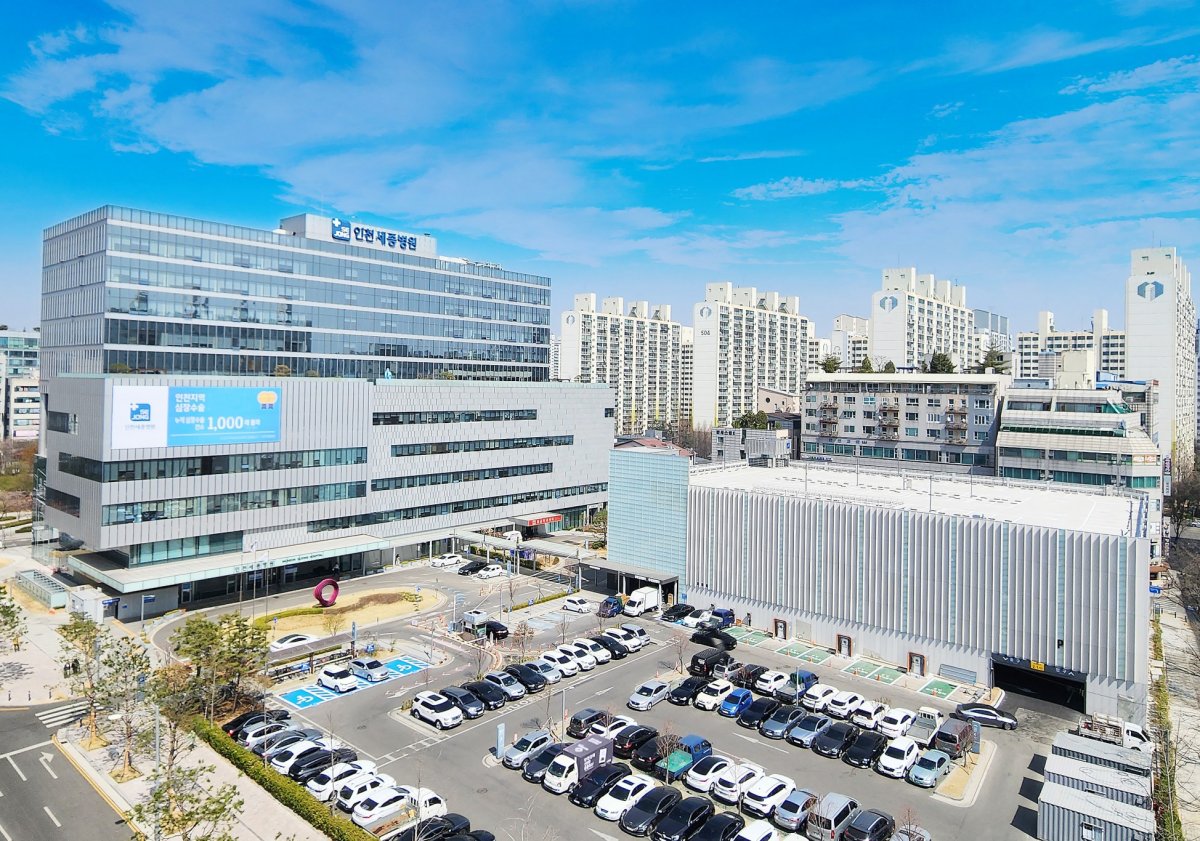







احصلوا على تقييم طبي لـ رباعية فالو في كوريا الجنوبية: استشيروا أطباء ذوي خبرة الآن
عرض جميع الأطباء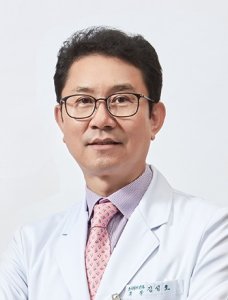
Sungho Kim
البروفيسور سونغ-هو كيم، MD, MS, PhD، طبيب قلب أطفال واختصاصي أمراض القلب الخِلقية بخبرة تزيد على 40 عاماً. تدرّب في كلية الطب بجامعة هانيانغ (MD) وتابع دراسته في كلية الدراسات العليا بالجامعة نفسها (MS, PhD). أسهم في تطوير العلاج عبر القسطرة لـ ASD وVSD ورباعية فالو وغيرها من العيوب القلبية الخِلقية، ما قلّل الحاجة إلى جراحة القلب المفتوح. أجرى أكثر من 1,200 تدخّلاً قلبياً للأطفال والعيوب الخِلقية.
قاد برامج أكاديمية وسريرية، ويساهم في البحث والتدريب، ويشارك في جمعيات مهنية لأمراض القل

Hwan Song Uk
مشاركة المحتوى
قصص فيديو من مرضى Bookimed
 Anna Leonova
أسئلة متكررة حول علاج رباعية فالو في كوريا الجنوبية
ما هي تدابير العلاج المتاحة في كوريا لتصحيح رباعية فالو؟
توفر كوريا الجنوبية إصلاحاً جراحياً متقدماً لرباعية فالو في المراكز المعتمدة من قبل JCI في سيول وإنتشون. تشمل العلاجات الأولية الإصلاح القلبي الكامل والتحويلات الملطفة (palliative shunts). يستخدم الأخصائيون عمليات طفيفة التوغل وتدخلات تعتمد على القسطرة لتحسين الدورة الدموية الرئوية وحل عيوب الحاجز البطيني.
- الإصلاح داخل القلب: جراحة قلب مفتوح قياسية يتم إجراؤها في عمر 3 إلى 6 أشهر.
- التحويلات الملطفة: تزيد تحويلات Blalock-Taussig-Thomas من تدفق الدم إلى الرئة للحالات الشديدة والمبكرة.
- تدخلات القسطرة: تقلل التقنيات طفيفة التوغل، مثل تلك التي يتم إجراؤها في مستشفى Sejong، من الصدمة الجراحية.
- التحقق العالمي: تحافظ المرافق على تصنيفات JCI وKOIHA وNewsweek لأفضل المستشفيات في العالم لعام 2023.
رؤية خبير Bookimed: في حين تركز العديد من المستشفيات الرائدة في سيول على الجراحة العامة، يتخصص مستشفى Sejong في إنتشون بعمق في أمراض القلب. يخدم أكثر من 402,000 مريض سنوياً مع 103 أطباء متخصصين. أجرى الدكتور سونغ هو كيم أكثر من 1,200 إجراء هناك. وهو رائد في تطوير العلاجات القائمة على القسطرة لعيوب القلب الخلقية.
ما مدى أمان جراحة رباعية فالو في كوريا، وما الذي يمكن أن تتوقعه العائلات فيما يتعلق بالنتائج التشغيلية؟
تعد جراحة رباعية فالو في كوريا آمنة بشكل استثنائي مع معدلات نجاح تلبي المعايير الدولية. توفر المراكز الكبرى مثل مستشفى سيفيرانس ومستشفى سيجونغ رعاية متقدمة. يمكن للعائلات توقع إصلاح كامل اختياري قبل سن 6 أشهر. يحقق معظم المرضى نتائج أولية ممتازة على المدى الطويل.
- شهادات السلامة: تحتفظ المستشفيات باعتمادات اللجنة المشتركة الدولية (JCI) و KOIHA لسلامة المرضى.
- الإجراءات المتقدمة: يستخدم المتخصصون تدخلات قائمة على القسطرة لتقليل الحاجة إلى جراحة القلب المفتوح التقليدية.
- التعافي بعد الجراحة: يبلغ متوسط الإقامة الإجمالية في المستشفى 16 يومًا بما في ذلك الرعاية المركزة المتخصصة.
- خبرة الخبراء: أجرى جراحون مثل الدكتور سونغو كيم أكثر من 1200 تدخل في قلب الأطفال.
رؤية خبراء Bookimed: تظهر البيانات أن المراكز الكورية مثل مستشفى سيجونغ تتعامل مع أحجام هائلة، تتجاوز 400 ألف زيارة سنويًا. يرتبط هذا العبء المرتفع للمرضى بخبرة عميقة في إدارة مشاكل الصمام الرئوي المتبقية. في حين يركز الكثيرون على سيول، غالبًا ما يقدم المتخصصون في إنشيون علاجات متخصصة تعتمد على القسطرة لرباعية فالو والتي يمكن أن تقلل من الصدمة الجراحية.
إجماع المرضى: تؤكد العائلات على أهمية التشخيص المبكر والطبيعة المطمئنة لتصوير القلب التفصيلي قبل الجراحة. يسلط الكثيرون الضوء على أن وحدات العناية المركزة للأطفال المتخصصة في كوريا توفر دعمًا عاطفيًا وطبيًا حاسمًا خلال أسبوع التعافي.
ما هي مدة الإقامة في المستشفى والجدول الزمني للتعافي بعد إصلاح رباعية فالو؟
يتضمن التعافي بعد إصلاح رباعية فالو في كوريا الجنوبية بطبيعة الحال إقامة في المستشفى تتراوح بين 7 إلى 9 أيام. يقضي المرضى عادةً من يوم واحد إلى 4 أيام في وحدة العناية المركزة للقلب. يستغرق التعافي البدني الكامل عادةً من 6 إلى 12 أسبوعًا حيث تعود مستويات النشاط تدريجيًا إلى طبيعتها.
- العناية المركزة: غالبًا ما يستغرق الاستقرار في وحدة القلب من يوم واحد إلى 4 أيام.
- دعم التنفس الصناعي: ينتقل معظم المرضى إلى التنفس المستقل في غضون حوالي 26 ساعة.
- الخروج من المستشفى: يغادر المرضى عادةً المستشفى بعد 5 إلى 10 أيام من الجراحة.
- استعادة النشاط: تعود القدرة على التحمل ومستويات الطاقة الكاملة عادةً في غضون 6 إلى 12 أسبوعًا.
رؤية خبراء Bookimed: تؤثر البنية التحتية الرقمية للمستشفيات في كوريا بشكل كبير على سلامة ما بعد الجراحة. تستخدم العيادات مثل مستشفى جامعة سيول الوطنية بوندانغ نظام BESTcare لتقليل الأخطاء الطبية. تعد هذه المراقبة عالية التقنية حيوية خلال أول 48 ساعة حرجة لمرضى القلب من الأطفال. عند اختيار متخصص، تعد الخبرة عاملاً أساسيًا. أجرى الدكتور سونغو كيم في مستشفى سيجونغ أكثر من 1200 إجراء. تركيزه على التقنيات القائمة على القسطرة يمكن أن يقلل أحيانًا من الحاجة إلى جراحات القلب المفتوح المتكررة.
إجماع المرضى: يلاحظ الآباء أن تحديات التغذية تحدد غالبًا تاريخ الخروج للرضع. تؤكد العائلات أنه على الرغم من أن الجروح الجسدية تلتئم بسرعة، فإن التعامل مع الإرهاق والقلق خلال الشهر الأول في المنزل هو العقبة الحقيقية.
من هو المؤهل لإجراء إصلاح رباعية فالو في كوريا، وما هي الاختبارات قبل الجراحة المطلوبة للسياح الطبيين؟
تعتمد الأهلية لإصلاح رباعية فالو في كوريا على الملاءمة التشريحية والاستقرار الفسيولوجي. غالباً ما يكون الرضع الذين تتراوح أعمارهم بين 3 و 6 أشهر مؤهلين للإصلاح الأولي. يجب على المرشحين الخضوع لتخطيط صدى القلب وتصوير القلب بالرنين المغناطيسي في مرافق معتمدة من اللجنة الدولية المشتركة (JCI) لتحديد حجم الشريان الرئوي ونظم القلب.
- الأهلية الأولية: الرضع المستقرون الذين لديهم أبعاد كافية للشريان الرئوي مؤهلون للإصلاح الجراحي الكامل.
- النهج المتدرج: يتلقى المرضى ذوو الوزن المنخفض أو التشريح المعقد تحويلات تلطيفية أولاً.
- أهلية البالغين: يخضع البالغون المصابون بتسريب الصمام أو خلل في البطين الأيمن للتقييم على أساس كل حالة على حدة.
- التشخيصات المطلوبة: تشمل اختبارات ما قبل الجراحة تخطيط صدى القلب، وتصوير القلب بالرنين المغناطيسي، وتخطيط القلب الكهربائي، وتصوير الشرايين التاجية التفصيلي.
- السجلات الطبية: يجب على المرضى الدوليين تقديم ملفات التصوير الأصلية وملاحظات العمليات السابقة المترجمة.
رؤية خبير Bookimed: بينما يعتقد الكثيرون أن الرضع فقط هم المؤهلون، تخدم المراكز الكورية الكبرى مثل مستشفى سيجونغ عدداً هائلاً يزيد عن 400,000 مريض سنوياً، بما في ذلك الحالات المعقدة لدى البالغين. أجرى الدكتور سونغ هو كيم في سيجونغ أكثر من 1,200 تدخل في أمراض القلب الخلقية. هذا الحجم يعني أن الجراحين يتعاملون بشكل متكرر مع اختلافات تشريحية نادرة قد تحيلها المراكز الأصغر إلى مكان آخر.
إجماع المرضى: يلاحظ المرضى أن ال
ما هو الدعم الطبي أو أماكن الإقامة المتاحة في كوريا للعائلات التي تسافر مع مرضى القلب الخلقي من الأطفال أو البالغين؟
توفر كوريا الجنوبية رعاية طبية متخصصة لمرضى القلب الخلقي من خلال مستشفيات ثالثية معتمدة من قبل اللجنة الدولية المشتركة (JCI). تقدم مرافق مثل مستشفى سيجونغ ومستشفى سيفيرانس مراكز قلب متخصصة للأطفال مع دعم متعدد اللغات. يمكن للعائلات الوصول إلى العيادات الدولية لإدارة رعاية الانتقال والوثائق والتنسيق بين أطباء قلب الأطفال والبالغين.
- مراكز متخصصة: تنسق المستشفيات الكبرى في سيول الرعاية لحالات رباعية فالو المعقدة.
- المساعدة اللغوية: توفر مكاتب المرضى الدوليين المخصصة ترجمة طبية مهنية ودعماً إدارياً.
- معايير الاعتماد: تحتفظ المرافق بشهادات KOIHA و JCI لضمان بروتوكولات السلامة الدولية.
- دمج مقدمي الرعاية: تسمح المراكز الثالثية لوصي واحد بالبقاء مع مرضى الأطفال أثناء الاستشفاء.
رؤية خبير Bookimed: أجرى جراحون خبراء مثل الدكتور سونغ هو كيم في مستشفى سيجونغ أكثر من 1200 تدخل في القلب. غالباً ما تقلل الخبرة العميقة في تقنيات القسطرة طفيفة التوغل من وقت التعافي مقارنة بجراحة القلب المفتوح. يعد اختيار المراكز ذات الحجم الكبير أمراً حيوياً، لأنها تعالج أكثر من 400,000 مريض سنوياً ببروتوكولات دقيقة.
إجماع المرضى: يؤكد المرضى على أن تأمين سكن قريب أمر ضروري لأن الإقامات السريرية غالباً ما تكون قصيرة. يلاحظ الكثيرون أن ملخصاً طبياً مترجماً من صفحة واحدة يساعد في تجنب الاحتكاك أثناء زيارات الطوارئ.
ما هي المتابعة طويلة الأمد المطلوبة بعد إصلاح رباعية فالو، وهل يتم تنسيق الرعاية المستمرة للمسافرين الذين يعودون إلى ديارهم؟
تعد المتابعة مدى الحياة بعد إصلاح رباعية فالو أمراً ضرورياً لمراقبة قلس الرئة وعدم انتظام ضربات القلب. تقوم المراكز الكورية المتخصصة بتنسيق الرعاية من خلال تقديم سجلات جراحية مفصلة ونتائج التصوير. تسمح هذه الوثائق لطبيب القلب في بلدك بمواصلة المراقبة من خلال تخطيط صدى القلب السنوي واختبارات تخطيط كهربائية القلب (ECG).
- التصوير الروتيني: تراقب مخططات صدى القلب السنوية حجم حجرات القلب ووظيفة الصمام الرئوي.
- مراقبة الإيقاع: تتابع اختبارات ECG الدورية وأجهزة هولتر استقرار إيقاع القلب على المدى الطويل.
- السجلات الإلكترونية: تستخدم عيادات مثل مستشفى سيجونغ أنظمة رقمية متقدمة لنقل السجلات.
- رعاية الانتقال: تضمن بروتوكولات الانتقال المخصصة من طب الأطفال إلى البالغين الاستمرارية مع وصول المرضى إلى سن البلوغ.
رؤية خبير Bookimed: تظهر البيانات السريرية أن جراحين مثل الدكتور سونغ هو كيم في مستشفى سيجونغ قد أجروا أكثر من 1200 تدخل في القلب الخلقي. يعد هذا الحجم الكبير أمراً بالغ الأهمية لأن المتخصصين ذوي الخبرة يتوقعون بشكل أفضل مشاكل الصمام المحددة التي قد تنشأ بعد عقود. يجب على المرضى التأكد من أن تقريرهم الجراحي يلاحظ تحديداً ما إذا تم استخدام رقعة عبر الحلقة أثناء أكثر من 1200 إجراء تم إجراؤها في مثل هذه المراكز.
إجماع المرضى: يؤكد المرضى على الحاجة إلى تسليم رسمي قبل السفر إلى الوطن. وغالباً ما يقترحون طلب قائمة كاملة بالأدوية ونسخ رقمية من التصوير لتجنب تكرار الاختبارات المكلفة محلياً.