عيب الحاجز الأذيني العلاج في كوريا الجنوبية - التكاليف 2026


تمت مراجعة المقالة طبيا من قبل
فهد مولود
ما هي تكلفة عيب الحاجز الأذيني إجراءات التشخيص والعلاج في كوريا الجنوبية؟ اعرف الآن
مزاياك وضماناتك مع Bookimed
أسعار مباشرة
Bookimed لا يضيف رسوماً إضافية على أسعار علاج عيب الحاجز الأذيني. الأسعار مأخوذة من قوائم الأسعار الرسمية للعيادات. تدفع مباشرة في العيادة مقابل علاجك عند وصولك إلى البلد.
عيادات وأطباء معتمدون فقط
Bookimed ملتزم بسلامتك. نحن نعمل فقط مع المؤسسات الطبية التي تحافظ على معايير دولية عالية في علاج عيب الحاجز الأذيني ولديها التراخيص اللازمة لخدمة المرضى الدوليين في جميع أنحاء العالم.
مساعدة مجانية على مدار الساعة
Bookimed يقدم مساعدة خبراء مجانية. منسق طبي شخصي يدعمك قبل وأثناء وبعد العلاج، ويحل أي مشاكل. لن تكون وحيداً أبداً في رحلة علاج عيب الحاجز الأذيني.

منسقك الطبي الشخصي في Bookimed
- يدعمك في كل مرحلة
- المساعدة في اختيار العيادة الطبية المناسبة والطبيب المناسب
- يضمن الوصول السريع والمريح إلى المعلومات
اكتشف أفضل عيب الحاجز الأذيني العيادات في كوريا الجنوبية: 3 خيارات معتمدة والأسعار





احصلوا على تقييم طبي لـ عيب الحاجز الأذيني في كوريا الجنوبية: استشيروا أطباء ذوي خبرة الآن
عرض جميع الأطباء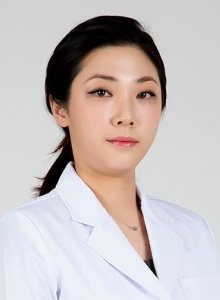
Jeong Yoon Kim
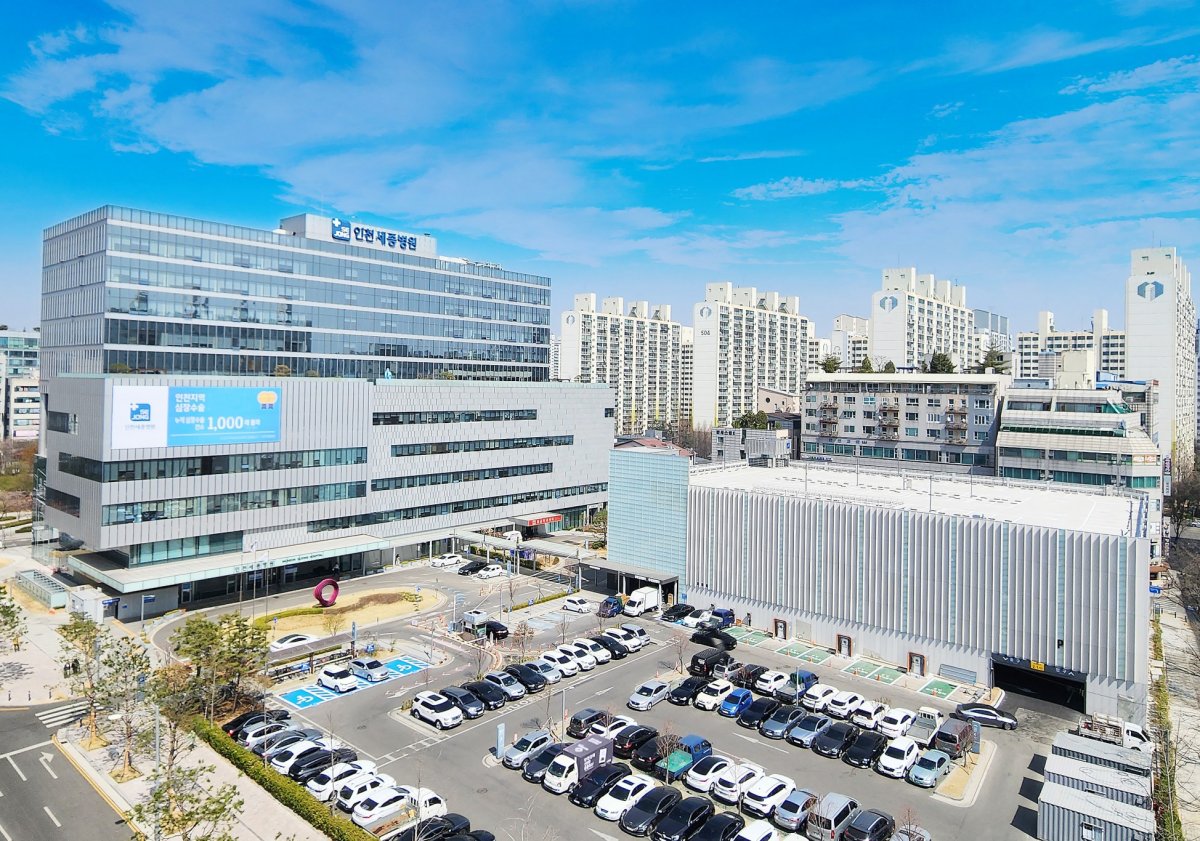
الدكتورة جونغ‑يون كيم، دكتوراه في الطب، طبيبة قلب أطفال في مستشفى بوشيون سيجونغ. تتولى رئاسة قسم طب الأطفال والمراهقين منذ عام 2019، كما تستقبل المرضى في مستشفى إنتشون سيجونغ.
تخرّجت في كلية الطب بجامعة يونسي في وونجو، وأتمّت تدريبها السريري في مستشفى سيفرانس، وهو مركز رعاية ثالثية في كوريا. تركز ممارستها على أمراض القلب الخلقية (ASD, VSD)، ومرض كاواساكي، واضطرابات نظم القلب لدى الأطفال، والإغماء، والعناية القلبية المركزة. وتمتلك مهارات قوية في تخطيط صدى القلب، ورعاية ما قبل الإجراء وم

Hwan Song Uk
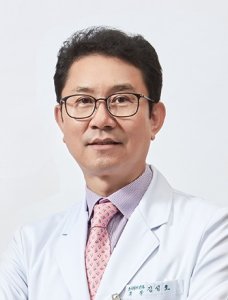
Sungho Kim
البروفيسور سونغ-هو كيم، MD, MS, PhD، طبيب قلب أطفال واختصاصي أمراض القلب الخِلقية بخبرة تزيد على 40 عاماً. تدرّب في كلية الطب بجامعة هانيانغ (MD) وتابع دراسته في كلية الدراسات العليا بالجامعة نفسها (MS, PhD). أسهم في تطوير العلاج عبر القسطرة لـ ASD وVSD ورباعية فالو وغيرها من العيوب القلبية الخِلقية، ما قلّل الحاجة إلى جراحة القلب المفتوح. أجرى أكثر من 1,200 تدخّلاً قلبياً للأطفال والعيوب الخِلقية.
قاد برامج أكاديمية وسريرية، ويساهم في البحث والتدريب، ويشارك في جمعيات مهنية لأمراض القل
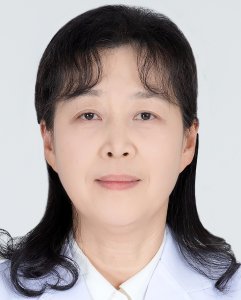
Jieun Ban
الدكتورة جيون بان هي طبيبة قلب أطفال في مستشفى بوتشون سيجونغ. تركز على اضطرابات النظم وعيوب القلب الخلقية. تقدّم تقييماً كهروفيسيولوجياً للأطفال والمراهقين. وأتمّت تدريبها في طب الأطفال وطب قلب الأطفال.
تشمل ممارستها عيب الحاجز الأذيني (ASD) وعيب الحاجز البطيني (VSD) والإغماء القلبي واضطرابات نظم أخرى. توفّر تشخيصات متقدمة ورعاية تداخلية، بما في ذلك الاستئصال بالتبريد والإجراءات الكهروفيسيولوجية عبر القسطرة. تعمل مع فرق قلب متخصصة، وهي متمرسة في تخطيط صدى القلب، ورعاية ما حول الإجراء،
مشاركة المحتوى
قصص فيديو من مرضى Bookimed
 Anna Leonova
أسئلة متكررة حول علاج عيب الحاجز الأذيني في كوريا الجنوبية
ما هي طرق العلاج الرئيسية المتاحة لعيوب الحاجز الأذيني (ASD) في كوريا الجنوبية؟
توفر كوريا الجنوبية علاجاً متطوراً لعيوب الحاجز الأذيني (ASD) من خلال الإغلاق بالقسطرة أو الإصلاح الجراحي بالقلب المفتوح. تؤكد مراكز القلب المتخصصة مثل مستشفى سيجونغ (Sejong Hospital) على الإغلاق المعتمد على الأجهزة طفيفة التوغل للعيوب من النوع الثانوي (secundum-type). تتضمن هذه الإجراءات أخصائيي قلب أطفال تدخليين ذوي خبرة عالية يستخدمون تخطيط صدى القلب التشخيصي الحديث والتصوير الرقمي.
- الإغلاق بالقسطرة: يستخدم الأخصائيون التدخليون أجهزة صغيرة لسد العيوب دون فتح الصدر.
- الإصلاح الجراحي: يقوم الجراحون بإجراءات القلب المفتوح للعيوب الكبيرة أو تشريح القلب المعقد.
- التشخيص المتقدم: يضمن التصوير بالموجات فوق الصوتية للقلب عالي الدقة والتصوير الرقمي قياساً دقيقاً للعيوب وتحديد حجمها.
- أخصائيون خبراء: أجرى أطباء مثل الدكتور سونغ هو كيم أكثر من 1200 تدخل في قلب الأطفال.
رؤية خبير Bookimed: يعد حجم المرضى مؤشراً رئيسياً للجودة في كوريا الجنوبية. يعالج مستشفى سيجونغ أكثر من 400,000 مريض سنوياً ويحافظ على طاقم عمل متعدد التخصصات ضخم. غالباً ما توفر المستشفيات المتخصصة مثل هذه خبرة متخصصة في طب قلب الأطفال أكثر من العيادات العامة. يؤدي هذا الحجم الكبير إلى بروتوكولات محسنة للتدخلات القائمة على القسطرة وأوقات تعافٍ أسرع.
إجماع المرضى: غالباً ما يأمل المرضى في الإغلاق بالقسطرة لأنه يؤدي عادةً إلى إقامة أقصر في المستشفى وتعافٍ أسرع. يؤكد الكثيرون على التحقق مما إذا كان تشريح العيب مؤهلاً لجهاز قبل الالتزام بالجراحة التقليدية.
ما مدى نجاح إجراءات إغلاق عيب الحاجز الأذيني (ASD) في كوريا الجنوبية؟
يعتبر إغلاق عيب الحاجز الأذيني (ASD) في كوريا الجنوبية ناجحاً للغاية. تبلغ المراكز الرائدة عن معدلات نجاح تتراوح بين 95.8% و 100%. يعطي الجراحون الأولوية لإغلاق الجهاز عن طريق الجلد لتجنب جراحة القلب المفتوح. غالباً ما تحمل المرافق اعتمادات اللجنة الدولية المشتركة (JCI) و KOIHA لضمان السلامة.
- معدلات النجاح: تُظهر البيانات السريرية نجاحاً يصل إلى 100% في التدخلات عبر القسطرة.
- التكنولوجيا المتقدمة: تستخدم العيادات أنظمة الذكاء الاصطناعي BESTcare للقضاء على الأخطاء الطبية.
- الخبرة المتخصصة: أجرى كبار الأساتذة أكثر من 1200 تدخل قلبي متخصص.
- حجم المرضى: تخدم المستشفيات الكبرى مثل سيفيرانس أكثر من 4,000,000 مريض سنوياً.
رؤية خبير Bookimed: بينما يبحث الكثيرون عن خيارات جراحية، يركز المتخصصون الكوريون الجنوبيون بشكل كبير على التدخلات المعتمدة على القسطرة. أجرى الدكتور سونغ هو كيم في مستشفى سيجونغ 1200 إجراء. وقد كان رائداً في تقنيات تقلل من الحاجة إلى جراحة القلب المفتوح. يضمن هذا الحجم الكبير من الإجراءات في مراكز متخصصة مثل سيجونغ أن يتعامل الأطباء مع أشكال العيوب المعقدة بدقة عالية.
إجماع المرضى: يلاحظ المرضى أن الإجراء يبدو روتينياً وأقل كثافة بكثير مما كان متوقعاً. يصف الكثيرون راحة فورية من التعب وضيق التنفس بعد وضع الجهاز بفترة وجيزة.
هل الإغلاق عبر القسطرة أفضل من جراحة القلب المفتوح، ولماذا؟
غالبًا ما يكون الإغلاق عبر القسطرة مفضلًا لعيب الحاجز الأذيني (ASD) بسبب طبيعته ذات التدخل الجراحي البسيط. فهو يتجنب شقوق الصدر الكبيرة أو آلات القلب والرئة. تستخدم المراكز الكورية الجنوبية المعتمدة من قبل JCI أجهزة متخصصة لتحقيق معدلات نجاح عالية مع تعافٍ أسرع ومضاعفات أقل.
- مستوى التوغل: تتجنب التدخلات القائمة على القسطرة بضع القص، ولا تترك أي ندوب مرئية على جدار الصدر.
- الإقامة في المستشفى: عادةً ما يظل المرضى في المستشفى لمدة يوم أو يومين فقط بعد الإجراء.
- وقت التعافي: العودة السريعة إلى العمل أو المدرسة تحل محل أسابيع من التعافي الجراحي.
- السلامة السريرية: يبلغ المتخصصون الكوريون الجنوبيون عن انخفاض الحاجة إلى عمليات نقل الدم وانخفاض معدلات الإصابة بالعدوى.
رؤية خبير Bookimed: تقود كوريا الجنوبية في رعاية القلب للأطفال المتخصصة. تُظهر البيانات السريرية من مستشفى سيجونغ أن البروفيسور الدكتور سونغو كيم وحده أجرى أكثر من 1200 إجراء. يضمن هذا الحجم الهائل تثبيتًا دقيقًا للجهاز حتى في الحالات الخلقية المعقدة. يجب على المرضى إعطاء الأولوية للعيادات مثل مستشفى سيفيرانس التي تقدم خيارات القسطرة والروبوت لضمان اتخاذ قرارات قائمة على التشريح.
إجماع المرضى: يقدر المرضى غياب ندبة الصدر ومدى سرعة قدرتهم على المشي مرة أخرى. البعض يتفاجأ ببقاء الجهاز في القلب ويلاحظون أن التعب المؤقت أمر طبيعي خلال الأسبوع الأول.
ما هي الرعاية المتابعة المطلوبة بعد إغلاق عيب الحاجز الأذيني (ASD)؟
تتطلب الرعاية المتابعة بعد إغلاق عيب الحاجز الأذيني مراقبة منظمة لضمان استقرار الجهاز والشفاء السليم. يخضع المرضى عادةً لتخطيط صدى القلب بعد أسبوع إلى أسبوعين و6 أشهر بعد الإجراء. تتضمن البروتوكولات القياسية علاجاً مضاداً للصفيحات لمدة 6 أشهر ووقاية بالمضادات الحيوية أثناء عمل الأسنان لمنع العدوى.
- فحوصات التصوير: تؤكد مخططات صدى القلب موقع الجهاز وتتبع تطبيع حجم حجرة القلب.
- بروتوكول الأدوية: يمنع علاج الأسبرين تجلط الدم بينما يغطي أنسجة القلب الجهاز.
- الوقاية من العدوى: المضادات الحيوية مطلوبة قبل إجراءات الأسنان لمدة لا تقل عن 6 أشهر بعد الإغلاق.
- مستويات النشاط: يستأنف المرضى النشاط الطبيعي في غضون أسبوع واحد بعد التدخلات القائمة على القسطرة.
رؤية خبير Bookimed: تؤكد المراكز الكورية الجنوبية مثل مستشفى سيجونغ على رعاية انتقالية مدى الحياة. تظهر بياناتنا أن متخصصين مثل الدكتور سونغ هو كيم لديهم أكثر من 40 عاماً من الخبرة. إنهم يراقبون المرضى خصيصاً من الطفولة إلى البلوغ لإدارة عدم انتظام ضربات القلب النادر الذي يتطور في وقت متأخر. هذا الاستمرار طويل الأمد هو سمة مميزة لبروتوكولات القلب الكورية.
إجماع المرضى: يشير المرضى إلى أن خفقان القلب أو التعب قد يستمر لفترة وجيزة خلال أسابيع التعافي. يؤكد معظمهم أن حضور كل فحص صدى مجدول أمر حيوي لاكتشاف التدفقات المتبقية الصغيرة في وقت مبكر.
كم من الوقت يجب أن أبقى في كوريا الجنوبية لعلاج عيب الحاجز الأذيني (ASD) كمريض دولي؟
يبقى المرضى الدوليون عادةً في كوريا الجنوبية من 5 إلى 14 يوماً لعلاج عيوب الحاجز الأذيني (ASD). تتطلب عمليات الإغلاق طفيفة التوغل القائمة على القسطرة إقامات أقصر تتراوح من 3 إلى 7 أيام. تتطلب جراحة القلب المفتوح ما لا يقل عن 10 إلى 14 يوماً للتعافي والحصول على تصريح السفر الآمن.
- مرحلة التشخيص: تستغرق التقييمات قبل الجراحة بما في ذلك تخطيط صدى القلب والاختبارات الجينية عادةً من 2 إلى 3 أيام.
- الإقامة القائمة على القسطرة: تتضمن إجراءات إغلاق الجهاز عادةً إقامة في المستشفى لليلة واحدة و3 أيام من المراقبة.
- التعافي الجراحي: تتطلب جراحة القلب المفتوح من 5 إلى 7 أيام من الاستشفاء بالإضافة إلى المراقبة المحلية بعد الخروج.
- تصريح السفر: يلزم إجراء تخطيط صدى قلب نهائي قبل الرحلات الطويلة لتأكيد نجاح إغلاق العيب.
رؤية خبير Bookimed: بينما تتعامل المراكز الكبيرة في سيول مع أحجام هائلة، يتخصص مستشفى سيجونغ في إنتشون بشكل كامل في صحة القلب. كان الدكتور سونغ هو كيم رائداً في العلاجات القائمة على القسطرة هناك وأجرى أكثر من 1200 إجراء. يمكن أن يؤدي اختيار مرفق متخصص في القلب إلى تبسيط جدولك الزمني قبل الجراحة، مما قد يوفر يومين من انتظار التشخيص.
إجماع المرضى: يشير المرضى إلى أن التصريح قبل الجراحة غالباً ما يكون الجزء الأطول من الرحلة. يوصي معظمهم بحجز رحلة عودة ذات تواريخ مرنة لاستيعاب فحص الطبيب النهائي بعد الإجراء.
هل يتحدث أطباء القلب وطاقم الدعم الكوريون الإنجليزية؟
غالباً ما يتحدث كبار أطباء القلب الكوريين في مؤسسات مثل مستشفى سيفيرانس ومستشفى سيجونغ الإنجليزية بطلاقة. غالباً ما يخضع هؤلاء المتخصصون لتدريب سريري أو أبحاث في المراكز الطبية الغربية. تدير المستشفيات رفيعة المستوى أيضاً مراكز دولية مخصصة تضم منسقين لسد الفجوات اللغوية لمرضى عيوب الحاجز الأذيني (ASD).
- التدريب المتخصص: يكمل العديد من أطباء القلب زمالات في مستشفيات مرموقة في الولايات المتحدة أو أوروبا.
- الأقسام الدولية: توفر مرافق مثل مستشفى سيفيرانس التنسيق من خلال مراكز رعاية صحية دولية معتمدة من اللجنة الدولية المشتركة (JCI).
- طاقم الدعم: قد يكون لدى موظفي الأجنحة العامة والموظفين الإداريين مستويات متفاوتة من إتقان اللغة الإنجليزية.
- الدعم الرقمي: تعمل الأنظمة الذكية في مستشفى جامعة سيول الوطنية في بوندانغ على تحسين التواصل مع المرضى الأجانب.
رؤية خبير Bookimed: في حين أن الأطباء غالباً ما يتحدثون الإنجليزية بشكل جيد، إلا أن لوجستيات منشأة تضم 3700 سرير مثل مستشفى سيفيرانس قد تكون مربكة. غالباً ما تعطي المراكز ذات الحجم الكبير الأولوية للمنسقين الناطقين بالإنجليزية لمرضى الجراحة، وهو أمر بالغ الأهمية لعلاجات عيوب الحاجز الأذيني المعقدة. تظهر بياناتنا أن المستشفيات الحاصلة على اعتماد الرعاية الصحية العالمي (GHA) توفر دعماً باللغة الإنجليزية أكثر اتساقاً في جميع الأقسام.
إجماع المرضى: يشير المرضى إلى أنه على الرغم من أن الأطباء يشرحون الإجراءات بوضوح باللغة الإنجليزية، فمن المفيد تجهيز أسئلة بسيطة ومكتوبة لطاقم التم