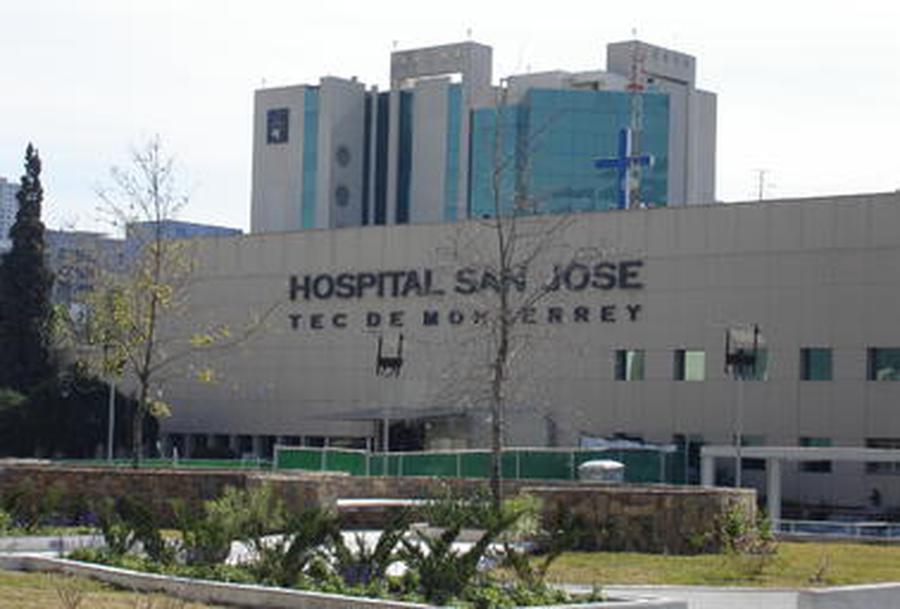
Stem Solutions
المكسيك, مونتيري


تمت مراجعة المقالة طبيا من قبل
فهد مولود
من $7,000. يعتمد السعر النهائي على النهج الجراحي واعتماد المستشفى والمدينة المختارة للعلاج. تشمل معظم باقات جراحة العمود الفقري المكسيكية أجور الفريق الجراحي والتخدير والإقامة بالمستشفى والتشخيصات الأولية.
رأي خبراء Bookimed: يوفر اختيار العيادات الحدودية قيمة لوجستية كبيرة للمرضى من أمريكا الشمالية. يحمل مستشفى دي لا فاميليا في مكسيكالي ومستشفى أنجيليس تيخوانا اعتماد CSG. يضمن ذلك معايير تضاهي الرعاية الصحية الأمريكية بأسعار أكثر انخفاضاً. يقدم أطباء متخصصون بارزون مثل دكتور هيرنانديز بينا الرعاية ضمن فرق ثنائية اللغة. يقلل قربهم من الحدود تكاليف السفر مع الحفاظ على معدلات رضا مرضى من فئة 5 نجوم.
| المكسيك | تركيا | إسبانيا | |
|---|---|---|---|
| استئصال القرص | من $7,000 | من $4,500 | من $17,200 |
| علاج الانزلاق الغضروفي مع تشخيص ما قبل العملية | من $12,000 | من $5,000 | من $27,000 |
| جراحة الانزلاق الغضروفي | من $9,500 | من $5,000 | من $11,000 |
يتضمن الإجراء القضاء على الانزلاق الغضروفي لتقليل ضغط العصب الفقري ، وتخفيف الألم ، وتمكين الجسم من الحركة.
يعالج هذا الإجراء فتق القرص الفقري ، بما في ذلك إزالة أو إصلاح مشكلة القرص ، وتخفيف الألم.
تتضمن هذه العملية تشخيص واستخراج القرص الفقري البارز ، مما يؤدي إلى تخفيف الآلام وتحسين الحركة.
اليوم الأول - الوصول
اليوم 2 - ما قبل العملية
اليوم الثالث - استئصال القرص
يوم 4 إلى 7 - بعد العملية
الأسبوع الأول إلى الثاني - إعادة التأهيل
الأسبوع 3 إلى 4 - التعافي
الأسبوع الخامس وما بعده
ملاحظة: الجدول أعلاه هو دليل عام. قد تختلف عملية الشفاء لكل مريض بناءً على الظروف الصحية الفردية.
ماذا يحب المرضى:
ما لا يحبه المرضى:
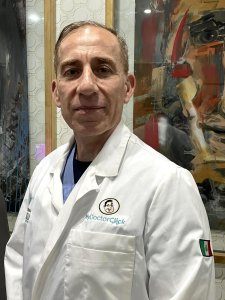
الدكتور روبرتو هيرنانديز-بينيا، الحاصل على زمالة في طب الأعصاب وجراحة الأعصاب في فينيكس، يقدم خبرة متقدمة في إجراءات استئصال القرص في مستشفى العائلة (Hospital de la Familia).

 Anna Leonova
يتمتع جراحو العمود الفقري في المكسيك بمؤهلات عالية عندما يكونون معتمدين من قبل مجالس وطنية مثل CMOT أو CMCN. يخضع المتخصصون الشرعيون لتدريب يتراوح بين 5 إلى 7 سنوات بعد كلية الطب، بما في ذلك الإقامة في جراحة الأعصاب أو جراحة العظام وزمالات العمود الفقري. يجب على المرضى إعطاء الأولوية للأطباء الحاصلين على أوراق اعتماد CONACEM نشطة والذين ينتمون إلى مستشفيات معتمدة من قبل JCI.
رؤية خبير Bookimed: يعد طلب "Cédula Profesional" الخاص بالجراح لتخصصه المحدد هو فحص السلامة الأكثر موثوقية. يمكن للممارسين العامين في المكسيك إجراء إجراءات أساسية قانونياً، لكن جراحات العمود الفقري المعقدة تتطلب اعتماداً مخصصاً في جراحة الأعصاب أو جراحة العظام. تخدم المراكز ذات الحجم الكبير مثل GDL High Specialty Neurosurgery ما يقرب من 700 مريض سنوياً لأنها تؤكد على شهادات المجلس المحددة هذه.
إجماع المرضى: يؤكد المرضى على أهمية التحقق من شهادة CMCN وطلب مراجعة التصوير بالرنين المغناطيسي قبل الجراحة عبر الطب عن بعد. يوصون بشدة با
يتطلب تقييم السلامة لإجراء عملية استئصال القرص في المكسيك التحقق من اعتمادات المستشفى من قبل اللجنة الدولية المشتركة (JCI) أو مجلس الصحة العام (CSG). يجب على المرضى التأكد من شهادة المجلس التخصصي للعمود الفقري والتدريب الزمالي في جراحة الأعصاب أو جراحة العظام لضمان نتائج عالية الجودة وسلامة سريرية لإجراءات العمود الفقري المعقدة.
رؤية خبير Bookimed: حجم المرضى هو المؤشر الأكثر موثوقية للسلامة في المستشفيات الخاصة المكسيكية. تقوم عيادات مثل مستشفى أنجيليس تيخوانا (Hospital Angeles Tijuana) بتنسيق عدد من المسافرين الطبيين من أمريكا الشمالية أكثر من أي شبكة عالمية أخرى. غالبًا ما تمتلك المراكز ذات الحجم الكبير بروتوكولات أكثر رسوخًا لتعافي المرضى الدوليين. ويشمل ذلك تصريح السفر الرسمي المطلوب عادةً بعد 7 إلى 10 أيام من استئصال القرص.
إجما
يجب على معظم المرضى البقاء في المكسيك لمدة 7 إلى 14 يوماً بعد استئصال القرص قبل السفر جواً إلى المنزل. يطلب الجراحون في المراكز المتخصصة مثل مستشفى العائلة (Hospital de la Familia) هذه الفترة لمراقبة أي ورم دموي، وضمان الاستقرار العصبي، وإكمال فحوصات الغرز الأولية قبل منح الإذن بالسفر جواً.
رؤية خبير Bookimed: غالباً ما تنسق العيادات القريبة من الحدود، وتحديداً في مكسيكالي وتيخوانا، مع الشركات التابعة في الولايات المتحدة لتبسيط المتابعة. في حين تشير التوجيهات القياسية إلى 14 يوماً، فإن فرقاً مثل تلك الموجودة في مستشفى العائلة غالباً ما تسمح للمرضى بالمغادرة بحلول اليوم السابع إذا كان التعافي يسير بسلاسة.
إجماع المرضى: أفاد المرضى أن فحوصات أمن المطار يمكن أن تهيج مواقع الشق الجراحي. يؤكد الكثيرون على أهمية توفير مسكنات الألم المتفق عليها مسبقاً لرحلة العودة واستخدام مساعدة الكرسي المتحرك.
تتضمن الرعاية بعد الجراحة لاستئصال القرص في المكسيك تسليمًا منسقًا بين فريقك الجراحي المكسيكي وطبيبك المحلي. تشمل الإدارة متابعات افتراضية آمنة، ونسخًا موثقة من السجلات الطبية، وعلاجًا طبيعيًا محليًا مرتبًا مسبقًا. يتعافى المرضى عادةً في البلاد لمدة 7 إلى 14 يومًا قبل العودة إلى الوطن.
رؤية خبير Bookimed: تدفع الراحة الجغرافية أنماط رعاية محددة في العيادات الحدودية مثل مستشفى دي لا فاميليا (Hospital de la Familia). نظرًا لموقعها على بعد خطوات من حدود كاليفورنيا، غالبًا ما تنسق هذه المرافق مباشرة مع متخصصين مقيمين في الولايات المتحدة للعلاج الطبيعي. غالبًا ما تحمل العيادات في مونتيري أو مكسيكو سيتي شهادات JCI أو CSG، مما يضمن أن السجلات الطبية تلبي المعايير العالية التي تتطلبها شركات التأمين في أمريكا الشمالية لمطالبات المتابعة.
إجماع المرضى: يؤكد المرضى على الحاجة إلى بروتوكولات مكتوبة واضحة قبل مغادرة المكسيك. تُظهر التجربة العملية أن تأمين صور الأشعة والملاحظات الجراحية على قرص USB يمنع ت