عيادات استئصال عنق الرحم الأمامي والانصهار في المكسيك


تمت مراجعة المقالة طبيا من قبل
فهد مولود
ما هي تكلفة استئصال عنق الرحم الأمامي والانصهار في المكسيك؟ اكتشف الآن
من $8,500. تعتمد التكلفة النهائية على عدد مستويات الفقرات المعالجة وأنواع الغرسات المستخدمة. تشمل التكاليف عادةً أتعاب الجراح، وغرسات التيتانيوم أو PEEK، والإقامة بالمستشفى، والانتقالات من وإلى المطار.
- ACDF لمستوى واحد: تتراوح بين من $8,500 لاستبدال القرص وتثبيته.
- الإجراءات متعددة المستويات: تزيد التكلفة الأساسية بنسبة 30-50 % نظراً لتعقيد عمليات التثبيت لعدة مستويات.
- الغرسات المتخصصة: قد تزيد العلامات التجارية المميزة مثل Medtronic أو Stryker من إجمالي سعر الباقة.
- مراكز الجراحة: تشمل وجهات جراحة العمود الفقري الرئيسية مدن ميكسيكالي، وتيخوانا، وغوادالاخارا.
رأي خبراء Bookimed: توفر العيادات القريبة من الحدود ميزة لوجستية كبيرة لمرضى أمريكا الشمالية. يقع مستشفى هوسبيتال دي لا فاميليا في ميكسيكالي مباشرةً عند حدود كاليكسيكو في كاليفورنيا. يلغي هذا الموقع الحاجة للسفر لمسافات طويلة داخل المكسيك. تعالج مراكز مثل جي دي إل هاي سبيشالتي نيوروسيرجري في غوادالاخارا ما يقرب من 700 مريض سنوياً. تجمع هذه المراكز بين الخبرة الجراحية العالية والرعاية العصبية المتخصصة بأسعار متوسطة.
| المكسيك | تركيا | إسبانيا | |
|---|---|---|---|
| استئصال عنق الرحم الأمامي والانصهار | من $8,500 | من $9,800 | من $23,100 |
مزاياك وضماناتك مع Bookimed
أسعار مباشرة
Bookimed لا يضيف رسوماً إضافية على أسعار استئصال عنق الرحم الأمامي والانصهار. الأسعار مأخوذة من قوائم الأسعار الرسمية للعيادات. تدفع مباشرة في العيادة مقابل استئصال عنق الرحم الأمامي والانصهار عند وصولك.
عيادات وأطباء معتمدون فقط
Bookimed ملتزم بسلامتك. نحن نعمل فقط مع المؤسسات الطبية التي تحافظ على معايير دولية عالية في استئصال عنق الرحم الأمامي والانصهار ولديها التراخيص اللازمة لخدمة المرضى الدوليين في جميع أنحاء العالم.
مساعدة مجانية على مدار الساعة
Bookimed يقدم مساعدة خبراء مجانية. منسق طبي شخصي يدعمك قبل وأثناء وبعد العلاج، ويحل أي مشاكل. لن تكون وحيداً أبداً في رحلة استئصال عنق الرحم الأمامي والانصهار.

منسقك الطبي الشخصي في Bookimed
- يدعمك في كل مرحلة
- المساعدة في اختيار العيادة الطبية المناسبة والطبيب المناسب
- يضمن الوصول السريع والمريح إلى المعلومات
اكتشف أفضل استئصال عنق الرحم الأمامي والانصهار العيادات في المكسيك: 3 خيارات معتمدة والأسعار


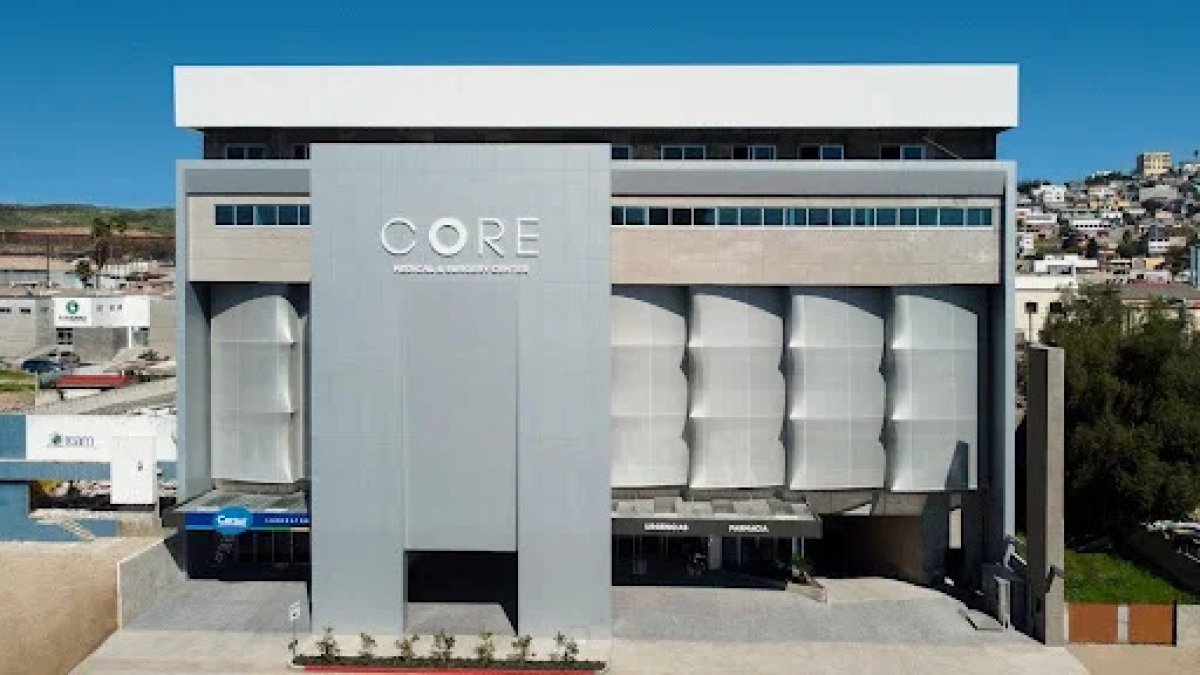
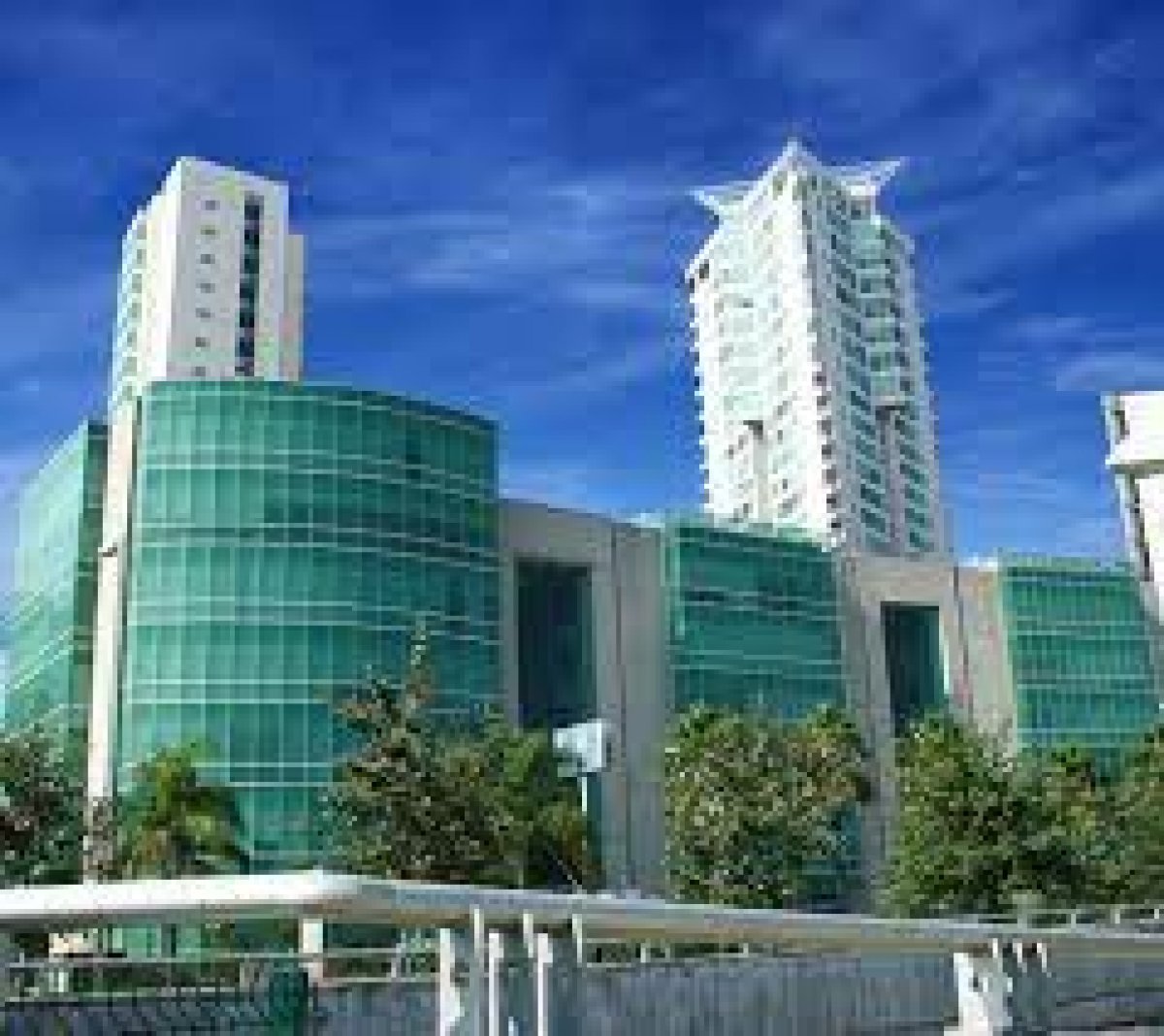
نظرة عامة على استئصال عنق الرحم الأمامي والانصهار في المكسيك
- استئصال عنق الرحم - من $2,500
تتضمن العملية استئصال عنق الرحم لعلاج سرطان عنق الرحم في مراحله المبكرة والحفاظ على الخصوبة.
- مخروط عنق الرحم (خزعة مخروطية) - من $1,500
تزيل الجراحة جزءًا مخروطي الشكل من عنق الرحم لتشخيص أو علاج سلائف سرطان عنق الرحم.
- جراحة ڤرتهايم - ميغز (Wertheim-Meigs) - من $14,000
الإجراء هو استئصال الرحم الجذري لعلاج سرطان عنق الرحم المتقدم ، بما في ذلك إزالة الرحم والأنسجة المحيطة والعقد الليمفاوية.
- استئصال عنق الرحم الأمامي والانصهار - من $8,500
تخفف العملية من آلام الرقبة والذراع عن طريق إزالة القرص التالف في الرقبة ، ثم الالتحام الفقري.
اليوم 1
- الوصول إلى مطار الدولة.
- نقل إلى فندق 4 نجوم للإقامة.
- الاسترخاء والتأقلم مع البيئة الجديدة.
اليوم الثاني
- التحويل إلى العيادة للاستشارة الأولية.
- قابل جراح الأعصاب وطبيب التخدير.
- اخضع لفحص الرأس بالرنين المغناطيسي.
يوم 3
- الاستعداد لعملية استئصال القرص العنقي الأمامي وإجراء الاندماج.
- اخضع للعملية تحت تأثير التخدير العام.
- تستغرق الجراحة حوالي 2-3 ساعات.
اليوم الرابع
- ابدأ رعاية ما بعد الجراحة في العيادة.
- تلقي إدارة الألم والعناية بالجروح.
- ابدأ العلاج الطبيعي اللطيف.
يوم 5-7
- ابق في العيادة للمراقبة والمزيد من الرعاية بعد الجراحة.
- تواصل مع العلاج الطبيعي.
الأسبوع 1-2
- الخروج من العيادة والانتقال للفندق.
- الراحة والاستجمام في الفندق.
- حضور موعد المتابعة في العيادة.
الأسبوع 3-4
- استمر في التعافي في المنزل.
- استئناف الأنشطة الخفيفة.
الأسبوع 5-8
- العودة التدريجية إلى العمل.
- استأنف الأنشطة المعتدلة.
الأسبوع 9-12
- استأنف جميع الأنشطة العادية.
- انظر النتائج النهائية للجراحة.
قد يختلف الجدول الزمني للشفاء لكل مريض بناءً على الحالة الصحية الفردية ومدى تعقيد الجراحة.
- إيداع Bookimed: 200 دولار أو 200 يورو.
- وديعة العيادة: ادفع نسبة محددة مقدمًا.
قصص فيديو من مرضى Bookimed
المراجعات
جميع المراجعاتمشاركة المحتوى
 Anna Leonova
أسئلة متكررة حول استئصال عنق الرحم الأمامي والانصهار في المكسيك
هل المستشفيات والجراحون في المكسيك آمنون لجراحات العمود الفقري الكبرى مثل ACDF؟
تعتبر جراحة العمود الفقري في المكسيك آمنة عند إجرائها في مرافق معتمدة من قبل Consejo de Salubridad General أو اللجنة الدولية المشتركة (Joint Commission International). تحافظ المراكز الخاصة رفيعة المستوى على مخاطر الإصابة بالعدوى بنسبة تتراوح بين 1% إلى 3%. يضمن الجراحون المعتمدون من قبل المجلس المكسيكي لجراحة العظام أو جراحة الأعصاب نتائج سريرية عالية الجودة.
- شهادات السلامة: تحقق من اعتماد CSG في مرافق مثل مستشفى دي لا فاميليا (Hospital de la Familia) في مكسيكالي.
- أوراق اعتماد الجراح: تأكد من حصول الجراحين على شهادة من المجلس المكسيكي لجراحة الأعصاب (CMN).
- معايير الأجهزة: تأكد من استخدام غرسات التيتانيوم المعتمدة من قبل COFEPRIS أو إدارة الغذاء والدواء الأمريكية (FDA).
- المراقبة بعد العملية: اطلب إقامة داخل المستشفى لمدة لا تقل عن 24 ساعة لمراقبة دقيقة للجهاز التنفسي والمجاري الهوائية.
رؤية خبير Bookimed: غالبًا ما يتجاهل المرضى الميزة الجغرافية للعيادات الموجودة في المدن الحدودية. يقع مستشفى دي لا فاميليا في مكسيكالي على بعد خطوات فقط من حدود كاليفورنيا. هذا القرب يبسط السفر بعد العملية ويسمح بسهولة الوصول إلى العلاج الطبيعي للمتابعة مقارنة بوسط المكسيك.
إجماع المرضى: يجد العديد من المرضى أن الحصول على ملاحظات جراحية كاملة وصور رقمية أمر حيوي. غالبًا ما يطلب الأطباء في الولايات المتحدة هذه السجلات المحددة قبل الموافقة على تقديم أي رعاية متابعة طويلة الأمد.
ما هي المخاطر أو العيوب الرئيسية لإجراء جراحة دمج الفقرات العنقية الأمامية (ACDF) في المكسيك؟
تشمل المخاطر الرئيسية لجراحة ACDF في المكسيك تشتت المراقبة بعد العملية الجراحية والصعوبة المحتملة في تأمين رعاية المتابعة في الوطن. على الرغم من أن عيادات مثل مستشفى دي لا فاميليا (Hospital de la Familia) تحافظ على معايير عالية، يجب على المرضى إدارة مخاطر السفر الدولي، واختلافات النظام القانوني، وفجوات التواصل أثناء التعافي.
- لوجستيات المتابعة: المراقبة عن بعد تعقد فحوصات دمج العظام الأساسية في الشهر الأول والثالث.
- تردد مقدمي الخدمة: قد يرفض الجراحون في الوطن إدارة مضاعفات جراحة لم يقوموا هم بإجرائها.
- مخاطر السفر: السفر الجوي المبكر يزيد بشكل كبير من مخاطر الإصابة بتجلط الأوردة العميقة والإجهاد الميكانيكي الحيوي.
- الاختلافات التنظيمية: تختلف معايير COFEPRIS عن معايير FDA، مما يتطلب تحققاً دقيقاً من تدريب الجراح التخصصي.
رؤية خبير Bookimed: تظهر البيانات المستمدة من أكثر من 900 طلب طبي في المكسيك اتجاهاً واضحاً للسلامة. تتعامل مرافق جراحة الأعصاب من الدرجة الأولى مثل GDL High Specialty Neurosurgery مع ما يقرب من 700 مريض سنوياً. غالباً ما يضمن اختيار العيادات ذات الحجم الكبير دعماً أفضل في العناية المركزة وعلامات تجارية قياسية للغرسات. تأكد دائماً من أن باقتك تتضمن نسخاً من جميع التقارير الجراحية والأرقام التسلسلية للأدوات. هذه البيانات حيوية إذا احتاج جراح محلي للتدخل لاحقاً.
إجماع المرضى: يشعر الكثيرون بالقلق بشأن إدارة الأعراض العصبية أو مشاكل البلع بمجرد عودتهم إلى الوطن. يؤكد المرضى أن الحصول على جميع السجلات ا
ما هو معدل النجاح السريري لجراحة ACDF؟
تحافظ جراحة ACDF على معدل نجاح سريري يتراوح بين 85% و95% فيما يتعلق برضا المريض العام وتخفيف الأعراض. النتائج هي الأعلى بالنسبة لآلام الذراع المشعة، حيث أبلغ ما يصل إلى 100% من المرضى عن تحسن كبير. تحقق الإجراءات أحادية المستوى اندماجاً عظمياً ناجحاً في 94% إلى 97% من الحالات.
- تخفيف آلام الذراع: نتائج فعالة للغاية حيث أبلغ 93% إلى 100% من المرضى عن حل كبير للأعراض.
- التعافي العصبي: يختفي الضعف والخدر تماماً في ما يقرب من 100% من الحالات الجراحية الناجحة.
- نجاح الاندماج: تصل معدلات الاندماج أحادي المستوى إلى 97%، على الرغم من أن الإجراءات متعددة المستويات قد تشهد معدلات أقل.
- الرضا طويل الأمد: يظل حوالي 88.9% من المرضى راضين عن نتائجهم بعد 10 سنوات من الجراحة.
رؤية خبير Bookimed: تظهر البيانات السريرية ميزة واضحة للمرضى أحاديي المستوى في المراكز المكسيكية الرئيسية مثل ميكسيكالي وغوادالاخارا. في حين أن الإجراءات متعددة المستويات شائعة، فإن ACDF أحادي المستوى يوفر نتائج اندماج أكثر قابلية للتنبؤ. تدير عيادات مثل GDL High Specialty Neurosurgery أحجاماً سنوية عالية، مع التركيز على الاختيار الدقيق للمستوى لتعظيم أرقام النجاح.
إجماع المرضى: يجد العديد من المرضى أن التخفيف المبكر لخدر الذراع مضلل لأن ألم الجراحة غالباً ما يصل إلى ذروته خلال الأسبوع الثالث. غالباً ما يعتمد النجاح طويل الأمد على عوامل نمط الحياة مثل الإقلاع عن التدخين والعلاج الطبيعي المركز للحركة الوظيفية.
كم عدد المستويات العنقية التي يمكن دمجها في عملية ACDF واحدة؟
تسمح الممارسة الجراحية القياسية بدمج ما يصل إلى 4 مستويات عنقية في عملية واحدة لاستئصال القرص والدمج العنقي الأمامي (ACDF). تتضمن معظم الإجراءات من 1 إلى 3 مستويات. يتطلب دمج 4 مستويات تثبيت 5 فقرات متجاورة باستخدام أجهزة متخصصة وأنظمة لوحات أمامية.
- الحد الجراحي: تدعم أنظمة الأجهزة القياسية عادةً بحد أقصى 4 مستويات عنقية متجاورة.
- النطاق الشائع: يقوم معظم الجراحين بدمج مستوى أو مستويين لضمان الشفاء الأمثل للعظام.
- الحالات المعقدة: تتطلب عمليات الدمج النادرة لـ 5 أو 6 مستويات لوحات مخصصة متخصصة أو شقوقاً عمودية.
- النهج البديلة: قد يستخدم الأطباء الدمج الخلفي أو الدمج بزاوية 360 درجة لـ 4 مستويات أو أكثر.
رؤية خبير Bookimed: تعالج مراكز جراحة الأعصاب المكسيكية مثل GDL High Specialty Neurosurgery أكثر من 600 مريض سنوياً. تظهر البيانات أن عمليات الدمج لـ 3 و 4 مستويات تزيد بشكل كبير من خطر صعوبات البلع. غالباً ما تخفف العيادات ذات الحجم الكبير من هذا الخطر باستخدام بروتوكولات السلامة المعتمدة من CSG. تضمن هذه المعايير مراقبة أفضل لتراجع المريء أثناء الإجراءات متعددة المستويات.
إجماع المرضى: يذكر المرضى أن عمليات الدمج لمستويين تبدو روتينية، لكن 3 أو 4 مستويات تسبب تيبساً شديداً. يتمنى الكثيرون لو كانوا يعلمون أن مشاكل البلع وبحة الصوت أكثر شيوعاً في العمليات الجراحية متعددة المستويات.
كم من الوقت يجب أن أبقى في المكسيك قبل أن يكون السفر إلى المنزل آمناً بعد جراحة دمج الفقرات العنقية الأمامية (ACDF)؟
يجب على معظم المرضى البقاء في المكسيك لمدة تتراوح بين 7 إلى 14 يوماً بعد جراحة ACDF لضمان استقرار العمود الفقري العنقي وتراجع التورم الداخلي. على الرغم من أن الجراحين قد يمنحون تصريحاً مبكراً للرحلات القصيرة بعد 7 أيام، إلا أن تأجيل السفر لمدة أسبوعين يقلل من مخاطر مثل تجلط الأوردة العميقة وإزاحة الأجهزة المزروعة.
- تصريح السفر: يمنح جراحو الأعصاب عادةً الموافقة على الطيران أثناء أول فحص بعد الجراحة.
- ذروة التورم: يصل التهاب الأنسجة الداخلية إلى ذروته بين اليوم الثالث والخامس بعد الجراحة.
- حدود النشاط: يجب على المرضى تجنب رفع أكثر من 10 أرطال (حوالي 4.5 كجم) بصرامة لعدة أسابيع.
- الوقاية من الجلطات: استخدم جوارب الضغط واطلب مقاعد الممر للحفاظ على الدورة الدموية أثناء السفر.
- المساعدة في المطار: رتب لخدمات الكراسي المتحركة لتجنب الإجهاد البدني والمشي لمسافات طويلة في المطار.
رؤية خبير Bookimed: بينما يركز الكثيرون على نافذة الأسبوعين، فإن الـ 72 ساعة الأولى هي الأكثر أهمية للسلامة. اختيار منشأة مثل مستشفى دي لا فاميليا (Hospital de la Familia) في ميكسيكالي يعد ميزة استراتيجية. فموقعه على بعد خطوات فقط من حدود كاليفورنيا يسمح للمرضى بالتعافي في جناح خاص مع البقاء تقنياً على بعد دقائق من المتابعة الطبية في الولايات المتحدة إذا لزم الأمر. غالباً ما تبسط هذه القرب اللوجستيات الخاصة بمرحلة التعافي الأولية عالية المخاطر قبل القيام برحلات دولية أطول.
إجماع المرضى: يؤكد المسافرون أن الأيام الثلاثة الأول
ما هو الجدول الزمني النموذجي للتعافي بعد جراحة ACDF؟
يستغرق التعافي بعد جراحة استئصال القرص والدمج العنقي الأمامي (ACDF) عادةً من 3 إلى 6 أشهر لالتئام العظام الأولي. يحقق معظم المرضى الشفاء التام واستقرار الفقرات بشكل صلب في غضون 12 شهرًا. يتضمن التعافي المبكر إدارة التهاب الحلق وقيود الحركة لضمان نجاح الجراحة.
- الخروج من المستشفى: يعود معظم المرضى إلى منازلهم في غضون 24 إلى 48 ساعة بعد الإجراء.
- الحركة المبكرة: يوصى بالمشي لمسافات قصيرة على الفور لتحسين تدفق الدم ومنع الجلطات.
- العودة للعمل: غالبًا ما يعود الموظفون المكتبيون إلى المهام الخفيفة في غضون 2 إلى 6 أسابيع.
- رفع الأثقال: يجب على المرضى تجنب رفع أكثر من 10 أرطال (حوالي 4.5 كجم) خلال الأسابيع الستة الأولى بعد الجراحة.
- الدمج الكامل: يؤكد الجراحون نجاح التئام العظام من خلال الأشعة السينية بين 6 و 12 شهرًا.
رؤية خبير Bookimed: تخدم عيادات مثل مستشفى دي لا فاميليا (Hospital de la Familia) في مكسيكالي عددًا كبيرًا من المرضى الدوليين نظرًا لموقعها المجاور للحدود. هذا التدفق الكبير للمرضى يعني غالبًا أن الجراحين لديهم خبرة واسعة في عمليات الدمج متعددة المستويات. اطلب دائمًا بروتوكولات ما بعد الجراحة المكتوبة قبل السفر لضمان أن أخصائي العلاج الطبيعي المحلي الخاص بك يمكنه اتباع إرشادات الفريق الجراحي المكسيكي المحددة.
إجماع المرضى: يجد العديد من المرضى أن الانزعاج الأولي عند البلع والتهاب الحلق أكثر إزعاجًا من الشق الجراحي نفسه. ويؤكدون أنه على الرغم من أن آلام الأعصاب غالبًا ما تختفي بسرعة، إ