Giostar Stem Cell Therapy Clinic
المكسيك, كانكون


تمت مراجعة المقالة طبيا من قبل
فهد مولود
Bladder cancer treatment cost in Mexico is influenced by the disease stage and specific therapy, with a complex diagnosis ranging from السعر عند الطلب to السعر عند الطلب. Key interventions like bladder removal with reconstruction typically cost between $21,000 and $32,000, while Bacillus Calmette-Guérin therapy runs from $1,800 to $3,500. Patients generally save 40-70% compared to US prices. Leading treatment centers are located in Cancún and Puerto Vallarta.
Typical Bladder Cancer Treatment Costs in Mexico
Bookimed Expert Insight: For complex surgical cases, JCI-accredited Galenia Hospital in Cancún offers high-tier surgical oncology expertise. Patients seeking integrative approaches should consider Holistic Bio Spa in Puerto Vallarta. They specialize in combining ozone therapy and high-dose vitamin C with conventional care. Dr. Brenda Pastrana at Galenia provides specialized laparoscopic nephrectomy and oncological resections. Most Mexican clinics manage international travel logistics for US and Canadian patients.
| المكسيك | تركيا | إسبانيا | |
|---|---|---|---|
| العلاج المناعي مع Keytruda (Pembolizumab) | ≈ $3,800 | من $3,900 | من $10,300 |
| العلاج الكيميائي لسرطان المرارة | ≈ $4,500 | ≈ $2,200 | من $1,300 |
| العلاج الكيميائي لسرطان الثدي | ≈ $4,500 | من $3,000 | من $1,700 |
| العلاج الكيميائي داخل الصفاق مفرط الحرارة (HIPEC) | ≈ $18,000 | من $18,000 | من $29,200 |
| العلاج الإشعاعي لسرطان القولون والمستقيم | ≈ $6,500 | من $5,000 | من $7,500 |
Bookimed لا يضيف رسوماً إضافية على أسعار علاج سرطان المثانة. الأسعار مأخوذة من قوائم الأسعار الرسمية للعيادات. تدفع مباشرة في العيادة مقابل علاجك عند وصولك إلى البلد.
Bookimed ملتزم بسلامتك. نحن نعمل فقط مع المؤسسات الطبية التي تحافظ على معايير دولية عالية في علاج سرطان المثانة ولديها التراخيص اللازمة لخدمة المرضى الدوليين في جميع أنحاء العالم.
Bookimed يقدم مساعدة خبراء مجانية. منسق طبي شخصي يدعمك قبل وأثناء وبعد العلاج، ويحل أي مشاكل. لن تكون وحيداً أبداً في رحلة علاج سرطان المثانة.

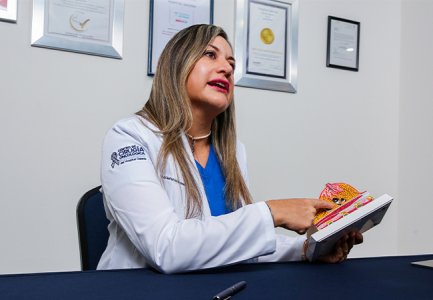
الدكتور باسترانا هو جراح أورام معتمد متخصص في سرطان المثانة في مستشفى جالينيا، ويتمتع بخبرة واسعة في جراحة الأورام.

رئيس قسم التدريس في مستشفى بويرتو فالارتا الإقليمي – يجمع الدكتور بيريز بين الخبرة السريرية وتعليم المتخصصين الطبيين في المستقبل.
 Anna Leonova
يعد علاج سرطان المثانة في المكسيك آمناً عندما يختار المرضى مرافق حاصلة على اعتمادات دولية وأطباء مسالك بولية معتمدين. تتبع المستشفيات المعتمدة من قبل اللجنة الدولية المشتركة (JCI) مثل مستشفى جالينيا بروتوكولات سلامة صارمة قابلة للمقارنة بالمراكز الأمريكية الرائدة. توفر هذه العيادات علاجات متقدمة بما في ذلك BCG، والعلاج المناعي، والجراحات بمساعدة الروبوت.
رؤية خبير Bookimed: على الرغم من أن المكسيك لديها 150 عيادة مدرجة، إلا أن حجم المرضى في مراكز مثل مستشفى جالينيا يتجاوز 10,000 مريض سنوياً. غالباً ما يؤدي هذا الحجم الكبير إلى معدلات نجاح أعلى في إجراءات مثل استئصال الثدي أو جراحات المسالك البولية المعقدة. يجب على المرضى البحث عن أطباء لديهم أدوار مؤسسية متعددة، مثل العمل كأساتذة جامعيين أو رؤساء لأقسام التدريس، مما يشير إلى سلطة مهنية معترف بها في النظام الطبي المكسيكي.
إجماع المرضى: يشير المرضى إلى أنه من المهم التأكد من أن المستشفى يحتوي على معدات تش
توفر المراكز الطبية المكسيكية علاجات متنوعة لسرطان المثانة بما في ذلك استئصال المثانة عبر الإحليل للمراحل المبكرة واستئصال المثانة الجذري للحالات المتقدمة. يحصل المرضى على بروتوكولات قياسية مثل علاج عصيات كالميت غيران والعلاج الكيميائي الجهازي. كما تقدم المرافق المتخصصة علاجاً مناعياً شخصياً مبتكراً وطب تجددي في بيئات معتمدة من اللجنة الدولية المشتركة (JCI).
رؤية خبير Bookimed: برزت كانكون وبويرتو فالارتا كمركزين لنهج متناقضة. يخدم مستشفى جالينيا 10,000 مريض سنوياً بمعايير جراحية معتمدة من JCI. وفي الوقت نفسه، يستخدم منتجع هوليستيك بيو سبا تقنيات فريدة مثل الأوزون عالي الضغط وعلاج خلايا NK. وهذا يسمح للمرضى بالجمع بين الخبرة الجراحية عالية المستوى والدعم البيولوجي المتقدم في نفس المنطقة.
إجماع المرضى: يشير الكثيرون إلى أن البروتوكولات المكسيكية لسرطان المثانة غير الغازي للعضلات تعكس المعايير الدولية ولكنها توفر أوقات انتظار أقصر بكثير. يؤكد المرضى القادمون من الولايات ال
يتركز كبار متخصصي سرطان المثانة في المكسيك في كانكون، ومكسيكو سيتي، وبويرتو فالارتا. يقدم جراحو الأورام المعتمدون مثل الدكتورة بريندا باسترانا في مستشفى جالينيا المعتمد من قبل اللجنة الدولية المشتركة (JCI) تدخلات متقدمة. وهم يقدمون خدمات استئصال المثانة، وإعادة بنائها، وعلاج عصيات كالميت غيران (BCG) داخل أقسام جراحية ذات حجم كبير.
رؤية خبراء Bookimed: تظهر البيانات تمييزًا واضحًا بين العيادات الحدودية ومستشفيات الأورام المتخصصة في الداخل. يخدم مستشفى جالينيا 10,000 مريض سنويًا ويحافظ على معايير JCI. يشير هذا الحجم إلى أن اختيار المرافق المعتمدة في كانكون أو مكسيكو سيتي يوفر رعاية مسالك بولية أكثر اتساقًا من العيادات الصغيرة بالقرب من الحدود.
إجماع المرضى: يؤكد المرضى على ضرورة التحقق من الشهادات من خلال الجمعية الطبية المكسيكية. ينصح الكثيرون بتنسيق رأي ثانٍ في الولايات المتحدة قبل السفر للتأكد من أن الخطة الجراحية مناسبة.
معظم خطط التأمين القياسية في الولايات المتحدة وكندا لا تغطي علاج سرطان المثانة المخطط له في المكسيك. عادة ما تستثني التغطية العلاجات الدولية الاختيارية. يحد برنامج Medicare والخطط الإقليمية مثل OHIP بشكل عام من السداد لحالات الطوارئ التي تهدد الحياة. قد تقدم بعض الخطط الأمريكية الخاصة ذات الملاحق العالمية استثناءات.
رؤية خبير Bookimed: الاعتماد هو إشارة رئيسية لإمكانية التأمين. يحمل مستشفى Galenia اعتماد اللجنة الدولية المشتركة (JCI). غالباً ما تجعل هذه الشهادة المحددة من الأسهل تقديم فواتير مفصلة لاسترداد التكاليف المحتملة عبر PPO. اطلب دائماً السجلات الطبية مع رموز ICD-10 باللغة الإنجليزية لتحسين فرصك. تظهر بياناتنا أن المرافق المعتمدة من JCI تحافظ على معايير أعلى من المرجح أن تعترف بها شركات التأمين الأمريكية.
إجماع المرضى: يشير المرضى إلى أنه على الرغم من أن تكاليف العلاج أقل بكثير، إلا أن استرداد أي أموال من شركات التأمين في الوطن أمر صعب للغاية. يوصي الكثيرون بتخصيص ميزانية للتكلفة الكاملة مقدماً والحصول على جمي
تحافظ المستشفيات المكسيكية على اعتماد دولي لعلاج سرطان المثانة من خلال معايير جودة صارمة. تمتلك المرافق الرائدة شهادات من اللجنة الدولية المشتركة (JCI) وشركة Accreditation Canada. توظف هذه المستشفيات فرقًا متعددة التخصصات. وهي توفر علاجات متقدمة مثل HIPEC، وعلاج BCG، والعلاج المناعي باستخدام Keytruda لحالات الأورام المعقدة.
رؤية خبير Bookimed: تعالج مراكز الأورام المكسيكية مثل مستشفى Galenia أكثر من 10,000 مريض سنويًا. يسمح هذا الحجم الكبير للجراحين بالحفاظ على معدل نجاح بنسبة 50% في الإجراءات المتخصصة. بينما يسعى الكثيرون للحصول على رعاية أساسية، تقدم هذه المراكز المعتمدة إعادة بناء متقدمة للمثانة وعلاجًا مناعيًا. تدعم هذه البنية التحتية الحالات المعقدة التي لا تستطيع العيادات الصغيرة التعامل معها بأمان.
إجماع المرضى: يشير المرضى إلى أنه من المهم التحقق من شهادات المجلس المحددة مثل Conacem والبحث عن المرافق المعتمدة من JCI. وغالبًا ما يؤكدون على قيمة العثور على جراحين لديهم خلفية تدريس جامعية رسمية.
خطط للبقاء في المكسيك لمدة تتراوح بين 3 إلى 14 يوماً لإجراء جراحة سرطان المثانة. تعتمد المدة على نوع الإجراء. تتطلب العلاجات طفيفة التوغل مثل استئصال الورم عبر الإحليل (TURBT) من 2 إلى 5 أيام. تتطلب العمليات الجراحية الكبرى مثل استئصال المثانة الجذري عادةً ما لا يقل عن 10 إلى 14 يوماً.
رؤية خبير Bookimed: تخدم المراكز ذات الكثافة العالية مثل مستشفى جالينيا في كانكون أكثر من 10,000 مريض سنوياً. غالباً ما ينسقون مع الفنادق المحلية للمراقبة بعد الخروج. يسمح هذا الترتيب للمرضى بمغادرة المستشفى بعد 7 أيام. ثم يكملون فترة تعافيهم البالغة 14 يوماً في بيئة أكثر راحة.
إجماع المرضى: يوصي المرضى بإحضار مستلزمات العناية بالجروح الخاصة بك لرحلة العودة. يشير البعض إلى أن الصيدليات المحلية قد تفتقر إلى عناصر محددة مطلوبة للرعاية بعد الجراحة.