Giostar Stem Cell Therapy Clinic
المكسيك, كانكون


تمت مراجعة المقالة طبيا من قبل
فهد مولود
من $500. وتتراوح تكلفة التدخلات العلاجية الرئيسية مثل العلاج الكيميائي لسرطان الثدي (المعدل لبروتوكولات الكبد) من $4,500 إلى $8,500 لكل دورة علاجية. تعتمد النفقات النهائية على نهج العلاج، ومدى انتشار الورم، ومستوى العيادة. يمكن للمرضى تحقيق وفورات تتراوح بين 40-60% مقارنة بالولايات المتحدة. تشمل أفضل المدن للرعاية المتقدمة تيخوانا، وكانكون، وبويرتو فالارتا.
تكاليف علاج سرطان الكبد في المرحلة الرابعة المعتادة في المكسيك
رؤية خبراء Bookimed: بالنسبة للحالات المتقدمة، يستفيد المرضى الذين يحتاجون إلى رعاية تكاملية بشكل أكبر من المراكز المتخصصة. يقدم Holistic Bio Spa® علاج الخلايا القاتلة الطبيعية (NK cell therapy) وبروتوكولات الأوزون عالي الضغط لدعم المناعة بشكل شامل. يجب على المرضى الذين يبحثون عن خبرة جراحية تقليدية إعطاء الأولوية للمرافق المعتمدة من قبل اللجنة الدولية المشتركة (JCI). يوفر مستشفى جالينيا (Galenia Hospital) في كانكون رعاية جراحية للأورام بمستوى عالٍ ويستقبل 10,000 مريض دولي سنوياً. يقوم خبراء معتمدون مثل الدكتورة بريندا باسترانا بتنسيق الرعاية المعقدة للمسافرين الدوليين.
Bookimed لا يضيف رسوماً إضافية على أسعار علاج مرحلة سرطان الكبد 4. الأسعار مأخوذة من قوائم الأسعار الرسمية للعيادات. تدفع مباشرة في العيادة مقابل علاجك عند وصولك إلى البلد.
Bookimed ملتزم بسلامتك. نحن نعمل فقط مع المؤسسات الطبية التي تحافظ على معايير دولية عالية في علاج مرحلة سرطان الكبد 4 ولديها التراخيص اللازمة لخدمة المرضى الدوليين في جميع أنحاء العالم.
Bookimed يقدم مساعدة خبراء مجانية. منسق طبي شخصي يدعمك قبل وأثناء وبعد العلاج، ويحل أي مشاكل. لن تكون وحيداً أبداً في رحلة علاج مرحلة سرطان الكبد 4.

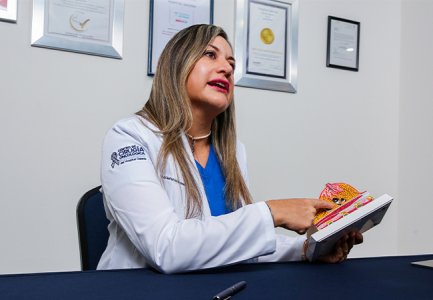
الدكتورة بريندا باسترانا هي جراحة أورام معتمدة ومتخصصة في سرطان الكبد في مستشفى جالينيا.

رئيس قسم التدريس في مستشفى بويرتو فالارتا الإقليمي، يركز الدكتور بيريز على التدريب المبتكر في علاجات سرطان الكبد.
 Anna Leonova
تقدم المكسيك مجموعة من علاجات سرطان الكبد المناسبة لكل مرحلة. تشمل الخيارات الاستئصال الجراحي والرعاية المعتمدة من اللجنة الدولية المشتركة (JCI) للمراحل المبكرة. تشمل العلاجات المتقدمة والمتوسطة TACE (الانصمام الكيميائي عبر الشريان)، والعلاج الإشعاعي الموضعي، والعلاج المناعي الجهازي. توفر المراكز المتخصصة في كانكون ومونتيري ومكسيكو سيتي بروتوكولات أورام متعددة التخصصات للحالات المعقدة.
رؤية خبير Bookimed: يقدم مشهد الأورام في المكسيك انقساماً فريداً بين التميز الجراحي التقليدي والابتكار التكاملي. يحمل مستشفى Galenia حالة JCI المرموقة ووضع «Accreditation Canada Diamond». يعالج المستشفى أكثر من 10,000 مريض سنوياً مع التركيز على معايير سلامة عالية. في غضون ذلك، تخدم عيادات مثل Holistic Bio Spa حوالي 5,000 مريض ببروتوكولات خلوية متقدمة. يسمح هذا التنوع للمرضى بالوصول إلى كل من الفرق الجراحية المعتمدة دولياً وخيارات العلاج المناعي البديلة التي غالباً ما تكون غير متوفرة في أماكن أخرى.
يقوم الأخصائيون المكسيكيون بتقييم مدى ملاءمة الجراحة لسرطان الكبد في المرحلة الرابعة من خلال إعطاء الأولوية لاحتياطي الكبد وتوزيع الورم. يتضمن التقييم درجة Child-Pugh، والتصوير المقطعي المحوسب (CT) ثلاثي المراحل، وتحليل وظيفة الكبد المتبقية (FLR). يركز الجراحون على المشاركة الوعائية والانتشار خارج الكبد لضمان بقاء الإجراءات آمنة للمريض.
رؤية خبير Bookimed: غالباً ما تخدم مراكز الأورام المكسيكية أكثر من 10,000 مريض دولي سنوياً. يسمح هذا الحجم الكبير لجراحين مثل الدكتورة بريندا باسترانا بالحفاظ على شهاداتهم المهنية عبر دورات متعددة مدتها خمس سنوات. تظهر البيانات أن المستشفيات الكبيرة في كانكون أو مونتيري تقدم أقوى المراجعات متعددة التخصصات، وهو أمر ضروري للتنسيق الآمن بين أخصائيي الكبد وجراحي الأورام.
إجماع المرضى: يشير المرضى إلى أنه من الضروري إحضار فحوصات حديثة لكل استشارة. ويؤكدون على أهمية الحصول على رأي ثانٍ إذا اتخذ الجراح قراراً سريعاً دون فريق متعدد التخصصات.
يتركز أخصائيو سرطان الكبد في المكسيك في مدينة مكسيكو، ومونتيري، وكانكون. وتضم هذه المراكز مرافق معتمدة من اللجنة الدولية المشتركة (JCI). تظل مدينة مكسيكو المركز الرئيسي لعلاج الأورام عالي الحجم. كما توفر التجمعات القريبة في مونتيري وكانكون رعاية جراحية ومتعددة التخصصات متقدمة.
رؤية خبير Bookimed: غالباً ما يتجاهل المرضى فرق الحجم بين مواقع المنتجعات والمراكز الطبية. تتعامل عيادات مدينة مكسيكو مع أكبر حجم من حالات الأورام المعقدة. يضم مستشفى جالينيا في كانكون أكثر من 200 طبيب و10 أقسام، مما يضمن مراجعة العديد من الأخصائيين لحالات المرحلة الرابعة معاً. بالنسبة للعلاجات المتقدمة، يعد اختيار مرفق يضم فرقاً متعددة التخصصات أمراً حيوياً لنتائج البقاء على قيد الحياة.
إجماع المرضى: يشير المرضى إلى أن السفر إلى المدن الكبرى ضروري للحصول على فريق كامل من الخبراء تحت سقف واحد. ويؤكدون أن تنسيق الأورام والجراحة والتصوير في موقع واحد يبسط خطة رعايتهم.
تعطي علاجات سرطان الكبد في المرحلة الرابعة في المكسيك الأولوية للسلامة من خلال المراقبة الصارمة. غالباً ما تسبب العلاجات الجهازية التعب أو الغثيان. قد تؤدي الإجراءات التدخلية مثل الانصمام الكيميائي إلى متلازمة ما بعد الانصمام. تدير المستشفيات المعتمدة من قبل اللجنة الدولية المشتركة (JCI) هذه المخاطر باستخدام فرق أورام متخصصة وبروتوكولات دولية قياسية.
رأي خبير Bookimed: بينما يبحث الكثيرون عن أحدث التقنيات، فإن السلامة في المكسيك تعتمد على حجم عمل المستشفى واعتماداته. يخدم مستشفى غالينيا 10,000 مريض سنوياً ويحمل حالة الماس من اعتماد كندا (Accreditation Canada). يشير هذا الاعتماد إلى مستوى أعلى بكثير من سلامة الإجراءات مقارنة بالعيادات التي تفتقر إلى عمليات التدقيق الدولية. إن اختيار مركز يتمتع بتمريض أورام متخصص، مثل تلك الموجودة في مونتيري أو كانكون، يضمن استجابة أسرع لمضاعفات التعافي.
إجماع المرضى: يلاحظ المرضى أن التعافي من الإجراءات التدخلية قد يكون أصعب من العلاج الكيميائي الجهازي بسبب آلام الأضلاع المؤقتة. يقترح الكثيرون وج
عادةً ما يحتاج المرضى إلى 14 إلى 21 يومًا في المكسيك للتقييم ودورة العلاج الأولى. تستغرق مرحلة تحديد المرحلة الأولية والاستشارات عادةً من 3 إلى 7 أيام. كما تضيف دورة العلاج الكيميائي الأولية أو التسريب الجهازي أسبوعًا إلى أسبوعين إضافيين للمراقبة والمتابعة.
رؤية خبير Bookimed: التنسيق بين مدن مثل كانكون ومونتيري هو اتجاه رئيسي في طب الأورام المكسيكي. يخدم مستشفى جالينيا في كانكون 10,000 مريض سنويًا وهو معتمد من JCI. اختيار مراكز ذات حجم دولي كبير يضمن تحسين سير العمل التشخيصي لرحلات مدتها أسبوعان.
إجماع المرضى: يؤكد المرضى أن إحضار نسخ مادية من تقارير علم الأمراض وأقراص التصوير أمر حيوي. إن تجهيز هذه المستندات يمكن أن يختصر التقييم الأولي لعدة أيام ويمنع إجراء اختبارات زائدة عن الحاجة.
تبدأ مراقبة سرطان الكبد في المرحلة الرابعة في المكسيك عادةً بتقييمات المتابعة كل 4 إلى 8 أسابيع بعد العلاج. يخضع المرضى لتصوير مقطعي محوسب (CT) للبطن مع تباين أو تصوير بالرنين المغناطيسي (MRI) مع تحاليل دم. تقيم أدوات التتبع هذه حجم الورم ووظائف الكبد ودقة الاستجابة للعلاج.
رؤية خبير Bookimed: بينما تتفوق العديد من العيادات المكسيكية في طب الأورام التكاملي، تظل خبرة جراحة الأورام هي المعيار الذهبي للمراقبة. الدكتورة بريندا باستريانا في مستشفى جالينيا، على سبيل المثال، حاصلة على شهادة البورد حتى عام 2030 وتعمل في مرفق معتمد من JCI. اختيار مركز يتمتع بهذه المؤهلات الجراحية والدولية المحددة يضمن أن تصويرك الطبي يلبي معايير التشخيص العالمية للحالات المعقدة في المرحلة الرابعة.
إجماع المرضى: يلاحظ المرضى أن تحاليل الدم وحدها تعطي صورة غير مكتملة. ويؤكدون على استخدام نفس مركز التصوير لكل فحص لضمان تقديم أطباء الأشعة مقارنات متسقة لتغيرات الورم بمرور الوقت.
يحصل مرضى سرطان الكبد الدوليون في المكسيك على الدعم اللوجستي من خلال موجهي المرضى المتخصصين والمرافق المعتمدة من قبل اللجنة الدولية المشتركة (JCI). تقوم المراكز المتخصصة بتنسيق السجلات الطبية، والتواصل ثنائي اللغة، والنقل. يتم التعامل مع الصحة العاطفية من خلال العلاجات التكاملية، والاستشارات الغذائية، وشبكات دعم الأقران التي تركز على رعاية الأورام المتقدمة.
رؤية خبير Bookimed: بينما يبحث الكثيرون عن استشارات رسمية، تُظهر بياناتنا أن القوة اللوجستية للمكسيك تكمن في التنسيق عبر الحدود. تعالج المراكز الخاصة الكبيرة مثل مستشفى جالينيا 10,000 مريض سنويًا. فهي تجمع بين الخدمات الطبية والدعم الإداري. وهذا يبسط العملية للمرضى من الولايات المتحدة وكندا. اختيار عيادة معتمدة من JCI يضمن معايير تواصل عالية. وهذا يقلل من التوتر المرتبط بالتنقل في نظام رعاية صحية أجنبي.
إجماع المرضى: يلاحظ المرض