علاج سرطان اللوزتين في إسرائيل — احصل على 3 عيادات مختارة خصيصاً لك


تمت مراجعة المقالة طبيا من قبل
فهد مولود
كيف نعمل؟
ما هي تكلفة سرطان اللوزتين إجراءات التشخيص والعلاج في إسرائيل؟ اعرف الآن
من $1,500. تعتمد النفقات الإجمالية على مرحلة الورم، والنهج الجراحي، ونوع العيادة. وغالباً ما يجد المرضى توفيراً في التكاليف بنسبة 30-50% مقارنة بالولايات المتحدة. تشمل أهم وجهات العلاج تل أبيب، وحيفا، ورحوفوت.
تكاليف علاج سرطان اللوزتين النموذجية في إسرائيل
- استشارة طبيب أورام: من $700
- فحص PET/CT: من $1,500
- الأشعة المقطعية (CT): من $550
- علاج NanoKnife: من $30,000
رؤية خبراء Bookimed: يجب على المرضى الباحثين عن رعاية عالية الدقة إعطاء الأولوية للمراكز المعتمدة من قبل اللجنة الدولية المشتركة (JCI) مثل مركز سوراسكي الطبي. يسجل هذا المرفق معدل نجاح في علاج الأورام بنسبة 90% ويستخدم جراحة روبوتية متقدمة. وبالنسبة لأولئك الذين يحتاجون إلى رعاية شخصية، يتيح مركز أسوتا الطبي للمرضى اختيار الجراح ونوع الغرفة المحددين. وتستفيد الحالات المعقدة من الفرق متعددة التخصصات في مركز رمبام الطبي، الذي يضم متخصصين حائزين على جوائز نوبل وأكثر من 1000 سرير للتعافي الشامل للمرضى الداخليين.
| إسرائيل | تركيا | إسبانيا | |
|---|---|---|---|
| نانو نايف NanoKnife | من $30,000 | ≈ $9,500 | ≈ $9,500 |
| العلاج الكيميائي لسرطان الثدي | ≈ $22,500 | من $3,000 | من $1,700 |
| العلاج الإشعاعي لسرطان القولون والمستقيم | ≈ $14,000 | من $5,000 | من $7,500 |
| Halcyon (هالسيون) | ≈ $14,000 | ≈ $9,500 | ≈ $6,500 |
| Cryodestruction | ≈ $2,200 | من $500 | ≈ $900 |
اكتشف أفضل سرطان اللوزتين العيادات في إسرائيل: 5 خيارات معتمدة والأسعار












Kaplan Medical Center
احصلوا على تقييم طبي لـ سرطان اللوزتين في إسرائيل: استشيروا أطباء ذوي خبرة الآن
عرض جميع الأطباء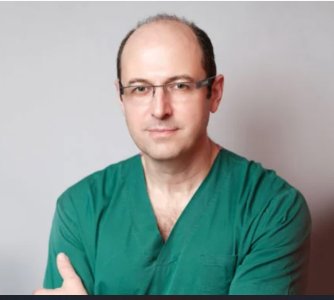
Yuri Goldes
الدكتور يوري غولدس جرّاح عام يتمتع بأكثر من 20 عامًا من الخبرة السريرية. يختص بجراحات الجهاز الهضمي العلوي وجراحة الأورام. يشغل منصب نائب مدير قسم الجراحة العامة وزراعة الأعضاء في مركز شيبا الطبي بتل أبيب، ويرأس وحدة جراحة الجهاز الهضمي العلوي. أُدرِج ضمن قائمة أفضل أطباء فوربس إسرائيل لعام 2025، ومُصنّف ضمن أفضل جراحي الجهاز الهضمي في إسرائيل بحسب فوربس. في 2019، نال جائزة «طبيب العام» من وزارة الصحة الإسرائيلية.
خبير في الجراحة طفيفة التوغل والمتقدمة والروبوتية. يعالج فتق الحجاب الحا

Orit Gutfeld
بصفته المدير بالإنابة لمعهد العلاج الإشعاعي، يقود الدكتور جوتفيلد مركزاً رئيسياً لعلاج السرطان داخل مركز سوراسكي الطبي.
- متخصص في الأورام ولديه خبرة واسعة.
- تخرج من كلية الطب بجامعة هداسا في القدس.
- أكمل تدريباً متقدماً في طب الأورام في جامعة ميشيغان.
- أكمل فترات تدريب في كل من طب الأورام الطبي والإشعاعي في هداسا عين كارم.

Dan Fliss
يقود البروفيسور دان فليس مركز أورام الرأس والرقبة المخصص حصرياً لعلاج السرطانات المعقدة مثل تلك الموجودة في اللوزتين. وهو يجمع بين خبرته الجراحية والأورام لتقديم رعاية منسقة ومتعددة التخصصات.
- أستاذ ورئيس قسم طب الأنف والأذن والحنجرة وجراحة الرأس والرقبة
- يدير وحدة جراحة الرأس والرقبة وقاعدة الجمجمة في مركز سوراسكي الطبي (إيخيلوف)
- متخصص في الجراحة الأورامية لأورام الرأس والرقبة، بما في ذلك اللوزتين
- يدمج العلاج الجراحي مع علاجات السرطان المتقدمة
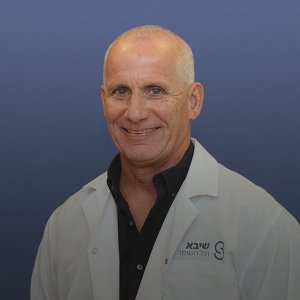
Raanan Berger
البروفيسور رعنان بيرغر، حاصل على درجتي MD وPhD، أخصائي أورام طبية ومعالِج إشعاعي. يشغل منصب مدير مركز السرطان في مركز شيبا الطبي ويرأس وحدة الأبحاث السريرية فيه. أُدرِج ضمن قائمة «أفضل الأطباء» لفوربس إسرائيل (2025). يقود برنامج أورام الجهاز البولي التناسلي مع تركيز على سرطان البروستاتا. تشمل رعايته العلاج الجهازي والعلاج الإشعاعي ضمن نموذج متعدد التخصصات محوره المريض.
يحمل شهادة البورد في طب الأورام. حصل على درجتي MD وPhD من جامعة تل أبيب وأكمل تدريبه السريري في شيبا. ثم أنهى زمالة ما
مشاركة المحتوى
قصص فيديو من مرضى Bookimed
 Anna Leonova
أسئلة متكررة حول علاج سرطان اللوزتين في إسرائيل
ما هي خيارات العلاج الأساسية لسرطان اللوزتين في إسرائيل؟
تعالج إسرائيل سرطان اللوزتين باستخدام نهج متعدد التخصصات يركز على الحفاظ على الأعضاء. تشمل الخيارات الأساسية الجراحة الروبوتية عبر الفم، والعلاج الإشعاعي المعدل الشدة، والعلاج الكيميائي. تبلغ المراكز المتقدمة مثل مركز سوراسكي الطبي عن معدل نجاح متوسط قدره 90% لعلاجات الأورام من خلال رعاية شخصية ومعتمدة من اللجنة الدولية المشتركة (JCI).
- الجراحة الروبوتية: الإزالة طفيفة التوغل تحافظ على وظائف البلع والكلام.
- العلاج الإشعاعي: تستهدف أنظمة دقيقة مثل Halcyon أو VMAT الأورام مع الحفاظ على الأنسجة السليمة.
- علاج NanoKnife: يوفر الاستئصال غير الحراري خياراً عالي الدقة للحالات المعقدة.
- التنميط الجزيئي: توفر مرافق مثل أسوتا اختبارات جينية لتخصيص العلاجات الدوائية الجهازية.
رؤية خبير Bookimed: تُظهر مراكز الأورام الإسرائيلية نمطاً واضحاً من التخصص عالي الحجم. يجري مركز سوراسكي الطبي 34,000 عملية سنوياً، بينما تتعامل أسوتا مع أكثر من 90,000 عملية. هذا الحجم الجراحي الهائل يعني أن الفرق بارعة للغاية في تقنيات إعادة البناء. غالباً ما يجد المرضى نتائج وظيفية أفضل هنا لأن الجراحين يجرون هذه الإجراءات الخاصة بالحلق يومياً.
إجماع المرضى: غالباً ما يلاحظ المرضى سرعة التشخيص، حيث يتم الانتهاء من فحوصات PET/CT واستشارات المتخصصين في غضون أيام. يقدر الكثيرون التركيز على جودة الحياة، وتحديداً الجهود المبذولة للحفاظ على صوتهم الطبيعي.
هل سيؤثر العلاج على قدرتي على التحدث أو البلع؟
تؤثر علاجات سرطان اللوزتين في إسرائيل بشكل متكرر على قدرات التحدث والبلع. غالبًا ما تسبب الجراحة والإشعاع تغيرات مؤقتة في الصوت أو صعوبة في البلع. تستخدم العيادات الإسرائيلية المتخصصة العلاج الإشعاعي Halcyon والجراحة الروبوتية لاستهداف الأورام بدقة. تساعد هذه الطرق في حماية أنسجة الحلق السليمة والحفاظ على هذه الوظائف الحيوية.
- التأثير الجراحي: يقوم المتخصصون بإزالة الأورام مع الحفاظ على الهياكل اللازمة للكلام الواضح والمضغ.
- آثار العلاج الإشعاعي: تقلل الأنظمة المتقدمة مثل Halcyon من تندب الأنسجة وأعراض جفاف الفم المزمن.
- إدارة عسر البلع: يقدم أخصائيو النطق واللغة تمارين لمنع السعال وعلق الطعام.
- تقنية NanoKnife: تدمر طريقة الاستئصال غير الحرارية هذه الخلايا السرطانية مع الحفاظ على أعصاب الحلق الحساسة.
رؤية خبير Bookimed: تدمج مراكز الأورام الإسرائيلية مثل Sourasky إعادة التأهيل المتخصصة في وقت مبكر لحماية جودة حياة المريض. تظهر بياناتنا أن أفضل المرافق تستخدم التخطيط الموجه بـ PET/CT لكل جلسة إشعاع. تضمن هذه الدقة وصول جرعات عالية إلى الورم مع تجنب عضلات البلع. يفسر هذا النهج مزدوج التركيز سبب إبلاغ المراكز الكبرى عن معدل نجاح أورام بنسبة 90%.
إجماع المرضى: يشير المرضى إلى أنه من المهم ممارسة تمارين البلع حتى عندما يكون الأكل صعبًا. يجد الكثيرون أن البقاء نشطًا في البلع أثناء الإشعاع يساعد في منع الاعتماد طويل الأمد على أنابيب التغذية.
ما هي المستشفيات والأخصائيون الذين يقودون رعاية سرطان اللوزتين في إسرائيل؟
تقود المستشفيات الإسرائيلية مثل مركز سوراسكي الطبي وأسوتا رعاية سرطان اللوزتين من خلال أقسام معتمدة من اللجنة الدولية المشتركة (JCI). يستخدم الأخصائيون الجراحة الروبوتية المتقدمة والعلاج الإشعاعي المخصص لعلاج الأورام الخبيثة في البلعوم الفموي. تبلغ هذه المراكز عن معدل نجاح متوسط قدره 90% لعلاجات الأورام مع الحفاظ على بروتوكولات لحالات الرأس والرقبة المعقدة.
- مركز سوراسكي الطبي: منشأة معتمدة من JCI في تل أبيب تجري 34,000 عملية جراحية سنويًا.
- البروفيسور دان فليس: أخصائي مشهور في سوراسكي يركز على جراحة الأنف والأذن والحنجرة والأورام المعقدة.
- مركز أسوتا الطبي: أكبر عيادة خاصة تسمح للمرضى باختيار جراحهم الأول المحدّد.
- الدكتورة أوريت جوتفيلد: مديرة في سوراسكي متخصصة في التجارب السريرية والعلاج الإشعاعي المتقدم.
- مركز رمبام الطبي: منشأة عالية التصنيف في حيفا تخدم ما يقرب من 1,000,000 مريض كل عام.
رؤية خبير Bookimed: تحافظ مراكز الأورام الإسرائيلية مثل سوراسكي على نطاق واسع يضم 2,200 طبيب و240 قسمًا. يسمح هذا الحجم بتخصص دقيق في الأنواع الفرعية النادرة للبلعوم الفموي. تظهر البيانات أن المراكز العامة مثل سوراسكي أو رمبام أكثر ملاءمة للاحتياجات متعددة التخصصات المعقدة. تتفوق المرافق الخاصة مثل أسوتا عندما يحتاج المرضى إلى تدخل جراحي فوري دون فترات انتظار قياسية.
إجماع المرضى: يؤكد المرضى على أهمية العثور على جراحين ذوي خبرة في الجراحة الروبوتية عبر الفم لتجنب تشريح الرقبة الغازي. يقترح الكثيرون طلب
هل التجارب السريرية أو العلاجات التجريبية متاحة في إسرائيل؟
تعتبر التجارب السريرية والعلاجات التجريبية متاحة للغاية في إسرائيل. تعمل البلاد كمركز أبحاث عالمي. تدير معظم المراكز الطبية الكبرى التابعة للجامعات آلاف التجارب النشطة. يمكن للمرضى الوصول إلى علاجات مبتكرة من خلال مسارات الاستخدام الرحيم. توفر هذه البرامج وصولاً مبكراً إلى علاجات غير مسجلة.
- سجل التجارب: تدير وزارة الصحة قاعدة بيانات MyTrial للبحث عن الدراسات النشطة.
- المراكز الرئيسية: يقود مركز سوراسكي الطبي ومركز شيبا الطبي أبحاث الأورام وعلم الجينوم.
- مسار الوصول: الإحالة من طبيب إسرائيلي إلزامية للمشاركة في التجارب.
- العلاجات المتقدمة: تتطلب أبحاث الجينات والخلايا الجذعية موافقة صارمة من لجان الأخلاقيات المحلية.
رؤية خبير Bookimed: تبلغ مراكز الأورام الإسرائيلية مثل مركز سوراسكي الطبي عن معدل نجاح يصل إلى 90% لعلاجات السرطان. تعود هذه النتيجة العالية جزئياً إلى أطباء مثل الدكتور دان فليس. وهو يقود بنشاط تجارب سريرية في الطب الشخصي والعلاج المناعي. يجب على المرضى التركيز على العيادات التي تشرك جراحيها مباشرة في مجموعات البحث. يوفر هذا غالباً وصولاً أسرع إلى التنميط الجيني للبروتوكولات المصممة خصيصاً.
إجماع المرضى: يشير المرضى إلى أنه على الرغم من أن بعض التجارب المحلية مدعومة من الحكومة، يجب على الزوار الدوليين تخصيص ميزانية للرسوم الخاصة. يؤكد الكثيرون على فائدة التجارب السريرية لعلاج سرطان اللوزتين الإيجابي لفيروس الورم الحليمي البشري (HPV).
ما هي التقنيات الجراحية المتقدمة المستخدمة لتقليل الآثار الجانبية لجراحة سرطان اللوزتين في إسرائيل؟
تستخدم المراكز الطبية الإسرائيلية الجراحة الروبوتية عبر الفم (TORS) والجراحة المجهرية بالليزر لإجراء استئصال دقيق لسرطان اللوزتين. تصل هذه التقنيات طفيفة التوغل إلى الأورام عبر الفم دون الحاجة إلى شقوق خارجية كبيرة. يساعد هذا النهج في الحفاظ على الوظائف الحيوية مثل الكلام والبلع مع تسريع أوقات التعافي.
- الدقة الروبوتية: تسمح أنظمة دافنشي بالإزالة عبر الفم، مما يتجنب شق الفك أو ندبات الرقبة.
- الحفاظ على الأنسجة: تساعد التصورات ثلاثية الأبعاد الجراحين على تجنيب عضلات الحلق السليمة والغدد اللعابية الحيوية.
- التعافي الوظيفي: تقلل التقنيات المتقدمة من فترات الإقامة في المستشفى إلى يومين وتقلل من الحاجة إلى أنابيب التغذية.
- الجراحة المجهرية بالليزر: توفر ليزرات ثاني أكسيد الكربون قطعاً عالي الدقة مع الحد الأدنى من الضرر الحراري للأنسجة السليمة المحيطة.
رؤية خبير Bookimed: تظهر البيانات من المراكز الإسرائيلية الكبرى معدل نجاح أورام بنسبة 90% من خلال التكامل بين الأقسام. يجمع متخصصون مثل الدكتورة أوريت جوتفيلد في مركز سوراسكي الطبي بين العلاج الإشعاعي والاستئصال الروبوتي. غالباً ما يسمح هذا التآزر بتقليل تصعيد العلاج، مما يعني جرعات إشعاع أقل للمرضى. غالباً ما تركز المراكز الأصغر على طرق علاجية واحدة، بينما توفر هذه المرافق ذات الحجم الكبير تقنيات TORS و MR-Linac.
إجماع المرضى: يشير المرضى إلى أنه من المهم اختيار فرق ذات حجم حالات كبير لتجنب مشاكل البلع المؤقتة. يؤكد الكثيرون أن التخطيط المسبق لعلاج النطق يساهم بشكل كبير في
كيف تتم إدارة التعافي وإعادة التأهيل بعد علاج سرطان اللوزتين في إسرائيل؟
يتضمن التعافي بعد علاج سرطان اللوزتين في إسرائيل فرقاً متعددة التخصصات تركز على استعادة الكلام والبلع والتغذية. تبدأ إعادة التأهيل عادةً فوراً بعد الجراحة أو العلاج الإشعاعي في مراكز معتمدة من قبل اللجنة الدولية المشتركة (JCI). يساعد المعالجون المتخصصون المرضى على استعادة 80% من وظائفهم في غضون ستة أشهر من خلال بروتوكولات مكثفة للعلاج الصوتي والفيزيائي.
- إعادة التأهيل الوظيفي: يدير معالجو النطق عسر البلع وتغيرات الصوت من خلال تمارين مستهدفة.
- الدعم الغذائي: يصمم أخصائيو التغذية في مركز رمبام الطبي أنظمة غذائية عالية السعرات الحرارية لمنع فقدان الوزن.
- إعادة البناء المتقدمة: يجري الجراحون في مركز سوراسكي الطبي إجراءات فكية وجهية لاستعادة وظيفة مجرى الهواء.
- التكنولوجيا المتخصصة: تستخدم المراكز الطب عن بعد والتصوير الرقمي لمراقبة التعافي وإدارة الآثار الجانبية.
رؤية خبير Bookimed: تبلغ مراكز الأورام الإسرائيلية مثل مركز سوراسكي الطبي عن معدل نجاح بنسبة 90% في علاجات الأورام. يعود هذا النجاح الكبير جزئياً إلى حجم المرضى الهائل الذي يبلغ أكثر من 400,000 فرد سنوياً. غالباً ما تقدم المراكز الكبيرة أقسام علاج طبيعي أكثر قوة. على سبيل المثال، يتخصص الدكتور دان فليس في سوراسكي في كل من الجراحة وإعادة التأهيل الفكي الوجهي. إن اختيار هؤلاء الخبراء متعددي التخصصات يضمن إدارة تعافيك الجراحي وإعادة تأهيلك الوظيفي من قبل نفس الفريق السريري.
إجماع المرضى: يشير المرضى إلى أن التعافي يستغرق من 6 إلى 12 شهراً ويؤكدون على أهمية استخدام
هل يمكنني الحصول على خطة علاج عن بُعد من إسرائيل قبل السفر؟
يمكن للمرضى الحصول على خطة علاج عن بُعد لسرطان اللوزتين من مراكز إسرائيلية قبل السفر. تستخدم المستشفيات الكبرى الطب عن بُعد لمراجعة السجلات الطبية وعلم الأمراض. يساعد هذا في تحديد الاستراتيجية الجراحية أو الإشعاعية الأولية. غالبًا ما تتضمن استشارة الفيديو أطباء أورام وجراحين متخصصين.
- مراجعة الخبراء: يقوم متخصصون مثل الدكتور دان فليس بتحليل البيانات الجينومية والمسوحات عن بُعد.
- المنصات الافتراضية: تستخدم المرافق التصوير الرقمي والطب عن بُعد للتقييمات السريرية الأولية.
- أنواع الاستشارة: تغطي الجلسات عبر الإنترنت خطط العلاج الإشعاعي وخيارات الجراحة الروبوتية.
- الجدول الطبي: توفر المراكز جدولًا زمنيًا مفصلاً وتقديرات أولية للتكاليف قبل الوصول.
رؤية خبير Bookimed: بينما تتعامل المراكز العامة مثل سوراسكي (إيخيلوف) مع أحجام كبيرة، تسمح المراكز الخاصة مثل أسوتا للمرضى باختيار جراحهم أو نوع غرفتهم مسبقًا. تظهر بياناتنا أن كبار أطباء الأورام الإسرائيليين غالبًا ما يحملون درجة الدكتوراه ويقودون تجارب سريرية. يضمن هذا المستوى العالي من التخصص توافق الخطط عن بُعد مع أحدث أبحاث العلاج المناعي.
إجماع المرضى: يشير المرضى إلى أنه من الضروري تحميل جميع سجلات التشخيص مبكرًا لتجنب التأخير. يؤكد الكثيرون أنه على الرغم من أن الخطط عن بُعد توفر خارطة طريق مفيدة، إلا أن هذه الاستراتيجيات غالبًا ما يتم تعديلها بمجرد إجراء الخزعات الشخصية في إسرائيل.
لماذا تُعد إسرائيل واحدة من الوجهات الرائدة في جراحة الأعصاب؟
تُعدّ إسرائيل مركزًا رائدًا في جراحة الأعصاب بفضل مزيجها من التطورات الطبية عالية التقنية والخبرات الجراحية المتميزة. وتستخدم مرافق متطورة مثل مركز شيبا الطبي أنظمة ملاحة تعتمد على الذكاء الاصطناعي والتصوير بالرنين المغناطيسي أثناء الجراحة في الوقت الفعلي. وتشير المراكز المتخصصة إلى نسبة نجاح تصل إلى 98% في العمليات الجراحية المعقدة، بما في ذلك جراحة الدماغ مع اليقظة وعلاج اضطرابات الحركة.
- التكنولوجيا المتقدمة: تستخدم العيادات الموجات فوق الصوتية المركزة الموجهة بالرنين المغناطيسي (MRgFUS) والأنظمة الروبوتية لإجراء الشقوق.
- الخبرة الجراحية: يقود جراحون مثل الدكتور تسفي رام جمعيات دولية بخبرة تزيد عن 25 عامًا.
- الوصول السريع: يمكن للمرضى الدوليين عادةً تحديد مواعيد لإجراء عمليات جراحية معقدة في الدماغ أو العمود الفقري في غضون 2-4 أسابيع.
- الرعاية الطبية المعتمدة: المراكز الكبيرة مثل سوراسكي (إيشيلوف) وأسوتا معتمدة من قبل اللجنة الدولية المشتركة، مما يؤكد سلامتها.
رأي خبراء بوكيمد: تُظهر البيانات فرقًا واضحًا بين خيارات العلاج في القطاعين العام والخاص في إسرائيل. تُجري المراكز الخاصة، مثل مركز أسوتا الطبي، أكثر من 92,000 عملية جراحية سنويًا، وتتيح للمرضى اختيار جراح را
ما هي أنواع الأمراض العصبية التي يتم علاجها في إسرائيل؟
يعالج جراحو الأعصاب الإسرائيليون طيفاً واسعاً من الحالات، بدءاً من أورام الدماغ والحبل الشوكي وصولاً إلى الاضطرابات الوظيفية المعقدة. وتستخدم المراكز المتخصصة أحدث التقنيات، مثل جهاز جاما نايف، والتحفيز العميق للدماغ، والتصوير بالرنين المغناطيسي أثناء الجراحة، لتشخيص دقيق للغاية لحالات الصرع، ومرض باركنسون، وأمراض الأوعية الدموية الدماغية.
- الأمراض السرطانية: علاج الأورام الدبقية والأورام السحائية وأورام الغدة النخامية باستخدام استئصال قاعدة الجمجمة.
- الاضطرابات الوظيفية: علاج مرض باركنسون والرعاش الأساسي باستخدام التحفيز العميق للدماغ.
- أمراض العمود الفقري: تصحيح الجنف، وانزلاق الغضروف، وأورام العمود الفقري باستخدام الأنظمة الروبوتية.
- علاج أمراض الأوعية الدموية الدماغية: العلاج الجراحي لتمدد الأوعية الدموية الدماغية والتشوهات الشريانية الوريدية باستخدام التدخلات داخل الأوعية الدموية.
- جراحة الأعصاب للأطفال: رعاية متخصصة لاستسقاء الرأس والتشوهات الخلقية في مراكز طب الأطفال المتخصصة.
رأي خبراء بوكيمد: غالبًا ما تجمع المستشفيات الإسرائيلية بين تخصصات طبية متعددة لمعالجة الحالات المعقدة. ففي مركز سوراسكي ا
ما هي المستشفيات في إسرائيل التي تشتهر بأقسام جراحة الأعصاب فيها؟
تضم إسرائيل مراكز جراحة أعصاب عالمية المستوى، مثل مركز سوراسكي الطبي، ومركز شيبا الطبي، ومركز هداسا الطبي. وتُعدّ هذه المؤسسات رائدة عالميًا في علاج أورام الدماغ المعقدة، وأمراض العمود الفقري، واضطرابات الحركة. وتستخدم أحدث التقنيات، مثل جهاز جاما نايف، والأنظمة الروبوتية، والتصوير بالرنين المغناطيسي أثناء الجراحة.
- سوراسكي (إيخيلوف): يجري أكثر من 2500 عملية جراحية عصبية سنوياً في تل أبيب بنسبة نجاح تبلغ 98%.
- مركز شيبا الطبي: مصنف ضمن أفضل عشرة مستشفيات في العالم، حيث يعالج 1.9 مليون مريض سنوياً.
- مركز هداسا الطبي: مرشح لجائزة نوبل للسلام. رائد في جراحة الأعصاب للأطفال والعلاج الجيني.
- مركز أسوتا الطبي: أكبر منشأة طبية خاصة في إسرائيل. متخصص في جراحات العمود الفقري والدماغ طفيفة التوغل.
- مستشفى شنايدر للأطفال: مركز رائد في جراحة الأعصاب للأطفال، يعالج 275000 طفل سنوياً.
رأي خبراء بوكيمد: تُظهر بياناتنا أنه بينما يلجأ معظم المرضى للعلاج في تل أبيب، يُقدّم مركز رامبام الطبي في حيفا رعايةً فريدةً لإصابات الدماغ. فهو يضم وحدةً متخصصةً للعناية المركزة العصبية تُعالج ما يقارب مليون مريض سنويًا. وهذا ما يجعله