علاج هبوط الرحم في إسرائيل — احصل على 3 عيادات مختارة خصيصاً لك


تمت مراجعة المقالة طبيا من قبل
فهد مولود
كيف نعمل؟
ما هي تكلفة هبوط الرحم إجراءات التشخيص والعلاج في إسرائيل؟ اعرف الآن
| إسرائيل | تركيا | إسبانيا | |
|---|---|---|---|
| عملية تثبيت الرحم العجزي دافنشي لعلاج هبوط الرحم | ≈ $13,500 | من $3,400 | ≈ $9,500 |
| استئصال الرحم بواسطة روبوت دا فنشي | ≈ $14,500 | من $11,600 | من $21,600 |
اكتشف أفضل هبوط الرحم العيادات في إسرائيل: 6 خيارات معتمدة والأسعار






Assaf Harofeh Medical Center

Soroka Medical Center
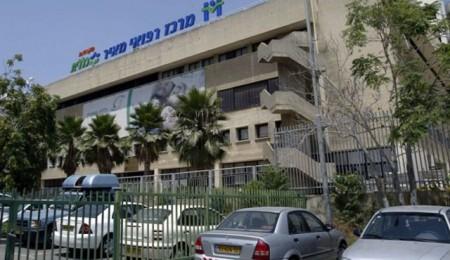
Meir Medical Center

Kaplan Medical Center

Shaare Zedek Medical Center
احصلوا على تقييم طبي لـ هبوط الرحم في إسرائيل: استشيروا أطباء ذوي خبرة الآن
عرض جميع الأطباء
Yigal Volman
43 سنة متخصص في أمراض النساء – الدكتور فولمان هو أستاذ في جامعة تل أبيب، حيث يقوم بتدريب الجيل القادم من المتخصصين.
- مؤلف أكثر من 80 مقالاً علمياً حول صحة المرأة
- تسلط درجة الأستاذية الضوء على الخبرة الأكاديمية العميقة في صحة المرأة
- عضو في العديد من الجمعيات الطبية المرموقة
- يمارس عمله في مركز سوراسكي الطبي الرائد في تل أبيب

Garuz Osnat
أستاذ سريري في كلية الطب بجامعة تل أبيب – الدكتور غاروز أوسنات هو أخصائي من الدرجة الأولى في مركز سوراسكي الطبي. يربط عمله بين الأبحاث الأكاديمية المتقدمة ورعاية المرضى.
- تخصص في أمراض النساء والتوليد في عيادة سوراسكي في تل أبيب
- تخرج بمرتبة الشرف من كلية ساكلر للطب بجامعة تل أبيب
- شارك في دراسات بحثية سريرية في نيويورك، الولايات المتحدة الأمريكية
- عمل كطبيب أول في قسم أمراض النساء في مستشفى ليس للولادة
- دكتوراه في الطب (MD, PhD) مع التركيز على أمراض النساء البولية
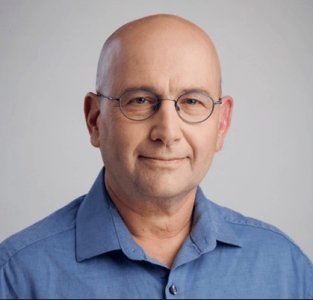
Roy Mashiach
البروفيسور روي مشياح (MD) هو مدير قسم أمراض النساء في مركز شيبا الطبي. خبير بارز في جراحة أمراض النساء طفيفة التوغل بخبرة تتجاوز 30 عامًا. يركز على استئصال الرحم بالمنظار البطني والرحمي، ويجري أيضًا استئصال الأورام الليفية، ويعالج بطانة الرحم المهاجرة، ويقدم إجراءات محافظة على الخصوبة.
التقدير والمناصب: اختير ضمن قائمة أفضل الأطباء في فوربس إسرائيل. حائز جائزة دانيال إف. كوت (AAGL). رئيس الجمعية الإسرائيلية لمناظير أمراض النساء. مدير وحدة المحاكاة لأمراض النساء (M.S.R.). أستاذ مشارك سر
مشاركة المحتوى
قصص فيديو من مرضى Bookimed
 Anna Leonova
أسئلة متكررة حول علاج هبوط الرحم في إسرائيل
ما هي الفحوصات التشخيصية المستخدمة لتقييم هبوط الرحم في إسرائيل؟
يقوم المتخصصون الإسرائيليون بتقييم هبوط الرحم باستخدام فحوصات الحوض السريرية مع نظام تحديد كمية هبوط أعضاء الحوض (POP-Q). تشمل التشخيصات المتقدمة في مراكز مثل مركز سوراسكي الطبي الموجات فوق الصوتية عبر المهبل ثلاثية/رباعية الأبعاد وتصوير الحوض بالرنين المغناطيسي الديناميكي. تقوم هذه الأدوات برسم خرائط دقيقة للهبوط الهيكلي والتأثير على أنسجة المثانة أو الأمعاء المحيطة.
- مقياس POP-Q: توفر قياس هبوط الرحم بالمليمتر معياراً ذهبياً موضوعياً أثناء الفحوصات.
- اختبارات الإجهاد: يراقب الأطباء حركة الأعضاء أثناء سعال المريضات أو الضغط في وضع الوقوف.
- تصوير الحوض بالرنين المغناطيسي الديناميكي: تلتقط الخرائط في الوقت الفعلي حركة الأنسجة أثناء الإخلاء النشط للحالات المعقدة.
- الفحص الديناميكي البولي: تتبع الفحوصات المتخصصة وظيفة المثانة لتحديد مشاكل سلس البول الإجهادي الخفية.
رؤية خبير Bookimed: غالباً ما يجمع خبراء أمراض النساء الإسرائيليون مثل الدكتورة جاروز أوسنات في مركز سوراسكي الطبي بين التخصصات المسالك البولية وأمراض النساء. هذه الخبرة المزدوجة حيوية لأن أكثر من 60% من الحالات تنطوي على مشاكل ثانوية في المثانة. اختيار طبيب مسالك بولية نسائية يضمن أن خطتك التشخيصية تغطي صحة المسالك البولية الوظيفية إلى جانب الإصلاح الهيكلي.
إجماع المرضى: يلاحظ المرضى أن الأطباء يعطون الأولوية لتاريخ الأعراض المفصل، خاصة فيما يتعلق بالشعور بالثقل أو الانتفاخ، قبل طلب التصوير. يوصي الكثيرون بتوثيق كيفية تأثير النشاط البدني على أعراضك لمساعدة ا
ما هي الإجراءات الجراحية المتاحة في إسرائيل لعلاج هبوط الرحم الشديد؟
يتم التعامل مع هبوط الرحم الشديد في إسرائيل من خلال جراحات روبوتية متقدمة وأخرى طفيفة التوغل. تتخصص مراكز رائدة مثل مركز سوراسكي الطبي (إيخيلوف) في جراحات تثبيت الرحم والمهبل (sacrocolpopexy and sacrohysteropexy) باستخدام نظام دافنشي. توفر هذه البروتوكولات معدلات نجاح تصل إلى 90% لتعليق الأعضاء مع تقليل الندبات وفترات التعافي.
- تثبيت الرحم الروبوتي (Robotic sacrohysteropexy): إعادة تعليق الرحم باستخدام روبوت دافنشي للحفاظ على الوظيفة الإنجابية.
- تثبيت المهبل (Sacrocolpopexy): استخدام شبكة اصطناعية لتثبيت قبة المهبل بعد استئصال الرحم.
- إصلاح الأنسجة الطبيعية: تثبيت عنق الرحم بالأربطة الحوضية دون استخدام غرسات شبكية اصطناعية.
- إغلاق المهبل (Colpocleisis): يوفر حلاً استئصالياً للمرضى الضعفاء تحت تخدير موضعي منخفض المخاطر.
رؤية خبير Bookimed: تعطي مراكز أمراض المسالك البولية النسائية الإسرائيلية الأولوية للخبرة ذات الحجم الكبير في المرافق الأكاديمية على العيادات الخاصة الصغيرة. يجري مركز سوراسكي الطبي أكثر من 34,000 عملية سنوياً. يتمتع جراحون مثل البروفيسور روي ماشياخ بخبرة تزيد عن 30 عاماً في التنظير المتقدم. يجب على المرضى اختيار المراكز التي تدمج الذكاء الاصطناعي والمحاكاة الروبوتية لضمان وضع الشبكة بدقة أكبر.
إجماع المرضى: يشير المرضى إلى أن الخيارات المساعدة بالروبوت تؤدي إلى تعافي أسرع بكثير وألم أقل. يقترح الكثيرون التحقق مما إذا كانت الإصلاحات بدون شبكة ممكنة إذا كانت هناك مخاوف بشأن التهيج طويل الأمد.
هل تُستخدم تقنيات طفيفة التوغل أو روبوتية لإصلاح تدلي الأعضاء في إسرائيل؟
تستخدم المراكز الطبية الإسرائيلية تقنيات روبوتية وتنظيرية متقدمة لإصلاح تدلي الأعضاء. يستخدم الجراحون نظام "دا فينشي" (da Vinci) لإجراء عمليات تثبيت العجز والرحم آلياً. تضمن هذه الطرق طفيفة التوغل شقوقاً أصغر وتعافياً أسرع. يستخدم المتخصصون المحليون أدوات عالية الدقة لتوفير دعم دائم لقاع الحوض.
- الأنظمة الروبوتية: يستخدم الجراحون روبوتات "دا فينشي" لعمليات تثبيت العجز واستئصال الرحم المعقدة.
- الوصول الجراحي: يقوم المتخصصون بإجراء عمليات التنظير البطني والرحمي من خلال فتحات بطنية صغيرة.
- الأجهزة المبتكرة: تستخدم المراكز الإسرائيلية أنظمة تثبيت محلية الصنع بدون شبكة مثل EnPlace.
- دعم المريض: تتضمن البروتوكولات الطبية علاج قاع الحوض لتقليل مخاطر التكرار في المستقبل.
رؤية خبير Bookimed: تسد مراكز طب المسالك البولية النسائية الإسرائيلية الفجوة بين الابتكار والممارسة السريرية. يقود الدكتور روي ماشياخ في مركز شيبا الطبي وحدة محاكاة متخصصة. يقوم هذا المركز بتدريب الجراحين عالمياً على التنظير المتقدم طفيف التوغل. اختيار منشأة ذات حجم عمليات كبير مثل سوراسكي يضمن الوصول إلى أطباء يتمتعون بخبرة تزيد عن 25 عاماً.
إجماع المرضى: أفاد المرضى أن الإصلاحات الروبوتية تقصر فترة التعافي بشكل كبير لتصل إلى حوالي 2-4 أسابيع. يؤكدون على ضرورة التأكد من أن جراحك يجري ما لا يقل عن 50 حالة روبوتية سنوياً للحصول على أفضل النتائج.
ما هو الجدول الزمني المتوقع للتعافي بعد جراحة هبوط الأعضاء في إسرائيل؟
يستغرق التعافي بعد جراحة هبوط الأعضاء في إسرائيل عادةً من 6 إلى 8 أسابيع لالتئام الأنسجة. يستعيد معظم المرضى قدرتهم على الحركة فوراً ويغادرون المستشفى في غضون يومين. غالباً ما تسمح التقنيات الروبوتية المتخصصة، بما في ذلك تثبيت الرحم بالعجز بمساعدة دافنشي، باستقرار بدني أسرع مقارنة بطرق الجراحة المفتوحة التقليدية.
- الإقامة في المستشفى: توقع قضاء ليلة إلى ليلتين في مرافق مثل مركز سوراسكي الطبي (إيخيلوف).
- قيود النشاط: يُمنع رفع الأثقال التي تزيد عن 10 أرطال (حوالي 4.5 كجم) لمدة 6 أسابيع على الأقل.
- العودة للعمل: يستأنف المرضى عادةً العمل المكتبي الخفيف في غضون 2 إلى 4 أسابيع بعد الإجراء.
- الالتئام الكامل: تستمر أنسجة الحوض العميقة في التقوية والالتئام لمدة تصل إلى 3 أشهر.
رؤية خبير Bookimed: يستخدم المتخصصون الإسرائيليون مثل الدكتور روي ماشياخ بروتوكولات بمساعدة الروبوت تقلل بشكل كبير من ضغط الحوض المبكر. بينما تقترح الإرشادات القياسية 6 أسابيع للشفاء، تعطي المراكز ذات الحجم الكبير التي تجري أكثر من 30,000 عملية سنوياً الأولوية للعلاج المبكر لقاع الحوض. يساعد بدء إعادة التأهيل اللطيف بحلول الأسبوع الثاني في إدارة إلحاح المثانة المستمر الذي يبلغ عنه 30% من المرضى خلال الشهر الأول.
إجماع المرضى: يلاحظ المرضى أن التعب غالباً ما يصل إلى ذروته في الأسبوع الرابع بدلاً من مباشرة بعد الجراحة. يؤكد الكثيرون على البدء في استخدام ملينات البراز من اليوم صفر لتجنب الإجهاد أثناء فترة الشفاء الأولية التي تبلغ 6 أسابيع.
ما هي الخيارات غير الجراحية المقدمة في إسرائيل لهبوط الرحم الخفيف إلى المتوسط؟
تقدم إسرائيل إدارة متقدمة غير جراحية لهبوط الرحم الخفيف إلى المتوسط من خلال وحدات متخصصة في أمراض المسالك البولية النسائية. يركز العلاج على إعادة تأهيل قاع الحوض، واستخدام الفرزجة (Pessaries) المصنوعة من السيليكون الطبي، والدعم الهرموني لتثبيت الأعضاء. تدير هذه العلاجات التحفظية الأعراض بفعالية وتساعد المرضى على تجنب التدخل الجراحي.
- الفرزجة المهبلية: أجهزة سيليكون قابلة للإزالة توفر دعماً جسدياً فورياً للرحم والأعضاء.
- علاج قاع الحوض: يستخدم العلاج الطبيعي المتخصص الارتجاع البيولوجي (Biofeedback) لتقوية دعم العضلات والتنسيق.
- الإستروجين الموضعي: تعمل كريمات أو حلقات الإستروجين على تحسين مرونة الأنسجة وصحتها لدى النساء بعد انقطاع الطمث.
- تعديلات نمط الحياة: يساعد التحكم في الوزن والأنظمة الغذائية الغنية بالألياف على تقليل الضغط داخل البطن على قاع الحوض.
رؤية خبير Bookimed: تدمج المراكز متعددة التخصصات الإسرائيلية مثل مركز سوراسكي الطبي (إيخيلوف) ومركز شيبا الطبي إعادة التأهيل مباشرة في أقسام أمراض النساء. يقدم الدكتور روي ماشياخ في شيبا أو الدكتورة جاروز أوسنات في سوراسكي رعاية متخصصة في المسالك البولية النسائية. تستفيد هذه المؤسسات من أعداد المرضى الكبيرة - أكثر من 400,000 سنوياً في إيخيلوف - لتحسين البروتوكولات غير الغازية مثل تدريب العضلات الموجه بالارتجاع البيولوجي.
إجماع المرضى: يؤكد المرضى أن البدء المبكر في علاج قاع الحوض أمر حيوي لمنع تفاقم الحالة. يشير الكثيرون إلى أن تركيب الفرزجة بشكل احترافي يوفر راحة فور
كيف يجب على السياح الطبيين اختيار طبيب أو مستشفى مؤهل في إسرائيل لجراحة هبوط الأعضاء؟
يتطلب اختيار جراح مؤهل لعلاج هبوط الرحم في إسرائيل التحقق من اعتماد اللجنة الدولية المشتركة (JCI) والتخصص الفرعي في أمراض المسالك البولية النسائية. يجب على المرضى إعطاء الأولوية للأطباء الحاصلين على ألقاب أكاديمية في الجامعات الكبرى. تستخدم المرافق الرائدة مثل مركز سوراسكي الطبي ومركز شيبا الطبي تقنية دافنشي الروبوتية لإجراءات إعادة البناء طفيفة التوغل.
- مؤهلات الجراح: ابحث عن أطباء المسالك البولية النسائية الذين لديهم أكثر من 25 عاماً من الخبرة.
- المكانة الأكاديمية: غالباً ما يعمل كبار الخبراء كأساتذة في جامعة تل أبيب.
- معايير الاعتماد: اختر المرافق الحاصلة على الختم الذهبي من اللجنة الدولية المشتركة (JCI).
- الوصول إلى التكنولوجيا: تأكد من توفر أنظمة دافنشي الروبوتية لجراحة تثبيت الرحم بالعجز.
رؤية خبير Bookimed: بينما يبحث الكثيرون عن عيادات خاصة، تتعامل المراكز العامة في إسرائيل مثل مركز سوراسكي الطبي مع أحجام هائلة، حيث تجري 34,000 عملية سنوياً. غالباً ما تترجم هذه التردد الجراحي العالي إلى دقة أفضل في إصلاحات هبوط الأعضاء الروبوتية المعقدة. اختيار أستاذ يعمل في كل من مركز عام ومرفق خاص مثل أسوتا يوفر أفضل توازن بين الخبرة والرعاية الشخصية.
إجماع المرضى: يؤكد المرضى على ضرورة التحقق من عدد حالات هبوط الأعضاء التي يعالجها الجراح كل عام. غالباً ما يقترحون طلب سجلات حالات مفصلة وإعطاء الأولوية للجراحين الذين يركزون حصرياً على إعادة بناء الحوض بدلاً من التوليد العام.
ما هي المدن الإسرائيلية التي تقدم أكثر المرافق تقدمًا لعلاج هبوط الرحم؟
تقدم تل أبيب ورامات غان والقدس أكثر المرافق تقدمًا لعلاج هبوط الرحم. تستضيف هذه المدن مراكز ثالثية معتمدة من قبل JCI متخصصة في تثبيت الرحم بالعجز آليًا وإعادة البناء طفيفة التوغل. تستخدم مرافق مثل مركز سوراسكي الطبي ومركز شيبا الطبي أنظمة دافنشي الروبوتية لإجراء إصلاحات عالية الدقة.
- الخبرة الروبوتية: يوفر مركز سوراسكي الطبي جراحة دافنشي الروبوتية والتصوير الرقمي المتقدم.
- مركز القدس: يجري مركز شعاري تسيديك الطبي أكثر من 35,000 عملية سنويًا، بما في ذلك حالات الولادة المعقدة.
- مراكز عالية الحجم: يتعامل مركز شيبا الطبي في رامات غان مع حالات إعادة بناء قاع الحوض متعددة التخصصات.
- التنوع الجراحي: تقدم العيادات في بئر السبع ورحوفوت خيارات الإصلاح بالمنظار والأنسجة الطبيعية.
رؤية خبير Bookimed: بينما يركز المرضى غالبًا على التكنولوجيا الروبوتية، فإن خبرة الجراح في هذه المراكز هي عامل تمييز حاسم. يجلب الدكتور روي ماشياخ في مركز شيبا الطبي والبروفيسور الدكتور إيغال فولمان في سوراسكي أكثر من 25 عامًا من الخبرة المتخصصة. تظهر البيانات أن مرافق مثل سوراسكي تدير أكثر من 1,800,000 زيارة مريض سنويًا. يضمن هذا الحجم الكبير أن الفرق بارعة في إدارة الاختلافات التشريحية المعقدة في حالات الهبوط.
إجماع المرضى: يؤكد المرضى أن خبرة الجراح في تقنيات معينة أكثر أهمية من هيبة المستشفى. ويشيرون إلى أن الالتزام بالعلاج الطبيعي للحوض لمدة 6 أشهر بعد الجراحة ضروري لمنع التكرار.
لماذا تُعد إسرائيل واحدة من الوجهات الرائدة في جراحة الأعصاب؟
تُعدّ إسرائيل مركزًا رائدًا في جراحة الأعصاب بفضل مزيجها من التطورات الطبية عالية التقنية والخبرات الجراحية المتميزة. وتستخدم مرافق متطورة مثل مركز شيبا الطبي أنظمة ملاحة تعتمد على الذكاء الاصطناعي والتصوير بالرنين المغناطيسي أثناء الجراحة في الوقت الفعلي. وتشير المراكز المتخصصة إلى نسبة نجاح تصل إلى 98% في العمليات الجراحية المعقدة، بما في ذلك جراحة الدماغ مع اليقظة وعلاج اضطرابات الحركة.
- التكنولوجيا المتقدمة: تستخدم العيادات الموجات فوق الصوتية المركزة الموجهة بالرنين المغناطيسي (MRgFUS) والأنظمة الروبوتية لإجراء الشقوق.
- الخبرة الجراحية: يقود جراحون مثل الدكتور تسفي رام جمعيات دولية بخبرة تزيد عن 25 عامًا.
- الوصول السريع: يمكن للمرضى الدوليين عادةً تحديد مواعيد لإجراء عمليات جراحية معقدة في الدماغ أو العمود الفقري في غضون 2-4 أسابيع.
- الرعاية الطبية المعتمدة: المراكز الكبيرة مثل سوراسكي (إيشيلوف) وأسوتا معتمدة من قبل اللجنة الدولية المشتركة، مما يؤكد سلامتها.
رأي خبراء بوكيمد: تُظهر البيانات فرقًا واضحًا بين خيارات العلاج في القطاعين العام والخاص في إسرائيل. تُجري المراكز الخاصة، مثل مركز أسوتا الطبي، أكثر من 92,000 عملية جراحية سنويًا، وتتيح للمرضى اختيار جراح را
ما هي أنواع الأمراض العصبية التي يتم علاجها في إسرائيل؟
يعالج جراحو الأعصاب الإسرائيليون طيفاً واسعاً من الحالات، بدءاً من أورام الدماغ والحبل الشوكي وصولاً إلى الاضطرابات الوظيفية المعقدة. وتستخدم المراكز المتخصصة أحدث التقنيات، مثل جهاز جاما نايف، والتحفيز العميق للدماغ، والتصوير بالرنين المغناطيسي أثناء الجراحة، لتشخيص دقيق للغاية لحالات الصرع، ومرض باركنسون، وأمراض الأوعية الدموية الدماغية.
- الأمراض السرطانية: علاج الأورام الدبقية والأورام السحائية وأورام الغدة النخامية باستخدام استئصال قاعدة الجمجمة.
- الاضطرابات الوظيفية: علاج مرض باركنسون والرعاش الأساسي باستخدام التحفيز العميق للدماغ.
- أمراض العمود الفقري: تصحيح الجنف، وانزلاق الغضروف، وأورام العمود الفقري باستخدام الأنظمة الروبوتية.
- علاج أمراض الأوعية الدموية الدماغية: العلاج الجراحي لتمدد الأوعية الدموية الدماغية والتشوهات الشريانية الوريدية باستخدام التدخلات داخل الأوعية الدموية.
- جراحة الأعصاب للأطفال: رعاية متخصصة لاستسقاء الرأس والتشوهات الخلقية في مراكز طب الأطفال المتخصصة.
رأي خبراء بوكيمد: غالبًا ما تجمع المستشفيات الإسرائيلية بين تخصصات طبية متعددة لمعالجة الحالات المعقدة. ففي مركز سوراسكي ا
ما هي المستشفيات في إسرائيل التي تشتهر بأقسام جراحة الأعصاب فيها؟
تضم إسرائيل مراكز جراحة أعصاب عالمية المستوى، مثل مركز سوراسكي الطبي، ومركز شيبا الطبي، ومركز هداسا الطبي. وتُعدّ هذه المؤسسات رائدة عالميًا في علاج أورام الدماغ المعقدة، وأمراض العمود الفقري، واضطرابات الحركة. وتستخدم أحدث التقنيات، مثل جهاز جاما نايف، والأنظمة الروبوتية، والتصوير بالرنين المغناطيسي أثناء الجراحة.
- سوراسكي (إيخيلوف): يجري أكثر من 2500 عملية جراحية عصبية سنوياً في تل أبيب بنسبة نجاح تبلغ 98%.
- مركز شيبا الطبي: مصنف ضمن أفضل عشرة مستشفيات في العالم، حيث يعالج 1.9 مليون مريض سنوياً.
- مركز هداسا الطبي: مرشح لجائزة نوبل للسلام. رائد في جراحة الأعصاب للأطفال والعلاج الجيني.
- مركز أسوتا الطبي: أكبر منشأة طبية خاصة في إسرائيل. متخصص في جراحات العمود الفقري والدماغ طفيفة التوغل.
- مستشفى شنايدر للأطفال: مركز رائد في جراحة الأعصاب للأطفال، يعالج 275000 طفل سنوياً.
رأي خبراء بوكيمد: تُظهر بياناتنا أنه بينما يلجأ معظم المرضى للعلاج في تل أبيب، يُقدّم مركز رامبام الطبي في حيفا رعايةً فريدةً لإصابات الدماغ. فهو يضم وحدةً متخصصةً للعناية المركزة العصبية تُعالج ما يقارب مليون مريض سنويًا. وهذا ما يجعله