علاج المريء باريت في إسرائيل — احصل على 3 عيادات مختارة خصيصاً لك


تمت مراجعة المقالة طبيا من قبل
فهد مولود
كيف نعمل؟
ما هي تكلفة المريء باريت إجراءات التشخيص والعلاج في إسرائيل؟ اعرف الآن
اكتشف أفضل المريء باريت العيادات في إسرائيل: 2 خيارات معتمدة والأسعار







احصل على تقييم طبي لـ في إسرائيل. استشر الآن 9 أطباء ذوي الخبرة.
عرض جميع الأطباء
Nadir Arber
بصفته رئيساً لمركز الوقاية من السرطان في مركز سوراسكي الطبي، يتخصص البروفيسور أربر في إيقاف سرطانات الجهاز الهضمي قبل بدايتها.
- أكثر من 44 سنة من الخبرة في التركيز على أورام الجهاز الهضمي
- نشر أكثر من 300 ورقة علمية حول أبحاث سرطان الجهاز الهضمي
- عضو في مجموعات رائدة مثل الجمعية الأمريكية لأبحاث السرطان
- تدرب في زمالة جامعة تل أبيب وأجرى أبحاثاً في الولايات المتحدة الأمريكية
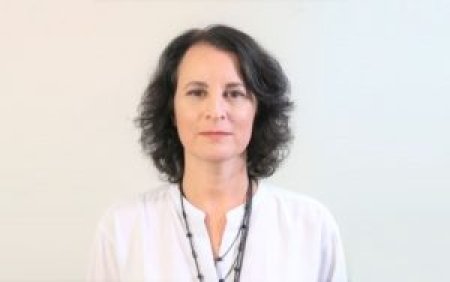
Einat Shacham Shmueli
الدكتورة عينات شاحام‑شموئيلي استشارية أورام طبية في عيادة الجهاز الهضمي، مركز السرطان، مركز شيبا الطبي. تعالج سرطانات القولون والمعدة والبنكرياس، وتدير حالات المرض النقيلي. تستخدم التشخيص الدقيق والواسمات الحيوية، والعلاجات الجهازية، والعلاج الإشعاعي. تُقدَّم الرعاية ضمن فريق متعدد التخصصات.
نشرت أكثر من 25 مقالة مُحكَّمة حول أورام الجهاز الهضمي وبيولوجيا الأورام والعلاجات الجديدة، ويشمل عملها دراسات عن وضع الدعامات لعلاج الانسداد الخبيث في القولون. تعمل باحثة في برامج دولية، منها المع

Oren Shebolet
رئيس وحدة الكبد في مركز سوراسكي الطبي وأحد كبار أخصائيي الكبد في إسرائيل لأكثر من 61 سنة.
- خبير في علاج جميع أمراض الكبد، بما في ذلك الحالات المعقدة
- تلقى تعليمه وتخصص في أمراض الجهاز الهضمي في الجامعة العبرية
- مؤلف لأكثر من 60 منشوراً علمياً حول أمراض الكبد
- عضو في الجمعيات الأمريكية والأوروبية الرائدة لأمراض الكبد

Erwin Santo
شارك الدكتور إروين سانتو في تأسيس الجمعية الأوروبية للتنظير الهضمي. وهو يرأس قسم أمراض الجهاز الهضمي في مركز سوراسكي الطبي (إيخيلوف).
- أكثر من 37 سنة في رئاسة قسم أمراض الجهاز الهضمي
- رائد في استخدام الموجات فوق الصوتية التداخلية في إسرائيل
- خبير في التنظير التشخيصي والعلاجي
- متخصص في أمراض البنكرياس وكذلك المعدة والكبد
- عضو في الجمعية الأمريكية لأمراض الجهاز الهضمي
مشاركة المحتوى
قصص فيديو من مرضى Bookimed
 Anna Leonova
أسئلة متكررة حول علاج المريء باريت في إسرائيل
ما هي خيارات العلاج طفيف التوغل المتاحة في إسرائيل لمرض مريء باريت؟
تعالج المراكز الطبية الإسرائيلية مريء باريت باستخدام علاجات الاستئصال والاستئصال بالمنظار للقضاء على الخلايا ما قبل السرطانية. يتم إجراء عمليات مثل الاستئصال بالترددات الراديوية (RFA) واستئصال الغشاء المخاطي بالمنظار (EMR) كعلاج خارجي. تنجح هذه التقنيات طفيفة التوغل في منع التطور إلى سرطان غدي مريئي دون الحاجة إلى جراحة كبرى.
- الاستئصال بالترددات الراديوية: يستخدم أطباء الجهاز الهضمي الطاقة الحرارية لتدمير أنسجة بطانة المريء غير الطبيعية.
- استئصال الغشاء المخاطي: يقوم المتخصصون بإزالة العقيدات أو الآفات السرطانية في مراحلها المبكرة جسديًا من خلال المناظير.
- العلاج المركب: غالبًا ما تجمع العيادات بين الاستئصال والكي لعلاج المناطق المسطحة المتبقية.
- إجراءات الارتجاع: تعمل عملية تثنية القاع بدون شق جراحي على تقوية صمام المريء لمنع تكرار الحالة.
رؤية خبير Bookimed: يستقبل مركز سوراسكي الطبي حجمًا هائلاً يبلغ 1,800,000 مريض سنويًا. يسمح هذا النطاق للمتخصصين مثل البروفيسور رافائيل بروك بالحفاظ على خبرة عميقة في أمراض المريء. يجب على المرضى إعطاء الأولوية للمراكز التي تضم أقسامًا للجهاز الهضمي ذات حجم كبير. عادةً ما تبلغ هذه المرافق عن نتائج أفضل للإجراءات التنظيرية المعقدة مثل EMR. يسلط معدل النجاح في علاج الأورام بنسبة 90% في سوراسكي الضوء على قيمة مراكز الوقاية من السرطان المتكاملة.
إجماع المرضى: يؤكد المرضى أن التعافي من الاستئصال ينطوي على انزعاج مؤقت في الصدر وألم عند البلع. يشير الكثيرون إلى أن النجاح على المدى الطوي
هل يمكن علاج الارتجاع المعدي المريئي (GERD) / ارتجاع الحمض الأساسي في إسرائيل؟
يتم علاج مرض الارتجاع المعدي المريئي (GERD) بفعالية في إسرائيل من خلال تدخلات تنظيرية وجراحية متقدمة. تركز المراكز المتخصصة على إصلاح العضلة العاصرة للمريء السفلية لاستعادة وظيفتها. توفر إجراءات مثل تثنية القاع بالمنظار ونظام LINX المغناطيسي حلولاً طويلة الأمد لارتجاع الحمض المزمن.
- التقنيات التنظيرية: إجراءات بدون شق جراحي مثل TIF و MUSE تعيد بناء الصمامات باستخدام توجيه بالموجات فوق الصوتية متخصص.
- التميز الجراحي: تعمل تثنية القاع طفيفة التوغل وغرسات LINX على تثبيت الحاجز العضلي للعضلة العاصرة للمريء.
- التشخيص الخبير: تستخدم المرافق المعتمدة من JCI مراقبة درجة الحموضة وقياس الضغط لتأكيد المرشحين للإصلاح.
- إدارة مريء باريت: تمنع العلاجات المستهدفة التطور الخلوي مع تقليل الحاجة إلى الأدوية مدى الحياة.
رؤية خبير Bookimed: توفر أقسام أمراض الجهاز الهضمي الإسرائيلية في مراكز مثل مركز سوراسكي الطبي ومركز هداسا الطبي خبرة استثنائية مع أساتذة يتمتعون بخبرة تزيد عن 30 عاماً. يتخصص البروفيسور زامير هالبرين في سوراسكي بشكل خاص في خوارزميات تشخيص الارتجاع المعدي المريئي. يضمن هذا المستوى العالي من التخصص أن تركز العلاجات على السبب التشريحي الجذري بدلاً من مجرد إدارة الأعراض.
إجماع المرضى: يشير المرضى إلى أنه على الرغم من أن الجراحة تقلل بشكل كبير من الحاجة إلى الأدوية، إلا أن النجاح غالباً ما يُعرف بأنه تحكم فعال في الارتجاع بدلاً من كونه علاجاً كاملاً. يؤكد الكثيرون على أهمية إجراء فحص تشخيصي كامل لمعالجة الآثار الجانبية المحتملة مثل
ما هي العيادات في إسرائيل الموصى بها بشدة لعلاج مريء باريت؟
يوصى بشدة بمركز سوراسكي الطبي (إيخيلوف)، ومركز هداسا الطبي، ومركز شيبا الطبي لعلاج مريء باريت في إسرائيل. تستخدم هذه المؤسسات المعتمدة من قبل اللجنة الدولية المشتركة (JCI) تقنيات متقدمة لاستئصال الغشاء المخاطي بالمنظار والاستئصال بالترددات الراديوية. يحصل المرضى على فرق متعددة التخصصات متخصصة في الوقاية المبكرة من السرطان وأمراض الجهاز الهضمي المعقدة.
- الأقسام المتخصصة: يضم مركز شيبا أكبر معهد لأمراض الجهاز الهضمي في إسرائيل للتنظير العلاجي.
- التشخيص المتقدم: تستخدم العيادات تنظير المعدة عالي الدقة والتصوير ضيق النطاق للكشف عن الطفرات.
- الخبراء المتخصصون: يتمتع البروفيسور نادير أربر في مركز سوراسكي بأكثر من 30 عاماً من الخبرة.
- الرعاية الشاملة: تجمع المراكز بين أمراض الجهاز الهضمي والأورام لإدارة خلل التنسج بفعالية.
رؤية خبير Bookimed: يعد مركز سوراسكي الطبي خياراً متميزاً لأن مركز الوقاية المتكامل من السرطان التابع له يرأسه البروفيسور نادير أربر، الذي لديه أكثر من 300 منشور علمي. بينما يقدم مركز هداسا أيضاً رعاية من الدرجة الأولى، يتعامل مركز سوراسكي مع حجم هائل يصل إلى 34,000 عملية سنوياً. غالباً ما تؤدي هذه الترددات العالية إلى مهارات تقنية أكثر دقة في إجراءات التنظير الدقيقة مثل استئصال الغشاء المخاطي.
إجماع المرضى: يؤكد المرضى على أهمية العثور على أطباء تنظير يقومون بإجراء عمليات الاستئصال بانتظام ويصرون على مراجعة ثانية لعلم الأمراض للخزعات. كما يلاحظون أن خطة المراقبة طويلة الأمد الواضحة أكثر قيمة من إجراء لمر
من هم كبار المتخصصين الذين يجرون تدخلات مريء باريت في إسرائيل؟
من بين كبار المتخصصين في مريء باريت في إسرائيل البروفيسور الدكتور نادير أربر، والبروفيسور رافائيل بروك، والبروفيسور زامير هالبرين في مركز سوراسكي الطبي. يستخدم هؤلاء الخبراء علاجات تنظيرية متقدمة مثل استئصال الترددات الراديوية واستئصال الغشاء المخاطي. يضمن نهجهم متعدد التخصصات تشخيصًا دقيقًا وإدارة فعالة للحالات السابقة للسرطان.
- عمق الخبرة: يقود البروفيسور الدكتور نادير أربر المركز المتكامل للوقاية من السرطان في سوراسكي.
- الخبرة السريرية: يعمل البروفيسور رافائيل بروك كرئيس لأمراض الجهاز الهضمي مع أكثر من 40 عامًا من الخبرة.
- التشخيص المتقدم: يتخصص البروفيسور زامير هالبرين في التنظير المتقدم لأمراض الجهاز الهضمي العلوي.
- التصنيفات الأكاديمية: غالبًا ما يتم تصنيف الأطباء في عيادات هداسا وسوراسكي ضمن أفضل المتخصصين في فوربس.
رؤية خبير Bookimed: تُظهر مراكز أمراض الجهاز الهضمي الإسرائيلية تركيزًا عاليًا للقيادات العليا. في مركز سوراسكي الطبي وحده، يدعم 2200 طبيب أكثر من 34000 عملية سنوية. وهذا يسمح للمرضى بالوصول إلى متخصصين يوازنون بين الممارسة السريرية والبحث العلمي. على سبيل المثال، كان الدكتور إروين سانتو أول من استخدم الموجات فوق الصوتية التداخلية في إسرائيل. يضمن اختيار هذه المراكز الأكاديمية الوصول إلى وحدات تنظير تداخلية متخصصة غير متوفرة في العيادات الصغيرة.
إجماع المرضى: يشير المرضى إلى أن الفرق المنسقة حيوية لإدارة مريء باريت بفعالية. ويؤكدون على اختيار المراكز التي تقدم تنظيرًا عالي الدقة إلى جانب مراجعات عل
كم من الوقت يجب أن أخطط للبقاء في إسرائيل لعلاج مريء باريت طفيف التوغل؟
يجب على المرضى التخطيط للبقاء في إسرائيل لمدة 5 إلى 7 أيام لعلاج مريء باريت طفيف التوغل. الإجراءات مثل استئصال الترددات الراديوية هي إجراءات خارجية. ومع ذلك، فإن نافذة مدتها أسبوع واحد تسمح بالتحضير التشخيصي الأولي، والإجراء، والمراقبة بعد العملية الجراحية قبل العودة إلى الوطن.
- مدة الإجراء: تستغرق جلسات التنظير عادةً من 30 إلى 60 دقيقة تحت التخدير.
- الإقامة في المستشفى: يتم خروج معظم المرضى بعد ساعة إلى 3 ساعات من التدخل.
- فترة التعافي: تستمر المراقبة الحرجة لألم الصدر أو مشاكل البلع لمدة 3 إلى 4 أيام.
- توقيت المتابعة: يتم إجراء استشارة نهائية بعد 5 إلى 7 أيام من الإجراء للسماح بالسفر.
رؤية خبير Bookimed: بينما يركز المرضى غالبًا على يوم الإجراء، تشير تجربة متخصصين مثل الدكتور رافائيل بروك في مركز سوراسكي الطبي إلى أن مرحلة التحضير حيوية بنفس القدر. تجري المراكز الإسرائيلية أكثر من 34,000 عملية جراحية سنويًا. يعني هذا الحجم الكبير أن العيادات قد طورت لوجستياتها للمرضى الدوليين. يجب عليك التحقق مما إذا كانت حالتك تتطلب جلسة واحدة أو سلسلة من الجلسات. هذا التمييز يغير بشكل كبير تخطيط سفرك على المدى الطويل.
إجماع المرضى: يشير المرضى إلى أن البقاء بالقرب من العيادة أمر حيوي بسبب حساسية البلع المؤقتة. وأكدوا أن سهولة الوصول إلى الأطعمة اللينة والوجبات السائلة في مكان قريب جعلت التعافي أكثر سلاسة.
لماذا تُعد إسرائيل واحدة من الوجهات الرائدة في جراحة الأعصاب؟
تُعدّ إسرائيل مركزًا رائدًا في جراحة الأعصاب بفضل مزيجها من التطورات الطبية عالية التقنية والخبرات الجراحية المتميزة. وتستخدم مرافق متطورة مثل مركز شيبا الطبي أنظمة ملاحة تعتمد على الذكاء الاصطناعي والتصوير بالرنين المغناطيسي أثناء الجراحة في الوقت الفعلي. وتشير المراكز المتخصصة إلى نسبة نجاح تصل إلى 98% في العمليات الجراحية المعقدة، بما في ذلك جراحة الدماغ مع اليقظة وعلاج اضطرابات الحركة.
- التكنولوجيا المتقدمة: تستخدم العيادات الموجات فوق الصوتية المركزة الموجهة بالرنين المغناطيسي (MRgFUS) والأنظمة الروبوتية لإجراء الشقوق.
- الخبرة الجراحية: يقود جراحون مثل الدكتور تسفي رام جمعيات دولية بخبرة تزيد عن 25 عامًا.
- الوصول السريع: يمكن للمرضى الدوليين عادةً تحديد مواعيد لإجراء عمليات جراحية معقدة في الدماغ أو العمود الفقري في غضون 2-4 أسابيع.
- الرعاية الطبية المعتمدة: المراكز الكبيرة مثل سوراسكي (إيشيلوف) وأسوتا معتمدة من قبل اللجنة الدولية المشتركة، مما يؤكد سلامتها.
رأي خبراء بوكيمد: تُظهر البيانات فرقًا واضحًا بين خيارات العلاج في القطاعين العام والخاص في إسرائيل. تُجري المراكز الخاصة، مثل مركز أسوتا الطبي، أكثر من 92,000 عملية جراحية سنويًا، وتتيح للمرضى اختيار جراح را
ما هي أنواع الأمراض العصبية التي يتم علاجها في إسرائيل؟
يعالج جراحو الأعصاب الإسرائيليون طيفاً واسعاً من الحالات، بدءاً من أورام الدماغ والحبل الشوكي وصولاً إلى الاضطرابات الوظيفية المعقدة. وتستخدم المراكز المتخصصة أحدث التقنيات، مثل جهاز جاما نايف، والتحفيز العميق للدماغ، والتصوير بالرنين المغناطيسي أثناء الجراحة، لتشخيص دقيق للغاية لحالات الصرع، ومرض باركنسون، وأمراض الأوعية الدموية الدماغية.
- الأمراض السرطانية: علاج الأورام الدبقية والأورام السحائية وأورام الغدة النخامية باستخدام استئصال قاعدة الجمجمة.
- الاضطرابات الوظيفية: علاج مرض باركنسون والرعاش الأساسي باستخدام التحفيز العميق للدماغ.
- أمراض العمود الفقري: تصحيح الجنف، وانزلاق الغضروف، وأورام العمود الفقري باستخدام الأنظمة الروبوتية.
- علاج أمراض الأوعية الدموية الدماغية: العلاج الجراحي لتمدد الأوعية الدموية الدماغية والتشوهات الشريانية الوريدية باستخدام التدخلات داخل الأوعية الدموية.
- جراحة الأعصاب للأطفال: رعاية متخصصة لاستسقاء الرأس والتشوهات الخلقية في مراكز طب الأطفال المتخصصة.
رأي خبراء بوكيمد: غالبًا ما تجمع المستشفيات الإسرائيلية بين تخصصات طبية متعددة لمعالجة الحالات المعقدة. ففي مركز سوراسكي ا
ما هي المستشفيات في إسرائيل التي تشتهر بأقسام جراحة الأعصاب فيها؟
تضم إسرائيل مراكز جراحة أعصاب عالمية المستوى، مثل مركز سوراسكي الطبي، ومركز شيبا الطبي، ومركز هداسا الطبي. وتُعدّ هذه المؤسسات رائدة عالميًا في علاج أورام الدماغ المعقدة، وأمراض العمود الفقري، واضطرابات الحركة. وتستخدم أحدث التقنيات، مثل جهاز جاما نايف، والأنظمة الروبوتية، والتصوير بالرنين المغناطيسي أثناء الجراحة.
- سوراسكي (إيخيلوف): يجري أكثر من 2500 عملية جراحية عصبية سنوياً في تل أبيب بنسبة نجاح تبلغ 98%.
- مركز شيبا الطبي: مصنف ضمن أفضل عشرة مستشفيات في العالم، حيث يعالج 1.9 مليون مريض سنوياً.
- مركز هداسا الطبي: مرشح لجائزة نوبل للسلام. رائد في جراحة الأعصاب للأطفال والعلاج الجيني.
- مركز أسوتا الطبي: أكبر منشأة طبية خاصة في إسرائيل. متخصص في جراحات العمود الفقري والدماغ طفيفة التوغل.
- مستشفى شنايدر للأطفال: مركز رائد في جراحة الأعصاب للأطفال، يعالج 275000 طفل سنوياً.
رأي خبراء بوكيمد: تُظهر بياناتنا أنه بينما يلجأ معظم المرضى للعلاج في تل أبيب، يُقدّم مركز رامبام الطبي في حيفا رعايةً فريدةً لإصابات الدماغ. فهو يضم وحدةً متخصصةً للعناية المركزة العصبية تُعالج ما يقارب مليون مريض سنويًا. وهذا ما يجعله
من هم أبرز جراحي الأعصاب في إسرائيل؟
من بين أبرز جراحي الأعصاب الإسرائيليين البروفيسور تسفي رام، والبروفيسور شلومي كونستانتيني، والبروفيسور إسحاق فريد من مركز سوراسكي الطبي. ويشغل هؤلاء المتخصصون مناصب قيادية في الجمعية الأوروبية لجمعيات جراحة الأعصاب (EANS) والجمعية العالمية لجراحة الأعصاب التجسيمية والوظيفية (WSSFN). ويستخدمون تقنيات رسم الخرائط المتقدمة أثناء الجراحة وأنظمة الروبوتات.
- البروفيسور تسفي رام: خبير في جراحة أورام الدماغ طفيفة التوغل والعلاج الجيني للسرطان.
- الأستاذ شلومي كونستانتيني: متخصص في إجراءات التنظير العصبي المعقدة للأطفال والجراحة المجهرية لأورام الدماغ.
- الأستاذ إسحاق فريد: خبير في جراحة الصرع، ورسم خرائط الدماغ الوظيفية، وتحفيز الدماغ العميق.
- الدكتور إيلي أشكينازي: جراح عظام رائد في مستشفى أسوتا، متخصص في نظام TOPS المبتكر.
رأي خبراء بوكيمد: تشير بيانات مركز سوراسكي وشيبا إلى وجود علاقة وثيقة بين ارتفاع عدد العمليات الجراحية وسلامة المرضى. فعلى سبيل المثال، يُجري مركز سوراسكي أكثر من 34,000 عملية جراحية لعلاج الأورام سنويًا بنسبة نجاح تصل إلى 90%. لذا، ينبغي على المرضى الذين يحتاجون إلى استئصال أورام معقدة إعطاء الأولوية لمراكز كهذه، حيث يُجري الجراحون مئات العمليات الجراحية ا
ما هي متطلبات المرضى الدوليين القادمين الذين يسعون للحصول على رعاية جراحية عصبية؟
يجب على المرضى الأجانب الذين يحتاجون إلى علاج جراحي للأعصاب في إسرائيل تقديم وثائق طبية كاملة، بما في ذلك نتائج التصوير بالرنين المغناطيسي أو التصوير المقطعي المحوسب الحديثة، مترجمة إلى اللغة الإنجليزية. يتطلب دخول المستشفى فحصًا سريريًا من قبل أخصائيين للتأكد من ملاءمة المريض للعلاج. غالبًا ما تطلب المستشفيات دفعًا مسبقًا كاملًا أو دفعة مقدمة كبيرة قبل تأكيد مواعيد الجراحة أو إصدار وثائق التأشيرة.
- السجلات الطبية: تقديم تقارير مفصلة ونتائج التصوير مترجمة إلى اللغة الإنجليزية في غضون 48 ساعة للمراجعة السريرية.
- إثبات القدرة المالية: يرجى تقديم إثبات توفر الأموال بمبلغ تقريبي يتراوح بين _price_from_ و _price_to_ لتغطية تكاليف العلاج.
- دعم التأشيرة: تقوم عيادات مثل مركز سوراسكي الطبي (إيخيلوف) بإصدار خطابات رسمية للحصول على تأشيرة طبية من نوع B-2.
- مرحلة الاستشارة: غالبًا ما يتم إجراء التقييم الأولي عبر استشارة عبر الإنترنت مع جراحين مثل الدكتور شتراوس إيدو.
رأي خبراء بوكيمد: تُظهر البيانات أن المؤسسات الطبية الإسرائيلية الرائدة، مثل مركز شيبا الطبي ومركز هداسا الطبي، تستقبل عددًا هائلًا من المرضى، يتجاوز مليون مريض سنويًا. هذا الطلب المرتفع يعني أن العيادات تُعطي الأول