طب الأوردة في الهند — التكاليف 2026


تمت مراجعة المقالة طبيا من قبل
فهد مولود
ما هي تكلفة طب الأوردة في الهند؟ اكتشف الآن
Phlebology treatment in India typically costs from $3,300 to $10,500. Total expenses depend on the technique used, the severity of venous insufficiency, and the specific hospital choice. Patients traveling from the United States can expect 70-85% savings on vein-related procedures compared to domestic prices.
Typical Phlebology Costs in India
- Consultation with creation of treatment plan: من $60
- Radiofrequency ablation: من $3,000
- Varicose veins removal: $1,100 – $2,300
- Sclerotherapy of varicose veins: من $300
- Laser treatment for varicose veins: من $600
- EVLA (endovenous laser ablation): $1,300 – $2,200
- Varicose vein stripping: السعر عند الطلب
- AVM Embolization: السعر عند الطلب
- Aortic stent grafting: $9,500 – $15,500
- Angioplasty: السعر عند الطلب
Major medical hubs for vascular care include Delhi, Mumbai, Bangalore, and Chennai. Prices may vary between cities, with metropolitan areas often hosting the most advanced specialized clinics. Consult with a vascular specialist to get accurate pricing for your specific condition.
| الهند | تركيا | إسبانيا | |
|---|---|---|---|
| علاج الدوالي بالليزر | من $600 | من $2,800 | من $3,900 |
| علاج الدوالي بالتصليب | من $300 | من $810 | من $900 |
| جراحة الالتفافية المأبضية الفكية | ≈ $4,200 | من $5,000 | ≈ $10,000 |
| الترددات اللاسلكية | من $3,000 | من $5,200 | من $22,400 |
| الأبهر الدعامة التطعيم | ≈ $9,500 | من $24,800 | ≈ $25,000 |
جميع أمراض طب الأوردة
مزاياك وضماناتك مع Bookimed
أسعار مباشرة
Bookimed لا يضيف رسوماً إضافية على أسعار علاج طب الأوردة. الأسعار مأخوذة من قوائم الأسعار الرسمية للعيادات. تدفع مباشرة في العيادة مقابل علاجك عند وصولك إلى البلد.
عيادات وأطباء معتمدون فقط
Bookimed ملتزم بسلامتك. نحن نعمل فقط مع المؤسسات الطبية التي تحافظ على معايير دولية عالية في علاج طب الأوردة ولديها التراخيص اللازمة لخدمة المرضى الدوليين في جميع أنحاء العالم.
مساعدة مجانية على مدار الساعة
Bookimed يقدم مساعدة خبراء مجانية. منسق طبي شخصي يدعمك قبل وأثناء وبعد العلاج، ويحل أي مشاكل. لن تكون وحيداً أبداً في رحلة علاج طب الأوردة.

منسقك الطبي الشخصي في Bookimed
- يدعمك في كل مرحلة
- المساعدة في اختيار العيادة الطبية المناسبة والطبيب المناسب
- يضمن الوصول السريع والمريح إلى المعلومات
اكتشف أفضل عيادات طب الأوردة: 55 خيارات معتمدة والأسعار



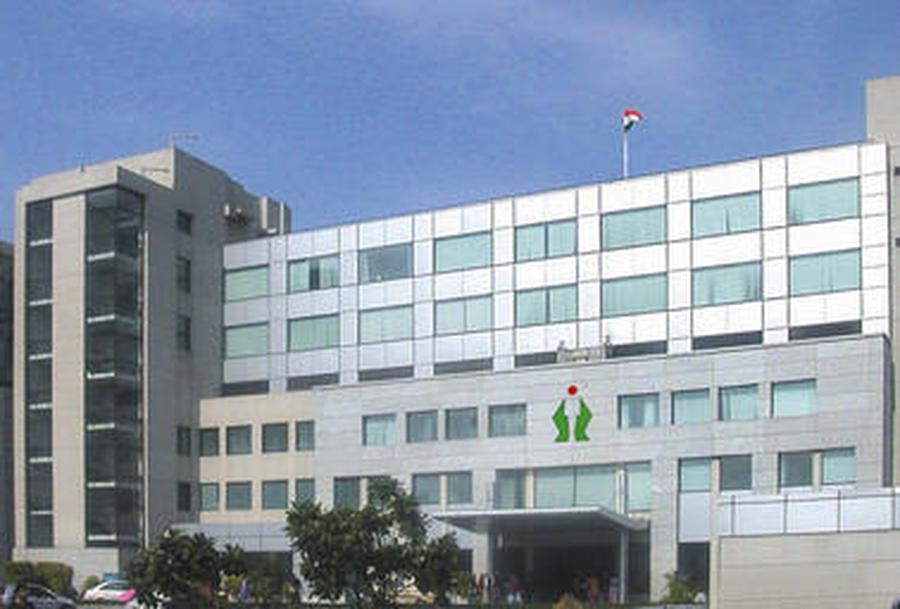




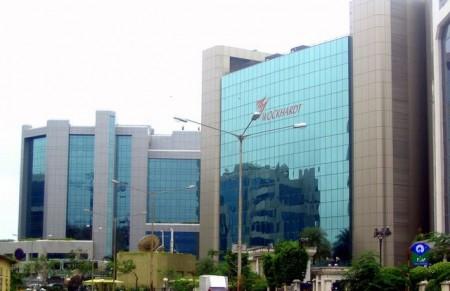
Wockhardt Hospital




أفضل مراكز طب الأوردة في الهند
- Artemis Hospitals, الهند
- Fortis Escorts Heart Institute, الهند
- Apollo Hospital Indraprastha, الهند
- Fortis Gurgaon, الهند
- Medanta Hospital, الهند
- Wockhardt Hospital, الهند
- Manipal Hospitals, الهند
- Global Hospital Chennai, الهند
- BLK Super Speciality Hospital, الهند
- Global Hospital Mumbai, الهند
احصل على تقييم طبي لـ طب الأوردة في الهند. استشر الآن 7 أطباء ذوي الخبرة.
عرض جميع الأطباء
Rahul Sharma
Ashwini Ajgaonkar
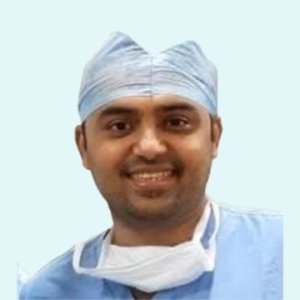
Simit Vora
Virendra Yadav
مواد ذات صلة

ما هي تكلفة علاج ورم وعائي؟
كتب بواسطة Veronika Kazina
مشاركة المحتوى
قصص فيديو من مرضى Bookimed
 Anna Leonova
أسئلة متكررة حول طب الأوردة في الهند
كم تستغرق فترة التعافي بعد إجراء في طب الأوردة؟
عادة ما يكون التعافي بعد إجراءات طب الأوردة في الهند سريعاً. يستأنف معظم المرضى المشي فوراً بعد العلاج. تسمح التقنيات طفيفة التوغل مثل استئصال الوريد بالليزر بالعودة إلى الأنشطة اليومية في غضون 24 ساعة. يحدث الشفاء الكامل لمواقع الشق عادةً في غضون 1 إلى 4 أسابيع.
- الأنشطة اليومية: يعود المرضى عادةً إلى العمل الخفيف في غضون 1 إلى 3 أيام.
- التمارين البدنية: يتطلب رفع الأثقال أو التمارين عالية التأثير الانتظار من 5 إلى 7 أيام.
- العلاج بالضغط: ارتداء الجوارب الطبية الضاغطة إلزامي لمدة 2 إلى 3 أسابيع.
- زوال الأعراض: تتلاشى الكدمات والتورم عادةً تماماً في غضون 2 إلى 4 أسابيع.
رؤية خبير Bookimed: تُظهر البيانات الواردة من مرافق رائدة مثل مستشفيات مانيبال ومستشفى أبولو إندرابراستا وجود علاقة بين حجم المرضى وسرعة التعافي. غالباً ما تستخدم العيادات التي تتعامل مع أكثر من 1,000,000 مريض سنوياً بروتوكولات ما بعد الجراحة الموحدة التي تعطي الأولوية للتحريك الفوري. يساعد هذا النهج ذو الحجم الكبير في تقليل خطر الإصابة بتجلط الأوردة العميقة ويسرع من تقليل التورم بعد الإجراء.
إجماع المرضى: يشير المرضى إلى أنه على الرغم من أن الساقين قد تشعران بالثقل لمدة 10 أيام تقريباً، فإن المشي فوراً بعد الإجراء أمر حيوي. يقترح الكثيرون أخذ بضعة أيام راحة من الأنشطة عالية التأثير واتباع إرشادات الضغط بعناية لتقليل الكدمات.
ما هو معدل النجاح وخطر التكرار لإجراءات طب الأوردة في الهند؟
تحقق إجراءات طب الأوردة في الهند معدلات نجاح تتراوح بين 90% و99% للاستئصال الحراري الحديث. تظهر الجراحة التقليدية معدلات تكرار أعلى. تشير التقنيات طفيفة التوغل مثل استئصال الوريد بالليزر (EVLA) إلى خطر تكرار بنسبة 5% إلى 13.5% خلال عام واحد. يضمن المتخصصون في المراكز المعتمدة من JCI عادةً انسدادًا وريديًا أفضل على المدى الطويل.
- معدلات النجاح: يحقق استئصال الوريد بالليزر (EVLA) والاستئصال بالترددات الراديوية (RFA) انسدادًا للوريد المستهدف بنسبة 92% إلى 99%.
- خطر التكرار: تظهر الإجراءات طفيفة التوغل تكرارًا بنسبة 5% إلى 15% في العامين الأولين.
- النتائج طويلة المدى: تحمل عملية نزع الوريد التقليدية خطر تكرار يصل إلى 60% على مدى 5 سنوات.
- تأثير المتخصص: يقلل متخصصو الأوعية الدموية معدلات التكرار إلى 36.5% مقارنة بـ 63.5% لغير المتخصصين.
رؤية خبير Bookimed: تظهر البيانات من شبكات كبرى مثل مستشفى أبولو إندرابراستا ومستشفيات مانيبال اتجاهًا معينًا. غالبًا ما تقوم المراكز ذات الحجم الكبير التي تجري أكثر من 15,000 عملية سنويًا بدمج فحوصات الدوبلكس للمتابعة. هذه الفحوصات حيوية لأن المرضى الهنود غالبًا ما يواجهون تكرارًا أعلى بسبب المهن التي تتطلب الوقوف لفترات طويلة. اختيار المرافق المعتمدة من NABH يضمن اتباع بروتوكولات التشخيص هذه بصرامة.
إجماع المرضى: يلاحظ المرضى أن النجاح يبدو مطلقًا عند 3 أشهر، لكن إهمال ارتداء جوارب الضغط في حرارة الهند يؤدي إلى تكرار مبكر. أكد أحد المرضى أن اختيار متخصص في الأوعية الدموية بدلاً من عيادة
هل يغطي التأمين الصحي في الهند علاجات طب الأوردة للمرضى الدوليين؟
يغطي التأمين الصحي طب الأوردة في الهند إذا كان الإجراء ضرورياً طبياً. يستخدم معظم المرضى الدوليين خطط صحية عالمية مثل Cigna أو Allianz. غالباً ما تسمح هذه الخطط بالعلاج بدون دفع نقدي في المراكز المعتمدة من قبل JCI مثل مستشفى أبولو إندرابراستا. تتطلب السياسات الهندية المحلية عادةً إثبات إقامة محلية لمدة ستة أشهر.
- الضرورة الطبية: تطلب شركات التأمين تقرير تصوير بالموجات فوق الصوتية (Duplex Ultrasound) يؤكد وجود قصور وريدي مزمن.
- الإجراءات المغطاة: تشمل الخطط عادةً EVLT وRFA وVenaSeal للمرضى الذين يعانون من أعراض.
- الاستثناءات التجميلية: عادة ما يتم استبعاد علاجات الأوردة العنكبوتية البسيطة من التغطية الطبية.
- اعتمادات العيادات: تمتلك المرافق الكبرى مثل مستشفيات Artemis ومستشفيات Manipal اعتمادات NABH وJCI.
رؤية خبير Bookimed: المستشفيات الهندية ذات حجم المرضى الكبير، مثل مستشفيات Manipal التي تخدم 2,000,000 مريض سنوياً، غالباً ما تمتلك أقسام فواتير دولية أكثر كفاءة. من المرجح أن يكون لدى هذه المؤسسات الكبيرة اتفاقيات دفع مباشر مع شركات التأمين العالمية. تساعد هذه البنية التحتية المرضى على تجنب الدفعات المقدمة الكبيرة وتبسط عملية استرداد التكاليف لعلاجات الأوعية الدموية المعقدة.
إجماع المرضى: يشير المرضى إلى أنه من الضروري الحصول على خطاب من الجراح يتضمن رموز ICD محددة لإثبات أن العلاج ليس تجميلياً. يوصي الكثيرون بتخصيص ميزانية إضافية بنسبة 20% إلى 30% لأن معالجة استرداد التأمين قد تستغرق عدة أسابيع.
ما هي علاجات طب الأوردة الأكثر شيوعاً المتاحة في الهند؟
تشمل علاجات طب الأوردة الشائعة في الهند علاج الليزر الوريدي (EVLT) واستئصال الترددات الراديوية (RFA) للأوردة الأكبر حجماً. يظل العلاج بالتصليب هو الخيار الأساسي لعروق العنكبوت. تتوفر هذه الإجراءات طفيفة التوغل على نطاق واسع في المراكز المعتمدة من اللجنة الدولية المشتركة (JCI) مثل مستشفى أبولو إندرابراستا ومستشفيات أرتميس.
- استئصال الليزر: يستخدم EVLT طاقة الليزر لإغلاق الأوردة المريضة تحت التخدير الموضعي.
- استئصال الترددات الراديوية: تستخدم RFA الطاقة الحرارية لإغلاق الوريد مع تعافي سريع للمريض.
- العلاج بالتصليب: يقوم الأطباء بحقن محاليل كيميائية لإغلاق عروق العنكبوت والدوالي الصغيرة.
- VenaSeal: تستخدم هذه التقنية الحديثة مادة لاصقة طبية لإغلاق الأوردة بدون حرارة.
رؤية خبير Bookimed: تظهر البيانات من المراكز الهندية الرئيسية مثل دلهي وبنغالورو تسلسلاً هرمياً واضحاً. في حين تقدم Medanta وFortis استئصالاً حرارياً عالي التقنية، غالباً ما يجد المرضى العلاج بالتصليب أكثر سهولة في الوصول إليه في مدن المستوى الثاني. اختيار مركز ذو حجم كبير مثل مستشفى جلوبال تشيناي، الذي يخدم أكثر من 80,000 مريض سنوياً، يضمن غالباً وصولاً أفضل إلى التقنيات الموجهة بالموجات فوق الصوتية.
إجماع المرضى: يشير المرضى إلى أن العلاج بالتصليب هو نقطة البداية الأكثر تكلفة. يؤكد الكثيرون أن الإصرار على التوجيه بالموجات فوق الصوتية أمر حيوي للسلامة ولضمان انغلاق الوريد تماماً.
كيف يجب على السياح الطبيين اختيار أخصائي أمراض الأوردة المؤهل في الهند؟
لاختيار أخصائي أمراض أوردة مؤهل في الهند، أعط الأولوية لجراحي الأوعية الدموية المعتمدين في المستشفيات الحاصلة على اعتماد JCI وNABH. ابحث عن خبراء حاصلين على درجات MBBS وMCh (جراحة الأوعية الدموية). تأكد من أن المنشأة تقدم تقنيات طفيفة التوغل مثل علاج الليزر داخل الوريد أو الاستئصال بالترددات الراديوية للحصول على أفضل النتائج.
- اعتمادات المستشفيات: اختر المرافق الحاصلة على شهادات اللجنة الدولية المشتركة (JCI) وNABH لضمان السلامة.
- مؤهلات الأخصائي: أعط الأولوية للجراحين الحاصلين على MCh (جراحة الأوعية الدموية) أو زمالات دولية في أمراض الأوردة.
- الخبرة المحددة: تأكد من أن الجراح قد أجرى أكثر من 1000 إجراء وريدي لضمان الخبرة.
- الوصول إلى التكنولوجيا: تأكد من أن العيادة تستخدم الموجات فوق الصوتية المزدوجة والأنظمة المساعدة بالروبوت للتشخيص.
رؤية خبير Bookimed: تشير البيانات إلى أن أكبر الشبكات في الهند، مثل مستشفى أبولو إندرابراستا ومستشفيات مانيبال، توفر أعلى درجات الأمان السريري. تخدم هذه المؤسسات أكثر من 1,000,000 مريض سنوياً وتحتفظ بأقسام دولية مخصصة. غالباً ما يوفر اختيار هذه المراكز ذات الحجم الكبير وصولاً أفضل إلى فرق متعددة التخصصات في حال ظهور مشاكل وريدية معقدة.
إجماع المرضى: يشير المرضى إلى أنه من المهم التحقق من خبرة الجراح في السجلات الطبية الرسمية. يقترح الكثيرون جدولة مكالمة فيديو أولاً للتأكد من أن الطبيب يشرح بوضوح الرعاية اللاحقة ومتطلبات الجوارب الضاغطة.
ما هي أكثر العلاجات طفيفة التوغل شيوعاً للدوالي المتوفرة في الهند؟
تشمل العلاجات طفيفة التوغل الشائعة للدوالي في الهند العلاج بالليزر الوريدي (EVLT)، والاستئصال بالترددات الراديوية (RFA)، وVenaSeal. لا تتطلب هذه الإجراءات الخارجية أي شقوق كبيرة أو تخدير عام. يتعافى معظم المرضى في غضون ساعات ويعودون إلى منازلهم في نفس اليوم. تستخدم أفضل المستشفيات في الهند التوجيه بالموجات فوق الصوتية لإغلاق الأوردة بدقة.
- العلاج بالليزر: تعمل الحرارة الناتجة عن ألياف ليزر دقيقة على إغلاق الأوردة التالفة تحت توجيه الموجات فوق الصوتية.
- الاستئصال بالترددات الراديوية: تعمل طاقة الترددات الراديوية على إغلاق جدران الأوردة، مما يسبب انزعاجاً أقل بكثير بعد الإجراء.
- العلاج بالتصليب: يقوم الأطباء بحقن رغوة كيميائية لإغلاق الأوردة الصغيرة أو الأوردة العنكبوتية بفعالية.
- غراء VenaSeal: مادة لاصقة طبية تغلق الأوردة المصابة دون الحاجة إلى جوارب ضاغطة بعد العلاج.
- استئصال الوريد المتنقل: يقوم الجراحون بإزالة الأوردة السطحية البارزة من خلال ثقوب صغيرة بدون غرز تحت تخدير موضعي.
رؤية خبير Bookimed: غالباً ما ترتبط مؤشرات الجودة في طب الأوردة في الهند بحجم المستشفى واعتماده. تخدم مرافق مثل مستشفيات مانيبال ومستشفى أبولو إندرابراستا أكثر من 1,000,000 مريض سنوياً. عادة ما تضم هذه المراكز ذات الحجم الكبير أقساماً متخصصة في الأوعية الدموية. غالباً ما توفر الشبكات الكبيرة باقات أكثر شمولاً تتضمن متابعات ما بعد الجراحة الأساسية.
إجماع المرضى: يشير المرضى إلى أن التعافي سهل وسريع بشكل عام. يؤكد الك
هل تغطي شركات التأمين في الهند علاجات الدوالي؟
عادةً ما يغطي التأمين الصحي الهندي علاجات الدوالي عندما تكون ضرورية طبيًا وليست تجميلية. تتطلب التغطية أعراضًا موثقة مثل الألم الشديد أو القرحة أو التورم. عادةً ما يكون الإثبات التشخيصي للارتجاع الوريدي من خلال تصوير الدوبلر بالموجات فوق الصوتية إلزاميًا للحصول على الموافقة من قبل معظم مقدمي الخدمات الرئيسيين.
- الضرورة الطبية: تتطلب شركات التأمين أعراضًا جسدية مثل ثقل الساقين أو التشنجات أو تغيرات الجلد.
- النتائج التشخيصية: يجب أن تؤكد تقارير الدوبلر بالموجات فوق الصوتية وجود قصور وريدي مزمن للموافقة على المطالبة.
- الإجراءات المغطاة: تشمل السياسات عادةً الاستئصال بالليزر (EVLT)، والاستئصال بالترددات الراديوية (RFA)، والجراحة التقليدية.
- فترات الانتظار: تتطلب معظم الخطط الهندية القياسية فترة انتظار مدتها سنتان لإجراءات الأوردة الاختيارية.
رؤية خبير Bookimed: تتعامل عيادات مثل مستشفى أبولو إندرابراستا ومستشفيات مانيبال مع أعداد كبيرة من المرضى وتحتفظ بمكاتب تأمين مخصصة. غالبًا ما تكون هذه الشبكات الكبيرة معتمدة رسميًا لدى شركات التأمين الكبرى، مما يبسط عملية الموافقة المسبقة لعلاجات الليزر المتقدمة. عادةً ما يضمن اختيار منشأة معتمدة من اللجنة الدولية المشتركة (JCI) في دلهي أو بنغالورو توثيقًا أكثر موثوقية لمطالبات الضرورة الطبية.
إجماع المرضى: يشير المرضى إلى أن الحصول على خطاب مفصل من الجراح وتقرير الموجات فوق الصوتية مسبقًا أمر حيوي لتجنب رفض المطالبات. يؤكد الكثيرون أنه على الرغم من أن علاجات الليزر عادة ما يتم تغطي
ما هي المؤهلات التي يجب أن أبحث عنها في أخصائي الأوردة في الهند؟
يجب أن يحمل أخصائيو الأوردة المؤهلون في الهند درجات تخصص دقيق مثل ماجستير الجراحة (M.Ch) في جراحة الأوعية الدموية أو دكتوراه الطب (DM) في الأشعة التداخلية. تتبع هذه البرامج التي تستغرق 3 سنوات تدريبًا جراحيًا أو إشعاعيًا أوليًا. تحقق من التسجيل لدى اللجنة الطبية الوطنية (NMC) لضمان الخبرة السريرية الرسمية.
- الدرجات الأكاديمية: ابحث عن M.Ch أو DNB في جراحة الأوعية الدموية الطرفية.
- مسارات الأشعة: ابحث عن DM أو DNB في الأشعة التداخلية.
- عضوية المجلس: تأكد من العضوية الكاملة في جمعية الأوعية الدموية في الهند (VSI).
- المهارات التقنية: تأكد من الكفاءة في استئصال الوريد بالليزر (EVLA) وتصلب الأوردة.
رؤية خبير Bookimed: الحجم السريري هو أقوى مؤشر على الجودة بين كبار مقدمي الخدمات في الهند. تخدم مستشفيات مانيبال 2,000,000 مريض سنويًا. تستخدم الشبكات الكبيرة مثل مستشفيات أبولو أحجام المرضى الكبيرة لتحسين البروتوكولات طفيفة التوغل. غالبًا ما تؤدي هذه الخبرة إلى نتائج أكثر قابلية للتنبؤ مقارنة بالمراكز الأصغر غير المعتمدة.
إجماع المرضى: يحذر المرضى من أن مصطلح أخصائي الأوردة (phlebologist) غير منظم في الهند. ويقترحون التحقق من الجراحين الذين يجرون فحوصات دوبلر شخصيًا بدلاً من الاعتماد على فنيين خارجيين. يوصي الكثيرون باختيار المستشفيات المعتمدة من JCI مثل Artemis أو BLK لضمان دعم الطوارئ الموحد أثناء إجراءات الأوعية الدموية.
ما هو وقت التعافي النموذجي ومعدل النجاح المتوقع بعد إجراءات الدوالي؟
توفر إجراءات الدوالي في الهند معدلات نجاح تتراوح بين 90% و99% اعتماداً على التقنية المستخدمة. يعود معظم المرضى إلى الأنشطة الخفيفة في غضون 24 إلى 48 ساعة. يحدث التعافي الكامل عادةً في غضون 6 إلى 8 أسابيع حيث يتم امتصاص الأوردة المعالجة بالكامل من قبل الجسم.
- معدلات النجاح: يحقق استئصال الترددات الراديوية (RFA) نجاحاً تشريحياً بنسبة 99% في إغلاق الأوردة المسببة للمشاكل.
- التعافي الأولي: يمشي المرضى فوراً بعد الإجراء لتعزيز الدورة الدموية الصحية.
- النشاط البدني: يعود الموظفون المكتبيون عادةً إلى العمل في غضون يوم إلى يومين.
- الشفاء طويل الأمد: تتلاشى الكدمات في غضون 4 أسابيع بينما تظهر النتائج التجميلية النهائية بعد شهرين.
رؤية خبراء Bookimed: يعمل حجم المرضى كمؤشر جودة موثوق به في الهند. تخدم مستشفيات مانيبال ومستشفى أبولو إندرابراستا أكثر من 1,000,000 مريض سنوياً لكل منهما. غالباً ما توفر هذه المراكز ذات الحجم الكبير وصولاً أفضل إلى استئصال الليزر الوريدي (EVLA) وتقنيات الترددات الراديوية. ترتبط أحجام الحالات المرتفعة عادةً ببروتوكولات أكثر دقة للمراقبة بعد الجراحة باستخدام الموجات فوق الصوتية دوبلر.
إجماع المرضى: يؤكد المرضى أن ارتداء جوارب الضغط بانتظام لمدة تصل إلى 6 أسابيع يحسن نتائجهم بشكل كبير. في حين يشعر معظمهم بتحسن في غضون شهر، يشير الكثيرون إلى أنه يجب تجنب رفع الأثقال أو الوقوف لفترات طويلة لمدة 4 أسابيع على الأقل لمنع الانزعاج.
ما هي المدن أو المناطق في الهند الأكثر شهرة برعاية طب الأوردة (فليبولوجي) عالية الجودة؟
تعد جورجاون، وتشيناي، ودلهي، ومومباي، وبنغالورو المراكز الرئيسية في الهند لرعاية طب الأوردة عالية الجودة. تستضيف هذه المدن مستشفيات معتمدة من اللجنة الدولية المشتركة (JCI) متخصصة في علاجات الأوعية الدموية المتقدمة. يحصل المرضى على خيارات طفيفة التوغل مثل استئصال الترددات الراديوية (RFA) و VenaSeal في هذه المراكز. غالبًا ما يجمع الخبراء بين الدقة التقنية والتصوير التشخيصي الشامل.
- جورجاون: موطن لمستشفيات ميدانتا وأرتيميس مع مرافق أبحاث الأوعية الدموية المعتمدة من JCI.
- تشيناي: معروفة بمستشفيات أبولو ومستشفى جلوبال التي تقدم جراحة الأوعية الدموية المعقدة.
- دلهي: تضم مستشفى أبولو إندرابراستا و BLK Super Speciality لرعاية الأوردة بمساعدة الروبوت.
- بنغالورو: توفر مستشفيات مانيبال وحدات متعددة التخصصات تعالج 2,000,000 مريض سنويًا عبر شبكتها.
- مومباي: يتخصص مستشفى جلوبال ومستشفى ووكهارت في علاجات الليزر والغراء غير الجراحية.
رؤية خبير Bookimed: برزت جورجاون كخيار أول لأن مستشفيات مثل فورتيس وأرتيميس تتشارك الموارد مع مراكز أبحاث مخصصة. تجذب هذه البيئة أطباء من أكثر من 40 تخصصًا للتعاون في حالات الأوعية الدموية المعقدة. تظهر بياناتنا أن هذه المرافق غالبًا ما تصنف ضمن أفضل مستويين عالميين من حيث التقدم التقني.
إجماع المرضى: يوصي المرضى باختيار المستشفيات الكبرى لمشاكل الأوعية الدموية لضمان الوصول إلى تصوير دوبلر بالموجات فوق الصوتية في الموقع. أشار الكثيرون إلى أن مومباي ودلهي توفران موظفين يتحدثون ال