طب الأوردة في إسرائيل — التكاليف 2026


تمت مراجعة المقالة طبيا من قبل
فهد مولود
ما هي تكلفة طب الأوردة في إسرائيل؟ اكتشف الآن
تتراوح تكلفة علاج الأوردة في إسرائيل عادةً ما بين $9,800 و $29,300. تعتمد النفقات النهائية على نوع الإجراء المحدد، وخبرة الجراح، وما إذا كانت المنشأة خاصة أم عامة. تختلف التكاليف السريرية بناءً على مدى تعقيد الحالة الوعائية ومدة الإقامة المطلوبة في المستشفى.
تكاليف علاج الأوردة النموذجية في إسرائيل
- الاستئصال بالترددات الراديوية: $11,500 – $23,000
- انصمام التشوه الشرياني الوريدي (AVM): السعر عند الطلب
- رأب الشريان السباتي ووضع الدعامة: السعر عند الطلب
تقع المراكز الطبية الكبرى للرعاية الوعائية في تل أبيب والقدس وحيفا. وفي حين أن المرافق الخاصة في تل أبيب غالباً ما يكون لديها هياكل تسعير مختلفة، فإن استشارة أخصائي الأوعية الدموية يمكن أن تساعد في تحديد التسعير الأكثر دقة لاحتياجاتك الخاصة.
| إسرائيل | تركيا | إسبانيا | |
|---|---|---|---|
| علاج الدوالي بالليزر | ≈ $2,600 | من $2,800 | من $3,900 |
| علاج الدوالي بالتصليب | ≈ $450 | من $810 | من $900 |
| جراحة الالتفافية المأبضية الفكية | ≈ $17,000 | من $5,000 | ≈ $10,000 |
| الترددات اللاسلكية | ≈ $11,500 | من $5,200 | من $22,400 |
| الأبهر الدعامة التطعيم | ≈ $28,000 | من $24,800 | ≈ $25,000 |
جميع أمراض طب الأوردة
مزاياك وضماناتك مع Bookimed
أسعار مباشرة
Bookimed لا يضيف رسوماً إضافية على أسعار علاج طب الأوردة. الأسعار مأخوذة من قوائم الأسعار الرسمية للعيادات. تدفع مباشرة في العيادة مقابل علاجك عند وصولك إلى البلد.
عيادات وأطباء معتمدون فقط
Bookimed ملتزم بسلامتك. نحن نعمل فقط مع المؤسسات الطبية التي تحافظ على معايير دولية عالية في علاج طب الأوردة ولديها التراخيص اللازمة لخدمة المرضى الدوليين في جميع أنحاء العالم.
مساعدة مجانية على مدار الساعة
Bookimed يقدم مساعدة خبراء مجانية. منسق طبي شخصي يدعمك قبل وأثناء وبعد العلاج، ويحل أي مشاكل. لن تكون وحيداً أبداً في رحلة علاج طب الأوردة.

منسقك الطبي الشخصي في Bookimed
- يدعمك في كل مرحلة
- المساعدة في اختيار العيادة الطبية المناسبة والطبيب المناسب
- يضمن الوصول السريع والمريح إلى المعلومات
اكتشف أفضل عيادات طب الأوردة: 8 خيارات معتمدة والأسعار











Soroka Medical Center

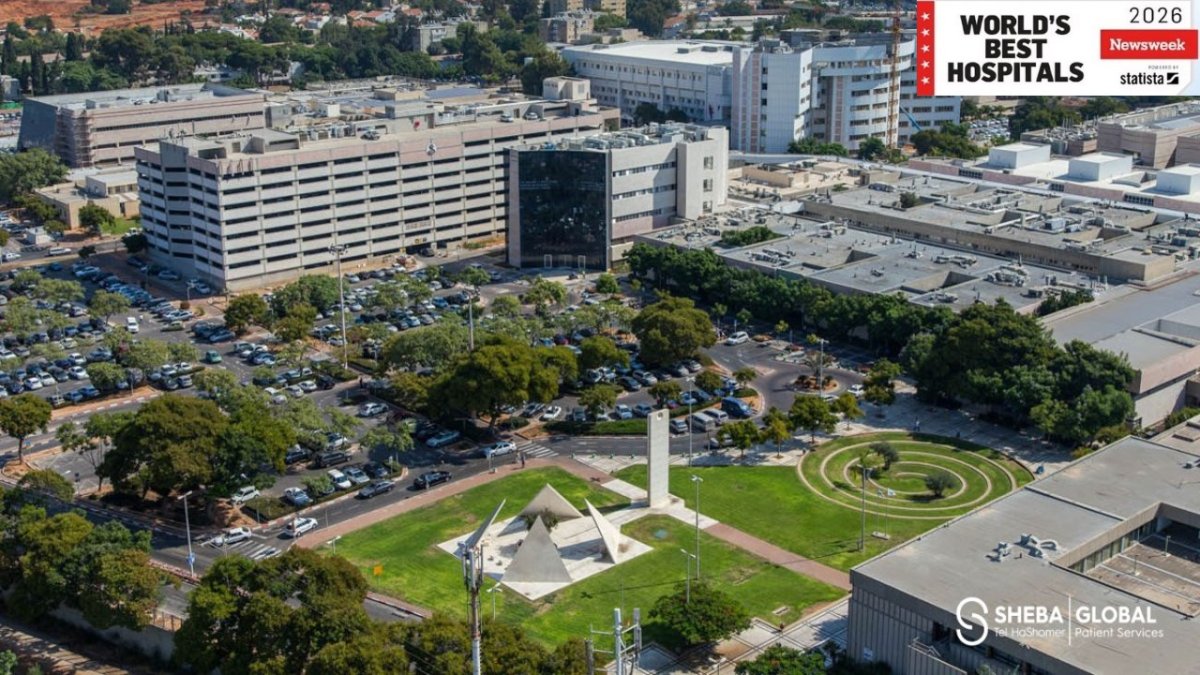
Sheba Tel HaShomer

Dental Clinic Dr. Mark Ratner
أفضل مراكز طب الأوردة في إسرائيل
- مركز شيبا الطبي, إسرائيل
- Sourasky Medical Center (Ichilov), إسرائيل
- Assuta Medical Center, إسرائيل
- Hadassah Medical Center, إسرائيل
- Rambam Medical Center, إسرائيل
- Soroka Medical Center, إسرائيل
- Sheba Tel HaShomer, إسرائيل
- Dental Clinic Dr. Mark Ratner, إسرائيل
احصل على تقييم طبي لـ في إسرائيل: اختر أخصائيك من بين الأفضل في هذا المجال
عرض جميع الأطباء
Basheer Sheick-yousif
يتخصص الدكتور بشير شيخ يوسف في الرعاية الصحية الشاملة للمرأة في مركز سوراسكي الطبي، أحد المستشفيات الرائدة في إسرائيل.
- طبيب نساء وتوليد ذو خبرة
- يركز على تقديم رعاية متميزة للمرضى
- يمارس المهنة في منشأة طبية من الدرجة الأولى

David Hen
رائد ديفيد هين تقنية فريدة لحقن الرغوة لعلاج دوالي الأوردة - حيث تجمع بين دقة الموجات فوق الصوتية ومعدلات نجاح عالية للمرضى.
- رئيس معهد الأبحاث لأمراض الأوعية الدموية
- متخصص في علاجات دوالي الأوردة طفيفة التوغل
- غالبًا ما تحل تقنية حقن الرغوة الحالات في 3-4 جلسات
- عضو في جمعيات جراحة الأوعية الدموية في إسرائيل وأوروبا والولايات المتحدة
مواد ذات صلة

ما هي تكلفة علاج ورم وعائي؟
كتب بواسطة Veronika Kazina
مشاركة المحتوى
قصص فيديو من مرضى Bookimed
 Anna Leonova
أسئلة متكررة حول طب الأوردة في إسرائيل
هل يتم إجراء العمليات الوعائية في إسرائيل من قبل جراحي أوعية دموية وأخصائيي علاج أوردة معتمدين؟
يتم إجراء العمليات الوعائية في إسرائيل من قبل جراحين وأخصائيي علاج أوردة معتمدين. يجب أن يحمل الأخصائيون ترخيصاً من وزارة الصحة الإسرائيلية. يحصل الجراحون على وضع الأخصائي من خلال فترات إقامة لعدة سنوات واجتياز امتحانات المجلس الوطني. يتم إدارة هذه الامتحانات من قبل المجلس العلمي للجمعية الطبية الإسرائيلية (IMA).
- معايير الاعتماد: يجب على الأخصائيين اجتياز امتحانات كتابية وشفوية من الجمعية الطبية الإسرائيلية (IMA).
- التدريب المتقدم: العديد من الجراحين، مثل الدكتور ديفيد هين، يحملون عضويات في جمعيات أوروبية وأمريكية.
- المرافق المتخصصة: تضم عيادات مثل مركز شيبا الطبي معاهد مخصصة لرعاية الأوعية الدموية المعقدة.
- نطاق العلاج: يقوم الجراحون المعتمدون بإجراء استئصال بالترددات الراديوية، وتركيب الدعامات، والاستئصال بالليزر داخل الأوعية الدموية المتقدم (EVLA).
رؤية خبير Bookimed: تجري أقسام الأوعية الدموية الإسرائيلية في مراكز ذات حجم كبير مثل مركز سوراسكي الطبي (إيخيلوف) أكثر من 34,000 عملية سنوياً. يسمح هذا الحجم الهائل للأطباء الكبار بالتركيز على تخصصات فرعية دقيقة. على سبيل المثال، طور الدكتور ديفيد هين في أساف هاروفيه تقنيته الخاصة خصيصاً للدوالي. غالباً ما يضمن اختيار رئيس القسم الوصول إلى هذه البروتوكولات المكررة.
إجماع المرضى: يشير المرضى إلى أنه من المهم تأكيد ارتباطات الطبيب بالمستشفيات وعدد الإجراءات المحددة التي قام بها. يوصي الكثيرون باستخدام استشارات الفيديو للتحقق من أوراق الاعتماد مباشرة مع الأخصائي قبل السفر
ما هي بروتوكولات السلامة المتبعة لعلاج التصلب، أو استئصال الوريد بالليزر (EVLA)، أو استئصال الوريد الدقيق في إسرائيل؟
تتمحور بروتوكولات السلامة لأمراض الأوردة في إسرائيل حول معايير اللجنة الدولية المشتركة (JCI) والتوجيه الإلزامي بالموجات فوق الصوتية المزدوجة. يقوم الجراحون المتخصصون في مراكز مثل مركز سوراسكي الطبي بإجراء فحوصات سريرية لاستبعاد تجلط الأوردة العميقة (DVT). تستخدم إجراءات مثل استئصال الوريد بالليزر (EVLA) التخدير التورمي لحماية الأنسجة والأعصاب المحيطة.
- الفحص قبل الجراحة: يستخدم الجراحون الموجات فوق الصوتية المزدوجة لتقييم تدفق الدم وتلف الأوردة.
- المراقبة أثناء الجراحة: تضمن الموجات فوق الصوتية في الوقت الفعلي وضع الإبرة بدقة لعلاج التصلب الرغوي وEVLA.
- التقنيات المتقدمة: تستخدم عيادات مثل مركز أسوتا الطبي تقنية VenaSeal وأنظمة ليزر متخصصة.
- الامتثال بعد العلاج: تتطلب البروتوكولات القياسية ارتداء جوارب ضاغطة طبية والتحرك الفوري بعد العلاج.
رؤية خبير Bookimed: تظهر البيانات أن المرافق الإسرائيلية الرائدة مثل شيبا وسوراسكي تعمل بأحجام كبيرة من المرضى، تصل إلى 1.8 مليون سنوياً. يسمح هذا التردد العالي لأقسام الأوعية الدموية بتحسين بروتوكولات السلامة عبر آلاف الحالات. غالباً ما تدمج العيادات التابعة للجامعات، مثل هداسا، أحدث الأبحاث في قوائم التحقق القياسية لسلامة الجراحة.
إجماع المرضى: يشير المرضى إلى أن معايير النظافة واستخدام الموجات فوق الصوتية في كل خطوة توفر راحة بال كبيرة. يؤكد الكثيرون أن اتباع متطلبات المشي بعد الإجراء هو جزء بسيط ولكنه حيوي من عملية تعافيهم.
ما هي تقنيات علاج الدوالي التي يتم تقديمها بشكل روتيني للمرضى الدوليين؟
تقدم العيادات الإسرائيلية بشكل روتيني للمرضى الدوليين علاجات متقدمة طفيفة التوغل. وتشمل هذه العلاجات الاستئصال بالترددات الراديوية، والاستئصال بالليزر الوريدي (EVLA)، والمعالجة بالتصليب. يتم إجراء العمليات في مراكز معتمدة من قبل اللجنة الدولية المشتركة (JCI) مثل أسوتا وسوراسكي. يعود معظم المرضى إلى الأنشطة الخفيفة في نفس اليوم.
- الاستئصال الحراري: يقوم الليزر (EVLA) والترددات الراديوية (RFA) بإغلاق الأوردة باستخدام الحرارة الموجهة.
- المعالجة بالتصليب: يقوم الأطباء بحقن رغوة تحت توجيه الموجات فوق الصوتية لإغلاق الأوردة الدوالية الصغيرة.
- VenaSeal: يستخدم هذا النهج غير الحراري مادة لاصقة طبية لإغلاق الأوردة التالفة.
- تقنيات الخبراء: يستخدم متخصصون مثل الدكتور ديفيد هين بروتوكولات فريدة لحقن الرغوة على أربع مراحل.
رؤية خبير Bookimed: تظهر بياناتنا تفضيلاً للمرافق الخاصة مثل مركز أسوتا الطبي للرعاية الوعائية. تسمح هذه العيادة للمرضى باختيار طبيبهم المعالج شخصياً. هذا المستوى من الاختيار نادر في الأنظمة العامة ويضمن اهتماماً شخصياً عالياً. تجري المراكز الكبيرة مثل أسوتا أكثر من 92,000 عملية سنوياً، مما يوفر خبرة سريرية كبيرة.
إجماع المرضى: يشير المرضى إلى أن EVLA هو الخيار الأول الأكثر شيوعاً. إنهم يقدرون بشدة القدرة على المشي بشكل طبيعي في اليوم التالي وبدء جولاتهم السياحية. يوصي المسافرون لأغراض طبية بإجراء تصوير بالموجات فوق الصوتية لرسم خرائط الأوردة في المنزل أولاً للحصول على عروض أسعار أكثر دقة.
ما هي طرق العلاج الحديثة المتاحة في إسرائيل للدوالي والأوردة العنكبوتية؟
تقدم إسرائيل علاجات غير جراحية متقدمة للدوالي والأوردة العنكبوتية بنسب نجاح عالية. يستخدم المتخصصون استئصال الليزر الوريدي (EVLA)، واستئصال الترددات الراديوية، وتصلب الأوردة. تضمن هذه الطرق طفيفة التوغل تعافياً سريعاً. يعود معظم المرضى إلى أنشطتهم الطبيعية في غضون يوم إلى يومين.
- علاجات الليزر: يستخدم EVLA الطاقة الحرارية لإغلاق الأوردة المريضة بدقة.
- استئصال الترددات الراديوية: تعمل طاقة الترددات الراديوية على انهيار جدران الأوردة مع حدوث كدمات طفيفة بعد الإجراء.
- تقنيات تصلب الأوردة: تعمل حقن الرغوة أو السوائل الموجهة بالموجات فوق الصوتية على إغلاق الأوردة العنكبوتية الصغيرة بفعالية.
- المواد اللاصقة الطبية: تستخدم تقنية VenaSeal غراءً طبياً لإغلاق الأوردة بدون حرارة.
- التشخيص المتخصص: يوفر تصوير دوبلر بالموجات فوق الصوتية وتصوير الأوعية المزدوج خرائط وعائية دقيقة أولاً.
رؤية خبير Bookimed: غالباً ما تجمع أقسام الأوعية الدموية الإسرائيلية مثل تلك الموجودة في مركز سوراسكي الطبي (إيخيلوف) بين تقنيات متعددة. تظهر بياناتنا أن المراكز الكبرى تستخدم بشكل متكرر نهجاً مرحلياً. يستخدم الدكتور ديفيد هين في مركز أساف هاروفيه الطبي تقنية خاصة تتضمن 3 إلى 4 مراحل علاجية. تساعد هذه العملية المنهجية التي تستخدم حقن الرغوة وتسهيلات الموجات فوق الصوتية في منع أنماط التكرار الشائعة التي تظهر في الإجراءات لمرة واحدة.
إجماع المرضى: يشير المرضى إلى أن اختيار طبيب متخصص في أمراض الأوردة أفضل من جراح عام لهذه الإج
هل أنا مرشح للعلاج الوريدي في إسرائيل؟
يعتمد الترشح للعلاج الوريدي في إسرائيل على وجود دوالي وريدية مصحوبة بأعراض مؤكدة عن طريق الموجات فوق الصوتية المزدوجة (دوبلكس). عادة ما يعاني المرشحون المناسبون من آلام في الساق، أو تورم، أو تغيرات في الجلد. يطلب الأخصائيون الإسرائيليون في المرافق المعتمدة من قبل اللجنة الدولية المشتركة (JCI) مثل مركز سوراسكي الطبي (إيخيلوف) أدلة على وجود ارتجاع وريدي قبل المتابعة.
- الارتجاع المصحوب بأعراض: ثقل في الساقين، أو حكة، أو قرح مع فشل صمامي موثق.
- نتائج الموجات فوق الصوتية: قطر الوريد أكثر من 4-5 مم ووقت ارتجاع يتجاوز 0.5 ثانية.
- تاريخ العلاج: فشل الطرق التحفظية مثل جوارب الضغط أو رفع الساقين.
- الحالة الطبية: يجب أن يكون المرشحون قادرين على الحركة وألا يكونوا حوامل أو مرضعات.
رؤية خبير Bookimed: توفر المراكز الخاصة الإسرائيلية مثل مركز أسوتا الطبي ميزة واضحة من خلال السماح للمرضى باختيار طبيبهم المعالج. تظهر بياناتنا أن كبار الأخصائيين يجمعون غالباً بين التقنيات، مثل استخدام غراء VenaSeal جنباً إلى جنب مع العلاج بالتصليب الرغوي في جلسة واحدة. يعالج هذا النهج الشامل عادةً الجذوع الرئيسية والفروع الأصغر في وقت واحد، مما يقلل من الحاجة إلى زيارات المتابعة.
إجماع المرضى: يشير المرضى إلى أن إحضار فحوصات الموجات فوق الصوتية السابقة يساعد في تسريع الاستشارة الأولية. على الرغم من أن الأطباء يقومون عادةً بإجراء فحص جديد في الموقع، فإن تجهيز تاريخك الطبي يسمح بموافقة أسرع على الإجراء.
هل هذه الإجراءات دائمة، وهل ستظهر دوالي جديدة لاحقاً؟
تعمل إجراءات طب الأوردة الحديثة مثل استئصال الترددات الراديوية وEVLA على إغلاق الأوردة المعالجة بشكل دائم بمعدلات نجاح تصل إلى 98%. على الرغم من أن الجسم يمتص هذه الأوعية المغلقة، إلا أن قصور الأوردة حالة تقدمية. قد تظل الدوالي الجديدة تتطور في مناطق أخرى من الساق بسبب العوامل الوراثية أو نمط الحياة.
- معدل النجاح: تبلغ معدلات النجاح الفورية لطرق الاستئصال الحراري المتقدمة ما بين 90% و98%.
- خطر إعادة الفتح: احتمال إعادة فتح الوريد المعالج منخفض، ويقدر بنسبة 2–5% فقط.
- المتانة على المدى الطويل: يحدث التكرار أو تكوين أوردة جديدة عادةً في 10–20% من الحالات خلال 5–10 سنوات.
- مراحل العلاج: غالباً ما يستخدم متخصصون مثل الدكتور ديفيد هين 3–4 مراحل للحصول على نتائج شاملة.
رؤية خبير Bookimed: غالباً ما توفر العيادات الخاصة الإسرائيلية مرونة تكنولوجية أكبر من المراكز العامة الكبيرة. يقدم مركز أسوتا الطبي تقنيات VenaSeal وتقنيات التبريد المتخصصة التي قد لا تتطلب فترات ارتداء الملابس الضاغطة المكثفة النموذجية لعلاجات الليزر القياسية. هذه ميزة كبيرة للمرضى الذين يسافرون من مناخات أكثر دفئاً ويجدون الجوارب الثقيلة غير مريحة أثناء التعافي.
إجماع المرضى: يلاحظ المرضى أنه على الرغم من اختفاء الوريد البارز المحدد، إلا أن مشكلة الدورة الدموية الأساسية تظل قائمة. ويؤكدون أن اتباع إرشادات النشاط بعد العملية وارتداء الجوارب الضاغطة أمر حيوي لمنع ظهور أوردة جديدة لاحقاً.
ما هي خطة التعافي والعودة للسفر المعتادة بعد إجراء EVLA أو المعالجة بالتصليب؟
التعافي بعد إجراء EVLA أو المعالجة بالتصليب في إسرائيل سريع. يعود معظم المرضى إلى الأنشطة الخفيفة في نفس اليوم. السفر آمن بعد 48-72 ساعة للرحلات القصيرة. يجب تأجيل الرحلات الطويلة التي تزيد عن 4 ساعات لمدة 3-4 أسابيع لتقليل خطر الإصابة بتجلط الأوردة العميقة.
- العلاج بالضغط: ارتدِ جوارب طبية على مدار الساعة طوال أيام الأسبوع لمدة 7-14 يومًا لتحسين الشفاء.
- النشاط البدني: امشِ لمدة 30 دقيقة يوميًا بدءًا من اليوم الأول لتعزيز الدورة الدموية.
- التمارين الشاقة: تجنب رفع الأثقال والتمارين المكثفة لمدة 7-14 يومًا بعد إجراء EVLA.
- السلامة أثناء الطيران: استخدم الضغط، واشرب الكثير من الماء، وقم بتدوير الكاحلين كل ساعة أثناء السفر.
رؤية خبير Bookimed: تستخدم المراكز الرائدة في إسرائيل مثل Sourasky وAssuta تقنيات التصوير الرقمي المتقدمة وتقنية VenaSeal. غالبًا ما تسمح هذه الأدوات برسم خرائط أكثر دقة أثناء الاستشارات. يمكن لهذه الدقة أن تقلل من الحاجة إلى مراحل متابعة متعددة. يجب على المرضى إعطاء الأولوية للعيادات التي تحتوي على مختبرات وعائية في الموقع للحصول على تصريح سفر أسرع.
إجماع المرضى: يلاحظ العديد من المرضى أن التورم والكدمات تصل عادةً إلى ذروتها حوالي اليوم الخامس. يوصون بالمشي فورًا بعد الإجراء ويقترحون حجز العلاجات خلال الأشهر الأكثر برودة لجعل ارتداء جوارب الضغط أكثر راحة.
كيف تبدو عملية التعافي بعد إجراء الدوالي في إسرائيل؟
التعافي بعد إجراءات الدوالي في إسرائيل سريع بشكل ملحوظ. يستأنف معظم المرضى الأنشطة الخفيفة في غضون 24 إلى 48 ساعة. إجراءات مثل استئصال الليزر وتصلب الأوردة هي خدمات خارجية. يستخدمون التخدير الموضعي لضمان الحركة الفورية. المشي مباشرة بعد العلاج إلزامي لتعزيز تدفق الدم الصحي.
- الحركة الأولية: يمشي المرضى فورًا بعد الإجراء لمنع تجلط الدم.
- علاج الضغط: يتم ارتداء جوارب طبية لمدة تتراوح من يوم إلى 7 أيام.
- مستوى النشاط: يعود معظم المرضى إلى وظائفهم المكتبية في غضون 48 ساعة.
- حدود التمرين: يتم تجنب الرياضات عالية التأثير ورفع الأثقال لمدة 14 يومًا.
رؤية خبير Bookimed: تظهر البيانات من مراكز رائدة مثل أساف هاروفيه أن التقنيات المتخصصة يمكن أن تقلل من مراحل التعافي. بينما يركز الرعاية القياسية على جلسة واحدة، يستخدم بعض الأساتذة الإسرائيليين نهجًا من 3 إلى 4 مراحل مع حقن الرغوة. غالبًا ما تؤدي هذه الطبقات الدقيقة إلى كدمات أقل بعد الإجراء مقارنة بالإزالة العدوانية في جلسة واحدة.
إجماع المرضى: يلاحظ المرضى أن التعافي أسهل بكثير مما كان متوقعًا. يقود الكثيرون سياراتهم إلى المنزل في نفس اليوم ويديرون الراحة باستخدام كمادات الثلج والرفع فقط. يؤكدون أن ارتداء جوارب الضغط بانتظام هو المفتاح لتقليل التورم خلال الأسبوع الأول.
أين تقع مراكز طب الأوردة الرئيسية التي تقبل المرضى الدوليين؟
تعد إسرائيل مركزاً عالمياً رائداً في طب الأوردة. يحصل المرضى على رعاية وريدية متقدمة في مراكز معتمدة من قبل اللجنة الدولية المشتركة (JCI) في تل أبيب وحيفا والقدس. تتخصص هذه المرافق في تقنيات طفيفة التوغل مثل VenaSeal والاستئصال بالترددات الراديوية. وهي تقدم خدمات شاملة للدوالي والحالات الوعائية المعقدة.
- أبرز المرافق: يقدم مركز سوراسكي الطبي ومركز أسوتا الطبي وحدات وعائية متخصصة في تل أبيب.
- تكنولوجيا متقدمة: تستخدم العيادات تقنية VenaSeal، والجراحة الروبوتية، وحقن الرغوة الموجهة بالموجات فوق الصوتية للحصول على نتائج دقيقة.
- جراحون خبراء: يقود الدكتور بشير شيخ يوسف والبروفيسور ديفيد هين أقساماً ذات اعتراف دولي.
- نطاق العلاج: تشمل الخدمات الاستئصال بالليزر، وتصلب الأوردة، وتركيب الدعامات لحالات القصور الوريدي المزمن.
رؤية خبير Bookimed: تظهر البيانات تفضيلاً للمرافق الخاصة مثل مركز أسوتا الطبي في تل أبيب. تجري هذه العيادة 92,000 عملية سنوياً. وتوفر للمرضى خيارات جراحية أوسع مقارنة بالمراكز العامة. غالباً ما يؤدي اختيار الرعاية الخاصة إلى جدولة أسرع للمواعيد للمرضى الدوليين.
إجماع المرضى: يوصي المرضى بالتركيز على العيادات في تل أبيب أو حيفا للحصول على أفضل دعم دولي. يقترح الكثيرون حجز أماكن إقامة قصيرة الأجل في الجوار للبقاء مرتاحين خلال فترة التعافي القصيرة بعد إجراءات الأوردة.
كيف يجب على السائح الطبي اختيار طبيب الأوردة أو العيادة المناسبة في إسرائيل؟
يتطلب اختيار طبيب الأوردة في إسرائيل التحقق من اعتماد اللجنة الدولية المشتركة (JCI) وشهادة التخصص في جراحة الأوعية الدموية. تتبع المرافق الرائدة مثل مركز أسوتا الطبي ومركز شيبا الطبي بروتوكولات سلامة صارمة. يجب على المرضى إعطاء الأولوية للأطباء ذوي الخبرة الموثقة في تقنيات الليزر والترددات الراديوية طفيفة التوغل.
- اعتماد العيادة: أعط الأولوية للمراكز المعتمدة من JCI مثل مركز سوراسكي الطبي أو مركز هداسا الطبي.
- مؤهلات الطبيب: اختر جراحي الأوعية الدموية المعتمدين مثل الدكتور ديفيد هين في أساف هاروفيه.
- التكنولوجيا المتقدمة: تأكد من الوصول إلى تقنيات VenaSeal، أو استئصال الترددات الراديوية، أو علاج الليزر الوريدي (EVLT).
- الحماية القانونية: تحقق من أن العيادة تقدم دعوة مكتوبة توضح بالتفصيل جميع الإجراءات والمخاطر.
رؤية خبير Bookimed: تظهر البيانات وجود علاقة بين اختيار المريض وحجم المستشفى في إسرائيل. بينما تسمح المرافق الخاصة مثل مركز أسوتا الطبي للمرضى باختيار جراحهم الخاص، تعالج المراكز الحكومية الكبيرة مثل مركز شيبا الطبي أكثر من 1,500,000 مريض سنويًا. غالبًا ما تقوم هذه المراكز ذات الحجم الكبير بمركزة التشخيصات المعقدة مثل تصوير دوبلر بالموجات فوق الصوتية وتصوير الأوعية المقطعي، مما يضمن إجراء جميع الاختبارات في مبنى واحد.
إجماع المرضى: يؤكد المرضى على طلب استشارة فيديو لمراجعة فحوصات الموجات فوق الصوتية قبل السفر. كما يوصون بإحضار جوارب الضغط الخاصة بك والتأكد من أن الفريق الطبي يتحدث الإنجليزية بطلاقة.