التباين العلاج في الهند - التكاليف 2026


تمت مراجعة المقالة طبيا من قبل
فهد مولود
ما هي تكلفة التباين إجراءات التشخيص والعلاج في الهند؟ اعرف الآن
| الهند | تركيا | إسبانيا | |
|---|---|---|---|
| علاج الدوالي بالتصليب | من $300 | من $810 | من $900 |
| تجريد الدوالي الوريدية | من $1,800 | من $1,800 | من $6,700 |
| إزالة الدوالي الوريدية | من $1,100 | من $1,500 | من $3,500 |
مزاياك وضماناتك مع Bookimed
أسعار مباشرة
Bookimed لا يضيف رسوماً إضافية على أسعار علاج التباين. الأسعار مأخوذة من قوائم الأسعار الرسمية للعيادات. تدفع مباشرة في العيادة مقابل علاجك عند وصولك إلى البلد.
عيادات وأطباء معتمدون فقط
Bookimed ملتزم بسلامتك. نحن نعمل فقط مع المؤسسات الطبية التي تحافظ على معايير دولية عالية في علاج التباين ولديها التراخيص اللازمة لخدمة المرضى الدوليين في جميع أنحاء العالم.
مساعدة مجانية على مدار الساعة
Bookimed يقدم مساعدة خبراء مجانية. منسق طبي شخصي يدعمك قبل وأثناء وبعد العلاج، ويحل أي مشاكل. لن تكون وحيداً أبداً في رحلة علاج التباين.

منسقك الطبي الشخصي في Bookimed
- يدعمك في كل مرحلة
- المساعدة في اختيار العيادة الطبية المناسبة والطبيب المناسب
- يضمن الوصول السريع والمريح إلى المعلومات
اكتشف أفضل التباين العيادات في الهند: 10 خيارات معتمدة والأسعار










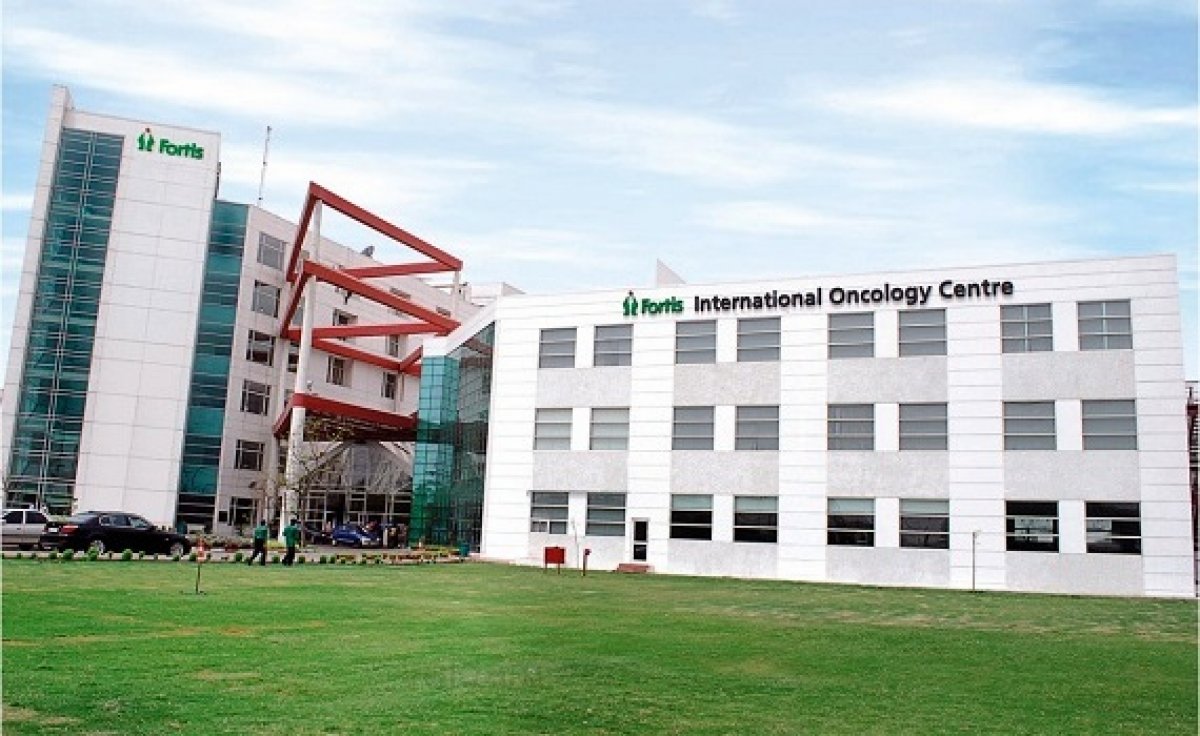
Fortis Hospital
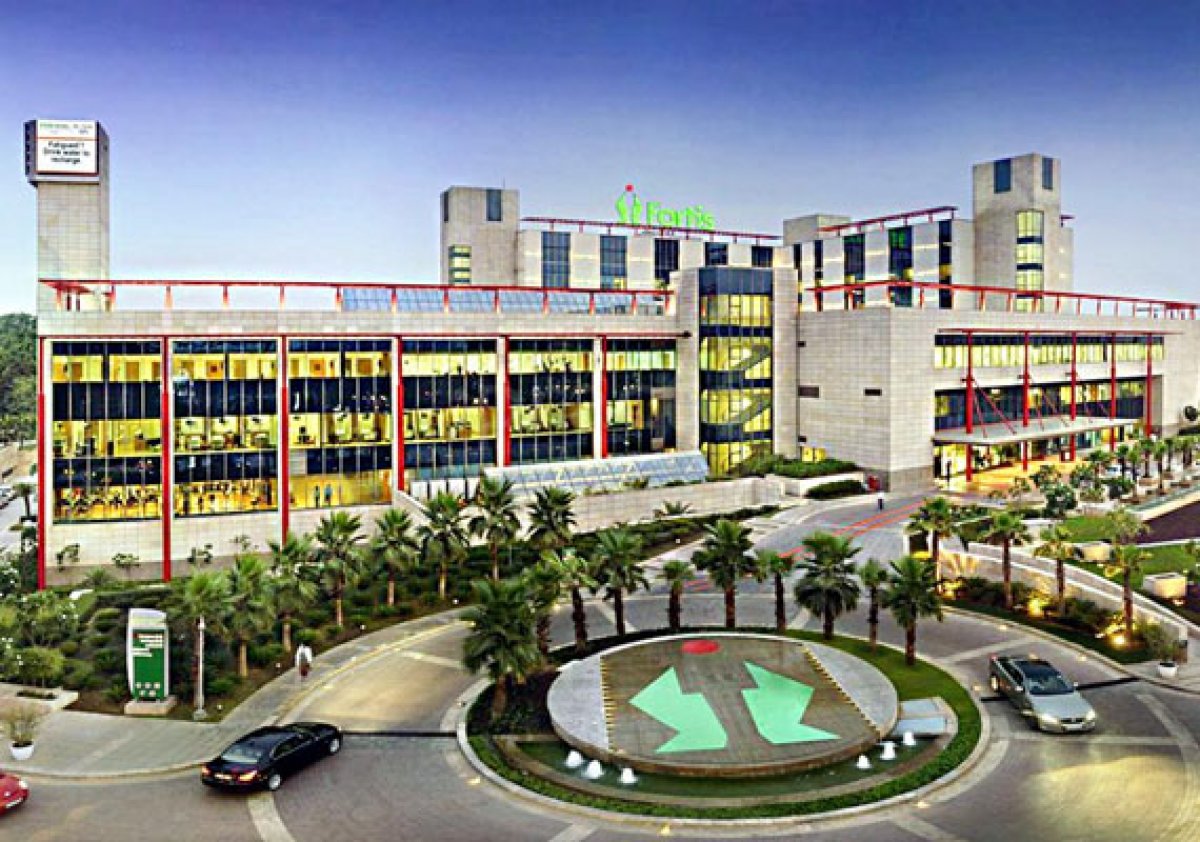
Fortis Memorial Research Institute

MGM Hospital
احصلوا على تقييم طبي لـ التباين في الهند: استشيروا أطباء ذوي خبرة الآن
عرض جميع الأطباء
Murali Krishna
الدكتور مورالي كريشنا هو جراح أوعية دموية في مستشفيات كورا في بنغالور. وهو متخصص في طب الأوردة وعلاج حالات الأوعية الدموية. يعالج تمدد الأوعية الدموية الأبهري ويتولى إدارة الدوالي. يحمل الدكتور كريشنا مؤهلات ماجستير الجراحة (MS) ودبلوم المجلس الوطني (DNB) في الجراحة.
يعمل الدكتور في مستشفيات كورا، وهي منشأة معتمدة وفقًا لمعيار الآيزو 9001:2015. تتبع العيادة معايير إدارة الجودة للرعاية الجراحية. يجري الدكتور كريشنا استشارات تشخيصية ويضع خطط علاجية لمشاكل الأوعية الدموية المعقدة. يمكن للم
Virendra Yadav
مشاركة المحتوى
قصص فيديو من مرضى Bookimed
 Anna Leonova
أسئلة متكررة حول علاج التباين في الهند
ما هي أفضل خيارات العلاج المرتكزة على الأدلة المتوفرة لعلاج الدوالي في الهند؟
العلاج القائم على الأدلة لدوالي الأوردة في الهند يركز على الاستئصال الحراري الطفيف التوغل والمواد اللاصقة الطبية. الخيارات القياسية الذهبية تشمل الاستئصال بالليزر داخل الوريد (EVLT) والاستئصال بالترددات الراديوية (RFA). هذه الإجراءات تقدم نسب نجاح تصل إلى 98%، وندوب قليلة، وتعافي أسرع مقارنة بالجراحة التقليدية.
- الاستئصال الحراري: يستخدم EVLT وRFA الطاقة الحرارية لإغلاق الأوردة المريضة.
- الغراء الطبي: تقنية VenaSeal تتجنب استخدام الحرارة ولا تتطلب ارتداء الجوارب الضاغطة بعد الجراحة.
- العلاج بالتصليب: حقن الرغوة أو السائل تعالج بشكل فعال الأوردة العنكبوتية الأصغر.
- المعيار التشخيصي: يستخدم الأخصائيون الموجات فوق الصوتية المزدوجة لتحديد فشل الصمامات قبل العلاج.
رأي خبير من Bookimed: ترتبط مؤشرات جودة الرعاية الوعائية في الهند بحجم المستشفى والاعتماد. تعالج مستشفيات مانيبال ومستشفى أبولو إندربراستا أكثر من 1,000,000 مريض سنويًا. تقدم هذه المرافق المعتمدة من JCI وNABH خيارات حديثة غير حرارية مثل VenaSeal. هذه التقنية تمنع تلف الأعصاب الناتج عن الحرارة والذي كان شائعًا في الأساليب القديمة.
إجماع المرضى: يؤكد المرضى على اختيار جراحي الأوعية الدموية أو أخصائيي الأشعة التداخلية بدلاً من الأطباء العامين. كما يشير الكثيرون إلى أنه بينما توفر الجوارب الضاغطة تخفيف الأعراض، إلا أنها لا تعالج مشاكل الصمامات الجذرية.
هل علاج الدوالي مؤلم وما هو الجدول الزمني الواقعي للتعافي للسياح الطبيين؟
تعد العلاجات الحديثة للدوالي في الهند غير جراحية بشكل كبير وعادة ما تسبب فقط انزعاجًا طفيفًا. يشعر المرضى عادة بوخزة خفيفة من التخدير الموضعي يتبعها ضغط طفيف. يتيح التعافي للسياح الطبيين ممارسة النشاط الخفيف في غضون يومين والسفر جواً بأمان بعد 7 إلى 14 يومًا.
- إدارة الألم: تستخدم معظم الإجراءات التخدير الموضعي لضمان تجربة خالية من الألم الحاد أثناء العلاج.
- الحركة الفورية: يُشجع المرضى على المشي فورًا بعد العملية لتعزيز الدورة الدموية الصحية.
- نافذة السفر: تعتبر الرحلات القصيرة غالبًا آمنة بعد 48 ساعة مع ارتداء جوارب الضاغطة الطبية.
- التعافي عن الرحلات الطويلة: يوصي الأطباء بالانتظار 14 يومًا قبل الطيران لأكثر من 4 ساعات لتجنب المضاعفات.
رؤية خبير من Bookimed: تستضيف الهند شبكات طبية ضخمة مثل مستشفى أبولو إندربراستا ومستشفيات مانيبال التي تخدم أكثر من 1,000,000 مريض سنويًا. هذا العدد الكبير يعني أن الفرق الوعائية لديها خبرة كبيرة في تقنيات الحد الأدنى للتدخل. اختيار المنشآت المعتمدة من JCI في دلهي أو بنغالور يضمن معايير السلامة الدولية للرصد بعد العملية الجراحية قبل الطيران.
إجماع المرضى: يلاحظ المرضى أنه بينما تكون العملية نفسها سريعة، تشعر الأرجل غالبًا بالثقل أو الشد حوالي اليوم الرابع. العديد يقترحون أخذ ملابس فضفاضة وكريم الأرنيكا للتعامل مع الكدمات الموضعية التي غالباً ما تصل إلى ذروتها خلال الأسبوع الأول.
هل يمكن أن تعود دوالي الأوردة بعد العلاج، وما هي استراتيجيات الوقاية الموصى بها؟
غالبًا ما تعود الدوالي بعد العلاج لأن القصور الوريدي المزمن هو حالة تقدمية. في حين أن الأوردة المعالجة نادرًا ما تُفتح مجددًا، إلا أن الجديدة منها يمكن أن تضعف بمرور الوقت. تُبلِّغ الإجراءات الحديثة مثل الاجتثاث بالليزر عن معدلات نجاح تتراوح بين 90% و95%. تؤثر عوامل مثل الوراثة ونمط الحياة والتشخيص الأولي غير الكامل على تكرار الحالة.
- معدلات النجاح: يُظهر الاجتثاث بالليزر (EVLT) نجاحًا يتراوح بين 90% إلى 95% على مدى 5 سنوات.
- العلاج بالضغط: يساعد ارتداء الجوارب الطبية على تقليل تراكم الدم والحفاظ على التدفق السليم.
- النشاط البدني: تقوي رياضة المشي أو ركوب الدراجات المنتظم عضلات الساق لضخ الدم.
- السيطرة على الوزن: يساعد إدارة وزن الجسم في تقليل الضغط داخل البطن الذي يجهد أوردة الساقين.
نظرة خبير من Bookimed: تعالج المراكز الهندية مثل مستشفيات مانيبال وأبولو إندرا براثها أكثر من 1,000,000 مريض سنويًا باستخدام معايير معتمدة من JCI. اختيار منشأة تتمتع بتشخيصات وعائية متقدمة أمر بالغ الأهمية. يضمن التخطيط الشامل للجهاز الوريدي قبل الإجراء معالجة جميع الصمامات المشكلة، مما يساعد في الوقاية من تكرار الحالة في المستقبل.
إجماع المريض: يلاحظ المرضى أنه من المهم إدراك أن الأوردة الجديدة يمكن أن تظهر حتى بعد إجراء عملية ناجحة. يؤكد معظمهم أن الحفاظ على النشاط واستخدام الملابس الضاغطة يوميًا هما أفضل الطرق للحفاظ على خفة الساقين.
من هم الأخصائيون والمستشفيات المعترف بهم دوليًا في الهند لعلاج دوالي الأوردة؟
تتميز الهند بمستشفيات معتمدة من قبل اللجنة الدولية المشتركة وأخصائيين معترف بهم عالميًا لرعاية متقدمة لتوسع الأوردة. تشمل المراكز الرائدة مستشفى أبولو إندربراستا ومستشفى ميدانتا. يختص الجراحون الرائدون مثل الدكتور راجيف باراخ والدكتور جيسوم تشوبرا في تقنيات المعايير الذهبية مثل الاستئصال بالليزر الوريدي والاستئصال بالترددات الراديوية.
- المرافق المتخصصة: تحافظ مستشفى ميدانتا ومستشفى أبولو إندربراستا على اعتماد اللجنة الدولية المشتركة الدولية.
- الجراحون المتخصصون: يملك الدكتور راجيف باراخ في ميدانتا أكثر من 35 عاماً من الخبرة في الأوعية الدموية.
- التقنيات المتقدمة: تقدم العيادات الاستئصال بالليزر الوريدي بدون جراحة ولصق فينيسيل الطبي.
- حجم الكبير: تخدم مستشفيات مانيبال مليوني مريض سنويًا عبر شبكتها السريرية الواسعة.
رؤية الخبراء من بوكميت: بينما يختار الكثيرون شبكات كبيرة مثل مانيبال لخبرتها التي تزيد عن 50 عامًا، توفر الوحدات المتخصصة الأصغر داخل مراكز الرعاية المتقدمة غالبًا وصولًا أسرع إلى أجنحة الأشعة التداخلية. يتميز مستشفى ميدانتا بدمجه لمركز أبحاث مخصص. مما يسمح لجراحين مثل الدكتور تارون جروفر بتطبيق برتوكولات محدثة لحالات الأوردة المعقدة في وقت أبكر من أقسام الجراحة العامة.
إجماع المرضى: يلاحظ المرضى أن السلاسل الكبرى مثل أبولو ومانيبال موثوقة للموظفين الذين يتحدثون الإنجليزية وتنسيق العمل بدون تعقيدات. يُشدد الكثيرون على اختيار مرافق معتمدة من اللجنة الدولية المشتركة بدلاً من العيادات الصغيرة المعلنة لضمان معا