طب الأوردة في ألمانيا — التكاليف 2026


تمت مراجعة المقالة طبيا من قبل
فهد مولود
ما هي تكلفة طب الأوردة في ألمانيا؟ اكتشف الآن
تتراوح تكلفة علاج الأوردة في ألمانيا عادةً ما بين $7,300 و $28,700. تعتمد التكاليف النهائية على تقنية علاج الأوردة المستخدمة، ومدى الحالة، وما إذا كانت الساق الواحدة أو كلتا الساقين تتطلبان تدخلاً. يمكن للمرضى القادمين من الولايات المتحدة توقع توفير ما بين 40-50% من تكاليف الإجراءات الوعائية في العيادات الألمانية.
تكاليف علاج الأوردة النموذجية في ألمانيا
- تصوير الأوعية بالدوبلر: من $430
- الاستئصال بالترددات الراديوية: من $14,900
- إزالة الدوالي: من $3,500
- المعالجة بالتصليب للدوالي: $900 – $1,800
- علاج الدوالي بالليزر: $1,500 – $3,200
- الاستئصال الوريدي بالليزر (EVLA): $1,800 – $3,000
- انصمام التشوه الشرياني الوريدي (AVM): السعر عند الطلب
- تركيب دعامة الأبهر: $32,000 – $47,000
- رأب الأوعية الدموية: السعر عند الطلب
- إزالة توسع الشعيرات الوجهية بالترددات الراديوية: السعر عند الطلب
توجد مراكز علاج الأوردة الرئيسية في برلين وميونخ وهامبورغ وفرانكفورت. وعلى الرغم من أن الأسعار الأساسية منظمة على المستوى الوطني، إلا أن التكاليف في هذه المراكز الرئيسية قد تختلف قليلاً بناءً على النفقات العامة للمنشأة. استشر أخصائياً للحصول على تسعير دقيق لتشخيصك الخاص.
| تركيا | إسبانيا | ألمانيا | |
|---|---|---|---|
| علاج الدوالي بالليزر | من $2,800 | من $3,900 | ≈ $1,500 |
| علاج الدوالي بالتصليب | من $810 | من $900 | ≈ $900 |
| جراحة الالتفافية المأبضية الفكية | من $5,000 | ≈ $10,000 | ≈ $14,500 |
| الترددات اللاسلكية | من $5,200 | من $22,400 | من $14,900 |
| الأبهر الدعامة التطعيم | من $24,800 | ≈ $25,000 | ≈ $32,000 |
جميع أمراض طب الأوردة
مزاياك وضماناتك مع Bookimed
أسعار مباشرة
Bookimed لا يضيف رسوماً إضافية على أسعار علاج طب الأوردة. الأسعار مأخوذة من قوائم الأسعار الرسمية للعيادات. تدفع مباشرة في العيادة مقابل علاجك عند وصولك إلى البلد.
عيادات وأطباء معتمدون فقط
Bookimed ملتزم بسلامتك. نحن نعمل فقط مع المؤسسات الطبية التي تحافظ على معايير دولية عالية في علاج طب الأوردة ولديها التراخيص اللازمة لخدمة المرضى الدوليين في جميع أنحاء العالم.
مساعدة مجانية على مدار الساعة
Bookimed يقدم مساعدة خبراء مجانية. منسق طبي شخصي يدعمك قبل وأثناء وبعد العلاج، ويحل أي مشاكل. لن تكون وحيداً أبداً في رحلة علاج طب الأوردة.

منسقك الطبي الشخصي في Bookimed
- يدعمك في كل مرحلة
- المساعدة في اختيار العيادة الطبية المناسبة والطبيب المناسب
- يضمن الوصول السريع والمريح إلى المعلومات
اكتشف أفضل عيادات طب الأوردة: 35 خيارات معتمدة والأسعار





Hospital Havelhoehe



Kerckhoff clinic


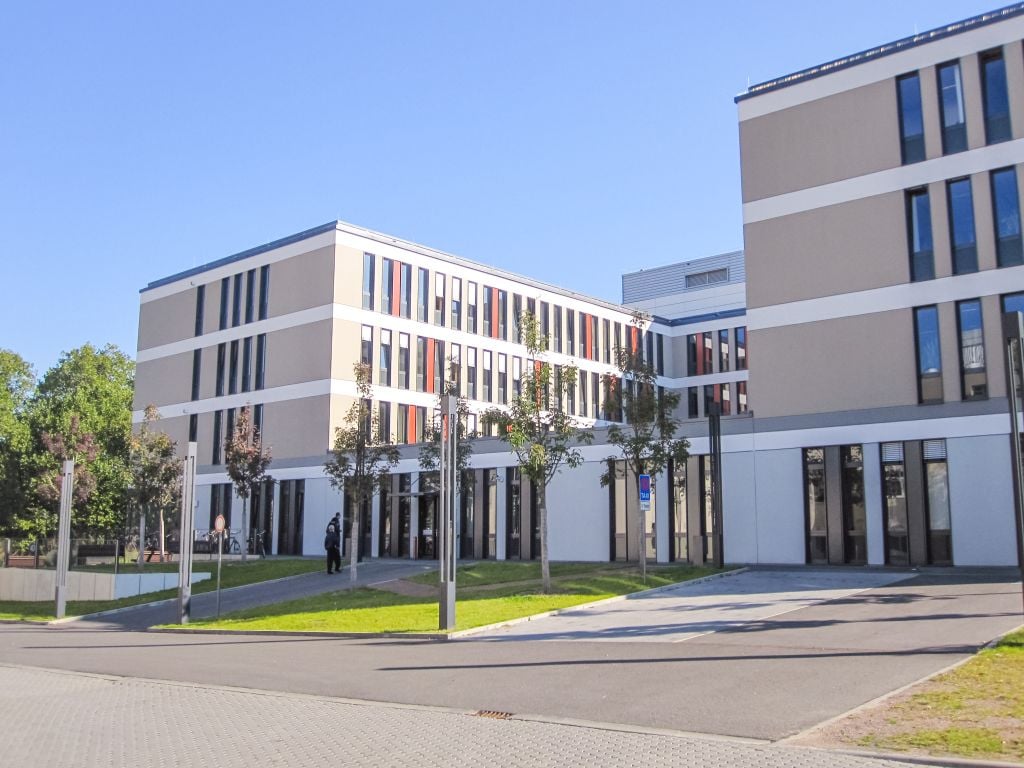

Department of Urology at Dortmund Clinic

St. Marienstift Clinic
أفضل مراكز طب الأوردة في ألمانيا
- Medical Center in Solingen, ألمانيا
- Nordwest Clinic (Krankenhaus), ألمانيا
- Nordrhein-Westfalen Clinic Complex, ألمانيا
- Hospital Havelhoehe, ألمانيا
- Charité - Universitätsmedizin Berlin, ألمانيا
- Kerckhoff clinic, ألمانيا
- Medical Center Rechts der Isar , ألمانيا
- University Clinic of Leipzig, ألمانيا
- Department of Urology at Dortmund Clinic, ألمانيا
- St. Marienstift Clinic, ألمانيا
احصل على تقييم طبي لـ طب الأوردة في ألمانيا. استشر الآن 6 أطباء ذوي الخبرة.
عرض جميع الأطباء
Markus Düx
البروفيسور ماركوس دوكس هو رائد في العلاجات طفيفة التوغل، بما في ذلك الاستئصال بتوجيه الرنين المغناطيسي للأورام في مستشفى نوردويست في فرانكفورت.
- حاصل على الميدالية الذهبية من جامعة أوساكا الطبية
- متخصص في العلاج طفيف التوغل والأشعة التشخيصية
- يرأس مركز استئصال FUS الموجه بالرنين المغناطيسي الوحيد في منطقة الراين-ماين
- عضو في العديد من جمعيات الأشعة المرموقة بما في ذلك RSNA و CIRSE

Milan Lisy
يتخصص الدكتور ميلان ليسي في طب الأوعية الدموية وأمراض الأبهر، حيث يتمتع بخبرة تزيد عن عقد من الزمان كجراح استشاري.
- ماهر في تخطيط صدى القلب لإجراء تقييمات دقيقة للأوعية الدموية
- جراح استشاري سابق في مستشفى توبنغن الجامعي (Universitätsklinikum Tübingen)
- خبير في إدارة التدخلات الوعائية المعقدة ووظائف القلب
- متخصص في فسيولوجيا القلب والأوعية الدموية وأمراض الأبهر


مواد ذات صلة

ما هي تكلفة علاج ورم وعائي؟
كتب بواسطة Veronika Kazina
مشاركة المحتوى
قصص فيديو من مرضى Bookimed
 Anna Leonova
أسئلة متكررة حول طب الأوردة في ألمانيا
ما هي أحدث علاجات الأوردة الخارجية المتاحة في ألمانيا؟
تعطي علاجات الأوردة الخارجية الحديثة في ألمانيا الأولوية للتقنيات طفيفة التوغل الحرارية وغير الحرارية. تشمل الإجراءات الرئيسية استئصال الليزر، والعلاج بالترددات الراديوية، وتصلب الأوردة. تتجنب هذه الطرق الجراحة التقليدية. وهي تتطلب فقط تخديرًا موضعيًا. عادة ما يعود المرضى إلى أنشطتهم الطبيعية في غضون 1-2 يوم بعد العلاج.
- استئصال الليزر: يستخدم طاقة الليزر لإغلاق الأوردة. تتراوح التكاليف من $1,500 إلى $3,200.
- العلاج بالترددات الراديوية: يستخدم موجات الراديو عبر القسطرة لتقليص جدران الأوردة. متاح في مستشفى أسكليبيوس بارمبيك.
- تصلب الأوردة بالرغوة: حقن رغوة متخصصة تحت توجيه الموجات فوق الصوتية. تتراوح التكاليف من $900 إلى $1,800.
- الطرق غير الحرارية: تشمل الاستئصال الميكانيكي الكيميائي والمواد اللاصقة الطبية. تحمي هذه الطرق الأعصاب عن طريق تجنب الحرارة.
- التشخيص المتخصص: يستخدم المتخصصون تصوير دوبلر بالموجات فوق الصوتية للتخطيط. تتراوح تكاليف الاستشارات من $140 إلى $250.
رؤية خبير Bookimed: غالبًا ما تجمع مراكز الأوعية الدموية المتقدمة مثل عيادة نوردويست وشاريتيه برلين بين تقنيات متعددة. يستخدمون الموجات فوق الصوتية ثلاثية الأبعاد الموجهة لرسم خريطة للأوردة قبل الاستئصال. تقلل هذه الدقة من عدد الجلسات المطلوبة. كما أنها تحسن النجاح على المدى الطويل للحالات المعقدة. تخدم المراكز الأكاديمية الكبيرة أكثر من 800,000 مريض سنويًا. وهي توفر الو
ما هو الاختبار التشخيصي الذي يتنبأ بضرورة العلاج والنتائج طويلة المدى؟
يعد التصوير بالموجات فوق الصوتية المزدوج الملون (Color-coded duplex sonography) هو الاختبار التشخيصي النهائي للتنبؤ بضرورة العلاج والنتائج طويلة المدى في ألمانيا. يؤكد هذا الفحص غير الجراحي الارتجاع العرضي ويقيس قطر الوريد لتبرير الإجراءات. وهو يتنبأ بدقة بمعدلات النجاح للتدخلات مثل استئصال الوريد بالليزر أو المعالجة بالتصليب.
- المعيار التشخيصي: يعد رسم الخرائط بالتصوير المزدوج الملون غير قابل للتفاوض قبل أي إجراء وريدي في ألمانيا.
- ضرورة العلاج: يؤكد الارتجاع الذي يتجاوز 0.5 ثانية وقطر 6 مم الحاجة إلى التدخل.
- التنبؤ بالنتائج: يتنبأ رسم الخرائط الشامل بمعدلات نجاح تتراوح بين 80-90% على مدى 5 سنوات بعد علاجات الاستئصال الحراري.
- الوصول إلى التكنولوجيا: تستخدم المرافق الحديثة مثل عيادة نوردويست (Nordwest Clinic) الموجات فوق الصوتية ثلاثية الأبعاد لتشخيص الأوعية الدموية بدقة.
رؤية خبير Bookimed: تعطي مراكز الأوعية الدموية الألمانية ذات أعداد المرضى الكبيرة، مثل مستشفى أسكليبيوس بارمبيك (Asklepios Hospital Barmbek)، الأولوية للتصوير المزدوج على تخطيط التحجم القديم. تظهر البيانات أن 110,000 مريض سنوياً يستفيدون من هذا التحول، حيث يقلل رسم الخرائط الدقيق من مخاطر التكرار. يضمن اختيار العيادات الحاصلة على شهادة ISO أن نتائجك التشخيصية تلبي المعايير الصارمة المطلوبة للحصول على ترخيص العلاج بالليزر المتقدم.
إجماع المرضى: يلاحظ المرضى أن المتخصصين الألمان غالباً ما يرفضون العلاج بدون تصوير مزدوج كامل لاستبعاد جلطات الأوردة ال
كم تستغرق فترة التعافي بعد علاج الأوردة طفيف التوغل؟
التعافي بعد علاج الأوردة طفيف التوغل في ألمانيا سريع عادةً. يعود معظم المرضى إلى روتينهم اليومي في غضون يوم إلى يومين. يحدث الشفاء الداخلي الكامل بشكل عام على مدار عدة أسابيع. تسمح إجراءات مثل العلاج بالتصليب والاستئصال بالليزر بالمشي فوراً بعد الجلسة.
- العودة للنشاط: يستأنف المرضى عادةً العمل الخفيف والأنشطة البسيطة في غضون 24 إلى 48 ساعة.
- العلاج بالضغط: تتطلب معظم البروتوكولات ارتداء جوارب ضاغطة لمدة أسبوع إلى أسبوعين بعد الإجراء.
- حدود التمارين: تجنب رفع الأثقال والرياضات عالية التأثير لمدة أسبوع إلى أسبوعين على الأقل.
- قيود السفر: ينصح الأطباء بالانتظار من 4 إلى 6 أسابيع قبل القيام برحلات طيران طويلة تزيد عن 4 ساعات.
رؤية خبير Bookimed: تظهر البيانات من مراكز ألمانية رائدة مثل عيادة نوردويست اتجاهاً نحو الجمع بين التشخيص والعلاج. غالباً ما يمكن للمرضى إكمال تصوير دوبلر بالموجات فوق الصوتية والاستئصال بالليزر في زيارة واحدة. تقلل هذه الكفاءة إجمالي الوقت في العيادة إلى أقل من 4 ساعات للمرضى الدوليين.
إجماع المرضى: يشير المرضى إلى أن القدرة على مغادرة العيادة سيراً على الأقدام فوراً هي مصدر ارتياح كبير. يؤكد الكثيرون أنه على الرغم من أن الساقين قد تشعران ببعض الثقل في اليوم الثالث، إلا أن المشي المنتظم لمدة 30 دقيقة يمنع الشعور بعدم الراحة بشكل كبير.
هل تغطي شركات التأمين الصحي القانونية والدولية علاجات الأوردة الحديثة؟
تغطي شركات التأمين القانونية والدولية في ألمانيا علاجات الأوردة الحديثة بشكل عام إذا كانت ضرورية طبيًا. ينطبق التغطية على الحالات العرضية مثل الألم المزمن أو التورم. عادة ما يتم استبعاد الإجراءات التجميلية البحتة لعروق العنكبوت. تتطلب الموافقات القياسية تأكيدًا بالموجات فوق الصوتية المزدوجة للارتجاع الوريدي وعلاجًا محافظًا موثقًا.
- الضرورة الطبية: مغطاة للألم المزمن، التورم، تغيرات الجلد، أو القرح الموثقة.
- التقنيات الحديثة: يتم تغطية استئصال الترددات الراديوية وعلاجات الليزر بشكل متزايد من قبل شركات التأمين الكبرى.
- التجربة المحافظة: غالبًا ما تطلب شركات التأمين تجربة جوارب الضغط لمدة 3-6 أشهر قبل الموافقة على الجراحة.
- متطلبات التشخيص: التصوير بالموجات فوق الصوتية المزدوج الملون ضروري لتأكيد تدفق الدم العكسي للحصول على الموافقة.
رؤية خبير Bookimed: تظهر البيانات من مرافق من الدرجة الأولى مثل مستشفى شاريتيه - جامعة برلين الطبية وعيادة نوردويست تحولًا نحو المعايير طفيفة التوغل. بينما يتم تغطية الاستئصال التقليدي دائمًا، فإن اختيار عيادة بتقنية الموجات فوق الصوتية ثلاثية الأبعاد غالبًا ما يسرع عملية موافقة شركة التأمين. تشير سجلاتنا إلى أن العيادات التي تجري أكثر من 60,000 استشارة للمرضى سنويًا لديها معدلات نجاح أعلى في تأمين التغطية الكاملة لتقنيات الاستئصال الحراري الحديثة.
إجماع المرضى: يشير المرضى إلى أن توثيق تجربة جوارب الضغط لمدة 3 أشهر هو الخطوة الأكثر أهمية لتجنب رفض المطالبات. يؤكد الكثيرون أن الحصول على نتا
ما هي المخاطر التي تظهر إذا قمت بتأخير علاج الدوالي الكبيرة؟
يؤدي تأخير علاج الدوالي الكبيرة إلى تجمع الدم وتلف الأنسجة التدريجي. تشمل المخاطر الخطيرة تجلط الأوردة العميقة، والذي يمكن أن يؤدي إلى انصمام رئوي يهدد الحياة. كما يسبب الضغط المزمن قرحاً وريدية مؤلمة، وتصلب الجلد، ونزيفاً تلقائياً حتى من ملامسة الجلد البسيطة.
- جلطات الدم: يزيد التدفق البطيء من مخاطر تجلط الأوردة العميقة والانصمام الرئوي.
- القرح الوريدية: يخلق الضغط المزمن تقرحات مفتوحة حول الكاحلين تقاوم الشفاء القياسي.
- تغيرات الجلد: تسبب الأوردة غير المعالجة تصبغات بنية دائمة وملمس جلد خشن.
- النزيف التلقائي: يمكن أن تتمزق البشرة الرقيقة فوق الأوردة المتضخمة بسبب خدوش بسيطة.
رؤية خبير Bookimed: تعالج العيادات الألمانية المتخصصة في جراحة الأوعية الدموية، مثل مستشفى أسكليبيوس بارمبيك، أكثر من 100,000 مريض سنوياً. تظهر البيانات أن الحالات المتأخرة تتطلب غالباً استئصالاً معقداً بالترددات الراديوية بدلاً من العلاج بالتصليب الأبسط. تستخدم المراكز ذات الحجم الكبير في هامبورغ وفرانكفورت التصوير بالموجات فوق الصوتية المزدوجة لاكتشاف مخاطر التجلط المبكرة قبل أن تصبح إجراءات طارئة.
إجماع المرضى: يشير المرضى إلى أن انتظار الأعراض الشديدة يؤدي غالباً إلى التهاب وريدي مفاجئ ومؤلم للغاية. يتمنى الكثيرون لو أنهم تصرفوا قبل أن تصبح تغيرات الجلد دائمة أو قبل تجربة نوبات مخيفة من النزيف التلقائي في الليل.
هل يمكن علاج الأوردة المرتبطة بالحمل في الخارج، أم يجب علي الانتظار؟
يوصي الأخصائيون الطبيون في ألمانيا عادةً بالانتظار من 3 إلى 6 أشهر بعد الولادة قبل علاج الأوردة المرتبطة بالحمل. يسمح هذا التأخير بالاستقرار الهرموني الطبيعي وتراجع الأوردة. غالبًا ما يتم تأجيل التدخلات مثل العلاج بالتصليب أو الاستئصال بالليزر حتى انتهاء الرضاعة الطبيعية لضمان سلامة المريضة.
- التراجع الطبيعي: غالبًا ما تتحسن الأوردة في غضون 4 أشهر بعد الولادة دون تدخل طبي.
- بروتوكولات السلامة: يؤدي تأجيل الإجراءات إلى تقليل مخاطر الإصابة بجلطات الدم خلال فترة ما بعد الولادة.
- التشخيص المتقدم: يستخدم الأخصائيون الألمان التصوير بالموجات فوق الصوتية المزدوج الملون لتأكيد استقرار الوريد قبل العلاج.
- تقييم الخبراء: يقدم البروفيسور الدكتور ماكس زيجلمان في عيادة نوردويست تقييمات وعائية متخصصة.
رؤية خبير Bookimed: تستخدم العيادات الألمانية مثل عيادة نوردويست (Krankenhaus) تقنية موجهة بالرنين المغناطيسي وتصوير بالموجات فوق الصوتية ثلاثي الأبعاد لرسم خرائط وعائية دقيقة. تظهر بياناتنا أنه بينما تتعامل المستشفيات الجامعية مثل شاريتيه برلين مع أحجام هائلة من المرضى، غالبًا ما توفر المراكز المتخصصة في فرانكفورت أو سولينجن وصولاً أسرع إلى الاستشارات التشخيصية للمسافرين الدوليين.
إجماع المرضى: تشير المريضات إلى أنه على الرغم من أن الانتظار أمر شائع، فإن إجراء تصوير دوبلر بالموجات فوق الصوتية في وقت مبكر يوفر راحة البال. تجد الكثيرات أن طلب العلاج بعد 4 أشهر من الولادة يغير الحياة لتخفيف آلام الساق المستمرة.
ما هي علاجات الأوردة الأكثر شيوعاً والمستندة إلى أدلة والمتاحة في ألمانيا للمرضى الدوليين؟
تقدم ألمانيا علاجات للأوردة مستندة إلى أدلة مع معدلات نجاح تتراوح بين 85% و95%. يختار المرضى الدوليون في المقام الأول الإجراءات طفيفة التوغل مثل استئصال الوريد بالليزر واستئصال الوريد بالترددات الراديوية. تستخدم هذه الطرق في العيادات الخارجية الطاقة الحرارية لإغلاق الأوردة المريضة. كما توفر العيادات الألمانية علاجاً بالتصليب متخصصاً للأوعية الدموية الصغيرة.
- العلاج بالليزر: يستخدم EVLA طاقة الضوء لإغلاق الأوردة تحت توجيه دقيق بالموجات فوق الصوتية.
- استئصال بالترددات الراديوية: يستخدم RFA موجات الراديو لتسخين جدران الأوردة التالفة وإغلاقها.
- العلاج بالتصليب: يقوم الأطباء بحقن رغوة دقيقة في الأوردة الصغيرة لتقليصها والقضاء عليها.
- الإزالة الجراحية: يقوم المتخصصون بإجراء إزالة الدوالي للحالات المعقدة باستخدام ثقوب صغيرة.
- التشخيص الوعائي: يستخدم الخبراء تصوير دوبلر بالموجات فوق الصوتية والمسح المزدوج لرسم خرائط دقيقة للأوردة.
رؤية خبير Bookimed: توفر العيادات الألمانية التابعة للجامعات مثل شاريتيه برلين أو عيادة نوردويست موثوقية أعلى للحالات المعقدة. تجري هذه المراكز آلاف الإجراءات الوعائية. وهي تستخدم الموجات فوق الصوتية ثلاثية الأبعاد والتصوير المتقدم الذي غالباً ما تفتقر إليه العيادات المستقلة. تضمن هذه التكنولوجيا رسماً أكثر دقة ونتائج أفضل على المدى الطويل.
إجماع المرضى: يقدر المرضى رسم الخرائط الدقيق قبل العلاج وتقارير الموجات فوق الصوتية المفصلة المقدمة في ألمانيا. يقترح الكثيرون تأكيد تو
كيف تبدو فترة التعافي بعد إجراءات الأوردة الألمانية الحديثة، ومتى يمكنني السفر جواً إلى المنزل أو استئناف السياحة؟
التعافي بعد إجراءات الأوردة الألمانية الحديثة مثل EVLA أو VenaSeal فوري تقريباً. عادة ما يغادر المرضى العيادة سيراً على الأقدام في نفس اليوم. يمكنك استئناف السياحة الخفيفة في غضون 24-48 ساعة. الرحلات الجوية قصيرة المدى آمنة بشكل عام بعد يوم أو يومين مع استخدام ضاغط طبي.
- استئناف السياحة: ابدأ بالمشي الخفيف لمدة 30 دقيقة على الفور. تجنب المشي لمسافات طويلة الشاق لمدة 7-14 يوماً.
- السفر جواً للمنزل: انتظر 24-48 ساعة للرحلات التي تقل عن 4 ساعات. تتطلب الرحلات الطويلة 3-7 أيام.
- القيود البدنية: تجنب رفع الأثقال التي تزيد عن 9 كجم لمدة أسبوعين. تجنب الساونا لمدة 14 يوماً.
- الأحاسيس بعد العملية: توقع شعوراً خفيفاً بالشد أو الألم لمدة 3-5 أيام. يزول هذا عادةً بدون دواء.
رؤية خبير Bookimed: غالباً ما تستخدم العيادات الألمانية مثل Nordwest أو Asklepios St. Georg غراء VenaSeal المتقدم أو الاستئصال بالترددات الراديوية. تسمح هذه التقنيات بالسفر بشكل أسرع مقارنة بالاستئصال التقليدي. تظهر البيانات أن العيادات في المراكز الرئيسية مثل فرانكفورت أو هامبورغ توفر متابعة رقمية سريعة. وهذا يسمح للمرضى الدوليين بإجراء فحوصات الموجات فوق الصوتية والسفر بأمان في إطار زمني أضيق.
إجماع المرضى: غالباً ما يشعر المرضى بالعودة إلى روتينهم السياحي بحلول اليوم الثالث. يقترحون ارتداء الضواغط على مدار الساعة طوال أيام الأسبوع خلال الأسبوع الأول. لاحظ أحد المسافرين أن المشي الفوري يساعد في منع الشعور بتصلب أو ثقل الساق بعد الإجراء.
هل تغطي التأمينات الصحية الألمانية علاجات الأوردة إذا كنت قادماً من الخارج؟
عادةً ما يغطي التأمين الصحي الألماني علاجات الأوردة فقط للمقيمين أو مواطني الاتحاد الأوروبي الحاصلين على إذن مسبق. يتعين على الزوار غير المقيمين عادةً الدفع من مالهم الخاص مقابل الإجراءات الاختيارية مثل الاستئصال بالليزر أو المعالجة بالتصليب. يغطي تأمين السفر القياسي فقط رعاية الطوارئ للألم المفاجئ أو تمزق الأوردة.
- حالة الإقامة: تتطلب التغطية إقامة مسجلة ومساهمات نشطة في التأمين القانوني الألماني.
- مواطنو الاتحاد الأوروبي/المنطقة الاقتصادية الأوروبية: تغطي بطاقة التأمين الصحي الأوروبية (EHIC) فقط حالات الطوارئ الضرورية طبياً التي لا يمكن تأجيلها.
- الإذن المسبق: تتطلب العمليات الجراحية المخطط لها لمواطني الاتحاد الأوروبي نموذج S2 من شركات التأمين في بلدهم الأصلي.
- الضرورة الطبية: تعطي شركات التأمين الأولوية لإزالة الدوالي المؤلمة على علاجات الأوردة العنكبوتية التجميلية.
رؤية خبير Bookimed: ترتبط مؤشرات الجودة في ألمانيا بحجم العمل والتخصص. تخدم عيادات مثل عيادة نوردويست (Krankenhaus) ومستشفى أسكليبيوس سانت جورج أكثر من 60,000 مريض سنوياً. غالباً ما تقدم هذه المراكز ذات الحجم الكبير تشخيصات متخصصة مثل التصوير بالموجات فوق الصوتية المزدوج الملون. يضمن اختيار منشأة حاصلة على شهادة ISO أو TÜV معايير السلامة الدولية للمرضى الذين يدفعون تكاليفهم بأنفسهم.
إجماع المرضى: يشير المرضى إلى أن الحصول على موافقة مسبقة كأجنبي يكاد يكون مستحيلاً. يقترح معظمهم تخصيص ميزانية للدفع الخاص بالكامل وطلب عرض أسعار مفصل قبل السفر إلى ألماني
هل يمكن أن تعود الدوالي بعد العلاج في ألمانيا، وما هي المتابعة طويلة المدى الموصى بها؟
يمكن أن تعود الدوالي بعد العلاج في ألمانيا. تتميز طرق الليزر والترددات الراديوية الحديثة بمعدلات تكرار منخفضة تتراوح بين 2% إلى 5%. ومع ذلك، فإن 20% إلى 30% من المرضى يصابون بدوالي جديدة في غضون 5 سنوات. يحدث هذا لأن القصور الوريدي حالة مزمنة تحركها الوراثة ونمط الحياة.
- المعيار التشخيصي: يستخدم المتخصصون الألمان تصوير الدوبلر بالموجات فوق الصوتية لتحديد مناطق جديدة لارتجاع الدم.
- فترات المتابعة: تحدث الفحوصات الروتينية عادةً بعد شهر واحد، و6 أشهر، ثم سنوياً بعد ذلك.
- طرق طفيفة التوغل: تظهر طرق مثل EVLA واستئصال الترددات الراديوية نجاحاً طويل الأمد أعلى من الجراحة.
- الرعاية الوقائية: يوصي الأطباء بجوارب الضغط وإدارة الوزن لإبطاء تطور المرض.
رؤية خبير Bookimed: غالباً ما تدمج العيادات مثل عيادة نوردويست ومستشفى أسكليبيوس بارمبيك معاهد الأبحاث مباشرة في أقسام الأوعية الدموية الخاصة بها. يسمح هذا الهيكل للجراحين باستخدام بيانات في الوقت الفعلي من آلاف الحالات السنوية لتحسين درجات حرارة الاستئصال. التحكم الحراري الدقيق يقلل من فرصة إعادة فتح الوريد المعالج مقارنة بالبروتوكولات القياسية.
إجماع المرضى: يشير المرضى إلى أنه على الرغم من أن الإجراء الأولي سريع، فإن تخطي الموجات فوق الصوتية لمدة عام واحد قد يؤدي إلى تفويت المشكلات. ويؤكدون أن فقدان الوزن والمشي أكثر فعالية للحصول على نتائج طويلة المدى من العلاج وحده.