طب الأوردة في تايلاند — التكاليف 2026


تمت مراجعة المقالة طبيا من قبل
فهد مولود
ما هي تكلفة طب الأوردة في تايلاند؟ اكتشف الآن
تتراوح تكلفة علاج الأوردة في تايلاند عادةً ما بين $6,300 / 214,200฿ و $25,200 / 856,800฿. تعتمد التكاليف النهائية على ما إذا كان العلاج لساق واحدة أو كلتا الساقين، وشدة حالة الأوردة، وخبرة الجراح. وعادةً ما يتمتع المرضى بتوفير يتراوح بين 33-60% مقارنة بالأسعار في الولايات المتحدة.
تكاليف علاج الأوردة النموذجية في تايلاند
- تصوير الأوعية بالدوبلر: من $120 / 4,100฿
- الاستئصال بالترددات الراديوية: من $1,800 / 61,200฿
- إزالة الدوالي: من $2,000 / 68,000฿
- علاج الدوالي بالتصليب: من $880 / 29,900฿
- علاج الدوالي بالليزر: $1,500 / 51,000฿ – $3,200 / 108,800฿
- الاستئصال الوريدي بالليزر (EVLA): من $5,800 / 197,200฿
- انصمام التشوه الشرياني الوريدي (AVM): السعر عند الطلب
- رأب الأوعية الدموية: السعر عند الطلب
- تركيب دعامة الأبهر: $22,000 / 748,000฿ – $38,000 / 1,292,000฿
- استشارة مع أخصائي أشعة تداخلية: من $40 / 1,400฿
تتركز خدمات علاج الأوردة في بانكوك، وفوكيت، وساموي. غالبًا ما تكون المستشفيات في بانكوك هي الخيار الأول لإجراءات الأوعية الدموية المعقدة، بينما قد تقدم المراكز الإقليمية أسعار باقات مختلفة قليلاً. استشر أخصائياً للحصول على تسعير دقيق لحالتك الخاصة.
| تايلاند | تركيا | إسبانيا | |
|---|---|---|---|
| علاج الدوالي بالليزر | ≈ $1,500 / 51,000฿ | من $2,800 / 95,200฿ | من $3,900 / 132,600฿ |
| علاج الدوالي بالتصليب | من $880 / 29,900฿ | من $810 / 27,500฿ | من $900 / 30,600฿ |
| جراحة الالتفافية المأبضية الفكية | ≈ $9,000 / 306,000฿ | من $5,000 / 170,000฿ | ≈ $10,000 / 340,000฿ |
| الترددات اللاسلكية | من $1,800 / 61,200฿ | من $5,200 / 176,800฿ | من $22,400 / 761,600฿ |
| الأبهر الدعامة التطعيم | ≈ $22,000 / 748,000฿ | من $24,800 / 843,200฿ | ≈ $25,000 / 850,000฿ |
جميع أمراض طب الأوردة
مزاياك وضماناتك مع Bookimed
أسعار مباشرة
Bookimed لا يضيف رسوماً إضافية على أسعار علاج طب الأوردة. الأسعار مأخوذة من قوائم الأسعار الرسمية للعيادات. تدفع مباشرة في العيادة مقابل علاجك عند وصولك إلى البلد.
عيادات وأطباء معتمدون فقط
Bookimed ملتزم بسلامتك. نحن نعمل فقط مع المؤسسات الطبية التي تحافظ على معايير دولية عالية في علاج طب الأوردة ولديها التراخيص اللازمة لخدمة المرضى الدوليين في جميع أنحاء العالم.
مساعدة مجانية على مدار الساعة
Bookimed يقدم مساعدة خبراء مجانية. منسق طبي شخصي يدعمك قبل وأثناء وبعد العلاج، ويحل أي مشاكل. لن تكون وحيداً أبداً في رحلة علاج طب الأوردة.

منسقك الطبي الشخصي في Bookimed
- يدعمك في كل مرحلة
- المساعدة في اختيار العيادة الطبية المناسبة والطبيب المناسب
- يضمن الوصول السريع والمريح إلى المعلومات
اكتشف أفضل عيادات طب الأوردة: 20 خيارات معتمدة والأسعار





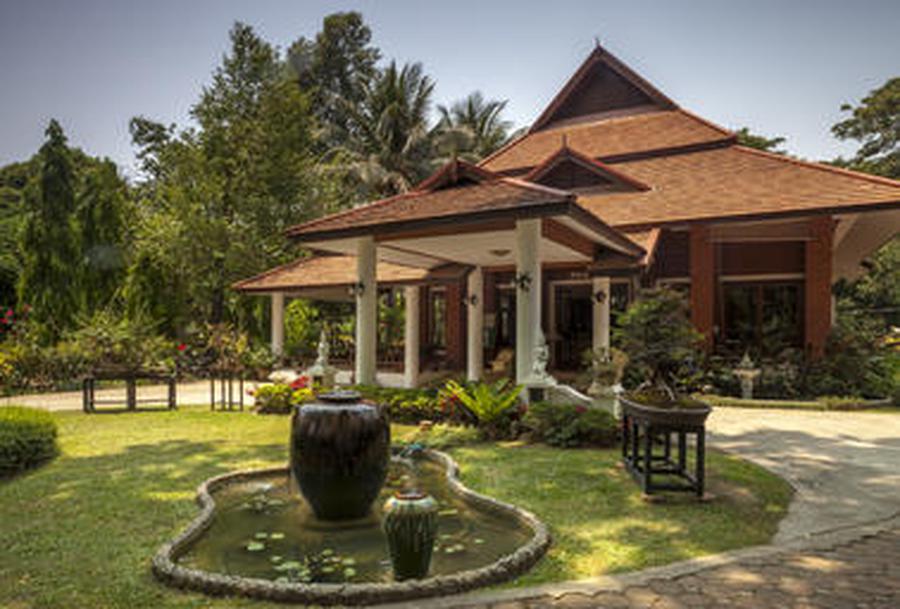
Mantak Chia | Universal Healing Tao | Tao Garden (Tao Garden Health Spa & Resort)


Healthy Skin Clinic
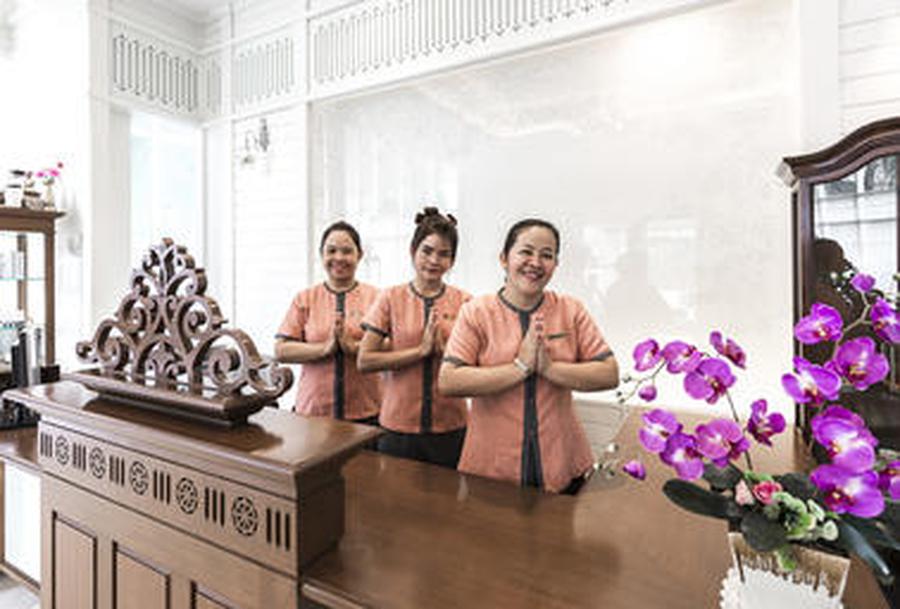
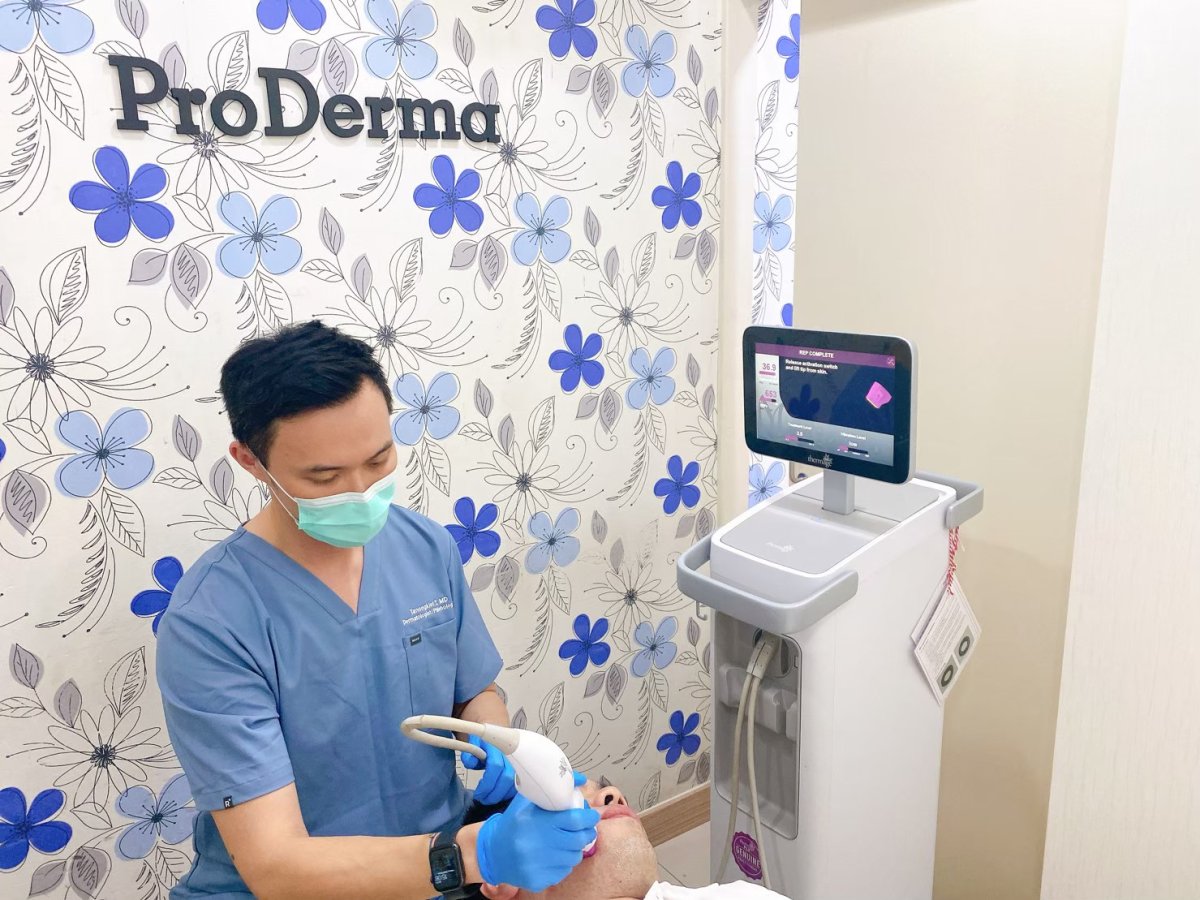
ProDerma Clinic
أفضل مراكز طب الأوردة في تايلاند
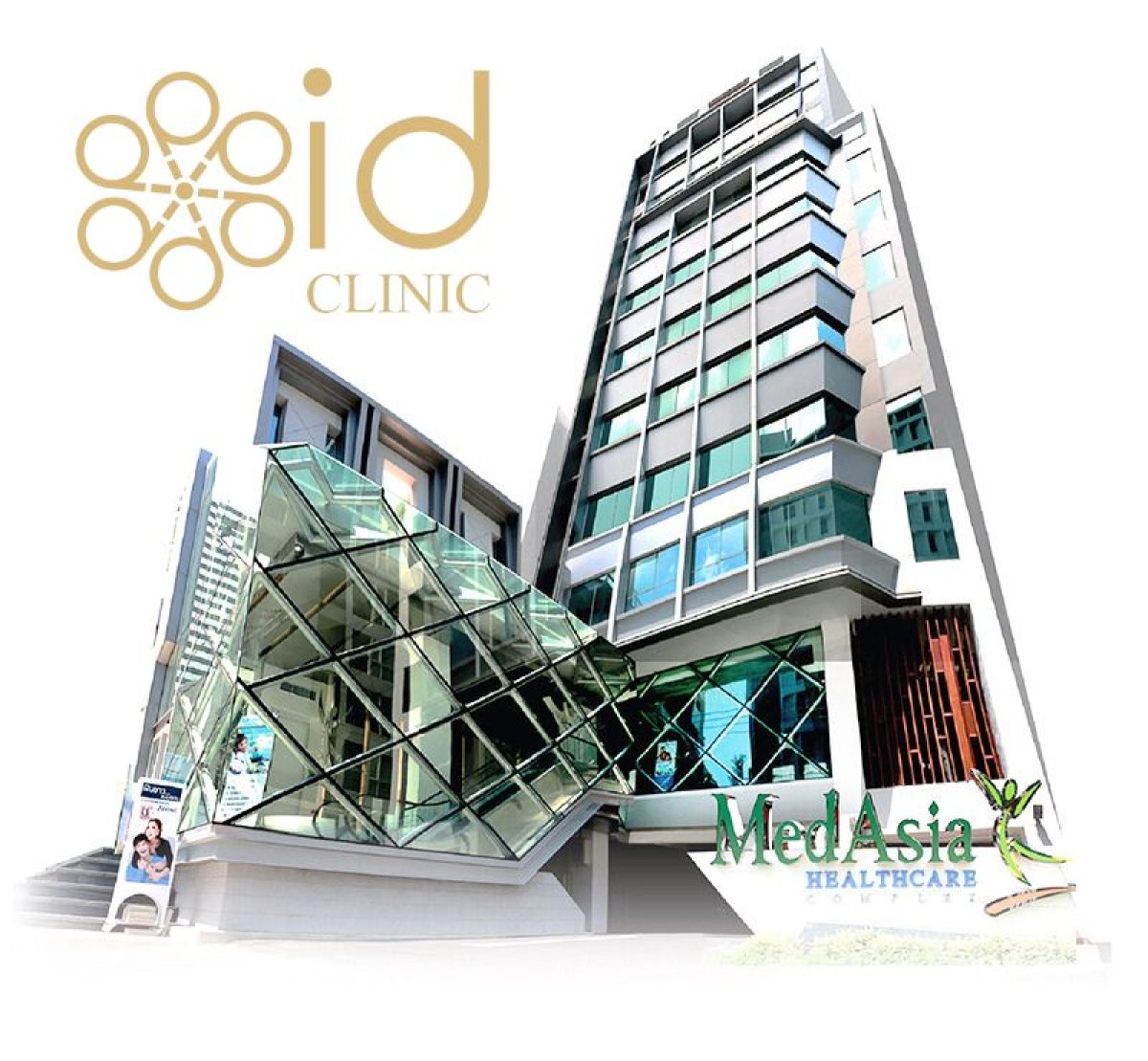
- ID Clinic Bangkok, تايلاند
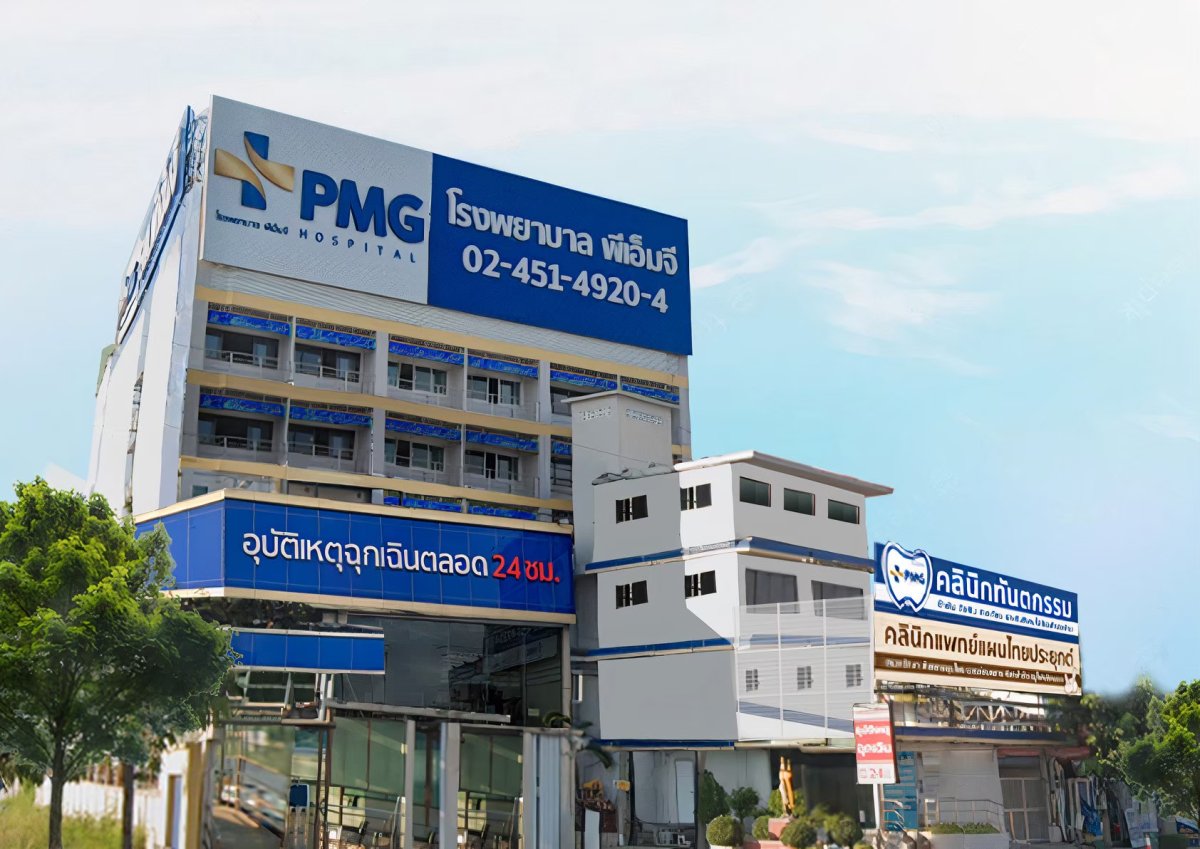
- PMG Hospital, تايلاند
- Bumrungrad International Hospital, تايلاند
- Rattinan Medical Center, تايلاند
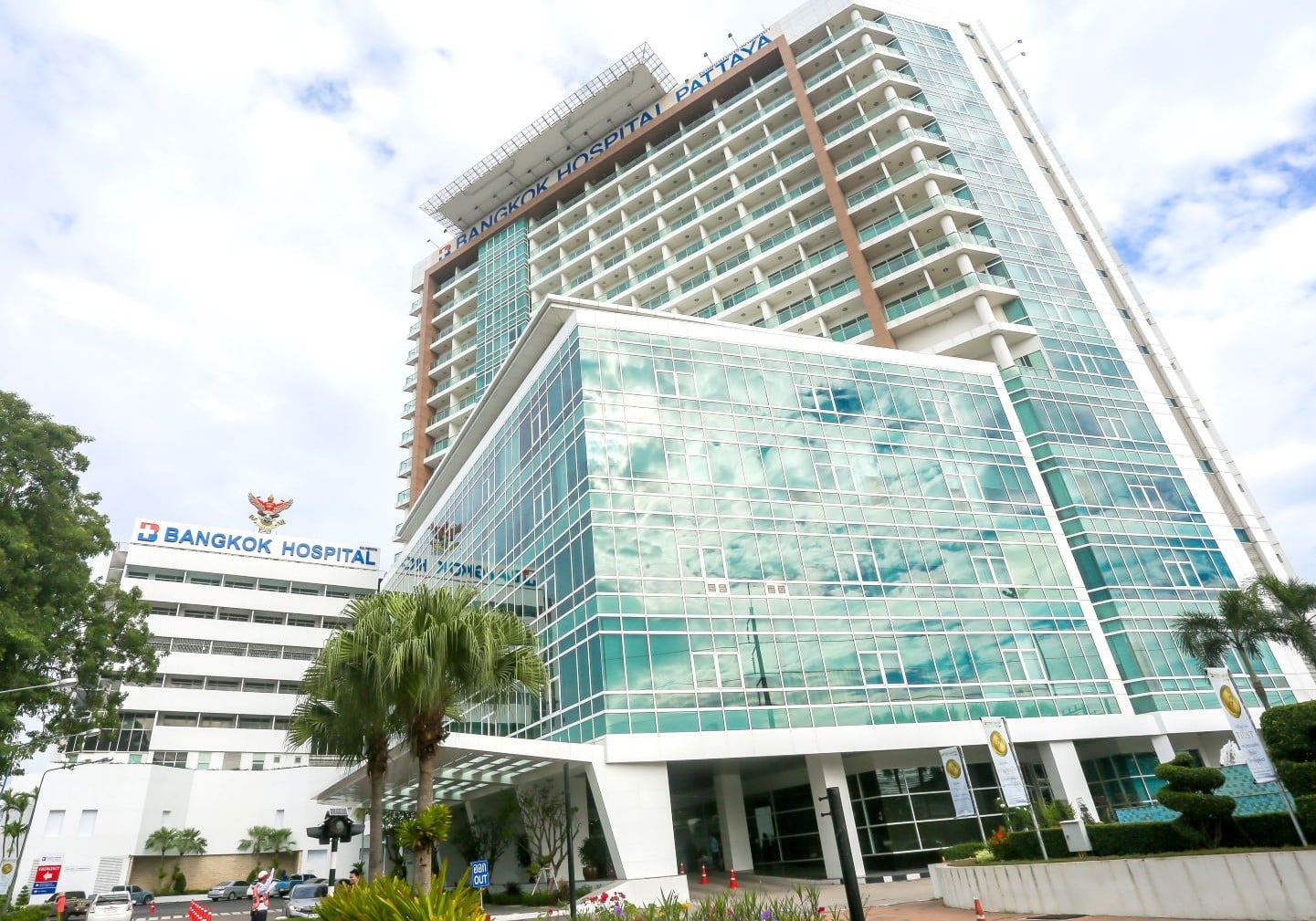
- Bangkok Hospital Pattaya, تايلاند
- Sikarin Hospital, تايلاند
- Mantak Chia | Universal Healing Tao | Tao Garden (Tao Garden Health Spa & Resort), تايلاند
- Healthy Skin Clinic, تايلاند
- B. Care Spa, تايلاند
- ProDerma Clinic, تايلاند
احصل على تقييم طبي لـ طب الأوردة في تايلاند. استشر الآن 10 أطباء ذوي الخبرة.
عرض جميع الأطباء
Thanaphat Pomyukon
الدكتور ثانافات بوميكون جرّاح عام (ศัลยแพทย์ทั่วไป). رقم الترخيص الطبي التايلاندي: ว.50550. حصل على درجة دكتور في الطب (MD) من كلية الطب بجامعة شولالونغكورن. كما يحمل دبلوم البورد التايلاندي في الجراحة العامة من مستشفى روي إت، وزارة الصحة.
يركّز عمله السريري على الفتوق والبواسير. كما يعالج كتل الثدي وحصوات المرارة. ويعالج أمراض الجهاز الهضمي. ويُجري تنظير الجهاز الهضمي، بما في ذلك تنظير المعدة وتنظير القولون.
اللغات: التايلاندية (الرئيسية) والإنجليزية (مستوى مهني سريري).

Natthaphon Srithurawanit
الدكتور ناتافون سريثوراوانيت هو أخصائي في الطب التجديدي في مستشفى مالي متعدد التخصصات في بانكوك. يدمج بين الطب التقليدي والطب الدقيق لعلاج الأمراض المزمنة غير المعدية. يركز الدكتور سريثوراوانيت على تقليل أوقات الشفاء من خلال تقنيات ترميمية في منشأة معتمدة من GHA.
- يجري علاج الخلايا الجذعية لإصلاح الأنسجة وتجديد الشباب ومكافحة الشيخوخة.
- يجري إجراءات تجميلية بما في ذلك علاج البلازما الغنية بالصفائح الدموية (PRP)، والبوتوكس، وعلاجات الليزر.
- يوفر فحوصات طبية دقيقة بما في
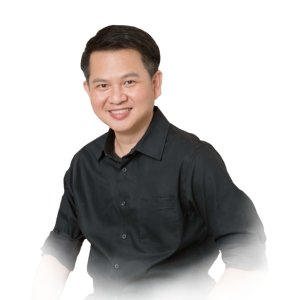
Dr Keerapat Phiromkraiphakdi
يتمتع الدكتور كيرابات فيرومكرايفاكدي بتدريب مكثف في الجراحة التجميلية من مؤسسات مرموقة في تايلاند والولايات المتحدة، وهو متخصص في الإجراءات التجميلية.
- تدرب في مستشفى فاجيرا ومستشفى راماتيبودي
- تدريب متقدم في الجراحة التجميلية في الولايات المتحدة
- أستاذ طبي في جامعة سريناكارينويروت
- عضو في الجمعية التايلاندية لجراحي التجميل
المراجعات
جميع المراجعات
مواد ذات صلة

ما هي تكلفة علاج ورم وعائي؟
كتب بواسطة Veronika Kazina
مشاركة المحتوى
قصص فيديو من مرضى Bookimed
 Anna Leonova
أسئلة متكررة حول طب الأوردة في تايلاند
لماذا تُعتبر تايلاند وجهة آمنة وموثوقة لعلاجات الأوردة؟
تُعد تايلاند خياراً آمناً وموثوقاً لطب الأوردة بسبب تركيزها العالي للمستشفيات المعتمدة من قبل اللجنة الدولية المشتركة (JCI). غالباً ما يحمل الأطباء المتخصصون شهادات من الولايات المتحدة وكوريا. تستخدم مرافق مثل مستشفى بامرونجراد الدولي التصوير الرقمي والتكنولوجيا الروبوتية. تضمن هذه المعايير معدلات نجاح عالية لعلاجات الأوعية الدموية.
- مؤهلات الخبراء: يحمل جراحون مثل الدكتورة بيمشايا بانيتشكول دبلومات تخصصية من الولايات المتحدة.
- التشخيص المتقدم: تستخدم العيادات تصوير دوبلر بالموجات فوق الصوتية وتصوير الأوعية المقطعي لتخطيط الأوردة بدقة.
- التقنيات الحديثة: توفر المرافق استئصال الأوردة بالليزر (EVLA) والاستئصال بالترددات الراديوية لشفاء أسرع.
- المعايير الدولية: تحافظ أفضل المستشفيات على الاعتماد العالمي للرعاية الصحية (GHA) وشهادات الجودة ISO.
رؤية خبير Bookimed: تُظهر البيانات أن عيادات بانكوك التي تخدم أكثر من 250,000 مريض سنوياً، مثل مستشفى سيكارين، تحافظ على أعلى درجات الموثوقية. غالباً ما تدمج هذه المراكز ذات الحجم الكبير الفحص التشخيصي المزدوج مع الإجراء. عادةً ما يقلل هذا التكامل إجمالي وقت العلاج إلى 5-7 أيام فقط للمرضى الدوليين.
إجماع المرضى: يلاحظ المرضى أن بروتوكولات العدوى في بانكوك تبدو أكثر صرامة مما هي عليه في بلدانهم الأصلية. يسلط الكثيرون الضوء على أن التوجيه بالموجات فوق الصوتية في الوقت الفعلي أثناء الإجراءات يمنع المضاعفات ويوفر راحة بال فورية.
ما هي تقنيات الأوردة طفيفة التوغل المتاحة في تايلاند وما الذي تنطوي عليه؟
تقدم تايلاند علاجات متقدمة للأوردة، سواء كانت حرارية أو غير حرارية. تشمل التقنيات الأساسية استئصال الأوردة بالليزر (EVLA)، والاستئصال بالترددات الراديوية (RFA)، وتصلب الأوردة. تتطلب هذه الإجراءات تخديرًا موضعيًا فقط. تسمح الشقوق الصغيرة التي يقل حجمها عن 2 مم بالخروج في نفس اليوم والتعافي السريع في عيادات بانكوك وباتايا.
- استئصال الأوردة بالليزر (EVLA): تعمل حرارة الليزر على إغلاق الأوردة المريضة. تتراوح التكاليف القياسية من $5,800.
- الاستئصال بالترددات الراديوية (RFA): يستخدم موجات الراديو لتقليص كولاجين الوريد. تتراوح أسعار الإجراء من $1,800.
- تصلب الأوردة بالرغوة: حقن محلول كيميائي يؤدي إلى تندب الأوردة الصغيرة. تتراوح التكاليف عادةً من $880.
- استئصال الأوردة الدقيق: الإزالة الجسدية للأوردة السطحية من خلال ثقوب. يوفر راحة فورية من الأوردة البارزة.
رؤية خبير Bookimed: غالبًا ما تدمج مراكز الرعاية ذات الحجم الكبير مثل مستشفى بامرونجراد الدولي، الذي يخدم أكثر من مليون مريض سنويًا، الذكاء الاصطناعي والتصوير الرقمي في التشخيص الوعائي. تعمل هذه التقنية على تحسين الدقة أثناء تصوير دوبلر بالموجات فوق الصوتية. يجب على المرضى البحث عن عيادات حاصلة على اعتماد JCI في بانكوك للحصول على أعلى معايير السلامة في الأشعة التداخلية.
إجماع المرضى: يؤكد المرضى أن هذه الإجراءات تضاهي المعايير الغربية ولكنها توفر وفورات كبيرة. يلاحظ
ما هي النتائج الطبية التي يمكن للمرضى الدوليين توقعها من إجراءات الأوردة التي يتم إجراؤها في تايلاند؟
يحقق المرضى الدوليون في تايلاند معدلات إغلاق تتراوح بين 90% و98% لعلاجات الدوالي. توفر الطرق المتقدمة مثل استئصال الوريد بالليزر (EVLA) والاستئصال بالترددات الراديوية (RFA) راحة فورية للدورة الدموية. معظم الإجراءات تتم في العيادات الخارجية. يعود المرضى إلى أنشطتهم الطبيعية في غضون 48 ساعة.
- معدلات النجاح: تصل إجراءات EVLA وRFA إلى 95% إلى 98% من النجاح السريري.
- وقت التعافي: تسمح العلاجات طفيفة التوغل بالعودة إلى العمل في غضون يوم إلى يومين.
- الاعتماد: تحافظ المرافق الرائدة مثل مستشفى بامرونجراد الدولي على معايير اللجنة الدولية المشتركة (JCI).
- تخفيف الأعراض: أبلغ حوالي 58% من المرضى عن انخفاض كبير في آلام الساق بعد العلاج.
رؤية خبير Bookimed: تستفيد عيادات بانكوك مثل مركز راتينان الطبي من أكثر من 25 عاماً من الخبرة المتخصصة. تظهر البيانات أن هذه المراكز ذات الحجم الكبير غالباً ما تدرج تصوير دوبلر بالموجات فوق الصوتية المفصل في الاستشارات الأولية. يعد هذا التخطيط قبل الجراحة عاملاً حاسماً لنجاح الإغلاق طويل الأمد بنسبة 98% الذي تم الإبلاغ عنه.
إجماع المرضى: يلاحظ العديد من المرضى أن ارتداء جوارب الضغط مباشرة بعد الإجراء يقلل الكدمات إلى النصف. كما أنهم يقدرون العيادات التي تقدم متابعة عبر واتساب لتجنب السفر الإضافي.
ما هي المضاعفات التي قد تحدث وكيف يتم التعامل معها في المراكز التايلاندية؟
تدير مراكز طب الأوردة التايلاندية مضاعفات مثل الكدمات، أو تهيج الأعصاب، أو الالتهابات السطحية من خلال بروتوكولات السلامة الدولية التابعة للجنة الدولية المشتركة (JCI). تستخدم الفرق متعددة التخصصات في مرافق مثل مستشفى بامرونجراد الدولي ومستشفى بانكوك باتايا مراقبة متقدمة بالموجات فوق الصوتية وسياسات السلامة 2P لضمان أمان المريض أثناء إجراءات الأوعية الدموية.
- بروتوكولات السلامة: تتبع المراكز معايير JCI ومعايير اعتماد الرعاية الصحية (HA) لمكافحة العدوى.
- المراقبة المتخصصة: يستخدم متخصصون مثل الدكتور ثانابات بوميوكون رسم الخرائط قبل الجراحة لتقليل المخاطر.
- التشخيص المتقدم: يساعد تصوير دوبلر بالموجات فوق الصوتية في $120 على تحديد مشاكل الأوعية الدموية المحتملة في وقت مبكر.
- الرعاية بعد الجراحة: توفر مرافق مثل مستشفى مالي متعدد التخصصات أسرّة رعاية مركزة للمراقبة.
رؤية خبير Bookimed: تُظهر البيانات من المراكز الرئيسية في بانكوك حجمًا كبيرًا من المرضى الدوليين، وغالبًا ما يصل إلى 50% من إجمالي الحالات. هذه الخبرة الهائلة مع حالات الأوعية الدموية المتنوعة تعني أن الفرق السريرية فعالة للغاية في تحديد التفاعلات النادرة للمواد المصلبة. اختيار مركز يستقبل أكثر من 400,000 مريض سنويًا، مثل مستشفى بانكوك باتايا، يضمن بنية تحتية قوية لإدارة المضاعفات الفورية على مدار الساعة طوال أيام الأسبوع.
إجماع المرضى: يشير المرضى إلى أن الكدمات الخفيفة أو التنميل أمر شائع ولكنه عادة ما يزول في غضون أسبوعين مع ارتداء جوارب الضغط
من هو المرشح الجيد لإجراءات الأوردة، ومن يجب عليه تأجيل أو تجنب العلاج؟
المرشحون الجيدون لإجراءات الأوردة في تايلاند هم الذين يعانون من آلام الساق، أو التورم، أو الدوالي المرئية. غالبًا ما لا يرى المرضى المثاليون نتائج من الجوارب الضاغطة أو ممارسة الرياضة بعد 3 إلى 6 أشهر. تتطلب إجراءات مثل المعالجة بالتصليب أو الاستئصال بالليزر قدرة على الحركة بشكل مستقل لضمان التعافي الآمن.
- الأعراض الجسدية: آلام متكررة في الساق، أو ثقل، أو تشنجات ليلية تحد من النشاط اليومي.
- العلامات السريرية: أوردة بارزة مرئية، أو تغير في لون الجلد، أو قرح بطيئة الشفاء في الساقين.
- معايير التأجيل: تتطلب فترة الحمل أو الرضاعة الانتظار لمدة 12 أسبوعًا على الأقل بعد الولادة.
- الاستثناءات الطبية: التهابات الجلد النشطة، أو مخاطر عالية لتجلط الدم، أو مرض الشريان المحيطي الحاد.
رؤية خبير Bookimed: تشير البيانات إلى أن اختيار العيادات التي تمتلك قدرات تشخيصية في الموقع، مثل مستشفى بامرونجراد الدولي، يسرع العملية بشكل كبير. تستخدم هذه المرافق التصوير الرقمي والسجلات الطبية الإلكترونية (EHR) لتأكيد صحة الأوعية الدموية على الفور. وهذا يتجنب التأخير الشائع في انتظار نتائج الموجات فوق الصوتية الخارجية قبل بدء العلاج.
إجماع المرضى: يشير المرضى إلى أنه من المهم الحصول على تأكيد بالموجات فوق الصوتية المزدوجة (Duplex Ultrasound) قبل حجز أي جراحة. ذكر أحد المرضى أن التسرع في العلاج لأسباب تجميلية بحتة دون وجود أعراض قد لا يستحق فترة النقاهة.
ما هي المدة التي يجب أن يخطط السياح الطبيون للبقاء فيها في تايلاند وكيف يبدو الجدول الزمني النموذجي للتعافي؟
يجب على السياح الطبيين التخطيط لإقامة تتراوح بين 7 إلى 14 يوماً في تايلاند لإجراءات علاج الأوردة. تتطلب المرافق ذات المعايير العالية مثل مستشفى بامرونجراد الدولي وعيادة راتينان هذه المدة للشفاء الأولي. وهذا يسمح بإجراء فحوصات المتابعة الأساسية ويضمن أن المرضى لائقون للسفر لمسافات طويلة.
- الإطار الزمني للسفر: ابقَ لمدة 10 أيام أو أكثر قبل السفر جواً لتقليل مخاطر الإصابة بتجلط الأوردة العميقة.
- التعافي الأولي: ابدأ بالمشي الخفيف فوراً بعد استئصال الوريد بالليزر للمساعدة في الدورة الدموية.
- بروتوكول المتابعة: احضر 2-3 فحوصات سريرية لمراقبة الموجات فوق الصوتية وتغيير الضمادات.
- الشفاء التام: العودة إلى الأنشطة الشاقة ورفع الأثقال بعد 4-6 أسابيع.
رؤية خبير Bookimed: تشير البيانات من عيادة راتينان إلى أن حجم الحالات مهم لنتائج التعافي. غالباً ما تستخدم العيادات التي تتمتع بخبرة تزيد عن 25 عاماً بروتوكولات محددة بعد الجراحة تسمح للمرضى بالمشي في نفس اليوم. تعد هذه الحركة الفورية مؤشراً رئيسياً على نجاح علاج الأوردة مع مضاعفات منخفضة.
إجماع المرضى: يلاحظ المرضى أن التعافي يبدو سهلاً في البداية، لكن الكدمات غالباً ما تصل إلى ذروتها حوالي اليوم الخامس. ويؤكدون أن ارتداء جوارب الضغط يجعل التنقل في مطارات تايلاند الكبيرة أكثر سهولة أثناء رحلة العودة.
ما الذي يجب على المرضى الدوليين حزمه أو تحضيره لضمان تجربة سلسة في مناخ تايلاند؟
يجب على المرضى الدوليين حزم ألياف طبيعية خفيفة مثل القطن أو الكتان للتعامل مع الرطوبة العالية. يمكن أن تسبب الأقمشة الثقيلة مثل الجينز عدم الراحة وتهيج الجلد. تشمل العناصر الأساسية واقي شمس بمعامل حماية عالٍ، وطارد حشرات يعتمد على مادة DEET، وملابس ضاغطة تمتص الرطوبة لتعافي الساقين بعد الجراحة.
- ملابس تسمح بمرور الهواء: احزم سراويل فضفاضة من الكتان أو القطن. فهي تمنع الاحتكاك الناتج عن الحرارة.
- الأحذية: اختر أحذية سهلة الارتداء تسمح بمرور الهواء. فهي تتكيف مع التورم وتتبع العادات المحلية.
- العناية بالساقين: أحضر 3-5 أزواج إضافية من الجوارب الضاغطة الماصة للرطوبة. الرطوبة العالية تتطلب تغييرات يومية.
- الترطيب: أدرج أكياس مسحوق الإلكتروليت. فهي تعوض المعادن المفقودة من خلال التعرق الشديد.
- الحماية من الشمس: استخدم واقي شمس بمعامل حماية 30+ وقبعات واسعة الحواف. احمِ المناطق الجراحية من الأشعة فوق البنفسجية.
رؤية خبير Bookimed: تظهر البيانات من عيادات بانكوك مثل ID Clinic حجمًا كبيرًا من المرضى الدوليين من مناخات متنوعة. من الأخطاء الشائعة إهمال تكييف الهواء القوي في المستشفيات. بينما تصل درجات الحرارة الخارجية إلى 35 درجة مئوية، غالبًا ما تكون المرافق الداخلية باردة جدًا. أوصي بحزم سترة خفيفة (هودي) عالية الجودة. فهي تمنع الصدمة الحرارية، التي يمكن أن تزيد من عدم الراحة أثناء استشارات الأوعية الدموية بعد الإجراء.
إجماع المرضى: يشير المرضى إلى أن معدات الضغط القياسية تصبح لا تطاق في الحرارة. يتم
ما هي المؤهلات التي يجب أن أبحث عنها عند اختيار طبيب أوردة في تايلاند؟
يتطلب اختيار طبيب أوردة في تايلاند التحقق من ترخيص المجلس الطبي التايلاندي والتخصص في جراحة الأوعية الدموية أو الأمراض الجلدية. أعط الأولوية للأطباء الحاصلين على زمالات دولية من الولايات المتحدة أو أوروبا أو أستراليا. تحافظ المرافق الرائدة مثل مستشفى بامرونجراد الدولي على اعتماد JCI لسلامة علاج الأوردة.
- الترخيص الطبي: تحقق من التسجيل النشط لدى المجلس الطبي التايلاندي لجميع الممارسين.
- المجالس المتخصصة: ابحث عن شهادات في جراحة الأوعية الدموية أو الأشعة التداخلية أو الأمراض الجلدية للحصول على خبرة في الأوردة.
- التدريب الدولي: ابحث عن عضويات في الكلية الأسترالية لعلم الأوردة أو المجالس الأمريكية.
- اعتماد العيادة: اختر المراكز الحاصلة على معايير الجودة JCI أو AACI، مثل مركز راتينان الطبي.
رؤية خبراء Bookimed: تظهر البيانات وجود ارتباط قوي بين أحجام المرضى الكبيرة وتكامل التشخيص المتقدم في بانكوك. تدمج المرافق مثل مستشفى بامرونجراد الدولي، الذي يخدم 1,000,000 مريض سنويًا، وحدات الأوعية الدموية متعددة التخصصات. تركز العيادات المتخصصة مثل مركز راتينان الطبي، بخبرة تزيد عن 25 عامًا، على بروتوكولات العيادات الخارجية مثل الاستئصال بالترددات الراديوية. يشير هذا المزيج من الخبرة الكبيرة والاعتماد المتخصص عادةً إلى نتائج سريرية أكثر موثوقية لحالات الأوردة المعقدة.
إجماع المرضى: يؤكد المرضى أن إجراء تخطيط احترافي بالموجات فوق الصوتية المزدوجة أمر غير قابل للتفاوض قبل أي إجراء. إنهم يحذرون من العيادات التي تعد بحلول في جلسة واحدة
ما هي حالات الأوردة التي يتم علاجها بشكل شائع في العيادات التايلاندية، وما مدى فعالية النتائج؟
تتخصص العيادات التايلاندية في علاج الدوالي، والأوردة العنكبوتية، والقصور الوريدي المزمن باستخدام تقنيات متقدمة طفيفة التوغل. تُظهر إجراءات مثل استئصال الوريد بالليزر (EVLA) والاستئصال بالترددات الراديوية (RFA) معدلات نجاح تتراوح بين 95% و98%. توفر المرافق في بانكوك وباتايا رعاية تتبع معايير JCI وISO.
- الحالات الشائعة: تعالج العيادات الدوالي، والأوردة العنكبوتية، وتجلط الأوردة العميقة (DVT).
- نطاق العلاج: تشمل الخيارات العلاج بالتصليب، ورأب الأوعية الدموية، وإزالة توسع الشعيرات الوجهية بالترددات الراديوية.
- معدلات النجاح: تحقق EVLA وRFA نجاحاً بنسبة 95-98% في إغلاق الأوردة المستهدفة.
- وقت التعافي: يعود المرضى عادةً إلى أنشطتهم الطبيعية في غضون يوم إلى يومين بعد الاستئصال.
- المعايير السريرية: تمتلك أفضل المستشفيات مثل مستشفى بامرونجراد الدولي العديد من اعتمادات JCI وGHA.
رؤية خبير Bookimed: تشير البيانات إلى أن المراكز ذات الحجم الكبير مثل عيادة راتينان، التي تتمتع بخبرة تزيد عن 25 عاماً، تقدم خبرة متخصصة في إزالة الأوردة. في حين أن العديد من المستشفيات العامة توفر خدمات طب الأوردة، فإن العيادات التي تركز على جراحة الأوعية الدموية والتجميل غالباً ما تدمج الطب التجديدي. يساعد هذا النهج في تقليل الكدمات، وهو مصدر قلق شائع في مناخ تايلاند الاستوائي.
إجماع المرضى: يؤكد المرضى أن المرافق المتميزة المعتمدة من JCI تقدم نتائج مماثلة لأطباء الغرب ولكن بتكلفة أقل. يشير الكثيرون إلى أن ارتداء جوارب الضغط
ما هي التقنيات طفيفة التوغل المستخدمة لعلاج الدوالي في تايلاند؟
تشمل التقنيات طفيفة التوغل لعلاج الدوالي في تايلاند استئصال الوريد بالليزر (EVLA)، والاستئصال بالترددات الراديوية (RFA)، وتصلب الأوردة. هذه العلاجات هي المعيار في المراكز المعتمدة من قبل اللجنة الدولية المشتركة (JCI) في بانكوك وباتايا. وهي توفر تعافياً سريعاً، مما يسمح للمرضى عادةً بالمشي في نفس اليوم دون ندبات مرئية أو الحاجة إلى تخدير عام.
- علاج الليزر: يستخدم EVLA الطاقة الحرارية لإغلاق الأوردة الكبيرة والأعمق من خلال شقوق صغيرة.
- الاستئصال بالترددات الراديوية: يستخدم RFA طاقة التردد الراديوي لإغلاق الأوردة المصابة بدقة عالية.
- تصلب الأوردة: يقوم الأطباء بحقن محاليل رغوية أو سائلة لإغلاق الأوردة الصغيرة أو الأوردة العنكبوتية.
- التخطيط التشخيصي: غالباً ما تتضمن استشارات المتخصصين تصويراً بالموجات فوق الصوتية (دوبلر) لإنشاء خطط علاج دقيقة.
رؤية خبير Bookimed: تظهر البيانات من المراكز الرئيسية اتجاهاً حيث تقوم العيادات ذات حجم المرضى الكبير، مثل مستشفى بامرونجراد الدولي الذي يخدم 1,000,000 مريض سنوياً، بدمج التصوير الرقمي المتقدم. يسمح هذا الحجم بتخطيط أكثر دقة بالموجات فوق الصوتية، وهو أمر بالغ الأهمية للاختيار بين طرق الليزر والترددات الراديوية. يجب على المرضى إعطاء الأولوية للمرافق التي تجري هذه التشخيصات داخلياً لضمان مطابقة التقنية المختارة لتشريح الوريد الخاص بهم.
إجماع المرضى: يشير المرضى إلى أنه من المهم ارتداء جوارب ضاغطة لمدة تصل إلى أسبوعين بعد إجراءات الليزر. يتفاجأ معظمهم بقدرتهم على العودة إلى العمل في