ورم وعائي العلاج في الهند - التكاليف 2026


تمت مراجعة المقالة طبيا من قبل
فهد مولود
ما هي تكلفة ورم وعائي إجراءات التشخيص والعلاج في الهند؟ اعرف الآن
مزاياك وضماناتك مع Bookimed
أسعار مباشرة
Bookimed لا يضيف رسوماً إضافية على أسعار علاج ورم وعائي. الأسعار مأخوذة من قوائم الأسعار الرسمية للعيادات. تدفع مباشرة في العيادة مقابل علاجك عند وصولك إلى البلد.
عيادات وأطباء معتمدون فقط
Bookimed ملتزم بسلامتك. نحن نعمل فقط مع المؤسسات الطبية التي تحافظ على معايير دولية عالية في علاج ورم وعائي ولديها التراخيص اللازمة لخدمة المرضى الدوليين في جميع أنحاء العالم.
مساعدة مجانية على مدار الساعة
Bookimed يقدم مساعدة خبراء مجانية. منسق طبي شخصي يدعمك قبل وأثناء وبعد العلاج، ويحل أي مشاكل. لن تكون وحيداً أبداً في رحلة علاج ورم وعائي.

منسقك الطبي الشخصي في Bookimed
- يدعمك في كل مرحلة
- المساعدة في اختيار العيادة الطبية المناسبة والطبيب المناسب
- يضمن الوصول السريع والمريح إلى المعلومات
اكتشف أفضل ورم وعائي العيادات في الهند: 7 خيارات معتمدة والأسعار







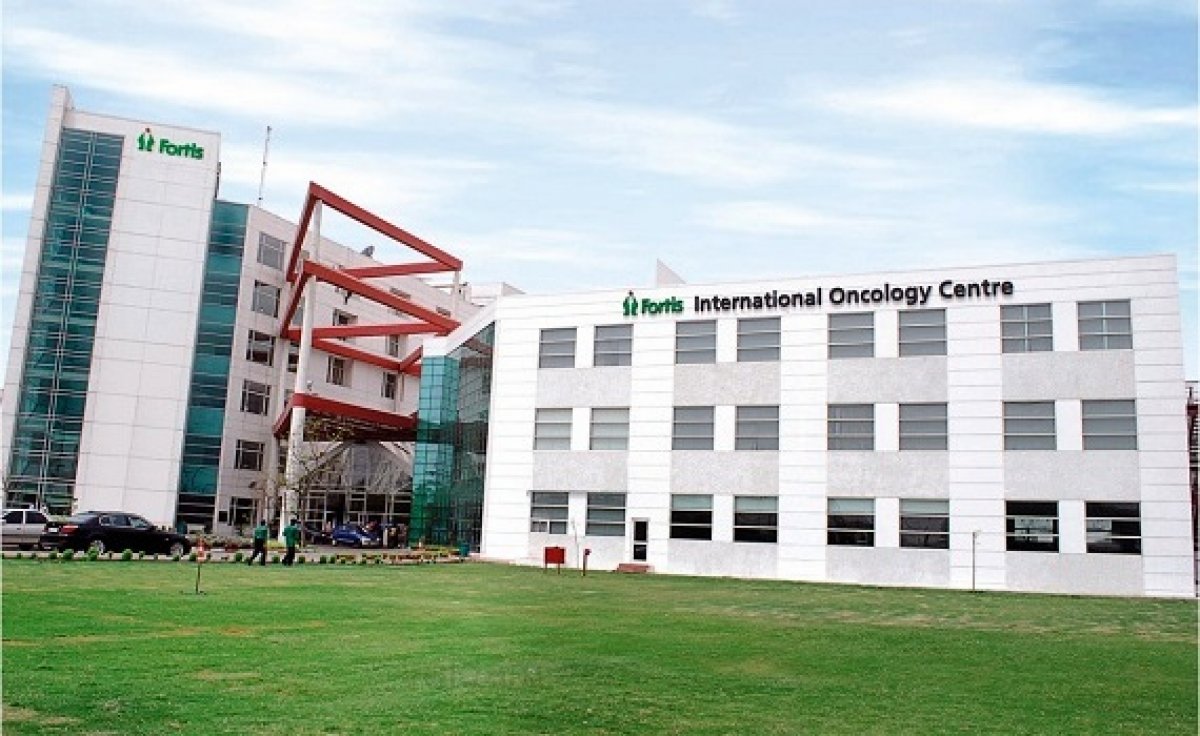
Fortis Hospital
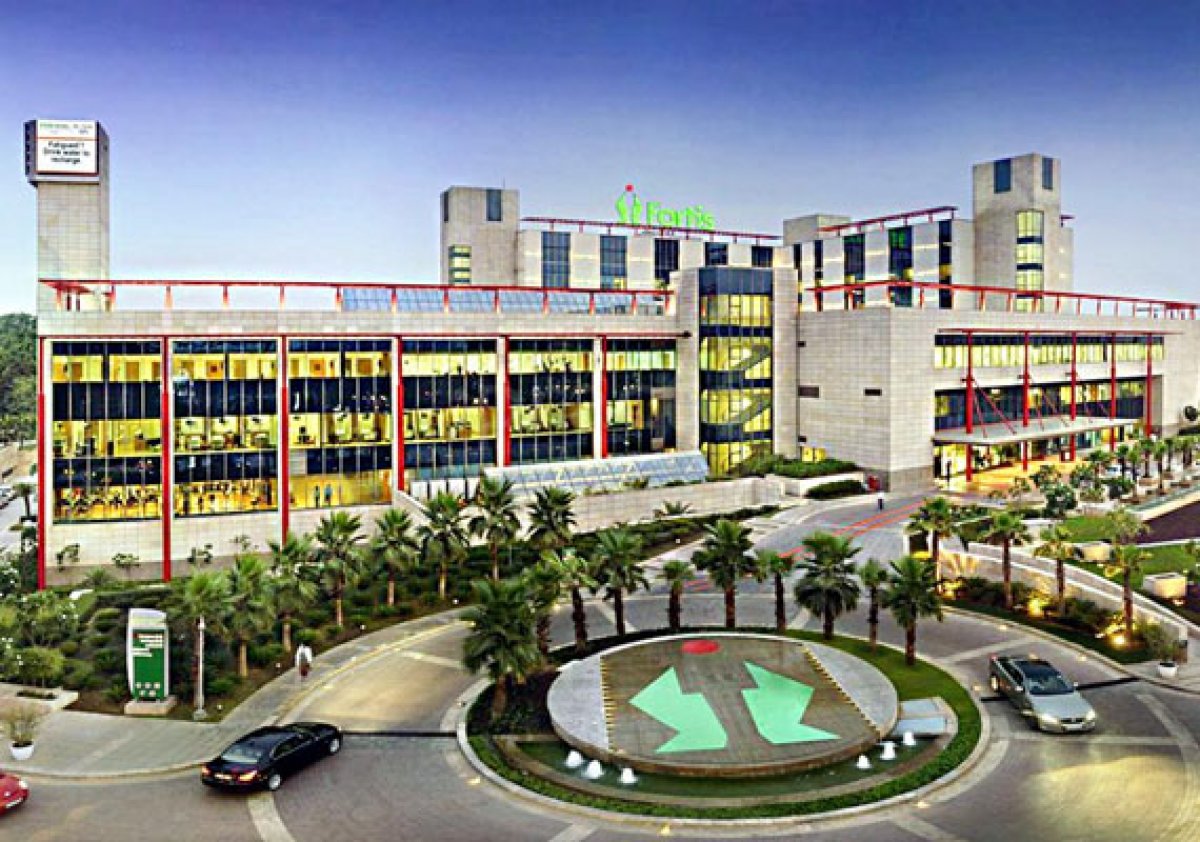
Fortis Memorial Research Institute
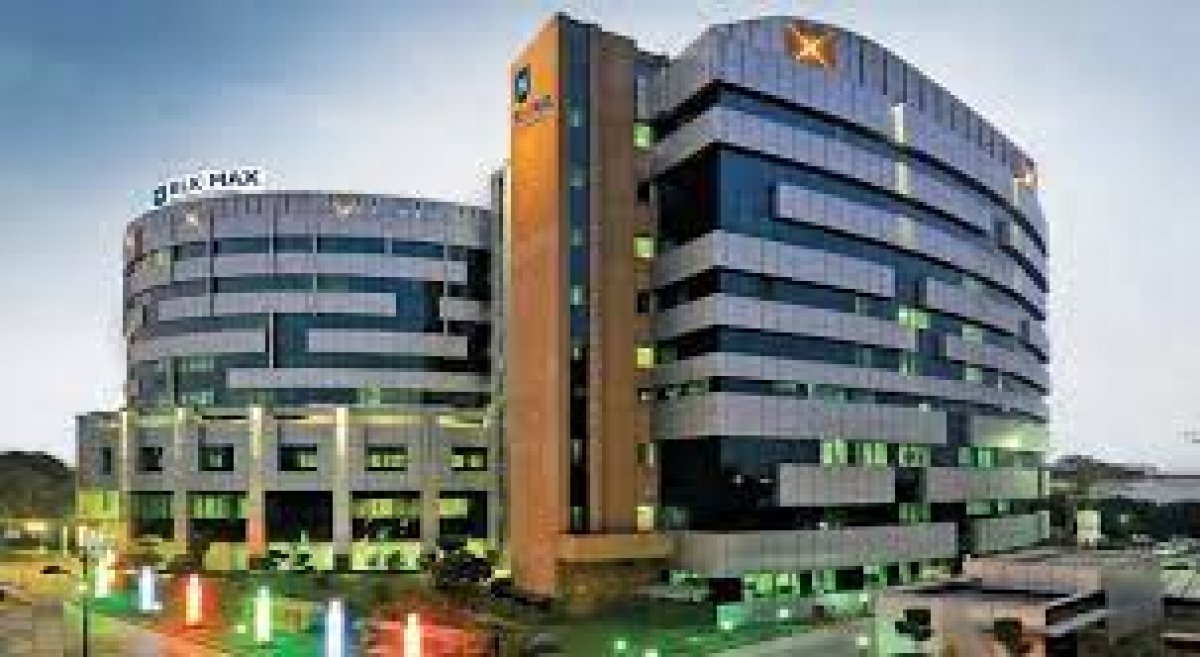
BLK-Max Super Speciality Hospital

مشاركة المحتوى
قصص فيديو من مرضى Bookimed
 Anna Leonova
أسئلة متكررة حول علاج ورم وعائي في الهند
هل يتطلب كل ورم وعائي علاجاً طبياً نشطاً؟
معظم الأورام الوعائية لا تتطلب علاجاً طبياً نشطاً. حوالي 85% إلى 90% من الحالات تشفى بشكل طبيعي من خلال التراجع التلقائي. تظل المراقبة السريرية هي المعيار للرعاية في حالات الآفات المستقرة. يتم حجز التدخل للحالات التي تؤثر على الوظائف الحيوية أو تسبب أعراضاً شديدة مثل التقرح.
- الشفاء الطبيعي: تنكمش معظم الآفات وتتلاشى بين سن 3 إلى 10 سنوات.
- محفزات العلاج: تبدأ الرعاية النشطة إذا كانت الآفات تعيق الرؤية أو التنفس أو التغذية.
- الخيارات العلاجية: يستخدم الأطباء بروبرانولول، أو حاصرات بيتا الموضعية، أو العلاج بالليزر للحالات عالية الخطورة.
- التدخل الجراحي: تعالج الجراحة عادةً الندبات المتبقية أو الجلد الزائد بعد مرحلة التراجع.
رؤية خبير Bookimed: توفر الهند كثافة عالية من المرافق المعتمدة من اللجنة الدولية المشتركة (JCI) مثل مستشفيات أرتميس ومستشفى كوكيلابين ديروبهاي أمباني. في حين أن المراقبة هي المعيار، فإن حجم المرضى الكبير في مراكز مثل مستشفيات مانيبال - التي تخدم 2,000,000 مريض سنوياً - يضمن أن الجراحين لديهم خبرة واسعة في تحديد الحالات عالية الخطورة في وقت مبكر. غالباً ما يسمح هذا الحجم الكبير بمسارات تشخيصية أكثر دقة، بما في ذلك استشارات متخصصة مع أطباء الأعصاب أو جراحي الأعصاب عند الاشتباه في وجود إصابة داخلية.
إجماع المرضى: يشير المرضى إلى أنه من المهم الموازنة بين المراقبة والمخاوف التجميلية. يسعى الكثيرون للحصول على آراء ثانية للآفات الوجهية لمنع الندبات المستقبلية حتى عندما تكون المخاطر الطبية منخفضة.
ما هي طرق العلاج الرئيسية المتاحة في المستشفيات الهندية؟
تقدم المستشفيات الهندية علاجات متقدمة للأورام الوعائية (hemangiomas) بما في ذلك العلاج الفموي بالبروبرانولول، وعلاجات الليزر المتخصصة، وتصلب الأوعية الدموية طفيف التوغل. يوفر مستشفى جلوبال تشيناي ومستشفيات مانيبال هذه الخدمات داخل مرافق معتمدة من قبل JCI و NABH. تتراوح الرعاية من المراقبة الدقيقة إلى الاستئصال الجراحي المعقد في المراكز الطبية الكبرى.
- العلاج الدوائي: يستخدم المتخصصون البروبرانولول الفموي أو الستيرويدات لإدارة الأورام الوعائية الشعرية عند الرضع.
- علاج الليزر: تستهدف أنظمة الليزر الوعائية العلامات السطحية أو الاحمرار المتبقي بعد التراجع.
- طرق طفيفة التوغل: تعالج إجراءات تصلب الأوعية الدموية أو الانصمام الآفات الوعائية الكبيرة أو العميقة.
- الاستئصال الجراحي: يقوم الجراحون بإزالة الآفات التي تسبب مشاكل وظيفية، أو انسداد الرؤية، أو النزيف المتكرر.
رؤية خبير Bookimed: بينما يبحث العديد من المرضى العالميين عن رعاية القلب أو الكبد، يكشف حجم عمليات الزرع في الهند عن نمط أمان حاسم. أجرى مستشفى جلوبال تشيناي وحده أكثر من 1000 عملية زرع كبد. يترجم هذا الحجم الهائل من الإجراءات إلى بروتوكولات جراحية عالية الدقة لإزالة الأورام الوعائية. غالبًا ما تمتلك المراكز ذات الحجم الكبير دقة تشخيصية أفضل للتشوهات الوعائية المعقدة.
إجماع المرضى: يشير المرضى إلى أنه من المهم السؤال عما إذا كانت الآفة تحتاج إلى علاج نشط أو مراقبة. اطلب المراجعة فورًا إذا كان الورم الوعائي يؤثر على الرؤية أو التغذية أو التنفس.
أي نوع من الأخصائيين الطبيين يجب أن يدير الورم الوعائي؟
يعتمد الأخصائيون الطبيون لإدارة الورم الوعائي على موقع النمو وعمر المريض. عادة ما يدير أطباء الأطفال وأطباء الجلد آفات الجلد السطحية. تتطلب الحالات المعقدة التي تشمل الأعضاء الداخلية أو الضعف الوظيفي فريقاً متعدد التخصصات. غالباً ما تنسق المراكز الثالثية الهندية الرعاية عبر العديد من التخصصات الجراحية والطبية.
- أخصائيو الجلد: يدير أطباء الجلد الآفات السطحية باستخدام حاصرات بيتا الموضعية أو الفموية.
- رعاية الأطفال: يقدم أطباء الأطفال التشخيص الأولي والمراقبة لأورام الأطفال الوعائية.
- أخصائيو الأعضاء: يدير أطباء الكبد أورام الكبد الوعائية التي يتم تحديدها من خلال التصوير التشخيصي المتقدم.
- خبراء الجراحة: يقوم أطباء الأشعة التداخلية بإجراء العلاج بالتصليب أو الانصمام للآفات العميقة والمعقدة.
رؤية خبير Bookimed: تستضيف الهند العديد من المجموعات الصحية الضخمة مثل مستشفيات مانيبال ومستشفى جلوبال تشيناي. تعالج هذه المراكز أكثر من 2 مليون مريض سنوياً عبر 40 إلى 60 قسماً متخصصاً. ولأنهم يستخدمون نظام أخصائيين بدوام كامل، يمكن للمرضى رؤية طبيب أعصاب وطبيب جلد وجراح في منشأة واحدة. هذا التنسيق الداخلي حيوي للأورام الوعائية المعقدة التي تتطلب وجهات نظر متعددة في وقت واحد.
إجماع المرضى: يشير المرضى إلى أنه على الرغم من أن العديد من الأورام الصغيرة تختفي بشكل طبيعي، يجب عليك طلب رعاية متخصصة فوراً إذا كانت الآفة تؤثر على العينين أو مجرى الهواء أو بدأت في التقرح.